 joystickarena94
Introduction: The Birth of a New Age in Gaming
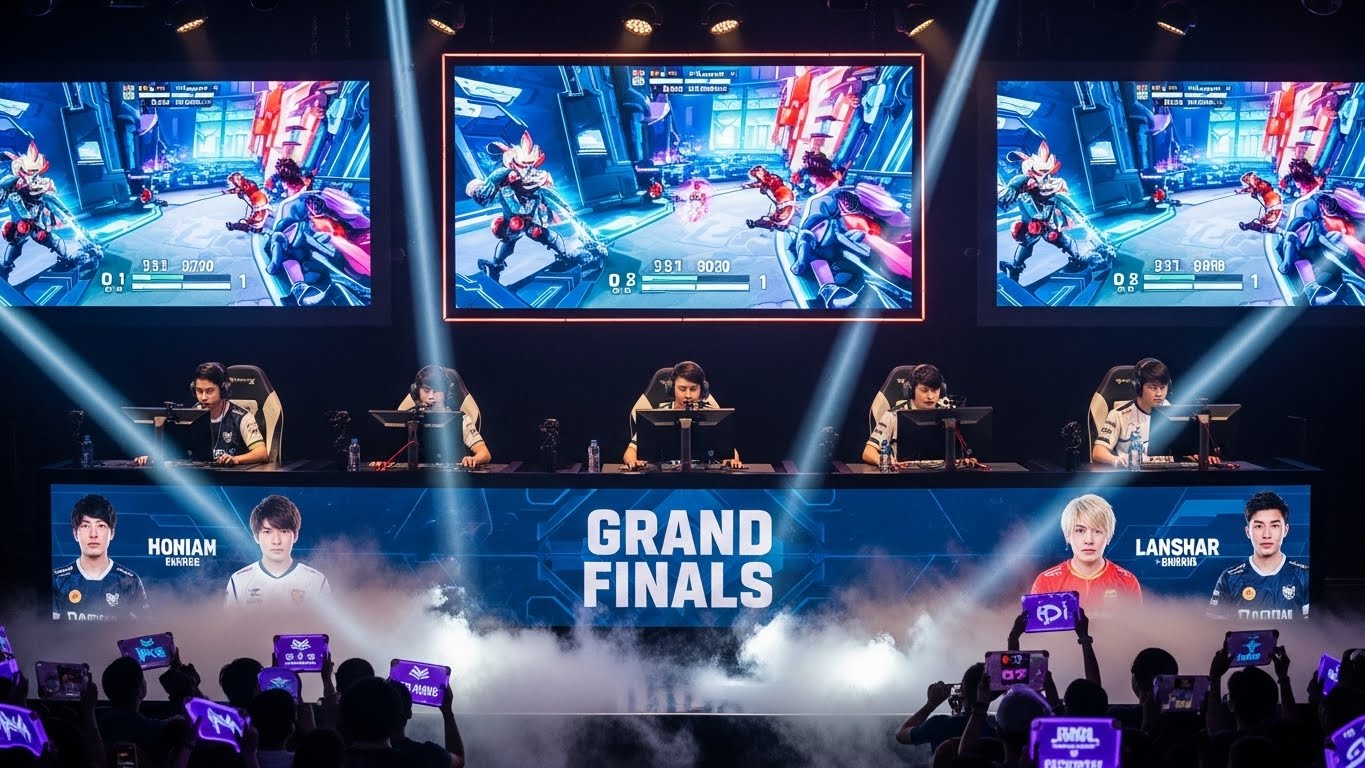
The world of gaming has witnessed incredible transformations over the past few decades. What was once a niche pastime is now a multi-billion-dollar industry, and at the heart of this revolution lies esports. Esports, or electronic sports, refers to competitive video gaming at a professional level, often involving teams, tournaments, and audiences that rival those of traditional sports. From humble beginnings in local arcades to global championships with massive prize pools, esports has become a cultural phenomenon.
This blog explores the rise of esports, the key factors behind its rapid growth, its impact on entertainment, and what the future holds for competitive gaming.
The Early Days: From Hobby to Professional Competition
Esports did not emerge overnight. Its origins can be traced back to the early days of video gaming, when competitive play was a casual affair among friends in living rooms or at local arcades. The first known competitive gaming event took place in 1972 with the “Intergalactic Spacewar Olympics,” a tournament for the game Spacewar!—one of the earliest video games ever created. Though small in scale, this event set the stage for future competitive gaming endeavors.
As home consoles gained popularity in the 1980s and 1990s, games like Street Fighter and Mortal Kombat laid the groundwork for competitive fighting games. However, it wasn’t until the advent of the internet and online multiplayer games in the late 1990s and early 2000s that esports began to take form in its modern sense. Games like StarCraft and Quake were some of the first titles to feature organized online competitions, while tournaments like the World Cyber Games (WCG) and Electronic Sports World Cup (ESWC) helped shape the competitive landscape.
While these events were small compared to today’s standards, they were pivotal in showing the potential of esports as a global phenomenon.
The Explosion of Esports: Growth in the 2010s
The 2010s marked a turning point for esports. The development of faster internet speeds, streaming platforms like Twitch, and the rise of multiplayer online games set the stage for explosive growth. Titles like League of Legends, Dota 2, and Counter-Strike: Global Offensive attracted millions of players and viewers. These games were not just played—they were watched by millions of fans worldwide, sparking the rise of a new breed of professional gamers.
Streaming platforms like Twitch revolutionized how esports was consumed. For the first time, fans could tune in to live broadcasts of competitions, watch skilled players perform incredible feats, and interact with their favorite personalities in real time. Twitch and YouTube Gaming provided the ideal platforms for esports, and the popularity of these services helped turn gaming into a spectator sport.
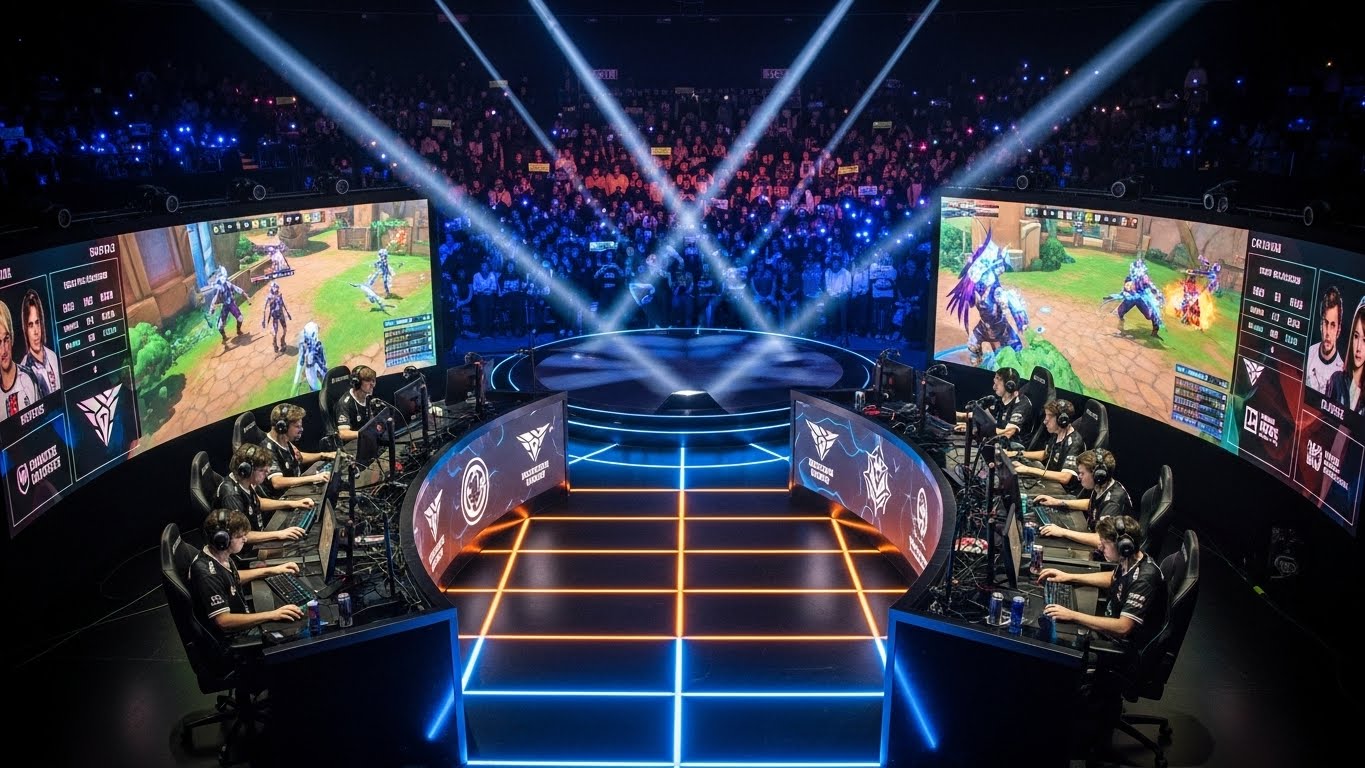
Esports tournaments began to grow in scale, with events like The International (the world championship for Dota 2) offering prize pools exceeding $30 million. These tournaments attracted not only top-tier players but also huge audiences, both in-person and online. The prize money and sponsorships associated with these events helped legitimize esports as a career option for skilled players, offering substantial financial rewards for their talents.
The Rise of Professionalism in Esports
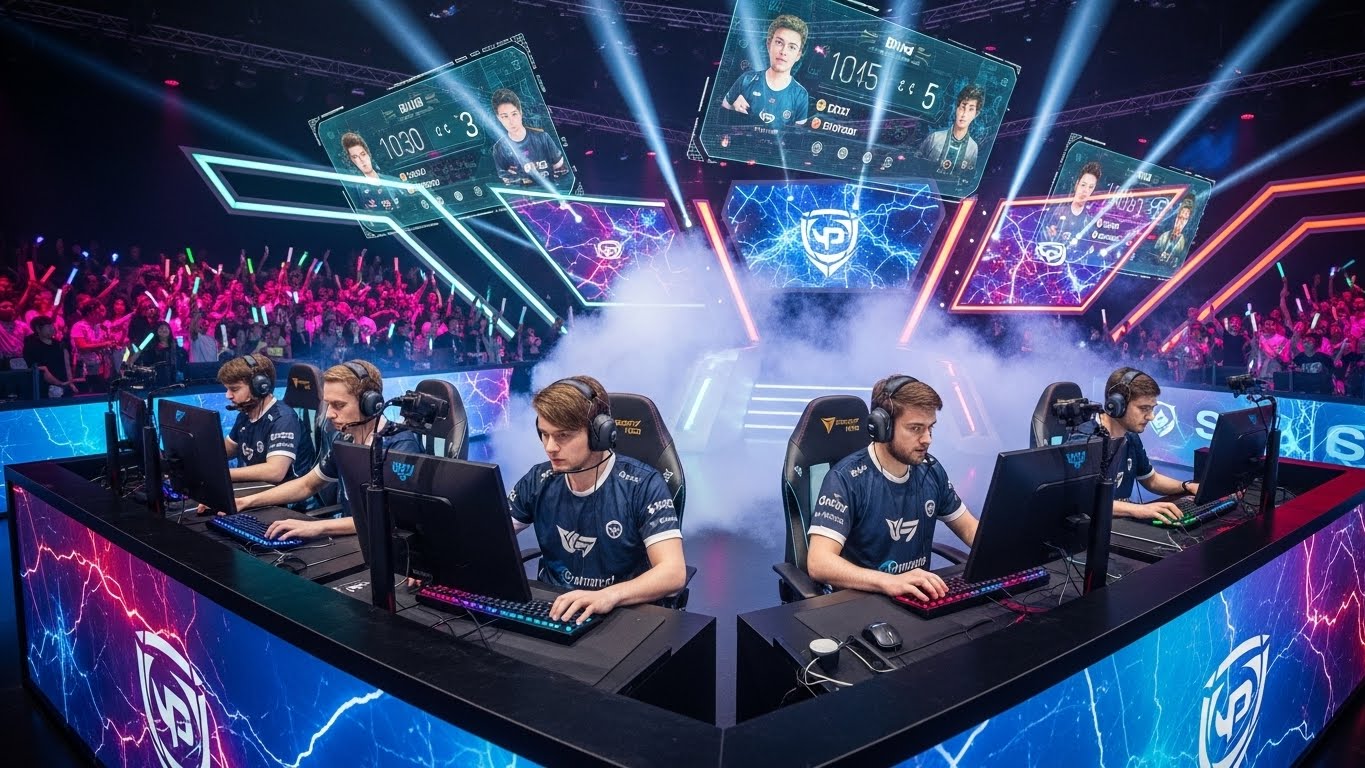
What began as a hobby for many gamers has transformed into a fully-fledged career path. Today, professional gamers train rigorously, practice for hours, and compete in tournaments that require the same level of preparation and dedication as any traditional sport. Esports organizations now operate with the same structure as professional sports teams, complete with coaches, analysts, and support staff who help players improve their gameplay, strategy, and mental resilience.
For esports players, life on the professional circuit involves a demanding schedule. Many of the top teams participate in boot camps to sharpen their skills and perfect team dynamics. These camps are designed to simulate the pressures of competition and prepare players for the intensity of live tournaments.
Moreover, many esports players have begun to attract massive fanbases, similar to professional athletes. Players like Faker (Lee Sang-hyeok) in League of Legends and Ninja (Tyler Blevins) in Fortnite have become household names. Their success has propelled them into the mainstream, where they enjoy endorsement deals, sponsorships, and recognition in pop culture.
Esports as a Global Phenomenon
One of the most fascinating aspects of esports is its global reach. Unlike traditional sports, esports doesn’t rely on geographic location or language barriers. Players and fans from all corners of the world can connect through online platforms, making the competitive gaming scene truly international.
Esports events are often streamed in multiple languages, ensuring that fans from diverse regions can participate in the experience. Major tournaments attract teams from North America, Europe, Asia, and other continents, creating a melting pot of talent and competition. The League of Legends World Championship, The International, and CS:GO Major Championships have all featured international participants, drawing millions of viewers from around the globe.
Esports has even entered the realm of traditional sports, with games like FIFA and NBA 2K attracting professional athletes who compete in gaming tournaments. This intersection between the worlds of esports and traditional sports has helped boost esports’ credibility and exposure.
Esports: A Thriving Business Model
Esports has become an economic juggernaut, generating billions of dollars annually. The revenue streams come from several sources: sponsorships, advertising, media rights, merchandise sales, and, of course, ticket sales to live events. Companies from diverse industries, such as technology, energy drinks, and telecommunications, have jumped on the esports bandwagon, investing heavily in sponsorship deals with esports teams and tournaments.
One of the most notable aspects of esports’ financial success is its ability to generate massive prize pools. The Dota 2 International, for example, has become famous for its ever-increasing prize pool, with some years surpassing $40 million. While these large sums are eye-catching, the economic impact of esports extends far beyond prize money. Sponsorships and partnerships with major brands have allowed esports teams and players to make lucrative incomes, turning esports into a sustainable career for many.
Furthermore, the esports industry has created new career paths in areas like broadcasting, event management, marketing, content creation, and game development. The growth of esports has given rise to a wide array of job opportunities, ranging from analysts and casters who provide expert commentary during events, to community managers who handle player-fan interactions, to video editors and social media managers who help promote events and players.
The Impact of Esports on Traditional Sports and Entertainment
Esports has had a profound impact on traditional sports and entertainment. Many sports organizations have begun investing in esports teams, recognizing the potential of this emerging market. For example, the NBA has its own esports league, the NBA 2K League, which features professional players competing in the popular NBA 2K video game series.
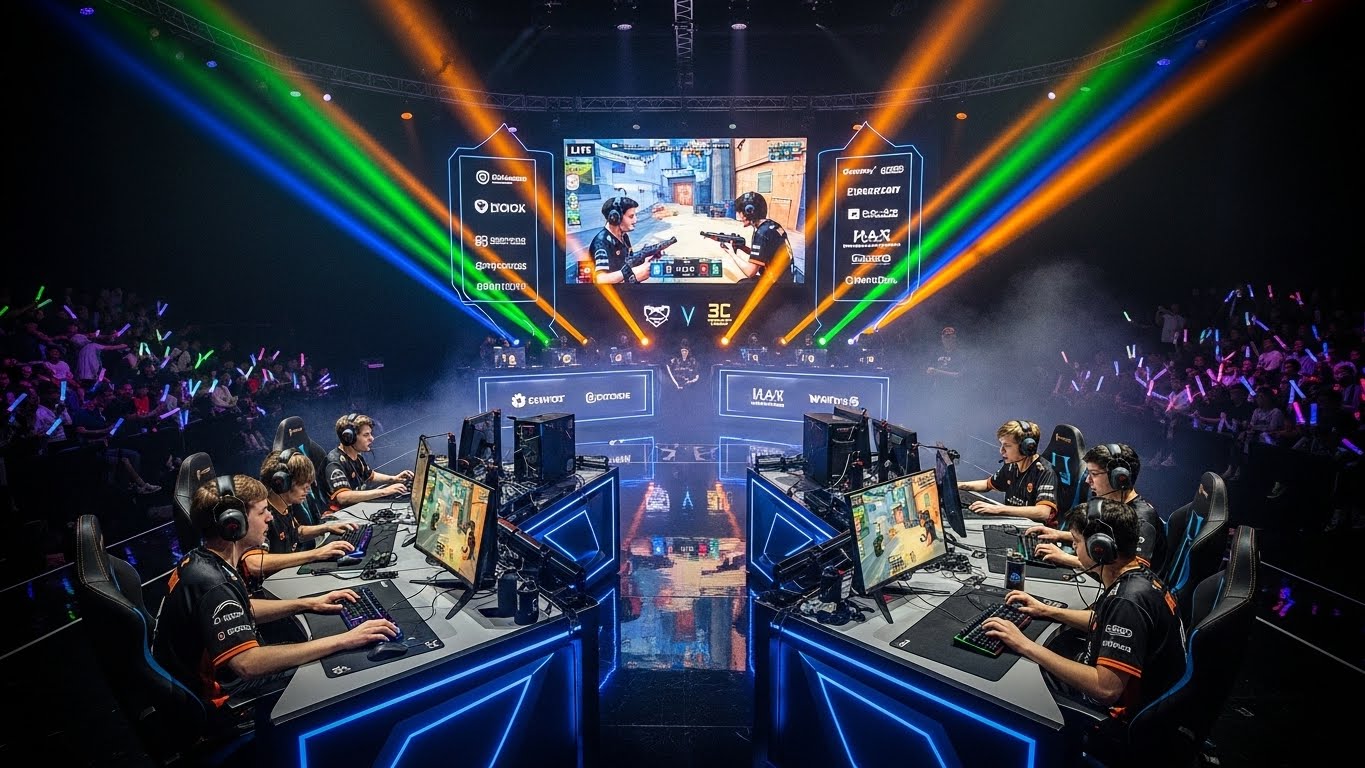
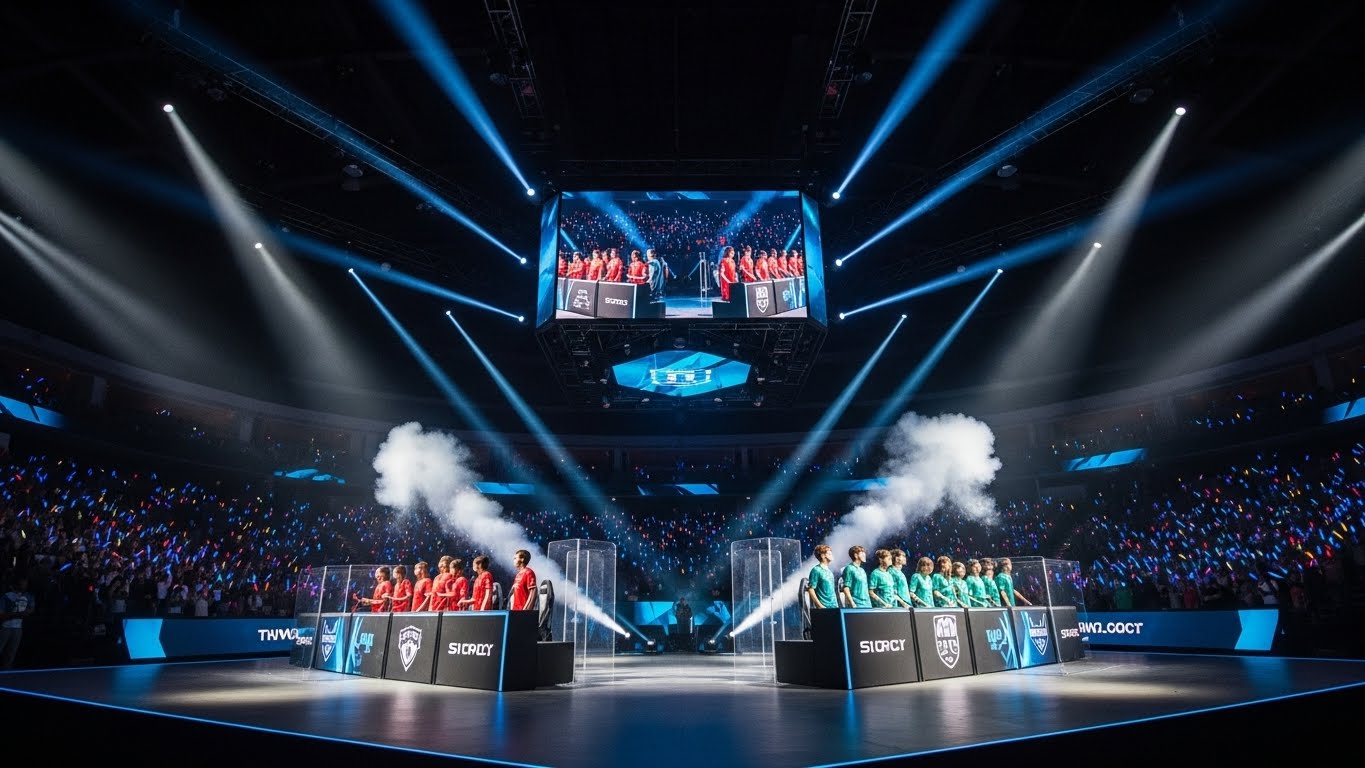
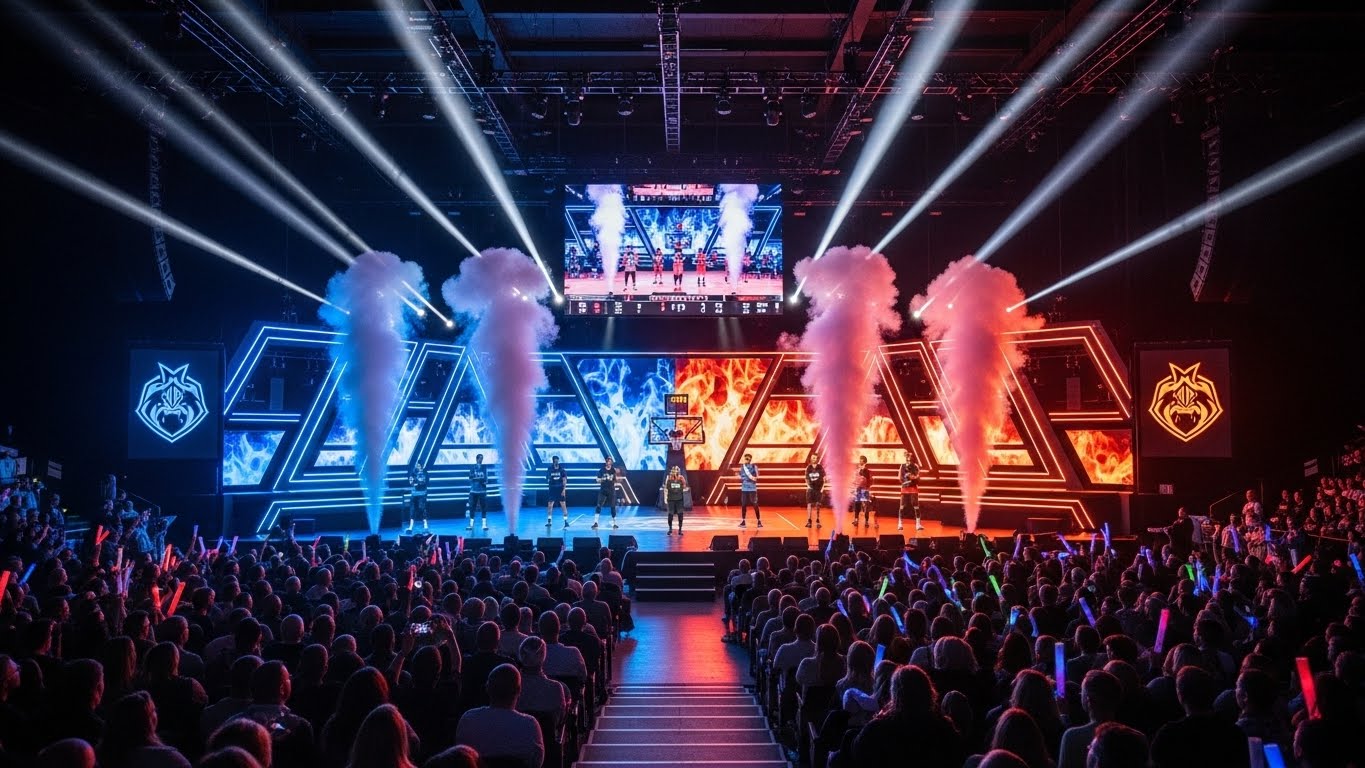
Esports has also reshaped how we view entertainment. Just as traditional sports offer a spectacle for viewers, esports tournaments deliver high-energy, action-packed events that captivate audiences. With thousands of fans filling stadiums for major events and millions more watching online, esports is proving that competitive gaming has just as much entertainment value as football, basketball, or soccer.
In addition to influencing traditional sports, esports has impacted mainstream culture, especially in terms of streaming, social media, and digital content creation. Influencers in the gaming space, many of whom are also esports players, create content that reaches millions of followers on platforms like YouTube, Twitch, and Instagram. This has blurred the lines between gaming, entertainment, and content creation, making esports a central pillar of modern pop culture.
Challenges Facing the Esports Industry
Despite its rapid growth, esports is not without its challenges. One of the most significant concerns is the mental and physical toll that professional gaming takes on players. The long hours of practice, intense competition, and constant travel can lead to burnout, anxiety, and other health issues. There have been calls within the industry for better mental health support, as well as healthier lifestyles for players.
Another challenge facing esports is the issue of inclusivity. While gaming has always been a diverse space in terms of players from different backgrounds, the esports scene has often been criticized for its lack of gender diversity and inclusion. Initiatives are being developed to encourage more female players and ensure that esports remains a welcoming environment for people of all backgrounds.
Finally, the future of esports may be threatened by issues such as cheating, match-fixing, and the need for better regulation. Ensuring fairness and integrity in competitive gaming will be critical for the continued success of the industry.
The Future of Esports: What Lies Ahead?
As esports continues to evolve, its future looks incredibly promising. With advancements in technology like virtual reality (VR) and augmented reality (AR), new opportunities for immersive and innovative gaming experiences will emerge. VR esports, in particular, holds exciting potential for new formats and gameplay that could revolutionize competitive gaming.
Esports is also likely to see continued expansion into mainstream media. Partnerships with traditional sports networks and international broadcast deals will increase visibility, drawing even more fans into the fold. With esports also starting to be recognized as a potential inclusion in future Olympic Games, it’s clear that competitive gaming is here to stay.
Conclusion: A Global Force in Entertainment
Esports has grown from a niche hobby into a global entertainment juggernaut. Through its competitive spirit, global reach, and massive economic impact, esports has become a force to be reckoned with in the entertainment world. As the industry continues to innovate, expand, and capture the imagination of millions, there’s no telling just how far esports will go. One thing is certain: the digital revolution of competitive gaming is just beginning,