 joystickarena94
Esports, or competitive video gaming, has transformed from a niche pastime into a worldwide entertainment and professional industry. Once considered a hobby for dedicated gamers, esports now rivals traditional sports in terms of popularity, viewership, and revenue. It has created professional careers, global fanbases, and massive tournaments that attract millions of viewers. This blog post explores the evolution of esports, its cultural significance, technological foundations, economic impact, challenges, and the future of this dynamic industry.
The Origins of Esports
Competitive gaming has roots that stretch back decades, beginning with small, informal competitions among video game enthusiasts. Early arcade tournaments in the 1980s and 1990s allowed players to showcase their skills in games like Pac-Man and Donkey Kong. These events laid the groundwork for a culture of competition and community that would later evolve into modern esports.
The rise of multiplayer games in the late 1990s and early 2000s marked a significant turning point. Games such as StarCraft, Counter-Strike, and Warcraft III enabled players to compete with others online, transcending geographical boundaries. Online leaderboards and rankings helped establish a competitive environment, while gaming forums and communities facilitated knowledge sharing, strategy development, and player networking.
The Professionalization of Competitive Gaming
Esports began to professionalize as developers, organizers, and sponsors recognized its potential. Tournaments evolved from small-scale events to organized competitions with structured rules, prize pools, and official rankings. Professional teams emerged, complete with coaches, analysts, and support staff. Players began signing contracts and dedicating themselves to full-time training, mirroring the structure of traditional sports.
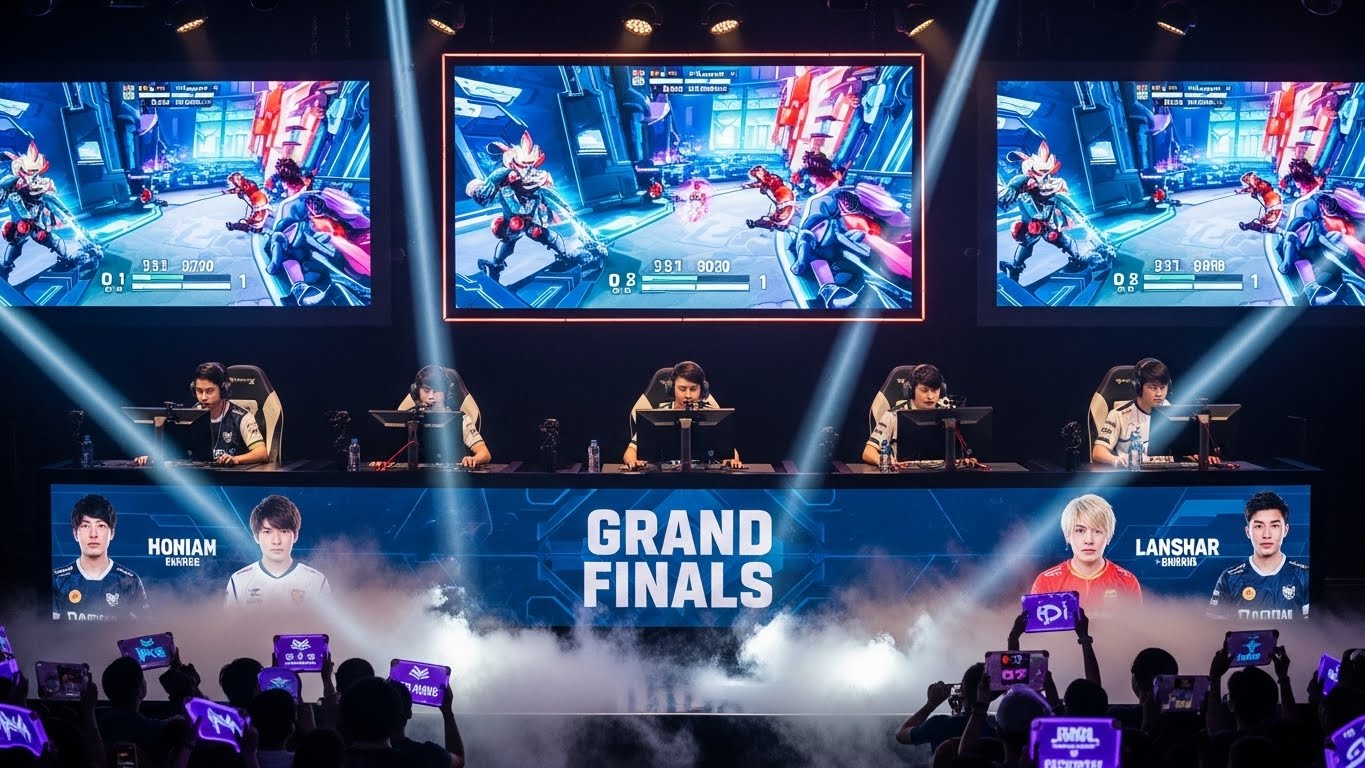
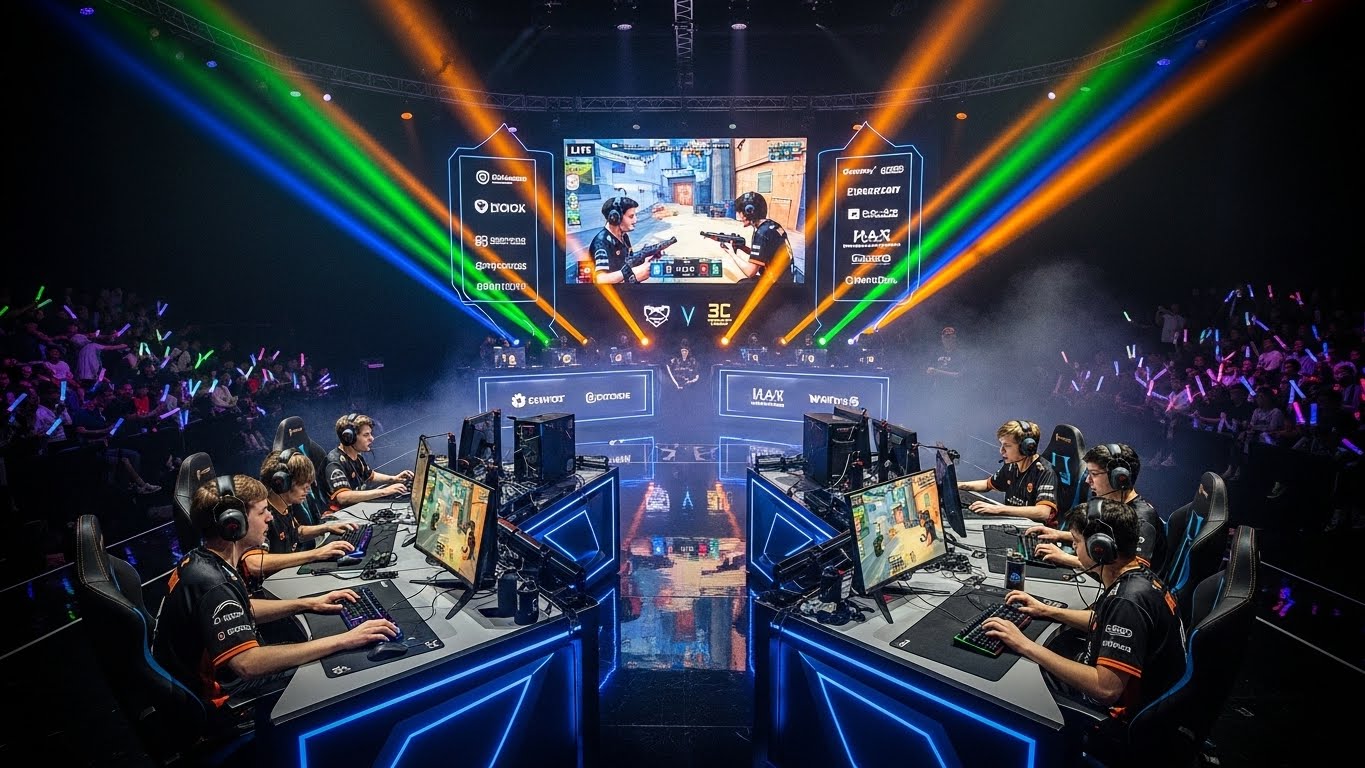
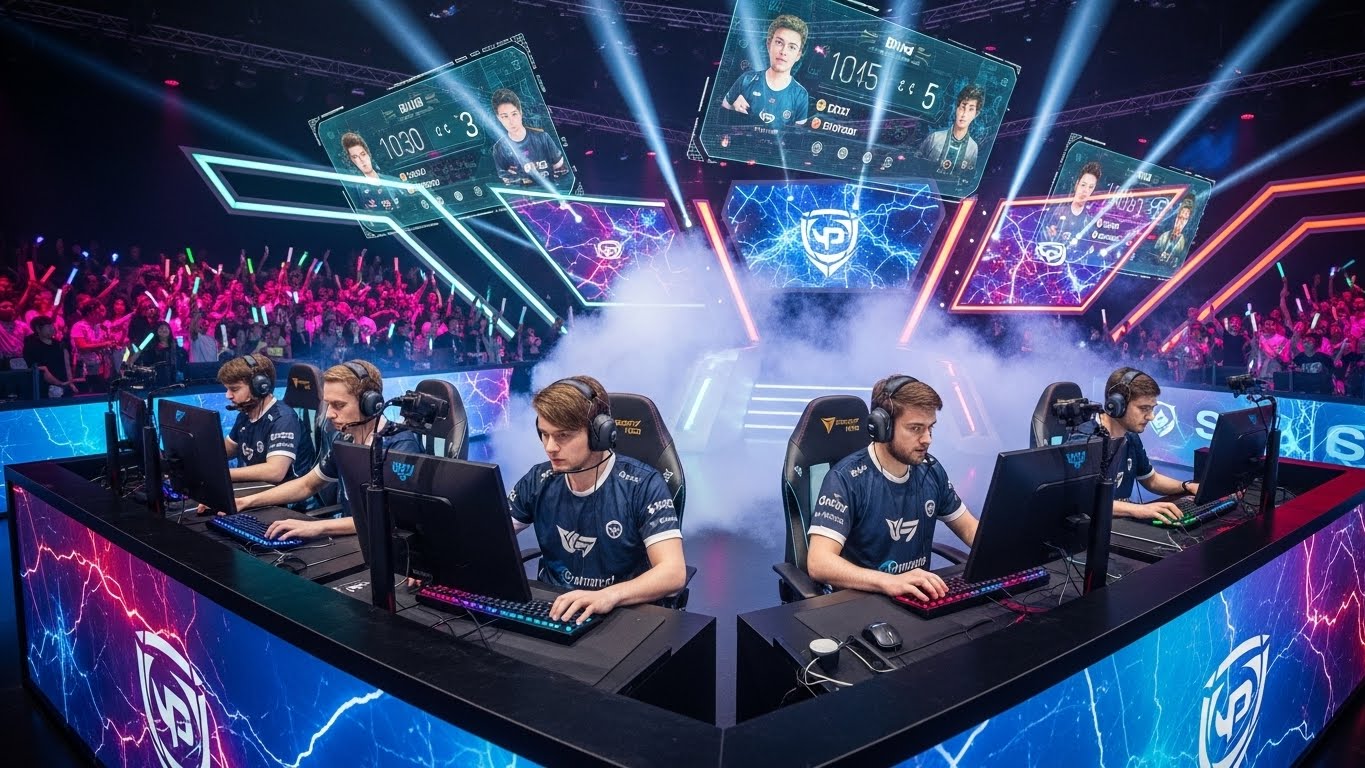
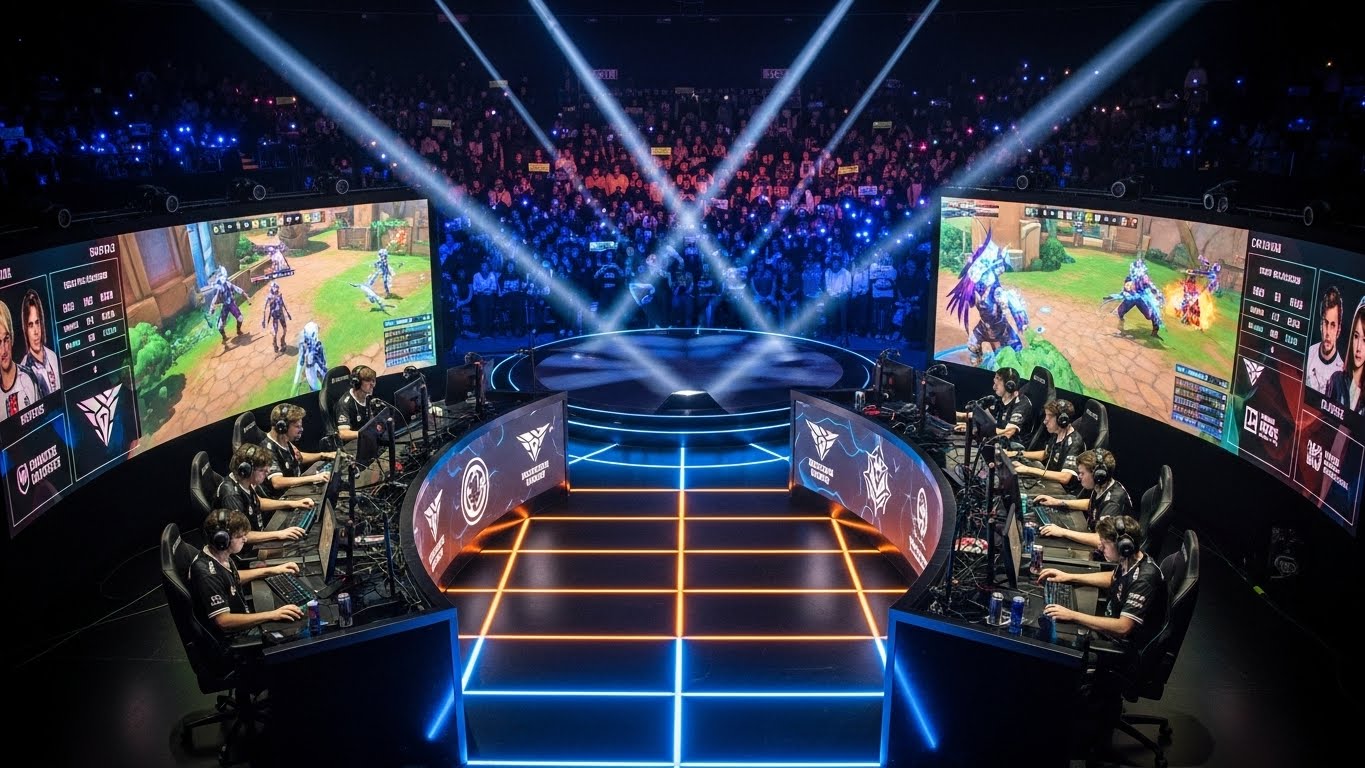
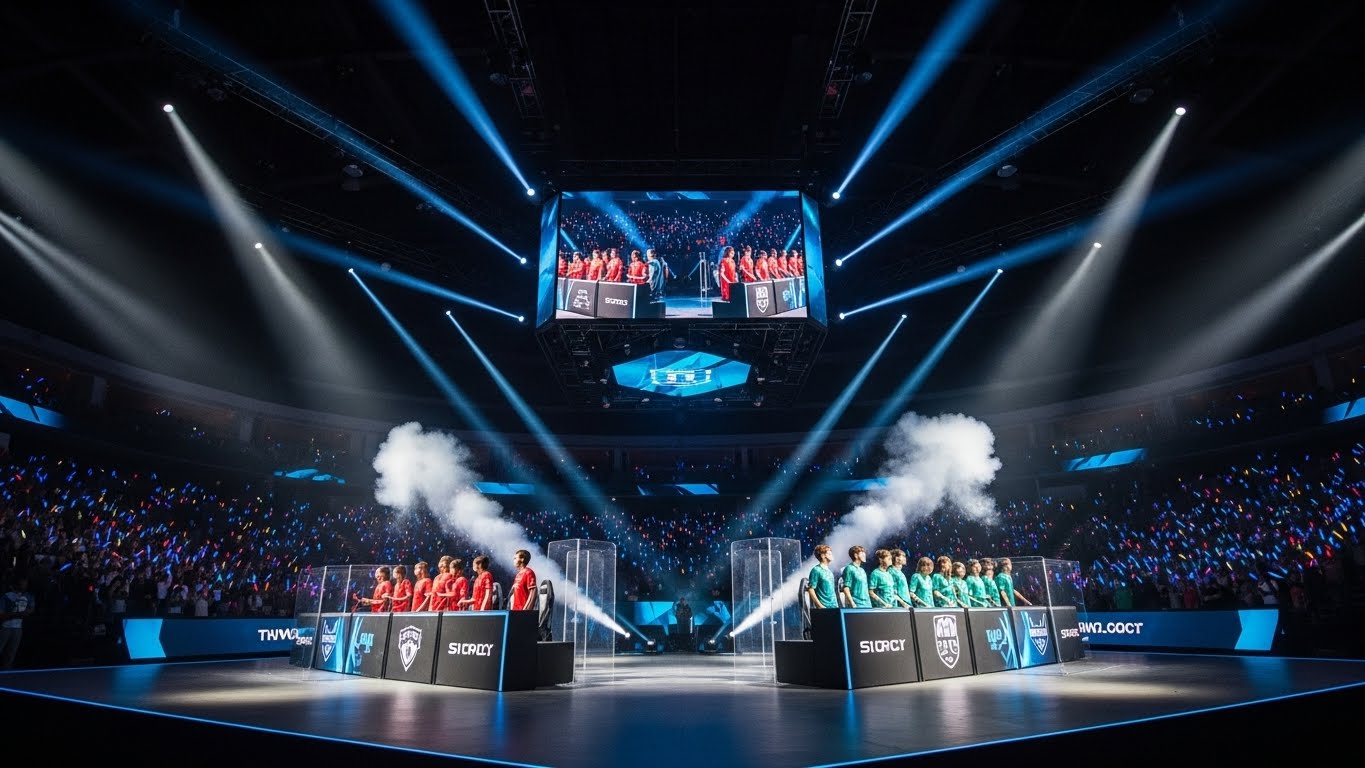
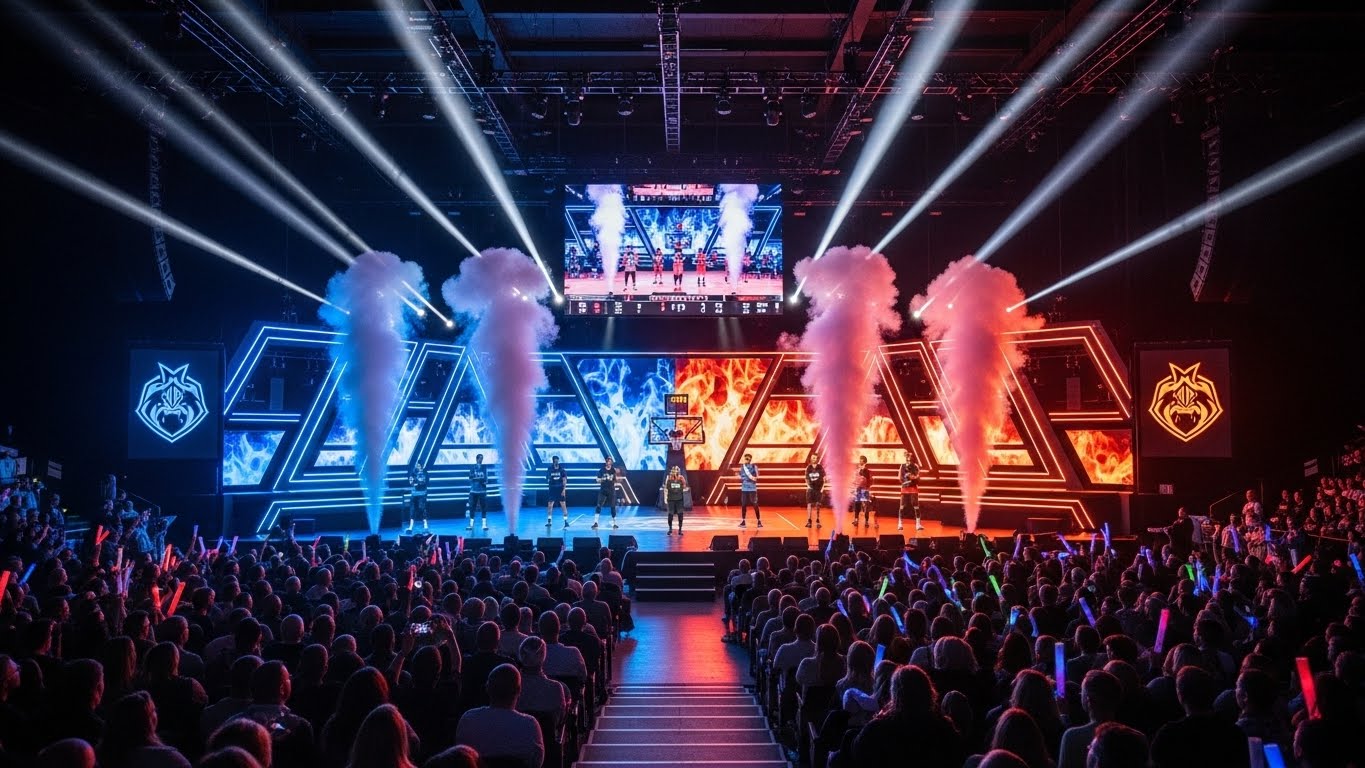
Major esports leagues and tournaments now draw millions of viewers and offer prize pools in the millions of dollars. Players compete in front of live audiences in arenas and stream their matches to global audiences, creating a new type of celebrity around esports athletes. The professionalization of esports has established it as a legitimate career path and a serious form of competition.
Popular Esports Game Genres
Esports spans a wide variety of game genres, each with unique gameplay mechanics, competitive strategies, and dedicated communities.
Multiplayer Online Battle Arena (MOBA) Games are team-based strategy games where players control unique characters with specific abilities. Teamwork, coordination, and strategic planning are crucial to success. Popular examples include games that have launched international competitive leagues with massive followings.
First-Person Shooter (FPS) Games emphasize reflexes, precision, and tactical awareness. Players engage in fast-paced combat scenarios, making these games highly competitive and spectator-friendly. FPS tournaments often attract large audiences due to their intense and visually dynamic gameplay.
Battle Royale Games feature large numbers of players competing to be the last one standing. Strategy, adaptability, and survival skills are key. These games have gained immense popularity among younger audiences, fueling global competitive circuits.
Sports Simulation Games replicate real-world sports digitally, allowing players to compete in football, basketball, or racing leagues. These games merge strategic thinking with real-world knowledge of sports.
Fighting Games involve one-on-one or team-based combat where timing, reflexes, and character mastery determine the outcome. Competitive fighting games have long-standing communities and well-established tournament circuits.
Esports as a Global Cultural Phenomenon
Esports is more than just competition; it is a cultural movement that has united players and fans worldwide. Gaming communities thrive online, creating spaces for discussion, content sharing, and collaboration. Fans engage in strategy discussions, watch live streams, and participate in fan art, cosplay, and social events centered around their favorite games and players.
Professional esports players are seen as influencers and celebrities, admired for their skill, dedication, and personality. Esports has also shaped entertainment and media culture, with tournaments being broadcasted globally and discussed on social media platforms. It has redefined what it means to be a fan, making participation interactive and community-driven.
The Economic Impact of Esports
The financial growth of esports has been remarkable. Revenue streams include tournament prize pools, sponsorship deals, merchandise sales, advertising, and digital content monetization. Major global brands recognize the value of investing in esports to reach younger, digitally native audiences.
Professional esports teams operate like businesses, managing players, marketing, and fan engagement. Successful players earn salaries, sponsorships, and earnings from streaming, while tournaments generate revenue for organizers, sponsors, and host cities. Universities and colleges now offer esports scholarships, highlighting the legitimacy of competitive gaming as a career and supporting youth development.
Esports also stimulates related industries such as broadcasting, technology, event management, and content creation, making it a multifaceted economic ecosystem.
Training, Strategy, and Team Dynamics in Esports
Professional esports requires intense dedication and rigorous training. Players spend hours daily practicing, studying opponents, and analyzing strategies. Mental acuity, reflexes, and endurance are critical to competitive performance.
Teams emphasize coordination and communication. Coaches, analysts, and support staff help refine strategies and maintain team cohesion. Training also focuses on physical and mental wellness, ensuring players maintain peak performance while avoiding burnout. Team dynamics, trust, and effective collaboration under pressure are essential for success in high-stakes competitions.
Technology and Innovation in Esports
Technology drives the growth and success of esports. High-performance gaming equipment, ultra-fast internet, advanced graphics engines, and streaming platforms enable competitive play at the highest level.
Streaming platforms have revolutionized viewership, allowing millions to watch live matches, interact with commentators, and participate in online fan communities. Social media amplifies engagement, enabling players and teams to connect directly with fans.
Emerging technologies such as virtual reality, augmented reality, and artificial intelligence are shaping the future of esports. VR and AR may introduce immersive gameplay and innovative viewing experiences, while AI aids in performance analysis, strategy development, and content recommendations.
Esports and Education
Esports has gained recognition in educational settings, providing opportunities for skill development and career pathways. Schools and universities now offer esports programs that teach teamwork, strategy, communication, and leadership.
Scholarships for esports athletes encourage students to combine education with their passion for gaming. The industry also provides career options beyond competition, including coaching, content creation, broadcasting, event management, and game development. This integration of esports into education helps prepare students for diverse professional opportunities.
Challenges Facing the Esports Industry
Despite its growth, esports faces challenges. Player burnout, mental health concerns, and long hours of training can impact well-being. Maintaining fair competition is also critical, with issues such as cheating, match-fixing, and toxic behavior posing threats to credibility.
The rapid pace of industry growth requires sustainable practices, including structured leagues, consistent rules, and opportunities for emerging talent. Promoting inclusivity and diversity within esports remains essential to ensure long-term growth and community engagement.
The Future of Esports
The future of esports is promising, driven by technological innovation, global connectivity, and cultural acceptance. Virtual reality and augmented reality will create immersive experiences, while AI will optimize training and performance analysis.
Esports may continue to merge with traditional sports, entertainment, and media industries, resulting in hybrid events and new formats. Mobile gaming, cloud gaming, and cross-platform play will expand accessibility, allowing more participants and audiences worldwide.
Emerging genres, new markets, and innovative tournament structures will shape the evolution of esports. The industry is poised to continue its rapid expansion while offering new opportunities for players, fans, and businesses alike.
Conclusion
Esports has evolved from humble beginnings into a global cultural and economic powerhouse. It bridges technology, competition, and entertainment, connecting players and fans across the world. The industry provides professional careers, fosters global communities, and redefines what it means to be a competitive athlete in the digital age.
As esports continues to grow, it will remain a platform for creativity, skill, and social connection. The future of competitive gaming is bright, promising immersive experiences, expanded opportunities, and a continued impact on global culture. Esports is not just a game; it is a movement that celebrates excellence, innovation, and the enduring human spirit of competition.