 joystickarena94
Esports has rapidly evolved from a niche hobby into a global phenomenon that transcends traditional entertainment. With millions of viewers, substantial prize pools, and a booming industry that includes sponsorships, media rights, and merchandise, competitive gaming has become a force to be reckoned with. In this post, we will explore the rise of esports, its impact on gaming culture, its growth as an entertainment industry, and the future prospects of this exciting field.
What is Esports?
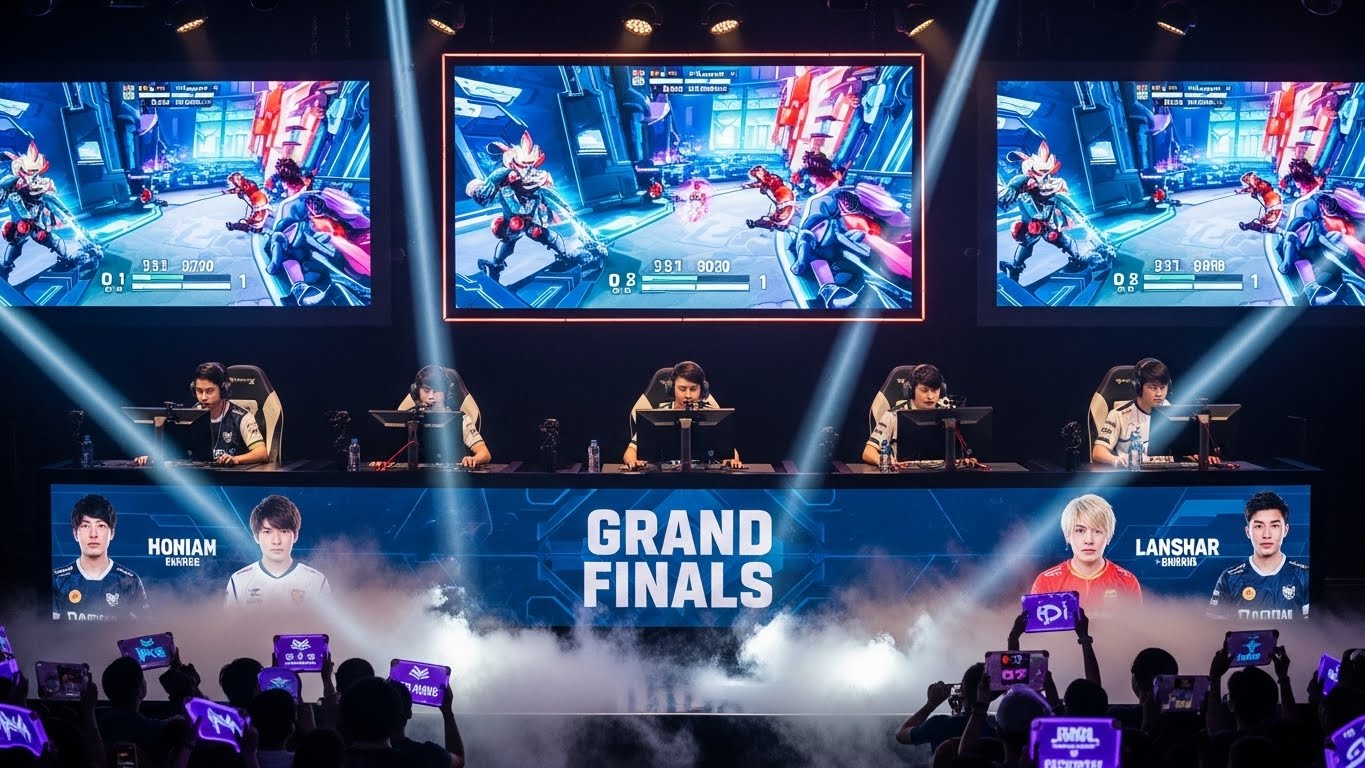
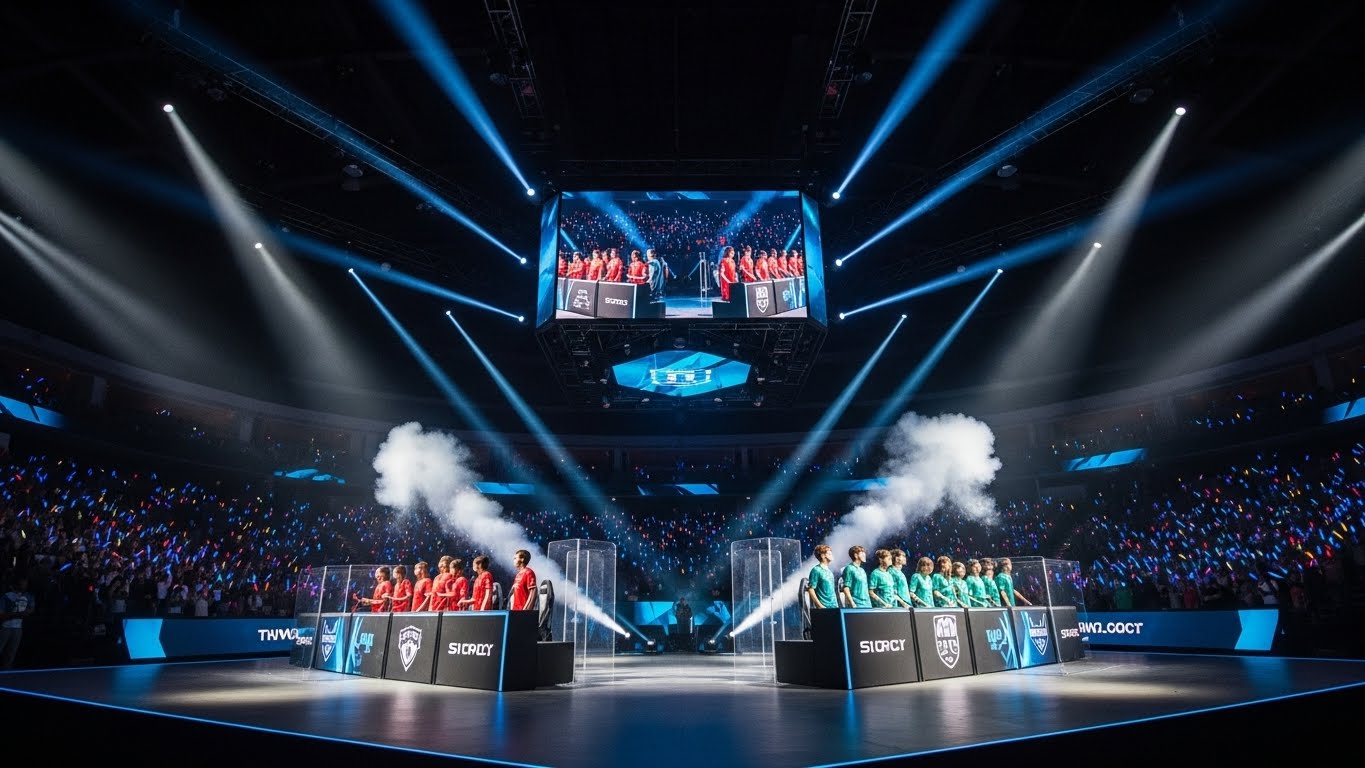
Esports, short for electronic sports, refers to competitive video gaming, typically played in a team or individual format. Professional players and teams compete in organized tournaments, often streamed online or broadcast on TV, where spectators can watch the action unfold live. The games featured in esports competitions vary, but some of the most popular titles include League of Legends, Dota 2, Counter-Strike: Global Offensive, Fortnite, and Overwatch.
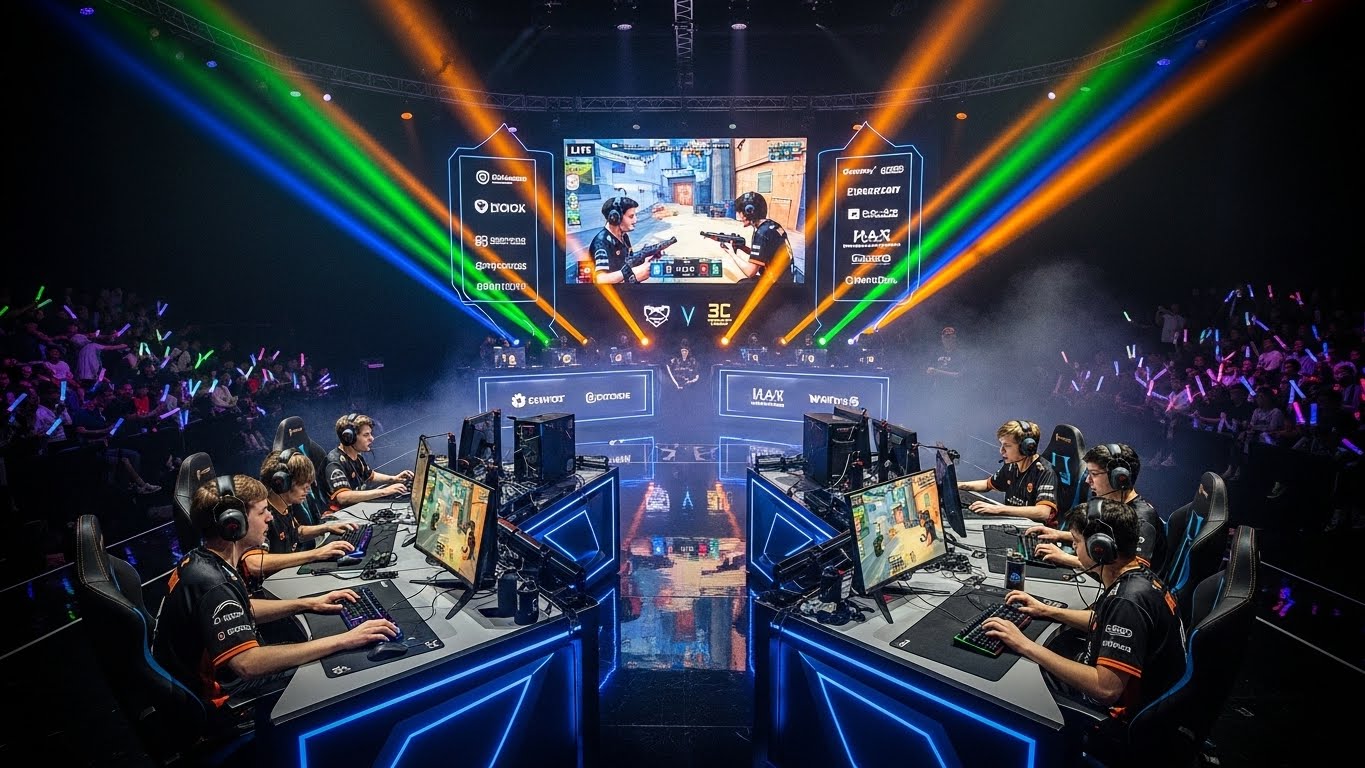
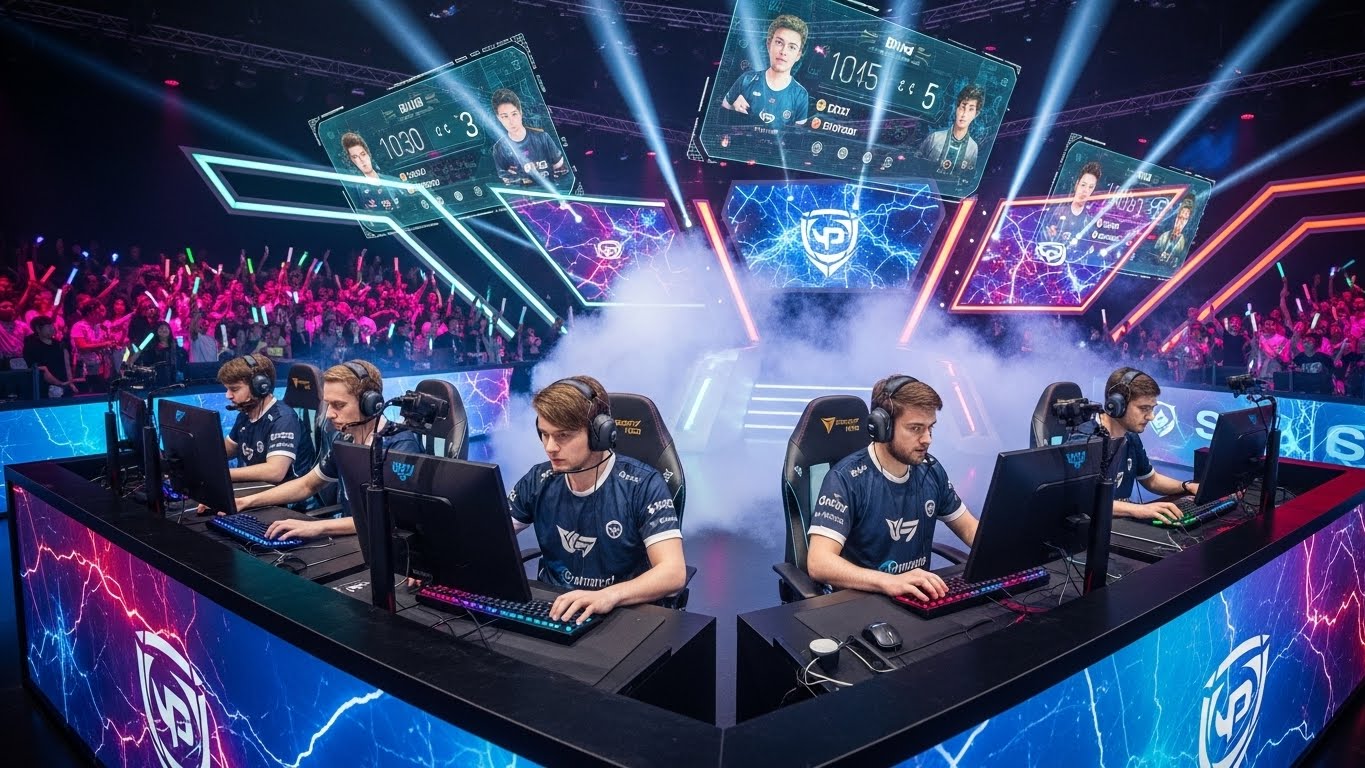
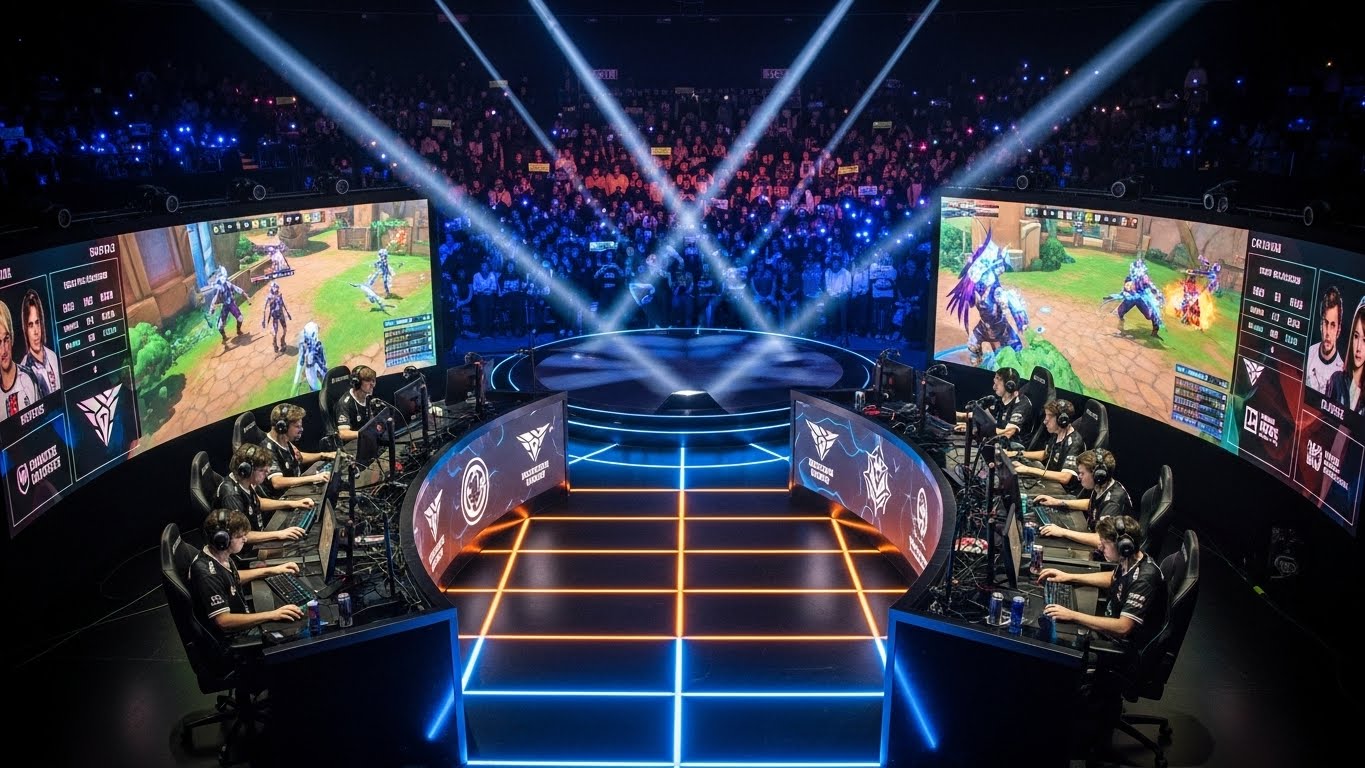
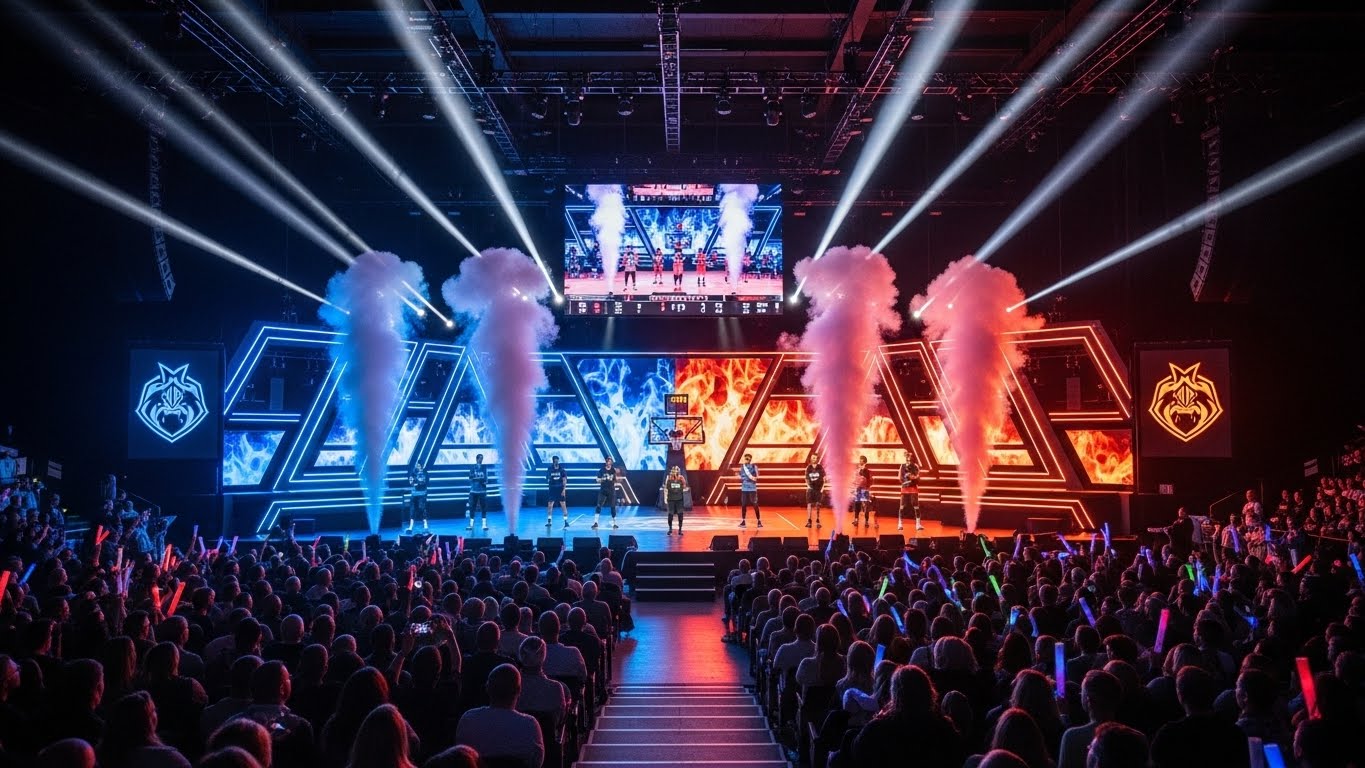
Esports has become a global community, with fans from around the world supporting their favorite teams and players. Tournaments draw in large audiences both online and in physical arenas, and the entire ecosystem—ranging from professional players to game developers, sponsors, and media outlets—has created a new era of entertainment.
The Growth of Esports
The history of esports dates back to the late 1990s, but it wasn’t until the 2000s that the competitive gaming scene started to gain significant momentum. Early tournaments like StarCraft and Quake competitions were held in LAN (Local Area Network) cafes, where players would come together to compete against each other in real time.
However, it wasn’t until the launch of streaming platforms like Twitch in 2011 that esports began to reach its true potential. Twitch allowed gamers to broadcast their gameplay to an audience of millions, which helped propel esports into the mainstream. As more people began to watch professional gaming, the potential for sponsorships, media partnerships, and advertising revenue grew exponentially. The shift from a small, niche community to a global entertainment industry was underway.
Today, esports tournaments can attract massive audiences. The League of Legends World Championship, for example, has reached viewership numbers comparable to the Super Bowl, with over 100 million people tuning in for the final in 2019. These tournaments offer prize pools worth millions of dollars, making esports a highly lucrative career path for top players.
Esports and Traditional Sports: A Growing Parallel
As esports continues to grow in prominence, it is often compared to traditional sports like football, basketball, and soccer. There are several parallels between esports and traditional sports that explain why gaming has become such a dominant force in the entertainment industry.
- Competitive Structure: Like traditional sports, esports operates on a highly competitive level, with professional leagues, tournaments, and seasonal play. Teams practice together, compete for rankings, and follow a structured calendar of events that mirror the formats of real-world sports leagues.
- Fan Engagement: Just as fans passionately support their favorite football or basketball teams, esports fans show the same level of enthusiasm for the teams and players they follow. Esports fans engage with their favorite players through social media, live streams, and fan events. The level of fandom within esports is incredibly similar to traditional sports, with a global audience following tournaments, discussing strategies, and celebrating victories.
- Athleticism and Skills: While esports might not involve physical athleticism in the traditional sense, it requires intense mental acuity, fast reflexes, and strategic thinking. Professional gamers must train rigorously to sharpen their skills, often practicing for hours every day to stay at the top of their game. The mental and physical endurance required for esports is comparable to that of traditional athletes.
- Sponsorships and Revenue: Esports has attracted major brands from a variety of industries, much like traditional sports. Companies from sectors such as technology, beverage, energy drinks, and clothing have recognized the potential of esports and have signed lucrative sponsorship deals. Furthermore, esports leagues and tournaments are often broadcast on television networks and streaming services, further solidifying its place in the entertainment world.
The Impact of Esports on Gaming Culture
Esports has had a profound impact on gaming culture and how video games are perceived by the general public. In the past, gaming was often seen as a solitary or recreational activity, associated with younger demographics and viewed as a form of escapism. However, esports has changed this perception, transforming gaming into a legitimate form of entertainment and competition.
For younger generations, esports has become a career aspiration. Professional gamers and streamers are now role models for many, inspiring others to pursue competitive gaming. Furthermore, the rise of content creation in esports—whether it’s through YouTube, Twitch streams, or social media platforms—has empowered a new generation of creators to share their passion for gaming with a global audience.
Esports also helps to break down barriers in gaming. It has fostered inclusivity, with players from all over the world, regardless of gender, race, or background, coming together to compete on a global stage. Diversity in esports is growing, with more women, people of color, and international players gaining visibility and recognition in the industry. This shift is helping to create a more inclusive and welcoming gaming community.
The Role of Streaming Platforms in Esports
Streaming platforms like Twitch, YouTube Gaming, and Facebook Gaming have been pivotal in the rise of esports. These platforms allow viewers to watch live gameplay, interact with players, and become part of the gaming community. They also provide a unique opportunity for content creators and esports teams to generate income through advertising, donations, and subscriptions.
Twitch, in particular, has become the primary platform for esports streaming. It boasts millions of active users every day and offers content ranging from casual gameplay to professional esports competitions. Twitch has played a huge role in promoting esports to a wider audience, allowing fans to engage directly with players and watch their favorite games and tournaments in real-time.
In addition to Twitch, other streaming platforms have also created a space for esports. YouTube Gaming offers another outlet for fans to catch up on esports highlights, match replays, and behind-the-scenes content, further expanding the reach of esports beyond live events.
The Business of Esports: Sponsorships, Media, and Revenue Streams
The business side of esports is one of the key factors driving its growth. Esports tournaments and events generate significant revenue through a combination of sponsorships, media rights, ticket sales, and merchandise.
Sponsorship deals with major brands are essential to the financial health of esports organizations and events. Companies like Red Bull, Intel, Coca-Cola, and Audi have all invested heavily in the esports ecosystem. These brands partner with teams and players to showcase their products and services to millions of viewers, creating a mutually beneficial relationship.
Media rights are another major source of revenue. Streaming platforms pay for the rights to broadcast live esports events, which generates income for tournament organizers and teams. In recent years, traditional TV networks have also begun to show esports events, further expanding the visibility of the industry.
The esports industry is projected to generate billions of dollars in the coming years, with experts estimating that the global esports market will be worth over $1.5 billion by 2027. This growth is driven by the increasing popularity of esports, as well as the expanding interest in streaming and gaming culture.
The Future of Esports: What’s Next?
The future of esports looks incredibly promising. With its continued growth in viewership, sponsorship, and media rights, esports is poised to become a permanent fixture in the entertainment landscape. As technology advances and gaming experiences become more immersive, esports will only continue to attract more viewers and players.
Esports may also see further integration into traditional sports. Some professional sports leagues, like the NBA and NFL, have already begun to invest in esports through partnerships and the creation of their own leagues. These cross-industry collaborations could help esports reach new audiences and increase its legitimacy in the mainstream.
Additionally, the potential of virtual and augmented reality (VR/AR) in esports is an exciting frontier. As VR technology becomes more accessible, the possibility of immersive esports tournaments, where players and spectators can experience the action firsthand in virtual environments, could revolutionize the competitive gaming experience.
Conclusion
Esports is no longer just a niche hobby; it is a rapidly growing industry that has transformed the gaming landscape. With millions of fans, competitive leagues, and a booming business model, esports is changing the way people consume entertainment. Whether you’re a casual gamer or a die-hard esports fan, it’s clear that the future of esports holds exciting possibilities for both players and fans alike.