 joystickarena94
Introduction: The Rise of Competitive Gaming
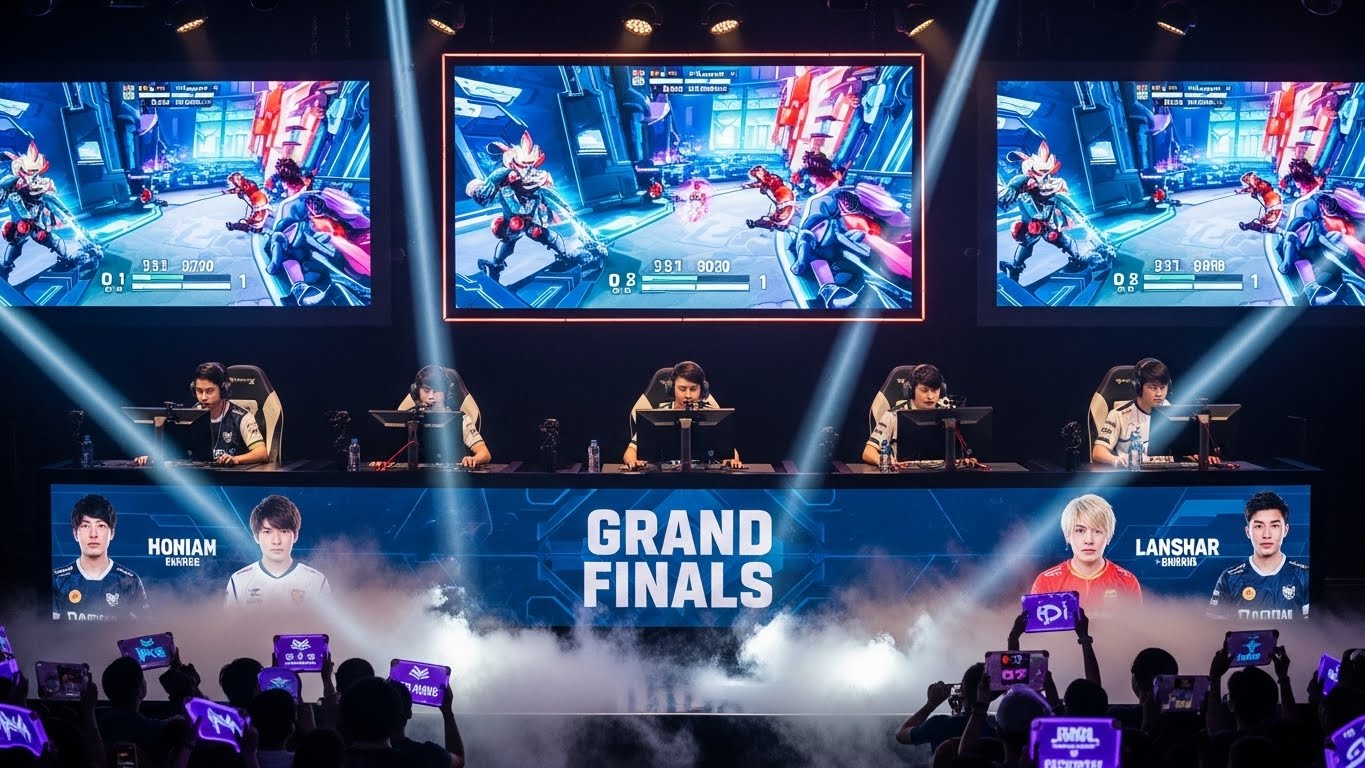
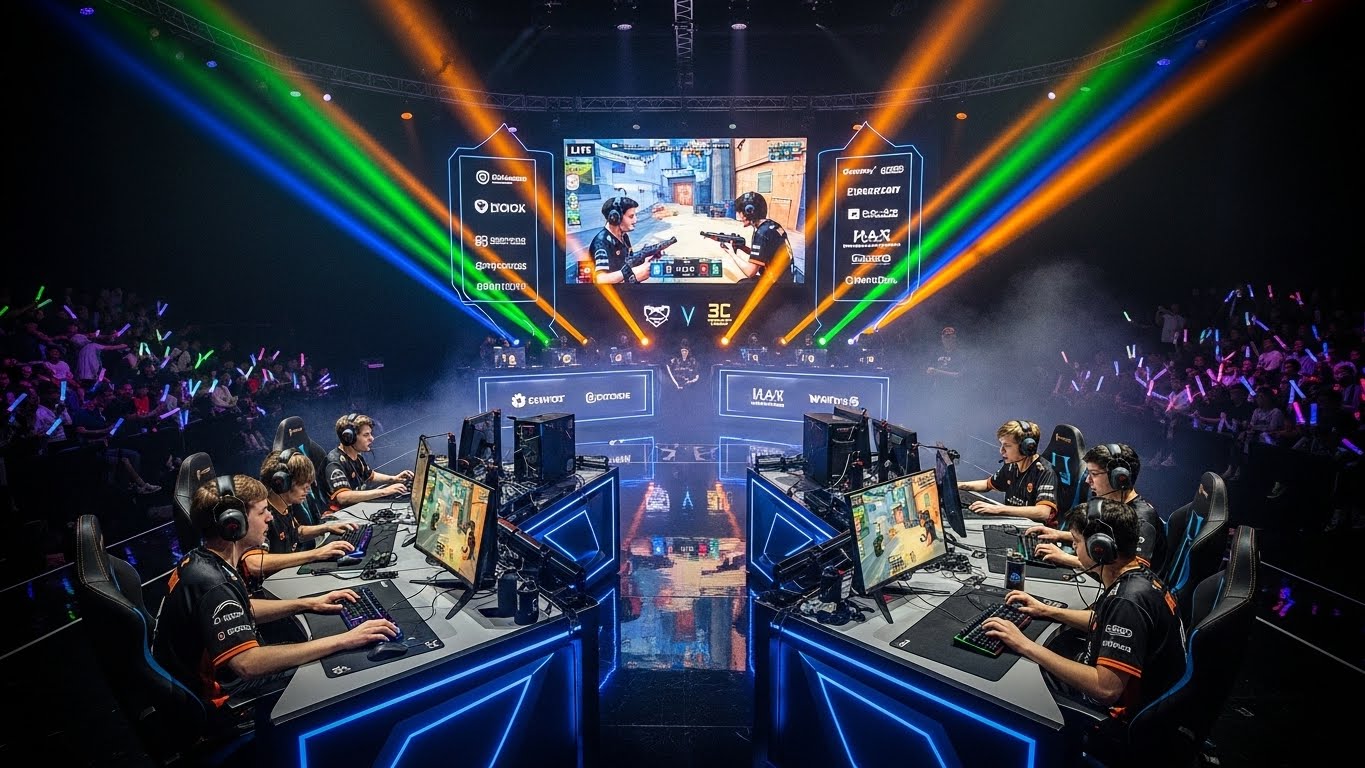
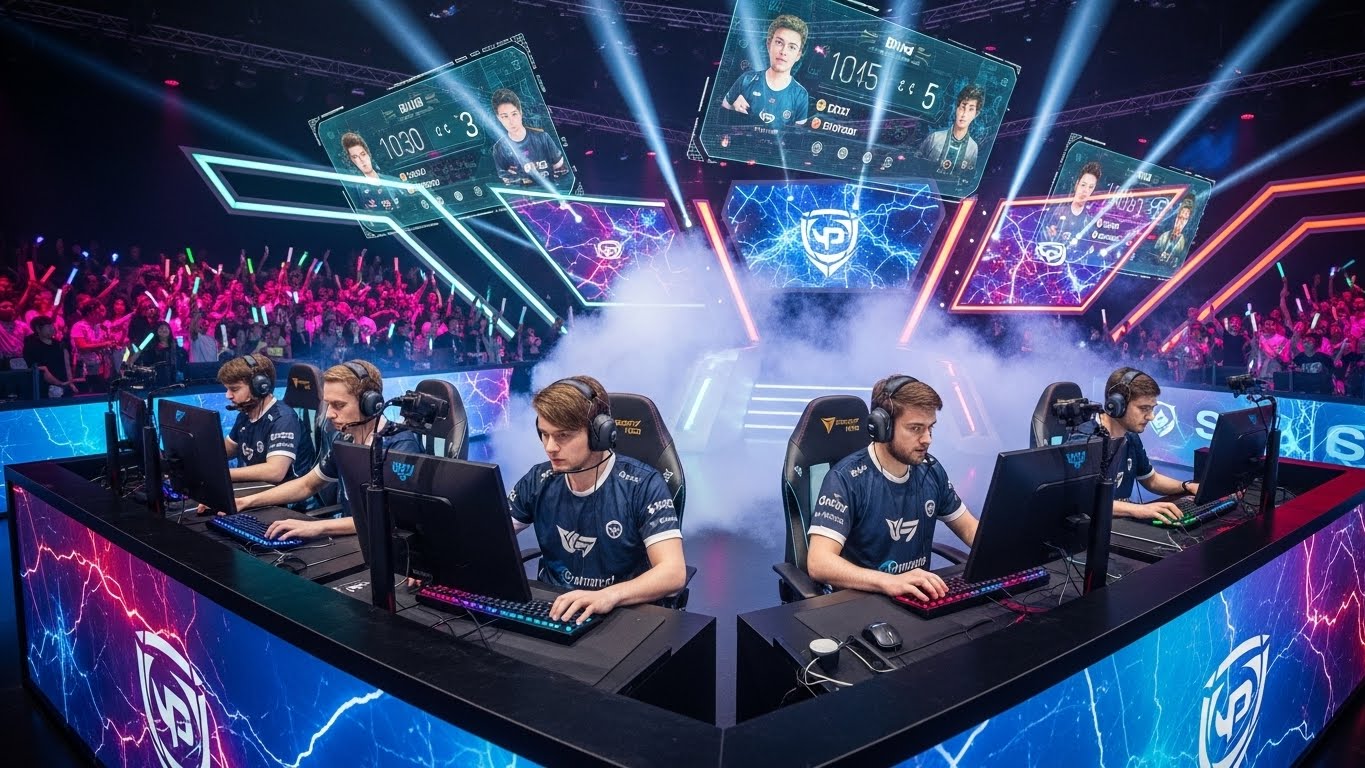
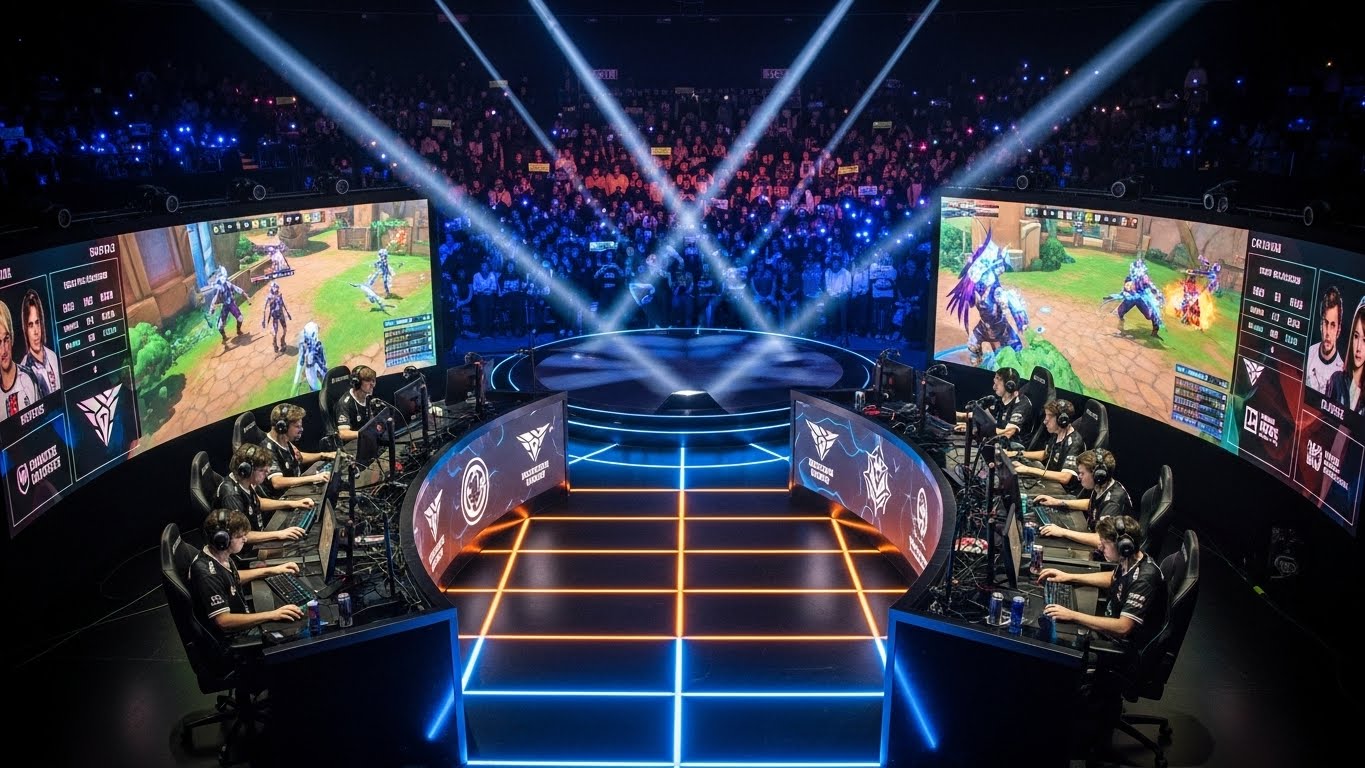
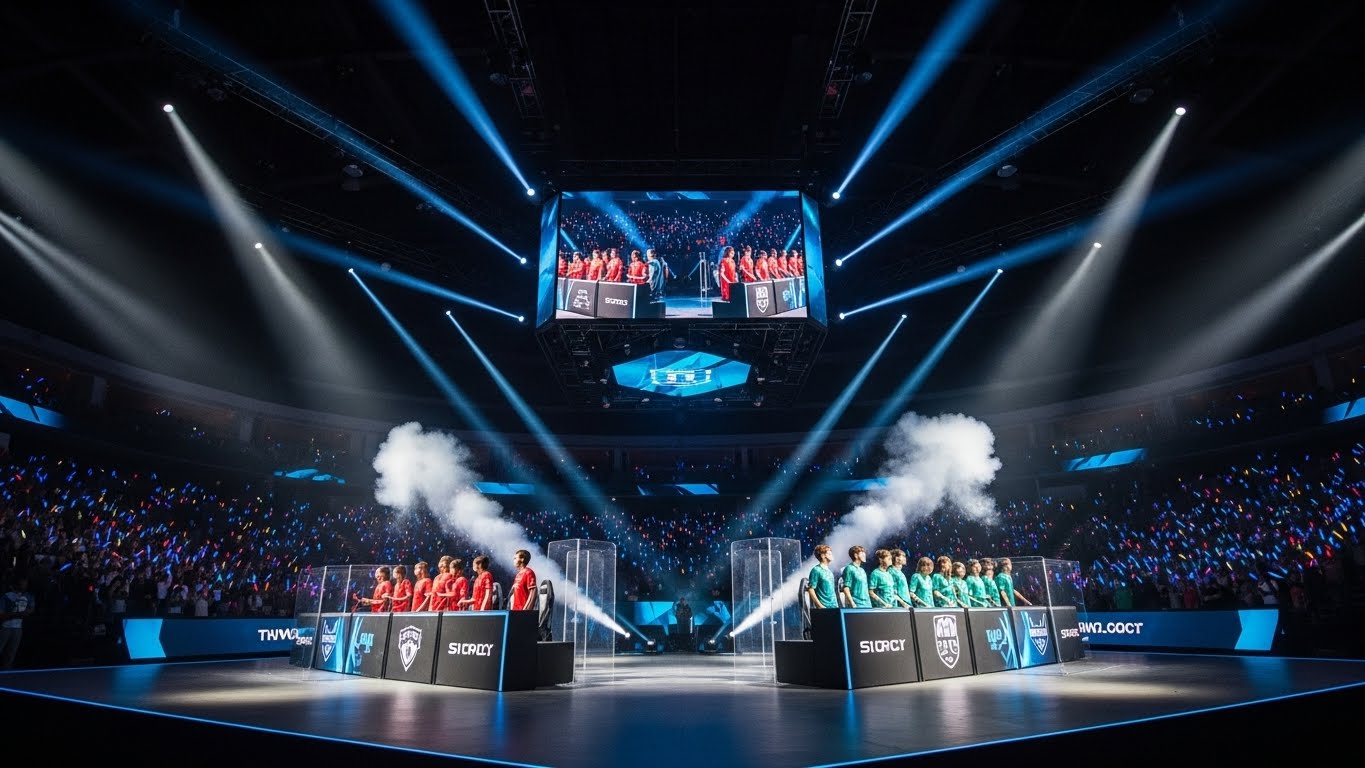
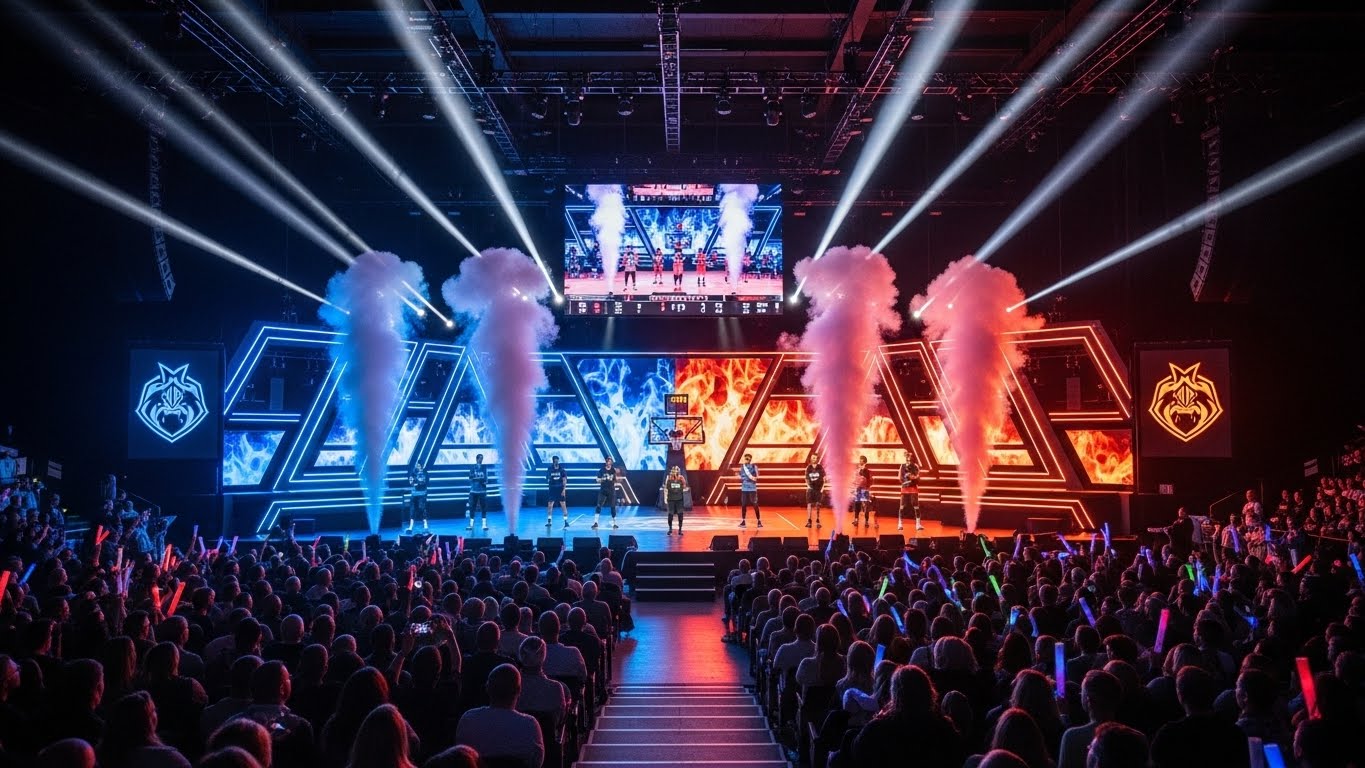
Esports, once viewed as a niche pastime reserved for hobbyists, has rapidly evolved into a global cultural force. Competitive gaming is now celebrated across continents, drawing millions of fans, filling stadiums, and inspiring a new generation of digital athletes. What began as small community tournaments has grown into a billion-dollar industry that rivals traditional sports in scale, entertainment value, and cultural significance. In this blog, we explore how esports rose from obscurity to mainstream dominance, the key players shaping its identity, and the future this digital arena promises for competitors and spectators alike.
The Evolution of Esports: From LAN Parties to Global Stages
To understand the current landscape of esports, we must revisit its humble beginnings. In the 1990s and early 2000s, competitive gaming primarily revolved around local tournaments or LAN parties where players would bring their computers together to compete in games such as StarCraft, Counter-Strike, and Warcraft. These early events formed tight-knit communities that valued skill, strategy, and camaraderie.
As internet access expanded, online competition became more feasible, allowing players from different regions to face off without traveling. This advancement laid the foundation for global tournaments and paved the way for the transformative era of streaming platforms and professional organizations. The introduction of real-time broadcasting empowered fans to watch their favorite players from anywhere, amplifying esports viewership and cementing its place as a legitimate entertainment medium.
The Games That Defined the Industry
A handful of iconic titles played pivotal roles in pushing esports to global recognition.
One of the earliest trailblazers was StarCraft, particularly in South Korea, where it became a cultural phenomenon. Professional leagues, dedicated TV channels, and elite players helped establish esports as a respected pursuit.
First-person shooters such as Counter-Strike and Call of Duty drew massive international audiences with fast-paced, highly strategic gameplay. Team-based shooters rewarded communication and coordination, elevating team organizations to global fame.
Multiplayer online battle arena games like League of Legends and Dota 2 brought an entirely new level of complexity. These titles introduced intricate meta-strategies, massive tournaments, and multi-million-dollar prize pools. Each match became a test of intellect, teamwork, and adaptability, making them some of the most-watched esports in the world.
Additionally, battle royale games such as Fortnite opened esports to younger audiences, blending competitive play with entertainment-driven spectacles that showcased creativity and skill.
Professional Players: The Digital Athletes of the Modern Era
Esports professionals dedicate countless hours to mastering their craft. These athletes train strategically, practicing mechanical skills, studying opponents, developing game sense, and refining communication. Many teams even employ coaches, analysts, nutritionists, and psychologists to support their players, mirroring the infrastructure of traditional sports organizations.
The stereotype of gamers as casual players sitting in dimly lit rooms is outdated. Modern esports athletes maintain rigorous routines, including physical exercise, mental conditioning, and structured scrimmage schedules. Their dedication highlights the high-stakes environment of competitive gaming, where skills must evolve constantly to remain relevant in fast-changing games.
The Spectator Experience: A New Form of Entertainment
One of the most fascinating aspects of esports is the immersive and dynamic viewing experience it offers. Fans do not simply watch a game; they engage with a community.
Live broadcasts incorporate commentary, in-game statistics, cinematic camera angles, and real-time replays. Casters play a significant role in building excitement, explaining strategies, and enhancing viewer understanding.
Unlike traditional sporting events, esports audiences can also interact directly with players through social platforms, fostering an atmosphere of inclusivity and accessibility. This interactivity has created stronger fan loyalty and facilitated stronger bonds between teams and supporters.
The Economic Engine Driving Esports Growth
Behind the spectacle lies a sophisticated economic ecosystem. Revenue in esports comes from sponsorships, advertising, merchandise, ticket sales, tournament winnings, and media rights. Brands from technology, energy drinks, finance, and even fashion have entered the industry, recognizing the unparalleled reach of esports within the younger demographic.
Professional organizations invest heavily in talent, facilities, and branding. Many build specialized training centers equipped with state-of-the-art technology. Universities now offer gaming scholarships, and academic programs focus on esports management, production, and game design.
Prize pools continue breaking records, showcasing the financial potential of competitive gaming. These massive rewards attract top-tier talent and further legitimize esports as a viable career path.
Community and Culture: The Heart of Esports
At its core, esports is rooted in community. Online gaming communities have always been diverse hubs where individuals from different countries, cultures, and backgrounds unite through shared passion.
These communities create fan art, analyze game strategies, produce content, and contribute to in-game culture. Tournaments often reflect this energy, celebrating creativity through cosplay, player interactions, and fan-led events.
Moreover, esports has become a gateway to broader technological literacy. Many players develop skills in communication, teamwork, critical thinking, and problem-solving. Others discover interests in coding, content creation, digital marketing, and event production.
Challenges Facing the Esports Industry
Despite its success, esports is not without challenges. Player burnout is a growing concern, as intense schedules and high expectations can strain mental and physical health. Additionally, maintaining competitive integrity is essential, requiring strict rules against cheating, harassment, or misconduct.
Monetization models continue to evolve, and the industry must balance profitability with accessibility. Smaller organizations often struggle to survive in an environment dominated by large teams and publishers. Ensuring sustainable player careers, fair compensation, and long-term support remains a pressing issue.
Another challenge lies in game longevity. Unlike traditional sports, esports titles can rapidly change or fade out. Developers hold substantial power in shaping competitive ecosystems, and poor management can impact entire communities.
Esports and Education: A Growing Academic Frontier
Educational institutions are increasingly recognizing the value of esports. Schools and universities incorporate competitive gaming into extracurricular programs, offering students opportunities to develop teamwork, leadership, and strategic thinking. Collegiate esports leagues provide structured competition and even scholarships.
Esports-related academic programs explore various career pathways, from game development to broadcast production. This academic support helps legitimize esports as a professional field and nurtures future industry leaders.
The Future of Esports: What Lies Ahead
The future of esports holds incredible promise. As technology continues advancing, virtual reality and augmented reality could reshape how games are played and experienced. Cloud gaming may enable more global accessibility, eliminating hardware barriers.
Esports is also likely to expand into new genres and hybrid forms of entertainment. Collaborations with music, film, and fashion already blur the lines between gaming and pop culture. With younger generations growing up as digital natives, esports will continue influencing mainstream entertainment and lifestyle trends.
Furthermore, increased global recognition may lead to discussions about including esports in prestigious international sporting events. The conversation has already begun, and the possibility of seeing esports take the world stage alongside traditional athletics seems increasingly attainable.
Conclusion: The New Era of Digital Competition
Esports is no longer just a trend; it is a powerful cultural movement reshaping entertainment, technology, and sports. It captures the imagination of millions, providing new avenues for creativity, competition, and connection. With its vibrant communities, passionate players, and ever-evolving landscape, esports stands at the forefront of the digital age.
As this industry continues to grow, one thing is certain: esports is redefining what it means to compete and entertain in the modern world. Whether you are a dedicated gamer, a casual spectator, or someone discovering this universe for the first time, the digital arena welcomes all, promising excitement, innovation, and limitless possibilities.