 joystickarena94
Introduction: A New Age of Competitive Entertainment
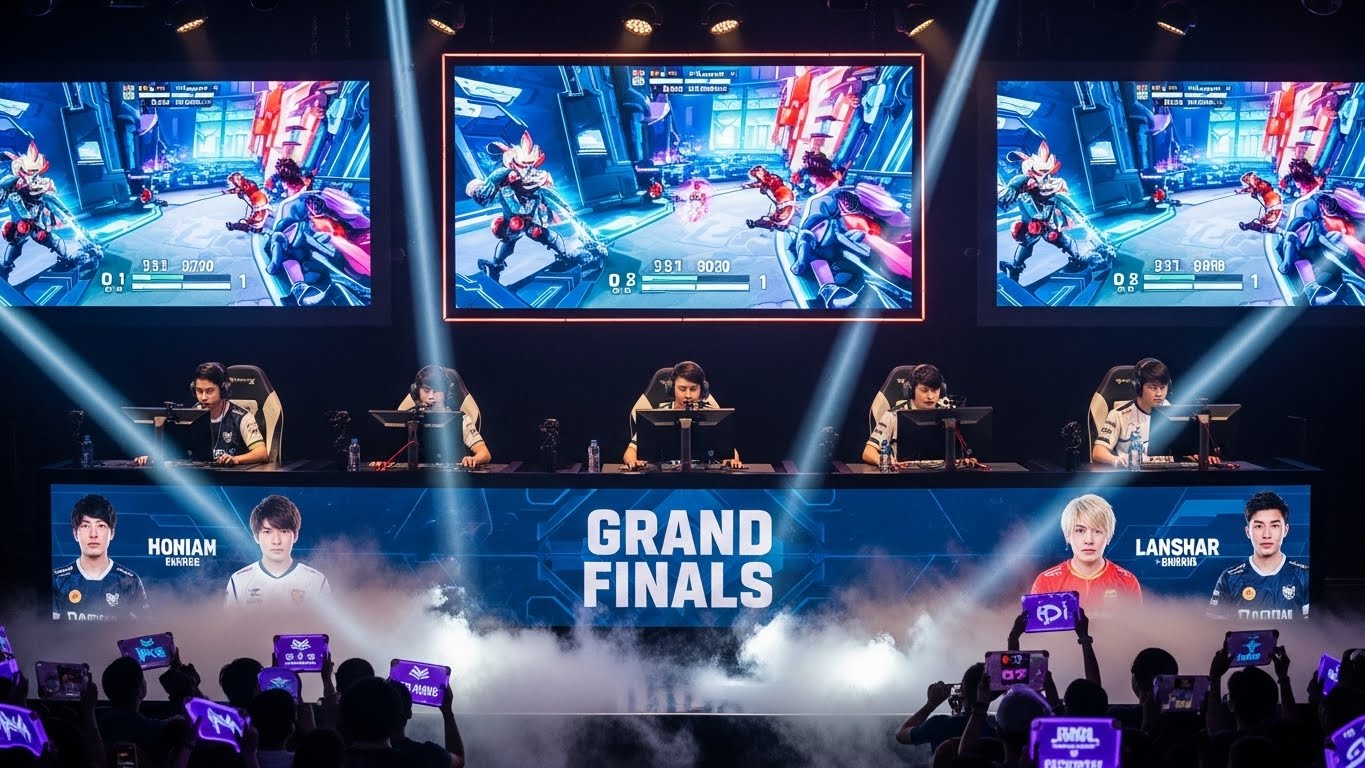
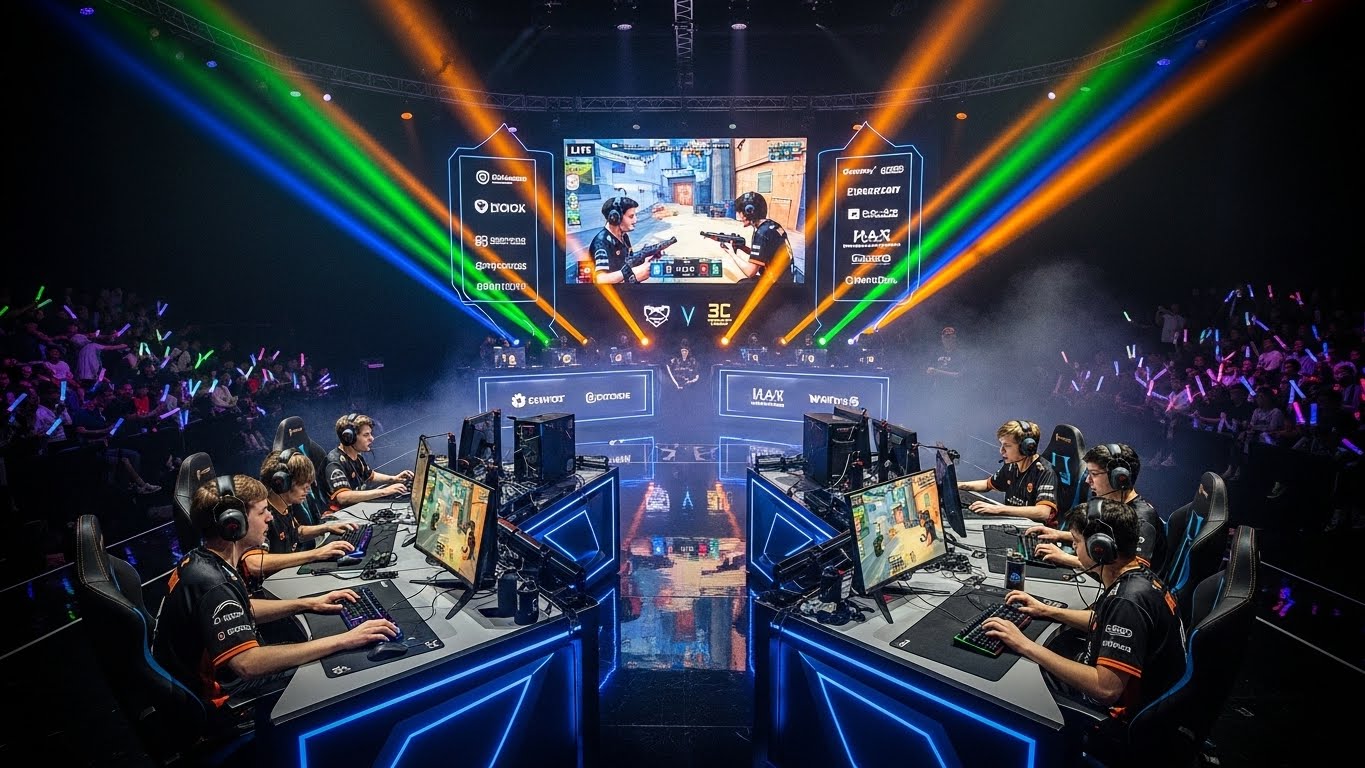
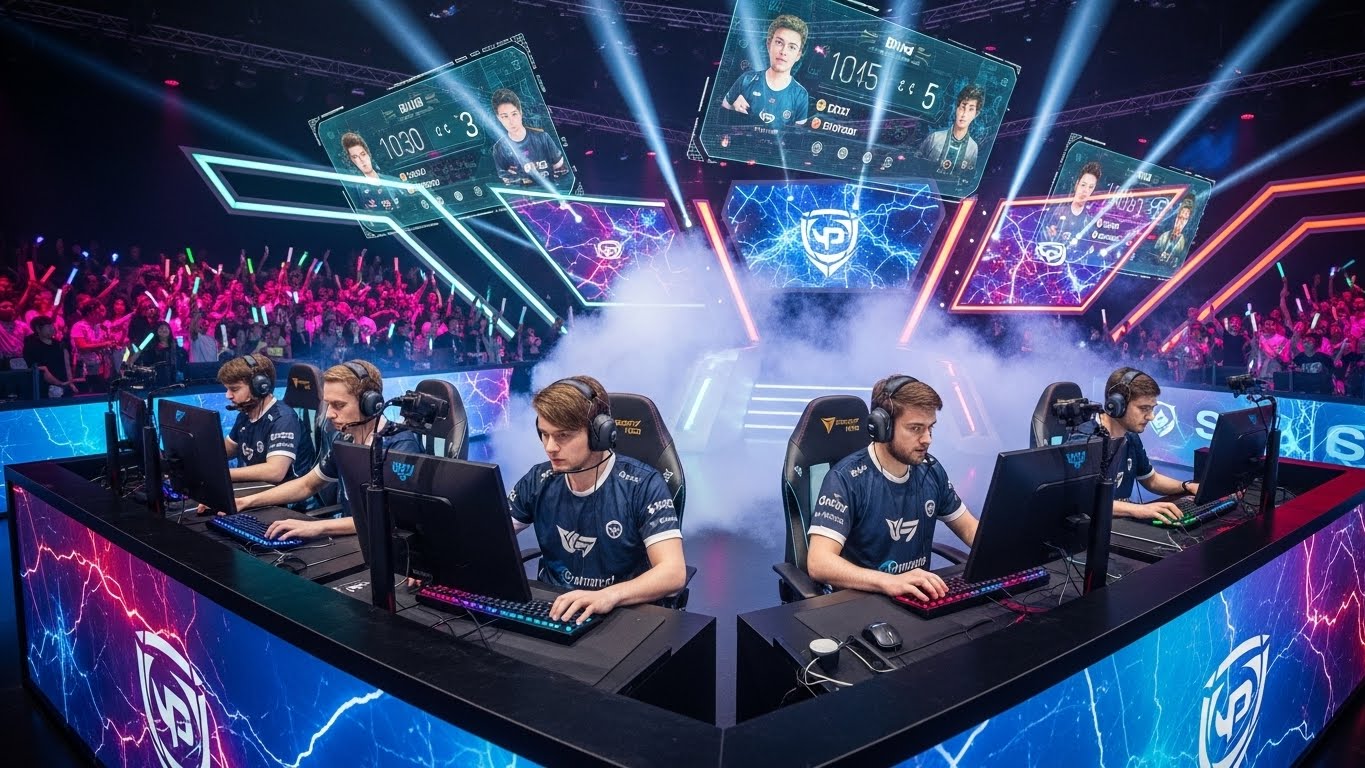
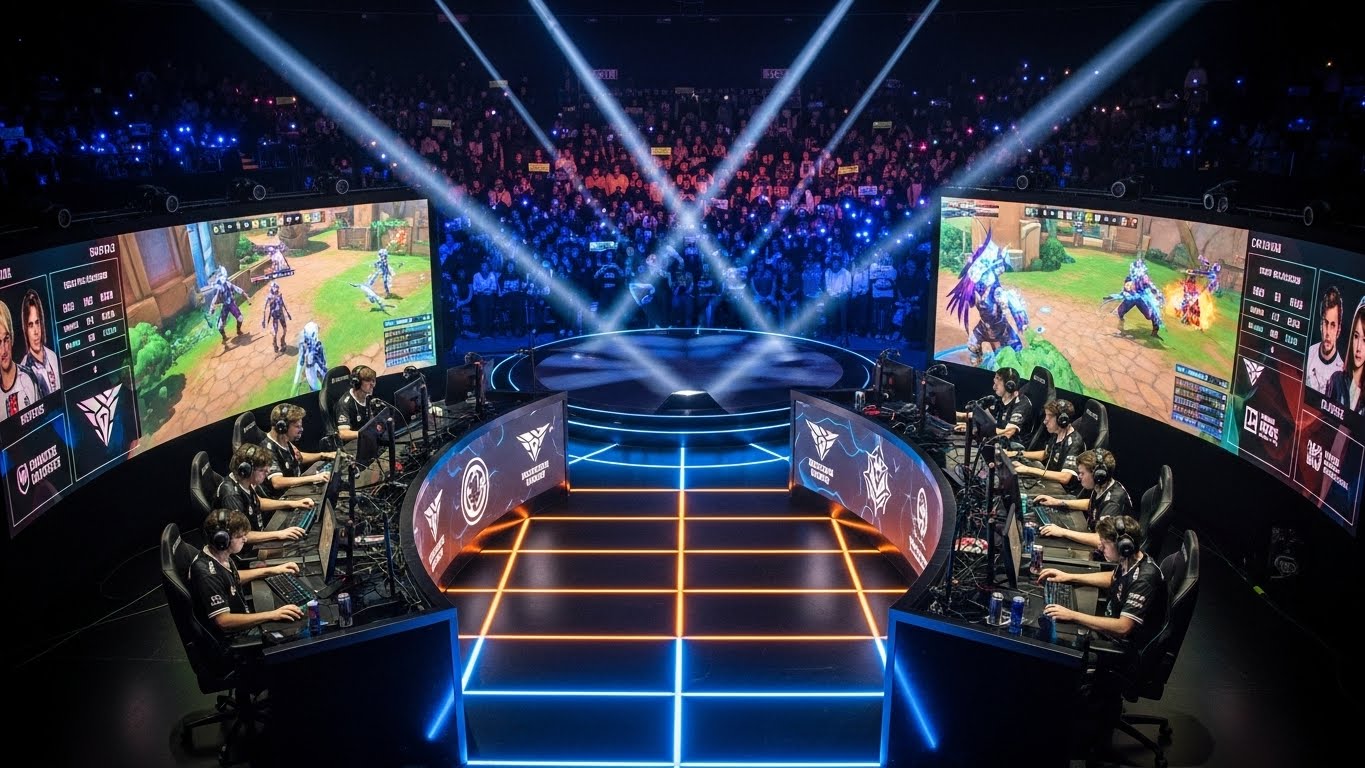
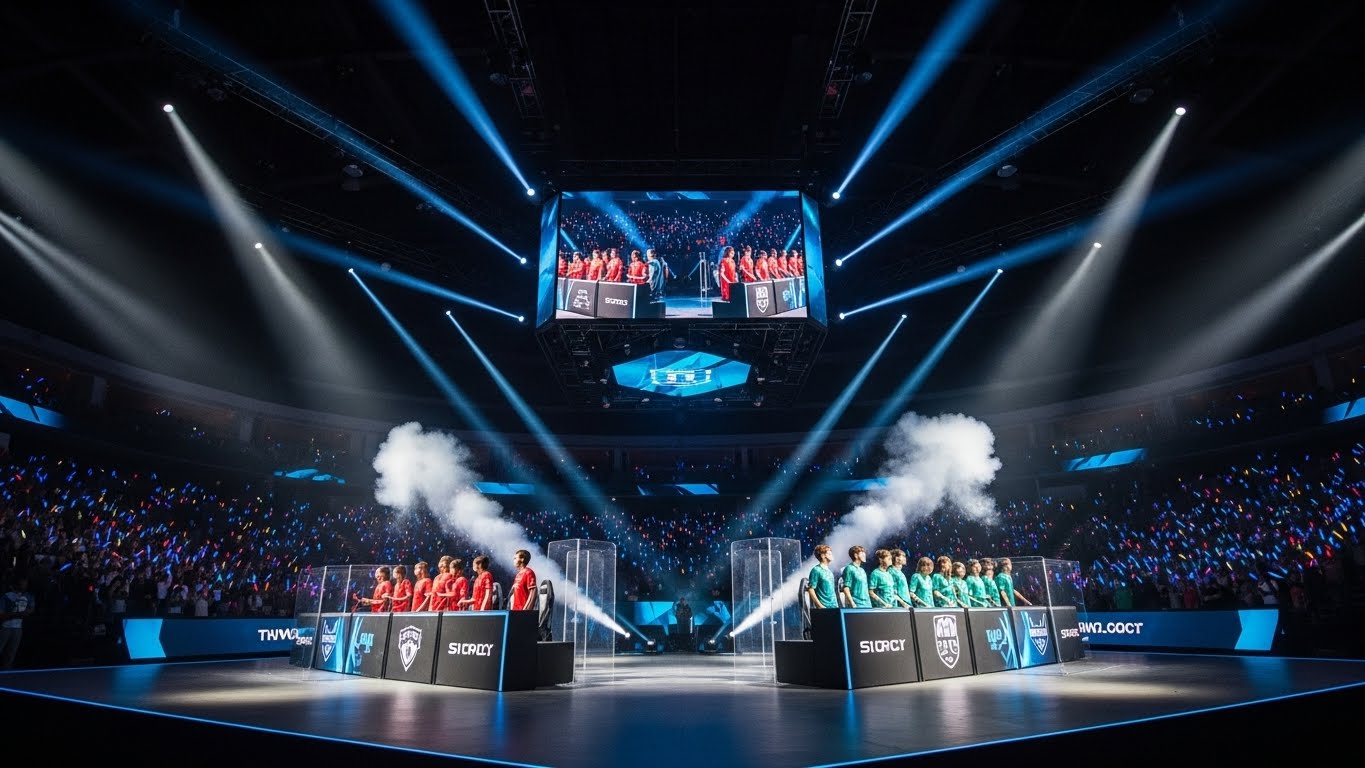
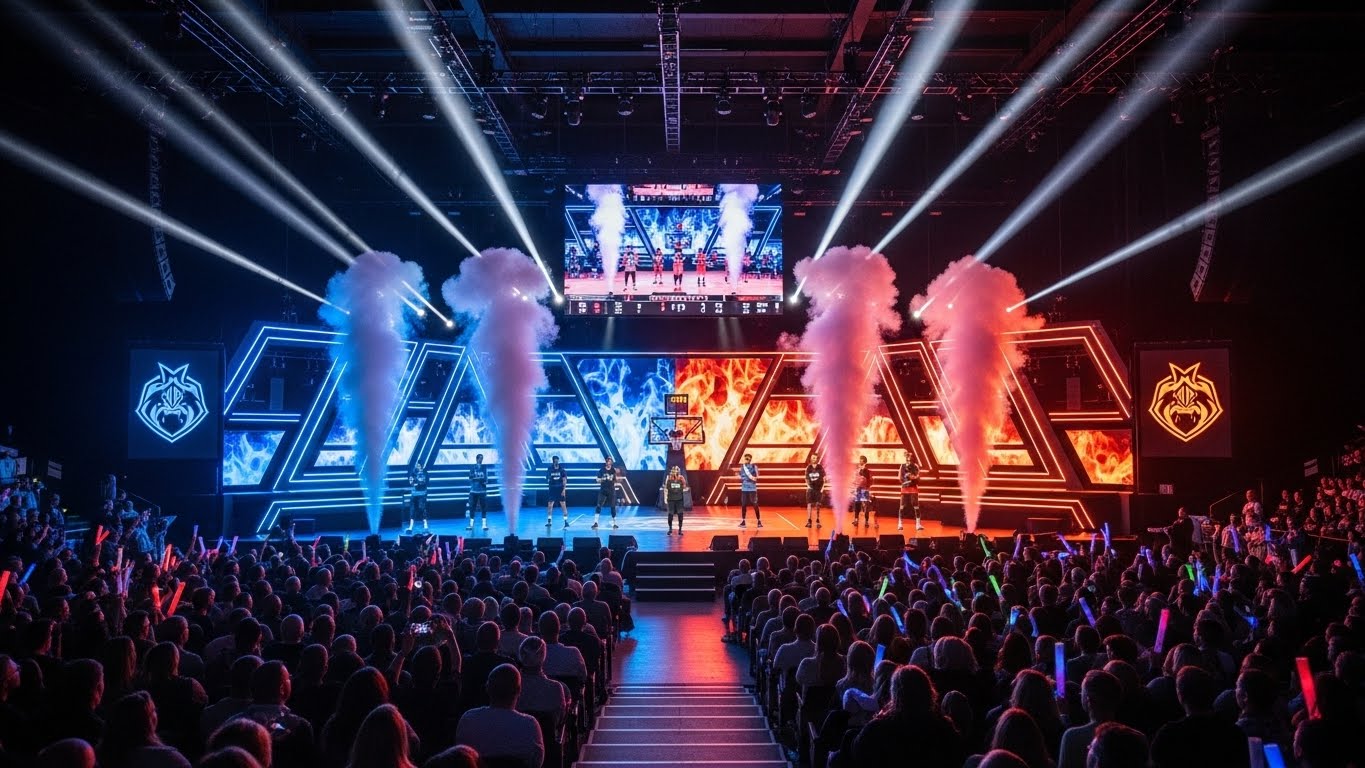
Over the past two decades, esports has transformed from a niche pastime into a global powerhouse of entertainment, competition, and culture. What was once a gathering of passionate gamers in small LAN cafés has become a worldwide phenomenon filling stadiums, inspiring millions of fans, and generating massive prize pools. The rise of esports represents more than just the popularity of video games—it marks a shift in how people compete, consume entertainment, and connect with communities around the world.
This blog explores the evolution of esports, why it has grown so rapidly, the role of technology and culture in its expansion, and what the future holds for this fast-paced digital arena.
The Evolution of Esports: From Arcades to Global Arenas
Esports did not gain instant recognition; its journey began humbly. The earliest form of competitive gaming dates back to arcade tournaments where high scores ruled. As consoles and PCs became more accessible, gaming communities expanded, and local tournaments gradually grew into national competitions.
The early 2000s ushered in an era defined by titles like Counter-Strike, Warcraft III, and StarCraft. South Korea played a significant role during this period, establishing professional leagues, gaming houses, and televised game broadcasts. This laid the foundation for what would soon become a worldwide movement.
The modern era of esports took shape around the 2010s, fueled by the rise of streaming platforms and multiplayer online games. Titles like League of Legends, Dota 2, Overwatch, and Fortnite helped push competitive gaming into mainstream culture. Today, esports events draw millions of viewers, rivaling traditional sports in engagement and excitement.
Why Esports Grew Faster Than Anyone Expected
The rapid growth of esports is not accidental—it is the result of technological advances, cultural shifts, and global accessibility. Here are key factors that contributed to its massive rise:
1. Accessibility and Inclusivity
Unlike traditional sports that may require physical facilities or expensive equipment, esports only needs a digital device and an internet connection. This low barrier to entry opened the doors for players worldwide, regardless of background or physical ability.
2. The Power of Online Communities
Gaming communities are among the most loyal and engaged groups on the internet. Players not only compete but also share strategies, create content, and form social bonds that extend far beyond the game itself. These digital communities amplified esports’ reach globally.
3. Streaming Platforms Changed Everything
Live-streaming platforms gave esports the exposure it needed. Instead of waiting for TV coverage, fans could instantly watch their favorite players compete, practice, or even casually interact. This direct connection strengthened player-fan relationships and helped esports grow organically.
4. The Appeal of Strategic Depth
While some may dismiss games as simple entertainment, competitive titles require intense strategic thinking, rapid reflexes, and team coordination. The complexity of these games attracts passionate fans who appreciate the skill involved, similar to how fans admire traditional sports.
5. Massive Prize Pools and Sponsorships
As viewership grew, brands recognized esports’ potential. Major companies began sponsoring players, teams, and tournaments, injecting substantial capital into the industry. Prize pools soared, raising the stakes and motivating more players to turn professional.
The Culture of Esports: More Than Just Games
Esports is not just about competition—it is a culture deeply embedded in creativity, fandom, and identity. The scene is shaped by diverse individuals including professional players, coaches, analysts, content creators, and fans.
Cosplay and Fan Identity
Esports events often blend gaming with cosplay, creating vibrant atmospheres where fans express their passion visually and creatively.
Memes, Humor, and Online Trends
The esports community thrives on humor, memes, and inside jokes that help create a unique digital culture shared across forums and social media platforms.
Music, Art, and Creative Collaborations
Game publishers and tournament organizers increasingly collaborate with artists and musicians, producing theme songs, cinematic trailers, and spectacular event performances. These elements contribute to esports’ distinctive identity in modern pop culture.
The Life of a Professional Esports Player
Becoming a professional esports athlete requires more dedication than many outsiders realize. The lifestyle mirrors that of traditional sports athletes in many ways.
Intense Training and Preparation
Pro players typically train for six to ten hours a day. Their practice involves strategizing, reviewing past games, scrimming with teammates, and honing reflexes.
Team Coordination and Communication
Many esports titles rely on team synergy. Players must master communication skills, trust teammates, and maintain mental focus during high-pressure situations.
Mental and Physical Wellness
Professional gaming demands hand-eye coordination, quick decision-making, and emotional resilience. Organizations now provide physical training, mental health support, and ergonomic equipment to ensure players perform at their best.
Short Career Span
Because esports relies heavily on reaction time and mental sharpness, many players peak in their early twenties. This pushes aspiring athletes to maximize their performance early while planning long-term career paths beyond playing—such as coaching or content creation.
Esports as a Legitimate Career Path
A decade ago, becoming a professional gamer was viewed skeptically by many. Today, esports offers a wide range of legitimate career opportunities.
Professional Players
Top players earn income from salaries, sponsorships, tournament winnings, and streaming.
Coaching and Analysis
Teams hire coaches, analysts, and strategists who help players refine tactics and improve performance.
Event Production and Broadcasting
Casters, hosts, camera operators, editors, and producers contribute to high-quality tournament broadcasts that rival traditional sports productions.
Game Development and Esports Management
Developers work closely with esports organizations to balance games, design tournaments, and maintain competitive integrity.
Content Creators and Influencers
Many gamers find success as streamers or YouTubers, building audiences around their personalities, skills, or educational content.
Esports and Education: A New Frontier
Schools and universities around the world have begun integrating esports into their programs. Some offer scholarships to talented players and run official esports teams that compete nationally.
Esports education extends beyond playing; programs teach game design, digital marketing, broadcasting, and event management. This broadens opportunities for students interested in the industry and promotes technological literacy.
The Business of Esports: An Industry Worth Billions
Esports generates revenue from multiple sources, making it one of the most dynamic entertainment industries today.
Sponsorships
Brands ranging from technology companies to food and beverage giants invest heavily in esports.
Media Rights
Broadcast platforms secure rights to stream tournaments, boosting the industry’s financial stability.
In-Game Purchases
Publishers often fund tournaments through in-game cosmetics and passes associated with events.
Merchandise and Event Tickets
While digital engagement is key, physical events and merchandise also contribute significantly to revenue.
Challenges Facing the Esports Industry
Despite its incredible growth, esports faces challenges that need to be addressed as the industry matures.
Player Burnout
Long hours, constant competition, and pressure can lead to early burnout. Organizations are working to improve schedules and player welfare.
Regulation and Governance
Esports lacks a unified regulatory body. Each game publisher governs its own competitive scene, sometimes causing inconsistencies.
Sustainability for Smaller Teams
While top teams thrive, smaller organizations struggle to secure consistent sponsorships and funding.
Toxicity and Online Behavior
Managing community behavior and promoting healthy gaming environments remains an ongoing challenge.
The Future of Esports: A Global Digital Frontier
The future of esports looks extremely promising as technology continues to evolve.
Virtual Reality and Augmented Reality
The integration of VR and AR could introduce new forms of competitive gaming and immersive spectator experiences.
Mainstream Recognition
Esports is gaining consideration for inclusion in global competitions and may soon be recognized alongside traditional sports.
Smarter Training Tools
AI-driven coaching and analysis tools are helping players train more effectively and strategically.
Cross-Platform Games
More titles are embracing cross-platform play, allowing players from different devices to compete seamlessly.
Conclusion: A New Era of Competition Has Arrived
Esports represents a powerful convergence of technology, entertainment, and community. It has redefined what it means to compete in the modern age and has created opportunities for millions of players, fans, and professionals around the world. As the industry continues to innovate and push boundaries, esports is poised to remain one of the most influential cultural forces of the digital era.
Whether you are a passionate player, an aspiring professional, or simply a fan of digital entertainment, the world of esports offers endless excitement and a front-row seat to the evolution of competitive culture.