 joystickarena94
Introduction
Esports has transformed from a niche pastime enjoyed by small communities into one of the fastest growing entertainment industries in the world. What was once dismissed as simple gaming has evolved into a global phenomenon involving professional athletes, huge crowds, multimillion dollar tournaments, and dedicated fan bases. Today, esports stands as a symbol of modern competition, technology, and youth culture. This blog explores how esports rose to prominence, why it resonates with millions, and where the future of this digital battleground is heading.
The Origins of Competitive Gaming
Competitive gaming is not a new concept. In the 1970s and 1980s, arcade culture paved the way for friendly high score competitions. Games like Space Invaders and Pac Man introduced the thrill of chasing leaderboards and beating records. By the 1990s, early console tournaments began appearing, though on a much smaller scale compared to modern standards.
The real turning point came with the growth of personal computers and the internet. For the first time, players could compete from their homes against opponents across the globe. Titles like StarCraft, Counter Strike, and Warcraft III built foundations for organized tournaments and professional teams. These early competitions were modest, but they planted the seeds for the billion dollar industry we see today.
The Rise of Modern Esports
As technology advanced, so did the structure of esports. High speed internet and powerful gaming systems enabled larger tournaments, higher production value, and global accessibility. Games like League of Legends, Dota 2, and Fortnite took competitive gaming to new heights. These titles offered balanced competitive environments, frequent updates, and massive player communities.
Esports leagues soon emerged, mirroring traditional sports with regular seasons, team franchises, coaching staff, and sponsorship deals. Professional gamers became celebrities who trained for hours each day, studied opponents, and maintained strict discipline. The professionalism and dedication on display helped esports gain legitimacy in the eyes of the mainstream public.
What Makes Esports So Popular
The popularity of esports is driven by several key factors that make it uniquely appealing.
Accessibility
Unlike traditional sports, esports is easy for anyone to start. Most games can be played on common devices such as PCs, smartphones, or consoles. Millions of players practice the same titles used in professional competitions, allowing them to feel closely connected to the esport they follow.
Global Community
Esports is not limited by geography. Whether someone lives in a small town or a major city, they can join tournaments, watch live streams, and interact with fans from other parts of the world. This global nature has made esports a universal language among gamers.
Constant Innovation
Games evolve quickly. New patches, characters, mechanics, and strategies keep the competition fresh. This constant change attracts viewers who enjoy analyzing new tactics and watching how teams adapt under pressure.
High Entertainment Value
Modern esports productions rival those of traditional sports broadcasts. With energetic commentators, dramatic storytelling, and cinematic in game moments, esports events are thrilling to watch. The excitement during a championship final can easily match the atmosphere of a major sports tournament.
The Professional Esports Athlete
Behind every big tournament are players who dedicate years to mastering their skills. A professional esports athlete trains with the same intensity and discipline as traditional athletes.
Training and Practice
Daily routines often include hours of gameplay, team strategy discussions, and reviewing past matches. Reaction speed, decision making, communication, and mental focus are essential skills. Many organizations also provide fitness programs and mental coaches to help players stay in top form.
Team Dynamics
Esports is rarely won by individual players alone. Teams must be synchronized and prepared to execute complex strategies in a matter of seconds. Good communication can make the difference between victory and defeat, especially in fast paced games where decisions happen instantly.
Longevity and Pressure
Careers in esports can be demanding. Some players retire early due to burnout, stress, or physical strain from constant practice. However, the industry now offers more support systems than ever before, helping athletes maintain healthier, longer careers.
Fans and Community Culture
The esports community is one of its greatest strengths. Fans are deeply engaged, not only watching matches but also creating content, hosting discussions, and supporting their favorite teams through merchandise and events.
Live Events
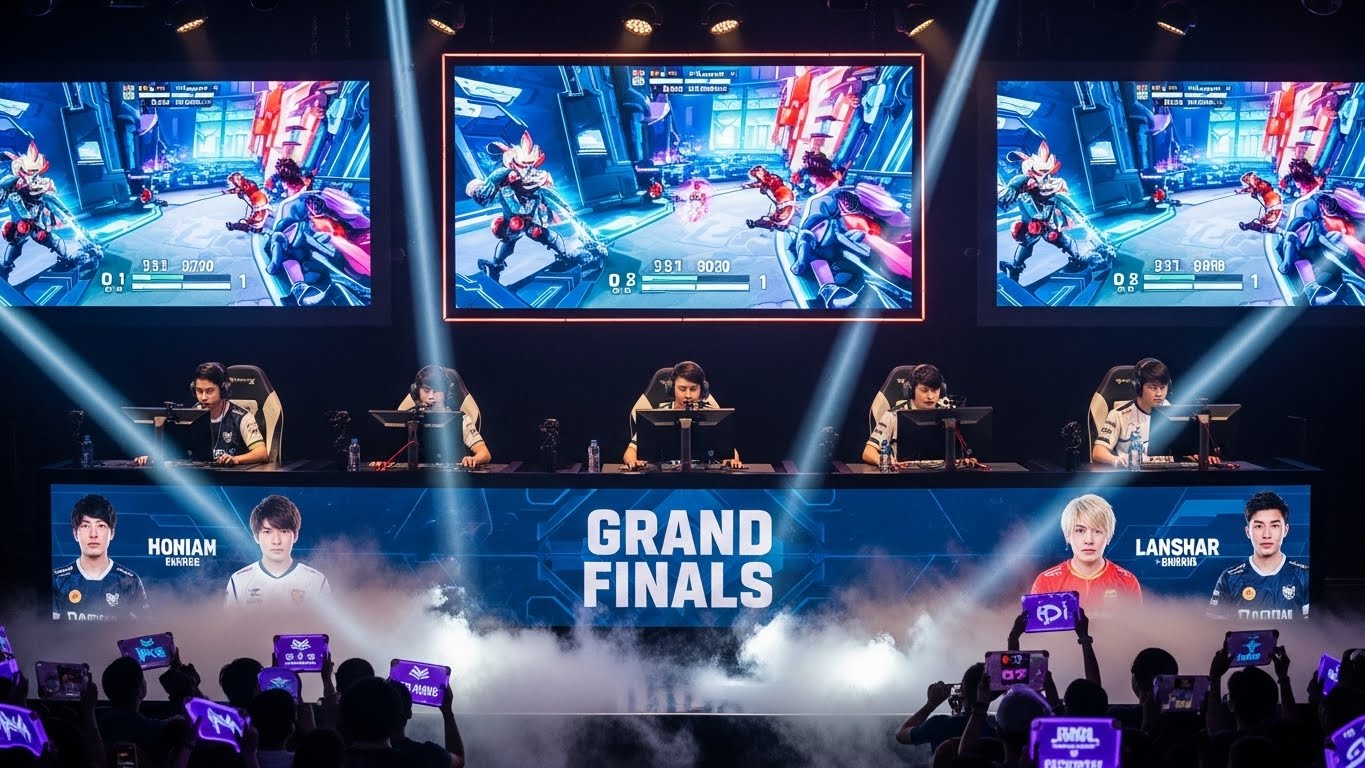
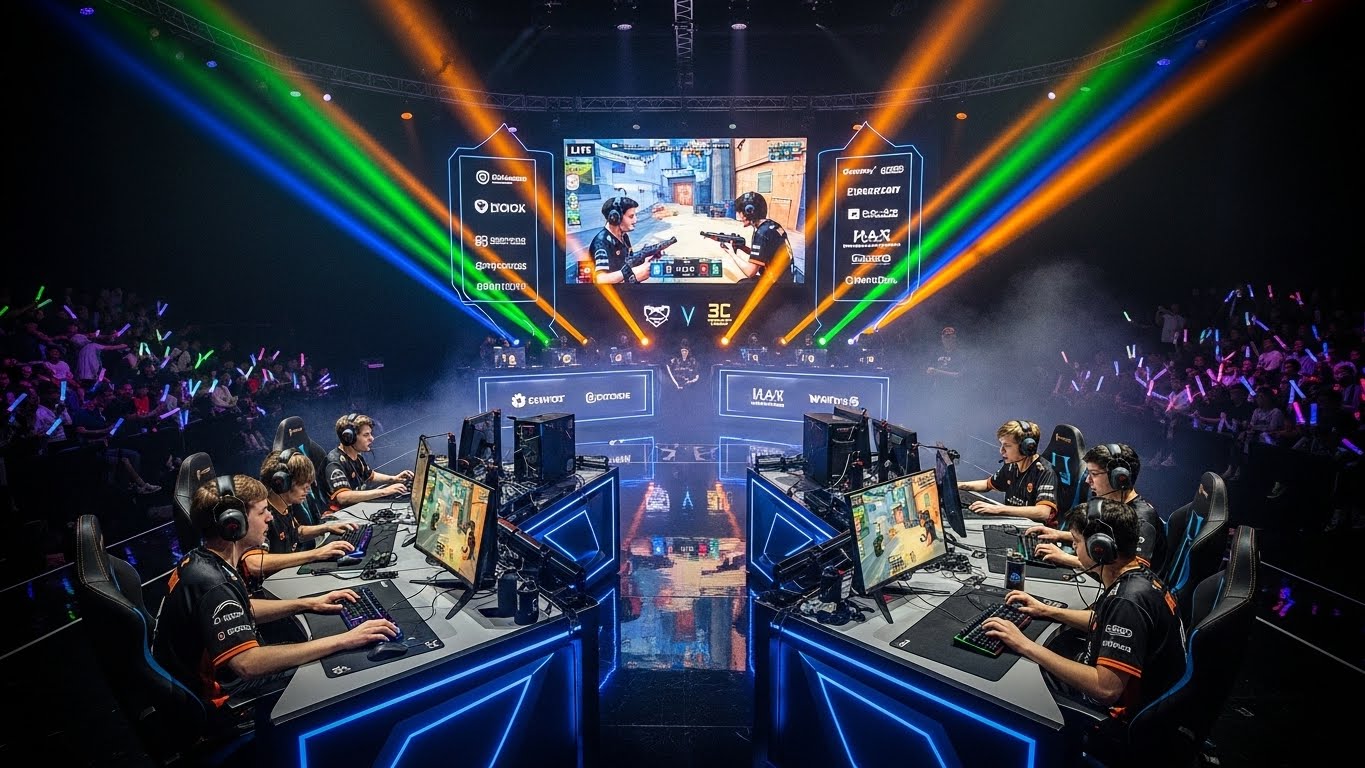
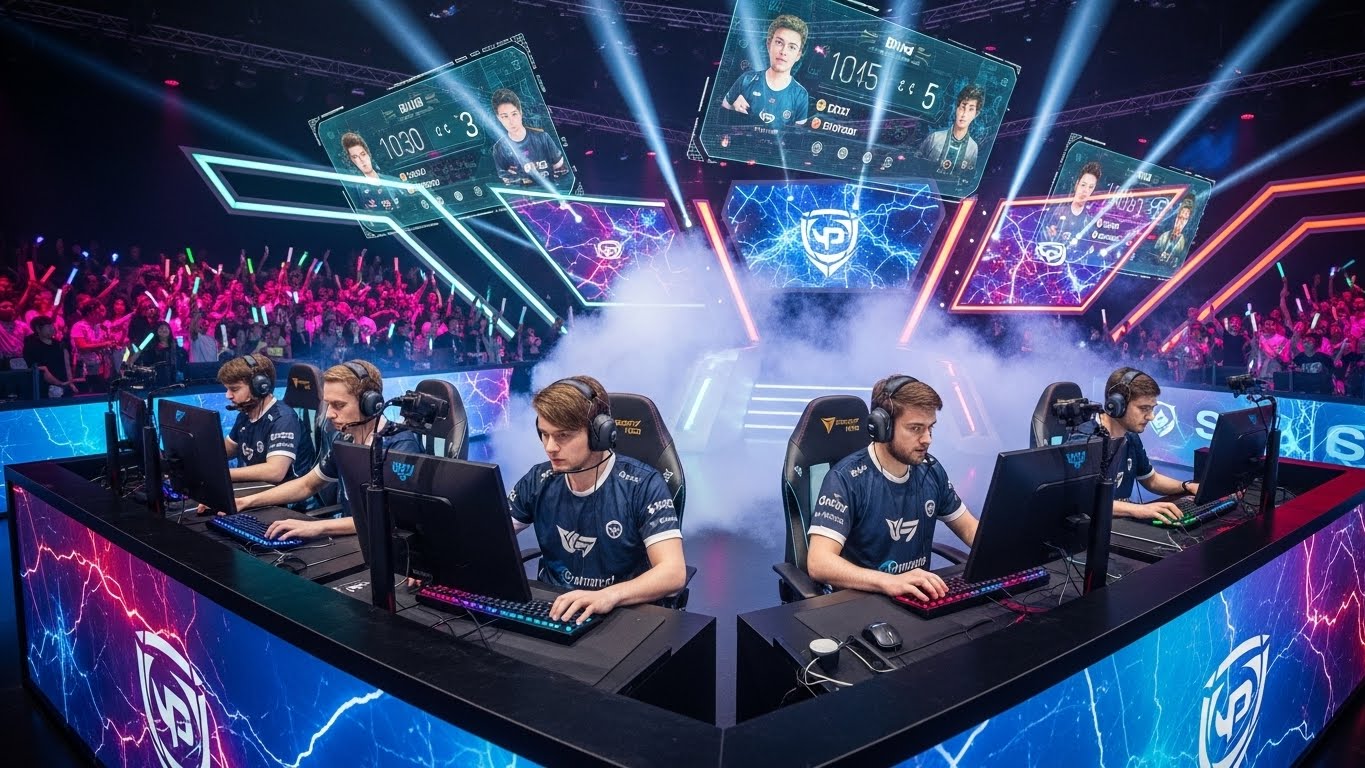
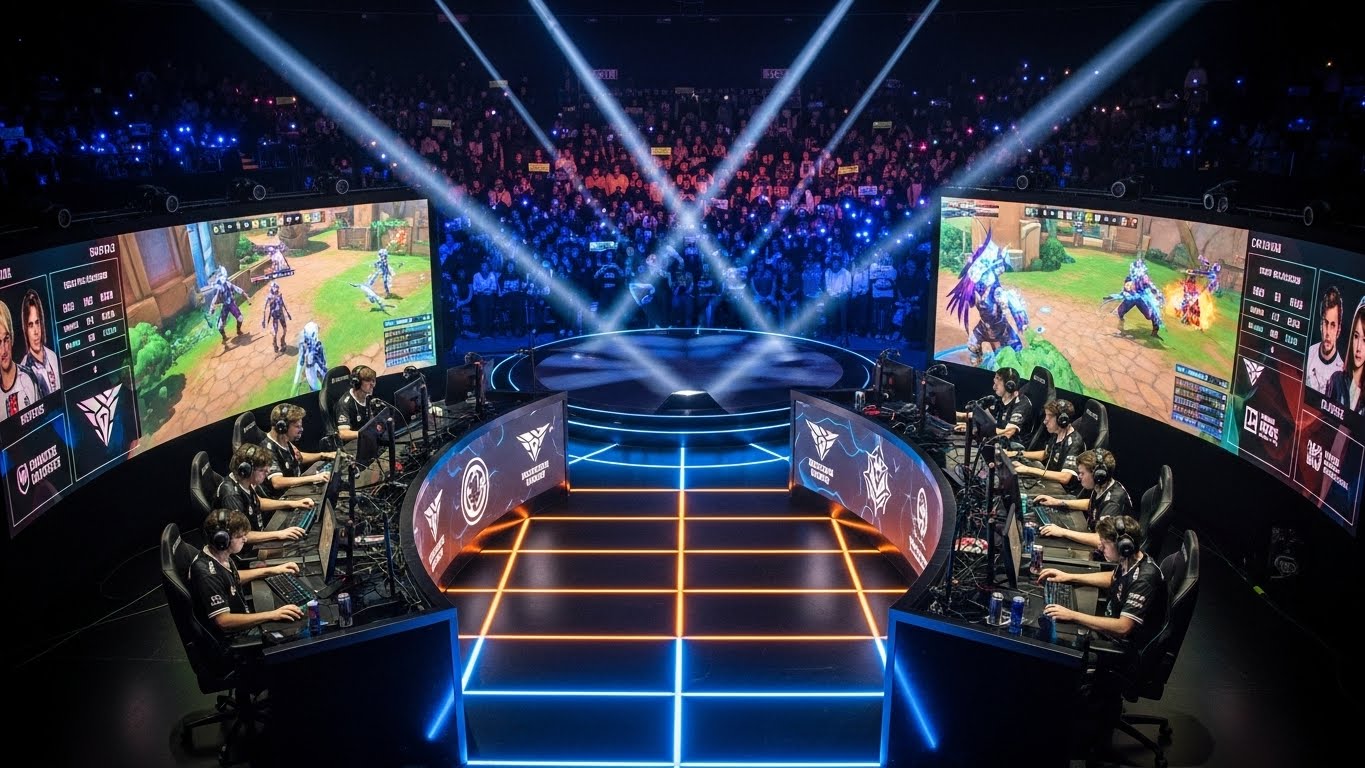
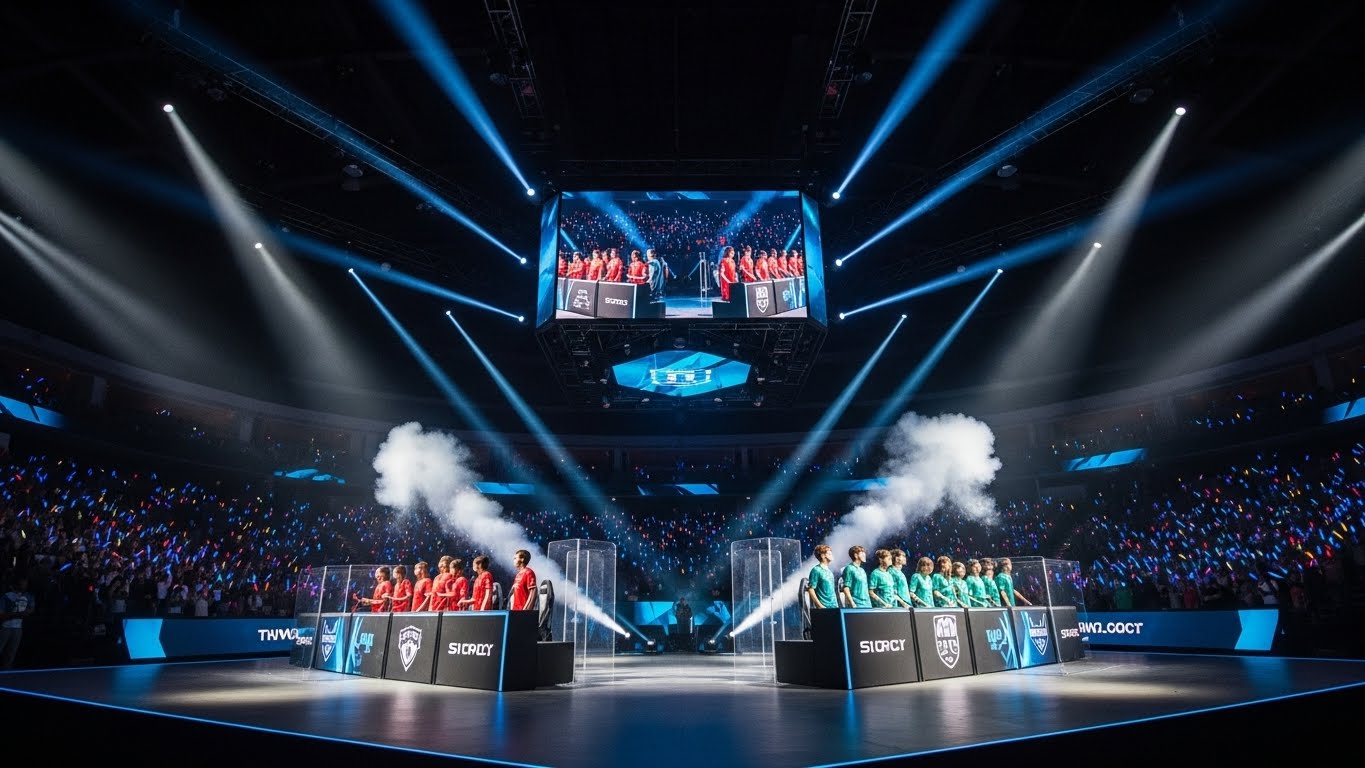
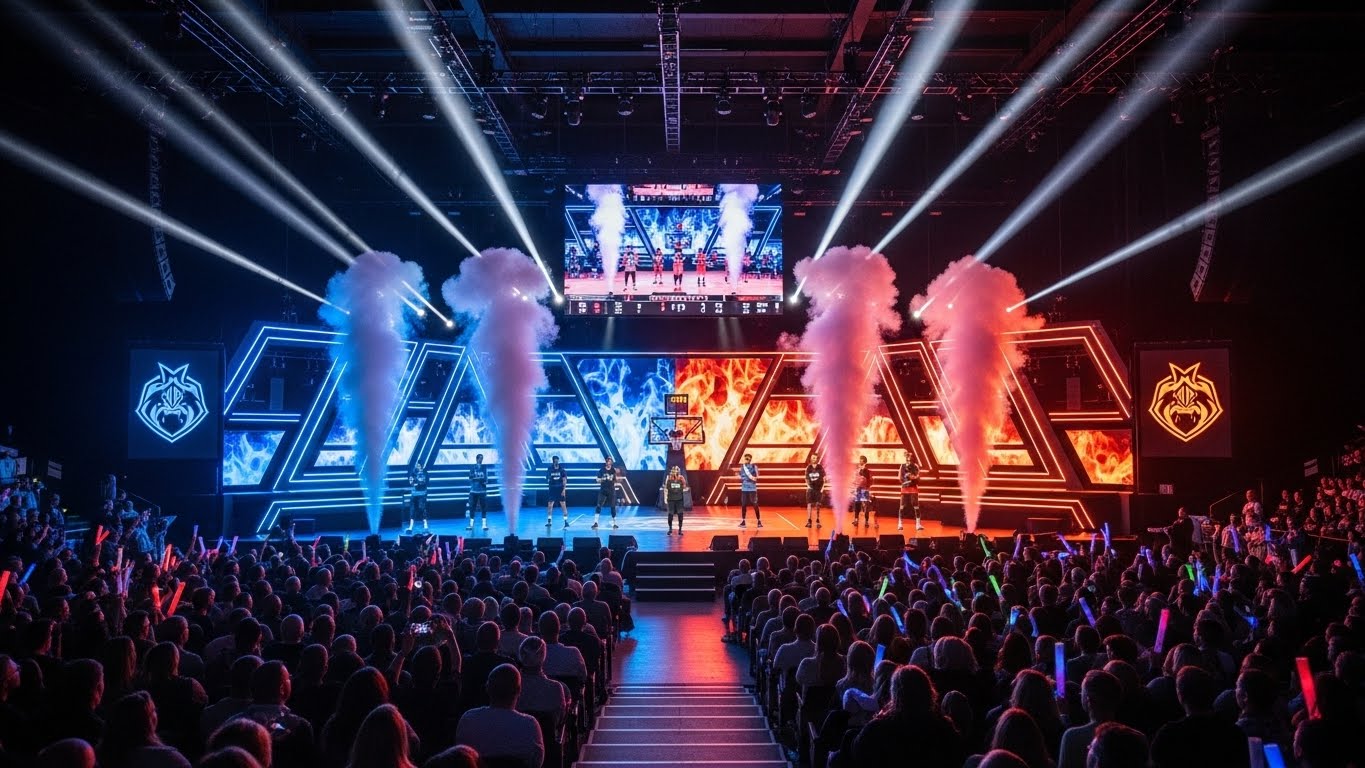
Large arenas filled with cheering fans showcase the electric atmosphere of esports. The energy during a final match is unforgettable. The combination of lights, music, and roaring crowds creates a sense of unity among thousands of spectators who share the same passion.
Online Engagement
Streaming platforms transformed how people interact with esports. Fans watch their favorite players practice, chat with them in real time, and learn new techniques. This direct connection between players and fans strengthens community loyalty and encourages newcomers to join.
The Business of Esports
The business side of esports has exploded in recent years, with investments coming from brands, organizations, and even traditional sports franchises.
Sponsorships and Advertising
Companies recognize the marketing potential of esports due to its massive, youthful audience. Sponsorship deals often involve gaming gear, energy drinks, apparel, and technology brands. These partnerships help fund teams and tournaments while increasing visibility for the sponsors.
Tournament Economics
Large tournaments offer prize pools reaching millions of dollars. These events draw global audiences and generate revenue through ticket sales, media rights, merchandise, and advertising. Organizers invest heavily in production, ensuring that every match is polished and engaging.
Career Opportunities
Esports has created diverse career paths beyond playing professionally. Commentators, analysts, coaches, event organizers, content creators, and marketers all contribute to the industry. Schools and universities now offer esports programs and scholarships, showing how far the field has come.
The Impact of Esports on Society
Esports has influenced society in several meaningful ways.
Changing Perceptions
Gaming was once viewed as a waste of time, but esports has proven that it requires intelligence, practice, teamwork, and strategic thinking. This shift has encouraged more families, educators, and institutions to support gaming as a legitimate activity.
Technological Growth
Esports pushes technological innovation. Faster internet, better graphics, advanced streaming tools, and new gaming equipment all evolve to meet the needs of players and fans.
Social Interaction
Esports provides social spaces where people forge friendships, build communities, and find belonging. It offers a positive outlet for creativity, competition, and personal growth.
Challenges Facing Esports
Despite its rapid success, esports still faces obstacles.
Player Burnout
The intense schedule and pressure can overwhelm young players. More support systems and balanced training programs are needed to ensure player well being.
Regulation
Esports does not have universal governing bodies like traditional sports. Different games and regions follow different rules, which sometimes leads to inconsistencies in fairness and professionalism.
Sustainability
While popular titles thrive, others fade quickly. The industry must continuously adapt to stay relevant and maintain long term stability.
The Future of Esports
The future of esports looks incredibly promising. Virtual reality competitions, mobile gaming championships, and global youth participation are shaping the next generation of competitive gaming. More countries are building esports arenas and supporting national teams. Colleges and academic institutions are integrating esports into their programs, reflecting its growing acceptance.
As gaming technology improves, esports will become even more immersive and inclusive. Players will experience smoother gameplay, more complex strategies, and new genres of competitive formats. Fans will enjoy better broadcasting technology, deeper analysis, and more accessible content.
Conclusion
Esports has evolved into a modern colosseum where digital warriors compete for glory, skill meets strategy, and passion unites millions. It represents the future of competition and entertainment, powered by technology and driven by a diverse global community. With rapid growth, increasing legitimacy, and limitless potential, esports is not just a trend but a defining force in modern culture. The digital arena is here to stay, and its influence will only continue to grow.