 joystickarena94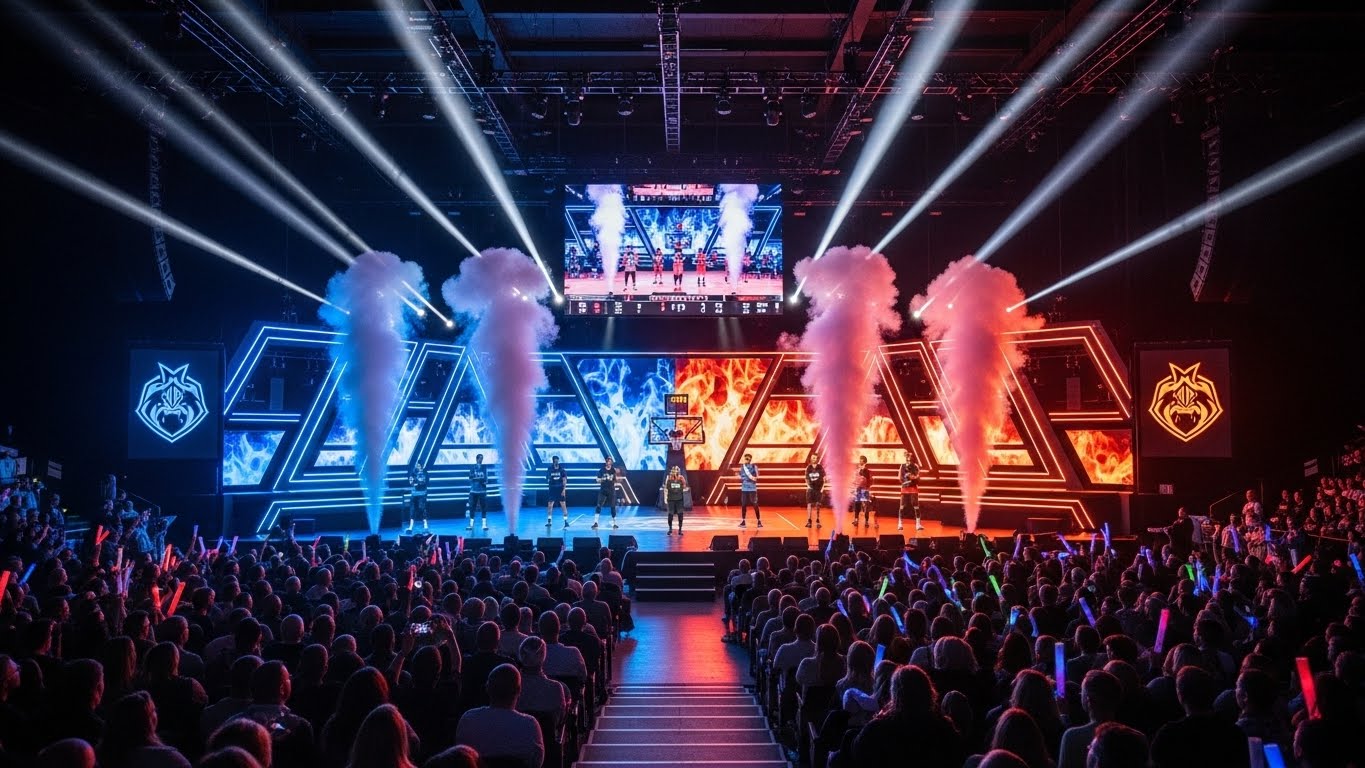
In the past decade, the term “esports” has transitioned from a niche phrase whispered in gaming communities to a global phenomenon that rivals traditional sports in viewership, popularity, and cultural influence. The rise of esports is not just a testament to technological advancements but also a reflection of evolving entertainment preferences, where the digital arena has become a legitimate battleground for skill, strategy, and teamwork.
The Emergence of Esports
Esports, short for electronic sports, refers to organized competitive video gaming where individuals or teams compete in various digital games for prestige, recognition, and increasingly, substantial monetary rewards. While casual gaming has existed for decades, esports began gaining structured recognition in the late 1990s with games like StarCraft, Counter-Strike, and Quake. These early competitions set the stage for modern esports, fostering communities that shared strategies, organized tournaments, and streamed matches online.
The proliferation of the internet played a critical role in the emergence of esports. Online connectivity allowed gamers from different corners of the globe to compete in real-time, breaking geographical barriers and creating a sense of global competition. Platforms such as Twitch and YouTube further accelerated esports’ popularity by offering live broadcasts, tutorials, and highlights to millions of viewers worldwide.
Popular Esports Titles and Genres
Esports spans a wide array of gaming genres, each appealing to different audiences and requiring unique skill sets. The most popular esports games today include:
- Multiplayer Online Battle Arena (MOBA) Games: Titles like League of Legends and Dota 2 are characterized by strategic team-based gameplay, where players control individual characters with unique abilities. MOBA games emphasize teamwork, tactical planning, and adaptability, making them a staple in the esports world.
- First-Person Shooters (FPS): Games such as Counter-Strike: Global Offensive and Call of Duty dominate this genre. FPS esports demand precision, reflexes, map knowledge, and strategic coordination. Professional FPS teams often train rigorously, analyzing opponents’ tactics and refining their gameplay to fractions of a second.
- Battle Royale Games: Fortnite and PUBG popularized this genre, where players fight to be the last person or team standing in a shrinking battlefield. These games blend shooting skills, strategy, and survival instincts, creating unpredictable and thrilling competition.
- Sports Simulation Games: FIFA, NBA 2K, and Madden NFL bring traditional sports into the digital realm. These games appeal to fans of real-world sports and showcase tactical thinking, quick decision-making, and mastery of game mechanics.
- Fighting Games: Titles like Street Fighter, Tekken, and Super Smash Bros. attract players who thrive in direct one-on-one competition. Precision, timing, and combo mastery define success in this genre.
Each game type has its own dedicated fan base, tournament circuits, and professional players, highlighting the diversity and inclusivity of esports as a whole.
Esports as a Career
For many, esports is no longer just a hobby—it is a legitimate career path. Professional esports athletes can earn substantial incomes through tournament winnings, sponsorships, streaming revenue, and team salaries. Top-tier players in popular games can secure contracts worth millions of dollars, and esports organizations offer structured support, including coaching, nutrition, and mental health services.
Beyond players, the esports ecosystem supports careers in broadcasting, event management, content creation, marketing, analytics, and game development. Tournament organizers, commentators, video editors, and social media managers play crucial roles in maintaining the vibrant esports industry. As the sector continues to grow, these careers offer long-term stability and opportunities for creative expression.
Esports Tournaments and Global Events
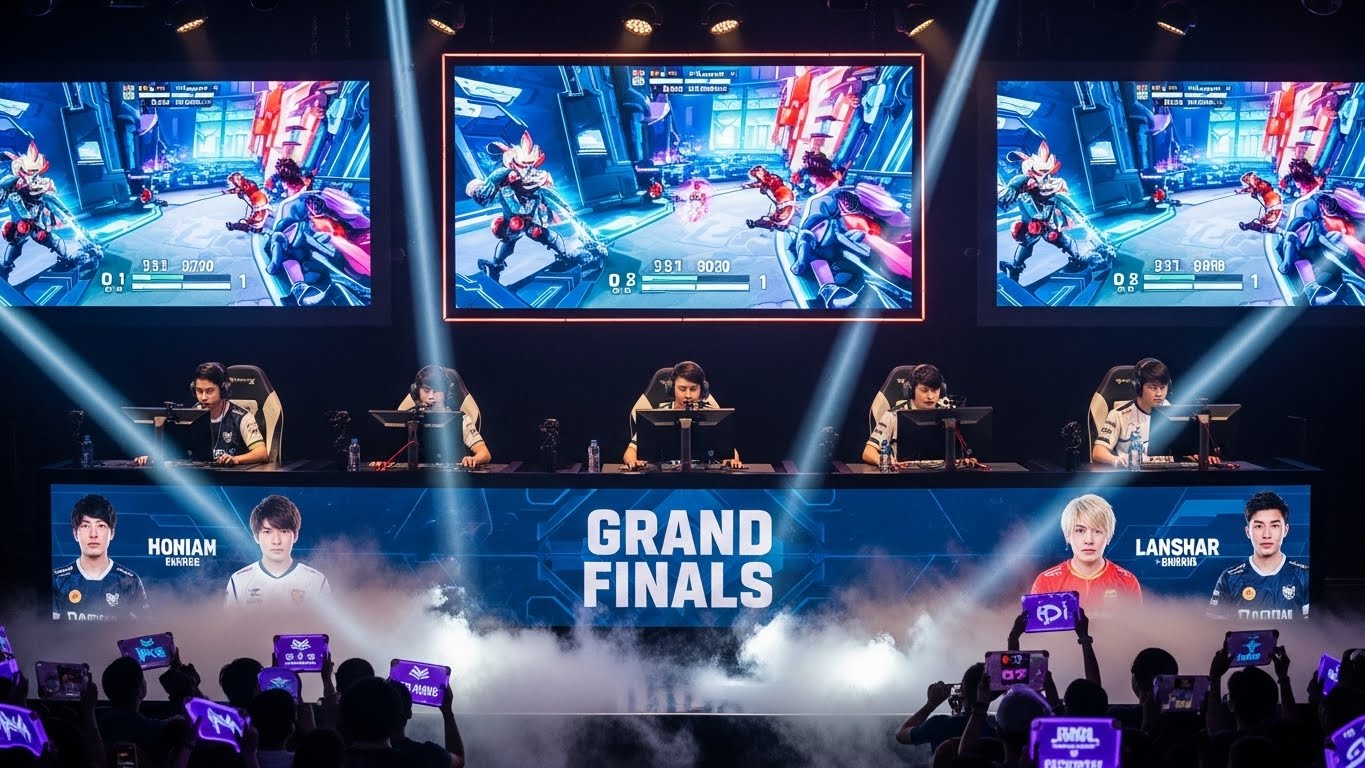
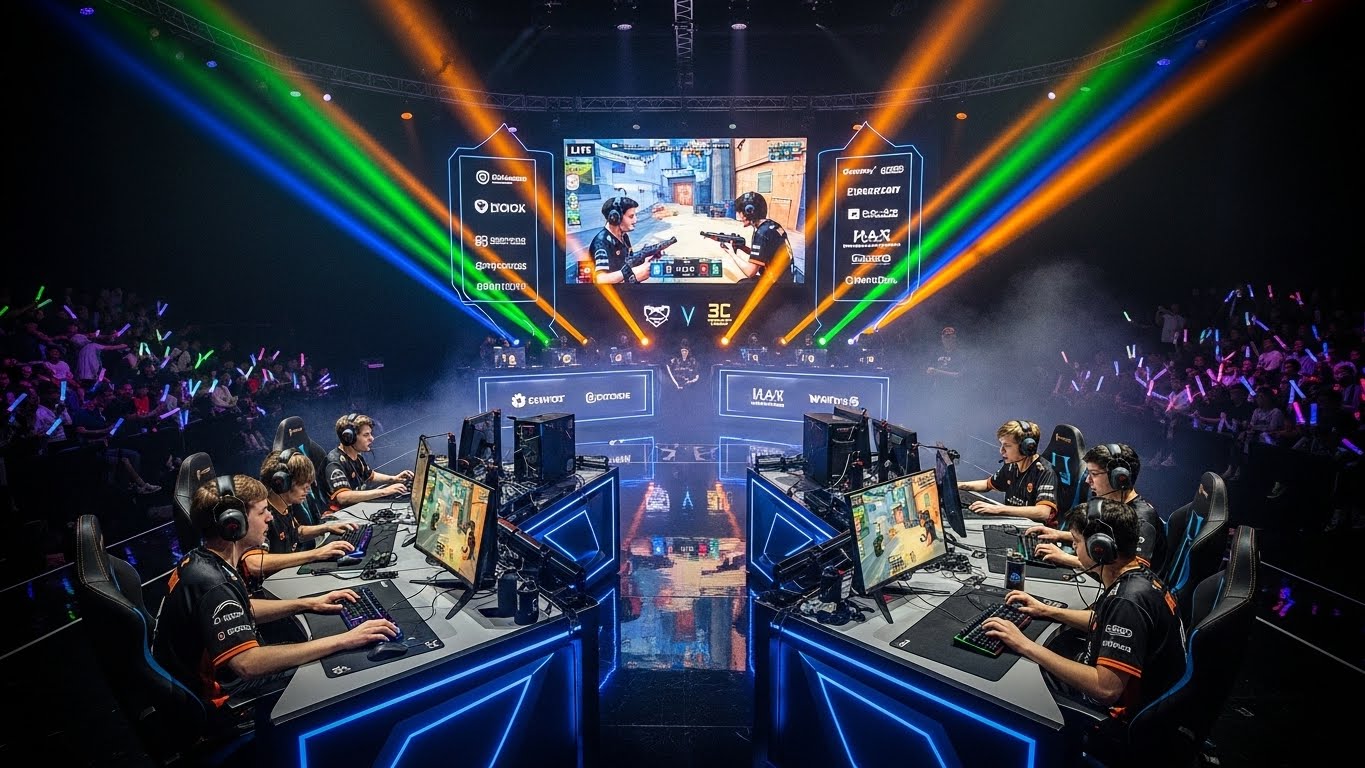
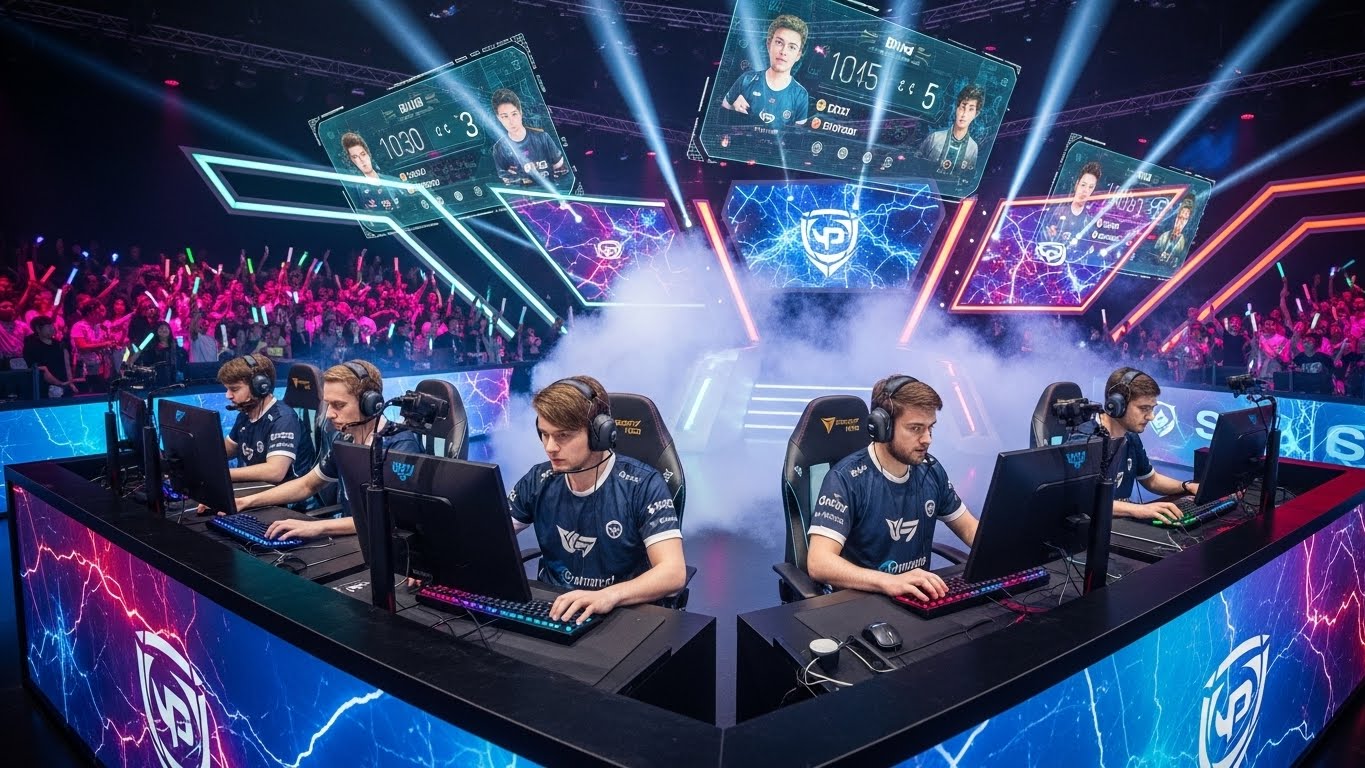
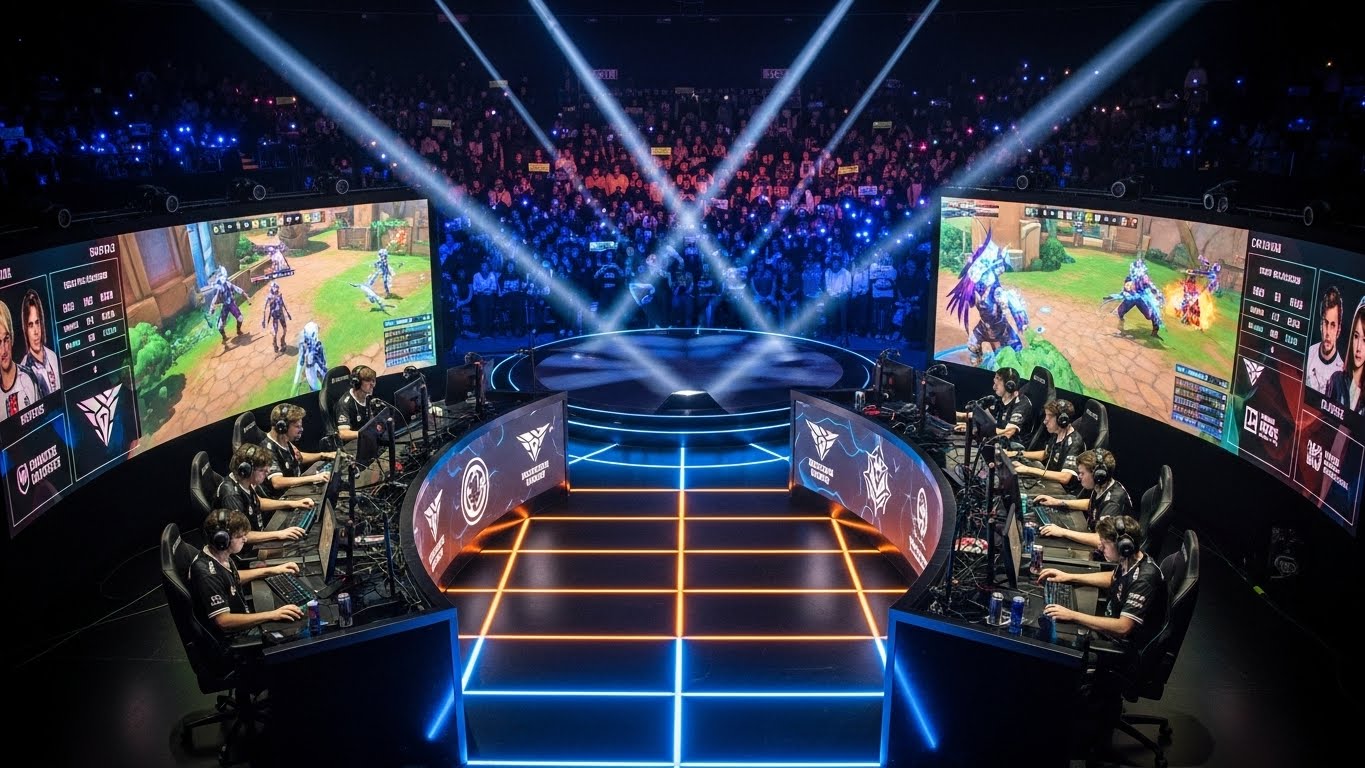
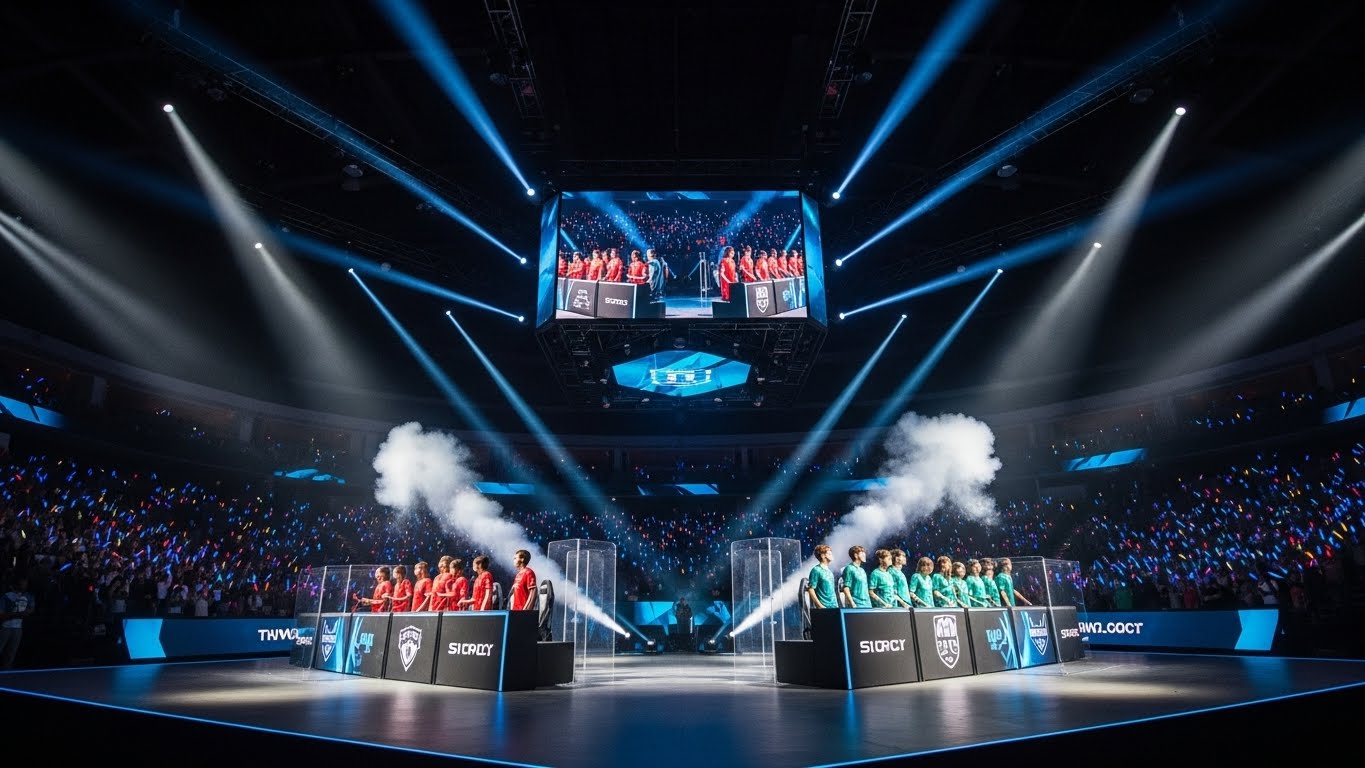
Esports tournaments are now major spectacles, attracting thousands of live attendees and millions of online viewers. Events such as The International (Dota 2), League of Legends World Championship, and Fortnite World Cup feature massive prize pools and showcase the highest levels of competitive gaming.
The structure of these tournaments often mirrors traditional sports, with group stages, playoffs, and grand finals. Teams meticulously prepare for each match, analyzing opponents’ strategies and adapting their gameplay accordingly. The rise of live streaming platforms has allowed fans to follow tournaments in real-time, interact with players, and participate in community discussions, further enhancing the spectator experience.
Global esports events are also fostering cross-cultural exchange, with players from different countries collaborating and competing in a shared digital space. The international nature of esports promotes understanding, teamwork, and mutual respect among diverse communities.
Impact of Technology on Esports
Technology is the backbone of esports. High-speed internet, powerful gaming hardware, and advanced software have enabled seamless online competition and broadcasting. Game developers continuously update titles to maintain competitive balance, fix bugs, and introduce new features, ensuring that the esports ecosystem remains dynamic and engaging.
Virtual reality and augmented reality are emerging technologies with the potential to revolutionize esports further. VR esports can immerse players in fully interactive environments, offering a level of physicality and presence previously impossible in traditional gaming. AR can blend digital elements with real-world settings, opening new avenues for creative competition and audience engagement.
Additionally, artificial intelligence tools are increasingly used for coaching, performance analysis, and audience personalization. AI can track player statistics, identify patterns, and provide actionable insights to enhance both gameplay and spectator enjoyment.
Esports and Mental Resilience
Esports requires not only physical dexterity but also mental resilience. Players often face high-pressure situations, long practice hours, and intense scrutiny from fans and sponsors. Mental toughness, focus, and emotional regulation are critical for sustained performance.
Professional esports organizations recognize this need and often provide mental health support, including sports psychologists, stress management programs, and mindfulness training. Cultivating a healthy mindset is as important as technical skill, highlighting the holistic demands of competitive gaming.
Esports in Education and Youth Engagement
Esports is increasingly being integrated into educational institutions. Universities and colleges are offering esports scholarships, competitive programs, and research opportunities. These programs teach students about teamwork, strategic thinking, leadership, and technological literacy, preparing them for careers in gaming and beyond.
Youth engagement in esports is particularly significant. Competitive gaming encourages problem-solving, quick decision-making, and social interaction, challenging stereotypes that gaming is purely recreational or isolating. Properly guided, esports can become a tool for skill development, creativity, and community building among young people.
Economic Influence of Esports
Esports has evolved into a multibillion-dollar industry, generating revenue through sponsorships, merchandise, media rights, advertising, and ticket sales. Major brands, from tech giants to consumer goods companies, invest heavily in esports to reach younger, tech-savvy audiences. This economic influence drives further innovation, professionalization, and mainstream acceptance of competitive gaming.
The impact of esports is also felt in tourism, with tournaments attracting international visitors and stimulating local economies. Cities hosting major events invest in infrastructure, hospitality, and marketing, further intertwining esports with economic development.
Challenges Facing the Esports Industry
Despite its meteoric rise, esports faces several challenges. Player burnout, lack of standardized regulations, and controversies surrounding fairness and ethics are ongoing concerns. The rapid growth of the industry sometimes outpaces governance, leading to disputes over contracts, prize distribution, and competitive integrity.
Another challenge is inclusivity. While esports is global, certain demographics remain underrepresented, including women and players from developing regions. Addressing these disparities is crucial for fostering a truly diverse and equitable esports ecosystem.
Finally, maintaining balance between gaming and personal well-being remains critical. Intense practice schedules and competitive pressure can lead to physical strain, mental fatigue, and social isolation. Sustainable practices and support systems are necessary to ensure long-term participation and health of esports professionals.
The Future of Esports
The future of esports looks incredibly promising. Technological advancements, global connectivity, and growing acceptance of gaming as a legitimate sport will continue to fuel its expansion. Virtual reality, cloud gaming, and AI integration are poised to transform the competitive landscape, making esports more immersive, accessible, and interactive.
Additionally, esports may increasingly intersect with traditional sports, entertainment, and education, blurring boundaries between digital and physical competition. As more countries recognize esports as a professional discipline, infrastructure, funding, and talent development will grow, cementing its status as a mainstream global phenomenon.
The cultural impact of esports is equally profound. It fosters international collaboration, celebrates creativity, and empowers individuals to pursue passions in ways that were previously unimaginable. As esports continues to evolve, it has the potential to redefine the very concept of competition in the 21st century.
Conclusion
Esports has transformed from a niche hobby into a global powerhouse, influencing culture, economy, and technology. Its growth reflects not only advancements in gaming and internet connectivity but also society’s embrace of digital entertainment. With professional players, massive tournaments, and an engaged worldwide audience, esports has carved a permanent space in the competitive landscape.
Beyond entertainment, esports embodies the fusion of skill, strategy, and community. It challenges traditional perceptions of sports, fosters global collaboration, and offers viable careers for millions of enthusiasts. As technology continues to evolve and audiences expand, esports will not merely survive—it will thrive, shaping the future of competition and redefining what it means to be a professional athlete in the digital age.