 joystickarena94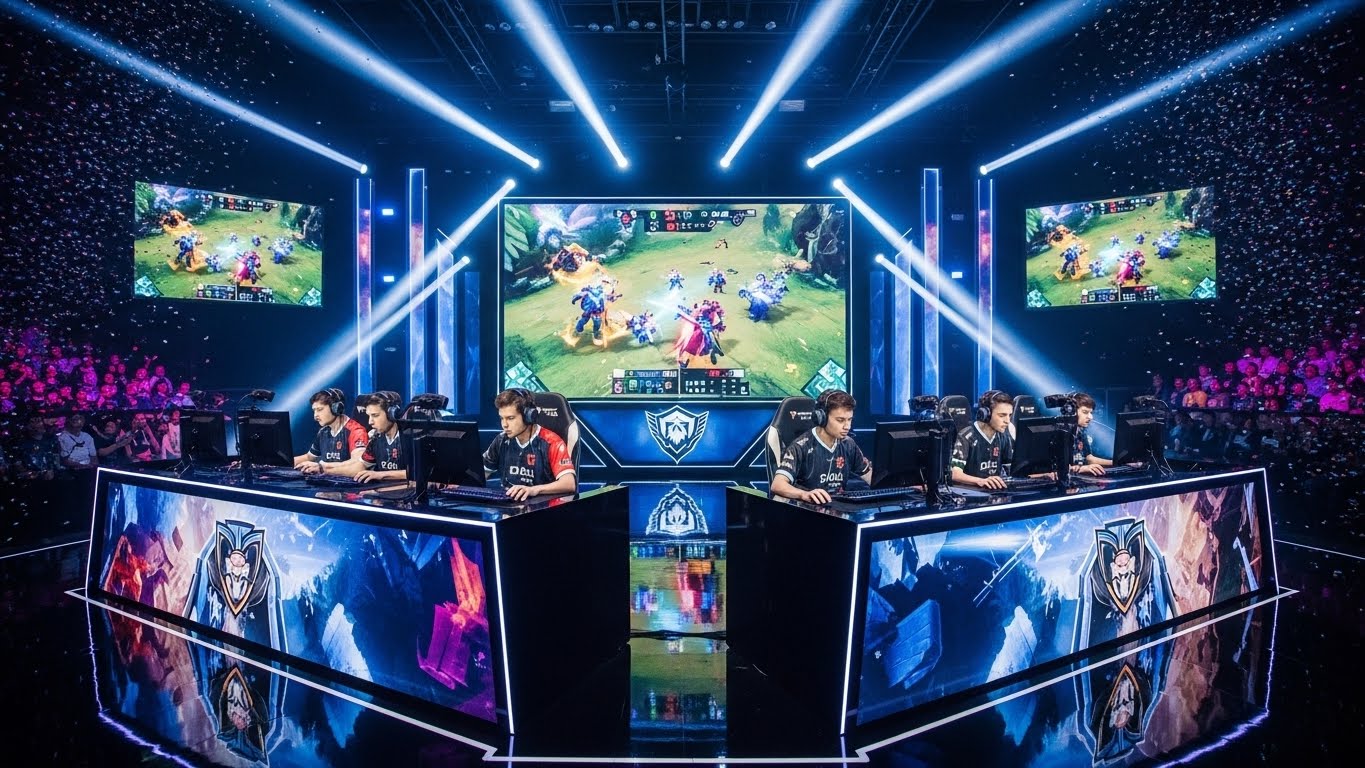
Introduction
In recent years, esports has emerged as one of the most influential forms of entertainment in the world. What began as casual gaming competitions among friends has transformed into a global phenomenon, attracting millions of viewers, professional players, and significant corporate investment. Esports is no longer confined to living rooms or small gaming centers; it now fills stadiums, dominates streaming platforms, and shapes cultural trends across continents. This blog explores the history of esports, its rise to prominence, its economic and cultural impact, and the challenges and opportunities that lie ahead.
The Origins of Competitive Gaming
Esports may seem like a modern invention, but its roots go back several decades. In the late 1970s and early 1980s, arcades became the primary stage for competitive gaming. Titles like Space Invaders, Pac-Man, and Donkey Kong were more than simple entertainment; they represented a chance for players to showcase skill, strategy, and reflexes. Competitions often revolved around high scores and local recognition, planting the seeds for what would eventually grow into organized esports tournaments.
The 1990s brought multiplayer PC games that laid the foundation for global competitive play. Titles such as Doom, Quake, StarCraft, and Counter-Strike allowed gamers to compete across networks, forming communities that shared strategies, tips, and rivalries. LAN parties became essential social hubs, where players honed their skills and prepared for the next big tournament. These early events helped build the culture, infrastructure, and competitive spirit that define esports today.
The Explosion of Esports Popularity
The early 2000s marked the beginning of esports’ mainstream rise. With the spread of high-speed internet and the introduction of online multiplayer platforms, gaming became more accessible than ever. Fans could watch live competitions, follow their favorite players, and even participate in online tournaments from their homes. Streaming platforms revolutionized viewership, allowing millions of fans worldwide to engage with esports in real time.
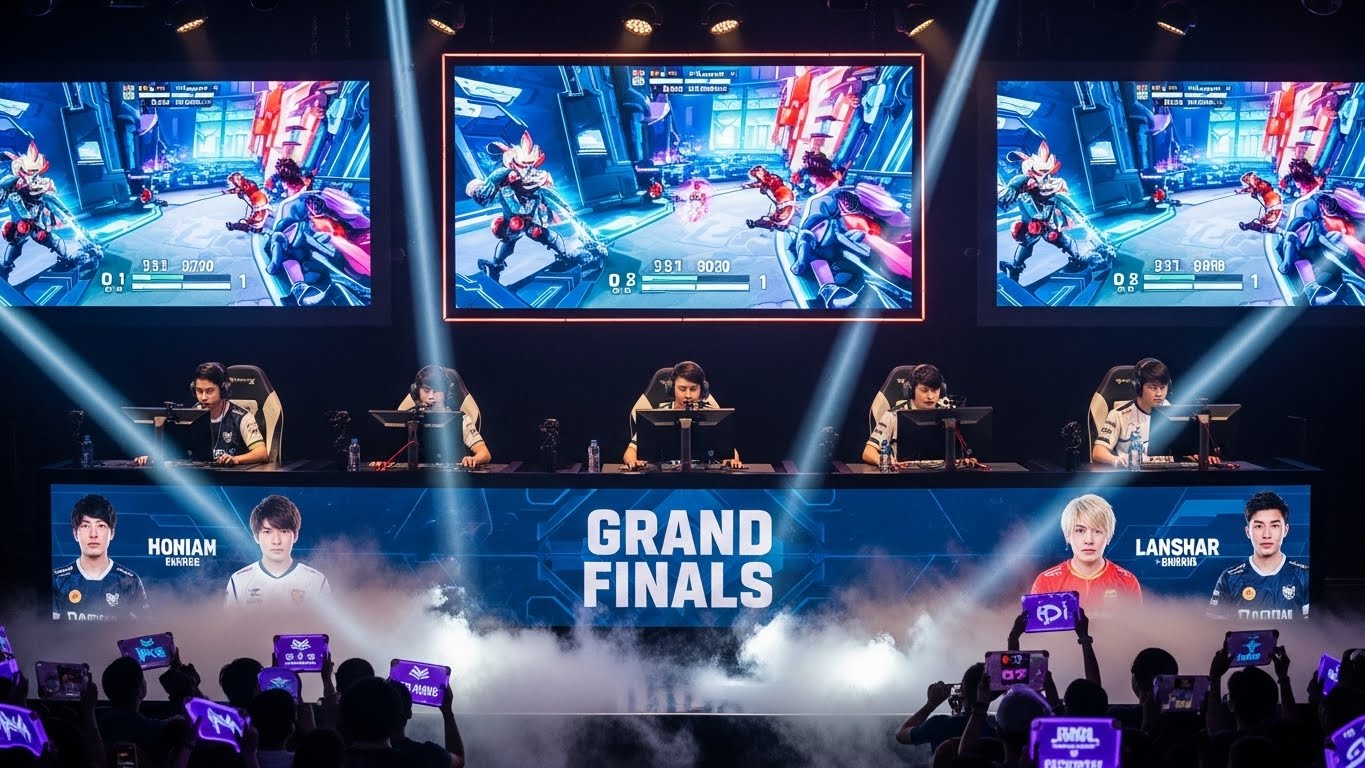
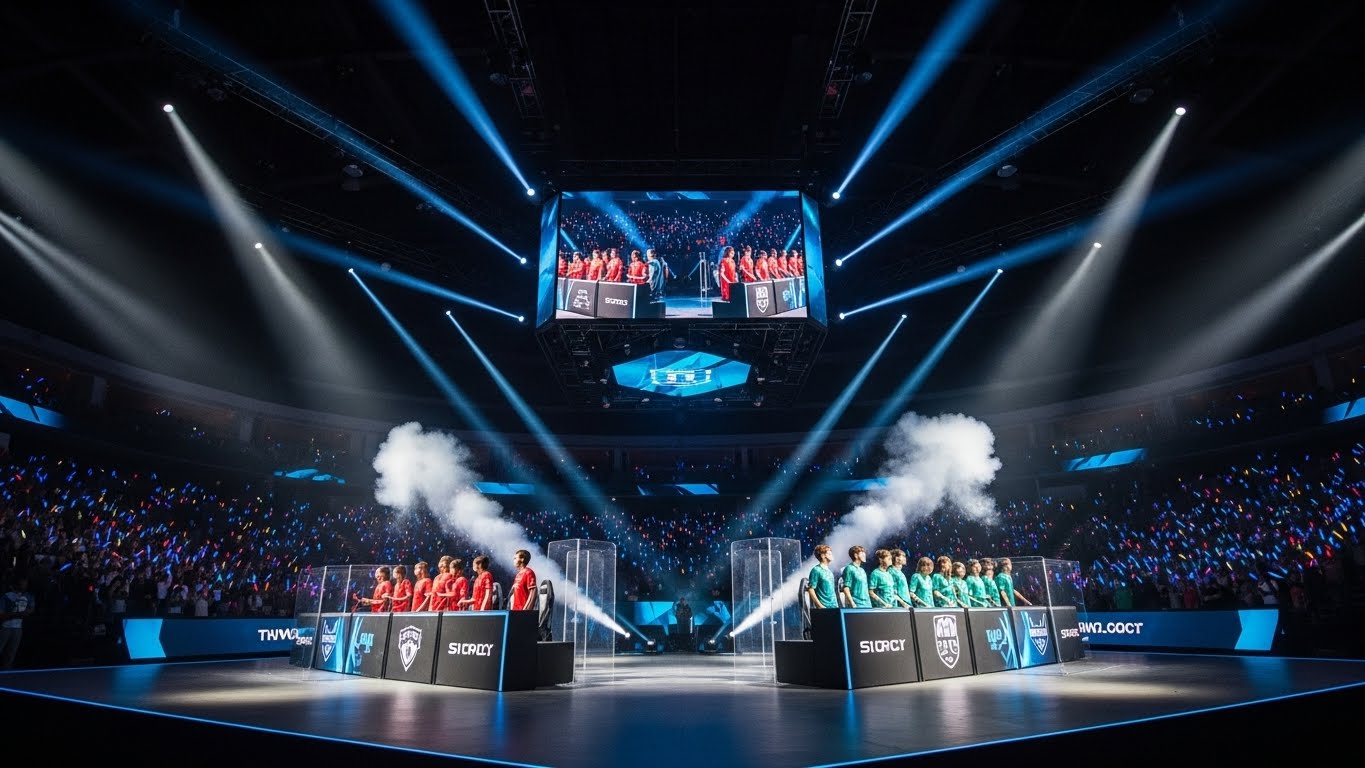
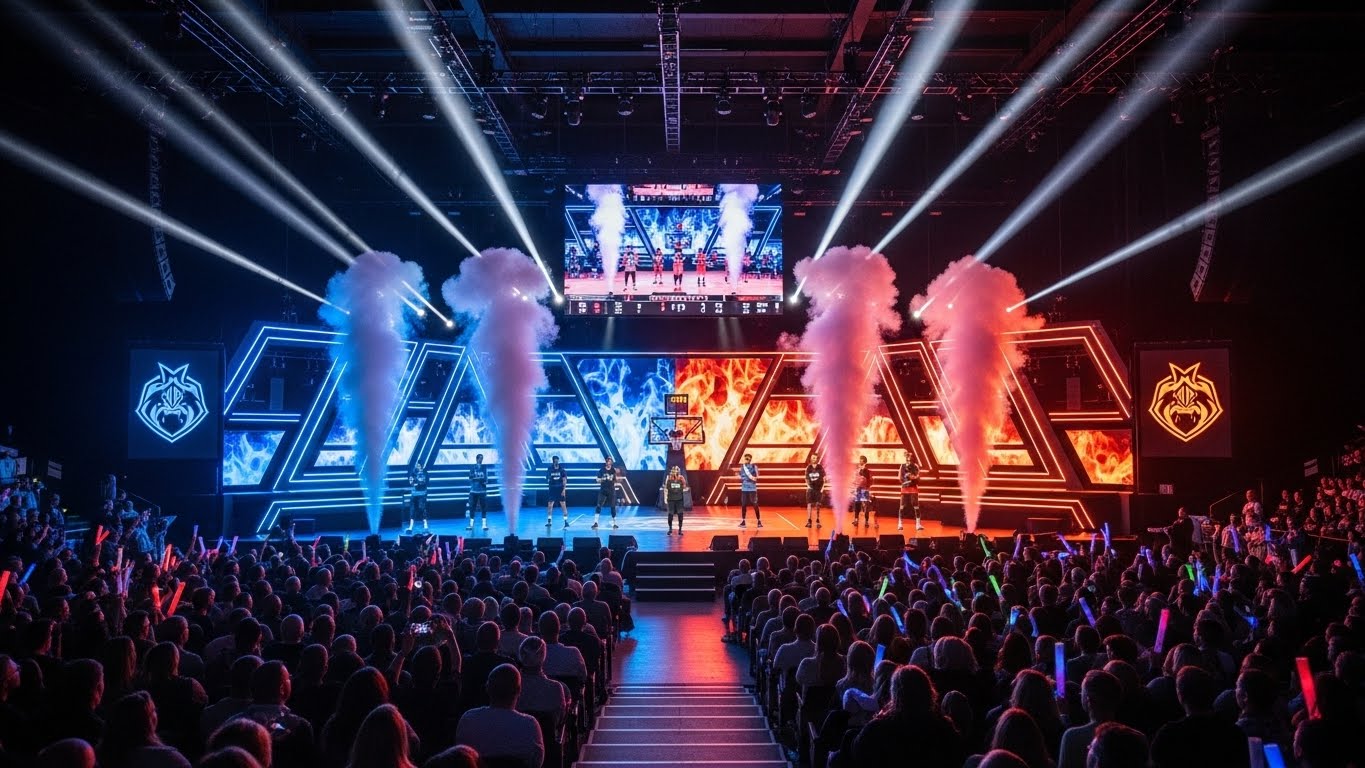
Major events, such as the World Cyber Games and the Electronic Sports World Cup, began attracting international attention. Stadiums filled with fans who cheered passionately for their favorite teams. Television coverage and media attention further legitimized esports as a form of entertainment. As a result, what was once a niche hobby grew into a multi-billion-dollar industry with global influence.
The Structure of Modern Esports
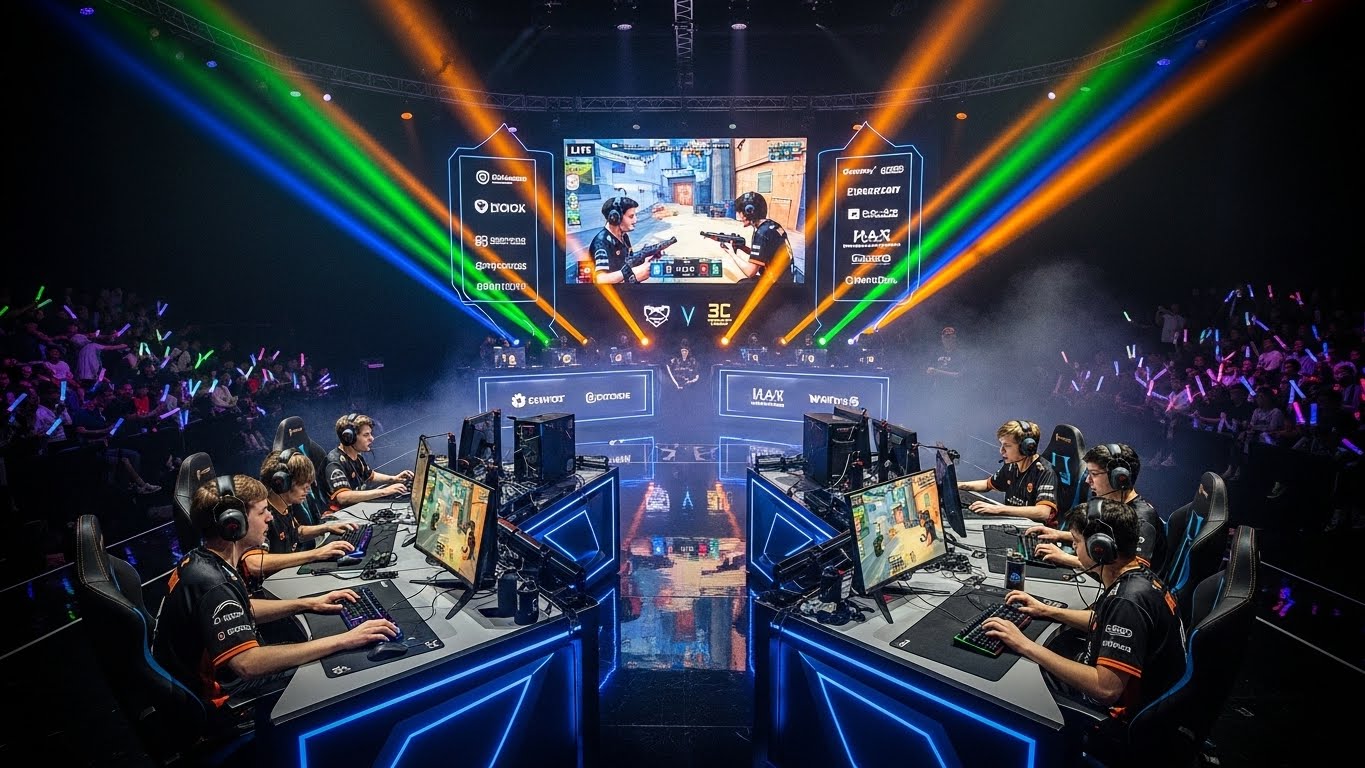
Modern esports is highly organized and professional. It encompasses structured leagues, regular seasons, playoffs, and international championships. Popular titles like League of Legends, Dota 2, Valorant, Overwatch, and Counter-Strike: Global Offensive dominate the competitive scene. Each game has its unique rules, strategies, and fan base, creating a diverse and dynamic ecosystem.
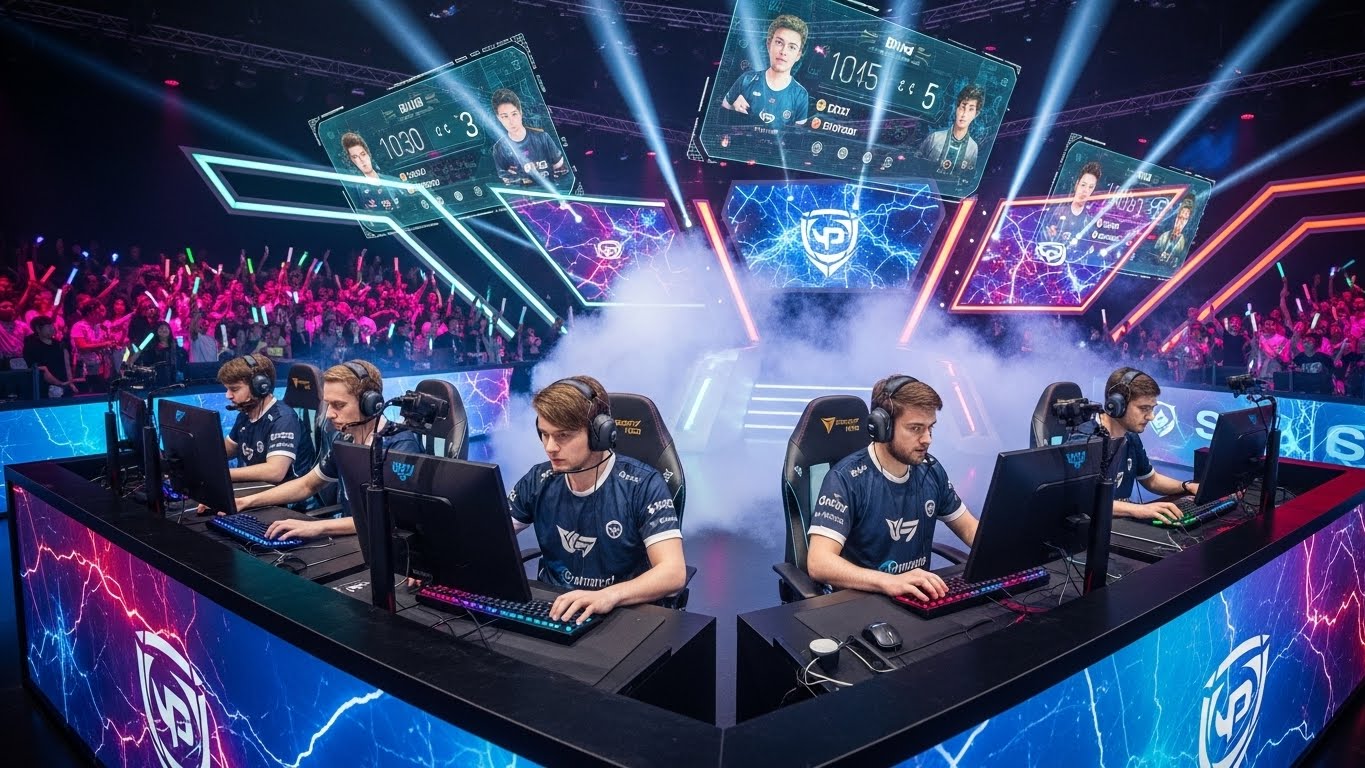
Professional esports teams operate similarly to traditional sports organizations. Teams employ managers, coaches, analysts, psychologists, and support staff to optimize performance. Training regimens often include physical conditioning, strategic planning, and rigorous practice schedules. This professionalization ensures that players are prepared not only physically but also mentally for the intense pressures of competition.
Esports as a Form of Entertainment
Esports is more than competition; it is a powerful form of entertainment. Fans are drawn to the skill, strategy, and high-speed action of competitive play. Streaming platforms allow viewers to interact with players, engage in live chat, and participate in virtual fan communities. Unlike traditional sports, esports offers a level of accessibility and interaction that enhances the fan experience.
Professional players have become global celebrities, influencing fashion, social media trends, and gaming culture. Fans follow players’ personal lives, watch behind-the-scenes content, and celebrate victories together. The combination of suspenseful matches, complex strategies, and charismatic personalities makes esports a unique and immersive form of entertainment that resonates with a wide audience.
Economic Impact and Industry Growth
Esports is now a multi-billion-dollar industry with diverse revenue streams. Prize pools for major tournaments can reach millions of dollars, attracting top talent from around the world. Sponsorships, advertising, merchandise, event tickets, and in-game purchases contribute significantly to the industry’s financial success.
Companies across various sectors recognize the value of esports audiences, which are typically young, tech-savvy, and highly engaged. Sponsorship deals with energy drink brands, technology companies, and apparel lines have become common. Universities now offer esports scholarships, acknowledging the professional potential of competitive gaming. This economic expansion highlights the maturity and global reach of esports as both a business and a cultural force.
The Role of Technology in Esports
Technology is the backbone of esports. High-performance computers, gaming peripherals, and fast internet connections are essential for competitive play. Game developers continuously update titles to maintain balance and fairness, ensuring that skill remains the primary factor in success.
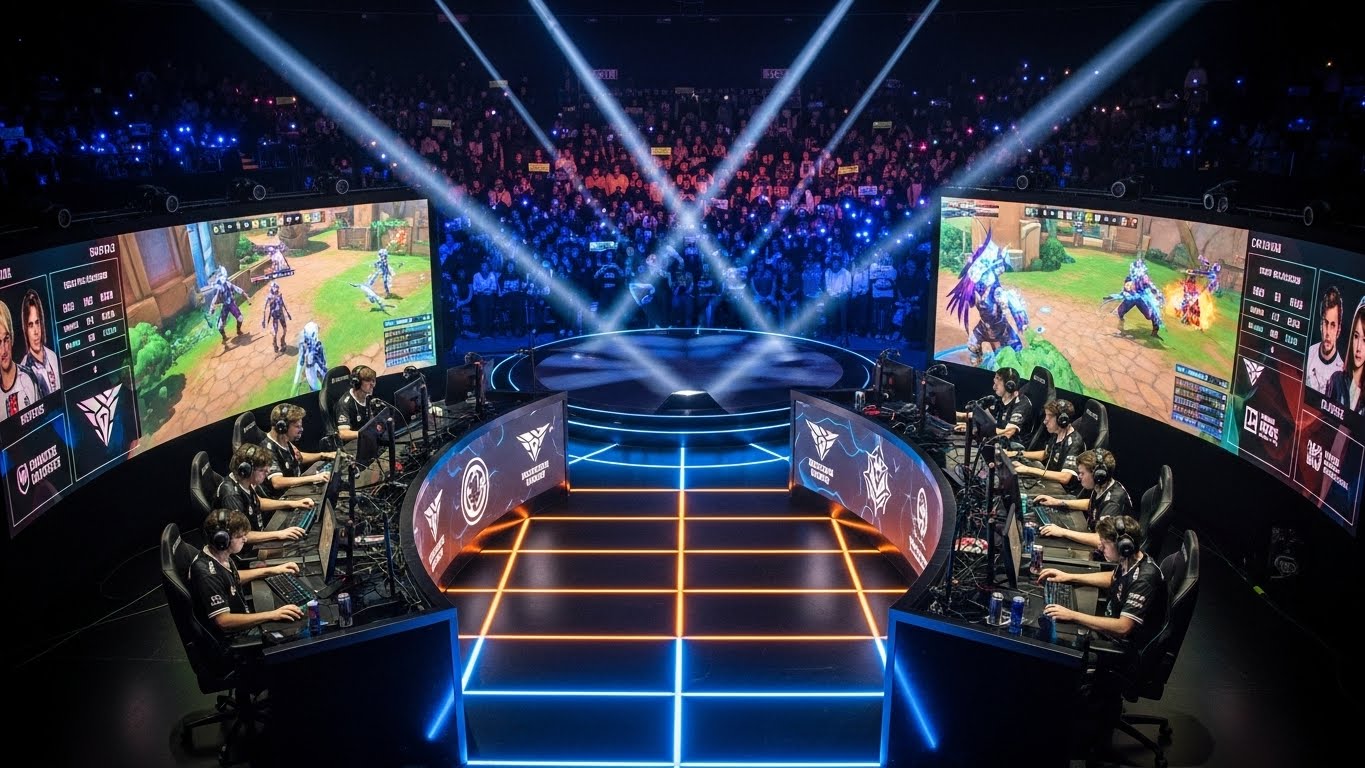
Streaming technology has transformed how audiences experience esports. High-definition broadcasts, multiple camera angles, real-time statistics, and instant replays provide an engaging and immersive experience for viewers. Analytics tools help teams study opponents, optimize strategies, and track performance. Emerging technologies, including virtual reality and artificial intelligence, promise to shape the next generation of esports competition and viewing experiences.
Cultural Influence of Esports
Esports has become a significant cultural force. Gaming culture influences fashion, music, language, and social interactions. Professional players are not only athletes but also influencers who shape trends and inspire fans. International competitions foster national pride, as fans cheer for their country’s representatives in global tournaments.
Esports has also redefined the concept of athleticism. Success requires mental agility, strategy, reflexes, teamwork, and endurance. The recognition of these skills challenges traditional notions of sports and highlights the evolving ways in which talent and competition are valued in the digital age.
Challenges Facing Esports
Despite its rapid growth, esports faces several challenges. Player burnout is a major concern, with many professionals practicing for ten to twelve hours a day, often under high-pressure conditions. Mental health support is crucial to ensure players can sustain long-term careers.
Maintaining competitive integrity is another challenge. Cheating, hacking, and match-fixing threaten the credibility of tournaments. The industry must invest in security measures, anti-cheat systems, and fair play regulations. Additionally, rapid commercialization poses the risk of alienating the community that built esports from the ground up. Balancing profitability with authenticity is essential for sustainable growth.
The Future of Esports
The future of esports is promising and full of potential. Virtual reality, augmented reality, and artificial intelligence are expected to create new forms of competition. The integration of esports into mainstream media, education, and traditional sports culture is likely to expand. More countries may recognize esports as an official sport, and more young people will pursue careers in competitive gaming.
As the industry grows, esports will continue to foster innovation, creativity, and global community engagement. The lines between digital and physical competition will blur, and the influence of esports on culture, entertainment, and technology will only deepen.
Conclusion
Esports has evolved from humble beginnings in arcades and LAN parties into a global powerhouse of entertainment, culture, and economic activity. Its rise reflects the convergence of technology, talent, and community, creating an industry that is both competitive and inclusive. As esports continues to grow, it will redefine how we understand competition, athleticism, and entertainment in the digital age. Players, fans, and innovators around the world will continue to shape the trajectory of esports, ensuring that it remains a dynamic and influential force for years to come.