 joystickarena94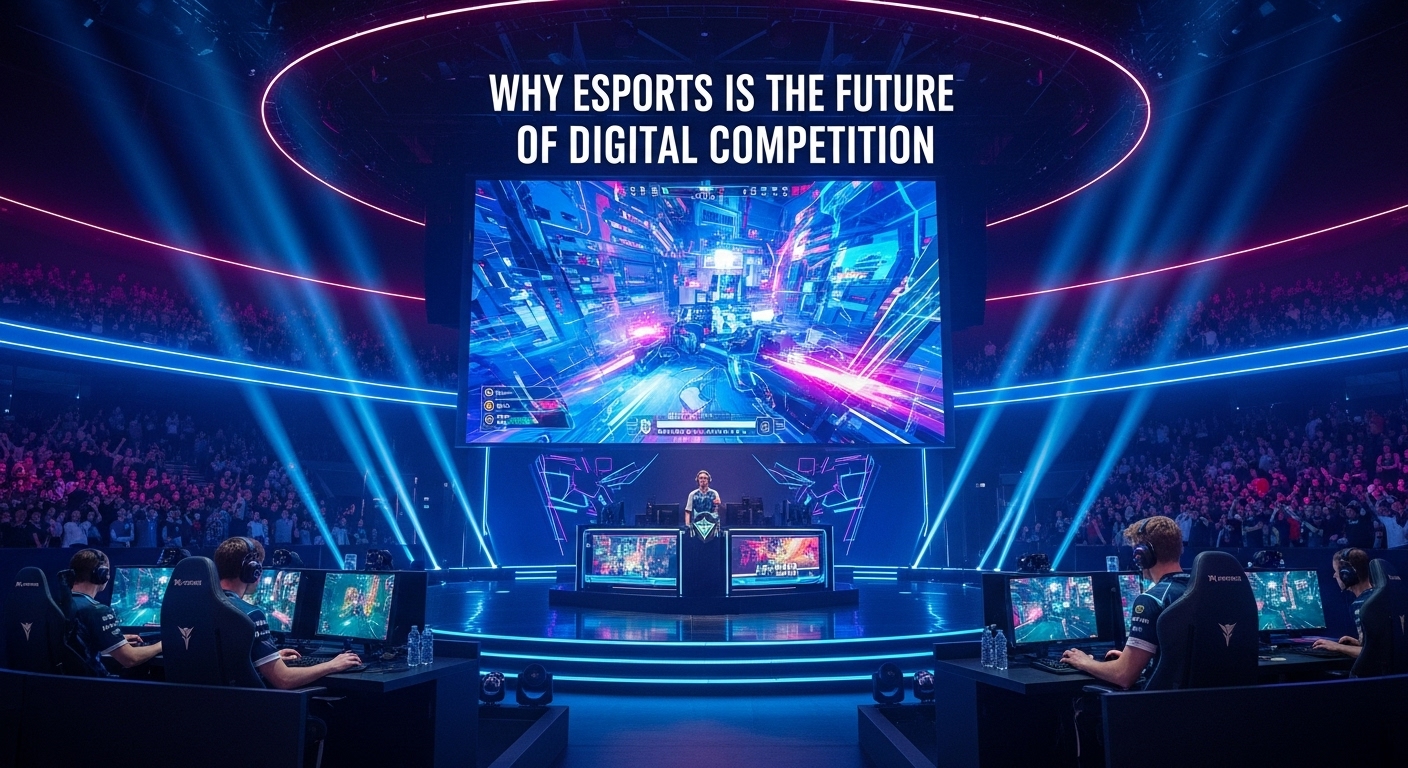
Esports, or competitive video gaming, has rapidly grown from a niche pastime into a global phenomenon. What was once seen as a hobby for teenagers has now become a billion-dollar industry, attracting professional players, huge audiences, major sponsors, and even government recognition. As technology evolves and digital culture expands, esports is proving to be the future of digital competition.
In this blog, we’ll explore why esports is rising so quickly, what makes it unique, and how it is shaping the future of entertainment, sports, and technology.
The Evolution of Competition in the Digital Era
Competition has always been central to human culture. From ancient sports in Greece to modern Olympic events, people have always tested their skills against others. With the rise of the digital age, competition has found a new arena: the virtual world.
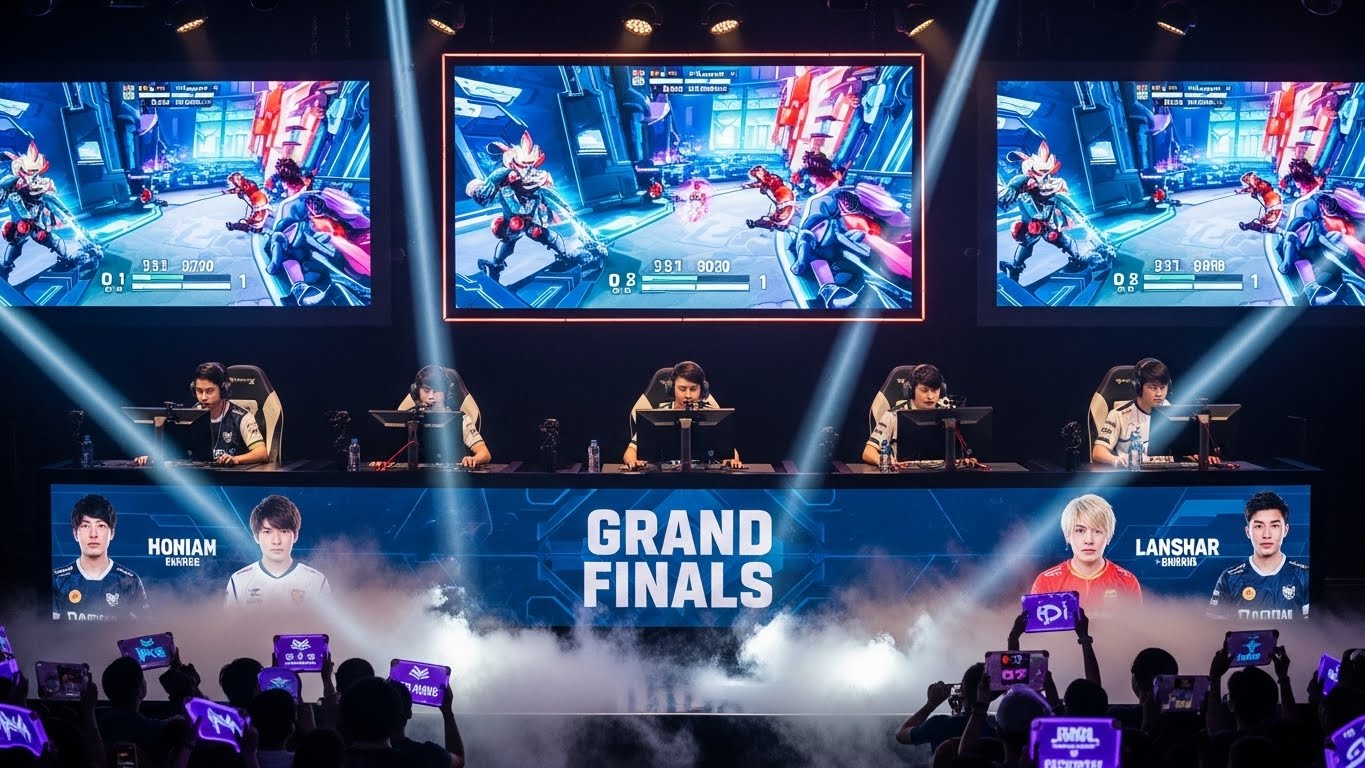
Video games introduced the idea of competing not only for fun but also for recognition and rewards. Early competitions in the 1980s involved arcade games like Space Invaders and Donkey Kong. Fast forward to today, esports involves professional teams, structured tournaments, multimillion-dollar prize pools, and audiences of millions watching online.
This shift demonstrates how competition has adapted to the digital age, and esports represents the natural progression of this trend.
Why Esports Is Growing So Fast
The rapid growth of esports can be attributed to several factors:
- Accessibility – Anyone with a gaming device and internet connection can participate or watch.
- Global Reach – Players and fans can connect across borders without leaving home.
- Low Entry Barriers – Unlike traditional sports that require facilities or physical attributes, esports focuses on skill and strategy.
- Technological Advances – High-speed internet, live streaming, and better graphics make esports more engaging than ever.
- Entertainment Value – Esports combines the thrill of competition with storytelling, personalities, and dramatic gameplay moments.
These elements make esports appealing not just to gamers but also to casual viewers, investors, and brands.
Esports vs. Traditional Sports
Some people argue that esports isn’t “real” competition. However, when you compare esports to traditional sports, the similarities are striking.
- Training & Dedication – Pro gamers spend hours practicing, analyzing opponents, and improving strategies, just like athletes.
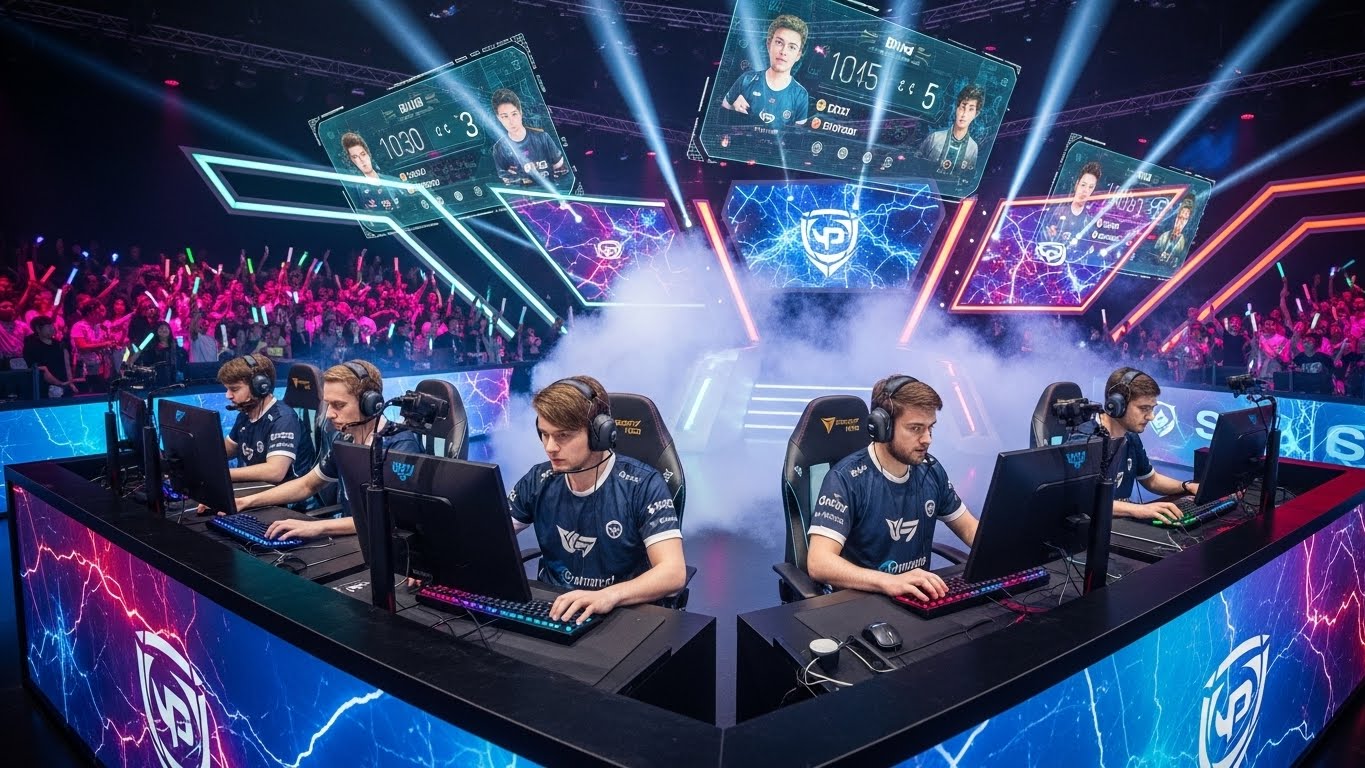
- Teamwork – Games like League of Legends and Dota 2 require high levels of communication and coordination.
- Mental & Physical Stamina – While not as physically demanding as football or basketball, esports requires incredible reaction times, focus, and endurance.
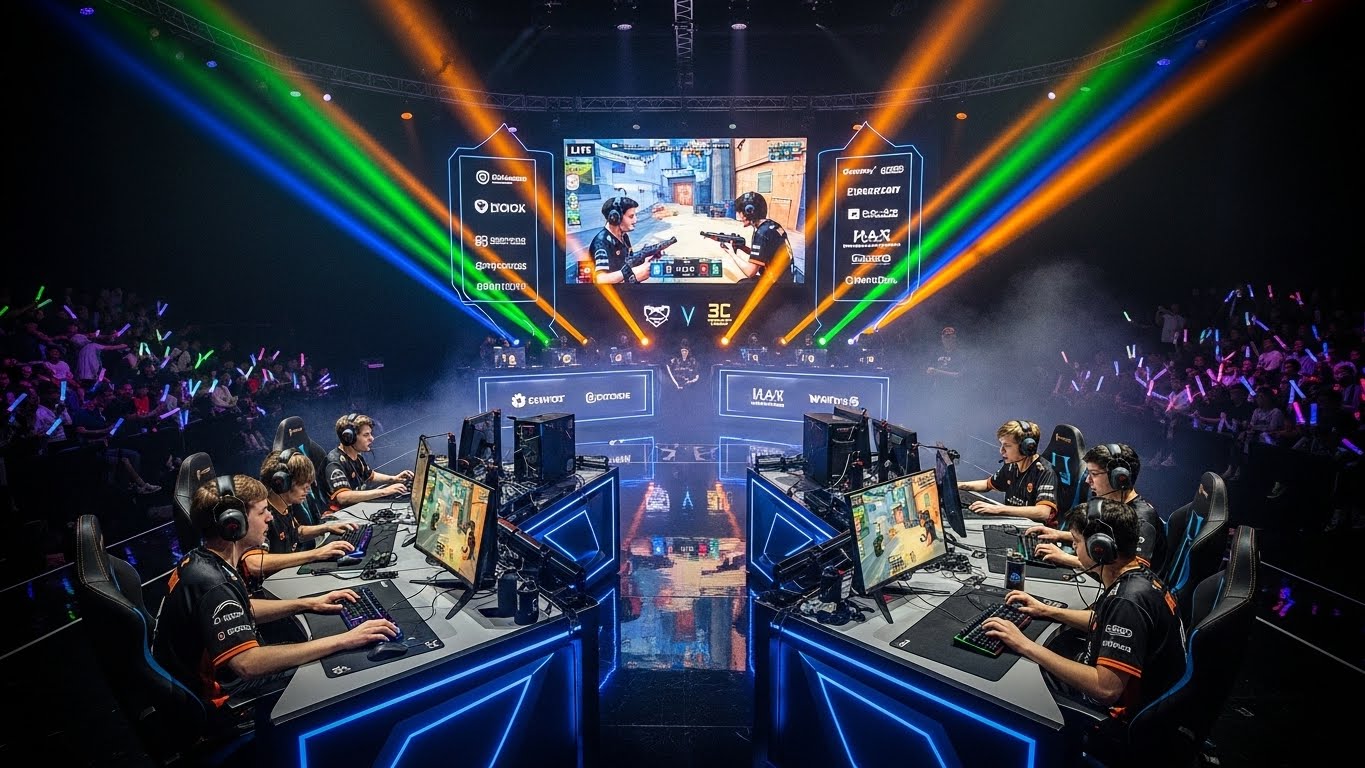
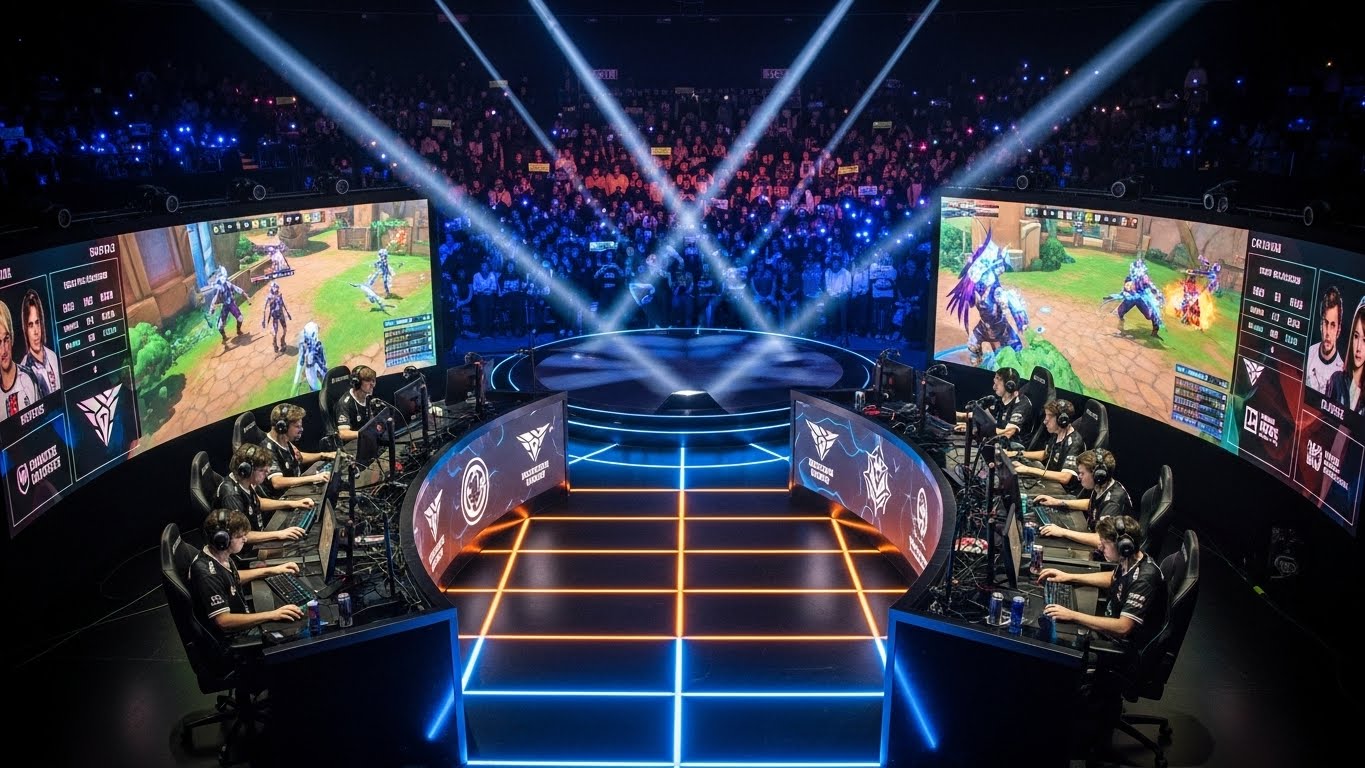
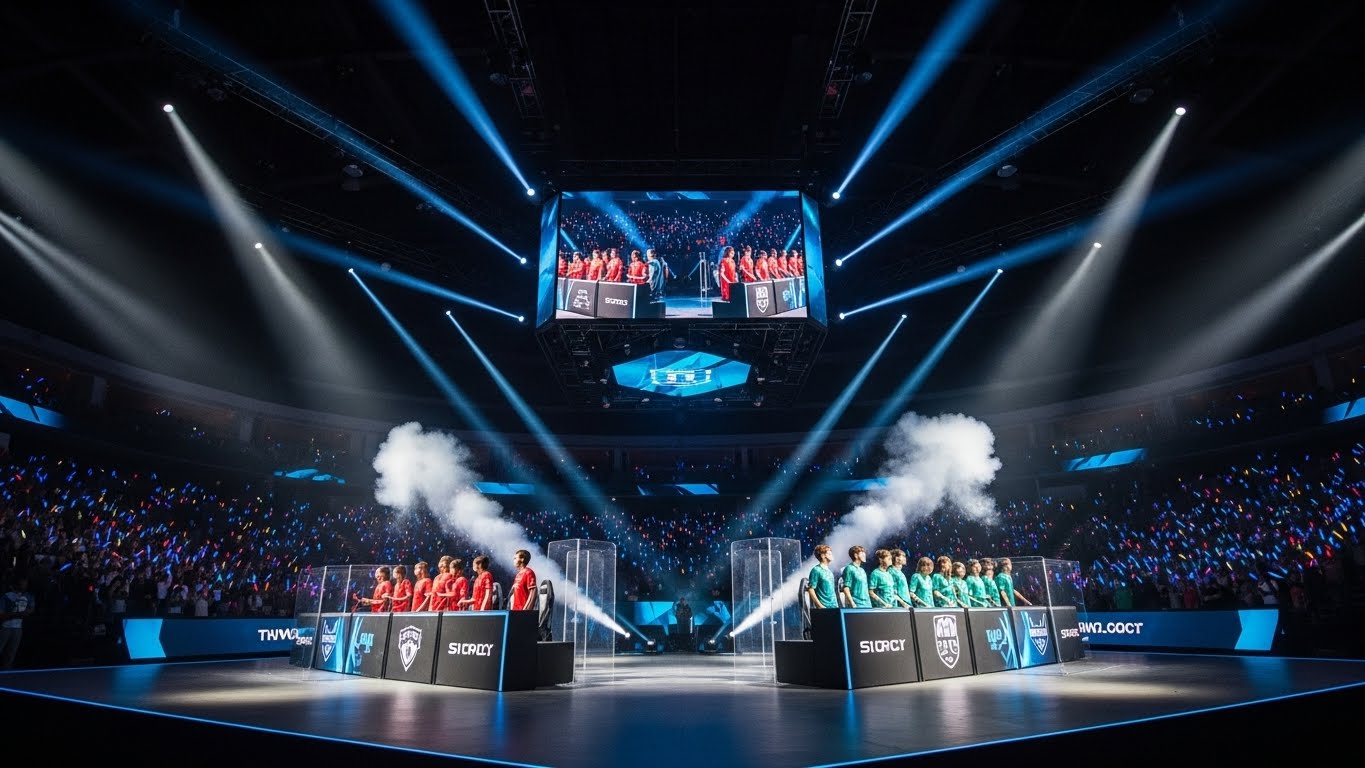
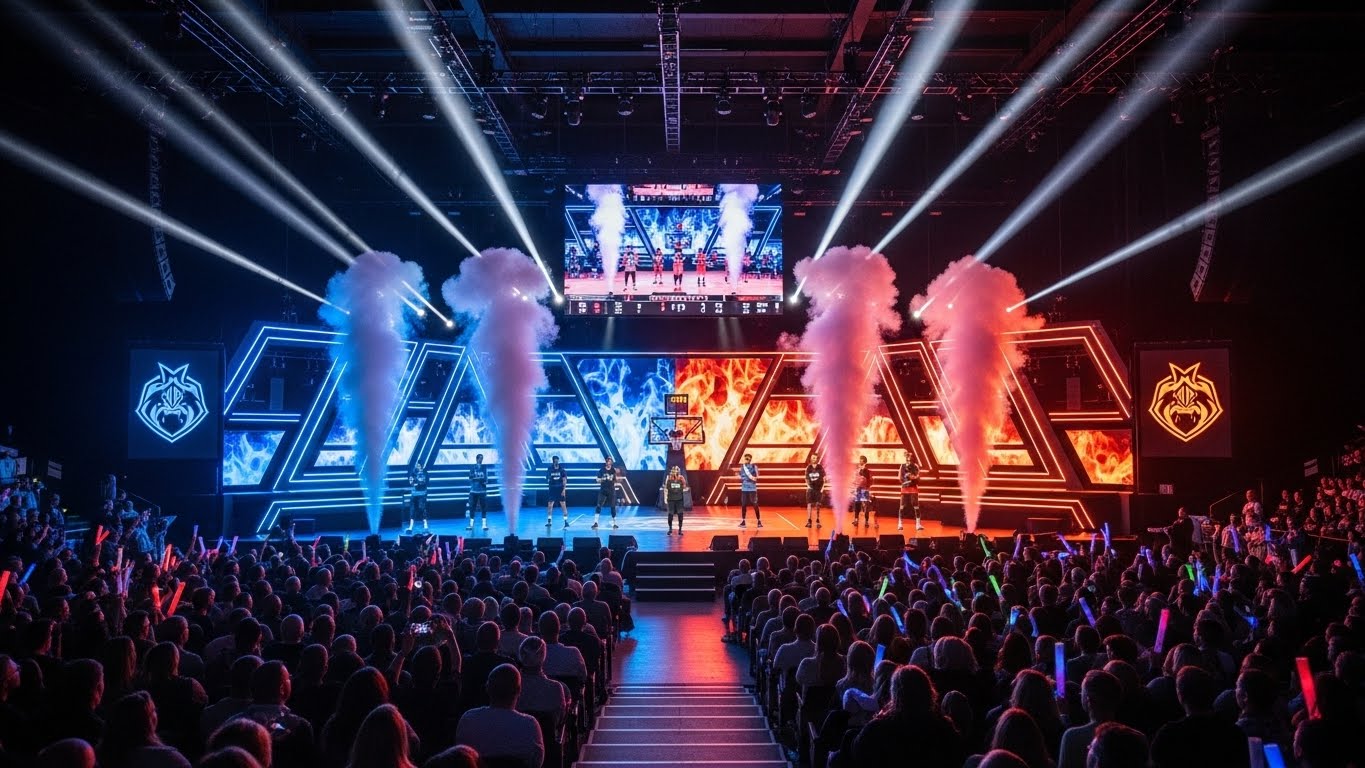
- Global Recognition – Esports tournaments now fill stadiums, similar to traditional sporting events.
The only difference is the playing field: instead of grass or courts, the competition happens in virtual arenas.
The Rise of Streaming Platforms
One of the biggest drivers of esports’ success is the rise of streaming platforms like Twitch, YouTube Gaming, and Facebook Gaming. These platforms allow fans to watch live matches, follow their favorite players, and even interact with them in real time.
Streaming has turned gaming into a spectator event. Just as millions tune in to watch soccer or basketball, millions now tune in to watch esports tournaments or live streams from professional gamers. This constant access has created a strong sense of community and engagement.
Esports as a Career Path
Not long ago, the idea of becoming a professional gamer was considered unrealistic. Today, it is a legitimate career path. Players can earn money through tournament winnings, sponsorships, streaming revenue, and brand partnerships.
In addition to players, the esports ecosystem has created career opportunities for:
- Coaches and analysts
- Event organizers
- Broadcasters and commentators
- Content creators
- Marketing professionals
Universities are even offering scholarships for esports athletes, treating them similarly to traditional sports recruits. This legitimization shows that esports isn’t just entertainment—it’s a professional field.
Economic Impact of Esports
The esports industry is worth billions, with revenues coming from advertising, sponsorships, merchandise, and ticket sales. Major companies like Coca-Cola, Intel, and Nike are investing in esports.
Prize pools are massive, too. Tournaments like The International for Dota 2 regularly exceed $30 million in total prizes, rivaling traditional sports events. This economic growth ensures esports will continue expanding globally.
Esports as a Cultural Movement
Esports is more than just gaming; it’s a cultural shift. Younger generations, especially Gen Z and Millennials, are more likely to watch esports than traditional sports. The culture includes fan communities, team merchandise, cosplay, and digital fan art.
Esports has become part of pop culture, blending music, fashion, and gaming. For example, collaborations between esports organizations and clothing brands are common, making esports not just about competition but also about lifestyle.
Education and Esports
Esports is also making its way into education. Schools and universities now include esports programs to teach teamwork, leadership, and critical thinking.
Esports clubs are becoming as common as chess or debate clubs. They give students opportunities to connect, compete, and even pursue scholarships.
This integration shows that esports is no longer limited to entertainment—it’s also an educational tool.
Technology’s Role in Esports
The future of esports is tightly connected to technology. Innovations like 5G, cloud gaming, artificial intelligence, and virtual reality are shaping the industry.
- 5G improves mobile gaming by reducing lag.
- Cloud Gaming allows players to compete without high-end PCs.
- AI helps players train and analyze strategies.
- VR & AR create immersive esports experiences for both players and spectators.
As technology evolves, esports will only become more exciting and accessible.
Global Unity Through Esports
Unlike traditional sports, which often have geographic or cultural barriers, esports connects people from different countries instantly. A player in Brazil can compete against one in Korea, while fans from every continent watch live.
Esports events like the League of Legends World Championship or CS:GO Majors draw international audiences, making esports one of the most globalized forms of competition today.
The Role of Esports Organizations
Professional esports organizations are crucial to the ecosystem. Teams like Fnatic, T1, Cloud9, and Team Liquid function like traditional sports clubs, managing players, building fan bases, and securing sponsorships.
These organizations provide structure, training facilities, and brand identity, ensuring esports maintains professionalism and continues to grow.
Challenges Facing Esports
While the future looks bright, esports faces challenges that need to be addressed:
- Player Burnout – The intense schedule can cause mental and physical stress.
- Cheating & Integrity – Hacks and match-fixing remain threats.
- Sustainability – Some organizations struggle with long-term profitability.
- Diversity Issues – The industry must ensure inclusivity for all genders and backgrounds.
How the industry handles these challenges will determine how strong its future will be.
Esports and the Olympics
There’s an ongoing debate about whether esports should be part of the Olympics. Supporters argue esports requires skill, discipline, and global participation, which aligns with Olympic values. Critics say the lack of physical activity disqualifies it.
Regardless of whether esports joins the Olympics, it is already operating on an Olympic scale, with massive international tournaments and fan engagement.
Esports and the Metaverse
The concept of the metaverse—the digital universe where people can interact, work, and play—aligns perfectly with esports. Esports competitions could eventually take place in immersive metaverse environments, where fans attend events using VR headsets and interact with players in real-time.
This integration could redefine how people experience competition, blending gaming, entertainment, and social interaction.
Esports as the Future of Digital Competition
So why exactly is esports the future of digital competition?
- Global Accessibility – Anyone, anywhere can participate.
- Technological Integration – It grows alongside digital innovations.
- Cultural Relevance – Esports is deeply rooted in digital youth culture.
- Economic Growth – The industry shows no signs of slowing down.
- Limitless Potential – Unlike physical sports, esports can evolve with new games, platforms, and technologies.
Esports represents the next stage of competitive entertainment. It combines the excitement of traditional sports with the endless creativity of the digital world.
Conclusion
Esports is more than just gaming. It is a global movement, a career path, an entertainment industry, and a cultural force. With the rapid development of technology, the passion of fans, and the dedication of professional players, esports has secured its place as the future of digital competition.
As we look ahead, esports will only grow more influential—shaping how we compete, how we socialize, and how we define sports in the digital age.