 joystickarena94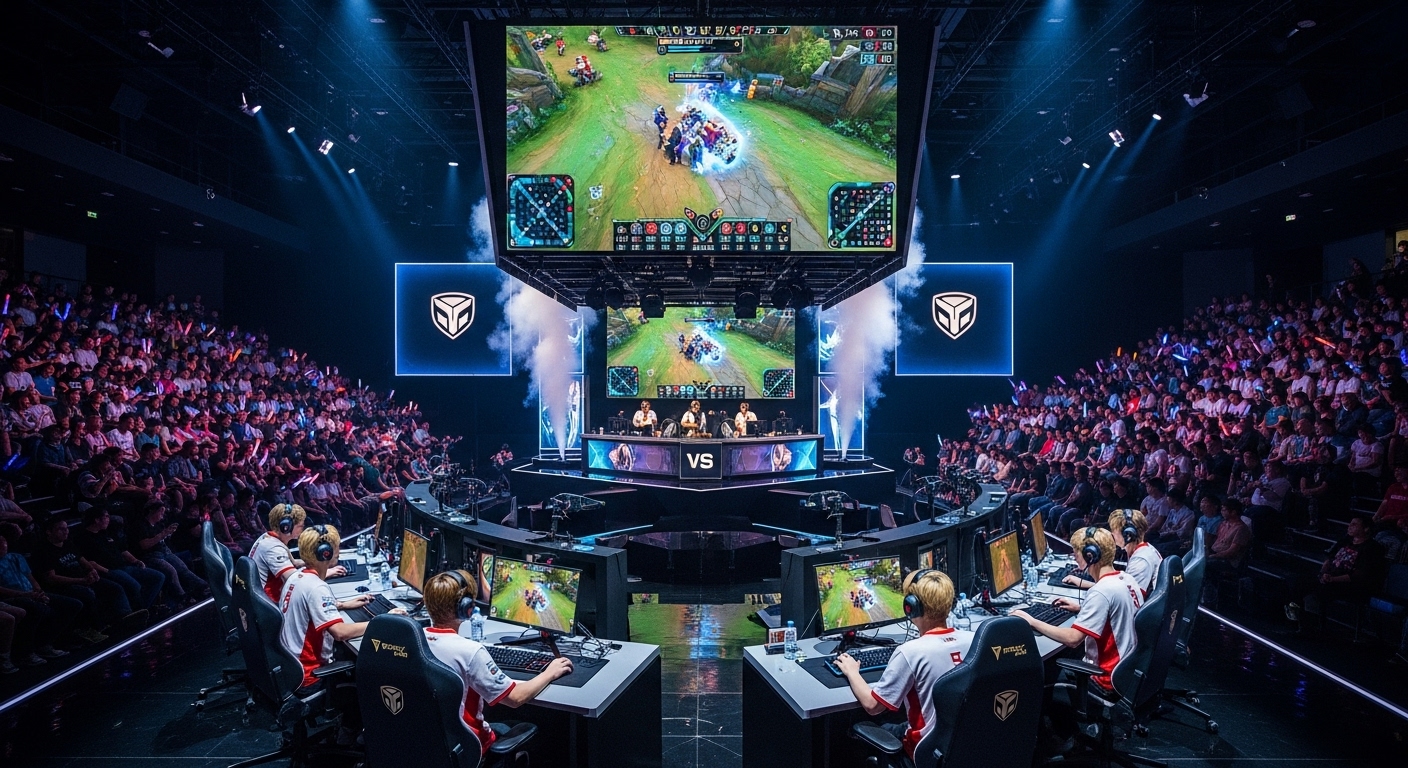
Esports, or competitive gaming, has undergone a massive transformation over the past two decades. What started as a niche hobby for passionate gamers has now become a global phenomenon, captivating millions of viewers, generating billions in revenue, and attracting major brands and investors. In this blog post, we’ll explore the journey of esports, from its humble beginnings to its current status as a key player in the entertainment industry, and what lies ahead for the future of gaming.
The Early Beginnings of Esports
The story of esports dates back to the 1990s when competitive gaming was first introduced through local tournaments. Early games like Doom and Quake sparked interest among players to compete against each other, albeit in small, local LAN (Local Area Network) events. These competitions were often held in community centers or internet cafes, where gamers would gather to show off their skills and battle for pride rather than money or fame.
The first major esports event, however, came in 1997 with the Red Annihilation tournament for Quake. It was a relatively small affair by today’s standards, but it marked the beginning of competitive gaming taking on a more structured form. This event helped lay the groundwork for future esports tournaments by showing that there was an audience eager to watch top-tier gamers face off.
Esports Gaining Momentum
As the internet became more widely accessible in the late 1990s and early 2000s, gaming exploded in popularity. The development of online multiplayer games allowed players to compete globally, and this shift helped esports move beyond local competitions to become more widespread. Games like StarCraft, Warcraft III, and Counter-Strike gained large followings, and tournaments began to attract not only players but also audiences who wanted to watch the action unfold in real time.
The creation of dedicated esports platforms like ESL (Electronic Sports League) and major tournaments such as the World Cyber Games (WCG) further fueled esports’ growth. The introduction of high-speed internet connections and better gaming infrastructure allowed these events to be broadcast to a wider audience, with live streams on platforms like Twitch paving the way for global viewership.
The Big Break: Esports Goes Mainstream
In the 2010s, esports reached a tipping point. The rise of game titles like League of Legends, Dota 2, and Overwatch created massive, dedicated communities around each game. The concept of esports became more than just a collection of tournaments—it became an ecosystem with professional players, coaches, analysts, and even team owners, mirroring traditional sports leagues like the NBA or NFL.
This period also saw the advent of multi-million-dollar prize pools, with The International (Dota 2’s annual tournament) leading the charge by offering prize money in the tens of millions of dollars. With esports events attracting millions of viewers worldwide, major brands from outside the gaming world began to take notice. Companies like Coca-Cola, Intel, and Mercedes-Benz entered the space, sponsoring tournaments and professional teams, thus legitimizing esports as a mainstream entertainment form.
The Business of Esports
As esports’ popularity skyrocketed, the financial ecosystem surrounding it grew exponentially. Today, esports is a multi-billion-dollar industry, supported by a variety of revenue streams. Sponsorships remain the largest contributor, with major companies investing in teams, tournaments, and players. Broadcast rights for live esports events are now highly coveted, and media companies like ESPN and Disney have entered the scene, further legitimizing esports as a form of televised sport.
Moreover, esports-related merchandise, including jerseys, gaming peripherals, and branded gear, has become a lucrative market. The rise of esports betting and fantasy leagues has also opened up additional revenue channels, attracting fans who are looking for more interactive ways to engage with their favorite games and players.
In addition to these revenue streams, player salaries have increased dramatically. Top esports professionals now earn millions of dollars through tournament prizes, sponsorships, and streaming deals. This rise in player compensation has turned esports into a viable career path for skilled gamers, elevating them to celebrity status within the gaming community.
Esports Viewership and Fan Engagement
One of the key factors behind the rapid growth of esports is its ability to engage viewers in a unique way. Unlike traditional sports, where fans are often passive observers, esports fans are highly interactive, engaging with content through live streams, social media, and fan communities. Platforms like Twitch and YouTube Gaming have allowed fans to watch live matches, interact with players, and even participate in tournaments themselves.
Esports viewership is not limited by geography or time zone. Fans from all over the world can watch live streams of global tournaments, and with various languages and subtitling options, esports has become truly international. Events like the League of Legends World Championship and The International regularly pull in over 100 million viewers, rivalling the viewership of traditional sports like the Super Bowl and the Olympics.
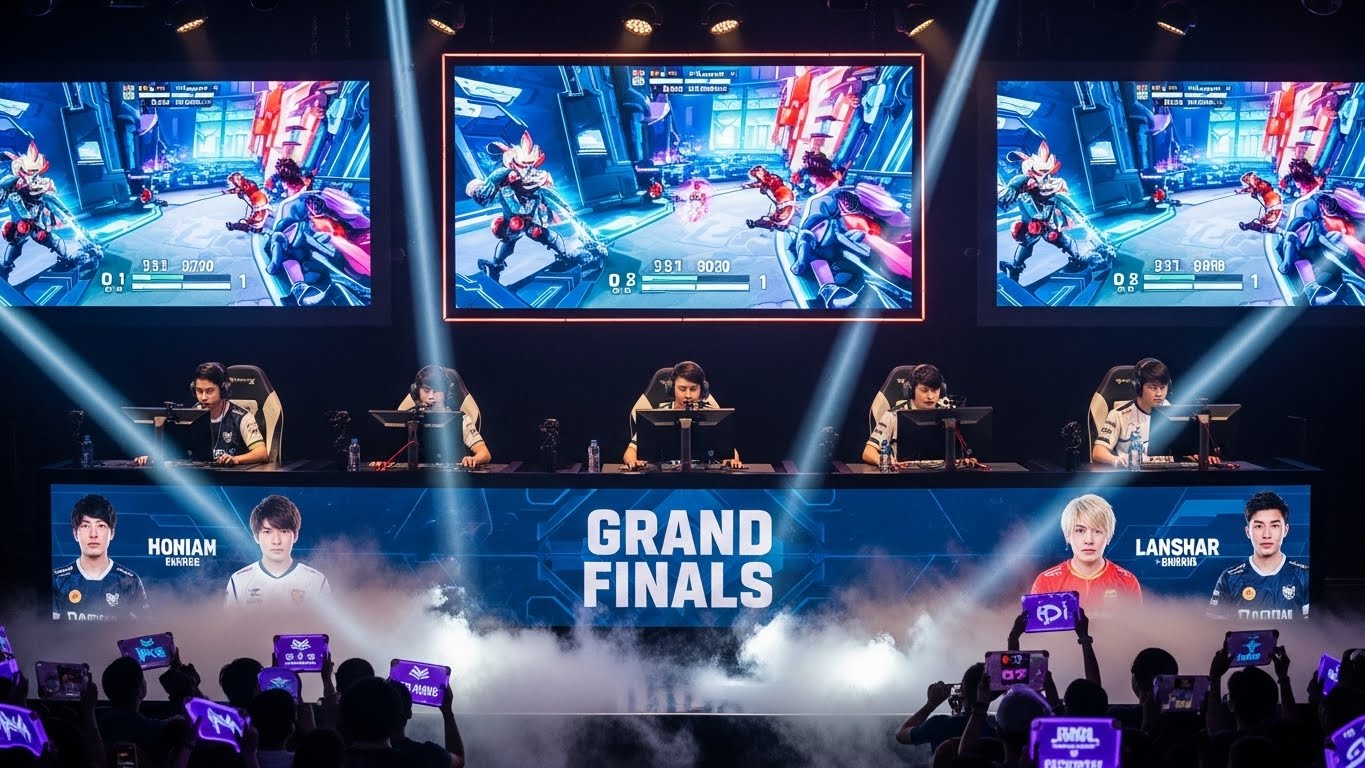
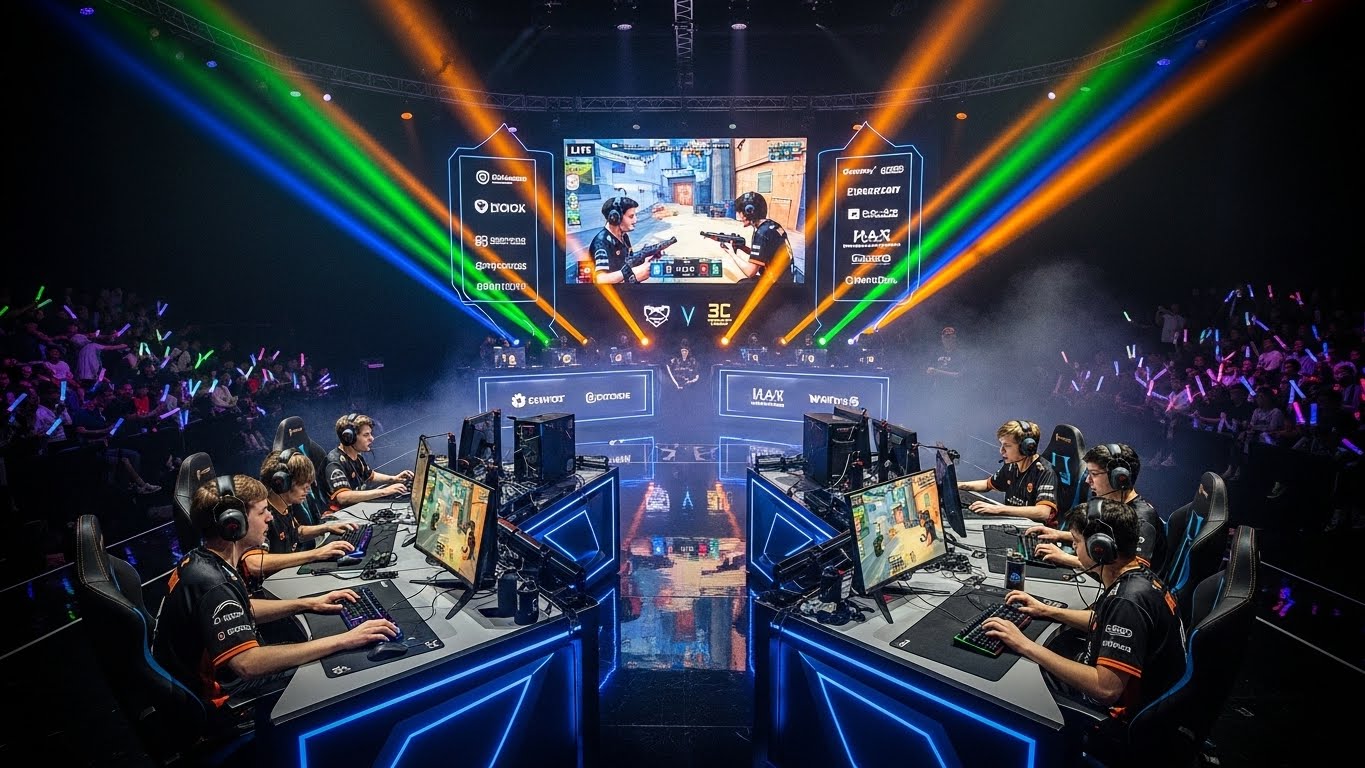
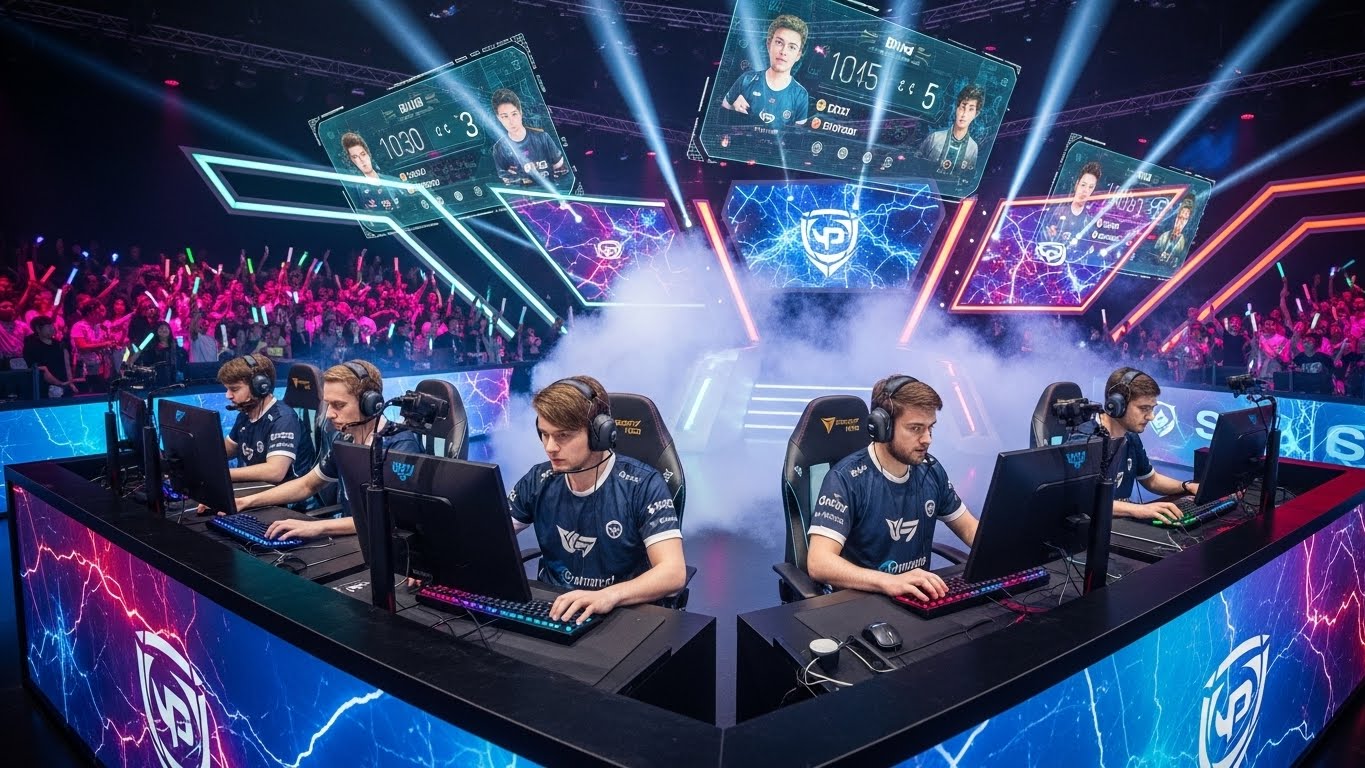
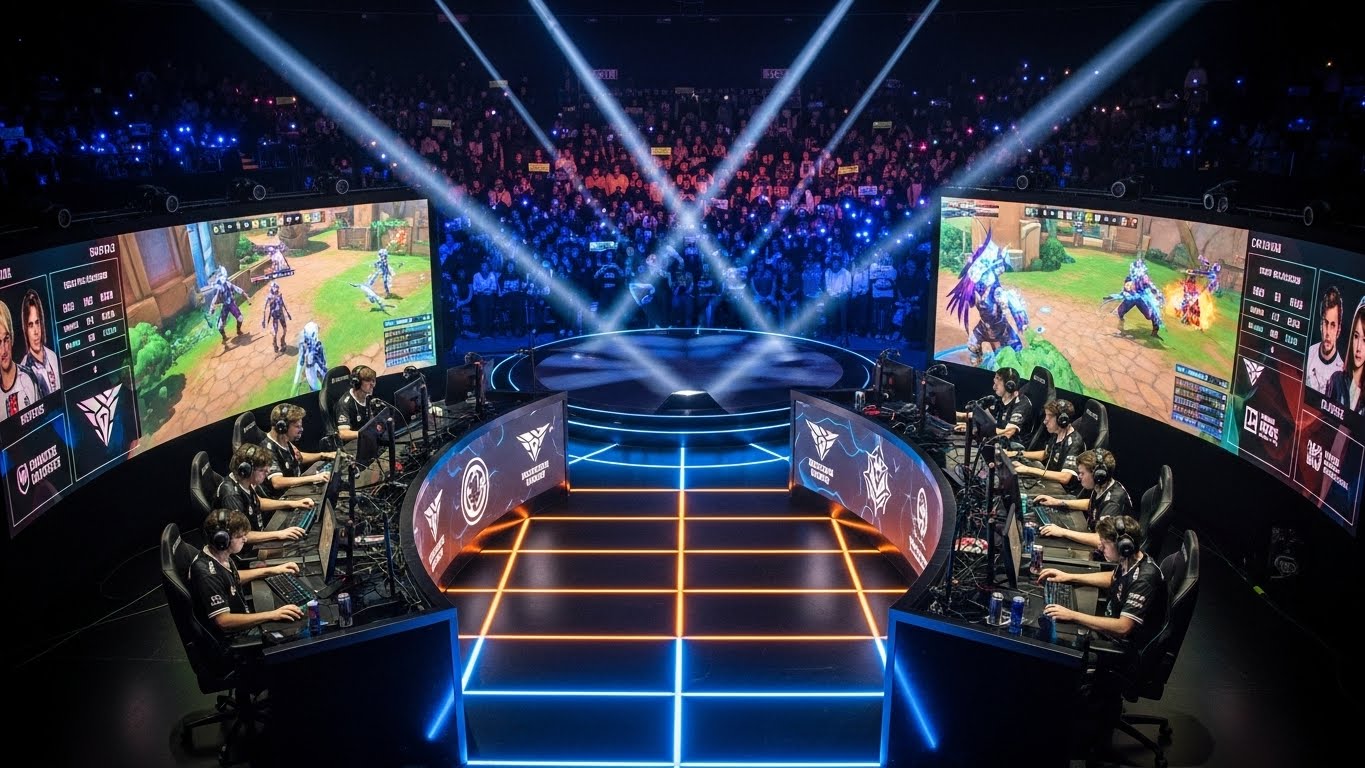
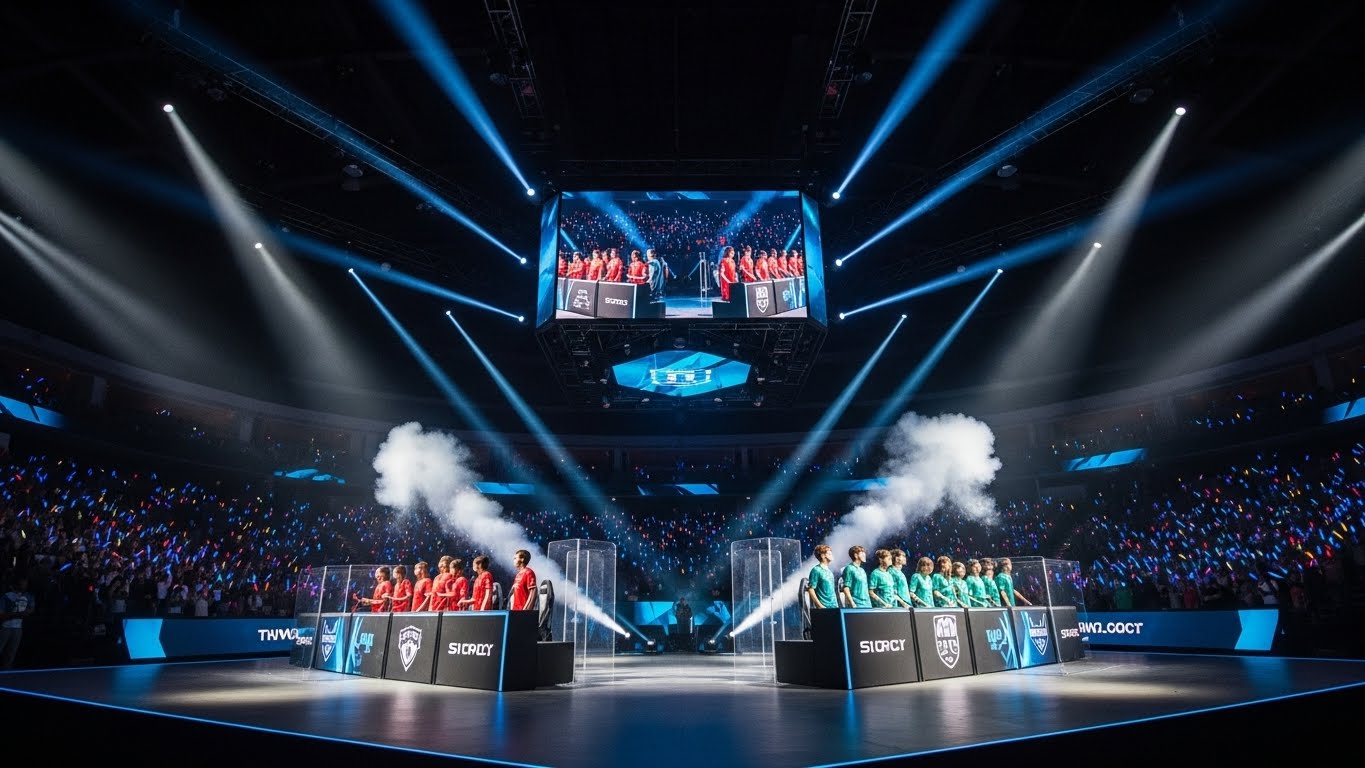
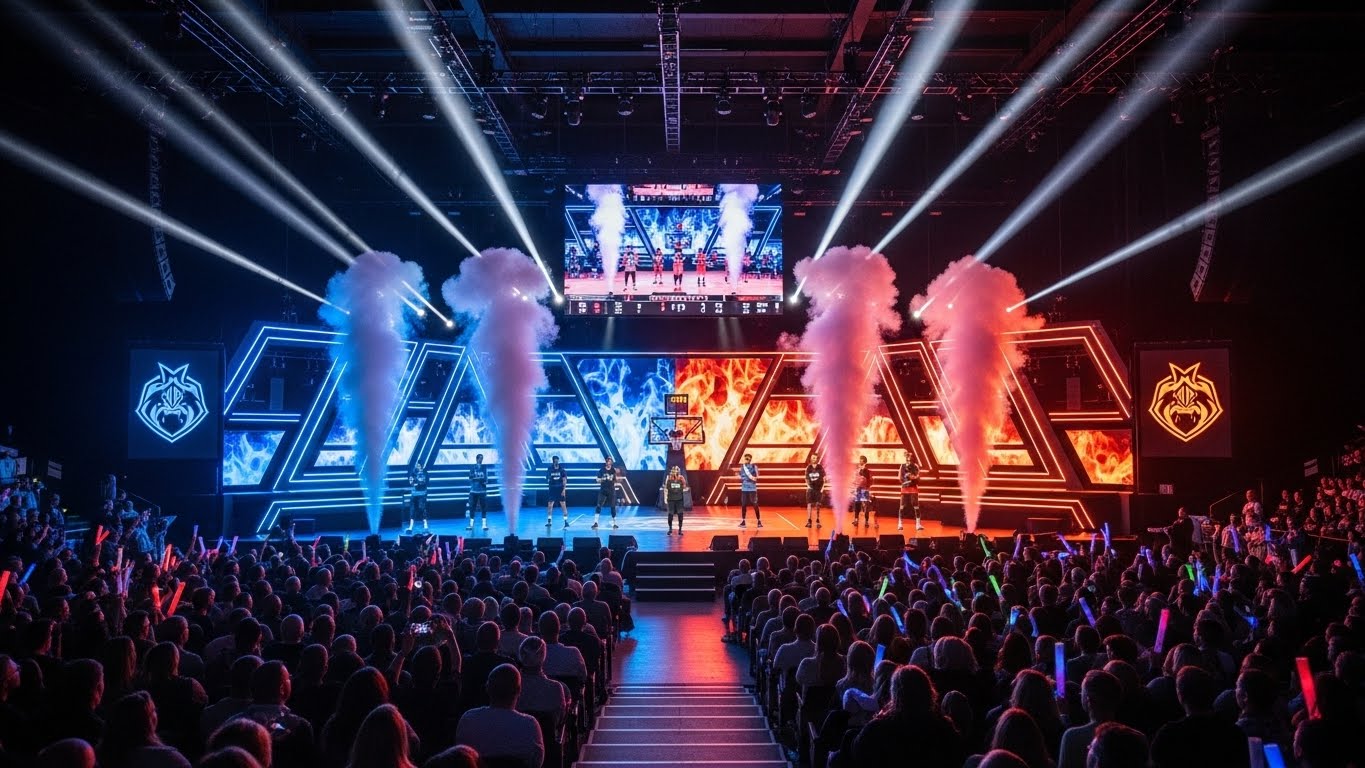
Moreover, esports events have taken on the energy and excitement of traditional sports. Crowds fill massive arenas to cheer for their favorite teams, and players are treated like athletes, complete with press conferences, media coverage, and fan meet-and-greets. This unique fusion of gaming and entertainment creates a sense of community that traditional sports fanbases can relate to.
The Future of Esports
As esports continues to grow, its future looks even more promising. Technological advancements such as 5G, virtual reality (VR), and augmented reality (AR) are set to revolutionize the way esports is experienced. The low latency of 5G will allow for smoother, more immersive gaming experiences, while VR and AR may open the door to entirely new forms of interactive tournaments.
Another exciting development is the rise of mobile gaming. In regions like Southeast Asia and Latin America, mobile esports is experiencing rapid growth, with games like PUBG Mobile and Free Fire attracting massive competitive scenes. As smartphones become more powerful, mobile esports will continue to grow, bringing new audiences into the fold.
Esports is also starting to enter the realm of education, with many universities offering esports scholarships and specialized programs. These programs provide a pathway for young players to develop their skills, while also teaching them about the business and management side of the industry. As esports becomes more integrated into mainstream culture, we can expect to see more schools and colleges adopt esports as part of their curriculum.
Conclusion
Esports has come a long way from its early days as a hobby for a small group of gamers. Today, it is a global industry, generating billions of dollars in revenue and attracting millions of fans from all corners of the world. With new technologies, broader accessibility, and increased institutional support, esports is poised for even greater growth in the coming years.
Whether you’re a competitive player or a casual viewer, one thing is clear: esports has firmly cemented its place in the entertainment world. As it continues to evolve, it’s exciting to imagine where the world of competitive gaming will go next.