 joystickarena94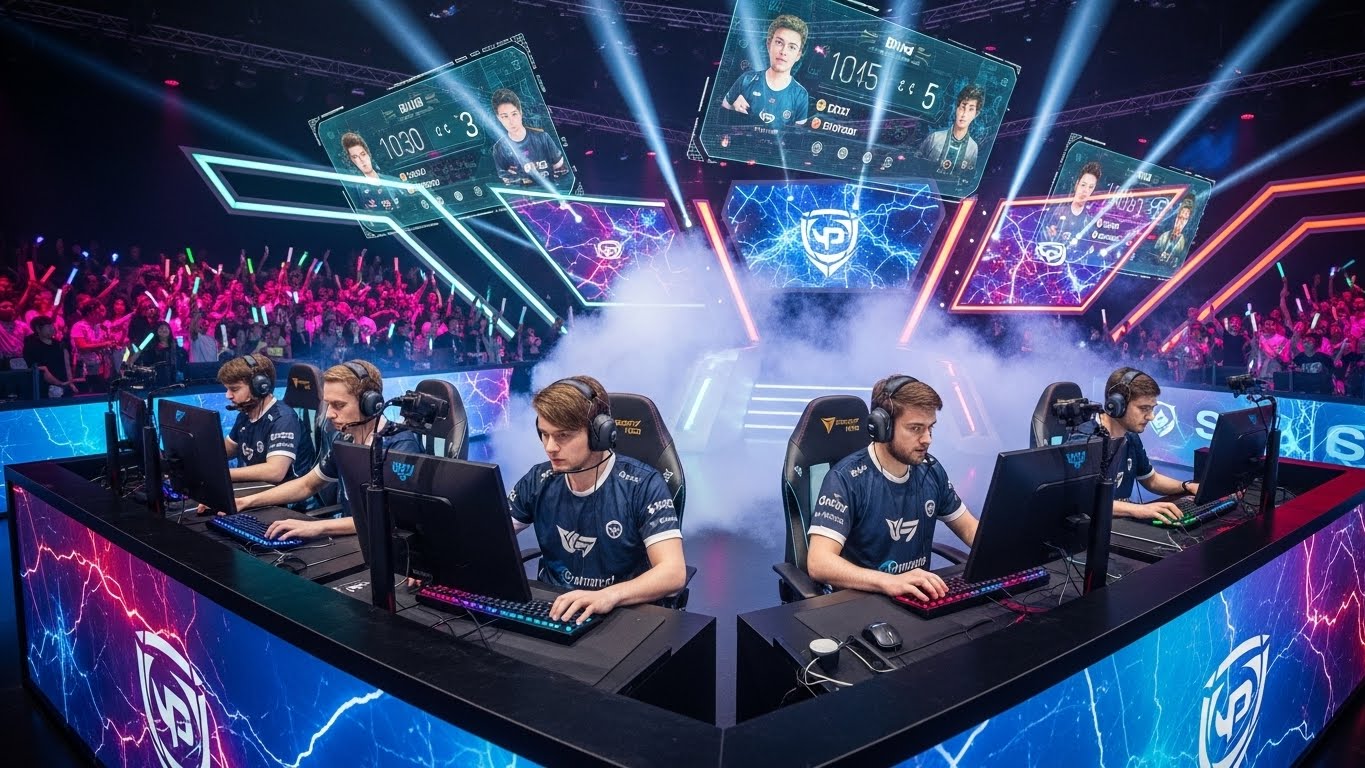
Esports, short for electronic sports, has become one of the most dynamic, rapidly growing industries in the world. What was once a niche pastime for gamers has now blossomed into a global phenomenon with millions of fans, professional players, and massive corporate sponsorships. From its humble beginnings in local tournaments to sold-out stadiums and multi-million dollar prize pools, esports has redefined what it means to be a professional athlete in the digital age. This blog post will explore the evolution of esports, its cultural impact, and what the future holds for this exciting industry.
The Beginnings of Esports
Esports as we know it today has its roots in the early days of video gaming. The term “esports” refers to organized, multiplayer video game competitions, particularly between professional players, individually or as teams. But the seeds of competitive gaming were sown long before the term “esports” was coined.
In the 1970s and 1980s, video game arcades became a popular hangout for young people, and competitive gaming started to take shape. One of the first examples of organized gaming competition was the “Space Invaders Championship,” held in 1980 by Atari. The tournament drew thousands of players and marked the beginning of competitive video gaming on a national scale.
As gaming evolved through the 1990s, with the rise of PC games like Warcraft and Quake, the esports scene began to take shape. Early online multiplayer games such as StarCraft and Counter-Strike allowed players from around the world to compete against each other, setting the stage for global esports tournaments.
The Emergence of Professional Esports
The late 1990s and early 2000s marked a significant turning point for esports. With the development of online multiplayer gaming, the concept of professional esports leagues began to take hold. In South Korea, the StarCraft scene exploded, and tournaments like the World Cyber Games and Electronic Sports World Cup gained massive traction. Players began to see competitive gaming not just as a hobby but as a legitimate career path.
The first major international esports event, the ESL (Electronic Sports League), was founded in 2000 in Germany, further solidifying the role of organized esports competitions. By the mid-2000s, global esports events had begun to attract significant attention, and the professionalization of the industry was well underway.
In the United States, the success of games like League of Legends, Dota 2, and Call of Duty further fueled the growth of esports. Major gaming companies and streaming platforms like Twitch and YouTube gave players a global stage to showcase their talents, creating a direct link between gamers and their fans.
The Esports Ecosystem
Esports is not just about the players; it’s a multifaceted ecosystem that involves many stakeholders. The growth of this industry is the result of several key factors working together, including:
1. Professional Players and Teams
At the heart of esports are the professional players. These individuals dedicate countless hours to practicing and perfecting their skills in specific games. Like athletes in traditional sports, esports players train rigorously, often under the guidance of coaches and managers. The competition is fierce, and the best players can earn significant salaries, sponsorships, and endorsement deals.
Esports teams, which consist of top-tier players, have become major organizations with corporate backing. These teams often represent a particular region or country and compete in various tournaments throughout the year. Notable esports organizations like Cloud9, Team Liquid, and G2 Esports have grown into global brands, attracting millions of fans and sponsors.
2. Tournaments and Leagues
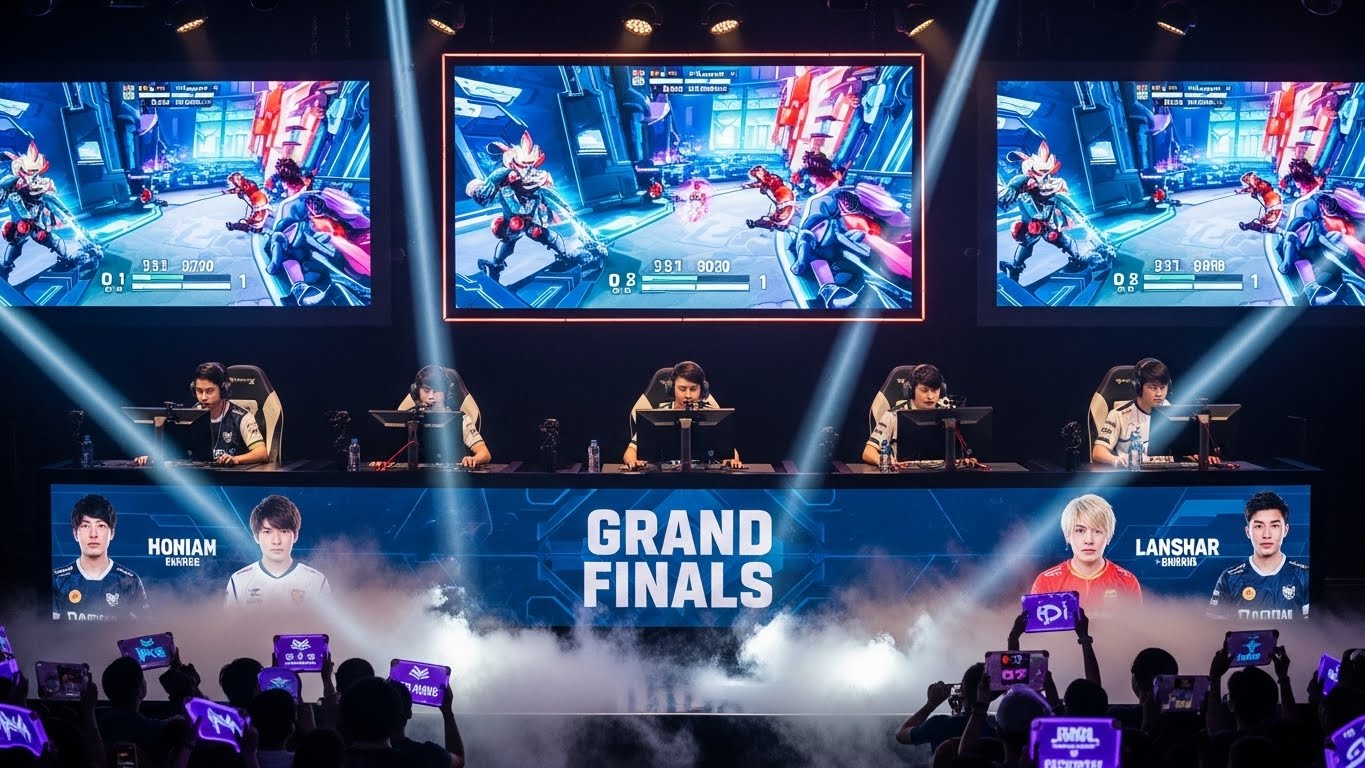
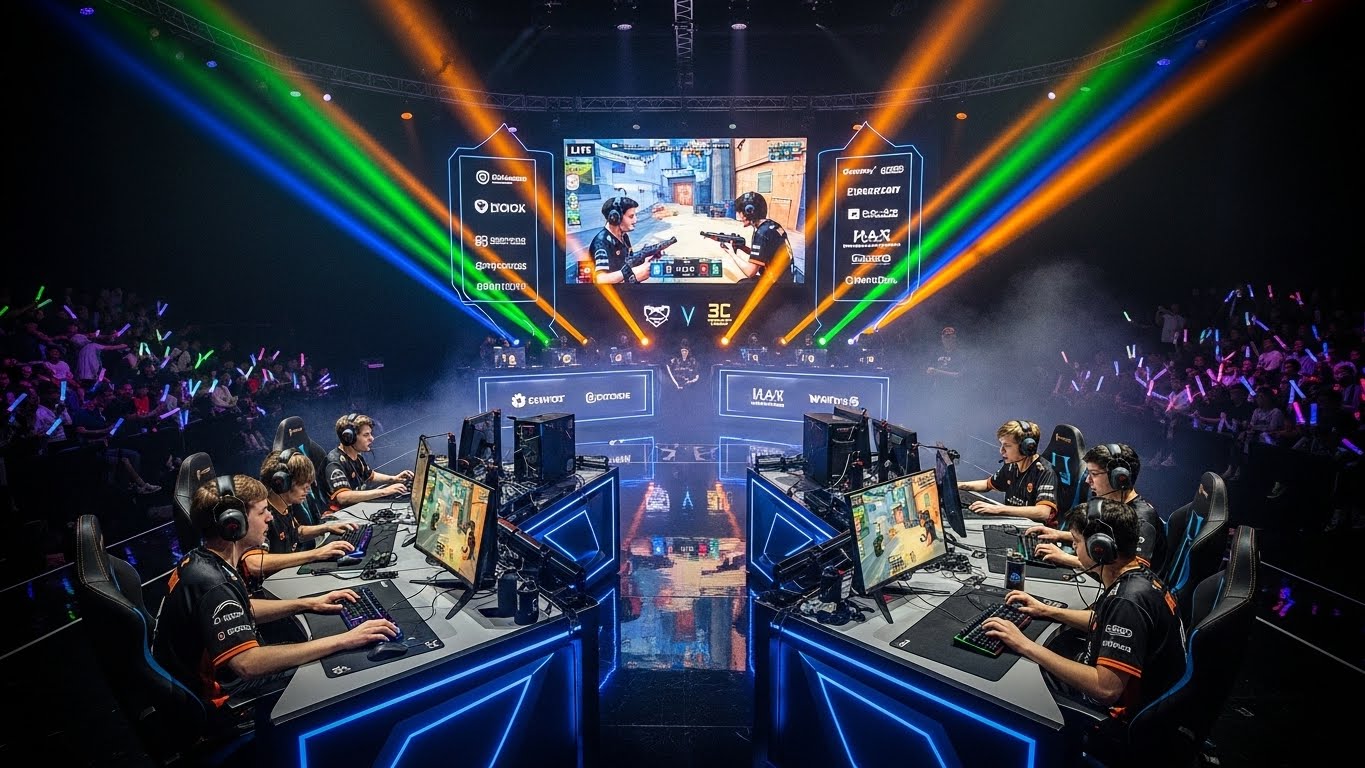
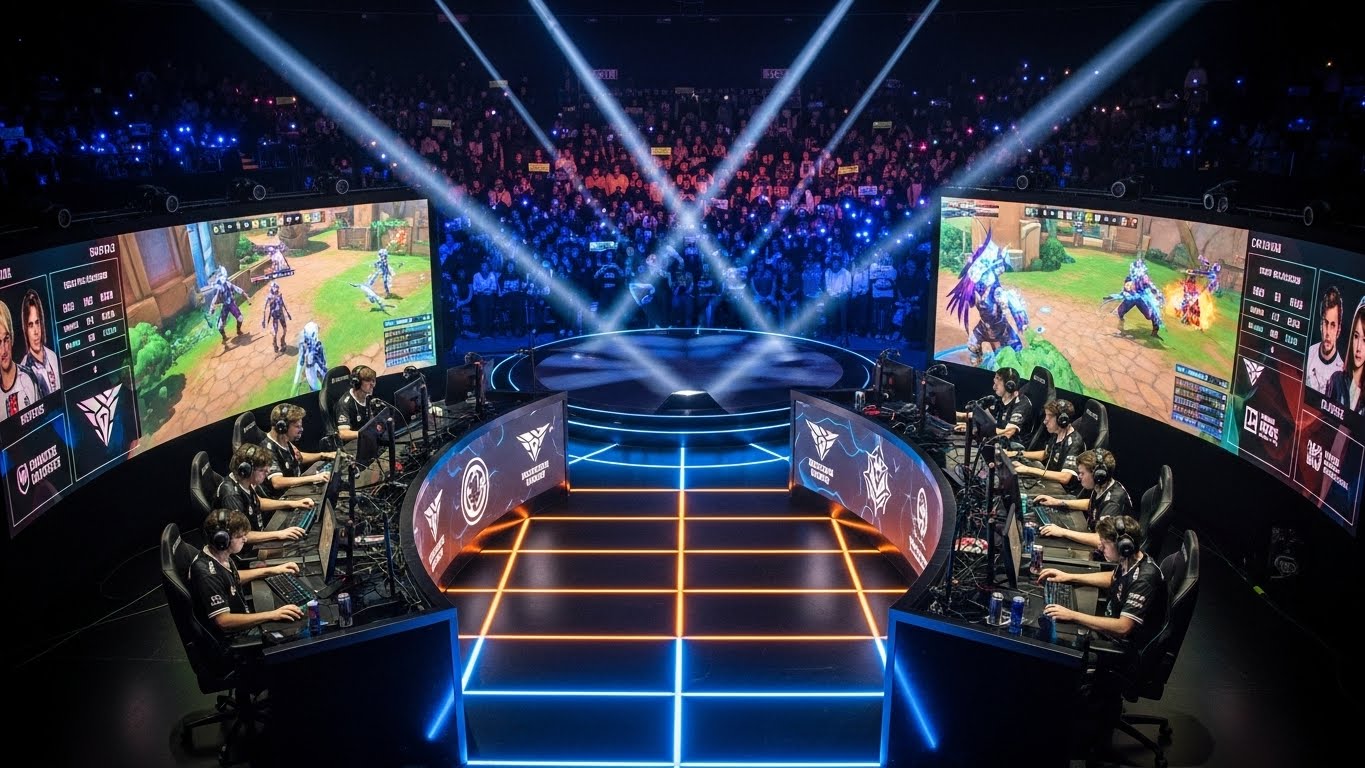
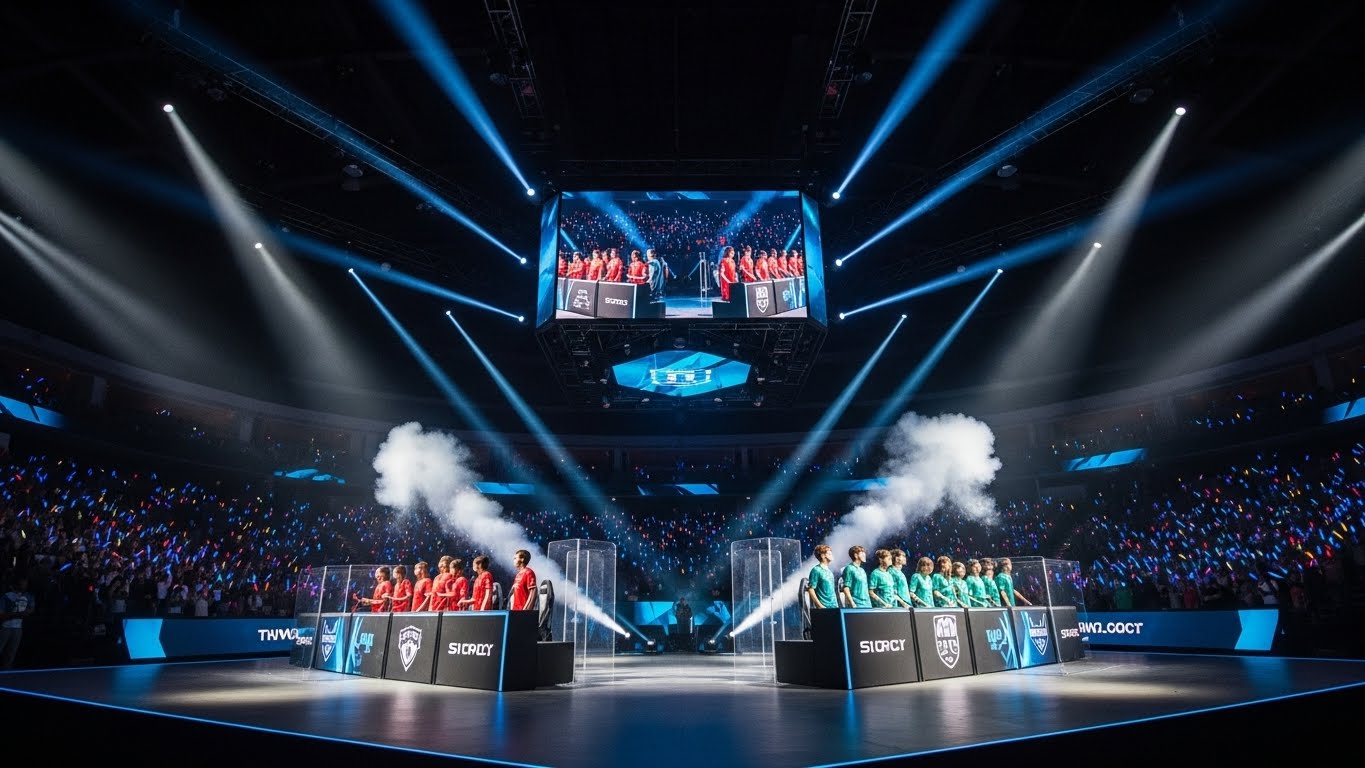
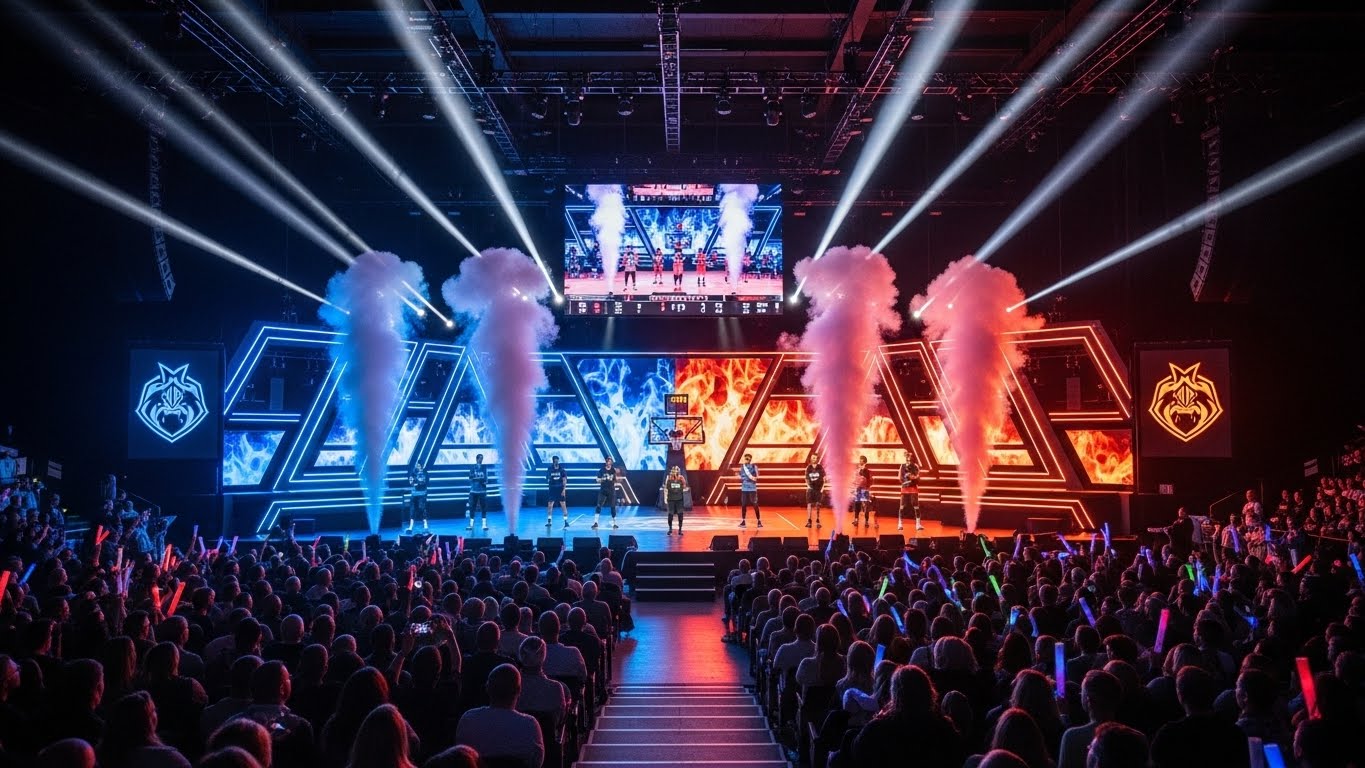
Esports tournaments are where the drama unfolds. Major events like The International (Dota 2), League of Legends World Championship, and CS:GO Major Championships have become some of the most-watched events in the world, drawing in millions of viewers both online and in person.
Esports leagues are also increasingly professionalized, with regular seasons and playoffs similar to traditional sports leagues like the NBA or NFL. Games like Overwatch and Call of Duty have dedicated leagues where teams compete in a structured format for large prizes and league rankings.
3. Viewership and Streaming Platforms
One of the most significant developments in esports has been the rise of streaming platforms. Twitch, owned by Amazon, has become the go-to platform for watching live gaming streams. In 2020, Twitch had more than 15 million daily active users, and esports events routinely attract millions of viewers.
Streaming platforms provide a way for fans to interact with their favorite players, watch live competitions, and participate in online communities. This has helped create a sense of connection between players and fans, a key element of esports’ appeal. Major tournaments are often broadcast live, with commentary and analysis, making the experience feel similar to watching traditional sports on TV.
4. Sponsors and Partners
As esports has grown, so has the interest from major corporate sponsors. Companies from a wide range of industries—tech, fashion, food and beverage, and even the automotive sector—are now investing in esports teams, tournaments, and players. Brands like Red Bull, Intel, and Coca-Cola have become major sponsors of esports events, helping to fund tournaments and provide players with the resources they need to compete at the highest level.
Corporate sponsorships not only provide financial backing but also bring legitimacy to the esports industry. In many ways, the involvement of major brands has helped esports transition from being a niche interest to a mainstream phenomenon.
The Cultural Impact of Esports
Esports has not only revolutionized the world of competitive gaming but has also had a profound impact on global culture. The rise of esports is closely tied to broader trends in technology, entertainment, and media. Here are a few ways in which esports has influenced society:
1. Changing the Perception of Gaming
For years, video games were often seen as a solitary or even negative activity. Esports, however, has helped change the perception of gaming. Competitive gaming is now viewed as a legitimate and respected form of entertainment, with professional players earning salaries comparable to athletes in traditional sports.
The mainstream media has also embraced esports, with major news outlets covering tournaments and features on top players. As a result, gaming has moved away from its stigma as a “child’s hobby” and is now recognized as an important cultural and entertainment force.
2. Esports as a Career Path
Just as traditional sports have long provided career opportunities for athletes, esports is now seen as a viable career option for skilled gamers. Professional players, coaches, analysts, content creators, and even tournament organizers are all part of the growing job market in esports. The industry also provides opportunities for individuals in graphic design, video editing, marketing, and journalism.
Esports has created an entirely new career pathway, particularly for young people who are passionate about gaming and digital media. This has led to the creation of esports scholarships at universities and academic programs focusing on esports management and broadcasting.
3. The Global Community
One of the most unique aspects of esports is its ability to bring together a global community of fans, players, and content creators. Online platforms have allowed people from different countries, backgrounds, and cultures to connect over their shared love of gaming.
International tournaments feature players from all over the world, and fans can watch these competitions live, no matter where they are. The sense of belonging and shared enthusiasm is one of the key driving forces behind the success of esports.
The Future of Esports
The future of esports is incredibly bright, and the industry is poised for even greater growth. Here are some trends and developments to look out for in the coming years:
1. Esports in the Olympics
In recent years, there have been discussions about including esports as a part of the Olympic Games. While the idea has yet to be fully realized, the International Olympic Committee (IOC) has shown an interest in incorporating esports into future Olympic events. This would further cement esports’ place in mainstream culture and provide a global stage for the best players in the world.
2. Virtual Reality and Augmented Reality
The rise of virtual reality (VR) and augmented reality (AR) technologies could have a significant impact on esports. These technologies could bring new levels of immersion to competitive gaming, allowing players and fans to experience events in entirely new ways. As VR and AR technology becomes more advanced, esports could see new forms of gameplay and audience engagement.
3. Esports as Mainstream Entertainment
Esports is already making its mark in mainstream entertainment, with brands like Netflix and Disney+ entering the scene with documentaries and esports-related content. As the industry grows, it’s likely that esports will become an even more integrated part of popular culture, with celebrity gamers, influencer-driven content, and even esports-inspired TV shows and films.
Conclusion
Esports is no longer just a hobby for a select few; it has evolved into a global, multi-billion-dollar industry that rivals traditional sports in terms of audience size and cultural influence. With professional players, massive tournaments, corporate sponsorships, and millions of fans around the world, esports is reshaping the landscape of entertainment.
As technology continues to evolve and gaming communities become even more interconnected, the future of esports looks bright. Whether it’s through virtual reality, mainstream recognition, or global collaborations, esports is set to be a central pillar of digital culture for years to come.