 joystickarena94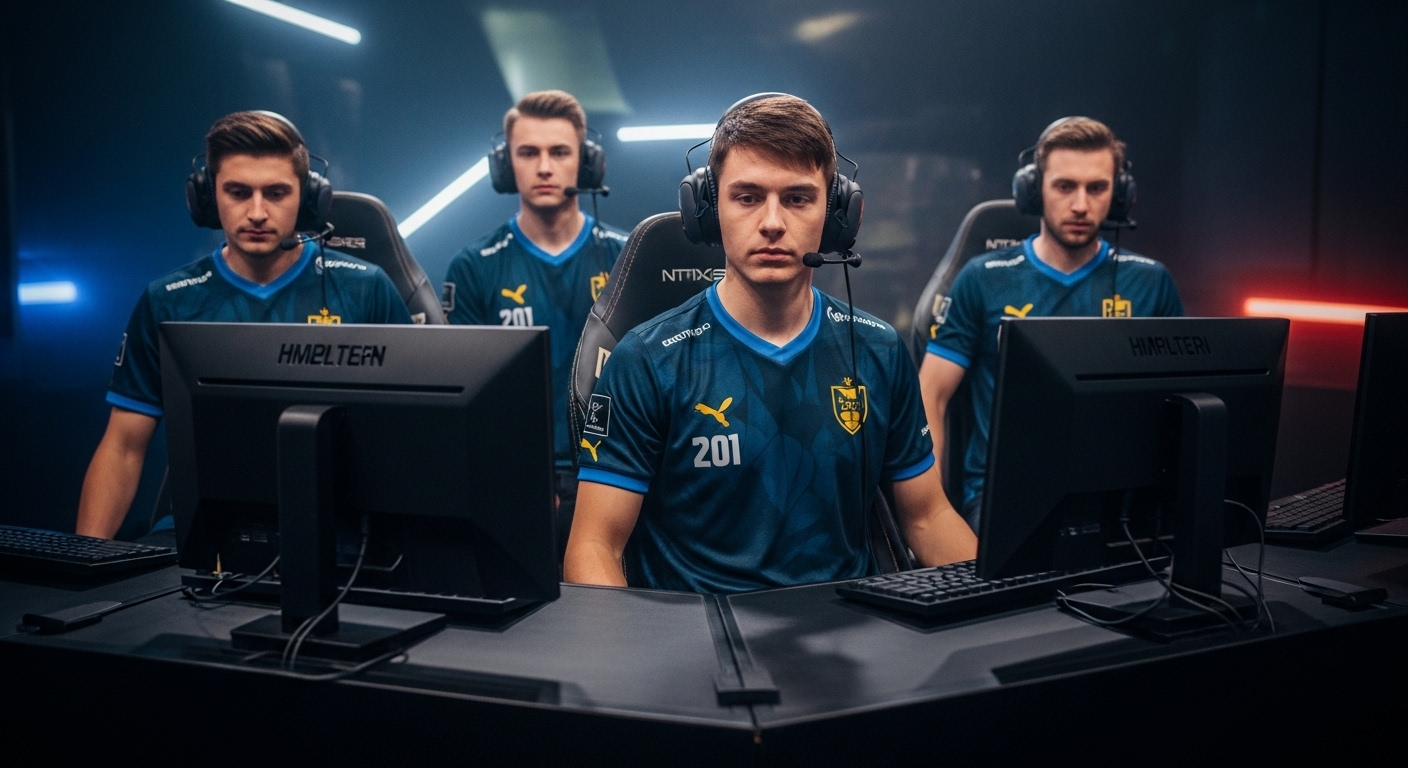
Introduction: The Evolution of Gaming into Esports
Esports, or competitive video gaming, has transformed from a niche hobby to a global phenomenon in just a few decades. Once relegated to arcades and small tournaments, competitive gaming now boasts millions of fans, professional teams, and multi-million-dollar prize pools. What was once a pastime for gamers is now a legitimate career choice and a major form of entertainment worldwide. But how did esports evolve, and what does its future hold?
What Is Esports?
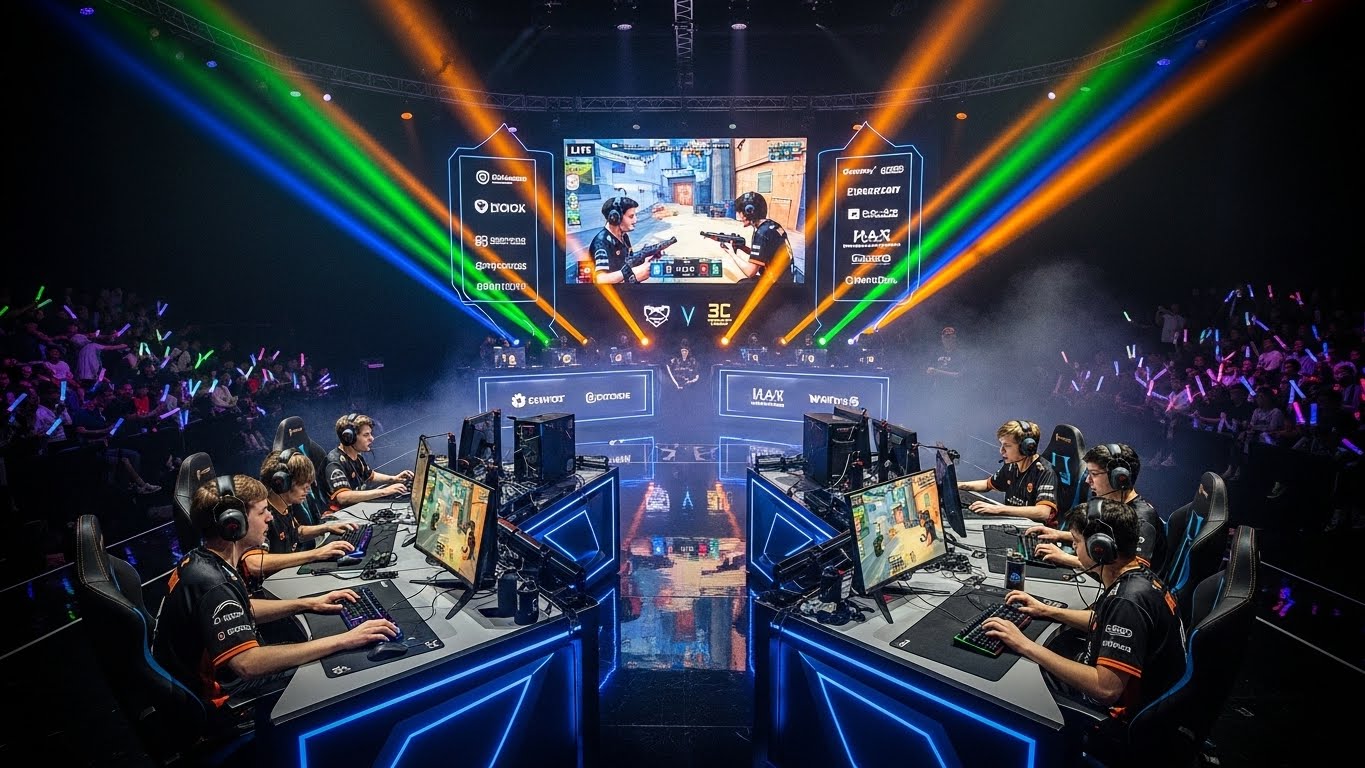
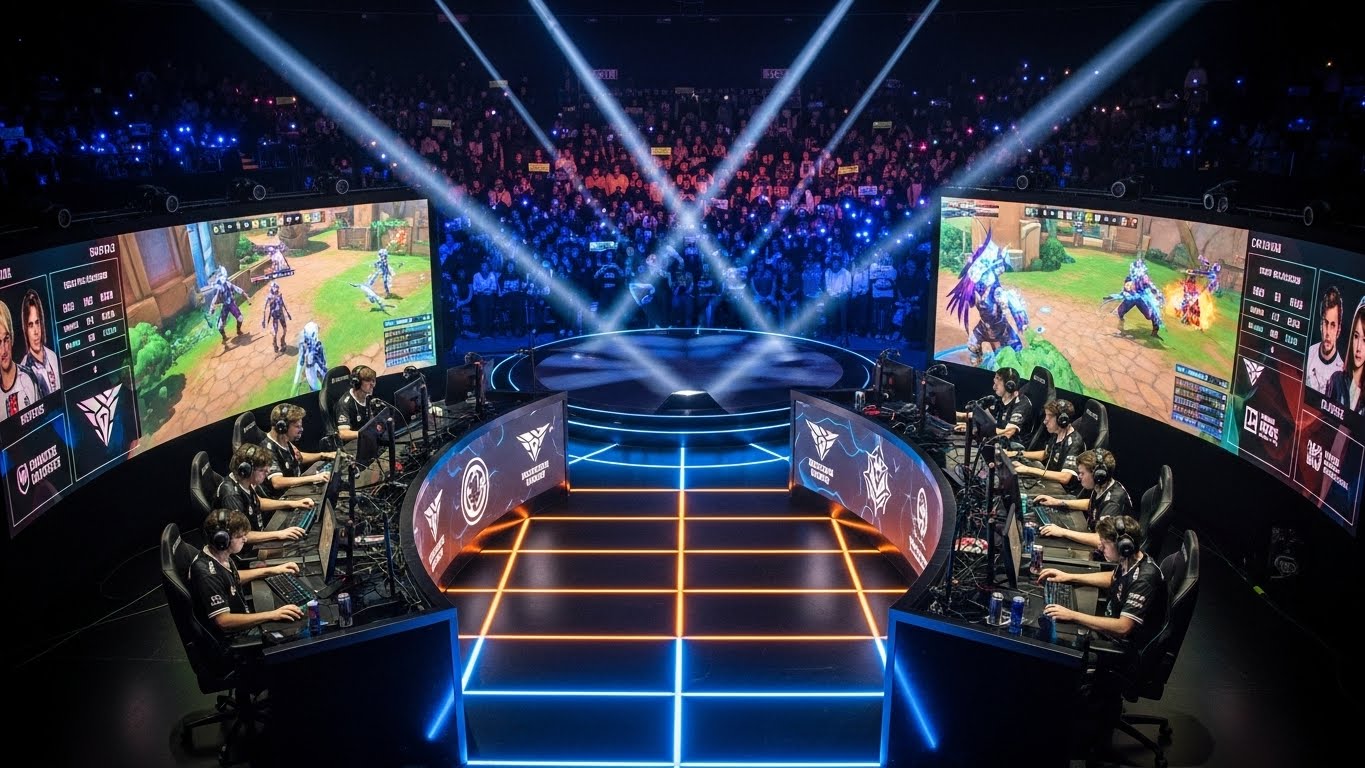
Esports refers to organized multiplayer video game competitions, often between professional players, teams, or organizations. Unlike casual gaming, esports is highly structured, with players competing in tournaments, leagues, and international events. The games played in esports span a variety of genres, including first-person shooters (FPS) like Counter-Strike: Global Offensive, real-time strategy (RTS) games like StarCraft II, and multiplayer online battle arena (MOBA) games like League of Legends. These games demand not only individual skill but also teamwork, strategy, and mental endurance, much like traditional sports.
The Rise of Professional Players
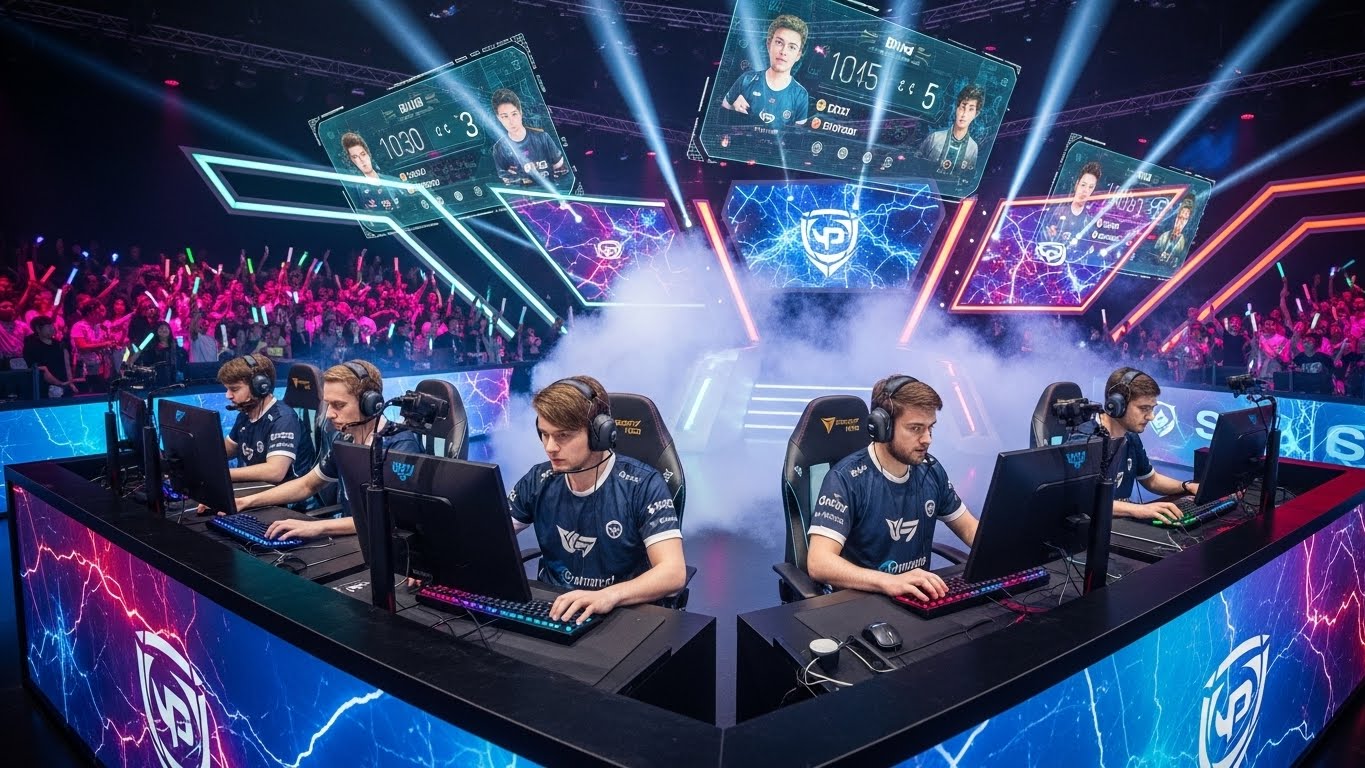
Esports players are no longer just gamers—they are professional athletes. Many start their careers at a young age, training intensely to perfect their skills. Success in esports requires exceptional reflexes, game knowledge, and the ability to work within a team. Players often have coaches, analysts, and even psychologists to help them hone their craft. These professionals are dedicated to their games, often practicing for upwards of eight hours a day. The mental and physical demands of being a top-level player are comparable to any other sport, and their performance is scrutinized by millions of fans.
Major Esports Tournaments: The Pinnacle of Competition
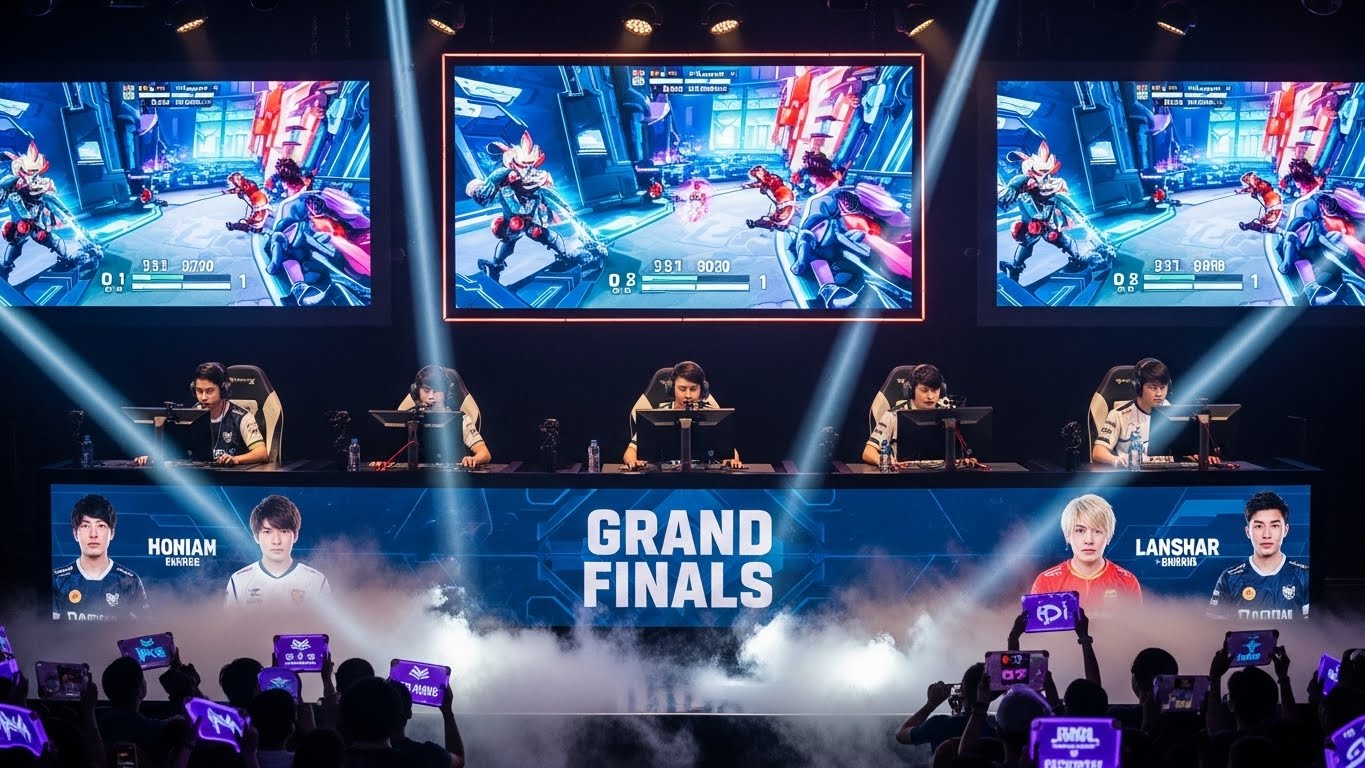
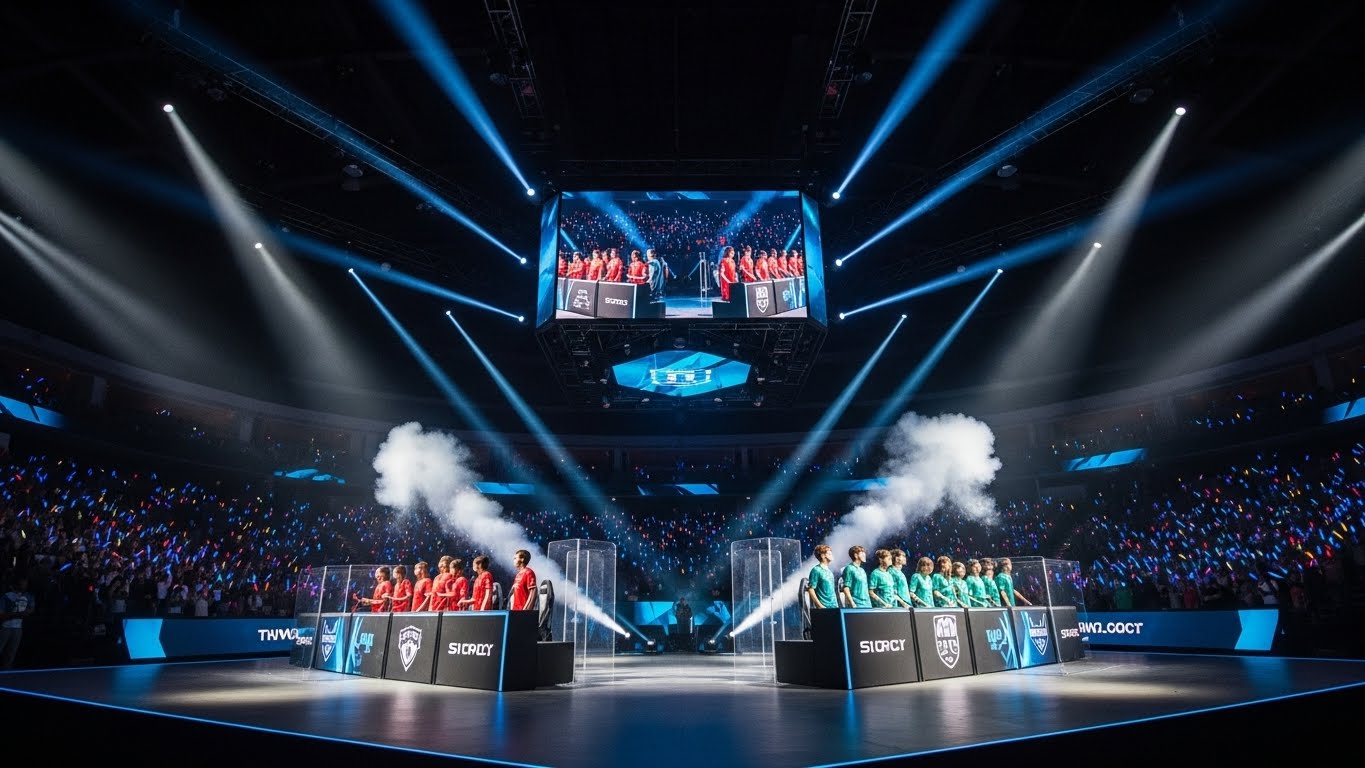
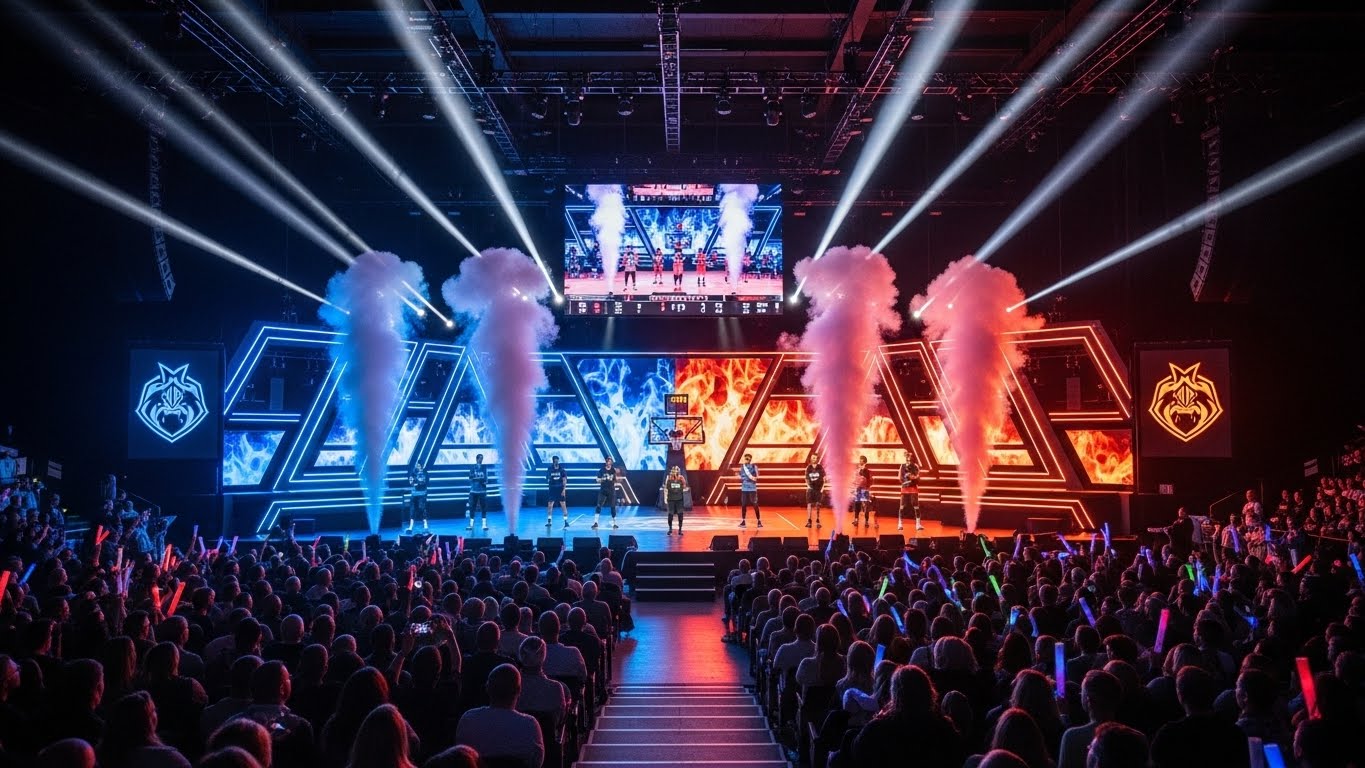
Esports tournaments have become some of the most-watched events in the world. International competitions such as The International (Dota 2), League of Legends World Championship, and Fortnite World Cup attract huge audiences, both in person and online. These events feature the best players and teams from around the globe, competing for massive prize pools and, often, national or international glory. In addition to large-scale tournaments, regular leagues and regional competitions continue to fuel the esports ecosystem, contributing to its growth year after year.
Streaming Platforms: A New Era of Fan Engagement
One of the driving forces behind the rise of esports is the growth of streaming platforms like Twitch and YouTube Gaming. These platforms allow fans to watch live matches, interact with players, and engage with the community. The accessibility of streaming has broken down barriers to entry, enabling fans to follow their favorite players, teams, and events in real time. Streamers have become celebrities in their own right, and their personalities and gameplay attract millions of viewers daily. The rise of live streaming has created a new type of entertainment ecosystem that thrives on interaction and engagement.
Esports in Education: Shaping Future Careers
Esports isn’t just about playing games; it’s also about the skills that come with it. Increasingly, educational institutions are recognizing the value of esports in teaching teamwork, problem-solving, and digital literacy. Many universities now offer esports scholarships, and some even have dedicated esports programs and teams. These programs prepare students for a wide range of careers within the gaming industry, including roles in game development, event management, broadcasting, and marketing. Esports offers students a pathway to turn their passion for gaming into a viable career.
The Business of Esports: Big Money, Bigger Opportunities
Esports has evolved into a billion-dollar industry, with sponsorships, advertising, and merchandise sales driving much of its revenue. Major companies such as Coca-Cola, Intel, and Red Bull have invested heavily in esports, sponsoring tournaments and players. Professional esports organizations, similar to traditional sports teams, have corporate sponsors, branded apparel, and large fanbases. The economic potential of esports continues to grow, creating opportunities for players, event organizers, and content creators alike. The industry’s expanding reach has also led to increased media rights deals, further validating esports as a mainstream form of entertainment.
Challenges Facing Esports
Despite its rapid rise, esports faces several challenges. Issues like player burnout, mental health concerns, and toxic behavior in gaming communities are ongoing problems that need addressing. Players often face intense pressure, and the lack of off-season breaks can lead to exhaustion. Toxicity in online gaming communities also poses a problem, with harassment and unsportsmanlike conduct affecting the experience for both players and fans. However, many in the industry are working to address these concerns by creating better support systems, improving player well-being, and promoting positive gaming culture.
The Future of Esports: Endless Potential
The future of esports is incredibly exciting. As technology advances, esports will only continue to grow in new and innovative ways. Virtual reality (VR) and augmented reality (AR) could revolutionize how games are played and experienced, making esports even more immersive. Additionally, mobile gaming is on the rise, with games like PUBG Mobile and Free Fire attracting millions of players, especially in regions like Asia. With more countries embracing esports and expanding infrastructure, the global reach of esports will likely continue to expand.
Conclusion: Esports as a Global Cultural Force
Esports has proven that it’s not just a passing trend—it’s a cultural force that’s here to stay. It has reshaped how we think about competition, entertainment, and even career opportunities. As the esports industry continues to grow, it will likely inspire future generations of players, fans, and entrepreneurs. Whether you’re a gamer or a casual viewer, esports offers something for everyone. The competitive spirit, the sense of community, and the thrilling spectacle make it a truly unique form of entertainment, and its influence will only continue to spread in the years to come.