 joystickarena94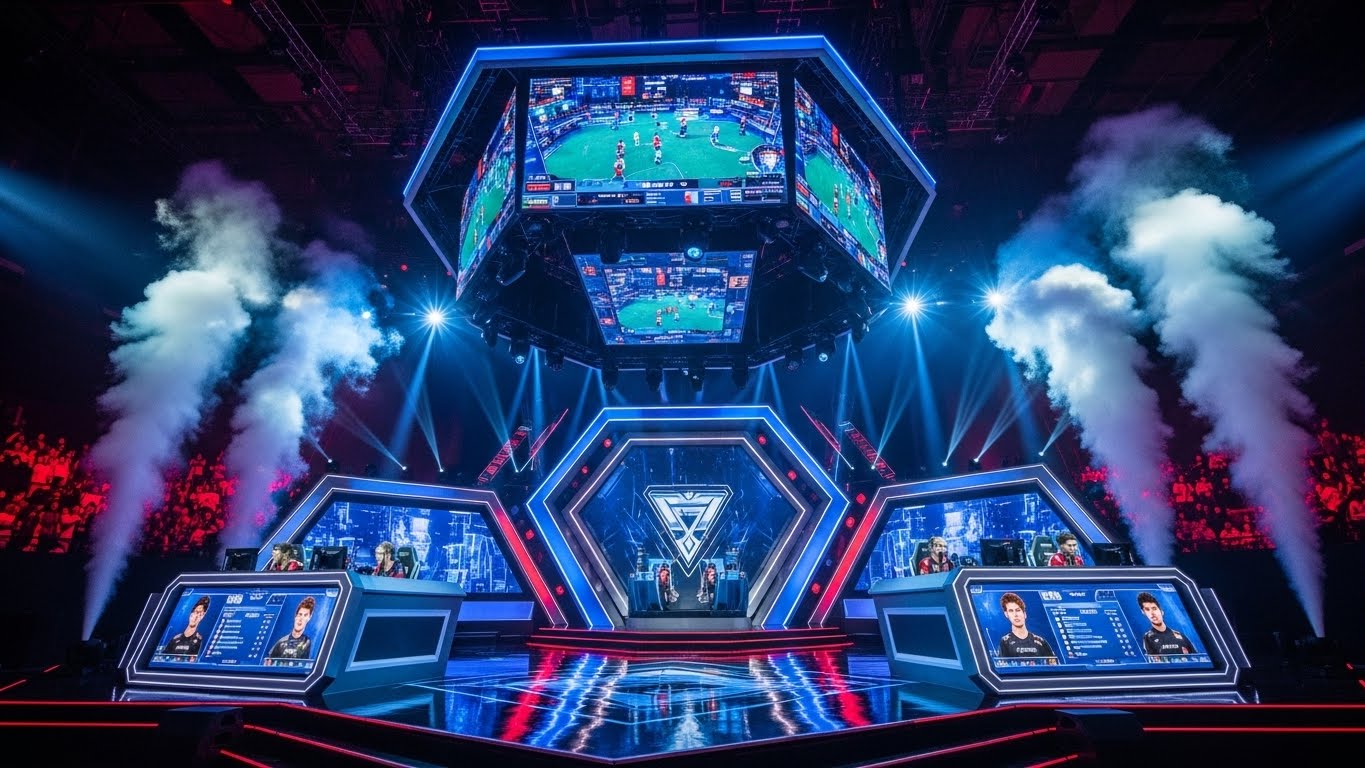
Introduction: The Rise of Esports and its Cultural Impact
In the last decade, esports has transcended from a niche hobby to a multi-billion-dollar industry, rapidly becoming one of the most watched and discussed forms of entertainment worldwide. What began as a community of passionate gamers has evolved into a global phenomenon with a massive following, drawing millions of fans and generating huge revenue streams. Esports, or electronic sports, refers to competitive gaming at a professional level, where individuals or teams compete in various video game titles for prestige, prize money, and sponsorships.
From its humble origins in arcade tournaments and LAN parties, esports has now grown into a complex ecosystem comprising professional leagues, large-scale tournaments, and a diverse audience base. As esports continues to grow, it is not only reshaping the entertainment landscape but also creating new career opportunities and fostering a sense of community among players and fans alike. In this post, we’ll explore how esports has evolved over the years, its impact on entertainment culture, and what the future holds for this dynamic industry.
The Early Days of Esports: From Arcade to Online Competitions
The roots of esports trace back to the early days of gaming, when competitive players gathered around arcade machines for high-stakes games. In the 1970s and 1980s, titles like Space Invaders and Pong were the earliest forms of competitive gaming. While these early events were small, they laid the foundation for what would eventually become a thriving competitive industry.
However, the modern era of esports didn’t take shape until the late 1990s and early 2000s, with the advent of online multiplayer games. Titles like StarCraft and Quake helped bring competitive gaming to a broader audience, creating the first real competitive tournaments. The development of platforms like Battle.net allowed players to compete against each other from their homes, breaking down geographical barriers and creating a global community of gamers.
The late 2000s marked a pivotal moment in the evolution of esports. Major games like League of Legends and Dota 2 emerged, bringing esports into the mainstream with structured leagues, massive tournaments, and prize pools in the millions. The creation of dedicated esports platforms and streaming services like Twitch and YouTube Gaming made it easier for fans to watch live competitions and interact with their favorite players. What was once a small, underground scene had now blossomed into a global entertainment powerhouse.
The Global Growth of Esports: A Multi-Billion Dollar Industry
Today, esports has grown into a full-fledged global industry, with annual revenues exceeding $1 billion. This explosive growth can be attributed to several factors, including increased internet accessibility, advancements in gaming technology, and the rise of streaming platforms that allow fans to watch games in real-time. The ecosystem now consists of professional leagues, sponsorships, tournament organizers, broadcasting networks, and more, creating a comprehensive business model that mirrors traditional sports leagues like the NFL or NBA.
One of the driving forces behind the financial success of esports is its ability to attract sponsorships and advertising revenue. Major companies like Coca-Cola, Intel, and Nike have recognized the potential of esports and have invested heavily in sponsorship deals, endorsements, and media rights. These partnerships have not only helped fund tournaments but have also increased the legitimacy and visibility of esports in the eyes of the general public.
The Role of Streaming and Social Media in Esports’ Popularity
Streaming platforms such as Twitch, YouTube Gaming, and Facebook Gaming have played a crucial role in the rise of esports by offering a platform for fans to watch live streams of professional gameplay, engage with their favorite streamers, and be part of the esports community. In fact, live streaming is now one of the most popular ways for people to consume esports content, with millions of viewers tuning in to watch tournaments and follow their favorite players.
Twitch, in particular, has become the epicenter of esports streaming, hosting both live competitions and casual gaming streams, where viewers can watch professional players practice, interact with fans, and share insights into the gaming world. The interactive nature of these platforms has created a direct relationship between gamers and their audiences, giving fans the opportunity to engage in real-time with streamers through live chats, donations, and social media.
Social media platforms like Twitter, Instagram, and Discord have also contributed to the growth of esports by allowing fans to follow their favorite teams, players, and events. Esports teams now have large social media followings, and players have become influencers in their own right, promoting gaming culture and generating personal brand value through their online presence.
Esports Tournaments and Leagues: The Heart of Competitive Gaming
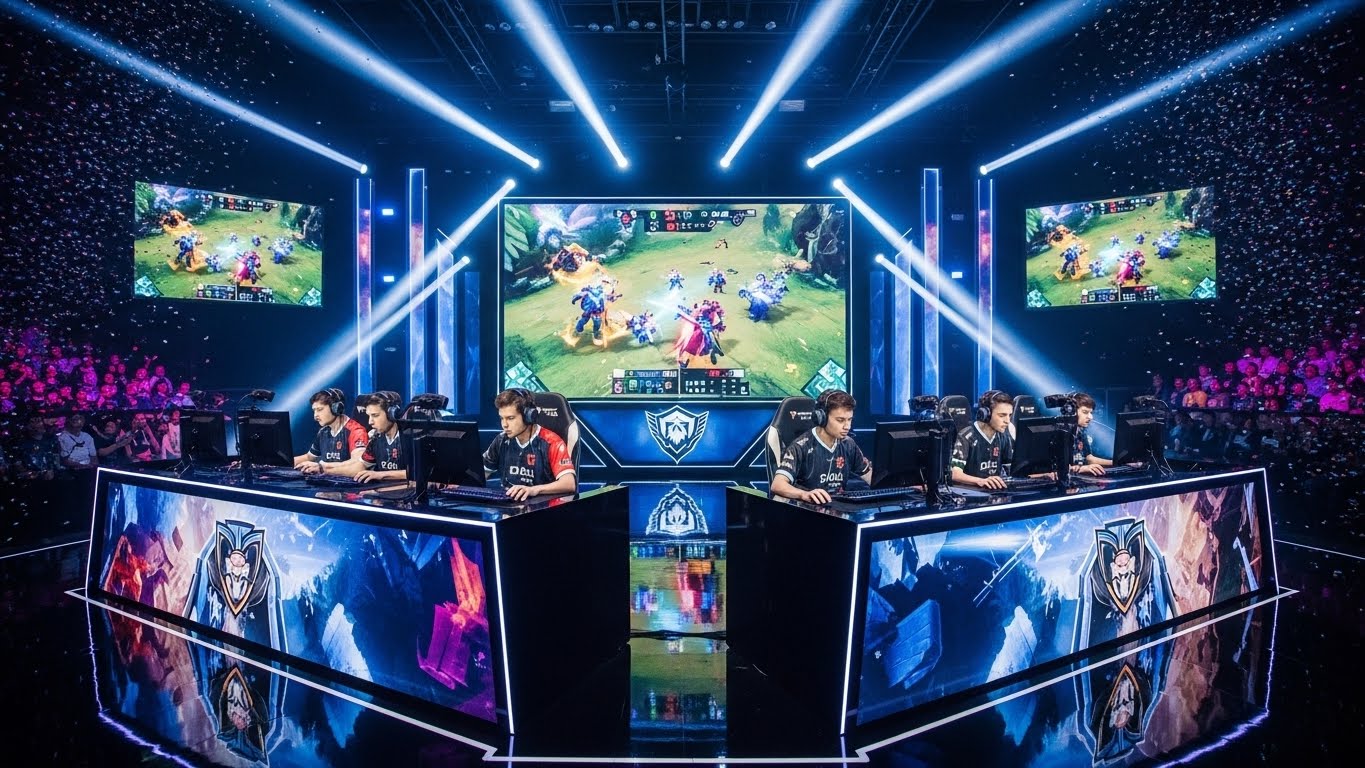
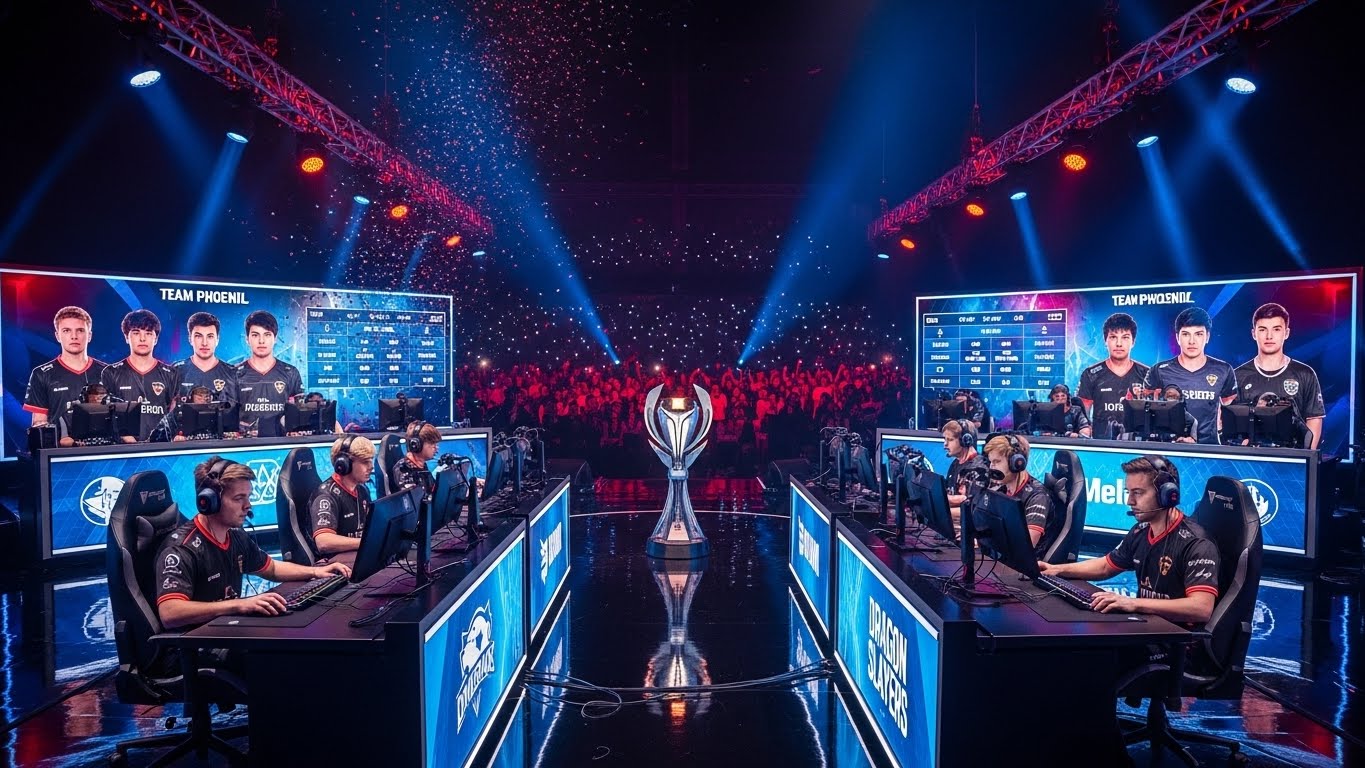
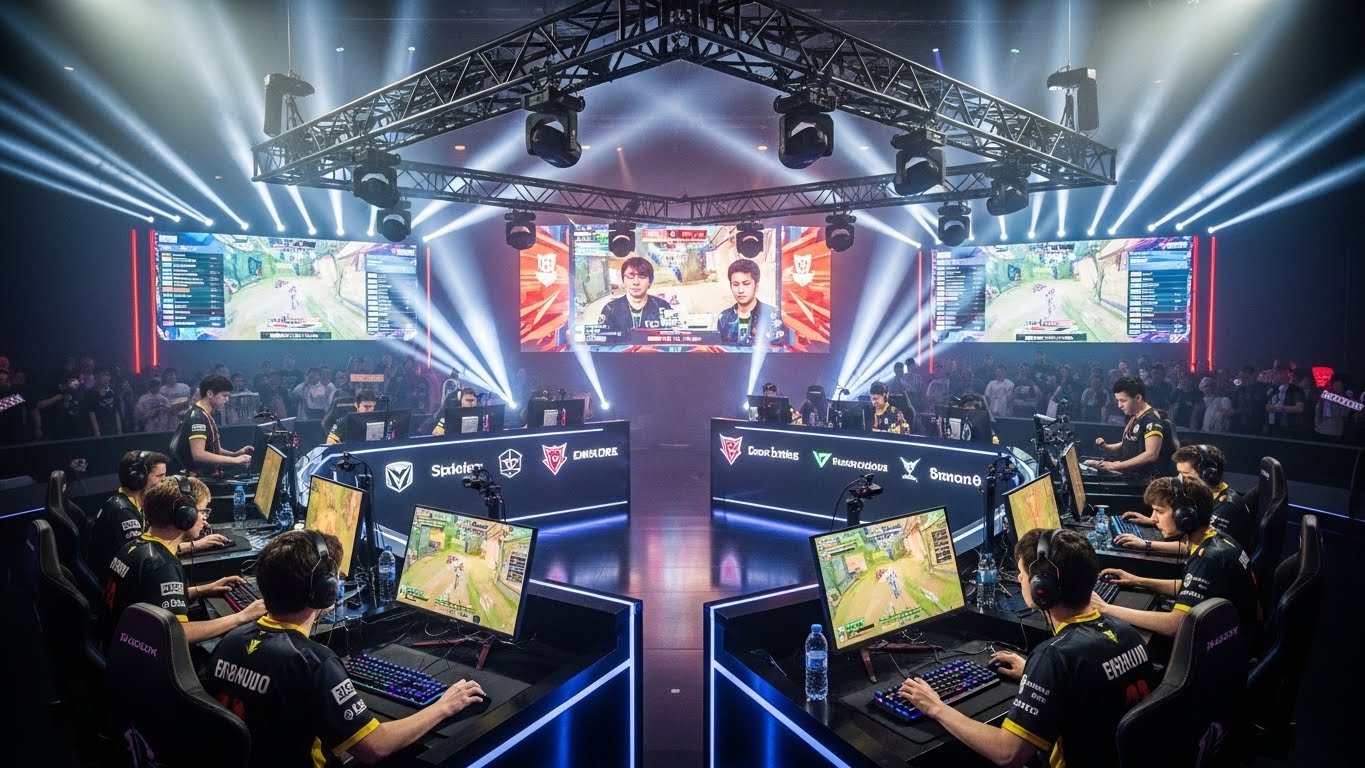
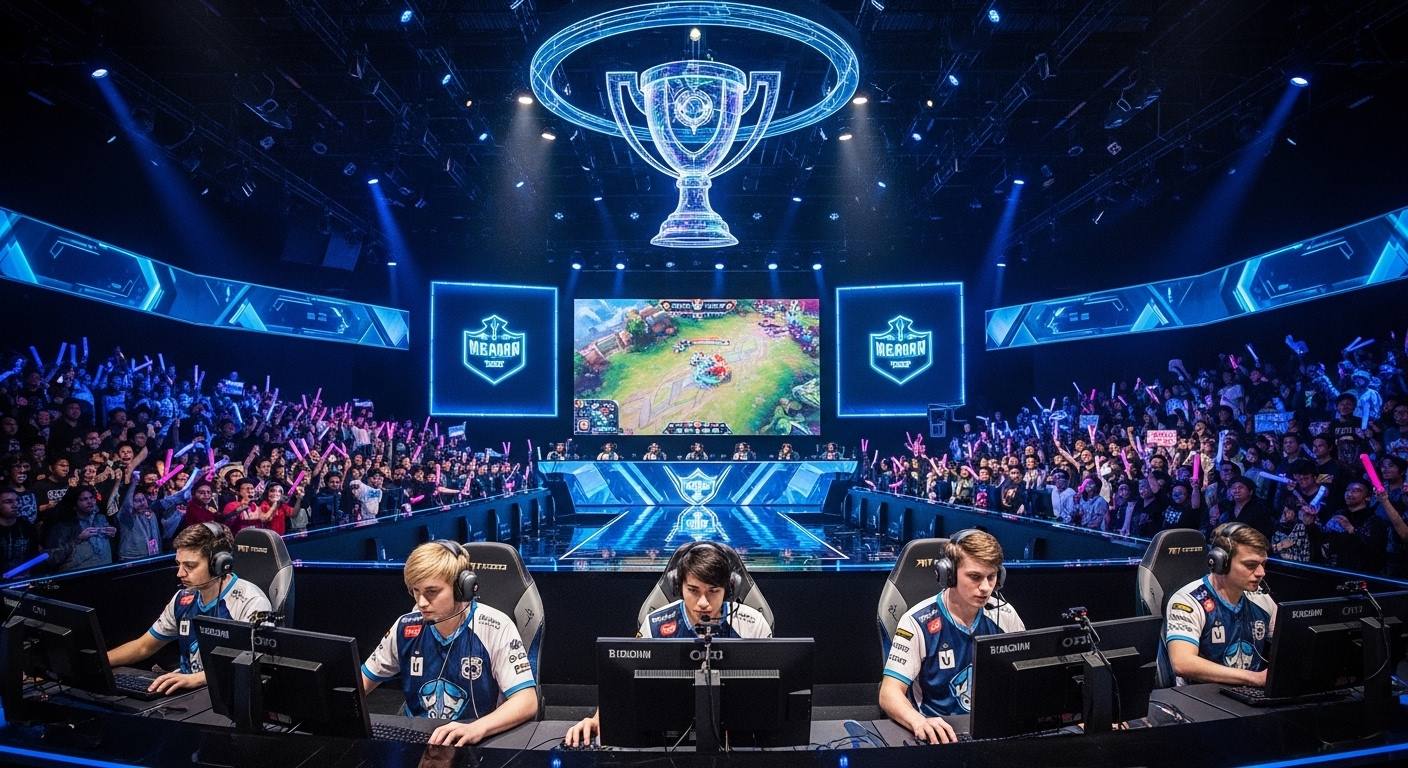
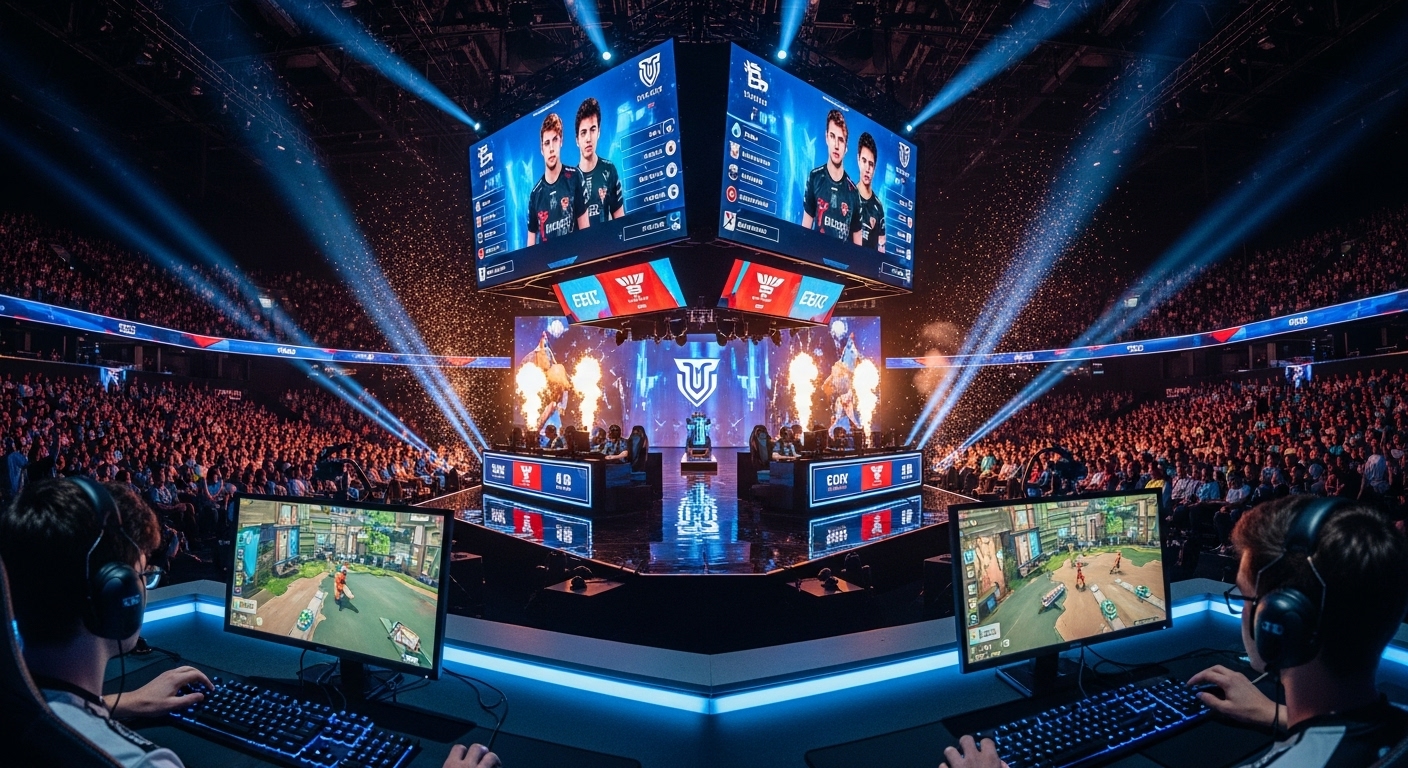
At the core of esports lies the competitive tournaments that bring players and fans together. Major events like The International (Dota 2), League of Legends World Championship, and Overwatch League attract millions of viewers and offer multi-million dollar prize pools, making esports one of the most lucrative industries for top-tier players. These tournaments are held in large arenas or broadcasted online, creating a spectacle that rivals traditional sports events in terms of production value and fan engagement.
What sets esports apart from traditional sports is its accessibility. While traditional sports require physical venues, teams, and equipment, esports tournaments can be broadcast online to a global audience, allowing anyone with an internet connection to watch the action. Major events are streamed live on platforms like Twitch, YouTube, and Facebook, making it easy for fans to tune in and experience the excitement in real-time.
Esports leagues are also structured much like traditional sports leagues, with regional divisions, regular seasons, playoffs, and championships. For example, the League of Legends World Championship and the Overwatch League feature highly organized formats with teams representing different regions, such as North America, Europe, and Asia. These leagues provide a framework for professional gamers to compete at the highest level, while also providing fans with ongoing content and storylines to follow throughout the season.
The Social and Cultural Impact of Esports
Esports has had a profound impact on the social and cultural fabric of entertainment. It has created a unique global community of players, fans, and influencers who connect through shared passions for gaming. The culture of esports is built on inclusivity, with players from diverse backgrounds, genders, and nationalities coming together to compete and collaborate. Esports has also played a major role in breaking down stereotypes about gamers, promoting a healthier and more positive image of the gaming community.
Furthermore, esports has shifted the way we perceive gaming as a form of entertainment. What was once seen as a solitary activity has now become a social and competitive experience, where players and fans alike gather to celebrate their shared love of gaming. Esports events and tournaments bring people together from all corners of the globe, fostering cross-cultural exchanges and uniting people through a shared passion.
The rise of esports has also opened up new career paths. Professional gamers, team coaches, analysts, streamers, content creators, event organizers, and even broadcasters now have legitimate career opportunities in the esports ecosystem. These new job roles have allowed people to turn their passion for gaming into a full-time profession, further legitimizing esports as a recognized career path.
The Future of Esports: Where is the Industry Heading?
As esports continues to grow, its future seems incredibly promising. With millions of viewers around the world, esports is expected to further integrate into mainstream entertainment, creating new opportunities for players, teams, sponsors, and content creators. The advent of new technologies like virtual reality (VR) and augmented reality (AR) could further enhance the esports experience, making it even more immersive and engaging for both players and fans.
One area that will continue to see growth is the inclusion of esports in traditional sports organizations. Major traditional sports franchises, such as the NBA, NFL, and European soccer clubs, have already invested in esports teams and competitions. This trend will likely continue, with more sports organizations incorporating esports into their portfolios, bridging the gap between digital and physical sports.
Esports is also set to become more mainstream in education, with many universities offering scholarships and courses related to esports management, game design, and competitive gaming. As the industry continues to mature, esports will likely become an even more integrated part of higher education and professional development, opening doors for the next generation of players and professionals.
Challenges Facing Esports: Sustainability and Inclusivity
While the future of esports looks bright, there are still challenges the industry must address. One of the biggest concerns is ensuring the sustainability of the industry, especially as it grows and evolves. Issues such as player burnout, mental health, and the need for better player management are ongoing challenges that need to be addressed by tournament organizers, teams, and sponsors.
Inclusivity is another challenge for esports. While the gaming community has become more diverse in recent years, there is still work to be done in creating a more inclusive and welcoming environment for players from all backgrounds. Women and underrepresented groups continue to face barriers to entry in the professional gaming world, and efforts must be made to ensure that esports remains accessible and equitable for everyone.
Conclusion: Esports – A New Era of Entertainment
Esports has undeniably become a major force in the world of entertainment, captivating millions of fans and creating a thriving industry that continues to grow at an astonishing rate. From its early days of LAN parties to the multi-billion-dollar global industry it is today, esports has reshaped the way we view gaming and entertainment. With its incredible reach, diverse fanbase, and increasing legitimacy, esports is set to redefine the future of competition and entertainment for years to come.