 joystickarena94
Introduction
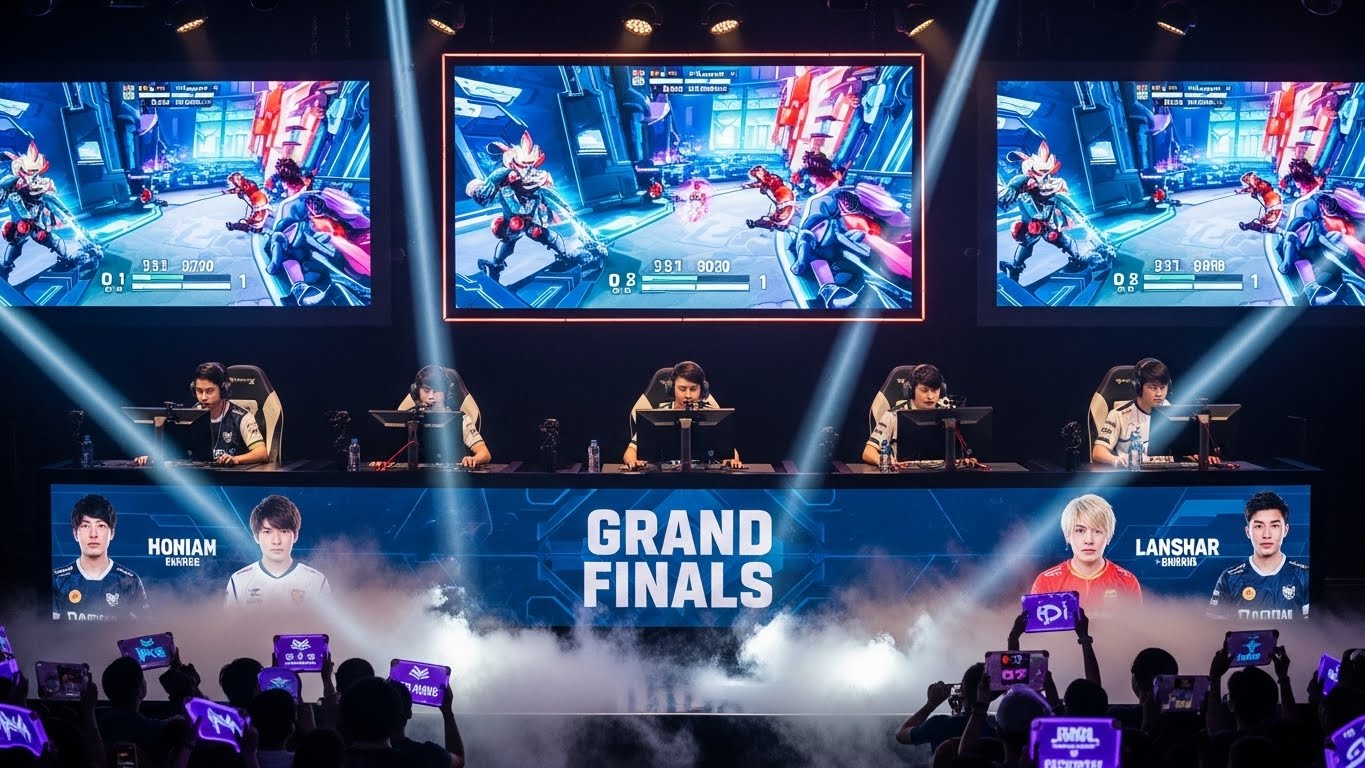
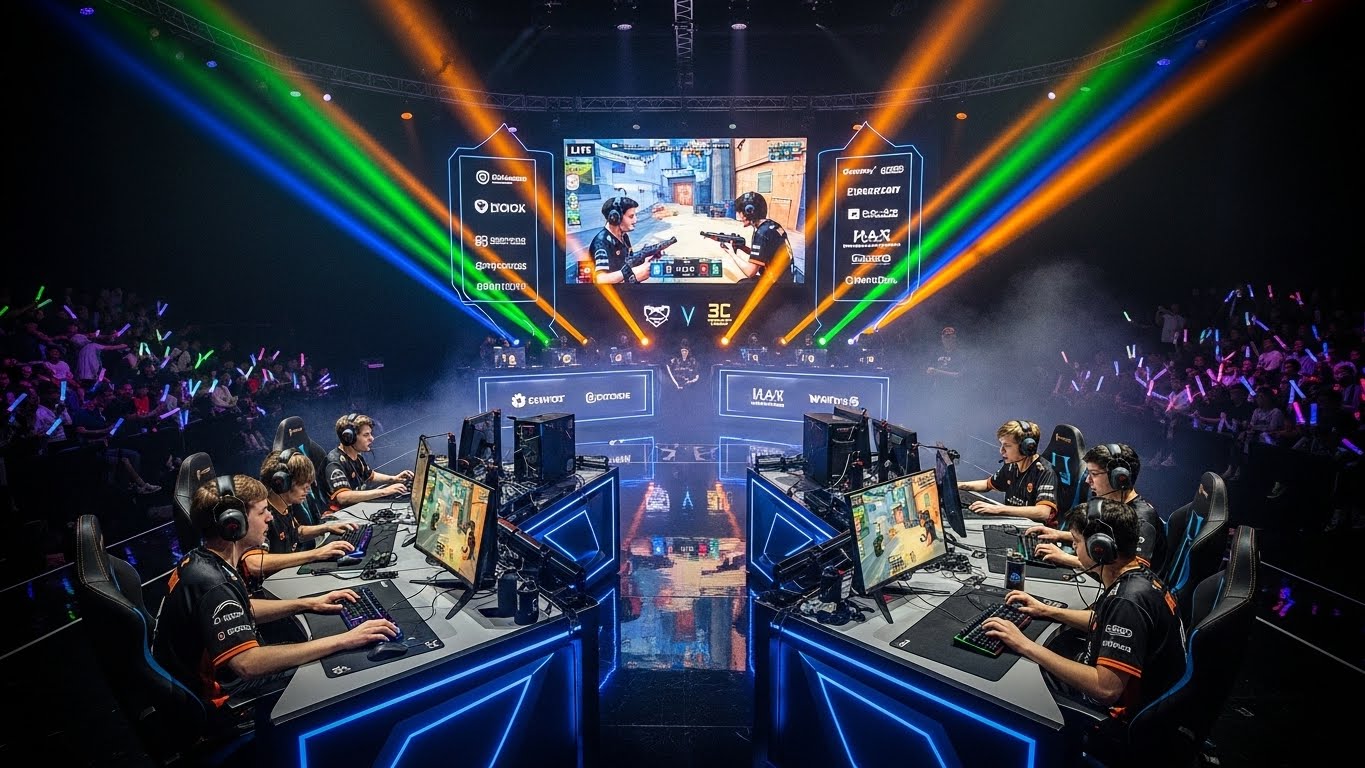
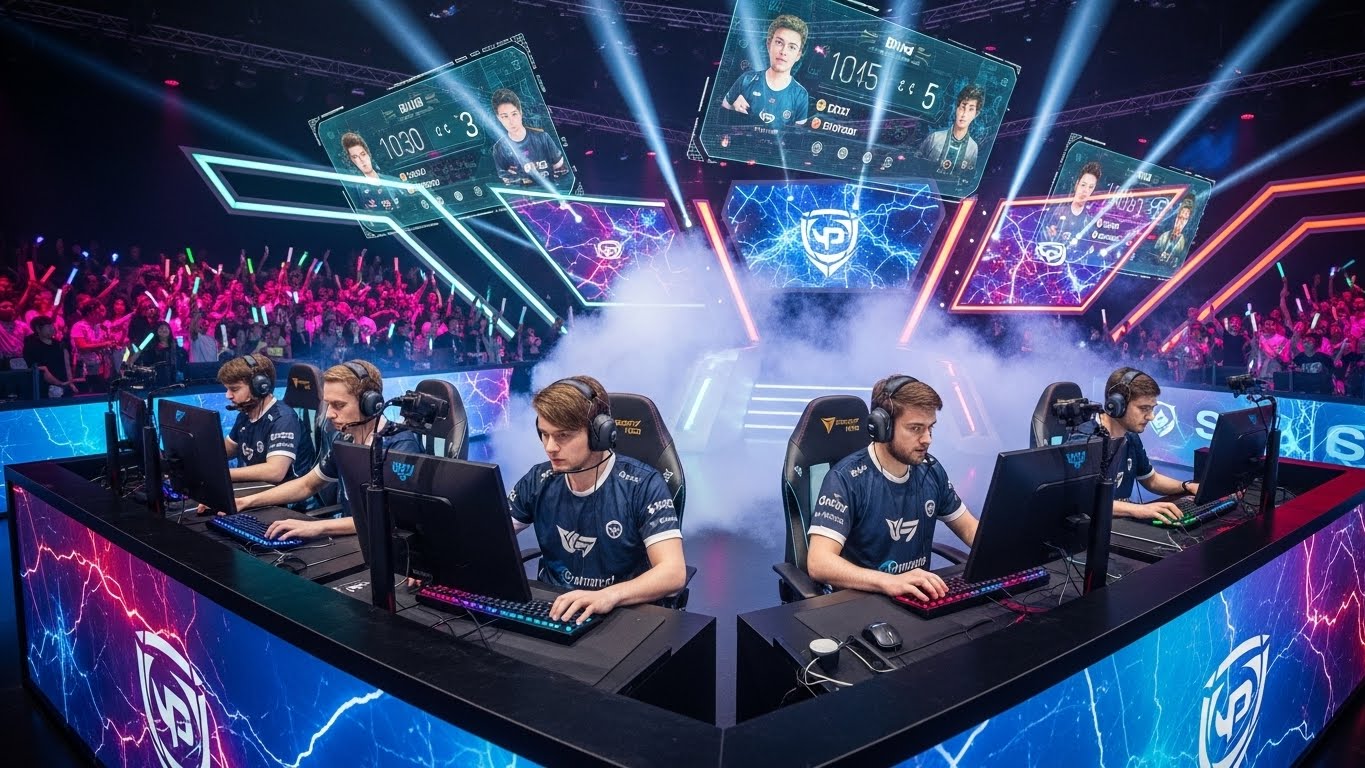
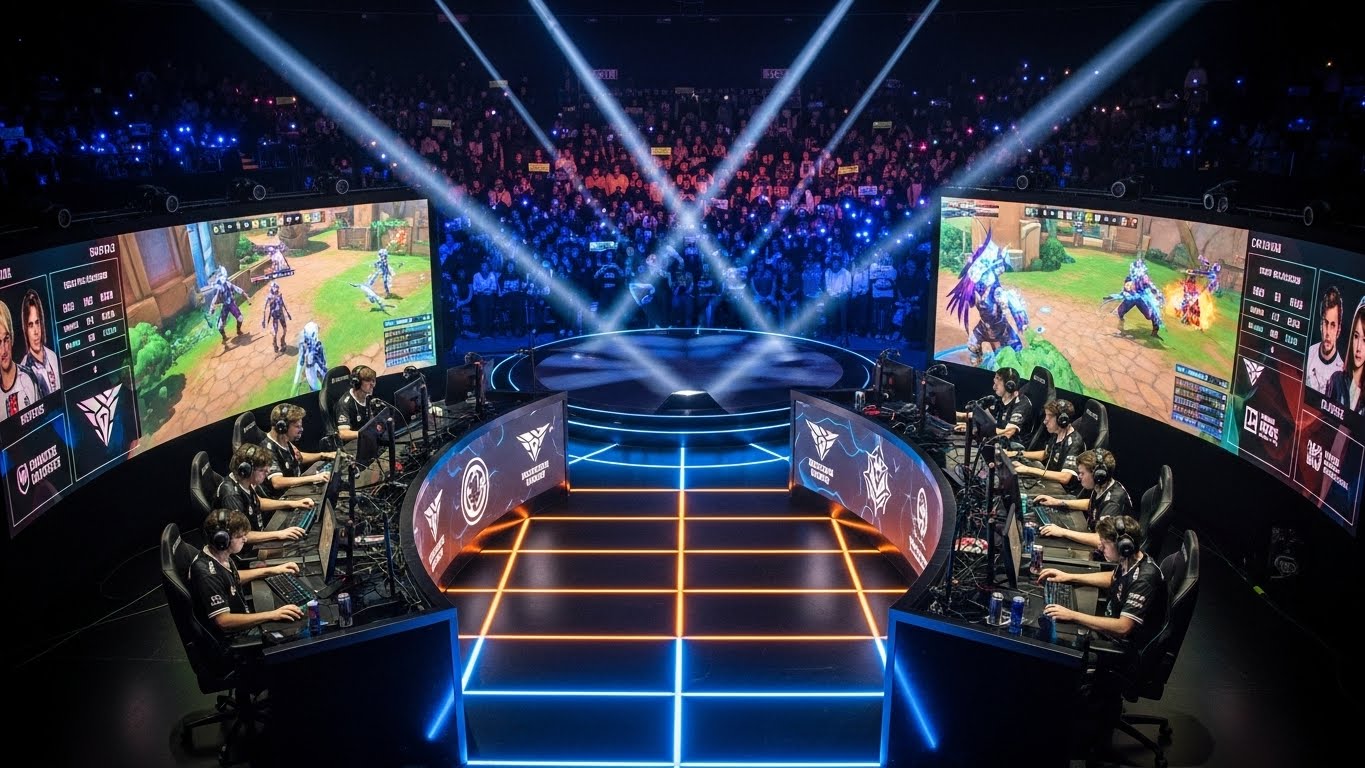
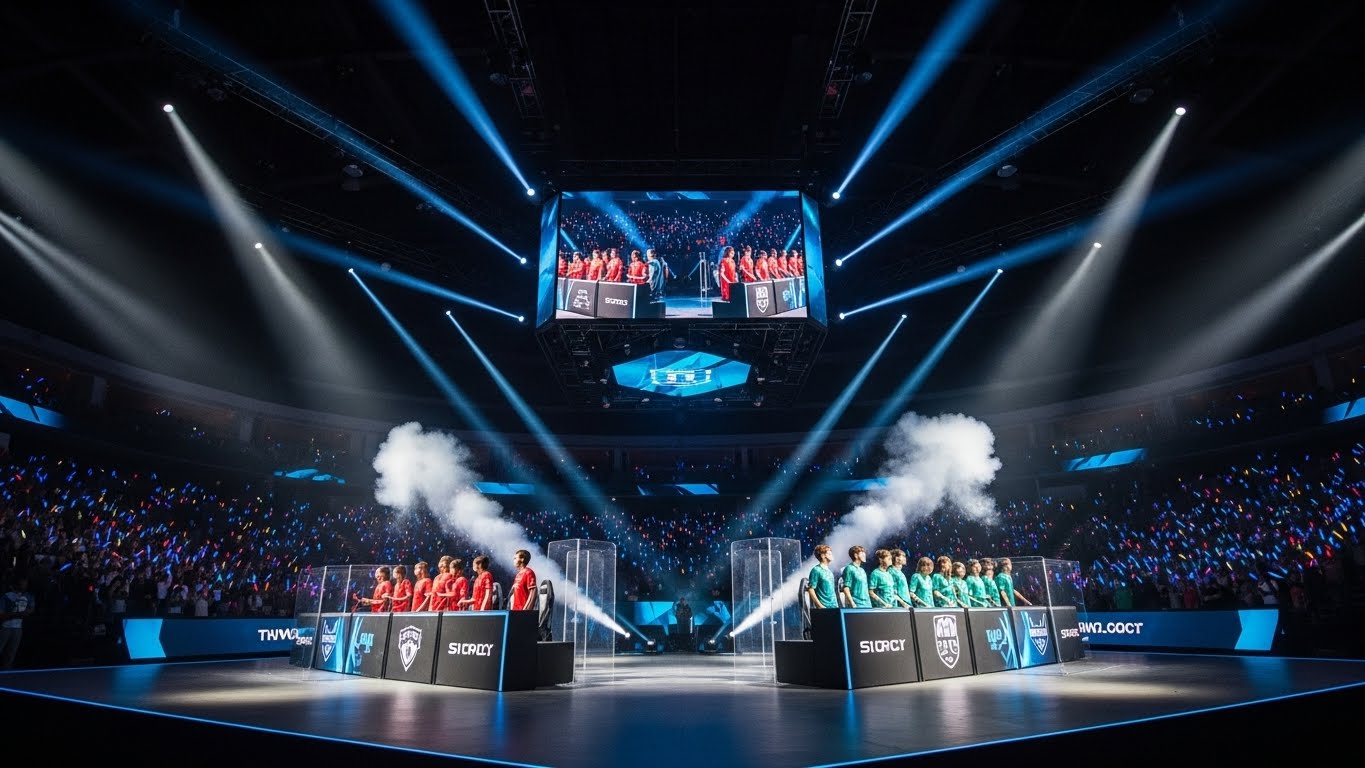
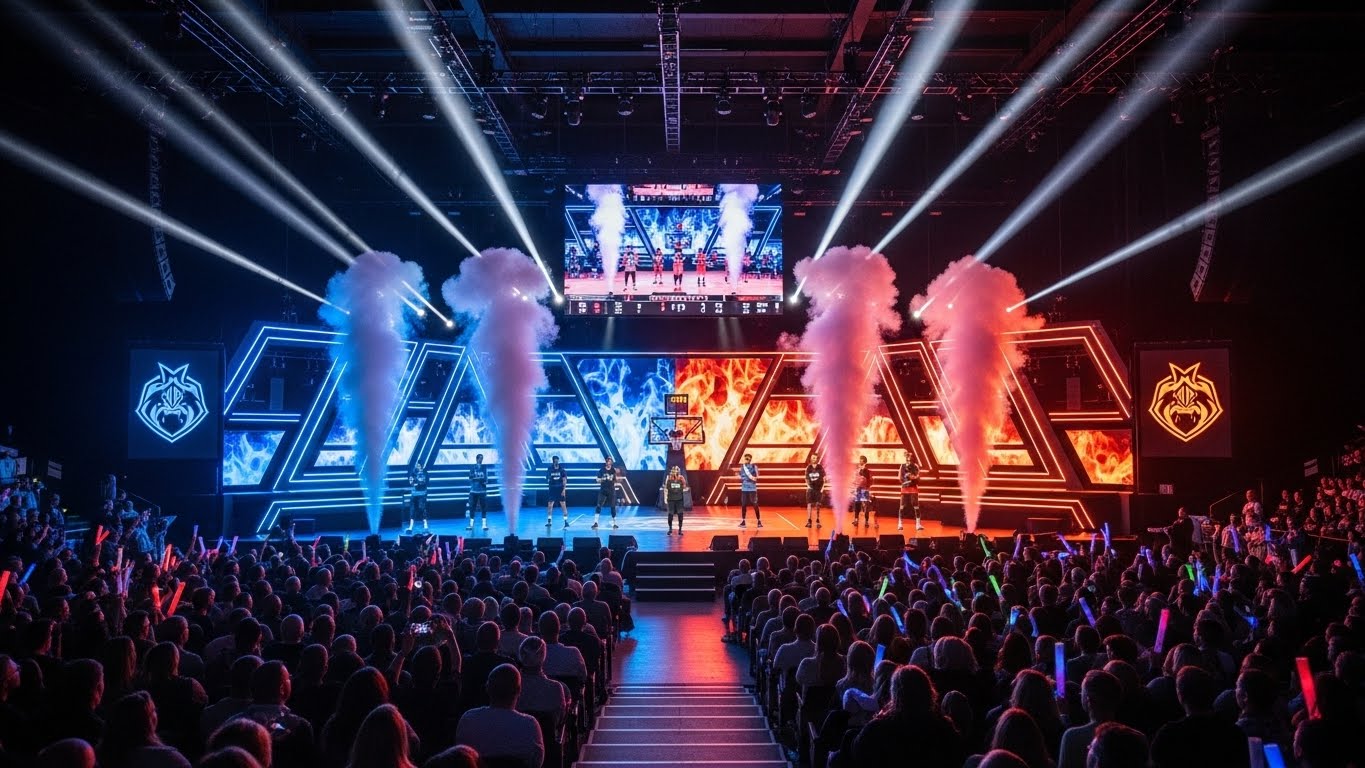
A few decades ago, the idea of watching people play video games competitively might have seemed unusual. Fast forward to today, and esports—short for electronic sports—has transformed into a global industry with millions of players, billions in revenue, and massive audiences filling stadiums around the world. Esports is no longer a niche hobby; it’s a cultural movement that redefines entertainment, competition, and even careers.
This blog explores how esports rose from humble beginnings to become a legitimate global phenomenon, the forces driving its success, and how it’s shaping the future of sports, media, and technology.
The Early Days of Competitive Gaming
The roots of esports trace back to the early 1970s when video games were still a novelty. The first recognized video game competition took place at Stanford University in 1972, where students competed in a game called Spacewar. The prize? A year’s subscription to Rolling Stone magazine. It was modest, but it sparked an idea—video games could be more than personal entertainment; they could be competitive.
By the 1980s, arcade culture had exploded. Titles like Pac-Man, Donkey Kong, and Space Invaders filled arcades across the world, and high-score competitions became common. Players chased leaderboard glory, often scribbling their initials beside their record-breaking scores. Though small in scale, these contests captured the spirit of what esports would later become—skill, recognition, and bragging rights.
The Internet Revolution and the Birth of Modern Esports
The 1990s changed everything. The internet connected gamers like never before, making it possible to compete globally rather than locally. Games like Doom and Quake introduced online multiplayer modes, creating early online communities that laid the groundwork for organized competition.
In 1997, the Red Annihilation tournament for Quake became one of the first large-scale esports events. The winner, Dennis “Thresh” Fong, famously took home the keys to game developer John Carmack’s Ferrari. This event is often seen as the birth of professional gaming, as it demonstrated that competitive gaming could have real-world rewards and fame.
By the late 1990s and early 2000s, games like StarCraft, Counter-Strike, and Warcraft III started defining the early esports landscape. In South Korea, StarCraft achieved national fame, even being broadcast on television. Players were treated like celebrities, complete with sponsors and fan followings. This was a pivotal moment—the world saw esports not just as a pastime, but as a sport in its own right.
The Rise of Esports Organizations and Leagues
As esports gained popularity, structure followed. Leagues and organizations emerged to standardize rules, host tournaments, and provide platforms for teams to compete regularly. Major League Gaming (MLG), founded in 2002 in the United States, was one of the first professional esports organizations. It helped legitimize gaming competitions and attract sponsorships from major brands.
In Asia, esports grew at an even faster pace. South Korea’s government invested heavily in broadband infrastructure, giving rise to a generation of professional gamers. Teams like SK Telecom T1 in League of Legends and KT Rolster became household names, while events filled stadiums.
By the 2010s, global tournaments such as The International for Dota 2 and the League of Legends World Championship brought esports into the mainstream spotlight. The prize pools grew into the millions, thanks to crowdfunding and sponsorships. For the first time, professional gamers were earning as much as traditional athletes.
The Cultural Shift: From Nerd Culture to Mainstream Entertainment
In its early years, gaming carried a stereotype—an activity for “geeks” or “introverts.” Esports shattered that image. It brought social connection, teamwork, and creativity to the forefront. Streaming platforms like Twitch and YouTube Gaming changed how fans consumed esports, turning players into entertainers and influencers.
Unlike traditional sports, esports was born and raised online. Fans didn’t need to wait for cable channels to cover their favorite teams. Instead, they tuned in live from their phones, laptops, and consoles. The accessibility of streaming allowed anyone, anywhere, to become part of the audience. This shift democratized sports entertainment and created new ways for fans to engage.
Esports also blurred the line between playing and spectating. Many fans actively play the same games they watch, creating a shared culture that traditional sports rarely offer. The sense of community became a cornerstone of esports, and the line between fan and competitor became delightfully thin.
Key Games That Defined Esports History
While many titles have contributed to esports, a few stand out as cornerstones. StarCraft, particularly in South Korea, became synonymous with strategy and precision. Counter-Strike defined team-based first-person shooters, while Dota 2 and League of Legends pioneered the multiplayer online battle arena (MOBA) genre. These games required not just individual skill but also coordination, strategy, and leadership—traits that mirror traditional sports teams.
Fighting games like Street Fighter and Super Smash Bros. cultivated passionate grassroots communities, where local tournaments built lifelong friendships and rivalries. Meanwhile, sports simulations such as FIFA and NBA 2K connected esports directly to traditional athletics, even attracting real-world clubs to create their own digital teams.
Over time, new titles like Fortnite, Valorant, and Apex Legends have joined the ranks, showing that esports continues to evolve with gaming trends and technology.
The Economics of Esports: Big Business, Bigger Audiences
Esports is no longer just about glory; it’s a massive business. Industry reports estimate global esports revenue in the billions, with significant portions coming from sponsorships, media rights, merchandise, and ticket sales. Big brands—from Coca-Cola to Intel—now invest in esports events and teams, recognizing the marketing power of digital audiences.
One of the most fascinating aspects of esports economics is its fan demographic. The majority of esports viewers are young, tech-savvy, and engaged—a goldmine for advertisers. This audience isn’t just watching; they’re buying, playing, streaming, and sharing. That engagement drives the entire ecosystem, from streaming platforms to hardware manufacturers.
The International for Dota 2 broke records with prize pools exceeding 40 million dollars, while Fortnite’s World Cup offered multi-million-dollar winnings. These staggering figures reflect both community support and the scale of global participation.
The Role of Technology in Esports Expansion
Technology has been the beating heart of esports. High-speed internet, streaming platforms, and powerful gaming hardware made large-scale competitive gaming possible. Live streaming revolutionized how tournaments were experienced. Viewers could interact with players in real-time through chat, donate to support their favorite streamers, or even play alongside them.
Advancements in virtual reality, augmented reality, and artificial intelligence are shaping the next chapter of esports. VR esports like Echo Arena are exploring new frontiers where physical movement meets digital competition. AI-driven analytics are helping teams improve strategies, scout opponents, and even predict outcomes based on player behavior.
Additionally, 5G networks are paving the way for smoother mobile esports experiences, particularly in developing regions. Mobile titles like PUBG Mobile, Mobile Legends, and Free Fire have opened esports to millions who don’t own gaming PCs or consoles, expanding the community globally.
The Globalization of Esports
Unlike traditional sports limited by geography, esports is truly global. A team from Brazil can face off against opponents from Europe, Asia, or North America with the same rules and visibility. The online nature of esports breaks down barriers of location, language, and accessibility.
Countries like China, South Korea, and the United States dominate the scene, but new markets are rising fast. Southeast Asia, India, and the Middle East are becoming esports powerhouses due to growing youth populations and increasing internet access. Governments are recognizing esports as a legitimate sport, investing in infrastructure, and even including it in regional competitions like the Asian Games.
This globalization also fosters cultural exchange. Players and fans from different countries interact, collaborate, and compete, sharing not just strategies but cultures and perspectives. Esports has become a universal language, spoken through skill and teamwork.
The Life of a Professional Esports Player
The glamorous image of esports—big paychecks, fame, and global fans—only tells part of the story. Behind the spotlight, professional players face intense pressure and grueling schedules. They practice for long hours daily, studying opponents and refining tactics. Like athletes, they must maintain physical health, mental focus, and teamwork under constant scrutiny.
Burnout is a real issue. The average career span of an esports player is shorter than most traditional athletes, often due to mental strain and rapid shifts in game meta (the changing landscape of what strategies are most effective). Many players transition to coaching, streaming, or commentary once they retire from competition.
The industry is slowly addressing these challenges by providing better player support, mental health resources, and career guidance. As esports continues to professionalize, the welfare of its talent is becoming a central concern.
Esports and Education
Another fascinating development is the role of esports in education. Schools and universities worldwide are forming esports programs, scholarships, and courses. These initiatives aim to teach not just gaming skills, but teamwork, strategy, leadership, and digital literacy. Some institutions even treat esports like traditional athletics, complete with varsity teams and dedicated arenas.
For students, esports offers both community and career opportunities. Beyond being a player, careers in shoutcasting (commentary), event production, marketing, and game design are all connected to the esports ecosystem. It’s teaching a new generation that gaming isn’t a waste of time—it can be a legitimate path to success.
The Media and Esports Relationship
Mainstream media initially struggled to understand esports, but that’s rapidly changing. Television networks and streaming giants are now competing for broadcasting rights. ESPN, once a bastion of traditional sports, has hosted esports events and covered major tournaments. Netflix and other platforms have produced documentaries showcasing the lives of players and the cultural significance of gaming.
This integration signals a broader shift in how people consume entertainment. Younger audiences increasingly prefer digital, interactive experiences over passive TV viewing. Esports fits perfectly into this trend, merging storytelling, community, and competition.
Challenges Facing Esports
Despite its rapid rise, esports faces its share of challenges. Regulation is one. With multiple publishers, organizations, and leagues, the industry lacks a unified governing body. This fragmentation creates inconsistencies in rules, contracts, and player protections.
Toxicity and harassment within gaming communities also remain issues. Developers and organizers are taking steps to promote inclusion and sportsmanship, but progress is ongoing. Match-fixing and cheating scandals occasionally surface, testing the industry’s integrity. Addressing these issues is essential for esports to sustain its credibility.
Another challenge is sustainability. Rapid growth brings financial risk, especially when investor enthusiasm outpaces profitability. Maintaining audience interest and ensuring long-term stability will be crucial as esports matures.
The Future of Esports
Looking ahead, esports shows no signs of slowing down. As technology evolves, so will the games and experiences. Augmented reality competitions, cloud-based tournaments, and interactive fan participation could redefine how people engage with competitive gaming.
Esports may also blend further with traditional sports. We’re already seeing collaborations where sports franchises launch their own esports teams, creating hybrid fan bases. The Olympics has even begun exploring esports as an official event category, signaling global recognition.
In the next decade, we’ll likely see esports expand into virtual metaverse environments, where players and fans interact seamlessly in immersive 3D worlds. The boundaries between playing, watching, and socializing will blur even more.
Conclusion
Esports began as a hobby for enthusiasts but has evolved into a global industry that influences culture, technology, and entertainment. It’s a story of innovation, community, and passion—a reminder that competition can take many forms, even in the digital realm. From arcade machines to billion-dollar arenas, esports reflects how far human creativity and connection can go when powered by pixels and passion.
As the industry continues to grow, one thing is certain: esports is not just the future of gaming—it’s the future of sports itself. The world now cheers not just for who runs the fastest or jumps the highest, but for who thinks the sharpest, reacts the quickest, and works best as a team in a digital battlefield.