 joystickarena94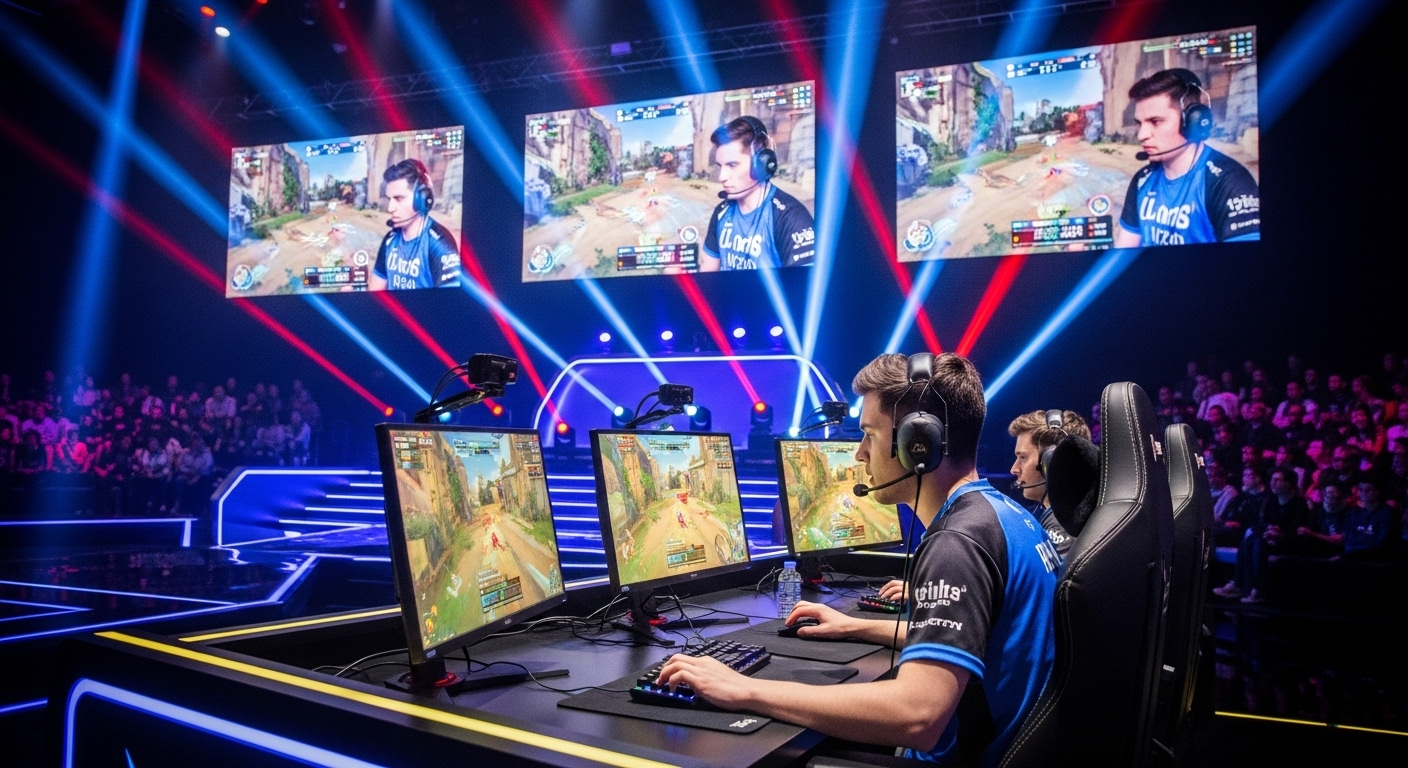
Introduction to the World of Esports
Esports, short for electronic sports, has emerged as one of the fastest-growing industries in modern entertainment. What once began as small gatherings of gamers competing in local arcades or college dorm rooms has evolved into massive international tournaments watched by millions around the globe. Esports represents the fusion of technology, competition, and community, bringing together players, fans, and organizations from every corner of the world. Unlike traditional sports, which rely on physical skill and athleticism, esports is built around mental agility, strategic thinking, and lightning-fast reflexes.
The phenomenon of esports can be traced back to the late twentieth century, but its true explosion in popularity has taken place over the last two decades. Today, it stands as a legitimate profession, a global entertainment powerhouse, and even a cultural movement that defines how new generations interact with games, media, and each other.
The Origins and Early Development of Esports
The story of esports begins in the 1970s when video games first became accessible to the public. Early competitions like the “Space Invaders Championship” held in 1980 attracted thousands of participants and were among the first organized gaming events in history. During the 1980s and 1990s, gaming tournaments grew in popularity with titles such as Street Fighter, Quake, and StarCraft leading the competitive scene.
However, esports was still seen as a niche hobby rather than a mainstream phenomenon. Most competitions were held in small venues, and prizes were modest. The internet had not yet revolutionized gaming, so local and regional tournaments were the main platforms for players to showcase their skills. The development of broadband internet and online multiplayer games in the early 2000s changed everything. Suddenly, players could compete globally from their own homes.
The rise of games like Counter-Strike, Warcraft III, and Dota transformed esports from a small hobby into an organized competitive scene. South Korea became one of the first nations to embrace esports on a national level, with dedicated television channels broadcasting matches and professional players becoming celebrities. This period marked the beginning of esports as a serious professional pursuit.
The Modern Era of Esports
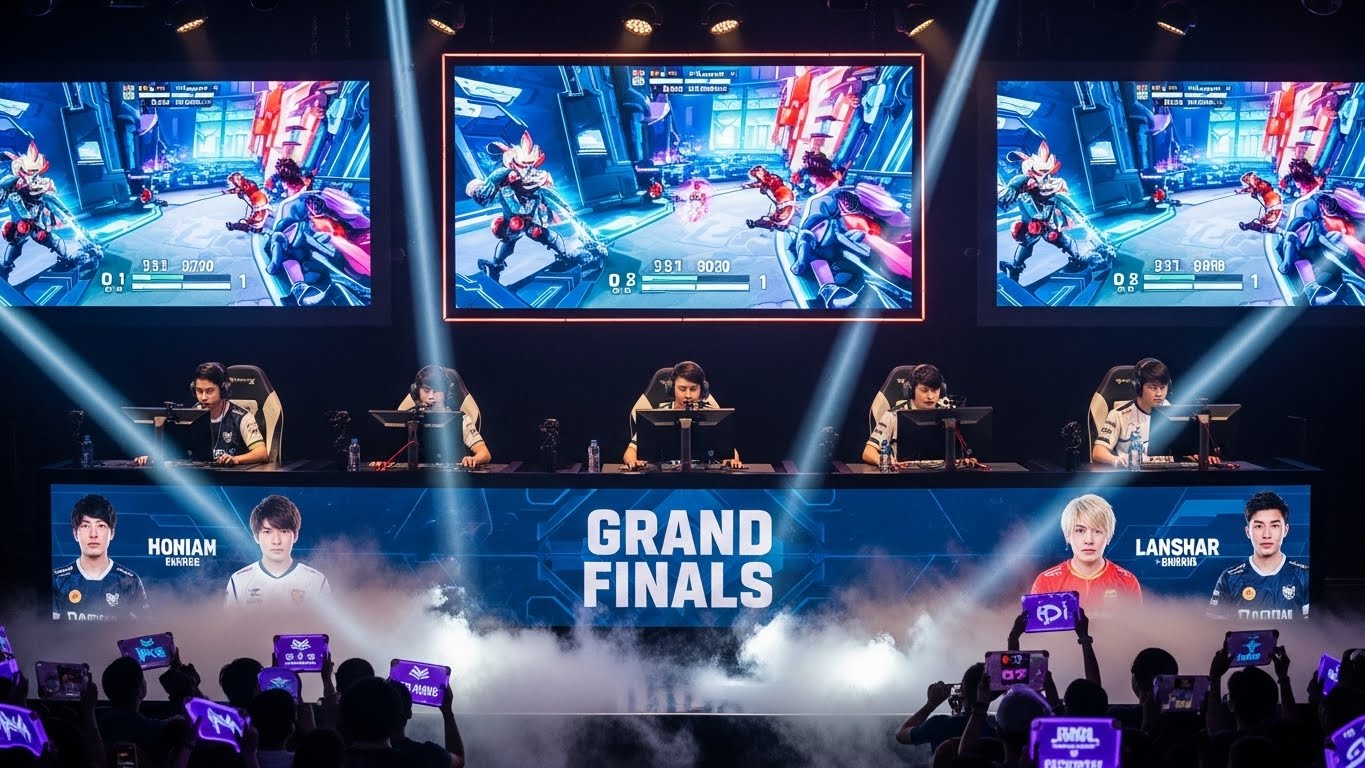
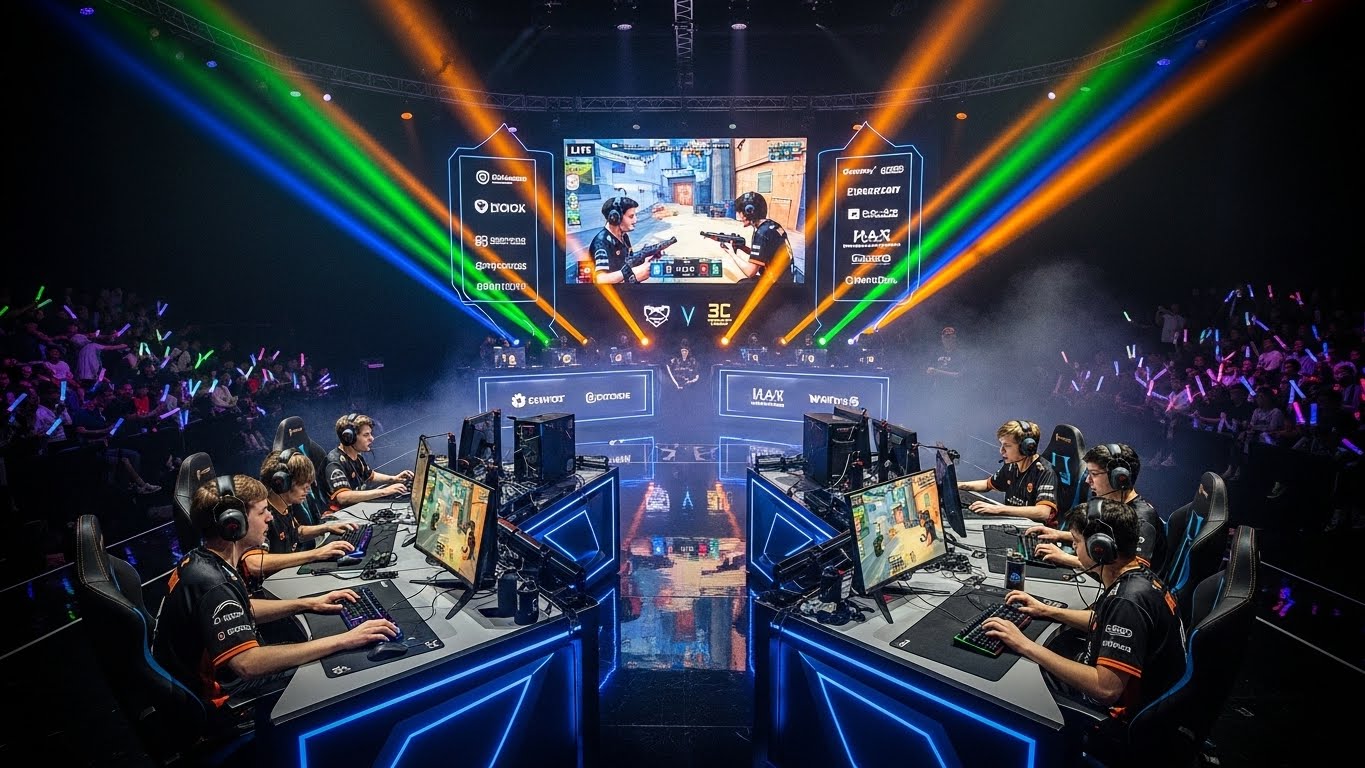
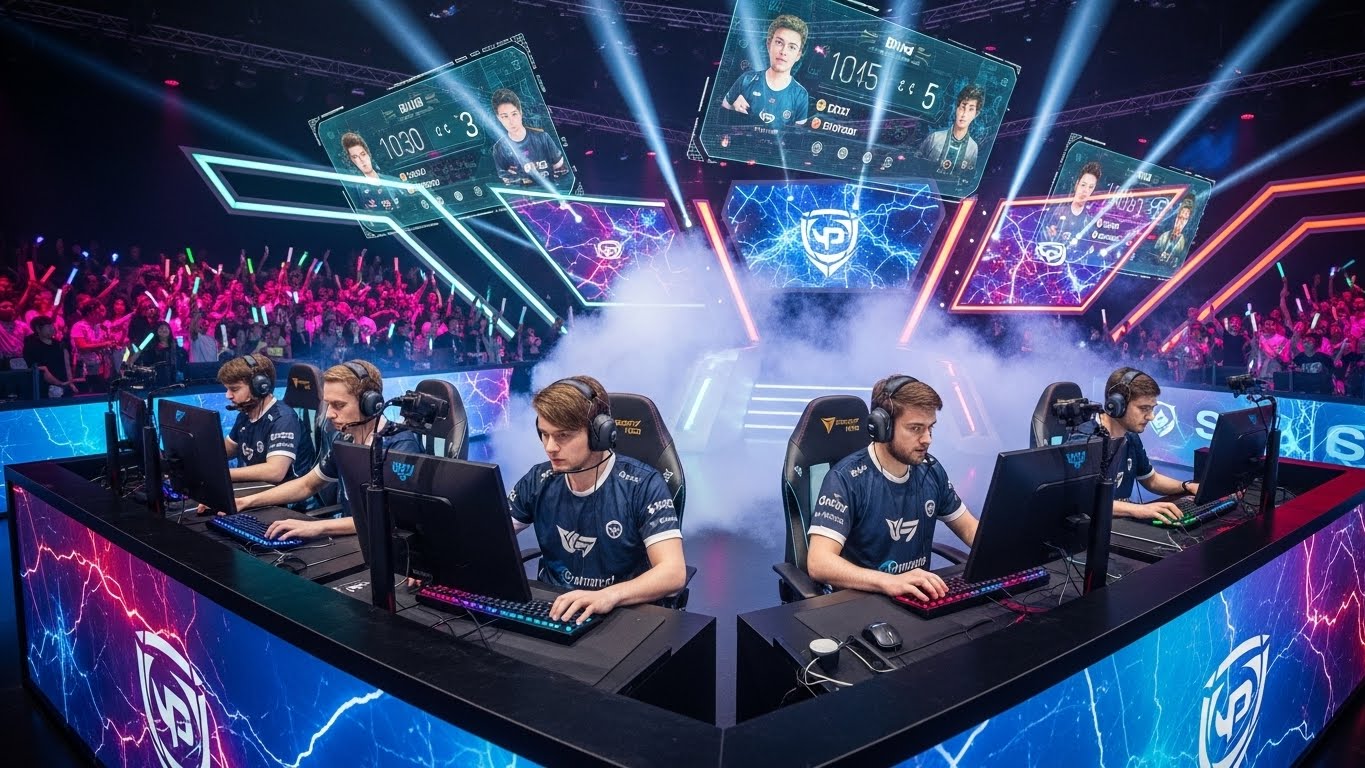
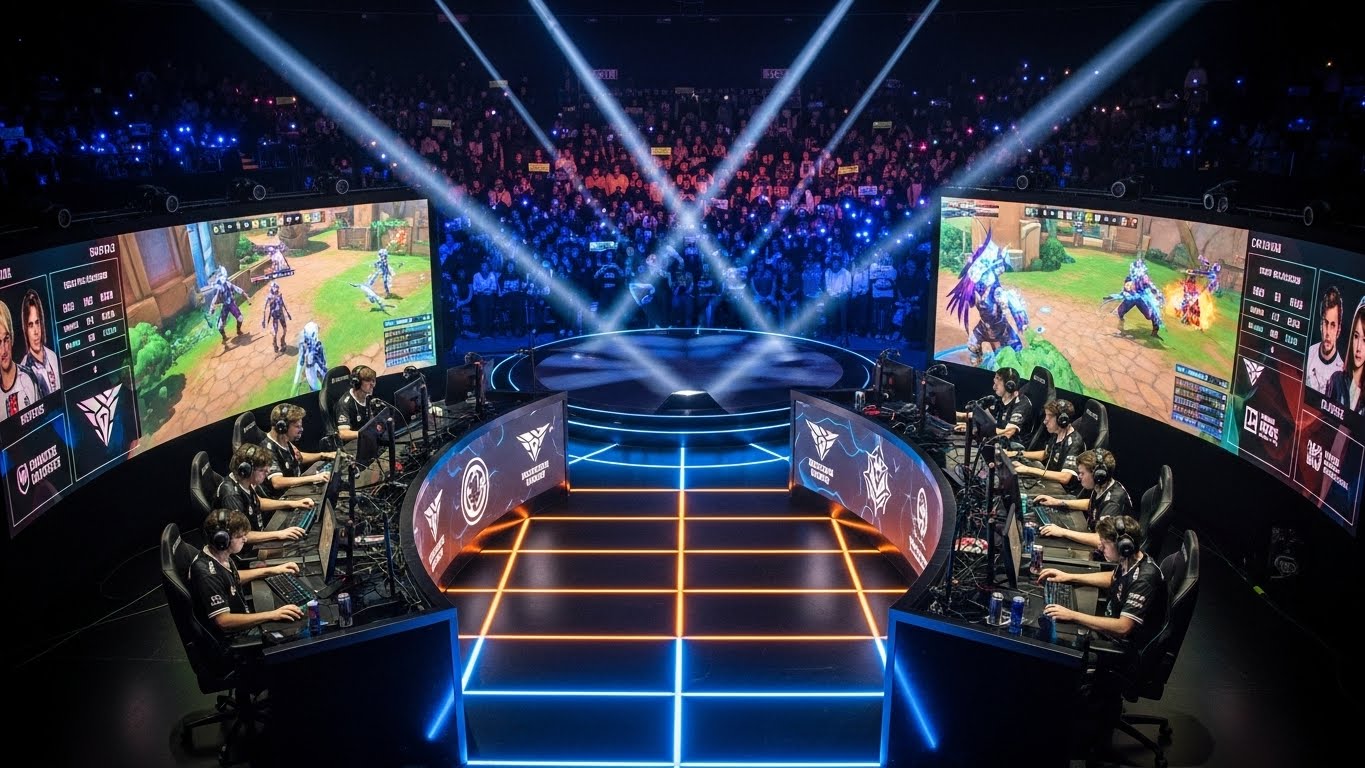
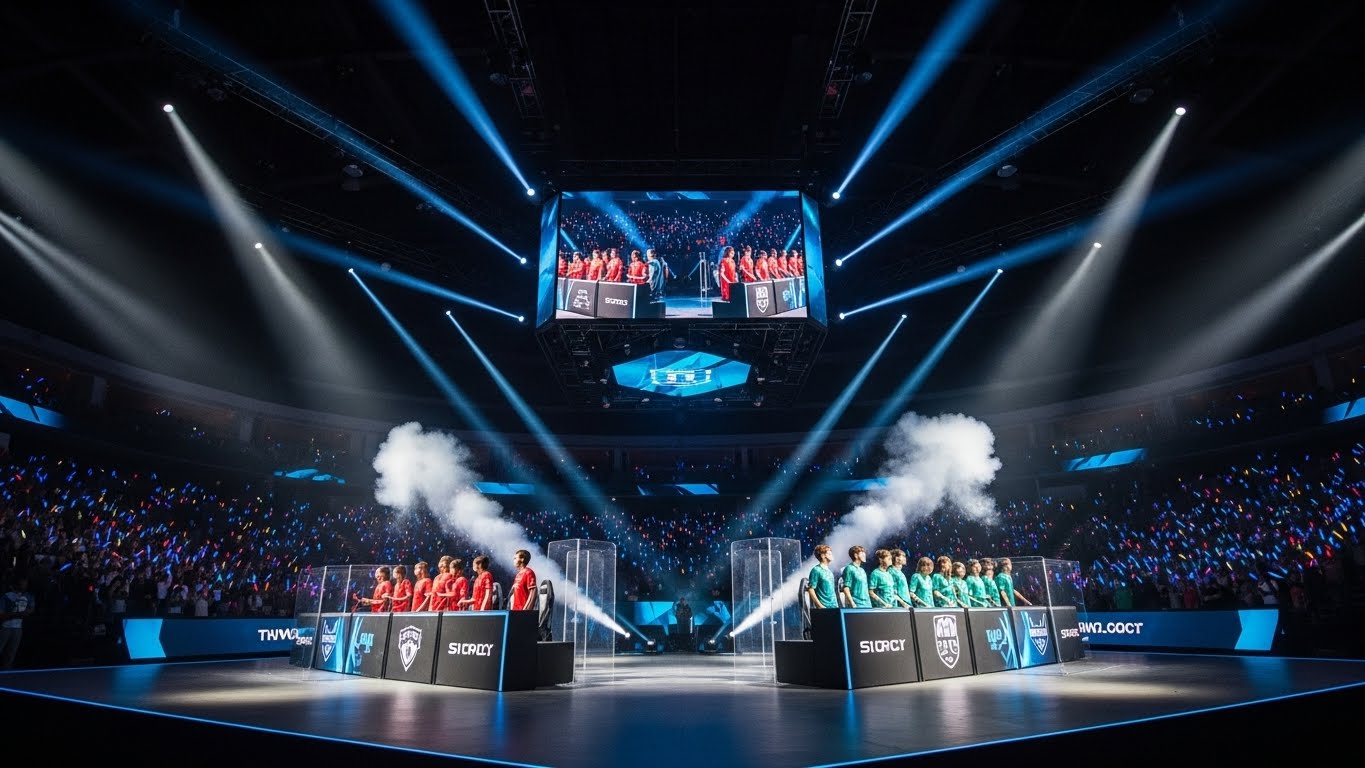
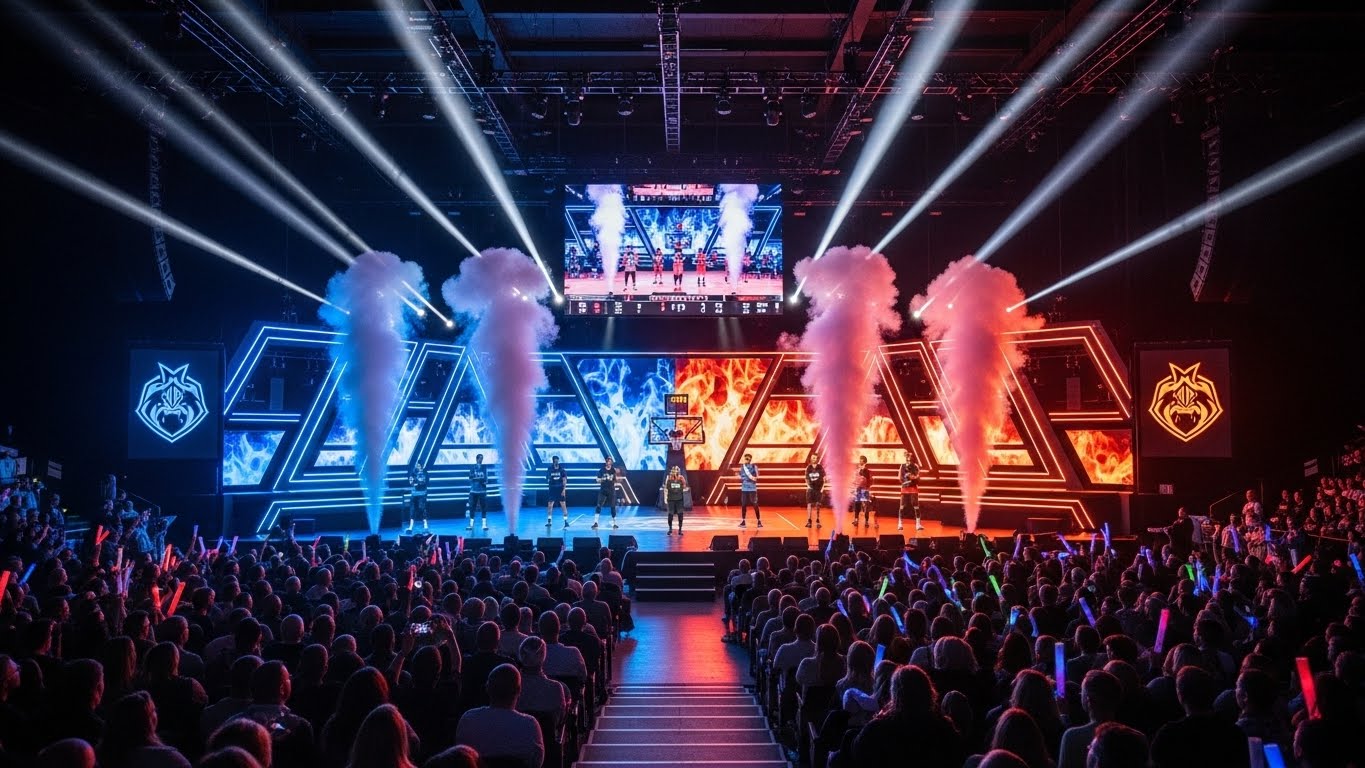
Today, esports is a global industry worth billions of dollars, supported by sponsors, streaming platforms, and massive fan communities. Games such as League of Legends, Dota 2, Counter-Strike 2, Valorant, and Fortnite dominate the competitive scene, each hosting tournaments with prize pools in the millions. The professionalization of esports has led to the creation of structured leagues, professional teams, and specialized coaching staff.
Esports organizations now resemble traditional sports clubs, with training facilities, managers, analysts, and marketing teams. Players are signed to contracts, receive salaries, and often compete under strict regulations. The industry has also developed a global ecosystem, involving broadcasters, event organizers, sponsors, and developers who all contribute to the growth of the sector.
Streaming platforms such as Twitch and YouTube Gaming have played a massive role in the popularity of esports. These platforms allow fans to watch live matches, follow their favorite players, and interact with communities in real time. The accessibility of streaming has turned esports into a form of entertainment that rivals traditional sports broadcasting.
The Cultural Impact of Esports
Esports has not only changed the gaming landscape but also reshaped popular culture. It has given rise to new forms of entertainment, new celebrities, and even new lifestyles. Professional players are often treated like sports stars, with huge followings on social media and appearances at major events.
In addition, esports has redefined what it means to be an athlete in the digital age. While some critics argue that esports cannot compare to traditional sports due to its lack of physical exertion, others counter that the mental focus, coordination, and teamwork required to compete at a professional level are equally demanding. The dedication and training routines of top esports athletes mirror those of professional football or basketball players.
The influence of esports extends into fashion, music, and media. Major brands have entered the industry through sponsorships and collaborations. From luxury apparel companies to global beverage brands, everyone wants to associate with the youthful and tech-savvy audience that esports attracts. Musicians and artists also collaborate with game developers, creating soundtracks and performances for tournaments, blending gaming with entertainment in innovative ways.
The Growth of Esports Education and Career Opportunities
As esports continues to expand, educational institutions and companies are recognizing its potential beyond entertainment. Universities around the world now offer scholarships for esports players and even degree programs in esports management, marketing, and game development. These academic initiatives reflect the legitimacy of esports as both a sport and an industry.
Careers in esports are not limited to professional gaming. The industry provides opportunities in broadcasting, coaching, journalism, production, event management, and more. The ecosystem around esports is vast, requiring a range of skills from content creation to analytics. This diversification has allowed many young people to turn their passion for gaming into meaningful careers.
Technology and Innovation Driving Esports Forward
Technology is at the heart of esports. Advancements in hardware, software, and connectivity have made it possible to host tournaments across continents, provide ultra-smooth gameplay, and broadcast events in high definition. High-speed internet and cloud-based services have allowed players to compete remotely while maintaining fairness and stability.
Virtual reality and augmented reality are beginning to shape the next stage of esports. As these technologies mature, they promise to make gaming more immersive and interactive. Spectators may soon experience matches in fully virtual arenas, adding a new dimension to competitive gaming. Artificial intelligence is also playing an increasing role, helping coaches analyze gameplay and improve strategies.
Furthermore, the development of mobile esports has expanded accessibility. Games like PUBG Mobile and Mobile Legends have opened competitive gaming to millions of players who may not own expensive gaming setups. This mobile revolution has been especially significant in regions like Southeast Asia, South America, and South Asia, where mobile gaming is dominant.
The Global Esports Community and Its Diversity
One of the defining features of esports is its global nature. Unlike many traditional sports that are rooted in specific regions, esports transcends borders. Players from different countries can compete on the same stage, creating a diverse and inclusive environment. This global reach has fostered a unique sense of community among gamers.
Esports events often feature teams made up of members from different nationalities, showcasing the universal appeal of gaming. Fans around the world unite to support their favorite teams, creating online communities that discuss strategies, share memes, and celebrate victories. The esports community thrives on digital platforms, where social interaction and fan engagement are central to the experience.
Challenges Facing the Esports Industry
Despite its rapid growth, esports faces several challenges that must be addressed to ensure sustainable development. One of the most pressing issues is player burnout. The intense training schedules, long hours of streaming, and constant travel can take a toll on players’ mental and physical health. Many professional gamers retire in their early twenties, raising concerns about career longevity.
Another challenge is maintaining competitive integrity. Issues such as cheating, match-fixing, and doping (including stimulants for concentration) have occasionally plagued the scene. Ensuring fair play requires strict regulations, advanced anti-cheat systems, and transparent governance.
Financial stability is also a concern. While top-tier teams and players earn substantial incomes, smaller organizations struggle to remain profitable. The revenue models of esports rely heavily on sponsorships and media rights, making the industry vulnerable to market fluctuations. Efforts to diversify revenue through merchandising, ticket sales, and franchised leagues are ongoing.
Esports and the Mainstream Recognition
Over the years, esports has steadily gained mainstream recognition. Major networks have begun broadcasting tournaments, and countries have started to recognize esports athletes officially. Some governments are even developing frameworks to regulate and promote esports as part of their national sports programs.
The inclusion of esports as a demonstration event in the 2022 Asian Games and its official medal status in later editions demonstrates the growing legitimacy of the field. Discussions about including esports in future Olympic Games reflect its global influence and potential as a competitive discipline.
Traditional sports organizations are also investing in esports. Football clubs, basketball teams, and other sports entities have created their own esports divisions, recognizing the crossover between gaming audiences and traditional sports fans. This partnership between old and new forms of competition highlights the transformation of modern entertainment.
The Future of Esports
Looking ahead, the future of esports is bright and full of possibilities. With continued technological innovation, expanding global audiences, and increasing institutional support, esports is set to grow even further. The next decade may see new forms of competition, greater integration with virtual reality, and even more collaboration between entertainment industries.
As the metaverse concept evolves, esports could become one of its main attractions, offering fully immersive digital tournaments where fans and players interact in real time. The boundaries between gaming, sports, and social media will continue to blur, creating new opportunities for creativity and connection.
The youth-driven nature of esports ensures that it will remain dynamic and adaptable. Each new generation of gamers brings fresh perspectives, new skills, and new communities. Esports is more than just competition; it is a reflection of the digital age itself—a space where innovation, collaboration, and entertainment converge.
Conclusion
Esports has transformed from a simple pastime into a global phenomenon that challenges traditional ideas of sports, entertainment, and culture. It represents the spirit of modern competition, where skill, strategy, and teamwork are celebrated in digital arenas. The rise of esports has shown that passion, technology, and community can create something far greater than a game—it can create a movement.
As we move further into the twenty-first century, esports will continue to evolve, shaping the way we understand play, performance, and human connection. Whether you are a player, a fan, or simply a curious observer, esports offers a glimpse into the future of competition and creativity. The journey of esports is just beginning, and its impact will be felt for generations to come.