 joystickarena94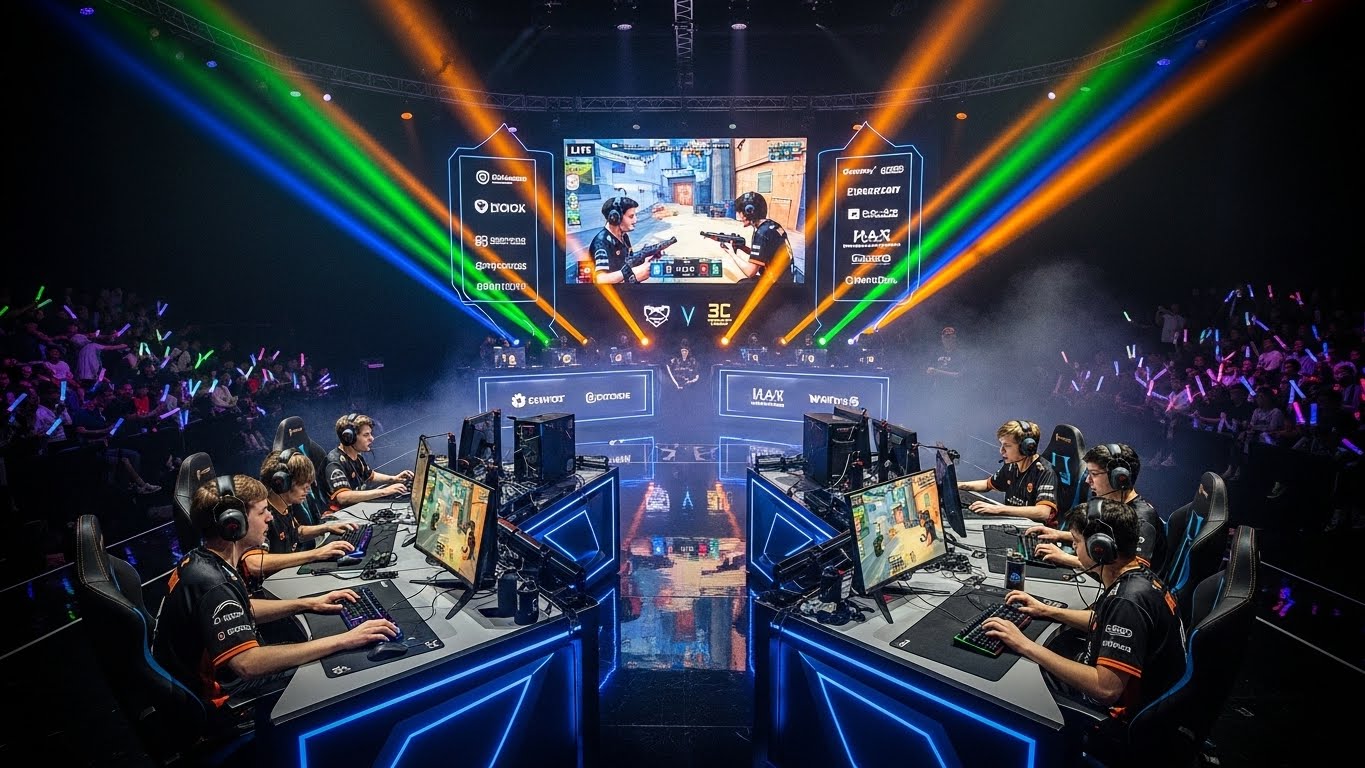
Introduction: The Rise of a Digital Colosseum
In the last two decades, competition has undergone a dramatic transformation. What once required physical arenas, roaring crowds, and traditional athleticism has expanded into a digital battlefield where reflexes, strategy, and teamwork reign supreme. Esports, or competitive video gaming, has grown from small local tournaments into a global industry attracting millions of viewers, professional athletes, major brands, and cultural recognition. Far from being a passing trend, esports has established itself as a powerful force reshaping entertainment, sports culture, and even career aspirations for younger generations.
Understanding Esports Beyond Gaming
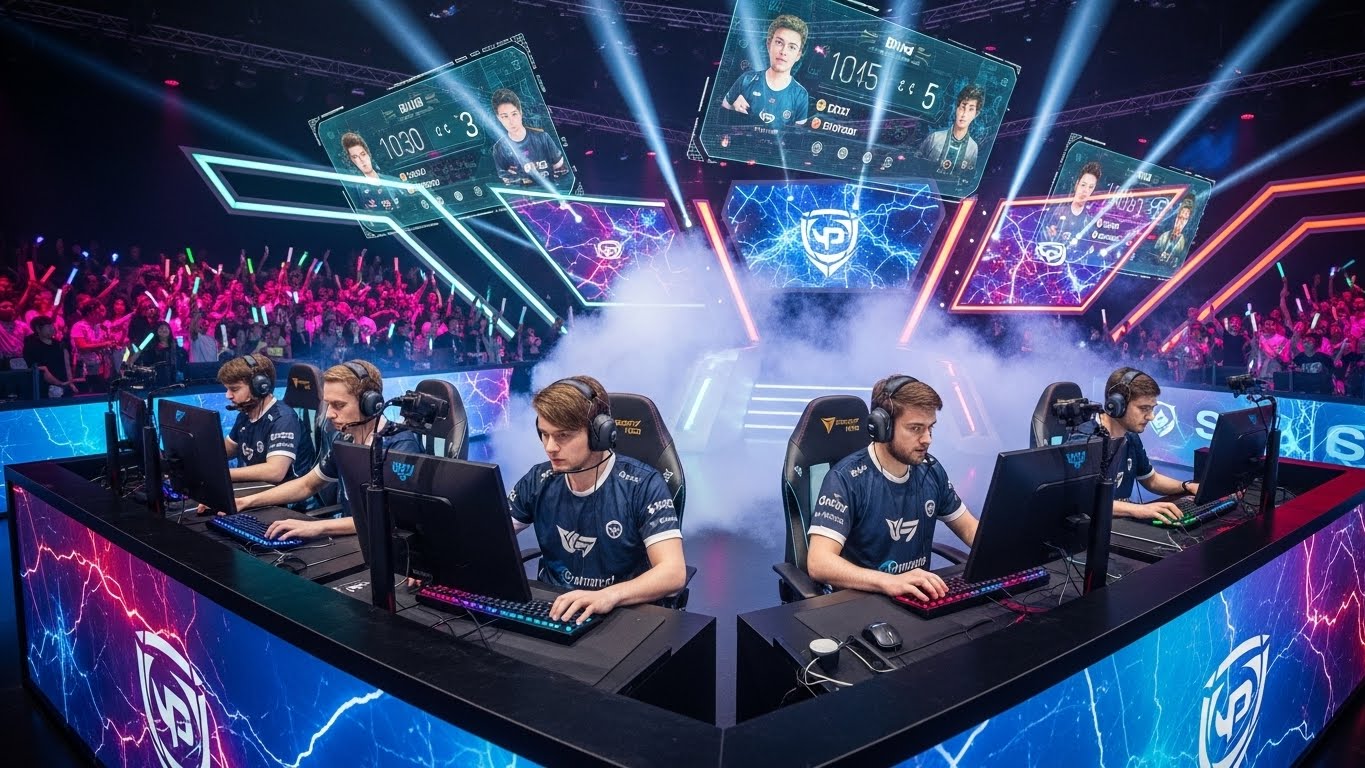
Esports is often misunderstood as casual gaming elevated to a public stage, but this perception overlooks the discipline and structure behind professional play. Esports involves organized, competitive video games played at amateur and professional levels, governed by leagues, teams, coaches, analysts, and strict training schedules. Players specialize in specific games, mastering mechanics, strategies, and teamwork that demand intense focus and countless hours of practice. In many ways, esports mirrors traditional sports, differing mainly in the medium rather than the mindset.
The Evolution from Arcades to Arenas
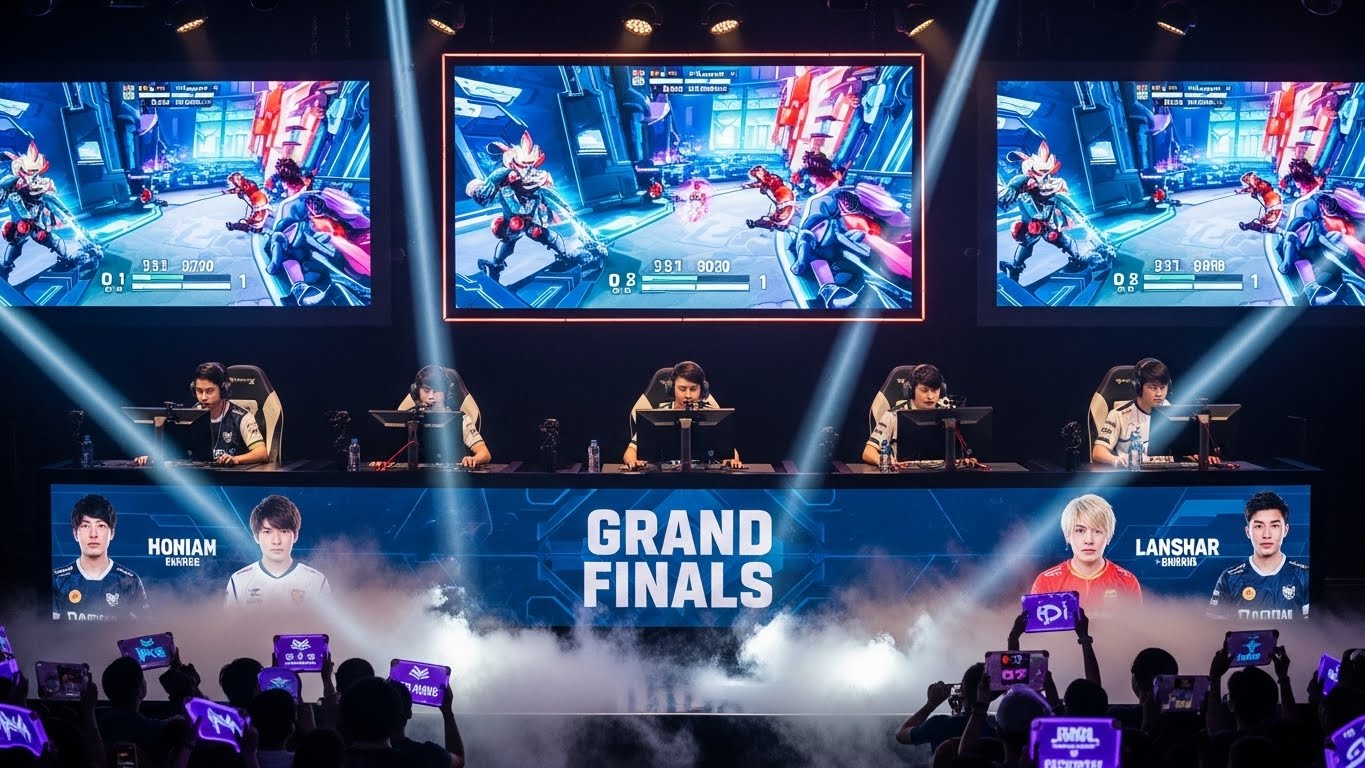
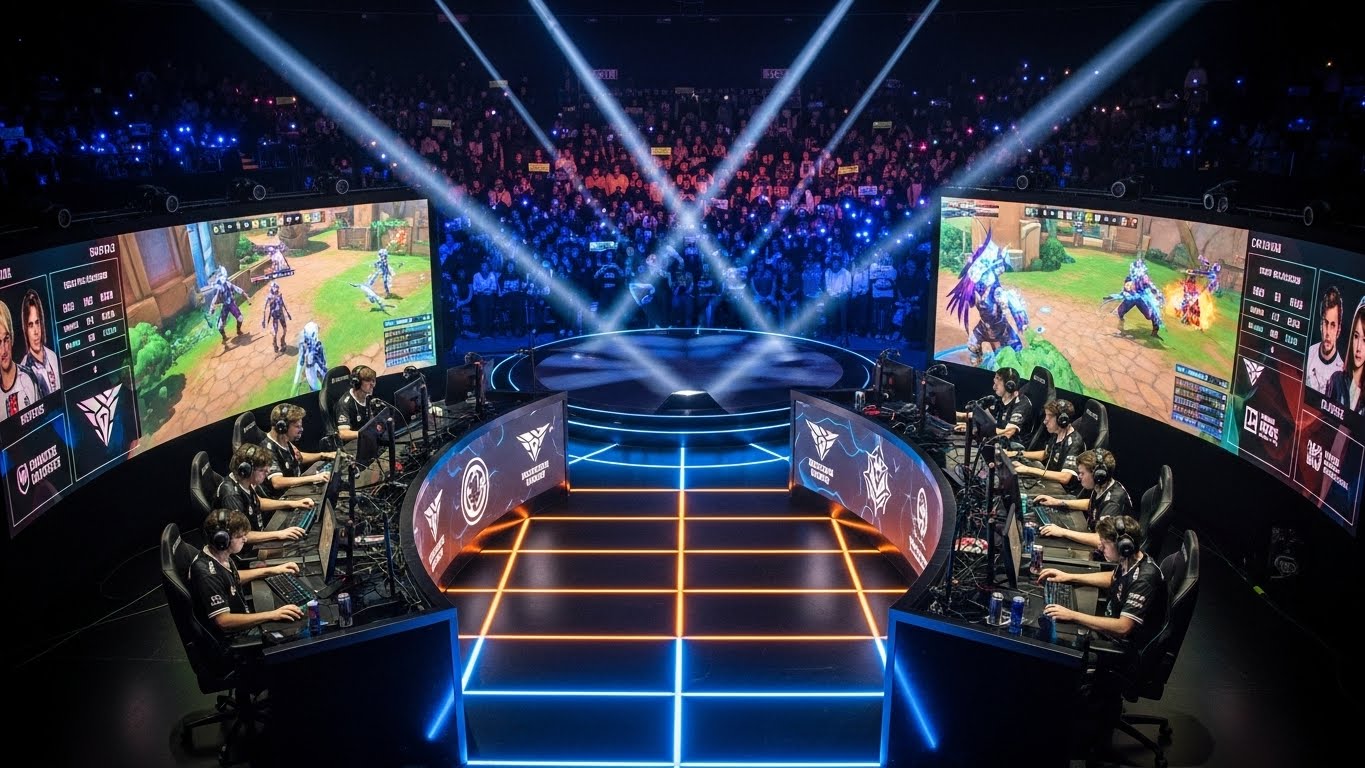
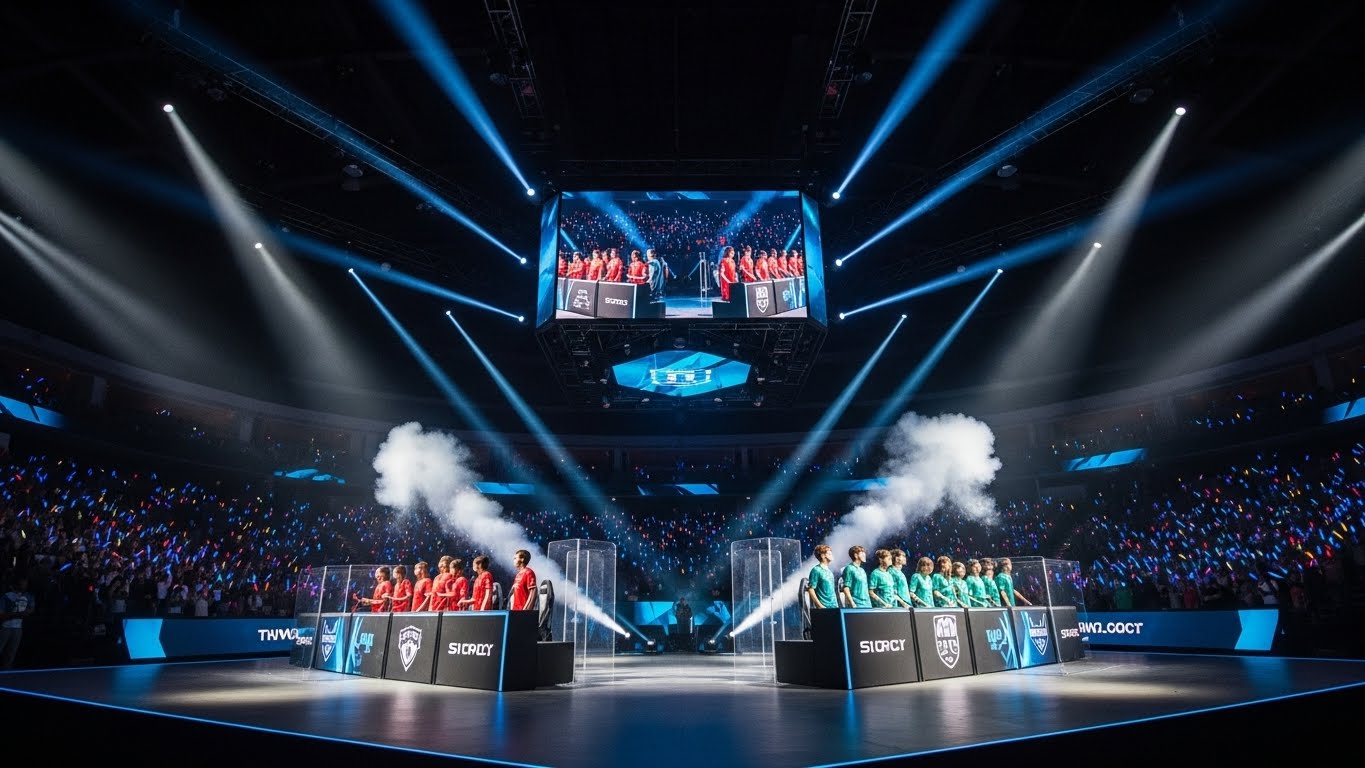
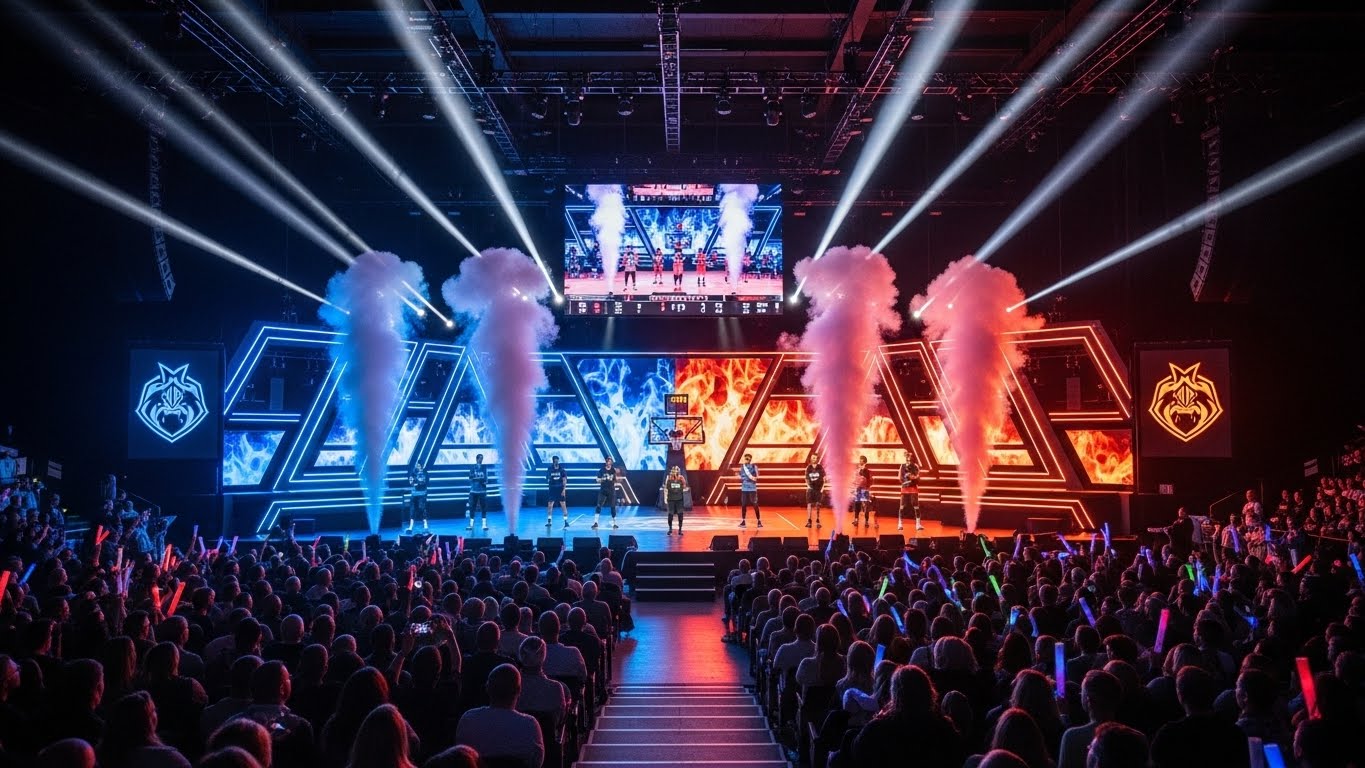
The origins of esports can be traced back to early arcade competitions and local multiplayer gaming sessions. As internet connectivity improved, competitive gaming expanded online, allowing players from different regions to challenge one another. This connectivity fueled the creation of ranked systems, online tournaments, and eventually global championships. Over time, prize pools increased, sponsorships emerged, and live events began filling stadiums. What started as niche gatherings has evolved into professionally produced spectacles watched by millions worldwide.
The Games That Define the Industry
Esports is not a single game but a collection of competitive titles across various genres. Strategy games emphasize planning and long-term decision-making, shooters focus on precision and reaction speed, and multiplayer online battle games require coordination and adaptability. Each genre attracts a distinct audience and skill set, contributing to the diversity of the esports ecosystem. This variety ensures that esports appeals to a wide range of players and spectators, strengthening its global reach.
Professional Players as Modern Athletes
Contrary to outdated stereotypes, professional esports players are highly disciplined individuals. Their daily routines often include hours of practice, strategy reviews, physical exercise, and mental conditioning. Reaction time, hand-eye coordination, and cognitive endurance are critical components of success. Many teams employ sports psychologists and fitness trainers to maintain peak performance. While esports may not involve traditional physical exertion, the mental and emotional demands are comparable to those faced by athletes in conventional sports.
Teamwork, Strategy, and the Human Element
At its core, esports is about people working together under pressure. Team-based games rely heavily on communication, trust, and adaptability. A single mistake can change the outcome of a match, making collaboration essential. Fans are drawn not only to high-level gameplay but also to the narratives surrounding teams and players. Rivalries, underdog stories, and moments of clutch performance create emotional connections that mirror those found in traditional sports fandom.
The Role of Technology and Innovation
Technology is the backbone of esports. High-performance computers, specialized peripherals, advanced broadcasting tools, and data analytics all contribute to the competitive environment. Innovations such as real-time statistics, immersive viewing experiences, and interactive fan engagement have enhanced how audiences consume esports. As technology continues to evolve, esports is uniquely positioned to adopt new tools quickly, keeping the industry fresh and forward-looking.
Economic Impact and Career Opportunities
Esports has grown into a multi-billion-dollar industry encompassing far more than just players. Careers exist in coaching, event management, broadcasting, content creation, marketing, and game development. Educational institutions now offer programs related to esports management and production, reflecting its legitimacy as a career path. This economic ecosystem demonstrates that esports is not merely entertainment but a viable industry with long-term potential.
Cultural Influence and Global Reach
One of esports’ greatest strengths is its global nature. Players and fans from different countries interact seamlessly, united by shared interests rather than geography. Major tournaments showcase international talent, fostering cross-cultural appreciation and collaboration. Esports has also influenced fashion, music, and online culture, becoming a significant part of youth identity in many regions. Its inclusivity and accessibility make it a powerful cultural connector.
Challenges Facing the Esports Industry
Despite its success, esports faces challenges that must be addressed for sustainable growth. Issues such as player burnout, inconsistent regulations, and the need for better support systems remain pressing concerns. Additionally, maintaining competitive integrity and fostering diversity and inclusion are ongoing efforts. Addressing these challenges requires collaboration among developers, teams, organizers, and communities to ensure a healthy future for the industry.
The Future of Competition
Looking ahead, esports shows no signs of slowing down. As technology advances and societal acceptance grows, competitive gaming is likely to become even more integrated into mainstream culture. Innovations such as virtual reality, augmented reality, and improved online infrastructure could redefine how games are played and watched. Esports may also continue to blur the lines between digital and physical competition, creating entirely new forms of sport.
Conclusion: More Than a Game
Esports represents a fundamental shift in how competition, entertainment, and community are experienced. It challenges traditional definitions of sport while embracing the values of dedication, teamwork, and excellence. From humble beginnings to global dominance, esports has proven that pixels can carry as much passion and power as any physical arena. As it continues to evolve, esports stands as a testament to the changing nature of human competition in the digital age.