 joystickarena94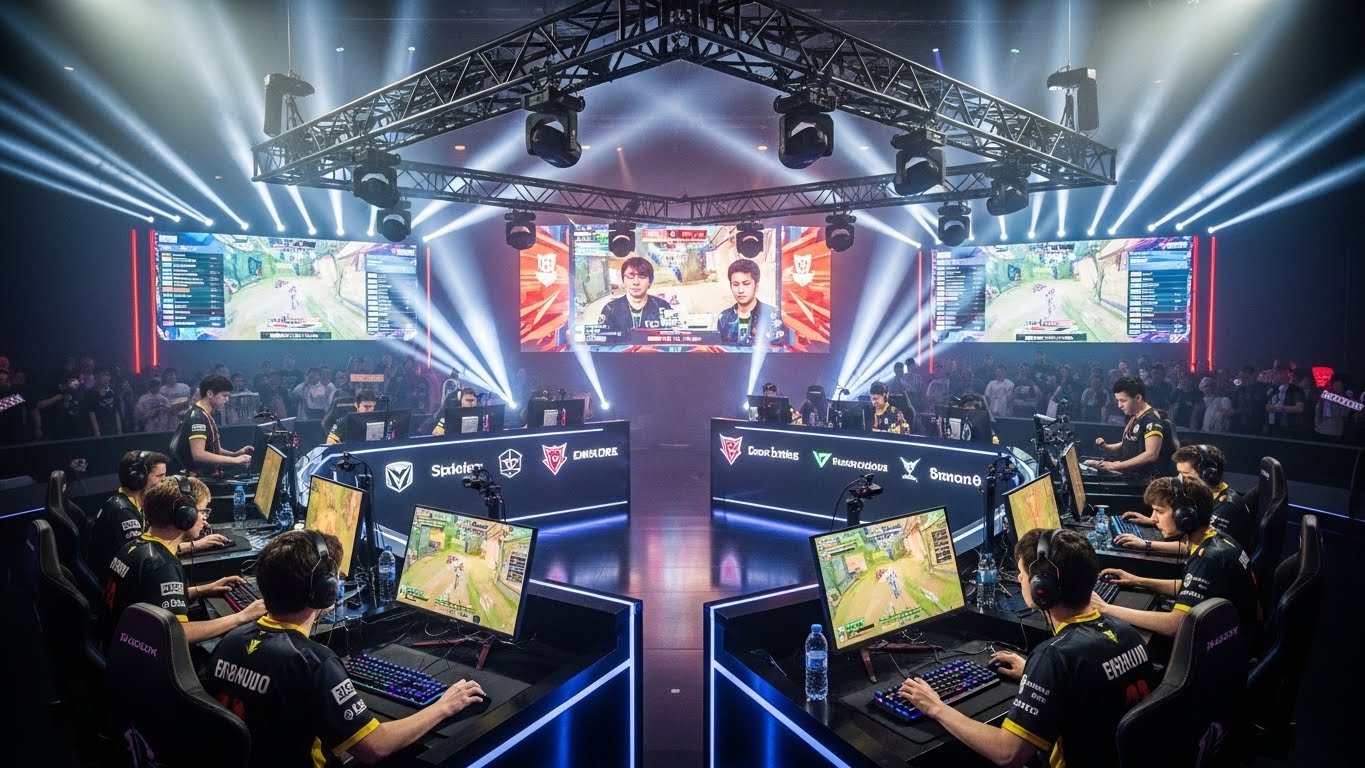
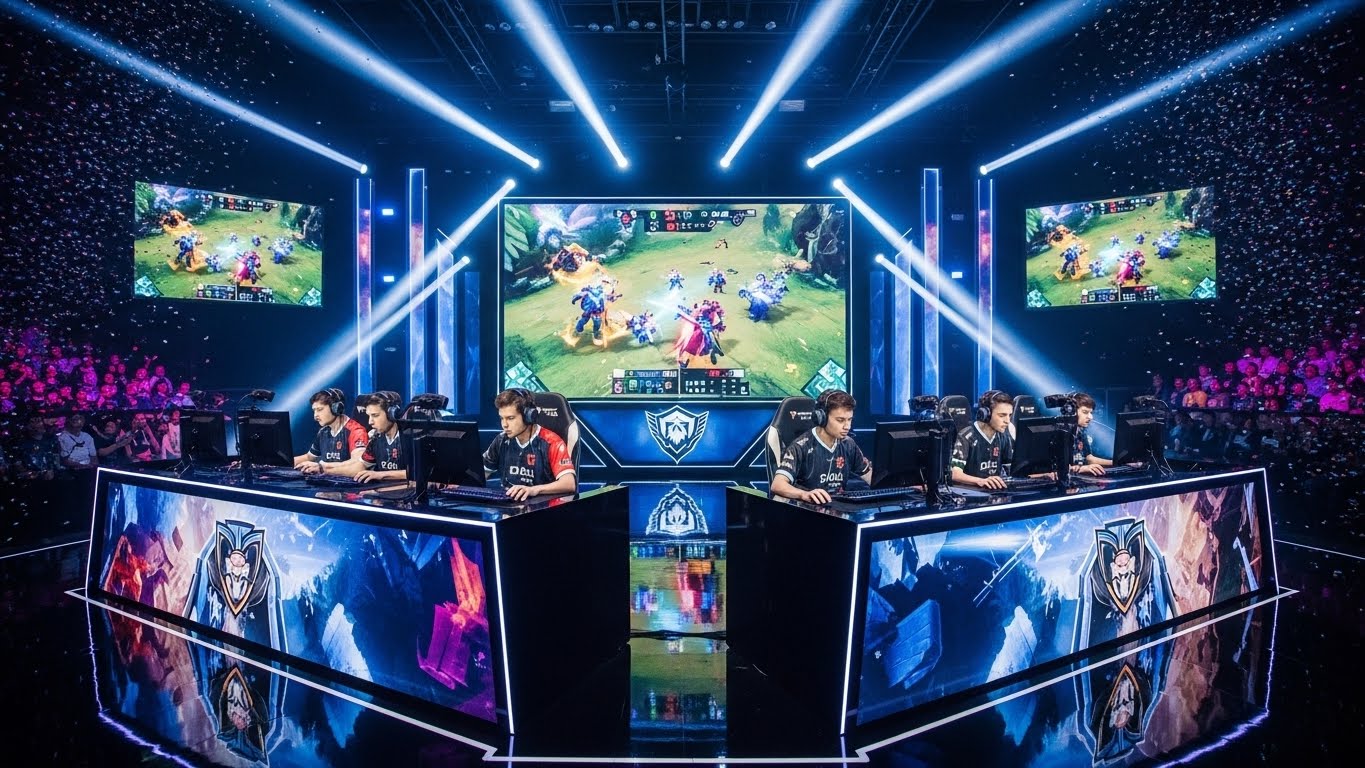
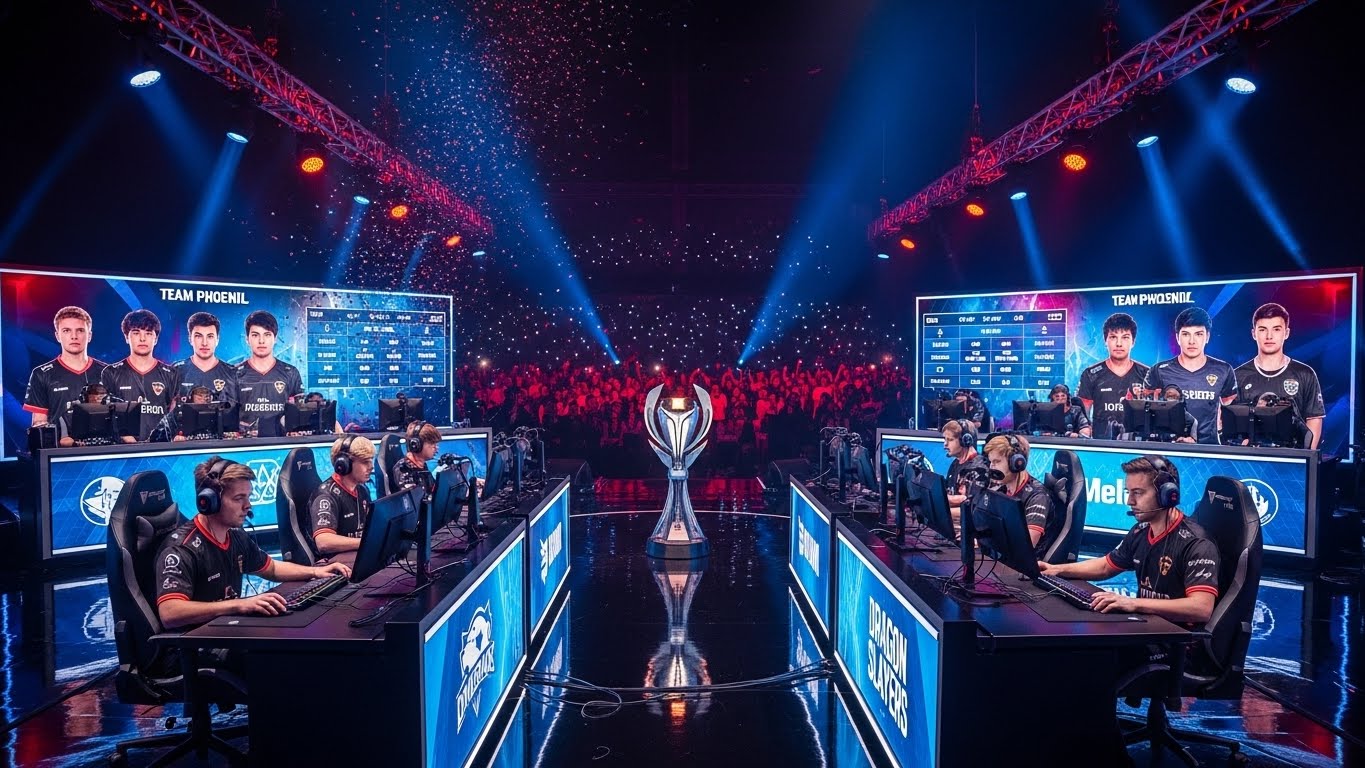
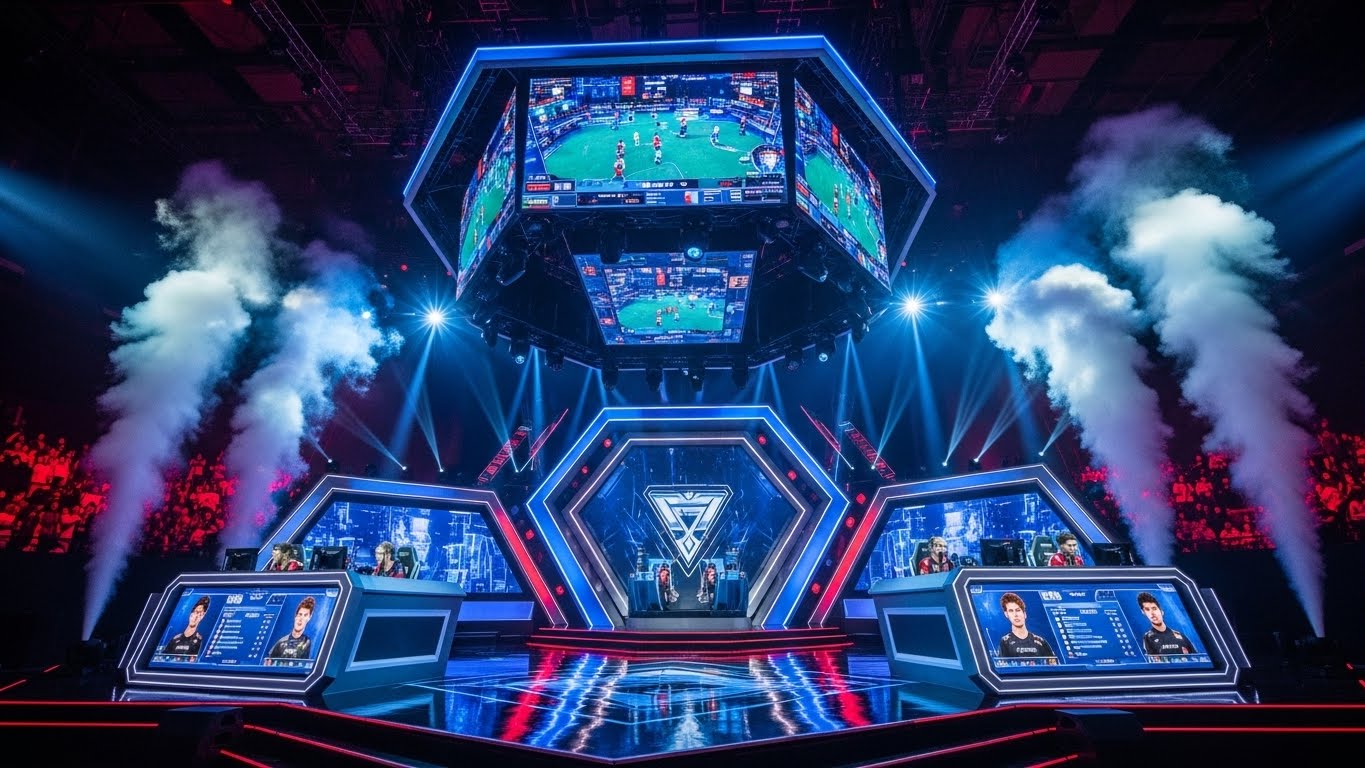
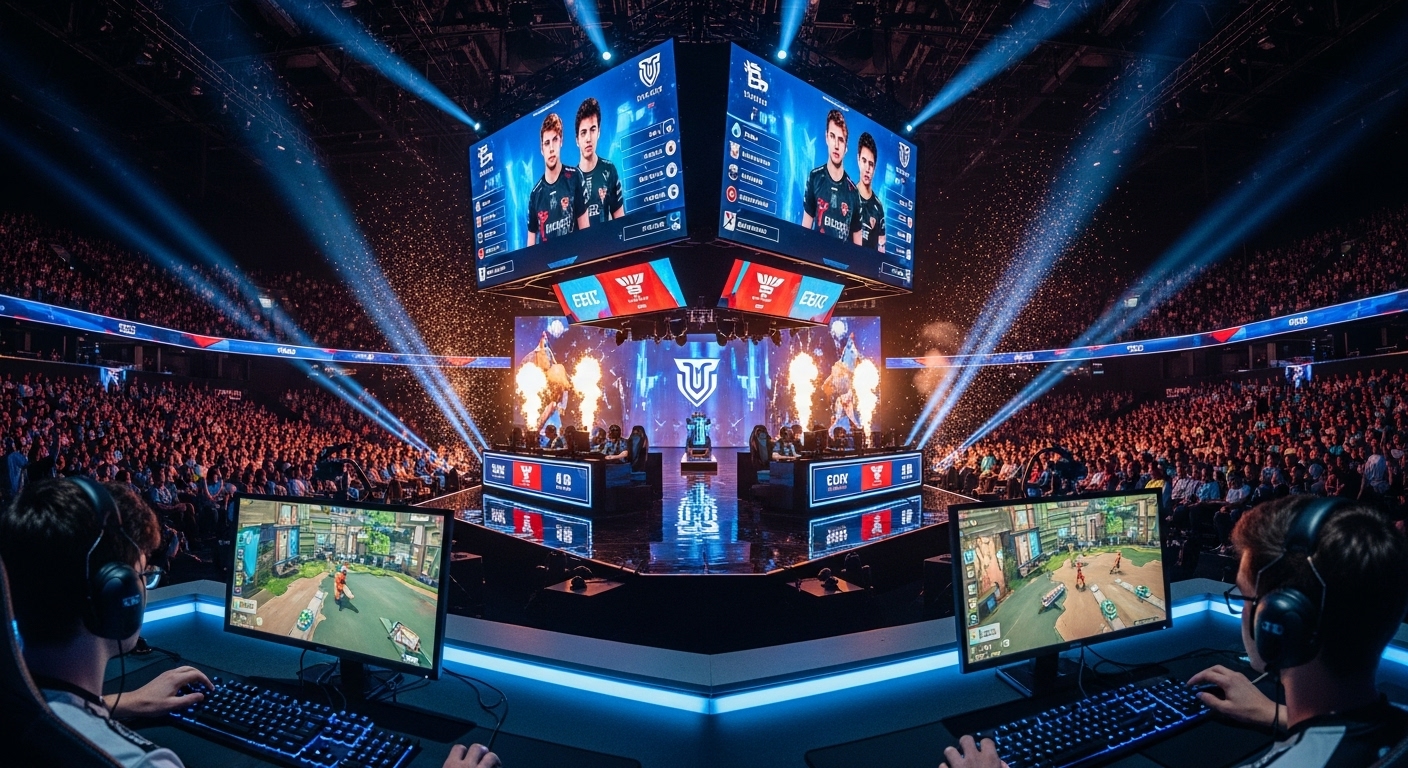
In recent years, esports has become a global phenomenon, turning what was once a niche hobby into a billion-dollar industry. What started as small, community-driven gaming events in the 1990s has evolved into an organized, professional space with millions of viewers, massive prize pools, and multi-million-dollar sponsorship deals. Esports, or competitive video gaming, has officially crossed into the mainstream, with professional athletes, global tournaments, and dedicated fan bases driving its exponential growth. In this blog post, we’ll explore the rise of esports, how it has transformed entertainment, the role of professional players, and what the future holds for this dynamic industry.
The Origins of Esports: From Casual Competitions to Global Stages
Esports, in its most basic form, refers to competitive gaming where players or teams compete in video games in front of an audience, either physically or digitally. However, the evolution of competitive gaming didn’t happen overnight. It has deep roots that date back to the early days of video games.
In the late 1970s and early 1980s, gaming tournaments started appearing in arcades, with one of the most notable being the Space Invaders championship in 1980. However, it wasn’t until the 1990s that esports truly began to take shape. Games like Street Fighter II and Mortal Kombat saw players battling each other in arcades, but it was the launch of StarCraft in 1998 that truly laid the foundation for esports as we know it today. The real turning point came when StarCraft tournaments in South Korea garnered huge followings, with televised competitions on national TV, making gaming a legitimate career option for the best players.
By the early 2000s, the internet made it possible for players to compete with one another remotely. This shift allowed for the creation of large-scale international tournaments, such as the World Cyber Games and Electronic Sports League (ESL). These early events, while relatively small by today’s standards, attracted a dedicated fan base, setting the stage for the global esports phenomenon we see today.
The Explosion of Esports: Professionalization and the Growth of Global Leagues
The 2010s marked the point where esports truly exploded in popularity, largely due to two key factors: the rise of live streaming and the investment of major game developers in creating professional competitive ecosystems.
Platforms like Twitch, which launched in 2011, allowed players and fans to connect in real-time, transforming the way competitive gaming was consumed. Esports tournaments, once limited to a handful of spectators, were now broadcast live, often attracting millions of viewers. It’s not just the gameplay that draws fans in, but the personalities behind the players. Just like traditional sports stars, esports athletes began to cultivate their own following, with some rising to celebrity status thanks to their streaming platforms and social media presence.
Meanwhile, game publishers began to see the financial potential of esports. Riot Games, the developer behind League of Legends (LoL), took esports to the next level by establishing a professional league system with the League of Legends Championship Series (LCS). This league was a game-changer, introducing regular-season play, playoffs, and international championships. Other game developers, like Blizzard Entertainment with Overwatch and Valve Corporation with Dota 2, followed suit, creating structured competitions that mirrored traditional sports leagues.
With the creation of these professional leagues, esports teams became as organized and formalized as professional sports teams, complete with sponsorships, dedicated coaches, analysts, and practice facilities. Major companies like Red Bull, Coca-Cola, and Nike began investing in esports, cementing its place as a mainstream industry.
The Role of Professional Esports Players
Esports athletes are not simply casual gamers. Like athletes in traditional sports, professional gamers must hone their skills through hours of practice, strategy development, and physical conditioning. Many players start their careers at a young age, sometimes even before they’re in their twenties, making esports one of the few industries where age is an advantage in some ways.
In the past, the idea of playing video games for a living might have seemed unrealistic, but today it is a legitimate career path. Some of the highest-paid esports athletes earn millions annually through tournament winnings, sponsorships, and streaming income. For example, Dota 2’s International Tournament has consistently boasted prize pools over $30 million, with the winning team taking home a substantial portion of that sum. Individual players can supplement their earnings with sponsorships from major global brands, making professional esports not just a passion but a financially rewarding career.
Esports players also face intense pressure to maintain peak performance, and as such, the support staff around them has grown significantly. Teams now employ full-time coaches, analysts, psychologists, and even nutritionists to ensure their players are in the best shape, both mentally and physically. Just like athletes in traditional sports, esports players often undergo specialized training regimens designed to enhance their reflexes, focus, and decision-making abilities, with some teams even setting up “boot camps” to simulate tournament conditions.
The Expanding Fanbase: Esports as a Spectator Sport
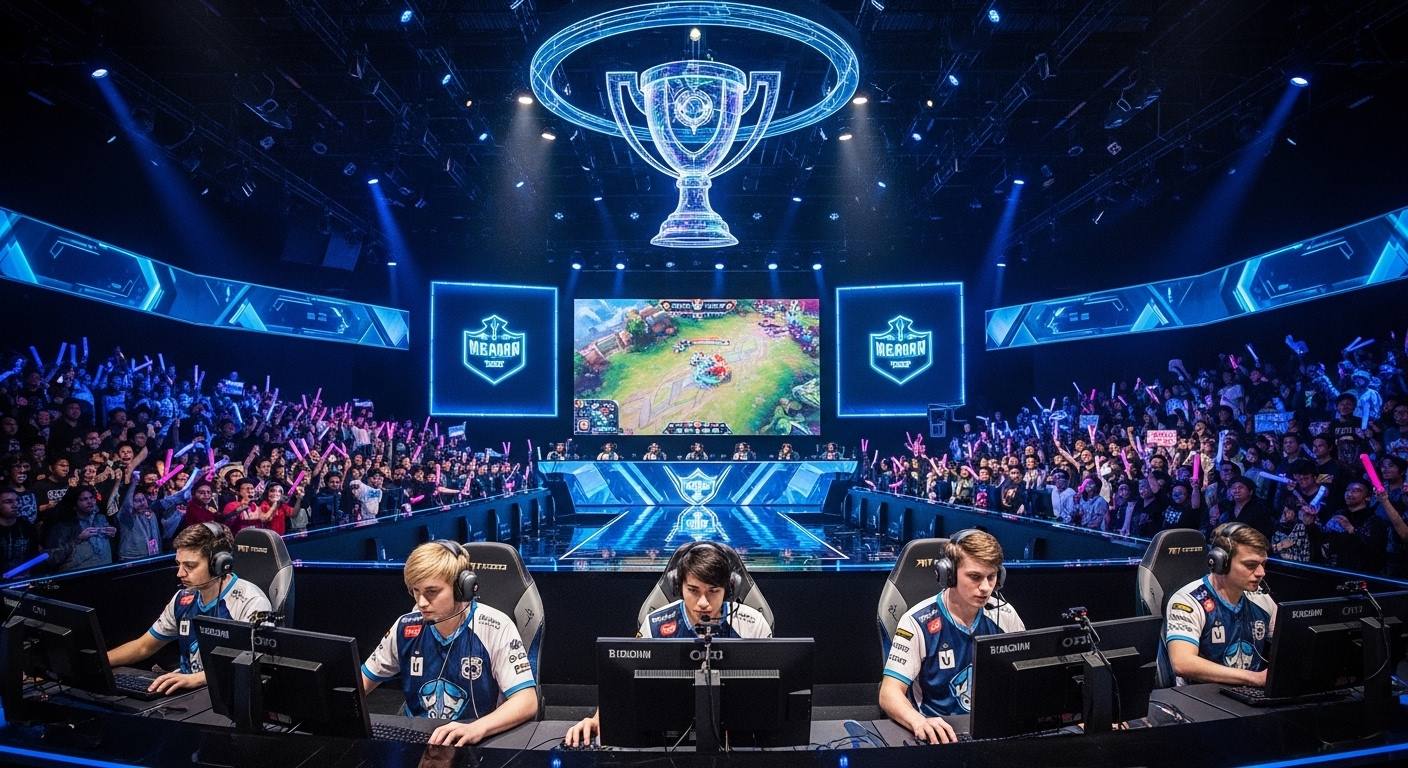
One of the most striking elements of the rise of esports is the massive growth in its fanbase. What began as a niche hobby for gamers has evolved into a full-blown spectator sport. Major tournaments such as the League of Legends World Championship and The International attract millions of viewers worldwide, often surpassing traditional sports events in terms of digital viewership.
The digital accessibility of esports is one of the key factors driving this growth. Platforms like Twitch and YouTube Gaming have made it easy for fans to tune in from anywhere in the world. In fact, live streaming has become one of the main ways people engage with esports, not just as passive viewers, but as active participants, commenting, cheering, and interacting with the players in real-time.
Esports has also embraced a level of inclusivity that traditional sports have often struggled with. It’s a global community where anyone with an internet connection can become a part of the action, whether as a player, fan, or content creator. Esports is one of the most diverse and accessible forms of entertainment, transcending geographical, cultural, and even language barriers. This inclusivity is one of the reasons why esports is gaining traction in parts of the world where traditional sports have little presence, such as Southeast Asia and parts of the Middle East.
Esports in Traditional Media: Broadcasts and Sponsorship Deals
As esports has evolved into a global entertainment force, it has also become a major player in traditional media. Broadcasts of major esports events are now featured on mainstream television networks, including ESPN, which began airing League of Legends tournaments in 2016. This move brought esports into the living rooms of viewers who may not have been familiar with competitive gaming but were familiar with traditional sports broadcasts.
Beyond television, esports’ growing presence in the world of sponsorship deals is another indicator of its mainstream success. Just as professional sports teams are backed by major corporate sponsors, esports organizations now have their own roster of high-profile sponsors. Brands such as Coca-Cola, Adidas, Intel, and Samsung have entered the esports space, providing financial support for tournaments and teams. These partnerships help bring more attention to the esports industry and further validate its place in the world of competitive entertainment.
The Future of Esports: Trends to Watch
Esports is poised for continued growth and evolution. Several emerging trends could shape the industry in the coming years.
- Mobile Gaming and Esports: Mobile gaming has exploded in popularity, particularly in markets like Asia and India. Games like PUBG Mobile and Free Fire have seen massive success, and mobile esports tournaments are drawing in millions of viewers. As mobile gaming technology improves, it’s likely that mobile esports will become a larger segment of the market, with professional leagues and tournaments devoted to mobile titles.
- Virtual Reality and Augmented Reality: As VR and AR technology continues to advance, we could see the rise of entirely new types of esports. Imagine competing in a first-person VR environment where players interact with the game world in a fully immersive setting. VR could change the way players approach competitive gaming, bringing more physicality and interaction to the virtual world.
- Esports in Education: Esports has already begun to make its way into schools and universities, with many institutions offering scholarships to talented players. As the industry continues to grow, it’s likely that esports will become more integrated into educational curriculums, with high school and college teams competing on a national level.
- Inclusivity and Diversity: Esports has the potential to be a highly inclusive industry. While there are still challenges in ensuring gender equality and diversity in some areas, there are ongoing efforts to make the gaming space more welcoming. Initiatives to create safer environments, increase representation, and provide opportunities for players from all backgrounds will likely continue to evolve.
Conclusion
Esports has come a long way from its humble beginnings in arcade tournaments and LAN parties. Today, it is a global industry with professional players, massive fan followings, and lucrative sponsorships. The rise of esports is not just about video games; it’s about the digital revolution transforming how we experience entertainment, competition, and community. With its continued growth, esports will only become more integrated into the fabric of modern entertainment, attracting new fans and players from all corners of the globe. As the industry continues to innovate and evolve, the future of esports looks incredibly bright.