 joystickarena94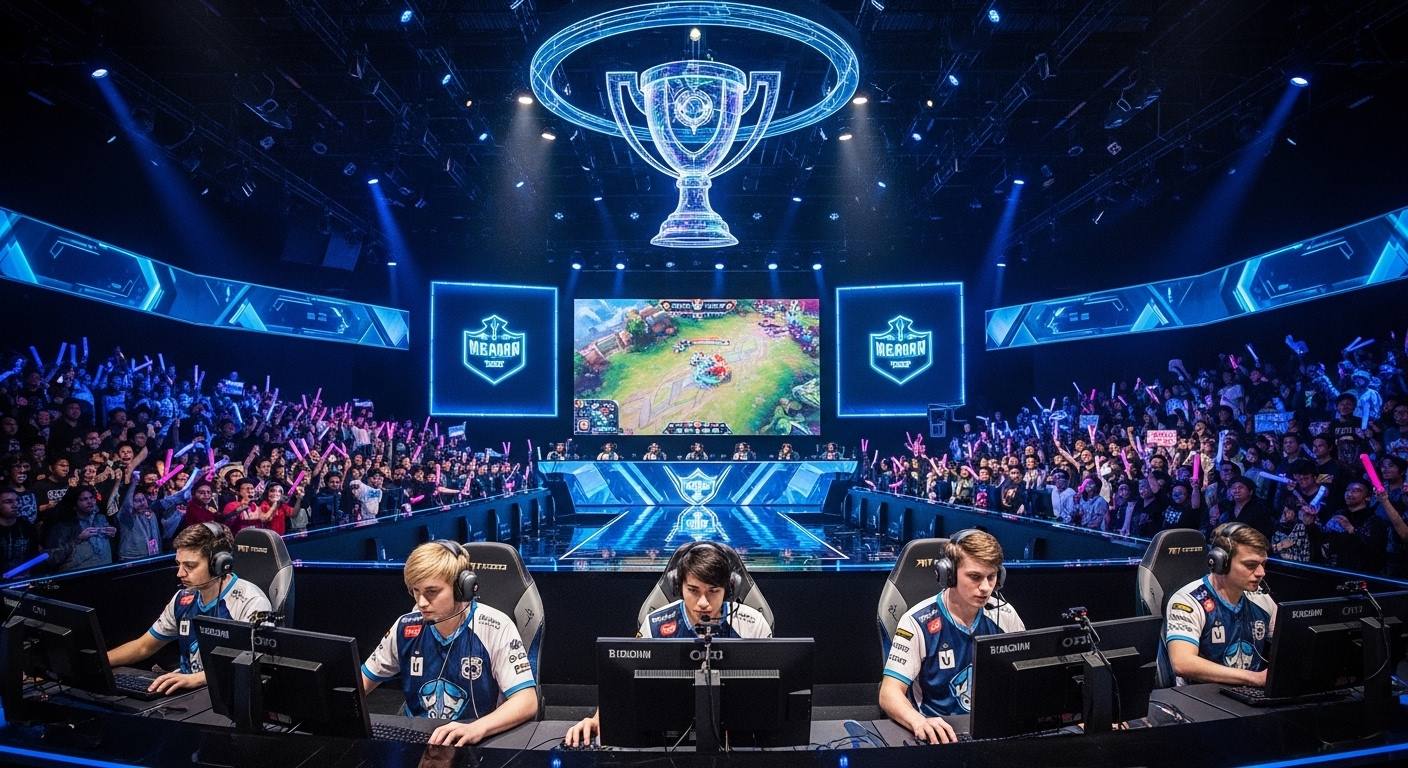
Esports, once a niche activity for a select group of gamers, has transformed into one of the most dynamic and influential industries in the world. With an audience of millions spanning continents and cultures, competitive gaming has captured the imagination of fans and players alike, redefining entertainment in the digital age. From modest beginnings in arcades and local tournaments to becoming a multi-billion-dollar global phenomenon, esports has become a powerful force in the entertainment industry. This blog post will explore how esports has evolved, its impact on traditional sports and entertainment, and the key trends shaping its future.
The Genesis of Esports: A New Kind of Competition
Esports as a concept can be traced back to the late 20th century when competitive gaming first began to gain traction. Early competitions were held in arcades and universities, often centered around games like Space Invaders and Street Fighter. These events were small, localized affairs, drawing a passionate but limited audience. However, as the internet began to expand in the late 1990s and early 2000s, esports found a new medium through which to thrive: online gaming.
The first true online esports tournaments started to take shape with games like StarCraft and Warcraft III in the late 1990s and early 2000s. These games, with their complex mechanics and strategic depth, lent themselves perfectly to competitive play. One of the earliest examples of a major esports event was the Red Annihilation tournament in 1997, where over 2,000 players participated in Quake. While this event was small by today’s standards, it marked a pivotal moment in the history of esports, proving that competitive gaming had the potential to go global.
As online gaming gained traction, platforms such as Battle.net and ESL (Electronic Sports League) began to host regular tournaments. These tournaments were the groundwork for the organized competitions we see today. The success of these early tournaments laid the foundation for what would eventually become a highly structured, professionalized industry.
The Growth of Esports: From Niche to Mainstream
The real explosion of esports came in the mid-2000s, driven by the rise of online streaming platforms and the proliferation of high-speed internet. The launch of Twitch in 2011 proved to be a game-changer for esports, allowing fans to watch live tournaments and interact with their favorite players in real-time. Suddenly, esports wasn’t just about the players competing—it was about the fans who could now engage with the action as it happened.
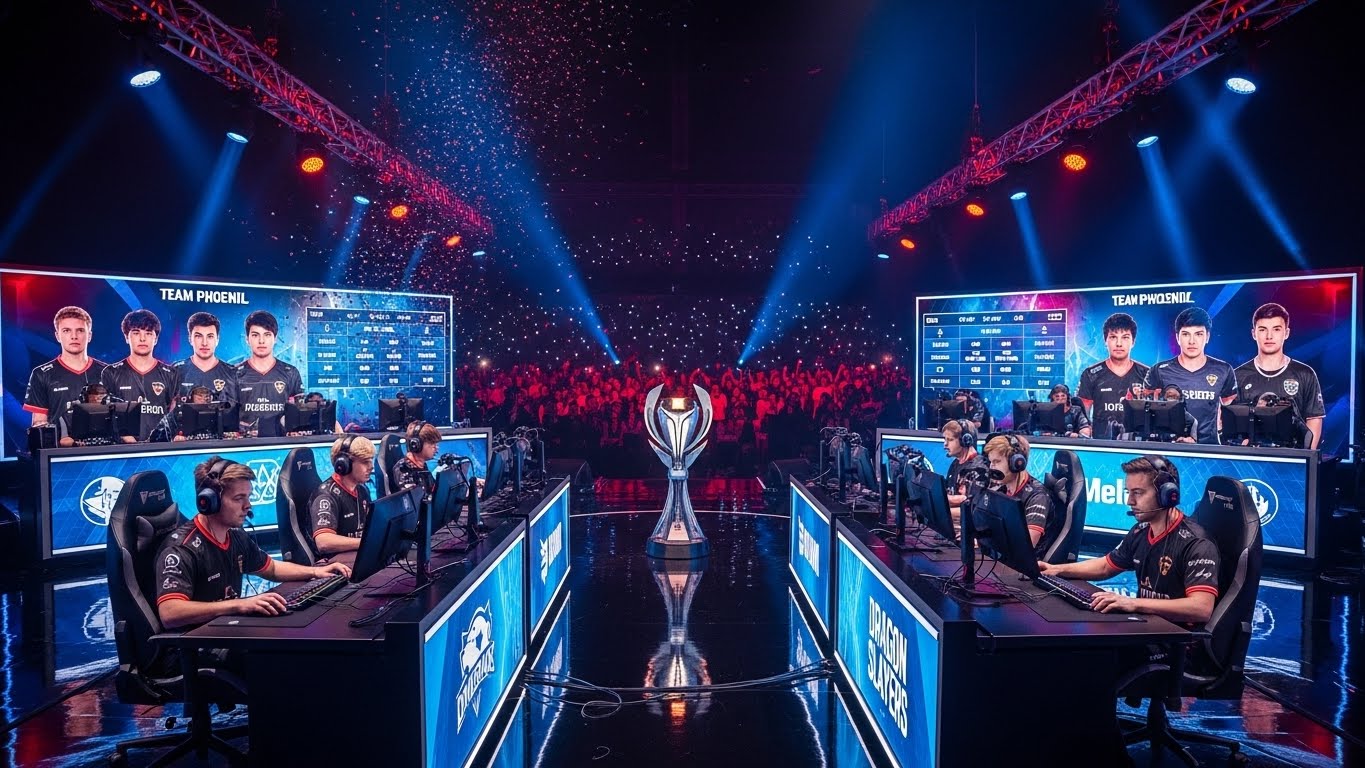
Games like League of Legends, Dota 2, and Counter-Strike: Global Offensive became the pillars of the esports world, hosting massive tournaments with prize pools that surpassed even some of the largest sports events in the world. For example, the League of Legends World Championship draws millions of viewers each year, and its prize pool has ballooned into the tens of millions of dollars. Similarly, the Dota 2 International tournament boasts one of the largest prize pools of any esports event, regularly surpassing $30 million.
The popularity of esports wasn’t just limited to games like these, though. Other titles, such as Overwatch, Fortnite, and Call of Duty, began to carve out their own competitive scenes. The introduction of franchise leagues—such as the Overwatch League and Call of Duty League—further solidified esports as a professional, global industry. These leagues mirrored traditional sports leagues, with city-based teams, a regular season, and playoffs, allowing esports to appeal to a wider audience that was familiar with the structure of conventional sports.
The Business of Esports: Money, Sponsors, and Investments
What truly fueled the rise of esports in the 2010s was its growing commercial viability. As viewership for esports tournaments skyrocketed, so did the opportunities for monetization. Sponsorships, media rights, merchandising, and ticket sales began to provide a solid financial foundation for esports organizations and players.
Major corporations like Intel, Nvidia, and Coca-Cola saw the potential in esports and began investing heavily in the industry. Companies in the tech, automotive, and energy sectors followed suit, with brands like BMW, Red Bull, and Nike becoming staples in the esports world. These sponsorships were not just limited to tournament prizes; they extended to team sponsorships, streaming partnerships, and content creation.
The influx of sponsorship money allowed esports organizations to establish themselves as professional entities with dedicated staff, training facilities, and resources for players. Professional esports players, once hobbyists playing for small cash prizes, now had the opportunity to earn six-figure salaries. Moreover, successful streamers and content creators found new ways to monetize their fan base through donations, subscriptions, and ad revenue. Players could now turn their passion into a full-time career, making esports an attractive option for anyone with the right mix of skill and determination.
Esports and Traditional Sports: A New Rivalry or Complement?
As esports grew, it began to draw comparisons to traditional sports. While the mechanics of esports are vastly different from, say, football or basketball, the core principles of competition, skill, and entertainment remain the same. As a result, many traditional sports organizations and athletes have begun to show interest in esports, either by investing in esports teams or even launching their own esports divisions.
Teams from major football clubs like FC Barcelona, Manchester City, and Paris Saint-Germain have entered the esports space by forming their own teams in games like FIFA, League of Legends, and Counter-Strike. Similarly, NBA teams like the Dallas Mavericks and Cleveland Cavaliers have invested in esports. These crossovers between traditional sports and esports have helped bridge the gap between the two worlds, with esports increasingly being recognized as a legitimate and valuable form of competition.
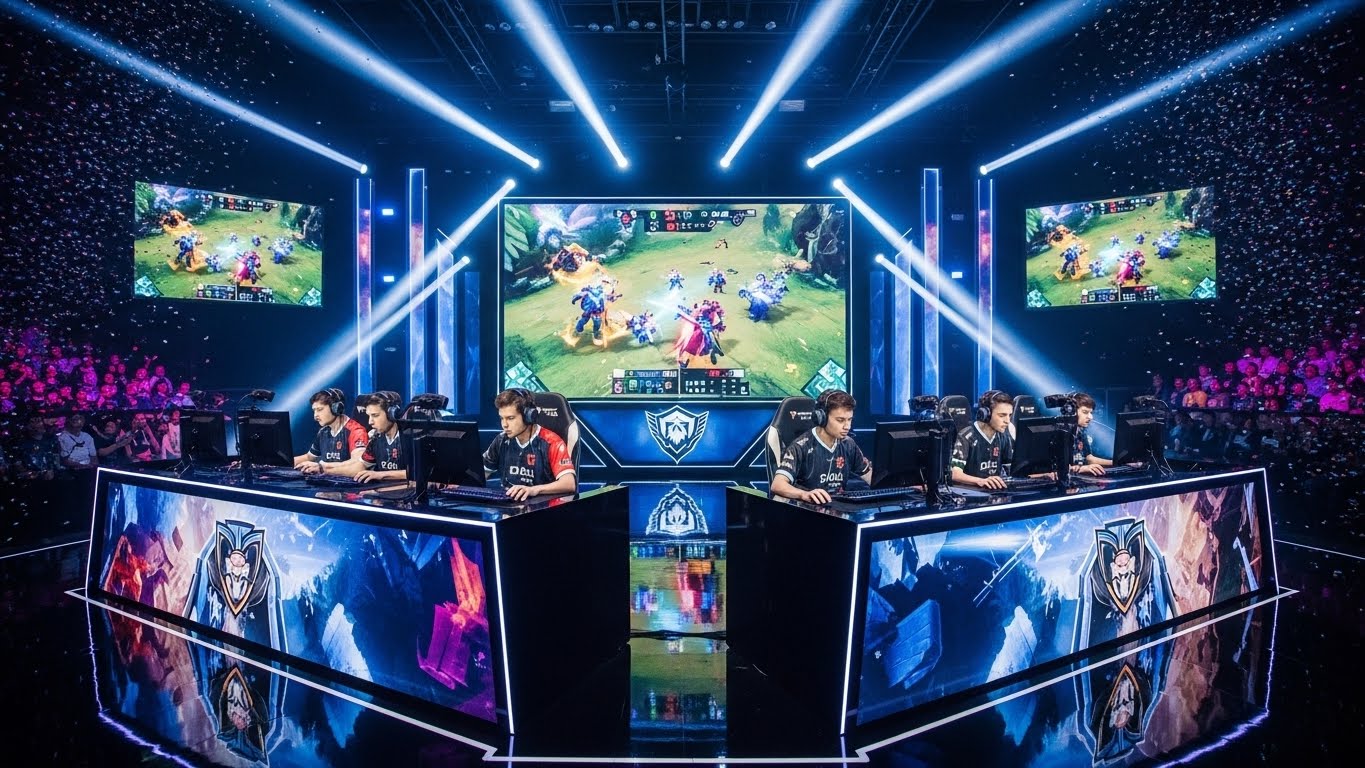
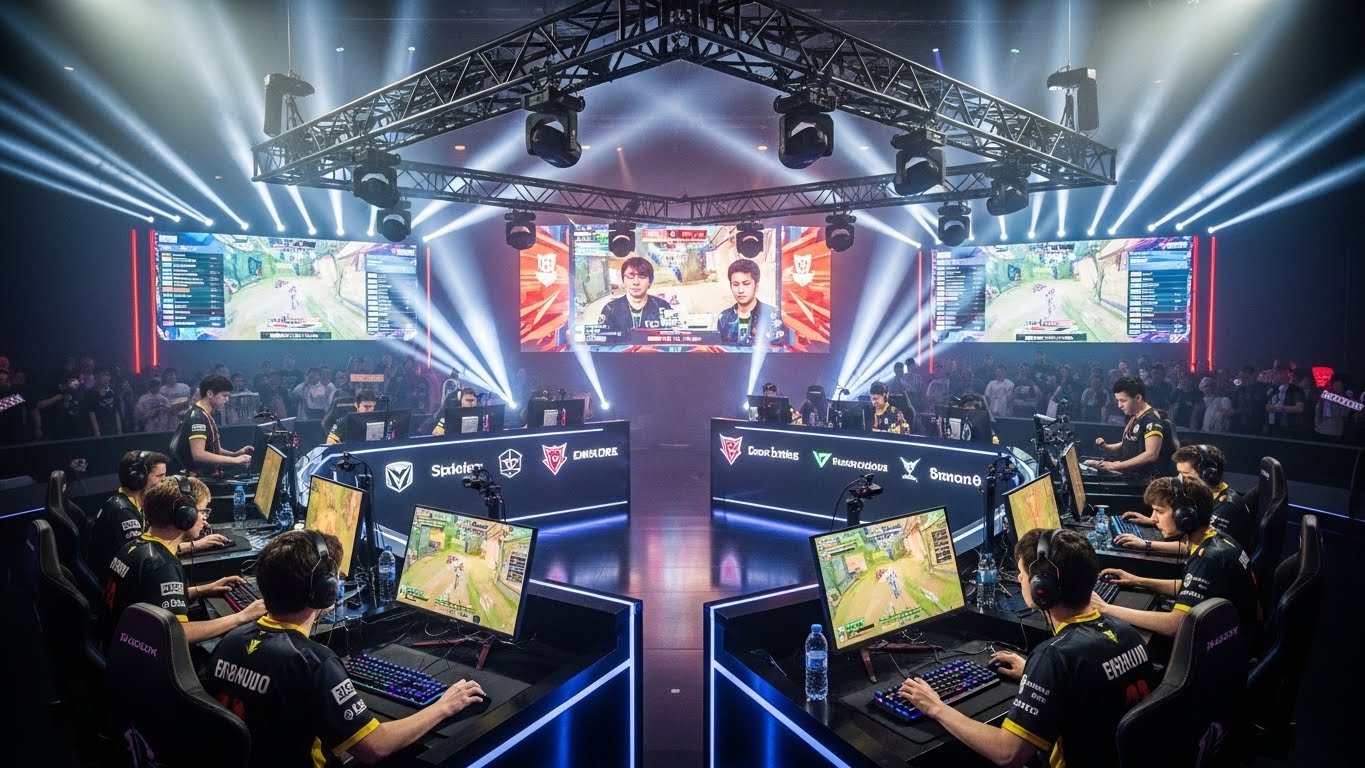
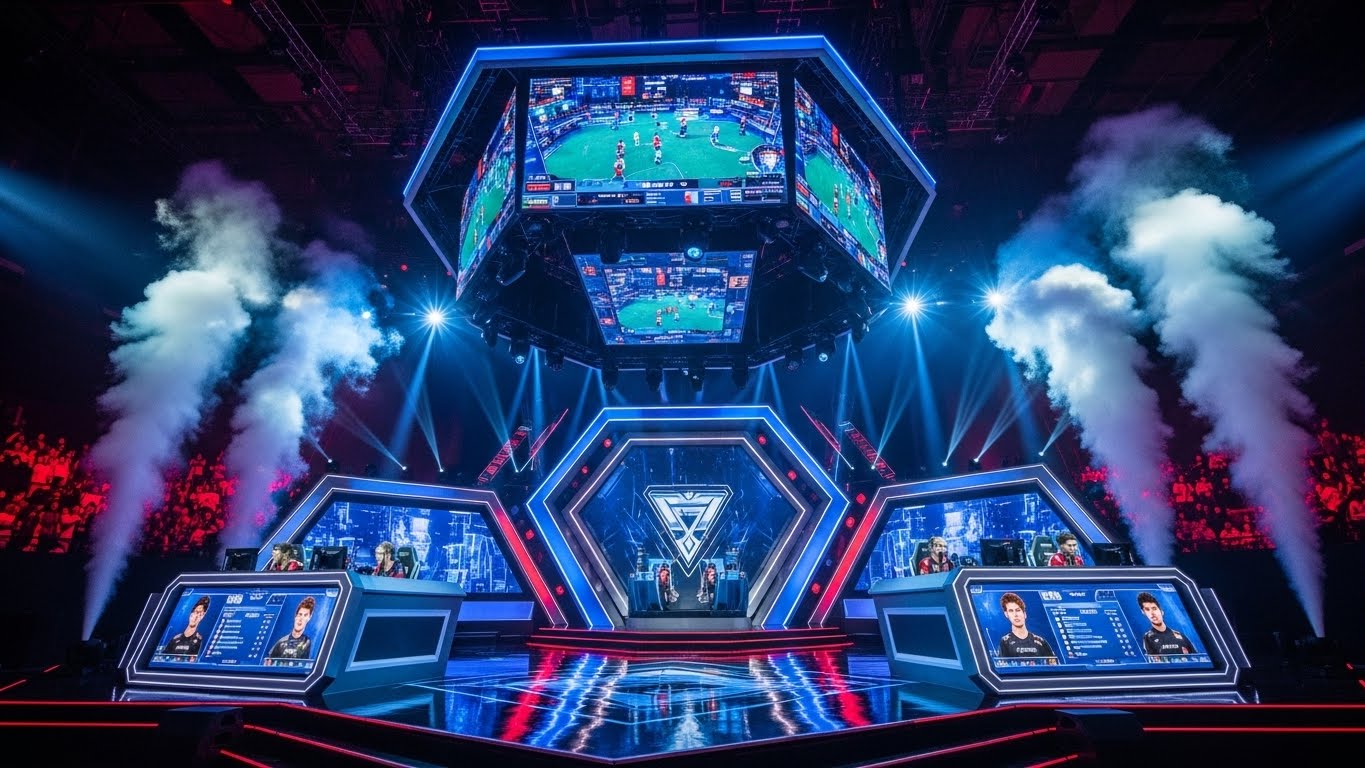
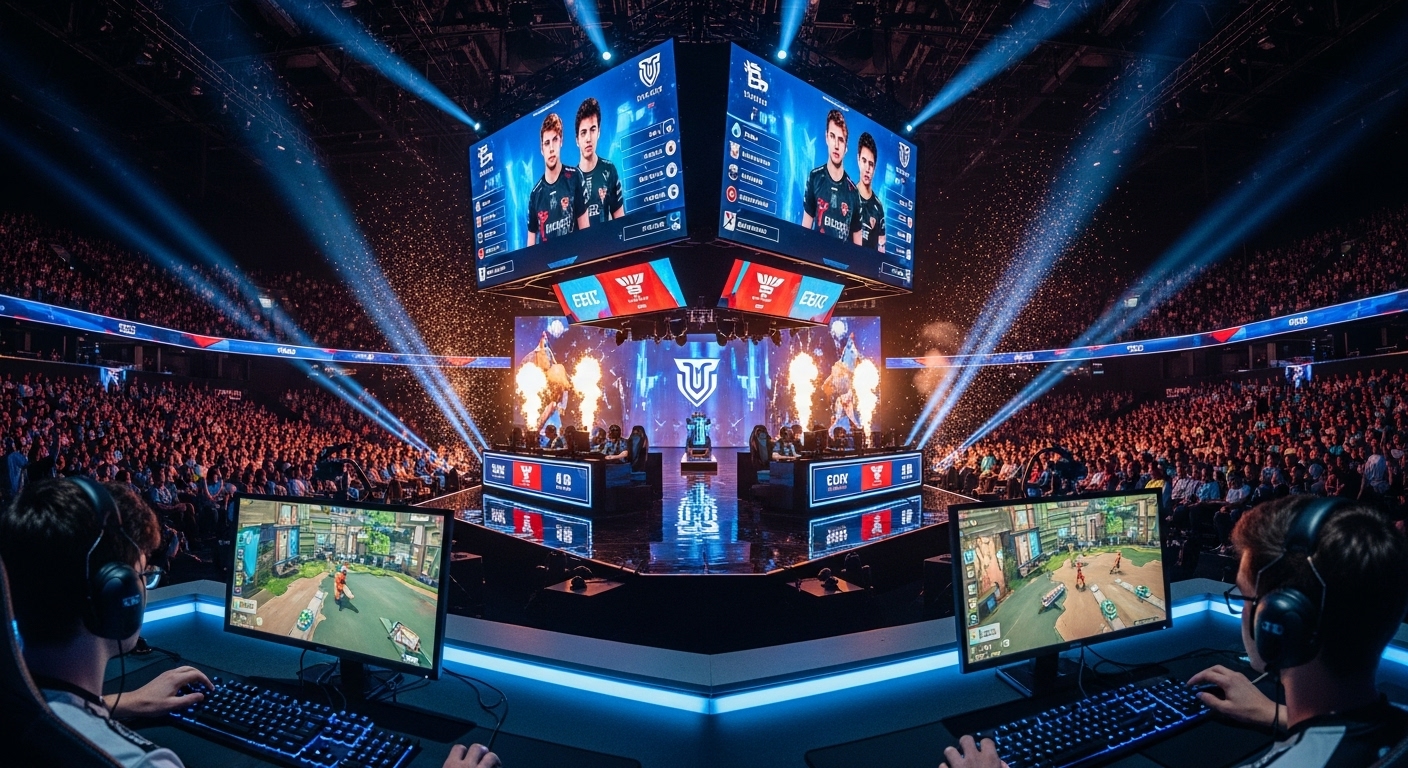
Moreover, the infrastructure surrounding esports has begun to resemble that of traditional sports. Just as you have football stadiums and basketball arenas, esports has its own dedicated venues. The Staples Center in Los Angeles, for example, regularly hosts large esports events, and cities like Los Angeles and Seoul have built esports arenas where fans can watch tournaments live. These venues are designed to offer the same sense of spectacle and excitement that fans expect from traditional sports, providing a physical space where fans and players can come together.
In the digital realm, streaming platforms like Twitch have created a fan experience that rivals the atmosphere of live sports broadcasts. Esports broadcasters bring the same level of excitement, play-by-play analysis, and in-depth commentary that you would find in any major sports broadcast. These innovations have made it easier for fans to follow their favorite players and teams, bringing the spectacle of esports into living rooms worldwide.
The Future of Esports: Innovation, Growth, and New Frontiers
As esports continues to grow, several key trends and technologies are likely to shape its future.
1. Mobile Esports: The Next Frontier
Mobile gaming has become one of the most popular forms of gaming in the world, especially in emerging markets like India, Southeast Asia, and Latin America. Games like PUBG Mobile, Free Fire, and Clash Royale have made it possible for anyone with a smartphone to participate in esports, creating a new generation of players and fans. Mobile esports is expected to grow rapidly in the coming years, as mobile games become more sophisticated and more esports tournaments are held on mobile platforms.
2. Virtual Reality (VR) and Augmented Reality (AR)
The next big leap for esports could come from virtual and augmented reality. While VR and AR technologies are still in their infancy, they hold tremendous potential for transforming esports into an even more immersive and interactive experience. Imagine a future where players compete in virtual environments that feel more real than ever before, or where fans can experience a live esports event through VR headsets, watching the action from any angle they choose.
As VR and AR technologies become more refined, they could open up entirely new genres of esports competitions, offering players and fans experiences that are currently unimaginable.
3. Esports in Education and Career Opportunities
Esports is no longer just about being a player—there are now numerous career paths associated with the industry. From team management and event organization to game development and broadcasting, esports is creating job opportunities across a variety of fields. As esports continues to expand, so too will the need for skilled professionals in these areas. Universities and colleges are already offering scholarships and degree programs in esports management, game design, and digital media, paving the way for the next generation of industry professionals.
4. Diversity and Inclusion
Esports has made significant strides in promoting diversity and inclusion, but there is still a long way to go. Historically, the esports scene has been dominated by male players, but there is a growing movement to create more opportunities for women and underrepresented groups. Organizations like the Women in Esports Initiative and grassroots groups like #NotYourShield are working to create a more welcoming and inclusive environment in the esports community. As the industry matures, we can expect to see more diversity in the players, content creators, and organizers driving the future of esports.
Conclusion: A Bright Future Ahead for Esports
Esports has come a long way from its humble beginnings in arcades and small LAN parties. Today, it is a multi-billion-dollar industry with a global fan base and a vibrant ecosystem of players, teams, brands, and media outlets. With technological advancements, growing investments, and a wider cultural acceptance, esports is poised to continue its upward trajectory in the coming years.
For fans, players, and industry professionals, esports represents more than just a game—it is a new form of entertainment, a way to connect with others, and a career path that offers exciting opportunities