 joystickarena94
Introduction
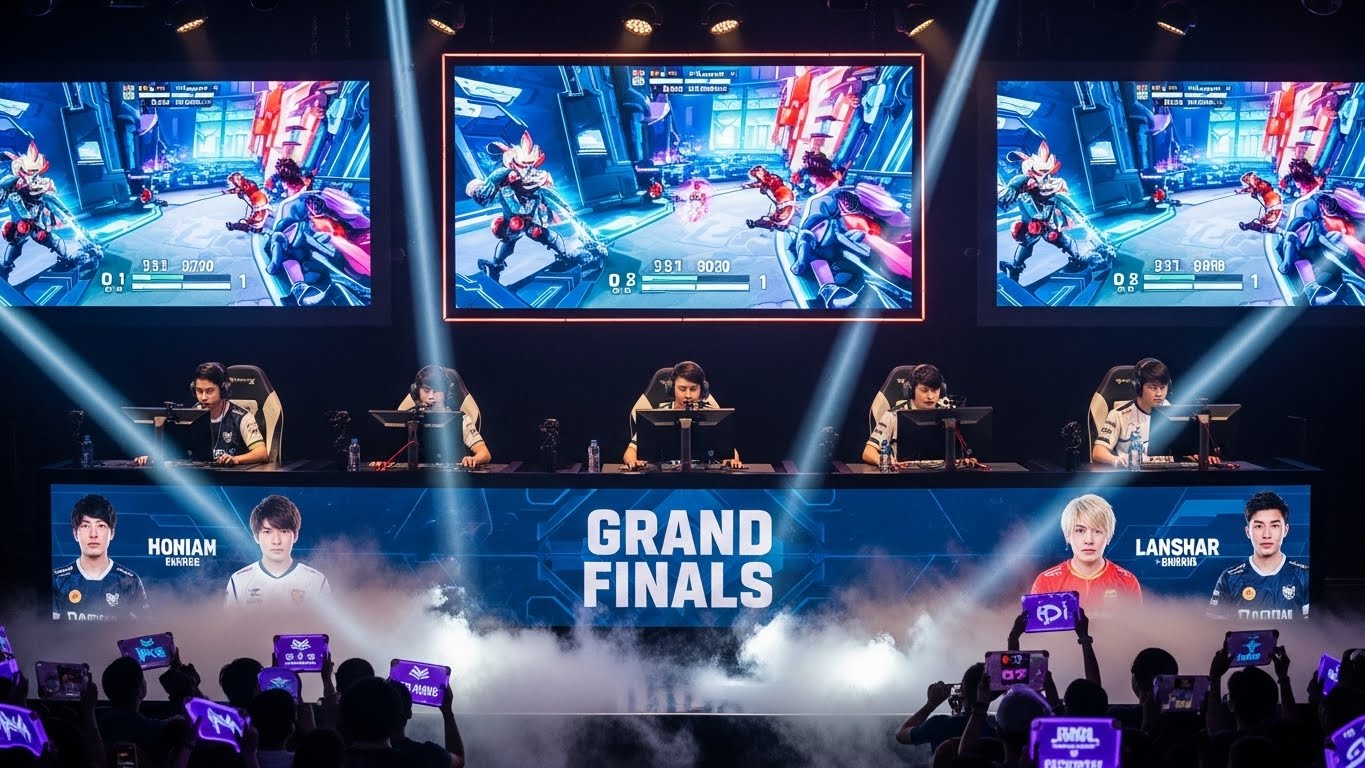
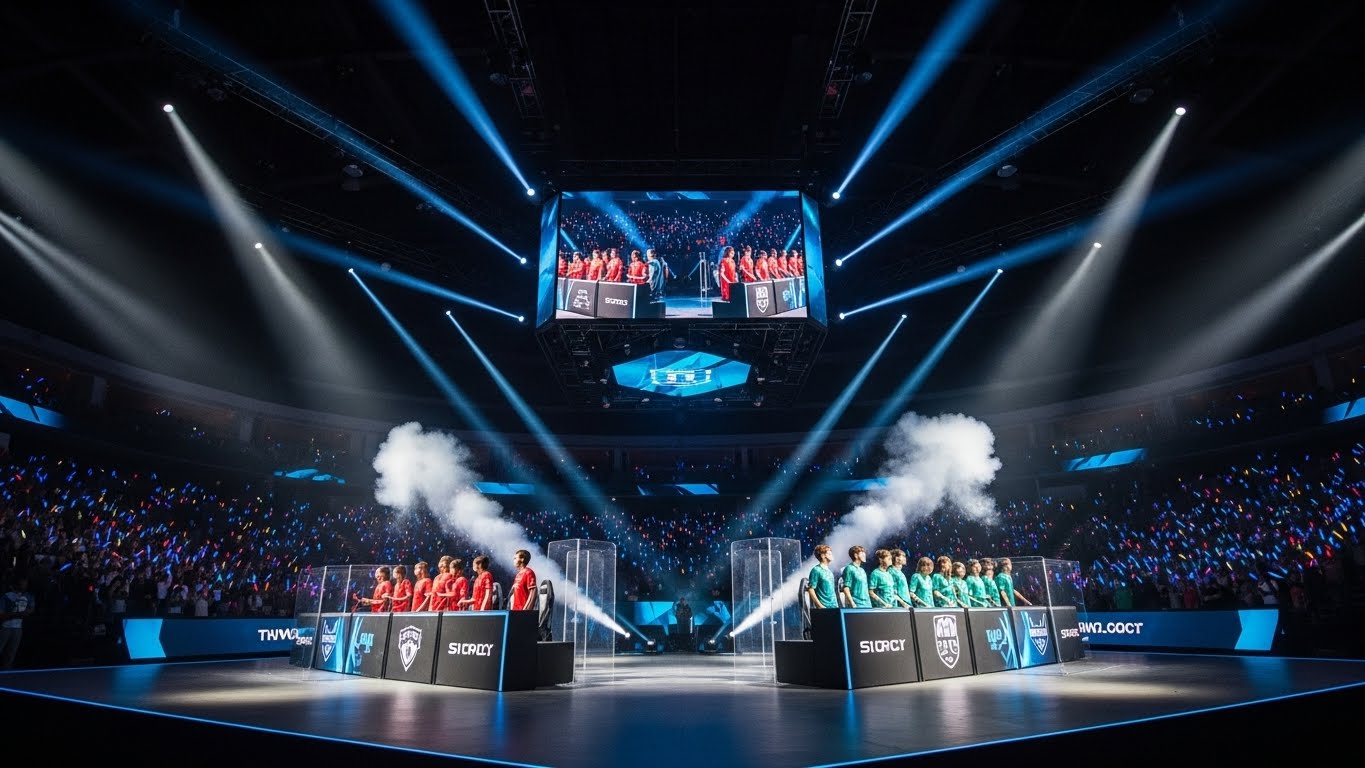
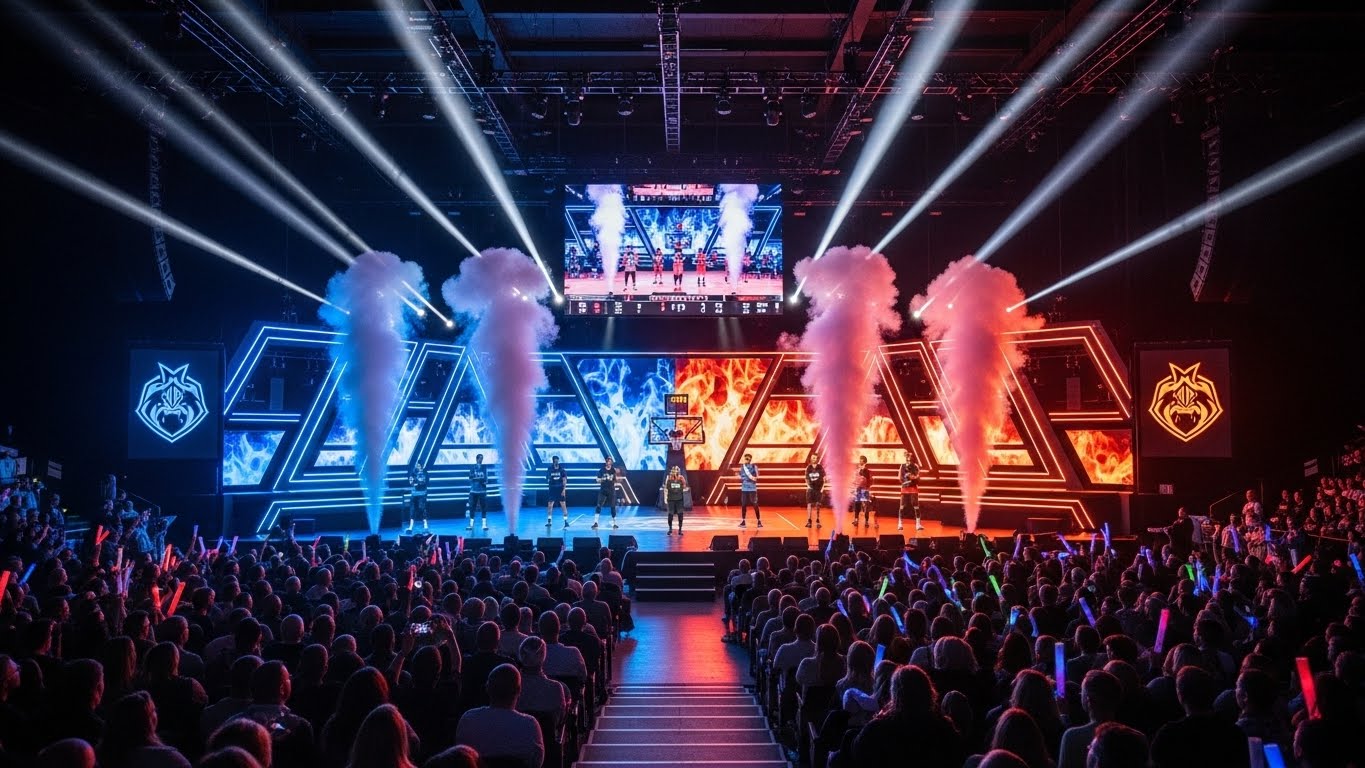
eSports has emerged as a global phenomenon, transforming video games from a recreational activity into a serious competitive arena. Millions of players and fans around the world now participate in or follow professional tournaments, leagues, and events. eSports combines skill, strategy, teamwork, and technology, creating a unique form of entertainment that rivals traditional sports in both excitement and influence.
The Rise of eSports
The origins of eSports can be traced back to arcade competitions and early console tournaments. As internet connectivity improved, online multiplayer games allowed players to compete globally, creating a new era of competitive gaming. Today, eSports features organized leagues, professional teams, sponsorships, and high-stakes tournaments watched by millions worldwide. This rapid evolution has established eSports as a legitimate and recognized form of competition.
Popular eSports Genres
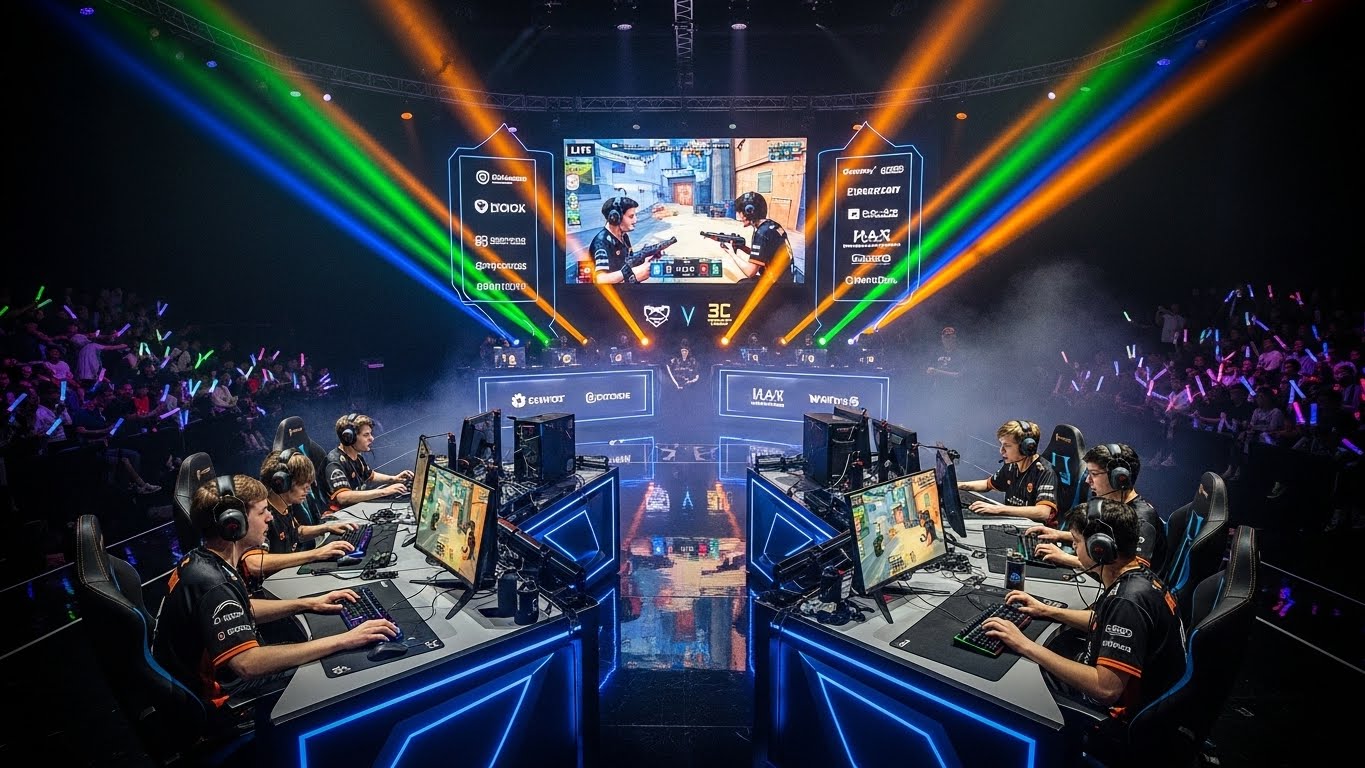
eSports spans a wide variety of game genres, each requiring specialized skills. Multiplayer Online Battle Arena (MOBA) games emphasize teamwork, strategy, and quick decision-making. First-Person Shooter (FPS) games test reflexes, precision, and tactical thinking. Real-Time Strategy (RTS) games challenge players in planning and resource management, while sports simulation games replicate real-world athletic competitions in the digital space. Each genre attracts dedicated communities and competitive circuits.
Skills and Preparation
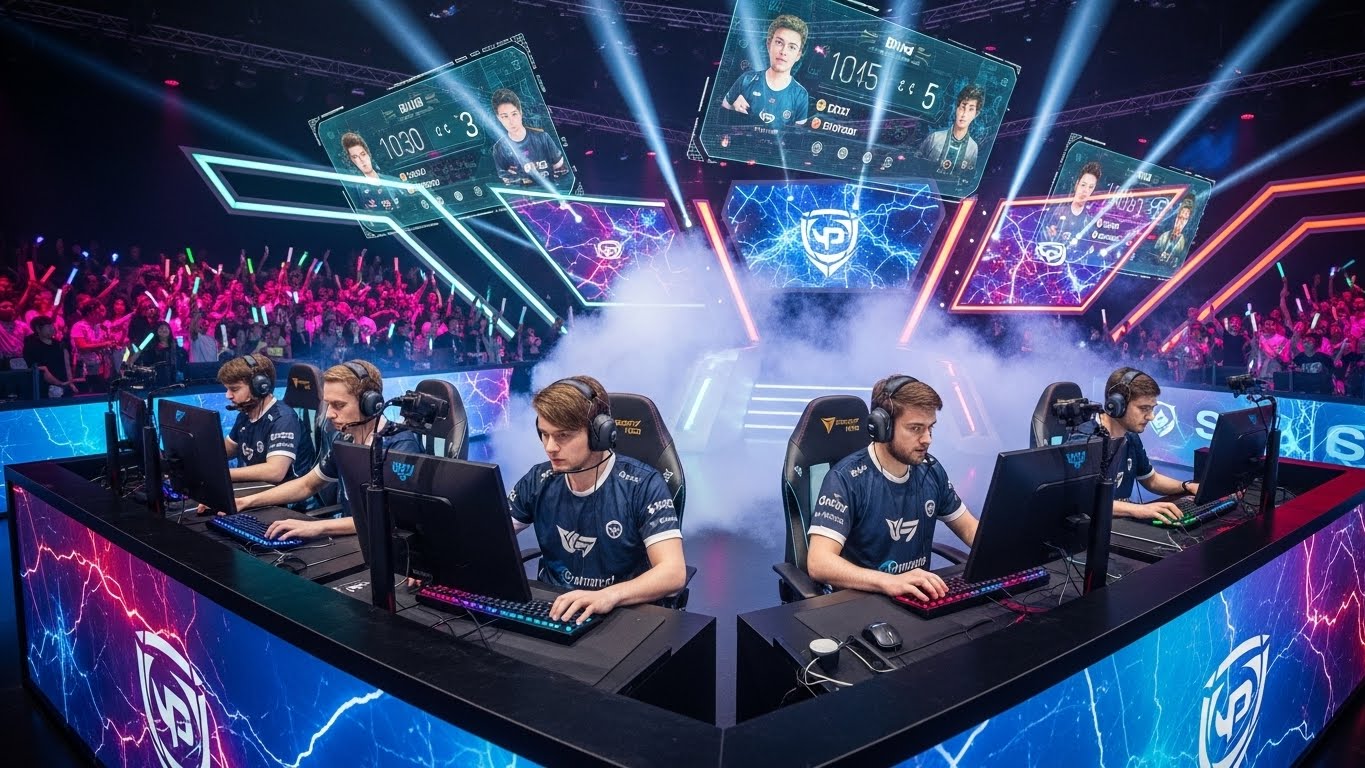
Success in eSports requires more than natural talent. Professional players dedicate hours each day to practice, analyze gameplay, and develop strategies. Mental resilience, focus under pressure, and effective communication are essential, particularly in team-based competitions. Training often mirrors that of traditional athletes, highlighting the discipline and dedication necessary to excel at the highest level.
Community and Social Impact
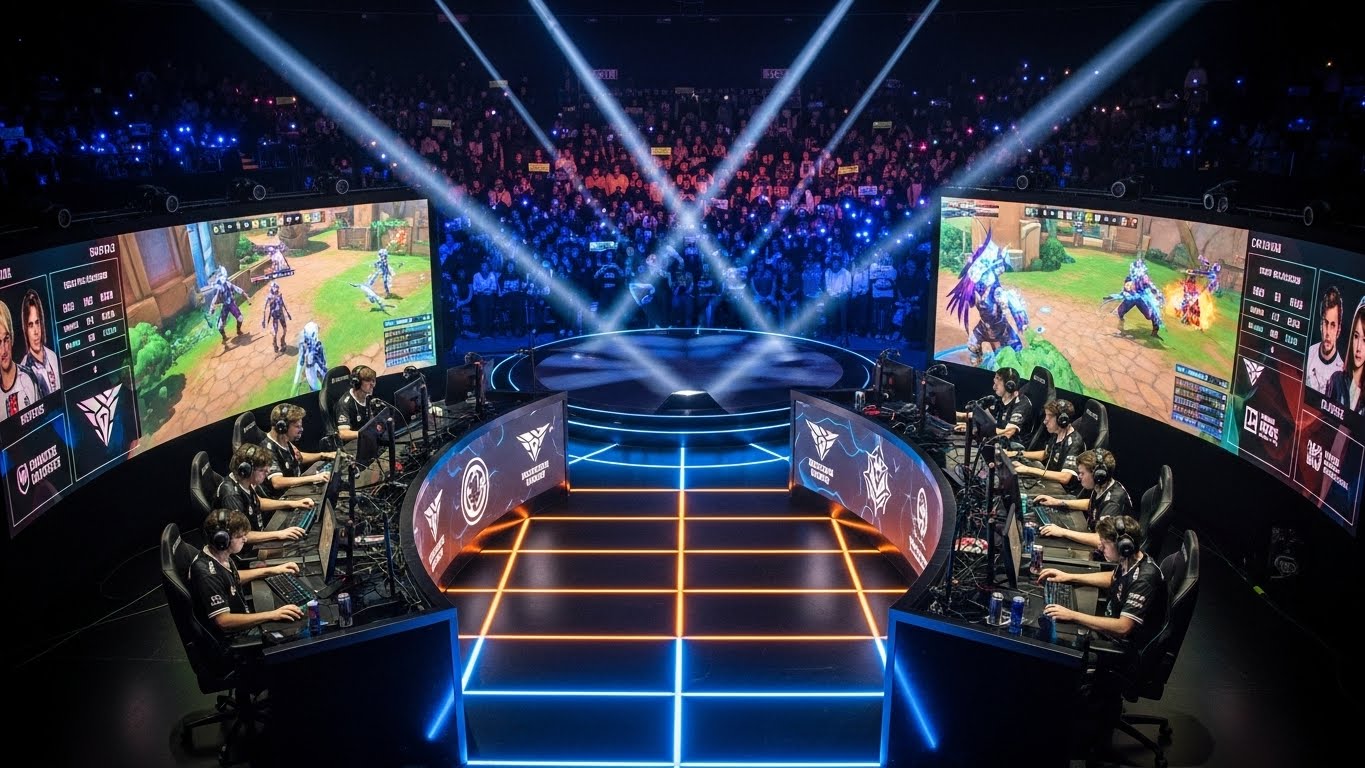
eSports thrives on community engagement. Online platforms, streaming services, and fan forums allow players and audiences to interact, share insights, and celebrate achievements. Competitions and tournaments foster a sense of belonging, collaboration, and shared excitement. This social dimension strengthens the eSports ecosystem, making it more than just gaming—it is a global culture.
Economic Growth and Opportunities
The eSports industry has grown into a billion-dollar market. Revenue streams include sponsorships, advertising, tournament prizes, merchandise, and streaming platforms. Beyond professional players, the industry offers opportunities for coaches, analysts, commentators, content creators, and event organizers. This growth demonstrates the economic and career potential of competitive gaming on a global scale.
Technology and Innovation
Technology is the backbone of eSports. High-performance computers, ultra-fast internet connections, advanced graphics, and immersive streaming platforms enhance both gameplay and viewer experiences. Innovations such as virtual reality, augmented reality, and artificial intelligence are beginning to redefine training, gameplay analysis, and fan engagement, ensuring continuous evolution in the industry.
The Future of eSports
The future of eSports looks promising, with expanding global audiences, increasing professional recognition, and technological advancements driving growth. Educational programs, new competitive formats, and emerging platforms will continue to create opportunities for players and fans alike. eSports is set to become a dominant force in entertainment and digital culture for years to come.
Conclusion
eSports has redefined what it means to compete, entertain, and connect through gaming. Combining skill, strategy, technology, and community, it offers experiences that inspire and engage millions around the world. As the industry continues to grow and innovate, eSports will remain a transformative and influential part of modern digital entertainment.