 joystickarena94
Introduction: The Dawn of a New Battlefield
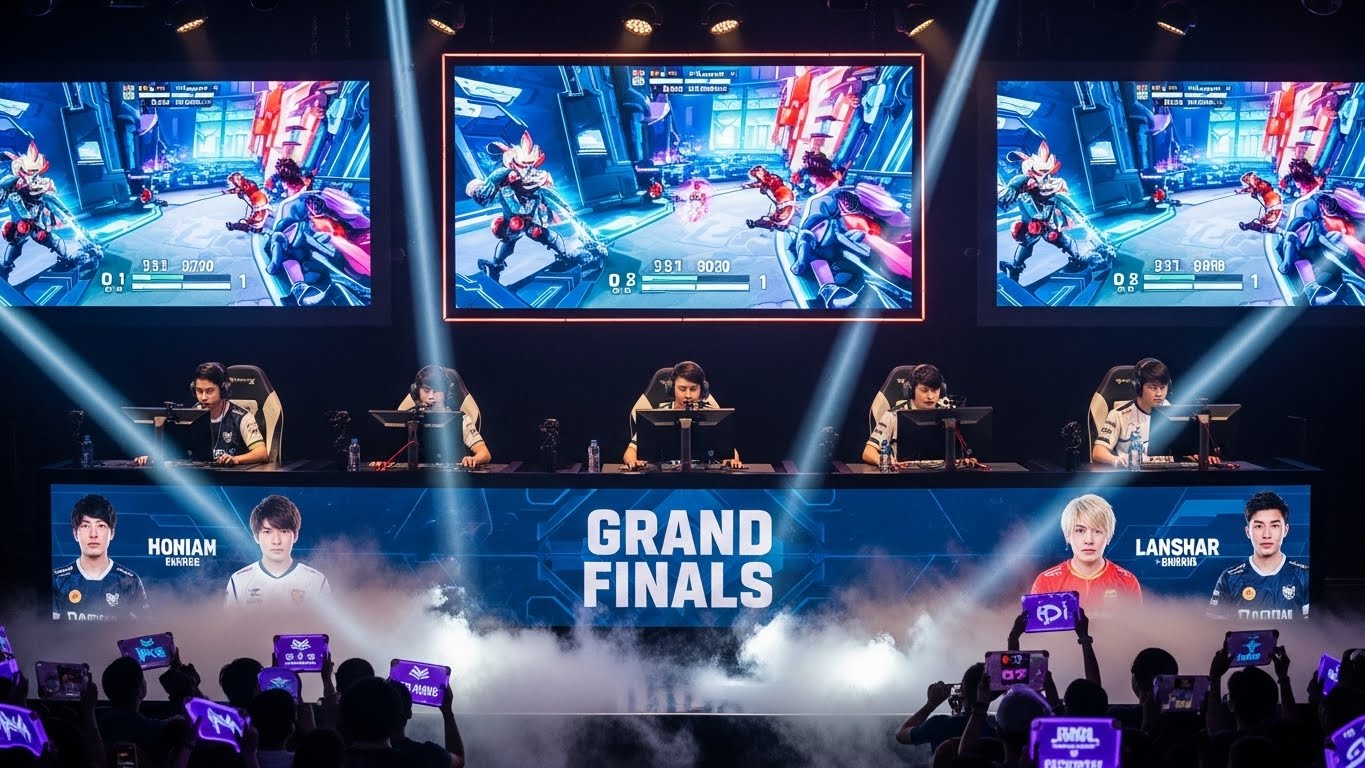
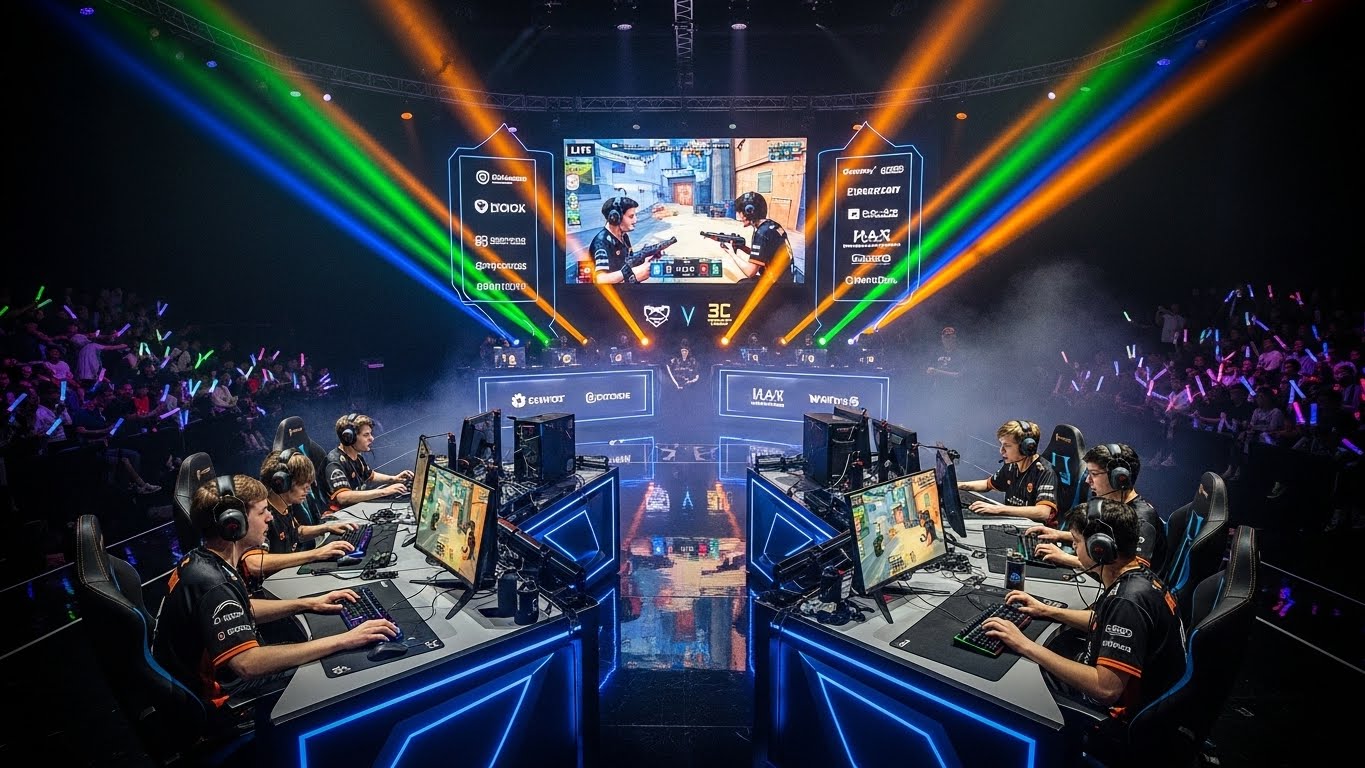
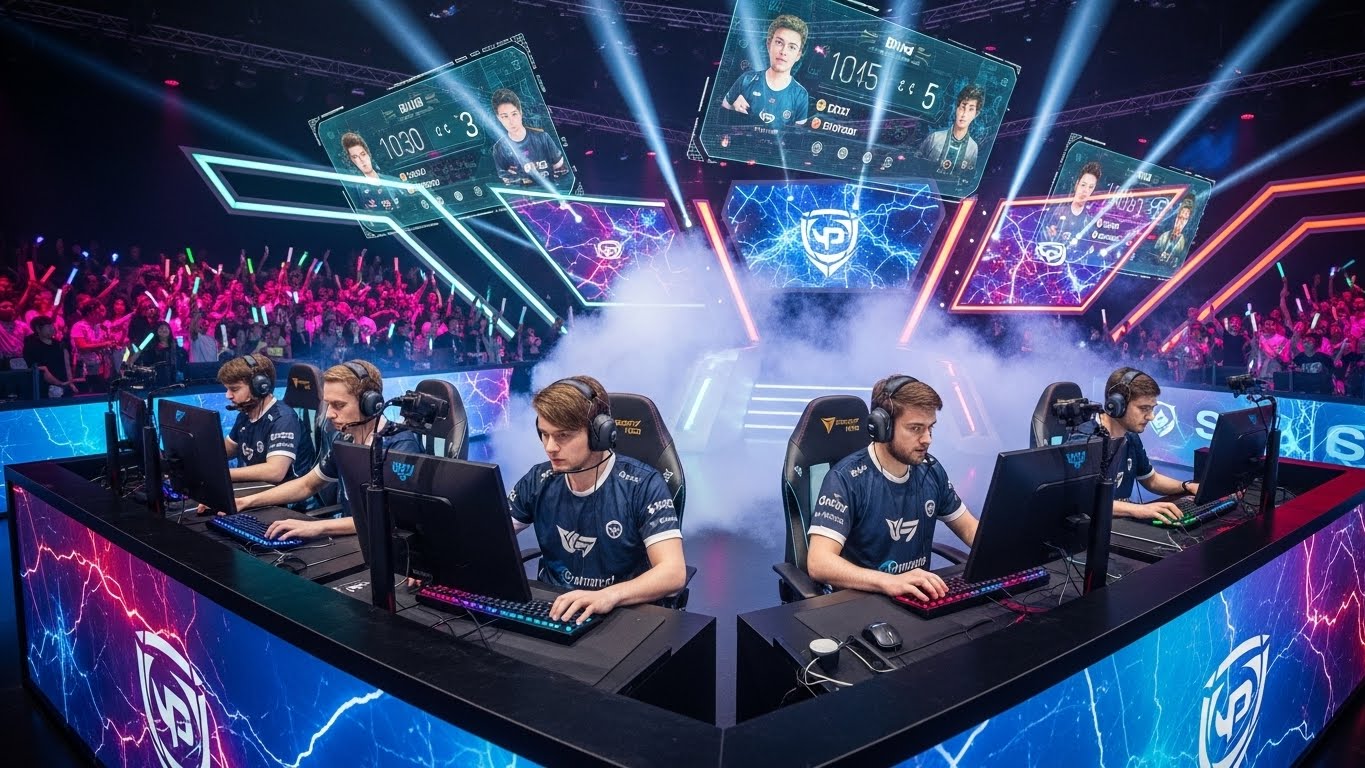
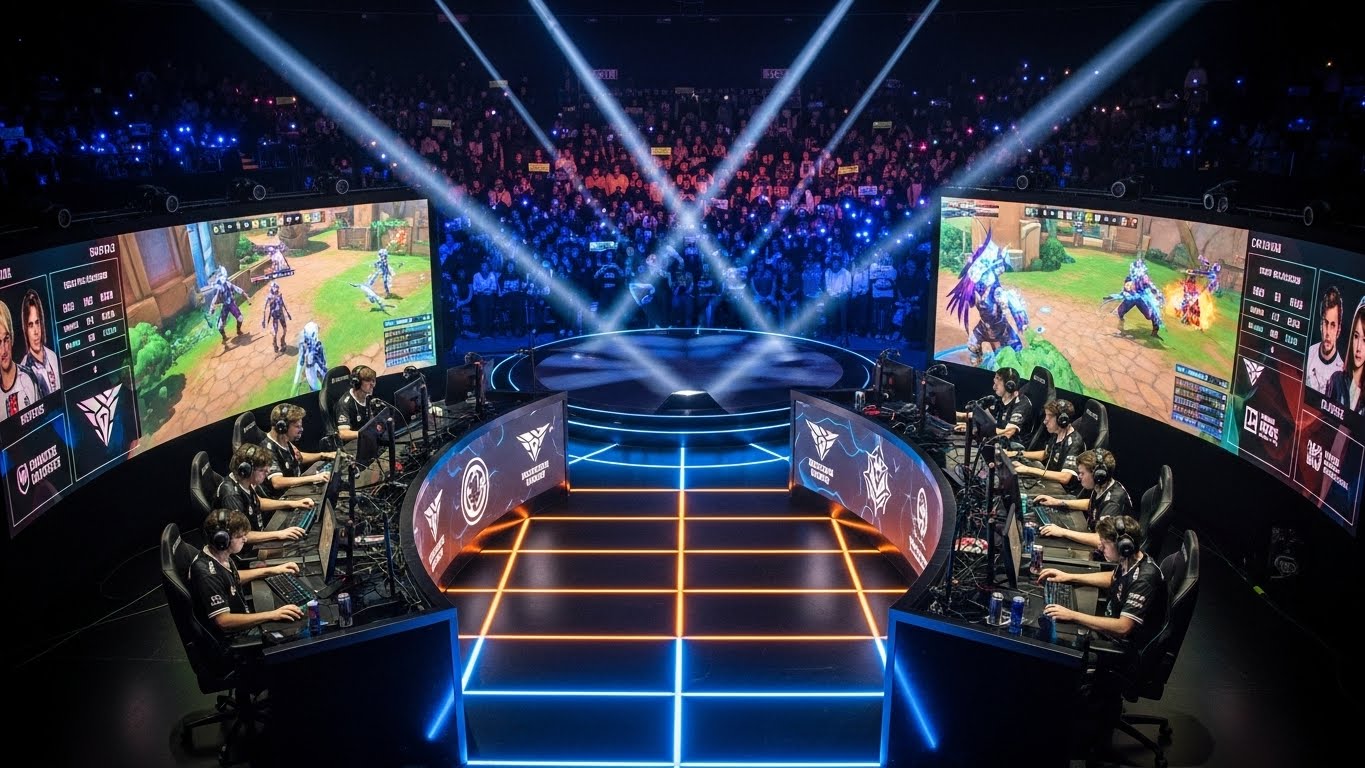
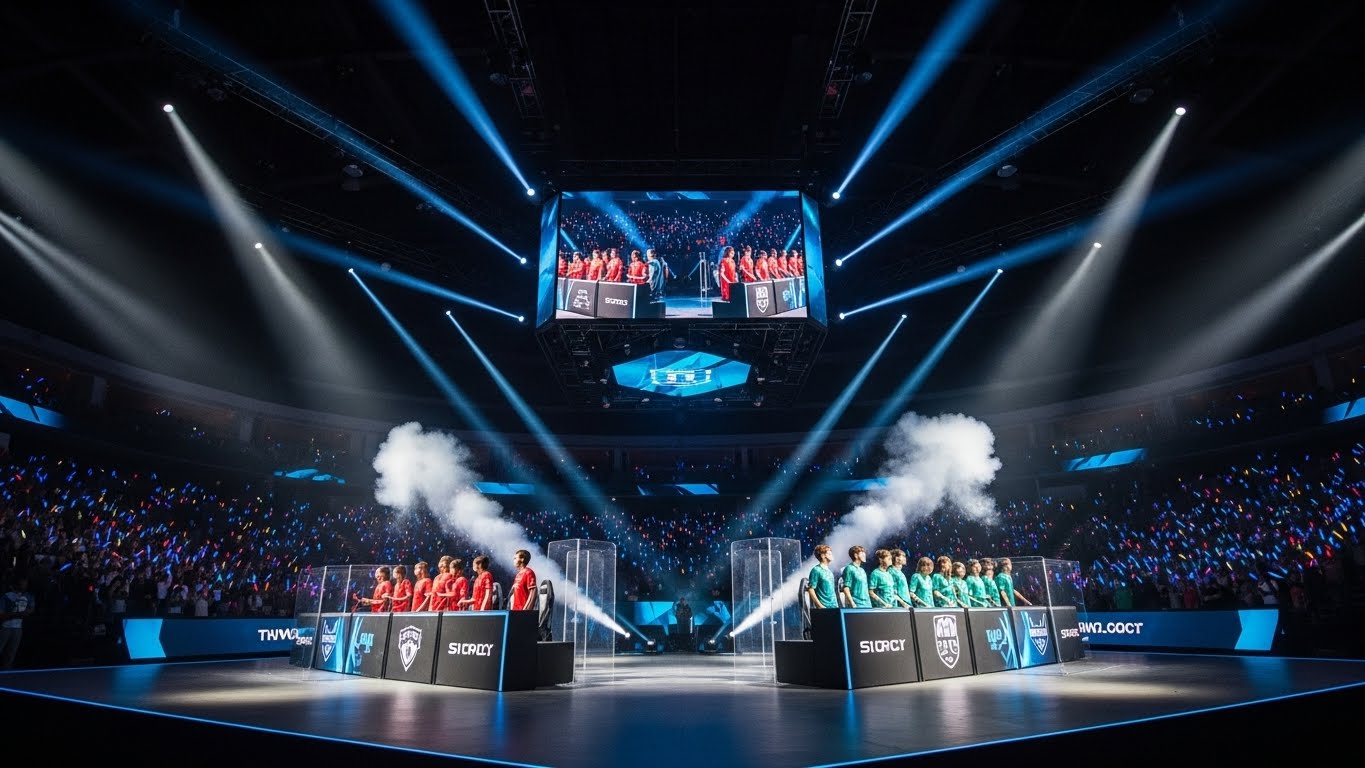
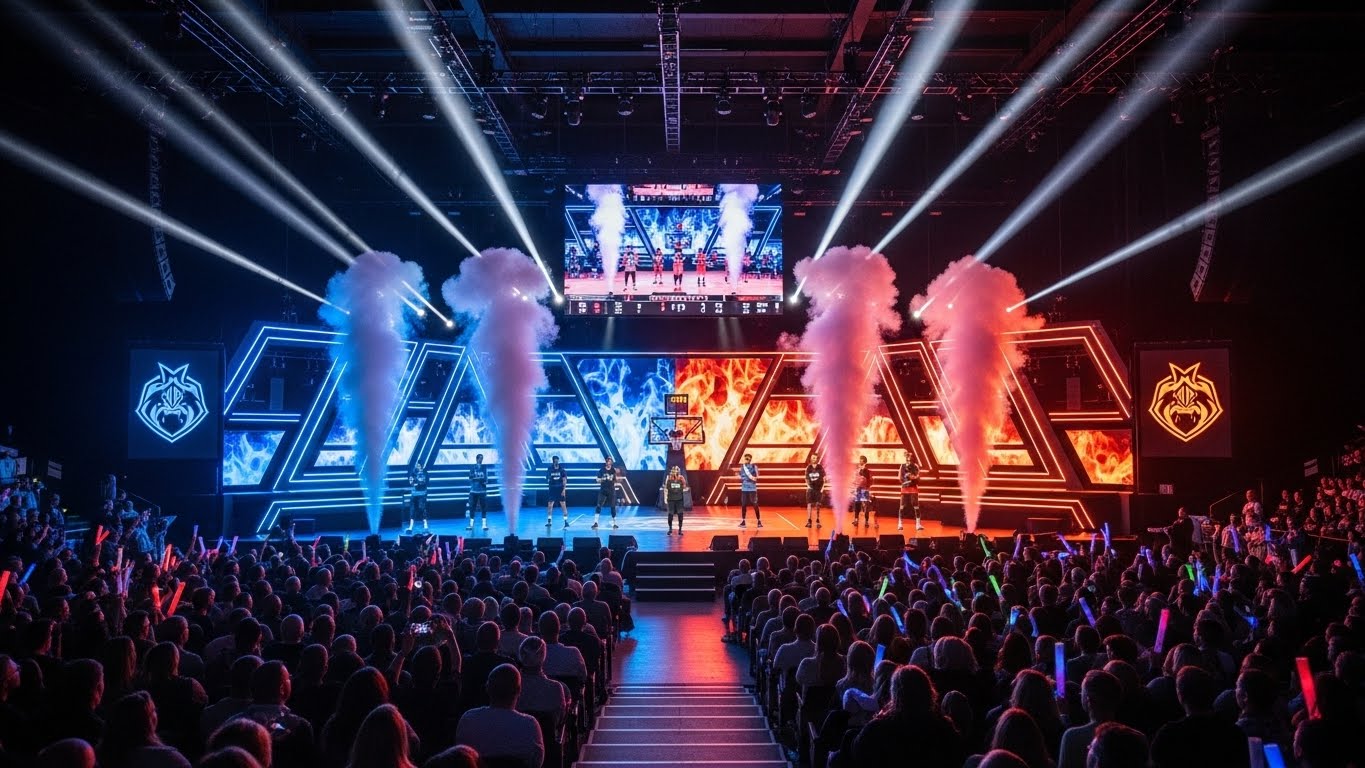
In the past decade, a cultural and competitive revolution has been quietly unfolding. Esports—professional video game competition—has grown from a niche hobby into a global force, rewriting what it means to be an athlete, a fan, or a media consumer. No longer confined to basements or local gaming cafés, esports now fills arenas, commands broadcasting viewership, and drives multimillion-dollar business ventures. In this essay I will trace how esports rose, dissect its internal structures, explore the lives of its participants, evaluate the challenges it faces, and speculate on where it is heading next. This is the story of digital gladiators in an age where skill, strategy, and audience have merged into a new form of sport.
The Roots of Competitive Gaming
Humble Beginnings in Arcades and LAN Rooms
Long before esports was a household term, gamers gathered in arcades to challenge one another. High score competitions for games like Pac‑Man and Street Fighter marked some of the earliest public contests. When personal computers and consoles became more prevalent in the 1990s, local area networks (LANs) allowed players to connect their machines for head‑to‑head matches. In many places, community centers and local gaming cafés became hubs for competition, where friendships and rivalries were born.
Emergence of Online Multiplayer and Tournaments
The real turning point came with the internet and online multiplayer gaming. Games like Quake and StarCraft allowed players across cities and countries to compete. As matchmaking systems improved, ladder rankings and organized leagues began forming. The first small tournaments, sometimes with modest cash prizes, paved the path toward a professional structure. Gradually, viewers began to watch gameplay not just to learn but for entertainment—spectatorship became part of the appeal.
Rise of Streaming and Global Reach
With the advent of streaming platforms, esports transcended local boundaries. Fans could tune in from anywhere to watch their favorite teams and players. This increased exposure brought in sponsors, advertisers, and media interest. What had once been a scattered network of competitive players began to crystallize into an industry. Cities that once had only small gaming communities suddenly boasted professional teams, training houses, and esports academies.
The Pillars of the Esports Ecosystem
Esports is a talent-driven, media-fueled, sponsor-supported web of roles and interactions. Its success depends on coordination across many kinds of participants.
Game Creators: Rules, Updates, and Balance
At the heart of every esports title is a developer or publisher. These entities define the game mechanics, release patches, balance changes, and new content. For a game to thrive as an esport, it must maintain competitive balance, avoid exploitative features, and evolve over time. The creators often also sanction official tournaments, set licensing requirements, and ensure the integrity of competitive play.
Teams and Organizations: Infrastructure, Coaching, Branding
Professional gamers rarely act alone. Esports organizations recruit, train, and manage players across multiple games. These organizations build infrastructure: practice houses, analysts, coaches, nutrition & fitness support, mental wellness teams, and content divisions. They are brands in themselves, as fans associate logos with identity and loyalty.
Players and Coaching Staff: Skill, Preparation, and Adaptation
Players must push their mechanical skills, reflexes, decision-making, and teamwork to the limit. Training regimens include drilling game mechanics, studying opponent strategies, reviewing replays, and scrimmaging with other teams. Coaches and analysts help with strategic planning, psychological preparation, and feedback—similar to how traditional sports teams operate.
Tournament Organizers and Leagues: Structure, Format, and Delivery
Organizers design the competition format: qualifiers, group stages, playoffs, and finals. They manage logistics—venue setup, broadcasting, scheduling, prize distribution—and delivery: casting, commentary, viewer experience, with overlays, on-screen graphics, replays, and instant analysis. Leagues often run seasonal systems, creating regular competition cycles that keep fans engaged year-round.
Media, Streaming, and Content Creation: Engagement and Storytelling
The stories around esports—rivalries, upsets, personal struggles—are carried by content creators, casters, analysts, and personalities. They package matches into narratives that appeal not only to hardcore fans but to casual viewers. Behind‑the‑scenes coverage, player interviews, studio analysis desks, highlight montages, and social media engagement fuel community loyalty.
Sponsors, Brands, and Investors: Financial Backbone and Visibility
Monetary support from sponsors and investors enables prize pools, operational budgets, marketing, and expansion. Brands see value in reaching a young and engaged demographic. Esports organizations leverage this by integrating sponsor messaging, co‑branding events, and building experiential activations for fans.
Fans and Communities: The Lifeblood of Esports
Without viewership and participation, esports would be hollow. Fans drive popularity by watching events, following teams, creating grassroots communities, streaming their own gameplay, and purchasing merchandise. Community sentiment often influences how games evolve, what events succeed, and which players become icons.
Genres, Games, and Their Competitive Appeal
Esports is not monolithic. Different genres appeal to different styles of competition and fandom. Below are prime genres and their competitive dynamics.
Multiplayer Online Battle Arena (MOBA)
Games like League of Legends and Dota belong to the MOBA genre. Teams of players control individual “heroes” or “champions,” each with unique abilities, and compete to destroy the opposing team’s base. MOBAs emphasize strategic decision‑making, macro control (map movement, resource control), and hero synergy. Because of their depth and ongoing updates, MOBAs remain among the most watched and invested in esports genres.
First‑Person Shooters (FPS)
Titles such as Counter‑Strike, Valorant, Overwatch, and Rainbow Six are staples of the FPS scene. Success depends on precision aiming, map control, positional awareness, and team coordination. Players must react instantly, communicate clearly, and execute strategies under extreme pressure. The fast pace and visibly thrilling moments (clutches, headshots) make these matches exciting to watch.
Real‑Time Strategy (RTS)
StarCraft II, a classic RTS, tests a player’s ability to manage resources, production, army movement, and tactical decisions simultaneously. The solo nature of RTS demands exceptional multitasking, foresight, and adaptability. Though its commercial peak has waned, its influence on esports structure and strategy remains significant.
Battle Royale and Survival Games
Games like Fortnite, Apex Legends, and PUBG popularized the battle royale formula: many players drop into a large map, scavenge weapons, and fight until only one remains. Esports versions often adapt to team formats and balance luck with skill. These games attract viewers due to wide map exploration, unpredictable outcomes, and dramatic final battles.
Fighting Games
Titles like Street Fighter, Tekken, and Smash Bros center on head‑to‑head matches with tight controls, frame data mastery, and precise input execution. Because they are direct confrontations, they appeal to players and fans who love intense matchups, reading opponents, and showing pure mechanical skill in duels.
Each of these genres fosters its own culture, pacing, fan expectations, and competitive ecosystem.
The Player’s Journey: From Beginner to Pro
Becoming a professional esports athlete is a process filled with challenges, sacrifices, and evolution. Below is a typical path many players follow, though each journey has its unique twists.
Discovery and Passion
Most pros begin as passionate gamers playing casually. They are drawn to a specific game because it resonates—be it strategy, shooting mechanics, or character abilities. Passion sustains long hours of practice and drives a desire to improve.
Climbing Ranks and Local Competition
Players often start by climbing ranked ladders, participating in local tournaments, or joining small teams or guilds. This provides early experience in pressure, teamwork, and match preparation.
Networking, Scrimmages, and Tryouts
Building relationships matters. Players begin scrimming (practice matches) against semi‑pro teams, attend local events, and create highlight reels. They may trial for academy rosters or amateur teams, hoping to impress coaches and talent scouts.
Signing with an Organization
When a professional team recognizes talent, a contract may be offered. The player transitions to structured training, team camps, coaching, and competing in higher level tournaments. The stakes rise as expectations mount.
Managing Growth, Expectations, and Pressure
Pro players must balance constant improvement, fan expectations, media responsibilities, and team dynamics. They must adapt to meta changes, role adjustments, and evolving strategies. Performance consistency is demanded.
Transition or Retirement
Because competitive performance can decline and stress accumulates, many players eventually retire from active competition. Some transition to coaching, content creation, analysis, talent scouting, or management roles within the industry.
A few fortunate individuals also continue to leverage their brand reputation for streaming success, partnerships, or entrepreneurship related to gaming.
Tournament Formats and Competitive Structure
Esports tournaments adopt various formats depending on scale, region, and game. Understanding this structure provides insight into how champions are shaped.
Qualifiers and Open Brackets
Many tournaments begin with open qualifiers, allowing any team to compete for slots in the main event. This system promotes accessibility and enables underdogs to rise.
Group Stage / Round Robin
After qualification, teams often enter group stages. They play round robin, double elimination, or Swiss formats. This builds a baseline ranking and determines who advances to playoffs.
Single / Double Elimination Playoffs
Qualified teams then move into knockout rounds. Single elimination means one loss sends you home. Double elimination gives a safety net: teams drop to a losers’ bracket before final elimination.
Best‑of Series
Matchups are rarely decided by one game. Best-of-three, best-of-five, or even best-of-seven series are common to reduce randomness and reward consistency.
League Seasons and Point Systems
In league formats, teams compete across many matches in a season. Point systems determine standings, playoff qualification, or relegation. This structure mirrors traditional sport leagues and provides stability.
Championship Events
At the highest level, championship tournaments bring together top performing teams across regions. These behemoth events often span days, feature live audiences, and garner massive viewership. They also carry the largest prize pools and prestige.
Business Model and Revenue Streams
Esports is a commercial arena fueled by multiple revenue channels. For sustainability, teams and organizers must diversify.
Sponsorships and Brand Partnerships
Sponsors are major contributors. Tech companies, energy drinks, apparel brands, and consumer goods increasingly collaborate with teams and events. These partnerships provide funding and marketing synergy.
Media Rights and Broadcasting
Broadcasting esports matches on streaming platforms or dedicated channels can generate substantial revenue, especially as audiences grow. Organizers may sell exclusive rights to platforms, enabling monetization through ads and subscriptions.
Prize Pools and Entry Fees
Tournament prize pools draw competition and spotlight. Some events crowdfund a portion of prizes from in‑game purchases. Entry fees from teams also contribute in certain cases, although organizers often subsidize expenses to encourage participation.
Merchandise, Apparel, and Digital Goods
Teams and events sell branded merchandise: jerseys, hoodies, accessories, and virtual goods or skins. Fan loyalty supports consistent merchandise sales.
Ticket Sales and Live Events
As live events become more common, ticket sales, concessions, and on‑site purchases form additional revenue. Stadium fills contribute to atmosphere and profitability.
Streaming Revenue and Creator Monetization
Players and influencers also monetize through subscriptions, ad revenue, donations, and sponsorship as part of their personal brand. This supplemental revenue supports individuals even outside main competition.
Investment and Venture Capital
Esports startups, infrastructure platforms, analytics tools, and team franchises attract venture capital. Investors see growth potential in adjacent services and technologies within the ecosystem.
Challenges and Pressures Facing Esports
Rapid expansion brings growing pains. The esports industry must navigate critical challenges to maintain credibility and longevity.
Player Burnout and Mental Health
The demands of performance, long hours of practice, travel, and public scrutiny cause stress and exhaustion. Without proper support, players may face burnout, depression, and performance decline. Many organizations are now prioritizing mental wellness, mandatory breaks, and counseling.
Physical Health and Injury
Despite being digital, esports still imposes physical strain. Repetitive motion injuries, wrist and back issues, and eye strain are common. Ergonomics, physical training, and rest are essential for longevity.
Game Longevity and Publisher Control
Teams depend on the longevity of the game they compete in. If a developer shifts focus, changes balance drastically, or terminates support, entire competitive scenes can collapse. Dependence on publisher decisions is a structural risk.
Fairness, Cheating, and Match Fixing
Anti‑cheat technology and rules enforcement are critical. Dedicating resources to monitoring integrity, detecting fraud, and investigating malfeasance is a constant challenge. High stakes amplify the attraction of illicit behavior.
Financial Sustainability for Teams
Not all teams are profitable. Smaller organizations struggle to balance player salaries, facilities, travel, and content production. Without stable income, they risk collapse or overreliance on sponsorships that may fluctuate.
Inclusion, Diversity, and Toxic Culture
Esports struggles in some regions with male dominance, harassment, exclusion, and toxicity. Efforts to promote diversity, enforce codes of conduct, and ensure equitable access are ongoing and essential for healthy growth.
Regulation, Contracts, and Legal Frameworks
Globally operating teams, broadcasting across jurisdictions, and cross-border contracts create legal complexity. Issues like player rights, taxation, intellectual property, and streaming rights require clear frameworks. As esports professionalizes, legal infrastructure must evolve.
Regional Scenes and Growth Patterns
Esports evolves differently across regions. Local culture, infrastructure, population, language, and economic conditions all shape the competitive scene.
Asia and East Asia
In East Asia, esports is deeply integrated into culture, especially in countries like South Korea and China. Cities host arena events, schools offer esports programs, and gaming is socially accepted as a viable career path. As a result, these regions consistently produce world‑class talent and dominate many esports titles.
North America and Europe
Western regions benefit from strong infrastructure, media markets, and corporate investment. Franchised leagues, major sponsors, and high streaming viewership help support teams. The challenge is differentiating in a crowded entertainment market.
Southeast Asia, Latin America, and Emerging Regions
These regions often have passionate grassroots scenes but face constraints like limited infrastructure, lower median income, and weaker institutional support. However, many emerging players and teams break through internationally, bringing attention and investment to underrepresented areas.
Localization, Language, and Culture
Each region has its own cultural flavor—style of play, commentary flavor, community norms, local languages, and content trends. Successful adaptation requires sensitivity to these regional peculiarities and engagement with local audiences.
The Fan Experience: More Than Watching
Esports spectatorship is immersive and participatory. It blends digital interactivity, community bonding, and live spectacle.
Broadcast and Production Quality
High-end production includes multiple camera angles, in‑game overlays, instant replays, player cams, analyst desks, and live commentary. These elements turn matches into a narrative experience, making them accessible to casual viewers and exciting for dedicated fans.
In‑Person Event Atmosphere
Live events provide the energy missing from remote viewing. Fans cheer, wear team apparel, enjoy stage setups, and participate in side attractions like fan zones, merchandise booths, and meet‑and‑greets. The shared excitement intensifies engagement.
Content Beyond Competition
Between tournaments, fans consume behind‑the-scenes content: player vlogs, documentaries, interviews, highlight reels, podcasts, and community posts. This bridges the gap between episodes of competition and maintains continuity.
Fan Participation and Amateur Events
Many fans want to join the action themselves. Local tournaments, online leagues, amateur divisions, and open scrims give aspiring players a path. Inclusive infrastructure helps maintain a pipeline from grassroots to professional levels.
Future Horizons: Where Esports Is Headed
Esports stands at a crossroads, with technological innovation, integration, and evolution promising profound changes ahead.
Virtual Reality, Augmented Reality, and Immersive Formats
VR and AR promise new dimensions of competition and spectating. Imagine immersive arenas where viewers step into a match, or players manipulate three‑dimensional space. New formats may emerge that break traditional boundaries.
Crossplatform and Cloud Gaming
As cloud gaming and crossplatform integration improve, more players can compete regardless of hardware. This democratizes access and widens potential participant and viewership pools.
Integration with Traditional Sports and Media
As esports matures, traditional sports franchises, broadcasters, and media conglomerates are acquiring teams and producing esports content. Hybrid events combining physical sport and digital competition may emerge.
Institutionalization and Education
Universities and schools are increasingly offering esports scholarships, degree programs in gaming or media, and official collegiate leagues. This legitimizes esports as a career path and ties it more closely to education.
Artificial Intelligence, Analytics, and Coaching Tools
AI may revolutionize training: providing real‑time feedback, predictive analytics, strategic insights, and performance modeling. These tools will sharpen competition and help smaller teams compete more effectively.
New Genres and Innovation in Game Design
As new game styles arise—team puzzle, narrative competitive games, experimental hybrids—esports will expand. Titles that emphasize creativity, cooperation, or new mechanics may birth fresh competitive scenes.
Conclusion: Esports as Culture, Sport, and Opportunity
Esports has transcended its gaming origins to become a cultural force, a new kind of competitive spectacle, and a dynamic business industry. Its appeal comes from the fusion of human skill, storytelling, community, and technology. Players train with the discipline of athletes, fans engage with intensity, and organizations operate with entrepreneurial rigor.
Challenges remain, from maintaining player health and ensuring financial sustainability to improving diversity and adapting regulation. Yet the opportunities are immense. As technology evolves, esports may become more immersive, accessible, and integrated into daily life and entertainment systems.
Digital gladiators will continue to step into the arena. Their battles will inspire fans who watch, train, and create around them. And as esports pushes boundaries, it redefines not just how we play games, but how we compete, connect, and celebrate skill in the digital age.