 joystickarena94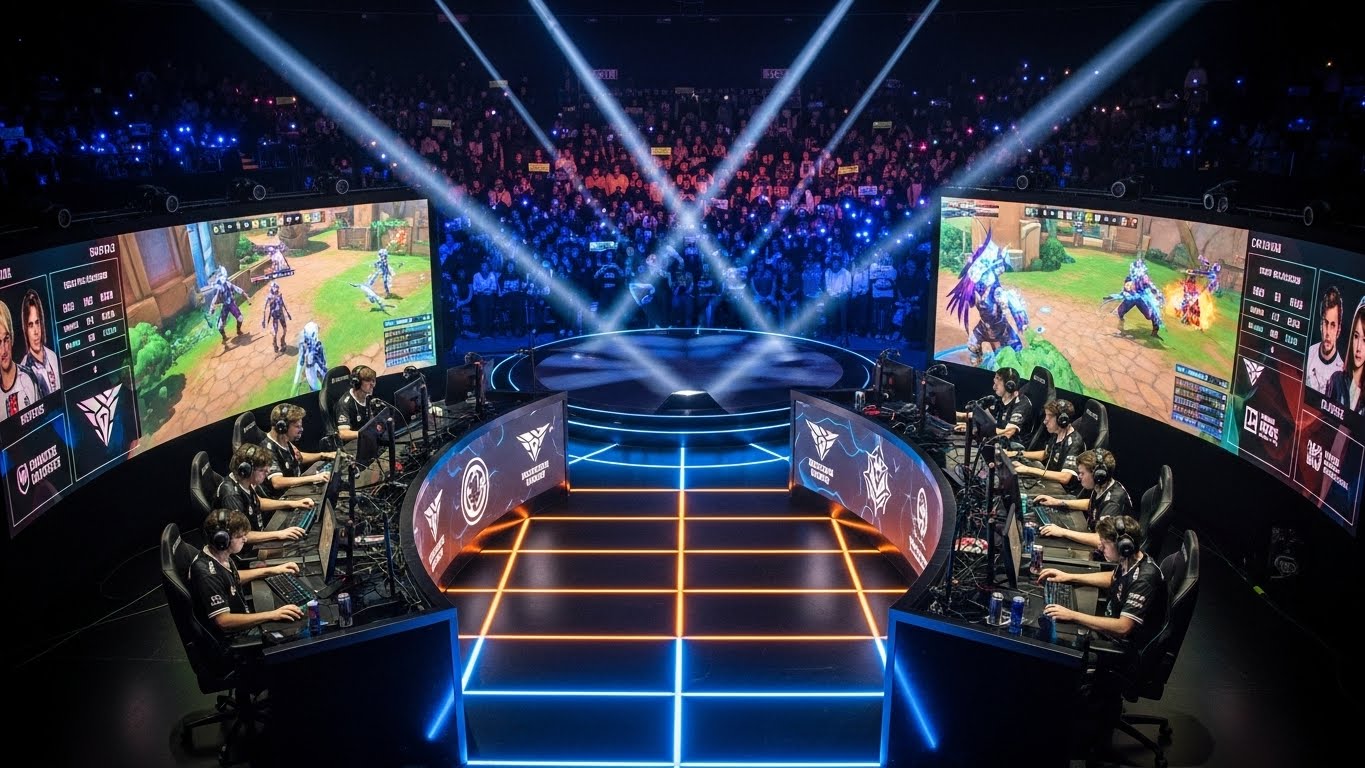
Esports, or competitive video gaming, has transitioned from a niche hobby to a global phenomenon in just a few decades. What was once considered mere entertainment for teenagers in basements is now a multi-billion-dollar industry, drawing millions of viewers and professional players worldwide. This rapid evolution raises questions about its impact on culture, technology, and the way society views competition. In this article, we explore the history, growth, challenges, and future of esports.
The Origins of Competitive Gaming
The roots of esports can be traced back to the 1970s and 1980s when video games first began gaining mainstream attention. Early competitions often revolved around arcade games like Space Invaders and Pac-Man. These tournaments were small, local events but laid the groundwork for organized competition.
By the 1990s, competitive gaming had expanded with the rise of personal computers and networked multiplayer games. Titles such as Doom, Quake, and StarCraft introduced players to competitive online play, allowing gamers to connect beyond their immediate geography. The establishment of professional leagues and sponsorships during this era set the stage for modern esports.
The Explosion of Esports in the 21st Century
The 21st century saw a dramatic transformation in esports. Advances in internet connectivity, streaming technology, and game design created a fertile environment for competitive gaming to thrive. Platforms dedicated to broadcasting gameplay, such as Twitch, allowed fans to watch professional players in real-time. This visibility created new revenue streams through advertising, sponsorships, and subscriptions.
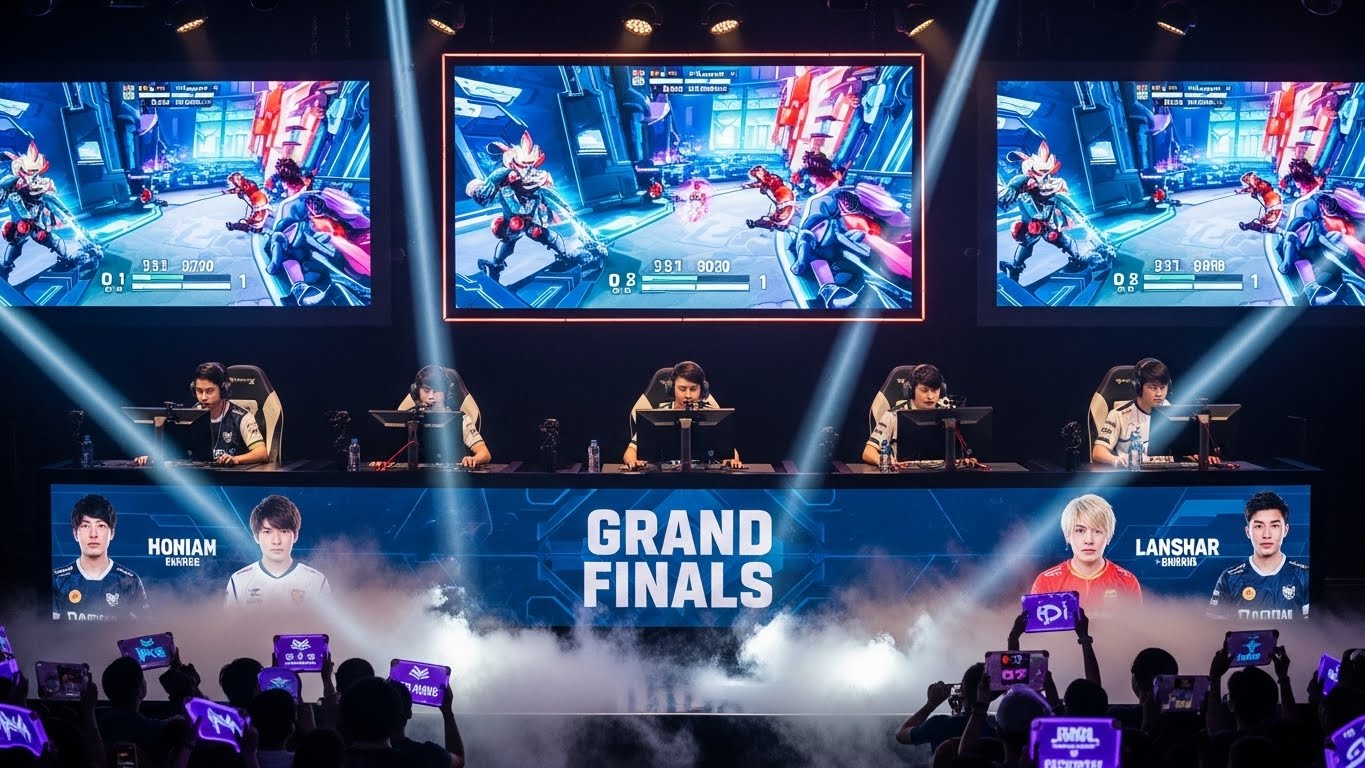
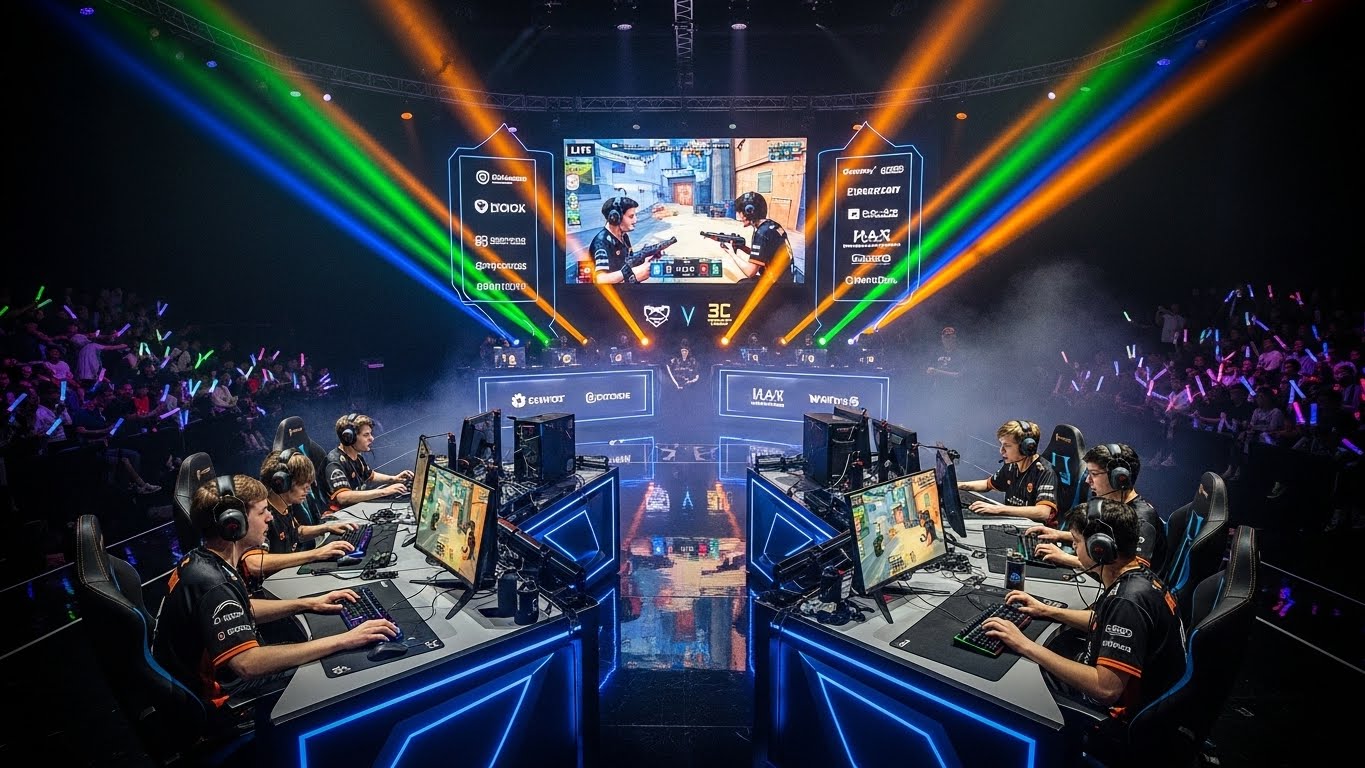
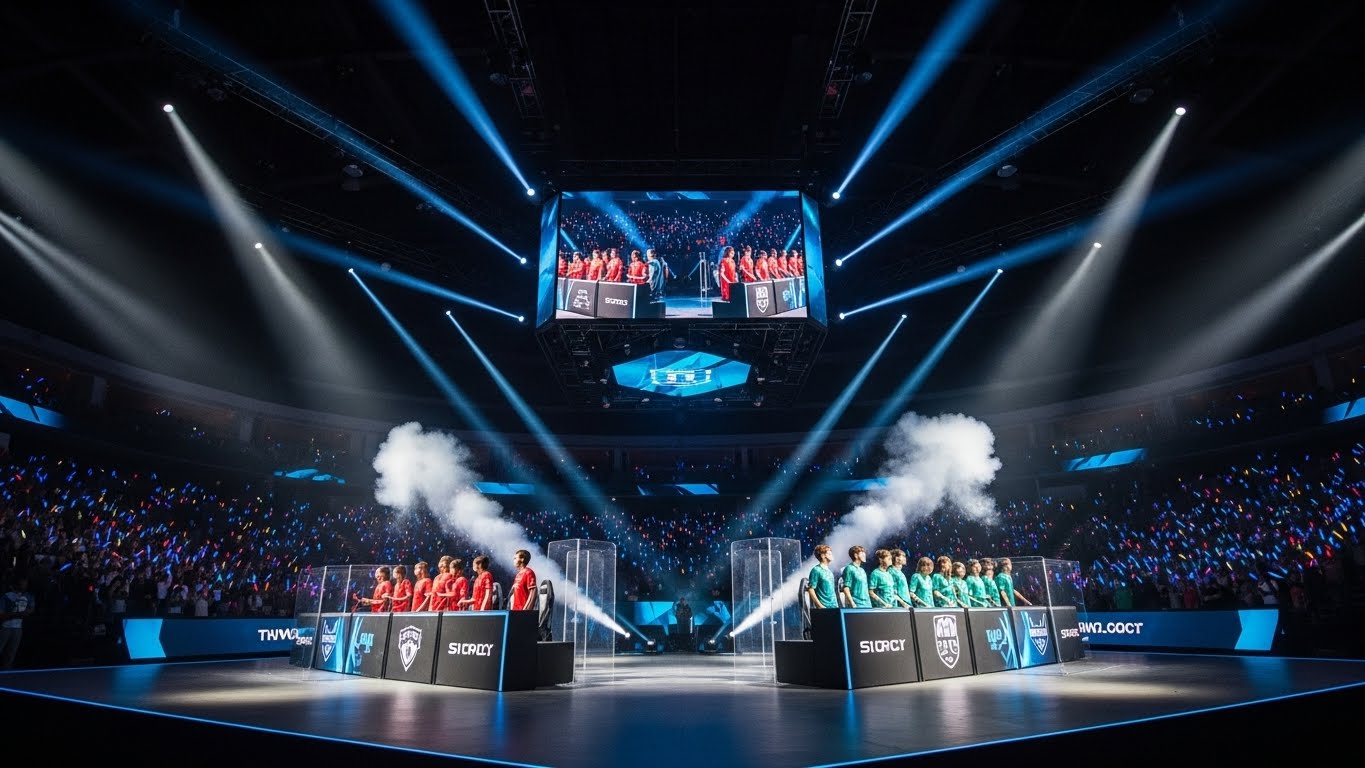
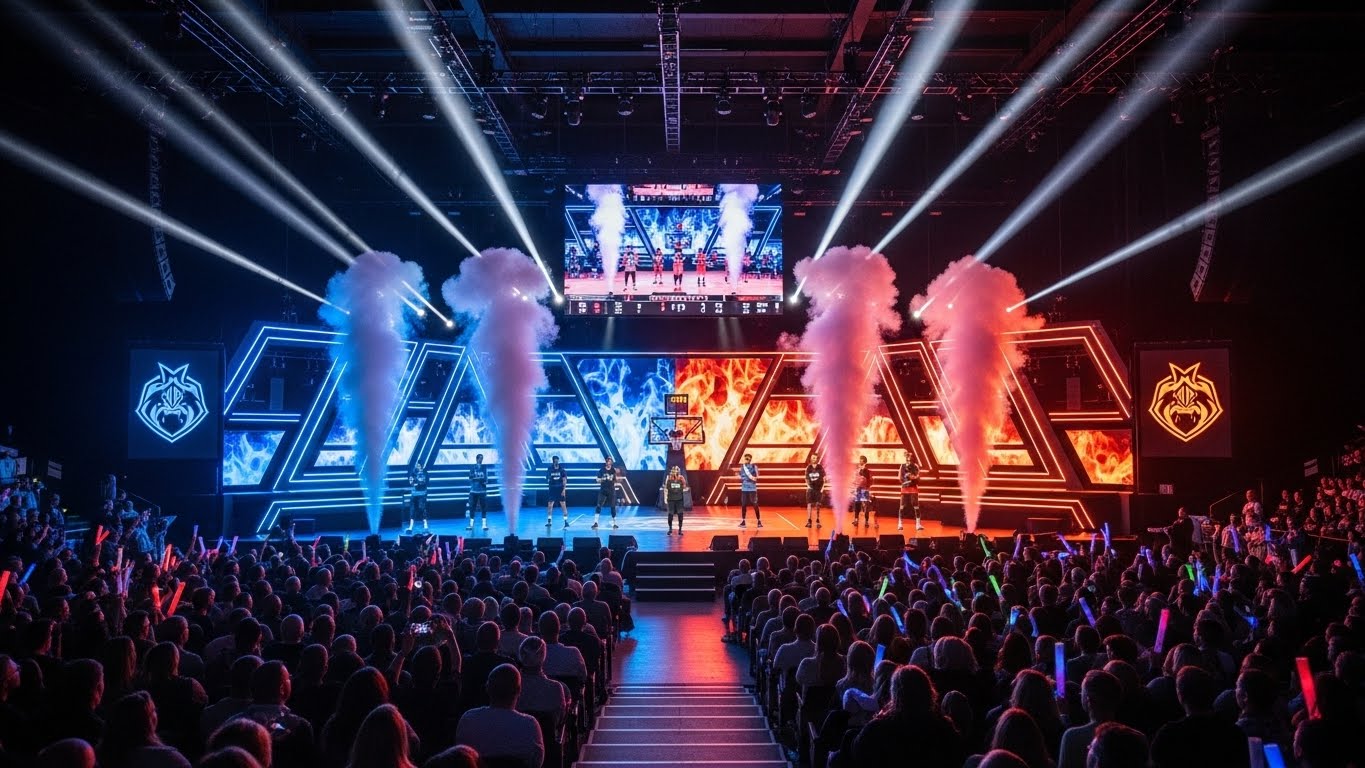
Games like League of Legends, Counter-Strike: Global Offensive, Dota 2, and Fortnite became household names within the esports community. Their competitive scenes offered structured tournaments, cash prizes, and recognition for the top players. Some tournaments now boast prize pools exceeding tens of millions of dollars, rivaling traditional sports competitions in scale.
The Global Appeal of Esports
One of the most remarkable aspects of esports is its global reach. Unlike traditional sports that are often limited by geography, esports can connect players and fans from every corner of the world. South Korea, China, and the United States have emerged as powerhouses in the esports arena, each cultivating dedicated fan bases and professional leagues.
The accessibility of esports also contributes to its appeal. Anyone with a computer or gaming console and internet access can participate, eliminating many of the barriers associated with traditional sports. This inclusivity has helped esports gain traction among younger generations who are comfortable with digital platforms and online communities.
The Economic Impact of Esports
Esports is not just a cultural phenomenon; it is a significant economic force. Revenue in the industry comes from multiple sources including game publishers, tournament organizers, sponsorship deals, merchandise sales, and media rights. Leading esports organizations operate like professional sports teams, employing players, coaches, analysts, and marketing professionals.
The career opportunities in esports extend beyond the players themselves. Streamers, commentators, content creators, event organizers, and brand managers all play critical roles in the ecosystem. This diversification of revenue and career paths ensures that esports is more than just a passing trend; it has become a sustainable industry with long-term potential.
Esports as a Professional Career
For many, esports has become a legitimate career choice. Professional players train rigorously, often dedicating 8 to 12 hours a day to practice, strategy, and physical fitness. Unlike the casual gamer stereotype, esports professionals must maintain mental sharpness, reflexes, teamwork skills, and adaptability under pressure.
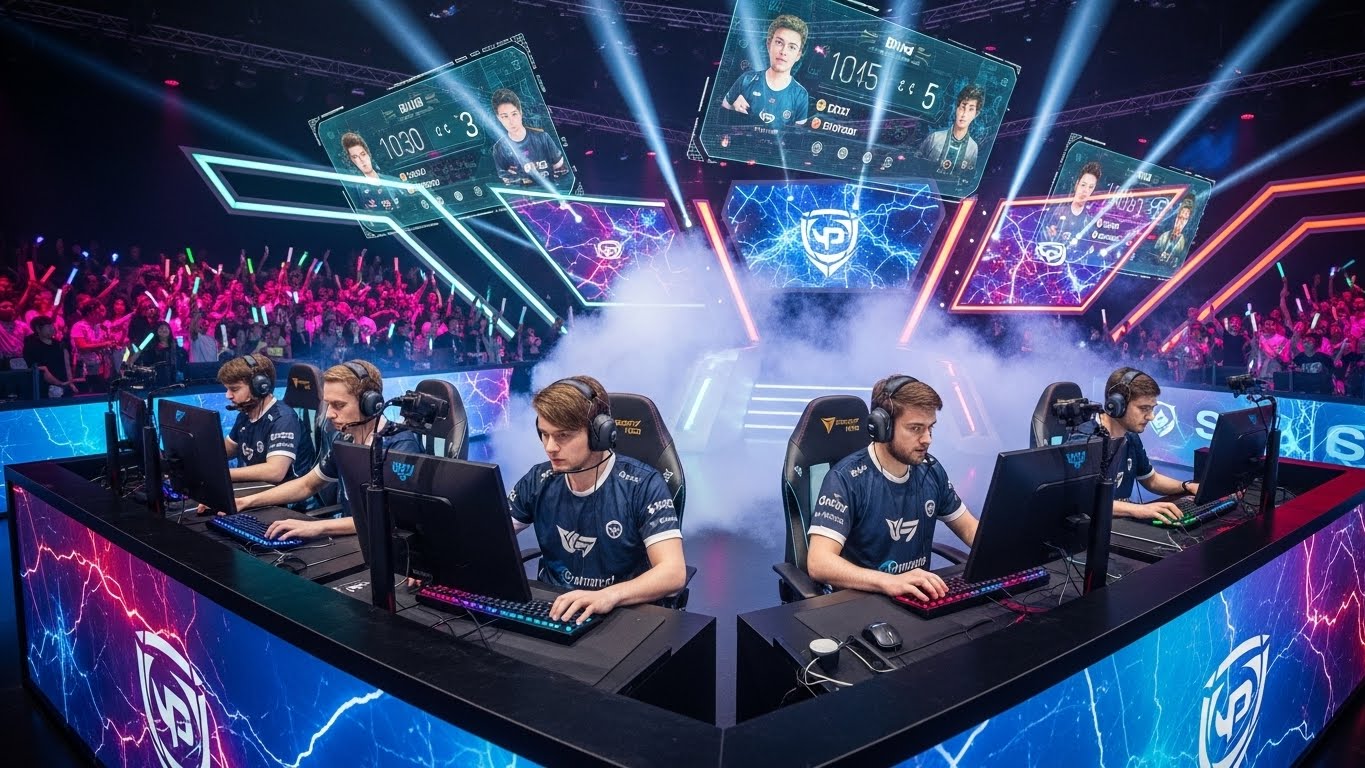
Teams compete in leagues and tournaments with structured schedules, coaching support, and performance analytics. In addition to prize money, successful players often secure sponsorships and streaming deals, creating multiple income streams. Some players have reached celebrity status, influencing gaming culture and inspiring the next generation of gamers.
Health and Lifestyle Considerations
While esports offers exciting opportunities, it also presents unique health challenges. Extended hours of gaming can lead to physical strain, such as repetitive strain injuries, eye fatigue, and posture-related issues. Mental health is equally important; the pressure to perform, the competitive environment, and public scrutiny can lead to stress and burnout.
To address these challenges, many professional esports organizations now incorporate fitness regimens, mental health support, and balanced schedules for their players. Education on proper ergonomics, nutrition, and time management has become an integral part of a professional gamer’s lifestyle. This holistic approach underscores the professionalism and seriousness of the esports industry.
The Role of Technology in Esports
Technology has been the backbone of esports growth. High-speed internet, powerful gaming hardware, and advanced software have made large-scale competitive gaming feasible. Streaming technology allows fans worldwide to watch events live, while analytics tools help teams fine-tune strategies and performance.
Virtual reality and augmented reality are emerging technologies with the potential to redefine esports. These innovations could create immersive experiences for players and audiences, opening new avenues for competition and entertainment. As technology continues to evolve, the possibilities for esports are virtually limitless.
Cultural Impact of Esports
Esports is reshaping the way society perceives gaming and competition. It has cultivated communities where players share strategies, celebrate victories, and engage in healthy rivalry. Gaming conventions, live tournaments, and online forums foster social interaction and cultural exchange, uniting people across diverse backgrounds.
Moreover, esports has influenced mainstream media and entertainment. Celebrities, brands, and even traditional sports leagues are increasingly investing in or collaborating with esports, further legitimizing it as a cultural force. The recognition of esports as a valid career path also challenges outdated stereotypes about gaming as a solitary or unproductive activity.
Challenges Facing Esports
Despite its growth, esports faces several challenges. Regulatory issues, including gambling concerns and player contracts, need careful management to ensure fair play and ethical standards. Cheating and cheating-prevention measures remain ongoing concerns, particularly in online tournaments.
Additionally, the competitive scene must address sustainability. The intense pressure on players, fluctuating revenues, and dependence on sponsorships can create instability. Ensuring long-term growth requires industry collaboration, responsible management, and investment in player welfare.
The Future of Esports
The future of esports looks incredibly promising. With continued investment, technological innovation, and global engagement, esports is poised to become even more mainstream. Universities now offer esports scholarships, professional leagues are gaining television coverage, and new genres of games continue to expand competitive opportunities.
As esports matures, it may also integrate more closely with traditional sports, entertainment, and education. Its potential to innovate in areas like virtual events, interactive fan experiences, and digital community-building could redefine the boundaries of competition and entertainment altogether.
Conclusion
Esports has come a long way from its humble beginnings in arcades and early computer networks. Today, it stands as a legitimate, thriving industry that blends competition, entertainment, technology, and culture. With global reach, economic significance, and cultural influence, esports is no longer just a pastime—it is a defining feature of the modern digital age.
As we look forward, the growth of esports promises not only new opportunities for players and fans but also a broader understanding of what it means to compete and connect in a digital world. Beyond the screen, esports has proven that the boundaries of sports and entertainment are expanding in exciting and unprecedented ways.