 joystickarena94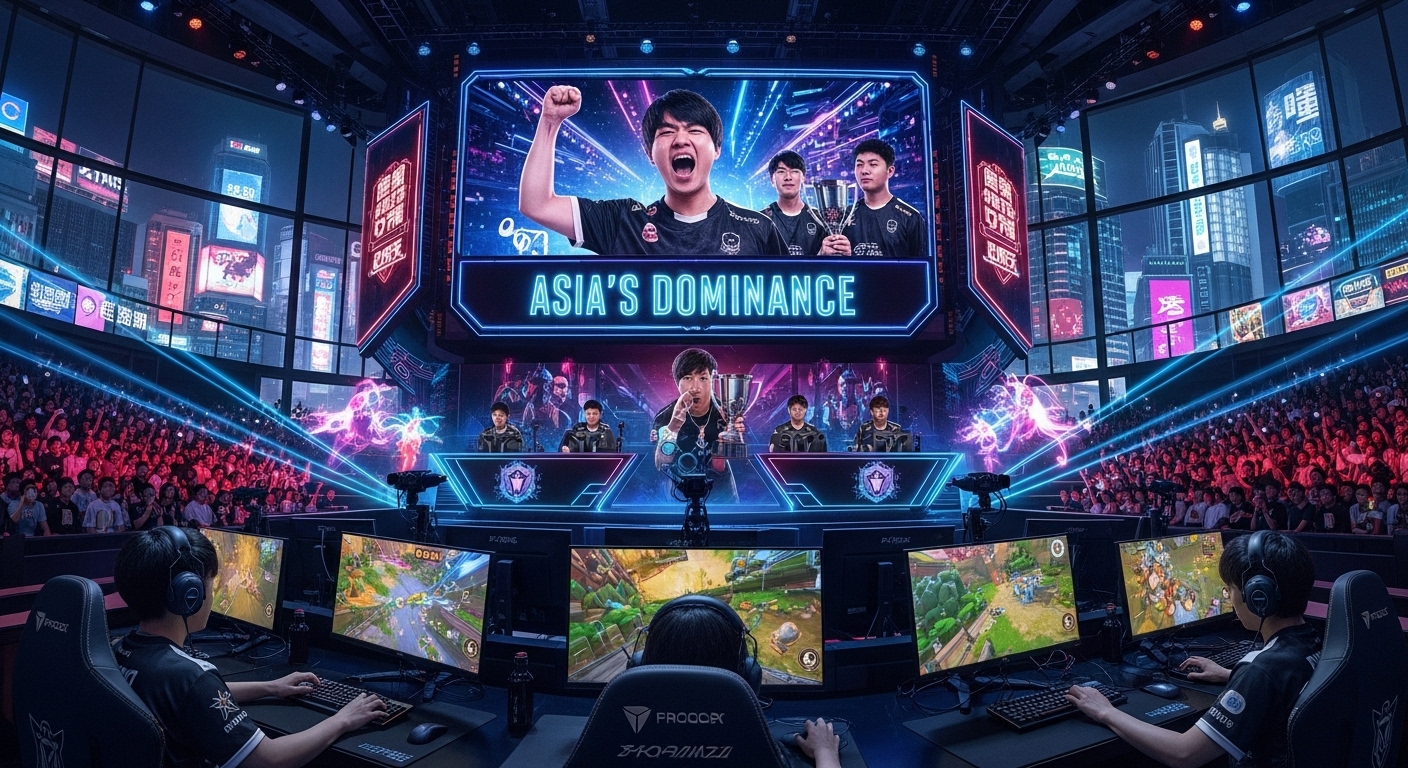
Introduction
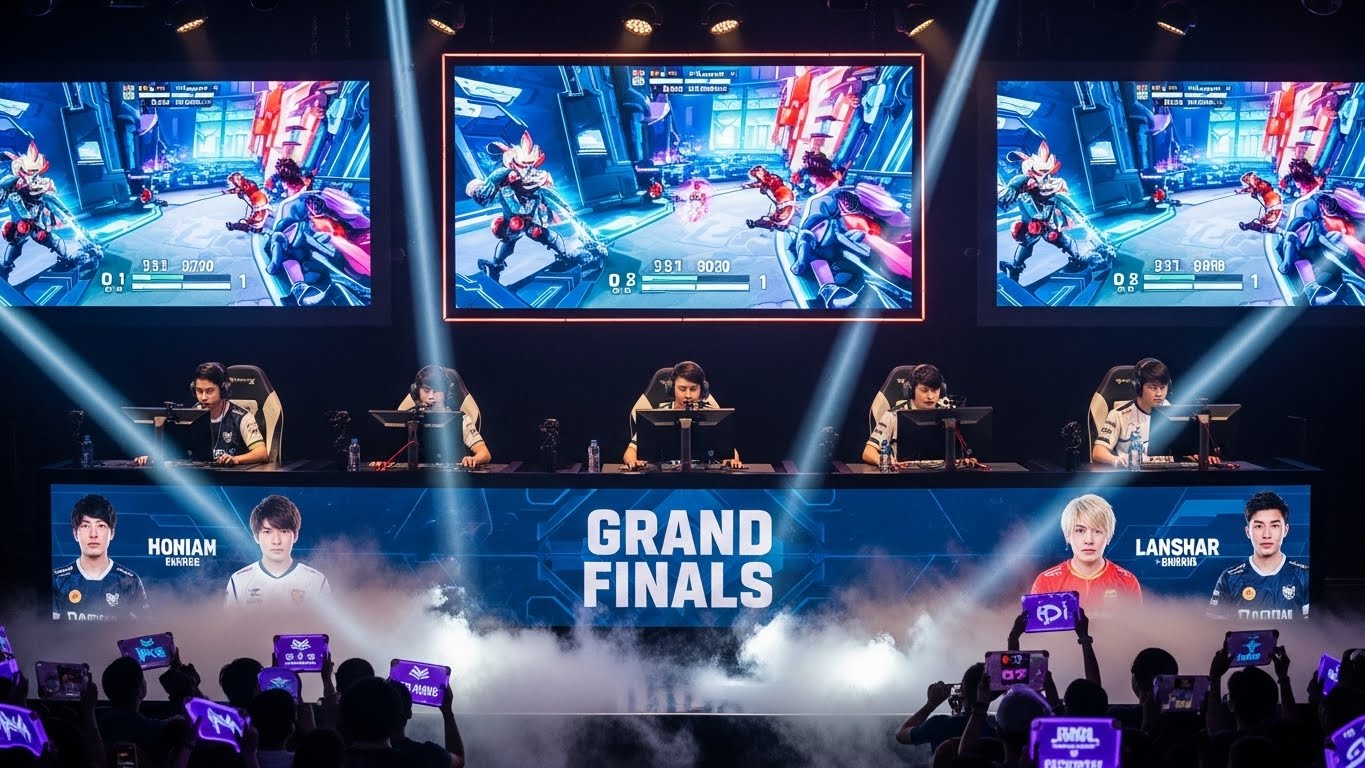
Esports, once considered a niche pastime, has evolved into a global industry worth billions of dollars. From high-stakes tournaments to professional leagues, competitive gaming is now viewed with the same reverence as traditional sports. While regions like North America and Europe have contributed immensely to the growth of esports, Asia stands as the undisputed leader in this arena. With its massive player base, thriving infrastructure, and cultural acceptance of gaming, Asia has become the heartbeat of global esports.
This dominance is not accidental. It stems from a unique blend of cultural, technological, and economic factors that have shaped the gaming ecosystem across countries like South Korea, China, Japan, and more recently, Southeast Asian nations and India. In this blog post, we’ll explore the historical roots of Asia’s esports supremacy, its current impact on the global stage, and what the future holds for this region in competitive gaming.
1. The Birthplace of Esports: South Korea’s Pioneering Role
When we talk about esports, South Korea deserves the spotlight. Often hailed as the birthplace of modern esports, South Korea set the template for what competitive gaming could become.
In the late 1990s, during the Asian financial crisis, South Korea invested heavily in internet infrastructure. The result was a nation where broadband internet spread faster than almost anywhere else in the world. This digital revolution coincided with the release of StarCraft: Brood War, a real-time strategy game that became a national phenomenon. Televised matches, sponsored leagues, and celebrity pro-gamers turned gaming into a mainstream spectacle.
South Korea’s professionalization of esports was revolutionary. Teams had corporate sponsors, players lived in training houses, and matches were broadcast on dedicated TV channels. This created a sustainable ecosystem where gaming was not just entertainment—it was a career path. The cultural respect for professional gamers in South Korea became the foundation for the wider Asian esports movement.
2. China’s Meteoric Rise
If South Korea pioneered esports, China transformed it into a massive business empire. With the world’s largest population of gamers—over 700 million as of recent estimates—China represents the largest single market for esports.
Games like League of Legends, Dota 2, and Honor of Kings became cultural phenomena in China. The government, despite its strict gaming regulations, recognized esports as an official sport in 2003, paving the way for organized competition. Chinese tech giants like Tencent and NetEase poured billions into gaming development, streaming platforms, and tournaments.
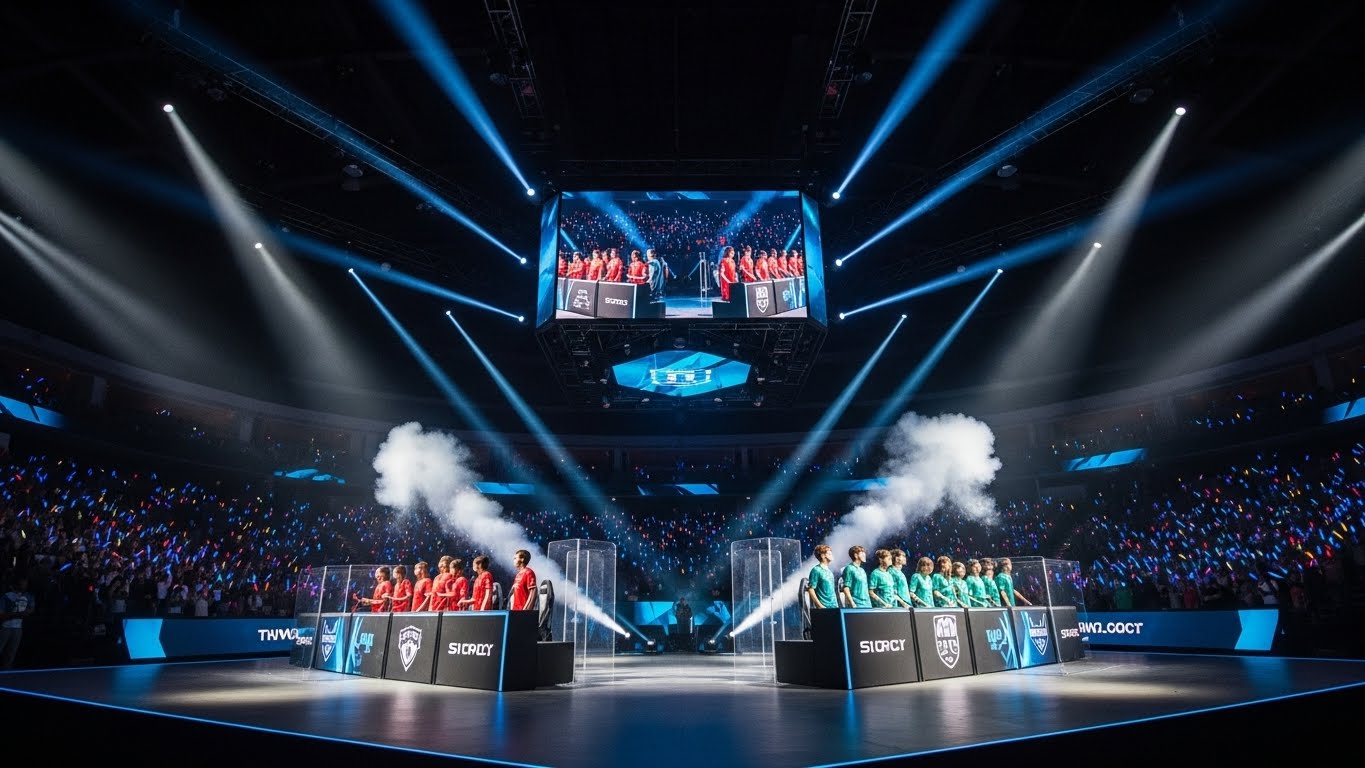
China also became home to some of the biggest esports arenas, such as the Mercedes-Benz Arena in Shanghai, which hosted the 2019 League of Legends World Championship Finals. The production quality of Chinese tournaments often rivals that of the Olympics, showcasing esports as a legitimate global spectacle.
Importantly, China’s esports dominance is tied to its streaming platforms like Huya and Douyu, which attract millions of daily viewers. The sheer scale of China’s audience has made it the economic powerhouse of competitive gaming, influencing how publishers design games and how tournaments are structured.
3. Japan’s Cultural Evolution into Esports
Japan has long been a gaming giant thanks to companies like Nintendo, Sony, and Sega. However, when it comes to esports, Japan’s journey was slower due to restrictive gambling laws that limited prize pools. For decades, Japan’s competitive scene lagged behind its neighbors despite producing iconic titles like Street Fighter, Super Smash Bros., and Tekken.
But recent years have seen a shift. With the legalization of larger prize pools and government recognition of esports, Japan has been catching up quickly. The fighting game community (FGC) in Japan is one of the most respected in the world, producing legendary players like Daigo Umehara. Moreover, Japan’s passion for arcade-style competition has blended seamlessly with esports, creating a niche that continues to thrive globally.
4. Southeast Asia: The Mobile Esports Revolution
While South Korea and China built dominance on PC gaming, Southeast Asia has become the epicenter of mobile esports. Nations like the Philippines, Indonesia, Vietnam, and Malaysia have embraced mobile-first gaming cultures.
Titles like Mobile Legends: Bang Bang (MLBB) and PUBG Mobile dominate the competitive landscape. In fact, MLBB’s Southeast Asian Cup attracts millions of viewers, rivaling global PC-based tournaments. The accessibility of smartphones, combined with affordable data plans, has democratized esports in these regions, allowing young players from all backgrounds to participate.
Southeast Asia’s dominance in mobile esports is also tied to its passionate fan culture. Tournaments draw football-like crowds, with chants, banners, and intense national pride fueling competitions. This region proves that esports doesn’t need to be confined to expensive gaming rigs—mobile devices can build world-class ecosystems.
5. India’s Entry into the Esports Spotlight
India, one of the world’s fastest-growing gaming markets, is shaping up to be Asia’s next esports powerhouse. While the country’s esports journey began slowly due to infrastructure and regulatory challenges, the rise of affordable smartphones and cheap internet data (thanks to Jio) has accelerated its growth.
PUBG Mobile was the turning point for Indian esports, creating a generation of pro players and influencers. Although the game faced bans, alternatives like BGMI and Free Fire have kept the ecosystem alive. Tournaments in India now offer million-dollar prize pools, and Indian organizations are building infrastructure to nurture talent.
With a massive youth population, India’s esports industry has the potential to rival China in scale over the next decade. The government’s recent recognition of esports as part of “multisports events” is also a sign of greater institutional support.
6. Key Factors Behind Asia’s Dominance
So, what makes Asia so uniquely successful in competitive gaming compared to other regions? Several interconnected factors play a role:
a) Cultural Acceptance
In many Asian societies, gaming is not seen as a waste of time but as a respected hobby and even a legitimate career. South Korean pro-gamers, for example, are treated with celebrity status.
b) Infrastructure
High-speed internet, gaming cafés, and large arenas have provided the physical and digital infrastructure necessary for esports to thrive.
c) Investment
Tech giants like Tencent, Samsung, and Sony, along with governments, have heavily invested in esports, ensuring steady growth.
d) Youth Demographics
Asia’s massive young population provides both players and audiences, creating a self-sustaining cycle of demand and supply.
e) Innovation in Platforms
From China’s live-streaming giants to Southeast Asia’s mobile-first approach, Asia has consistently led innovation in how esports are consumed.
7. The Global Impact of Asia’s Esports Scene
Asia’s dominance is not confined to its borders—it has reshaped global esports. Consider how tournaments like The International (Dota 2) or the League of Legends World Championship revolve heavily around Asian teams and audiences.
Asian teams consistently rank among the best in the world. For instance:
- South Korean teams dominate League of Legends.
- Chinese teams are powerhouses in Dota 2.
- Japanese players are legends in fighting games.
- Southeast Asian squads shine in mobile esports.
Moreover, international organizations now look to Asia as the gold standard for tournament production, training facilities, and fan engagement.
8. Challenges Facing Asia’s Esports Industry
Despite its success, Asia’s esports scene is not without challenges:
- Government Regulations: China’s gaming restrictions on minors could impact long-term player development.
- Burnout and Mental Health: The intense training regimens in South Korea and China often lead to early retirements.
- Sustainability: With so much money in the industry, questions about long-term stability and fair wages for lower-tier players remain.
- Regional Disparities: While some countries thrive, others still lack the infrastructure to support esports on a large scale.
These challenges, if not addressed, could affect Asia’s continued dominance.
9. The Future of Asia in Competitive Gaming
Looking ahead, Asia’s role in esports will likely grow even stronger. Several trends point toward this future:
- Olympic Recognition: Esports already featured as a demonstration event in the 2018 Asian Games, and full inclusion in the future could further cement Asia’s leadership.
- Cross-Regional Leagues: More international leagues will likely emerge, but Asia’s viewership will remain the largest driving force.
- Technological Integration: VR, AR, and AI-powered analytics are already being tested in Asian markets, potentially revolutionizing competitive gaming.
- Talent Development: With esports academies and university programs expanding, Asia is preparing the next generation of champions.
10. Conclusion
Asia’s dominance in competitive gaming is a product of history, culture, technology, and economics. From South Korea’s pioneering leagues to China’s economic powerhouse, from Japan’s fighting game legends to Southeast Asia’s mobile revolution, the region has redefined what esports can be.
While challenges remain, Asia’s ability to adapt and innovate ensures that it will continue to lead the global esports movement. For gamers, fans, and investors worldwide, all roads in esports inevitably point to Asia—the true home of competitive gaming.