 joystickarena94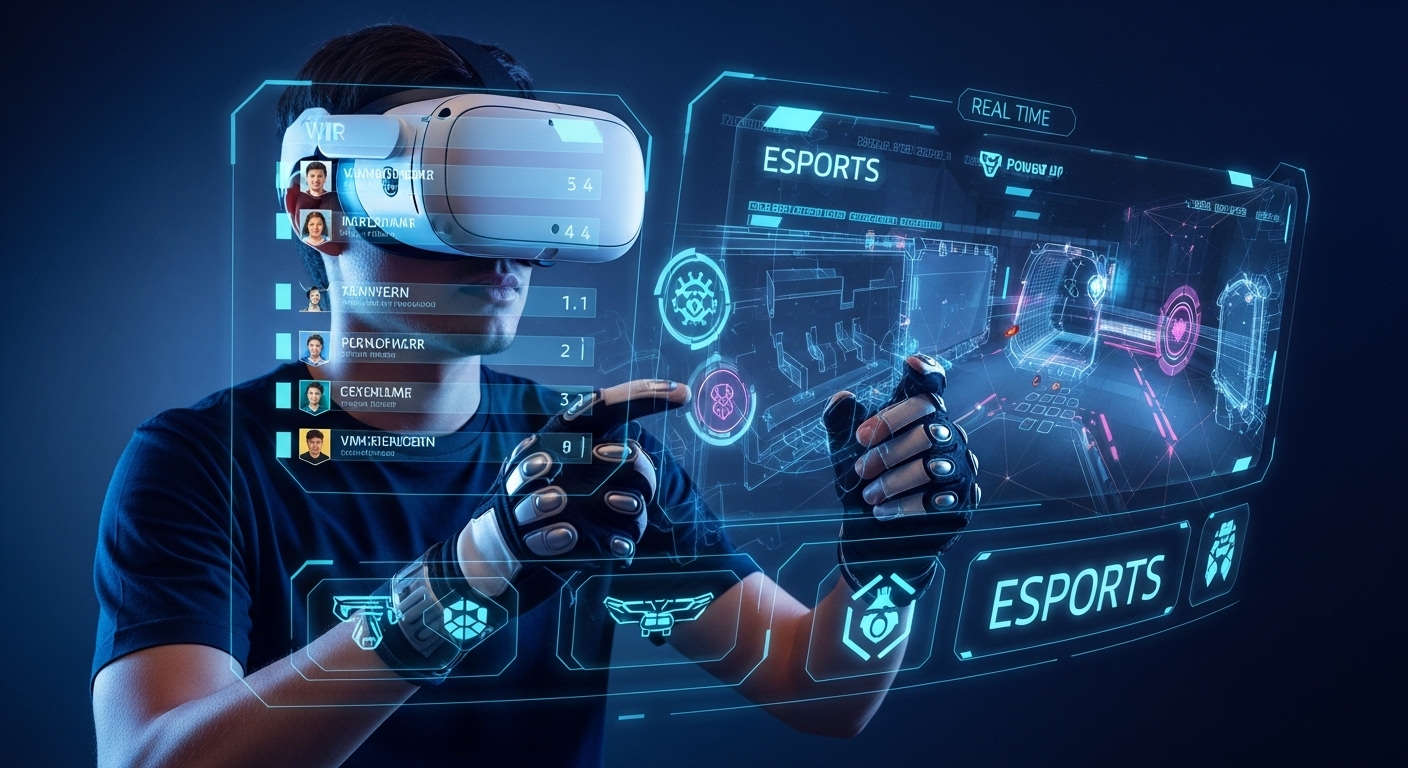
Introduction
In the last two decades, the world has witnessed a dramatic transformation in the realm of competitive entertainment. What began as casual gaming between friends in small arcades or over local networks has evolved into one of the most powerful industries in the modern world—Esports. The term “Esports” refers to organized, competitive video gaming, where players and teams face off in various game titles to prove their skills, strategy, and mental fortitude. From humble beginnings to multi-million-dollar global tournaments, Esports has captured the attention of millions of fans worldwide. It has become not just a pastime, but a legitimate career path and cultural phenomenon.
The Early Beginnings of Esports
The roots of Esports can be traced back to the 1970s and 1980s when video games began gaining popularity in arcades and on home consoles. Early competitions like the Space Invaders Championship in 1980, organized by Atari, marked one of the first major gaming tournaments in history. It attracted over ten thousand participants across the United States, showcasing the growing enthusiasm for digital competition.
In the 1990s, as technology advanced and internet connectivity improved, gaming began to move beyond single-player experiences. Titles such as Doom and Quake popularized online multiplayer gameplay, allowing players from different locations to battle each other in real time. The rise of local area network (LAN) parties also played a crucial role in shaping early Esports culture, as gamers gathered to test their skills and claim bragging rights.
The Dawn of Professional Gaming
By the late 1990s and early 2000s, competitive gaming began taking shape as a professional pursuit. Games like Counter-Strike, StarCraft, and Warcraft III became central to this evolution. South Korea emerged as one of the first nations to embrace Esports at a professional level, with television channels broadcasting live matches and players gaining celebrity status. The formation of organizations like the Korean e-Sports Association helped formalize the structure of professional gaming, setting the stage for its global expansion.
In the West, competitive gaming found a home with events such as the Cyberathlete Professional League (CPL) and Major League Gaming (MLG). These organizations introduced prize pools, sponsorships, and standardized tournament formats. The gaming community started to view Esports as a serious competition rather than mere recreation.
The Explosion of Online Streaming and Global Reach
One of the most significant milestones in the growth of Esports came with the emergence of live-streaming platforms. Services such as Twitch revolutionized how audiences engaged with gaming. Instead of watching tournaments on television or through recorded videos, fans could now view their favorite players compete in real-time, interact through live chat, and even support them financially.
This accessibility expanded Esports’ global reach exponentially. Millions of viewers from different countries could now tune in to major tournaments like The International (for Dota 2), the League of Legends World Championship, and the Fortnite World Cup. These events not only offered enormous prize pools but also rivaled traditional sports in terms of viewership. The 2018 League of Legends World Championship, for instance, drew over 100 million viewers—numbers comparable to major sporting events like the Super Bowl.
The Rise of Esports Titles
The success of Esports is tied closely to the games that define its competitive landscape. Each major title has carved its own niche and cultivated passionate fan bases.
League of Legends emerged as one of the most iconic Esports titles, offering deep strategy, team-based gameplay, and global leagues. Riot Games invested heavily in building a professional infrastructure that mirrors traditional sports, with regional leagues, franchised teams, and world-class events.
Counter-Strike: Global Offensive (CS:GO) has maintained its dominance for years as one of the most skill-intensive first-person shooters. Its emphasis on precision, teamwork, and strategy makes it a mainstay in Esports tournaments worldwide.
Dota 2 stands out for its complexity and high-stakes tournaments, especially The International, which often boasts the largest prize pools in Esports history.
Fortnite, on the other hand, brought a new flavor to the competitive scene by combining creativity, building mechanics, and battle royale gameplay, appealing to a younger generation of gamers.
Valorant, a relatively newer title, has also gained momentum by blending tactical shooting with unique character abilities, further diversifying the Esports ecosystem.
The Business Behind Esports
The Esports industry has grown into a multi-billion-dollar business, encompassing sponsorships, media rights, merchandise, advertising, and live event ticket sales. Major brands from sectors such as technology, energy drinks, automotive, and apparel have invested heavily in Esports, recognizing its influence among younger audiences.
Esports organizations operate similarly to traditional sports franchises. They sign players, hire coaches, and form partnerships with sponsors. Teams such as FaZe Clan, Cloud9, and Team Liquid have become household names, commanding vast followings across social media. The professionalism of Esports has also led to the emergence of player contracts, endorsement deals, and dedicated training facilities.
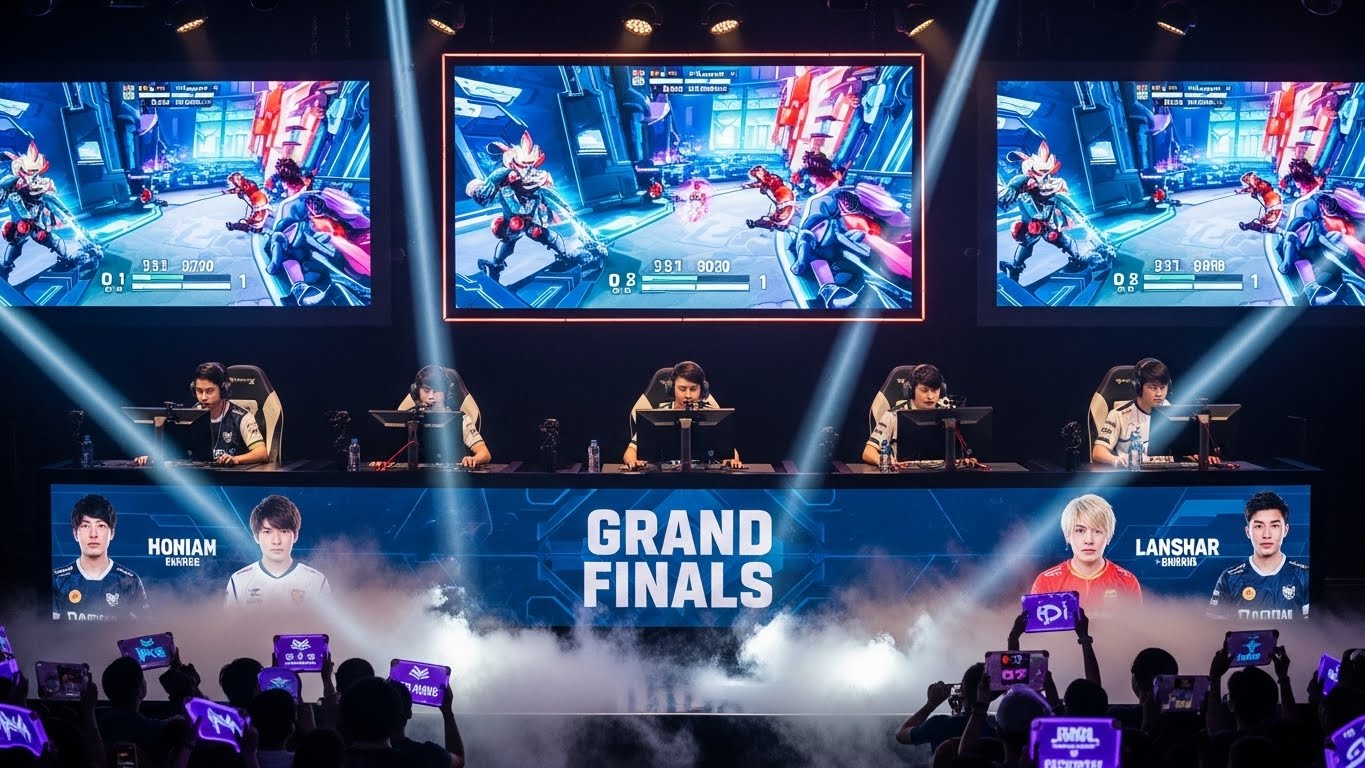
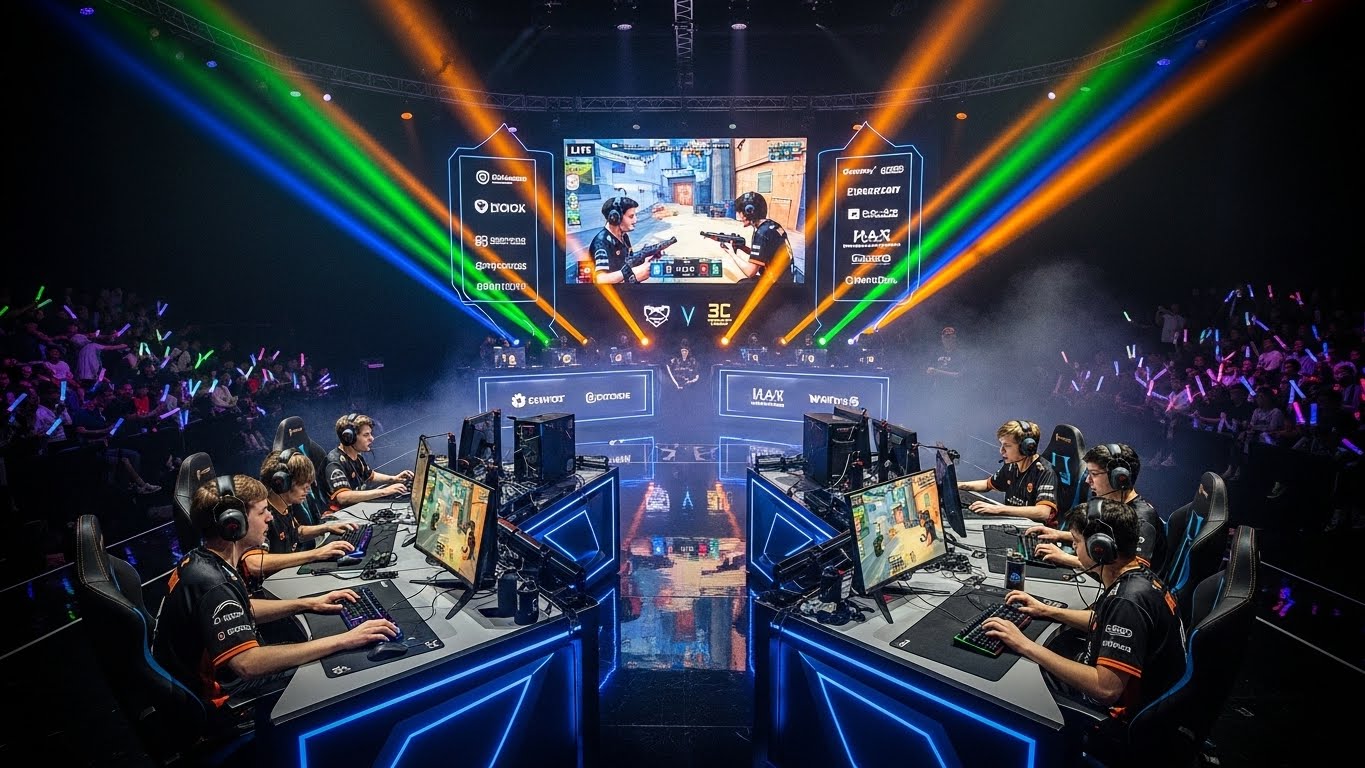
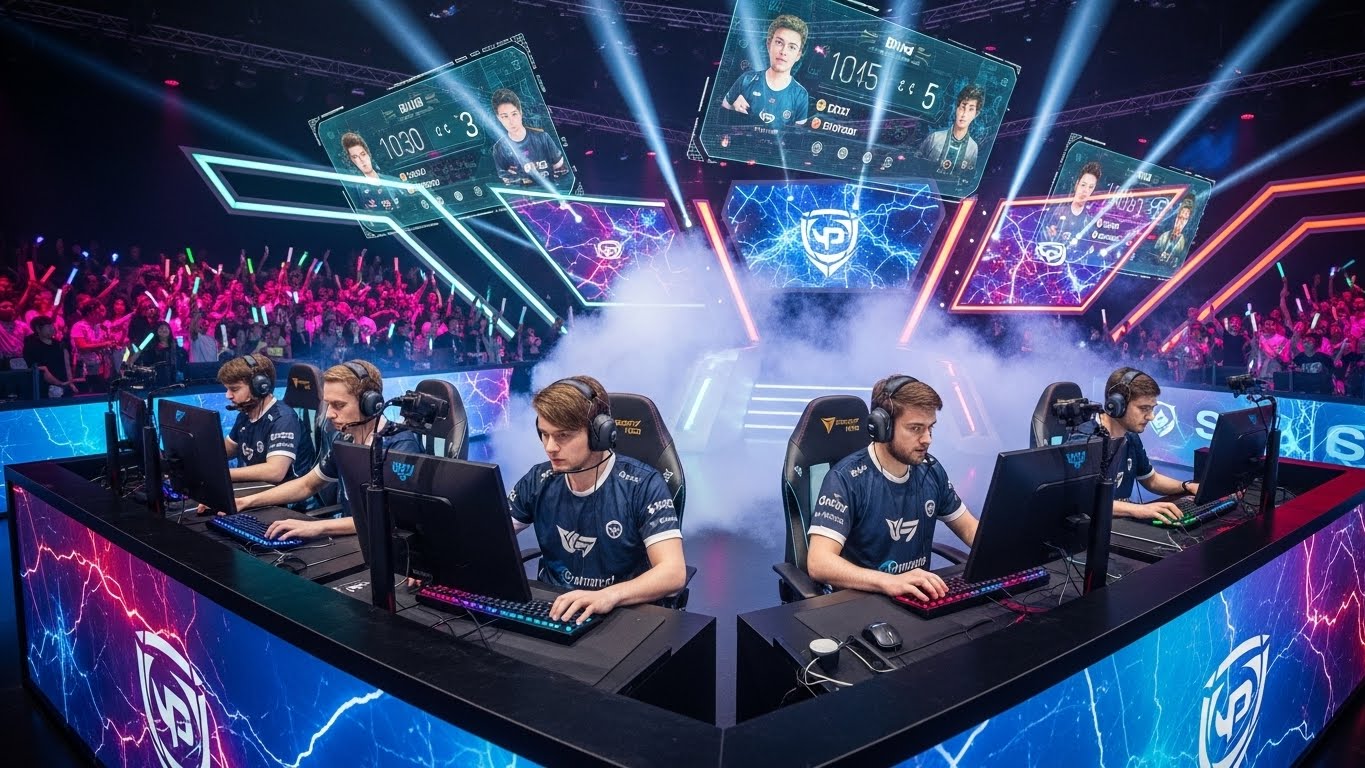
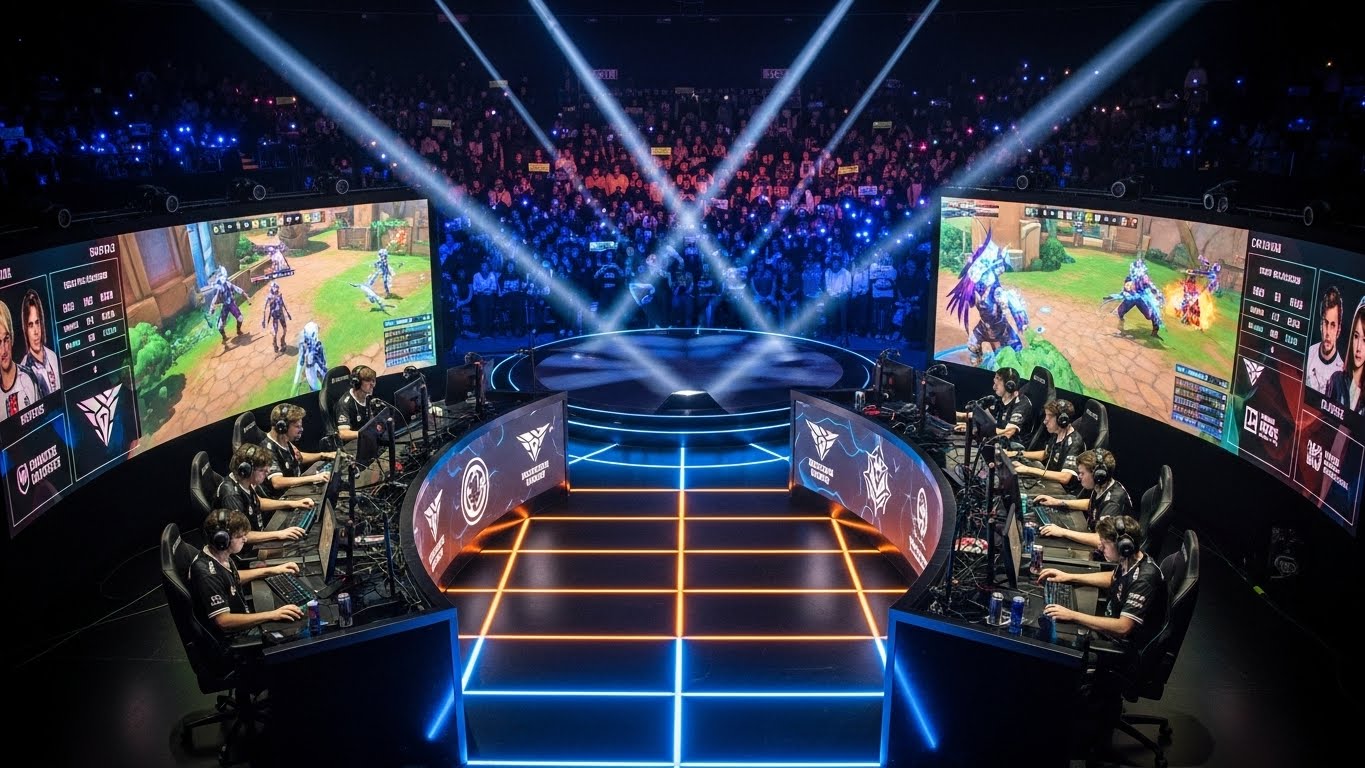
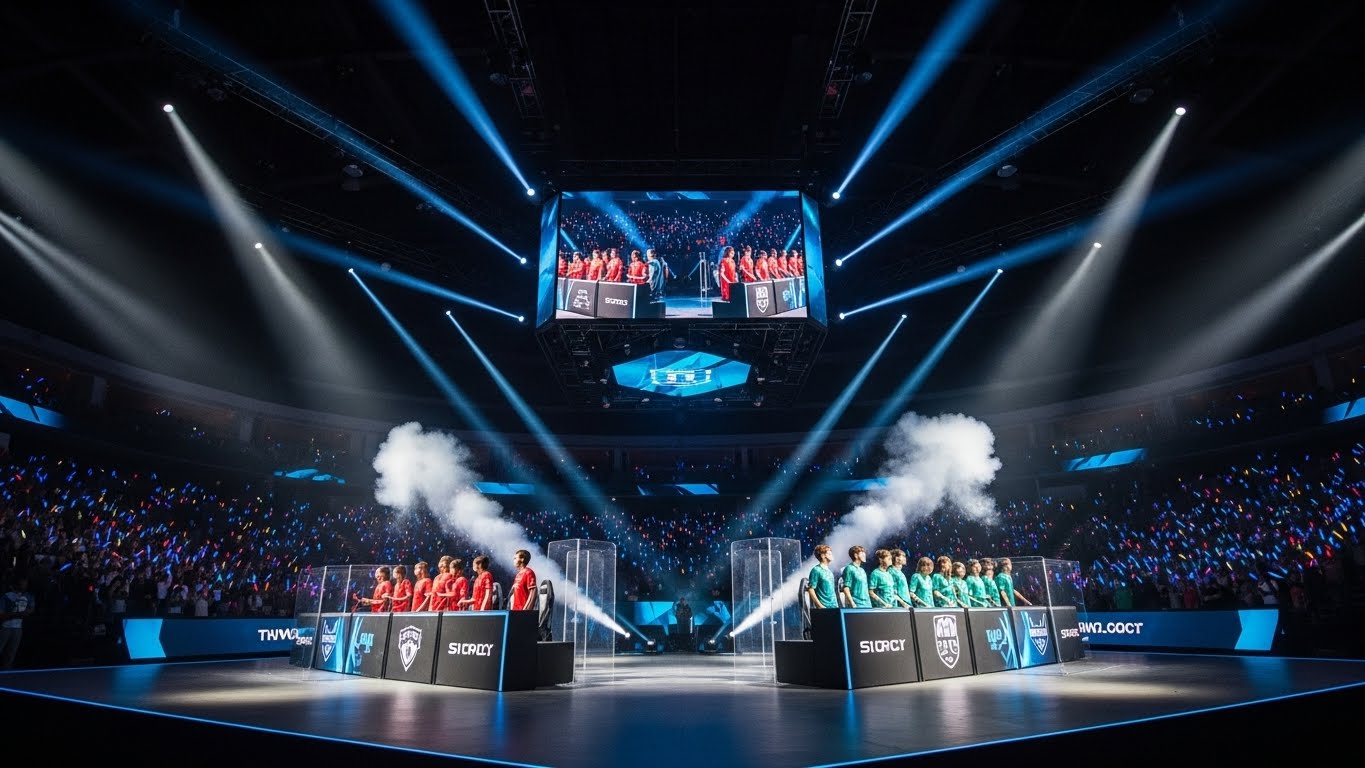
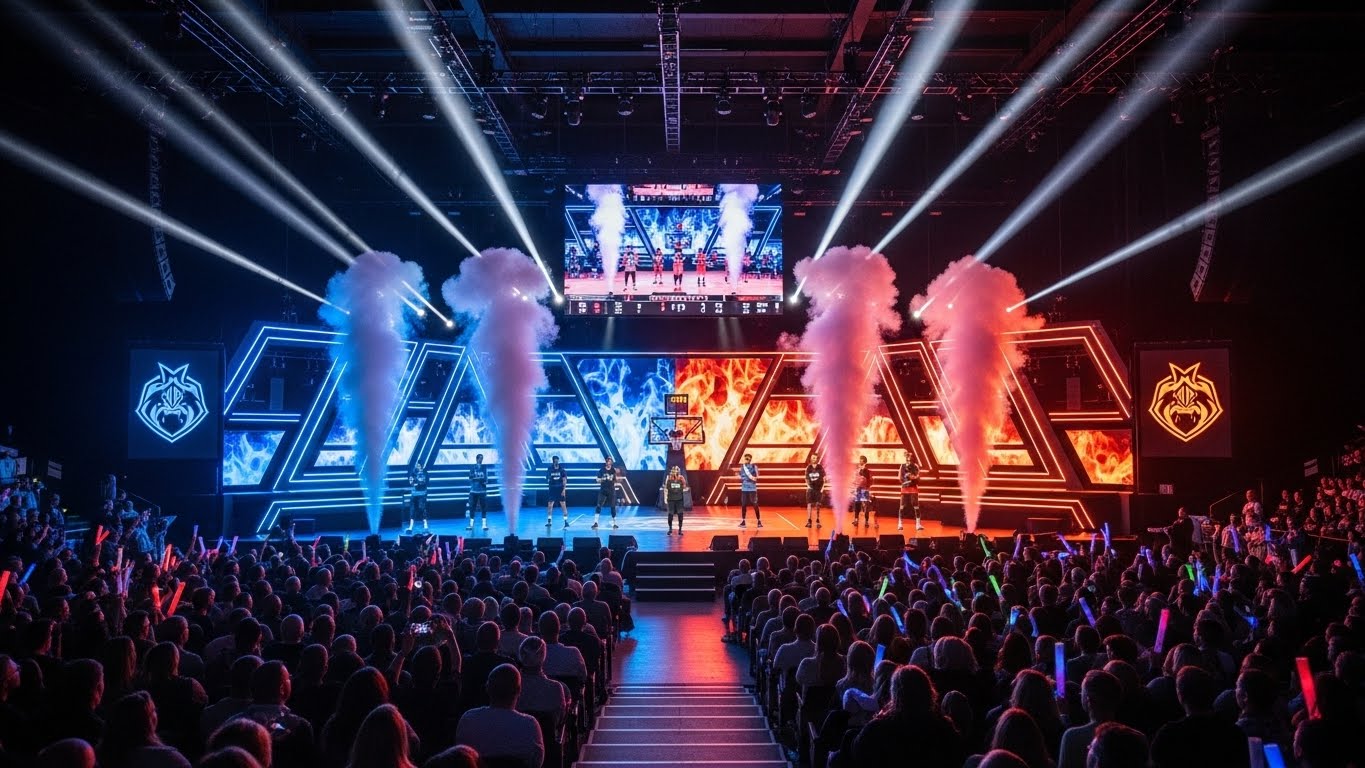
Broadcasting and production value have reached remarkable levels, with high-quality commentary, analysis desks, and advanced in-game viewing systems enhancing the spectator experience. Esports events today are grand spectacles, often held in arenas filled with thousands of fans cheering passionately for their favorite teams.
The Role of Technology in Esports Evolution
The evolution of Esports would not have been possible without rapid technological advancement. High-speed internet connections, powerful gaming PCs, and next-generation consoles have all contributed to smoother gameplay and better viewer experiences. Game developers now design titles with competitive balance and Esports potential in mind.
Virtual reality (VR) and augmented reality (AR) are beginning to find their place in competitive gaming as well. While still in their early stages, these technologies promise to offer new dimensions of immersion and interaction for both players and spectators.
Artificial intelligence (AI) and data analytics have also started influencing Esports, particularly in areas like player training and strategy development. Teams now analyze gameplay data to identify weaknesses, optimize strategies, and predict opponents’ moves, similar to how professional sports teams use analytics to gain a competitive edge.
Esports as a Career Path
Gone are the days when gaming was dismissed as a hobby without real-world value. Today, many individuals are pursuing careers in Esports not only as professional players but also as coaches, analysts, content creators, casters, and event organizers. Educational institutions across the world have begun offering scholarships for Esports players and establishing Esports programs to nurture young talent.
Moreover, streaming has opened doors for countless gamers to build personal brands and earn substantial incomes. Streamers and content creators often collaborate with Esports organizations, turning gaming into a sustainable livelihood.
The Global Esports Community and Culture
Esports has fostered a diverse, global community united by a shared passion for gaming. The community thrives on inclusivity and digital interaction. Fans connect through social media platforms, fan art, memes, and online discussions. Major tournaments create moments of excitement and camaraderie, bridging cultural and geographical barriers.
Esports culture has also influenced fashion, music, and entertainment. Collaborations between game developers and popular artists have become common, with themed events and in-game concerts attracting massive attention. The blending of gaming with pop culture has helped normalize Esports as a mainstream form of entertainment.
Challenges Faced by the Esports Industry
Despite its success, Esports faces several challenges that need addressing for sustainable growth. One major issue is the physical and mental well-being of players. Professional gamers often train for long hours, leading to burnout and health concerns. Organizations are gradually recognizing the importance of balanced lifestyles and providing psychological support for their players.
Another concern involves the stability of Esports titles. Unlike traditional sports that rely on fixed rules and formats, Esports depends on game developers who can change game mechanics or discontinue titles entirely. This poses a risk for teams and players who invest years mastering a particular game.
There are also concerns regarding integrity, including cheating, match-fixing, and illegal betting. As prize pools and sponsorships increase, so does the potential for unethical behavior. Stronger governance and regulation are necessary to preserve the credibility of the industry.
The Educational and Social Impact of Esports
Esports is increasingly being recognized for its educational and developmental benefits. Competitive gaming fosters teamwork, communication, problem-solving, and strategic thinking. Schools and universities have started integrating Esports into their extracurricular programs, providing students with opportunities to develop valuable life skills.
Socially, Esports offers a platform for individuals to connect and collaborate regardless of background or location. It promotes inclusivity and gives people who might not participate in traditional sports an avenue to compete and excel.
The Future of Esports
The future of Esports looks incredibly promising. As technology continues to evolve, the boundaries of what is possible in gaming will expand. Virtual reality and cloud gaming are expected to redefine how games are played and viewed. With increasing investments from major corporations and governments, Esports could eventually rival or even surpass traditional sports in terms of revenue and influence.
We may also see Esports becoming a part of international sporting events in the future. Discussions about including Esports in global competitions such as the Olympics reflect its growing legitimacy and popularity.
Furthermore, the development of metaverse concepts could revolutionize how Esports are experienced. Fans might one day attend tournaments in virtual arenas, interact with avatars of players, and experience events in entirely new dimensions.
Conclusion
Esports has grown from small gatherings of passionate gamers into a global industry that commands the attention of millions. It represents the perfect blend of technology, competition, and community. The journey of Esports is a testament to how digital entertainment can evolve into something culturally and economically significant.
As the lines between the virtual and real worlds continue to blur, Esports stands as a symbol of modern innovation and unity. It is more than just gaming—it is a movement that connects people, creates opportunities, and pushes the boundaries of what competition can be. The story of Esports is still being written, and the next chapters promise to be even more exciting, filled with growth, challenges, and groundbreaking moments that will shape the future of entertainment for generations to come.