 joystickarena94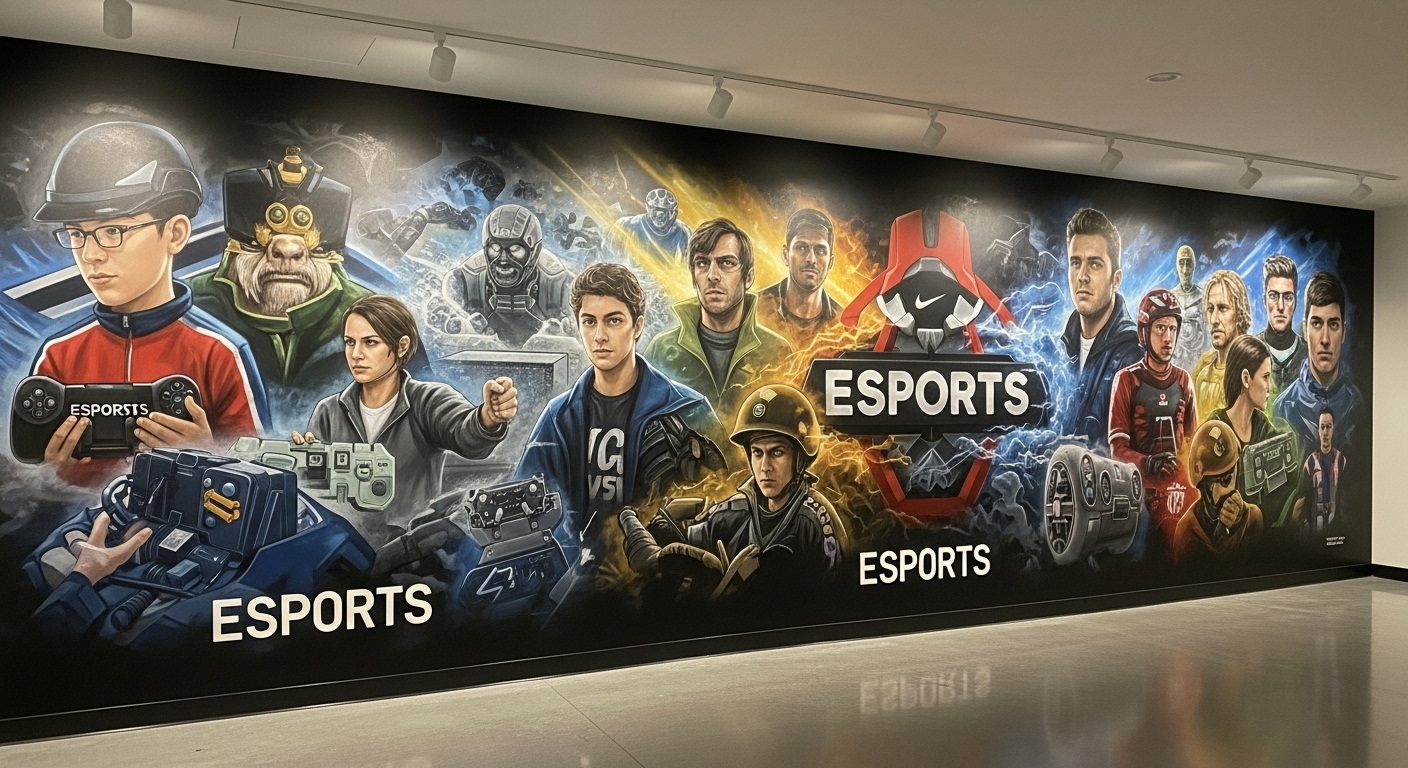
Introduction to Esports
Esports, short for electronic sports, has emerged as one of the most transformative and fascinating developments in modern entertainment. What was once seen as a simple pastime confined to the bedrooms of young gamers has now grown into a billion-dollar industry that captivates millions across the globe. Esports represents the convergence of technology, competition, and culture, offering a digital arena where professional players, teams, and fans come together to celebrate their shared passion for gaming. This evolution has not only changed how people view video games but has also redefined what it means to be an athlete in the digital age.
The Origins of Esports
To understand the rise of esports, it is important to look back at its humble beginnings. The roots of organized competitive gaming can be traced back to the early 1970s when computer science students at universities began hosting small gaming tournaments. The first recorded video game competition took place at Stanford University in 1972, where players competed in the game Spacewar. The prize was modest—a subscription to a magazine—but it marked the beginning of something extraordinary.
Throughout the 1980s and 1990s, as gaming consoles became more common and arcade culture thrived, competitive gaming grew in popularity. Titles like Street Fighter, Super Smash Bros., and Quake became the centerpieces of early tournaments. The introduction of the internet in the late 1990s revolutionized how players competed, allowing them to connect globally. This connectivity laid the groundwork for the esports industry we see today.
The Evolution of Competitive Gaming
The transition from casual competition to professional esports began in the early 2000s. With faster internet speeds, powerful computers, and the rise of online multiplayer games, the gaming world changed forever. Games such as Counter-Strike, StarCraft, and Warcraft III became global phenomena, drawing dedicated player bases and organized competitions.
In South Korea, esports took an especially significant leap. The country embraced gaming as a legitimate form of competition, and television channels began broadcasting matches. Players became celebrities, teams gained sponsorships, and the government recognized esports as a vital part of its digital culture. This South Korean model became a blueprint for the rest of the world.
The Role of Technology in Esports Growth
Technology has been the backbone of esports expansion. Advances in internet connectivity, graphics processing, and streaming platforms have made it possible for millions to participate and spectate. High-definition streaming, live commentary, and virtual reality integration have enhanced the viewing experience, turning esports events into massive digital spectacles.
Cloud gaming, artificial intelligence, and 5G technology are shaping the future of esports even further. These innovations reduce lag, improve accessibility, and open opportunities for global participation regardless of location or device. As a result, esports has transcended geographical barriers, uniting players and fans from every corner of the planet.
Popular Esports Titles and Their Communities
Several games have become synonymous with the esports movement, each fostering unique communities and competitive scenes. League of Legends, developed by Riot Games, remains one of the most popular esports titles worldwide, known for its strategic gameplay and massive tournaments like the World Championship. Dota 2, with its annual The International event, offers one of the largest prize pools in esports history, attracting elite players and millions of viewers.
First-person shooters like Counter-Strike: Global Offensive and Valorant bring fast-paced action and tactical depth, while Fortnite and PUBG popularized the battle royale genre in competitive gaming. Sports simulations such as FIFA and NBA 2K bridge the gap between traditional sports and esports, attracting athletes and fans alike.
Each of these games represents more than just competition—they embody entire subcultures built around skill, teamwork, and community. Forums, fan pages, and social media groups create networks where players share strategies, experiences, and a sense of belonging.
The Emergence of Professional Esports Teams
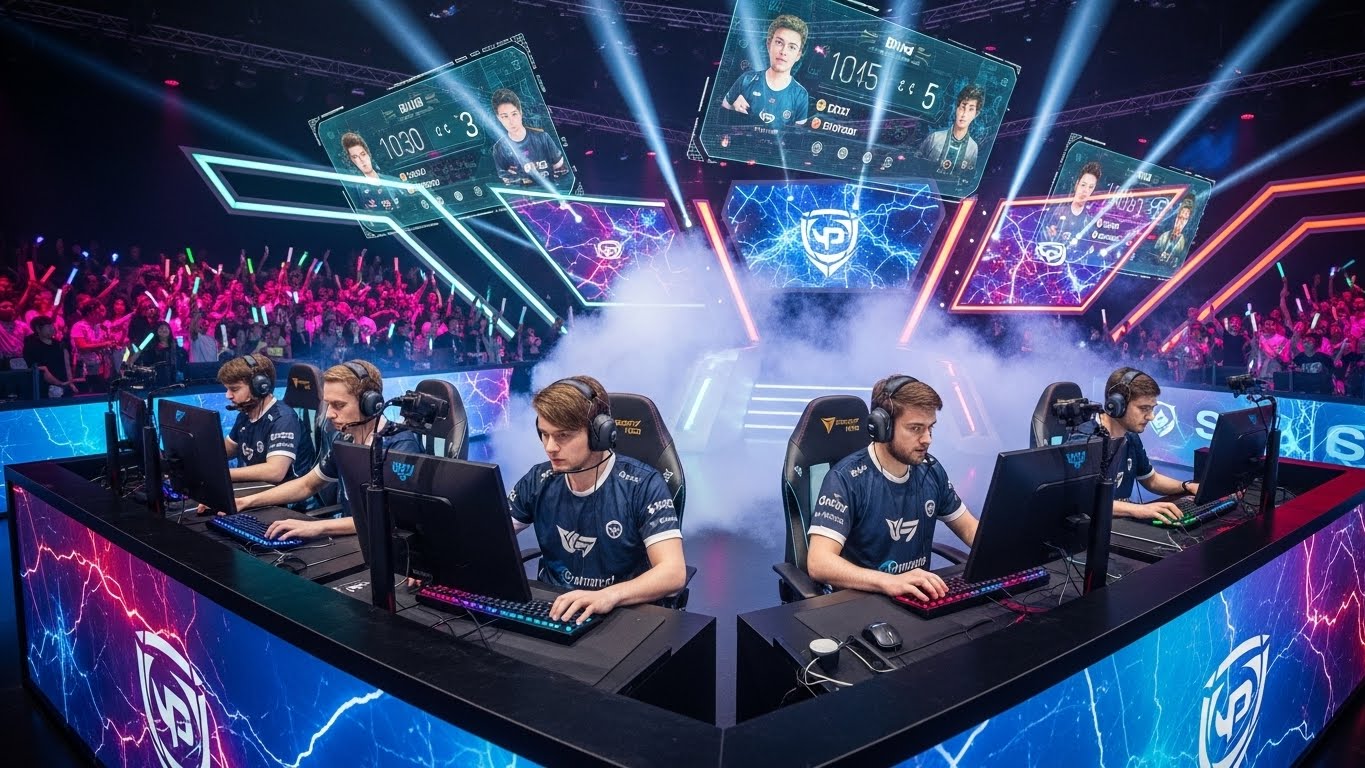
Just as traditional sports have clubs and franchises, esports has birthed professional teams and organizations. Teams like T1, Cloud9, FaZe Clan, and Team Liquid have become household names, boasting large fan bases and brand sponsorships. These teams recruit players based on talent, discipline, and potential, often housing them in team facilities where they train together.
Esports athletes undergo rigorous practice schedules, studying strategies, refining their reflexes, and building coordination with teammates. Many teams also employ coaches, analysts, nutritionists, and mental health professionals to ensure optimal performance. This professionalization of esports has erased the line between traditional and digital sports.
Esports Tournaments and Global Events
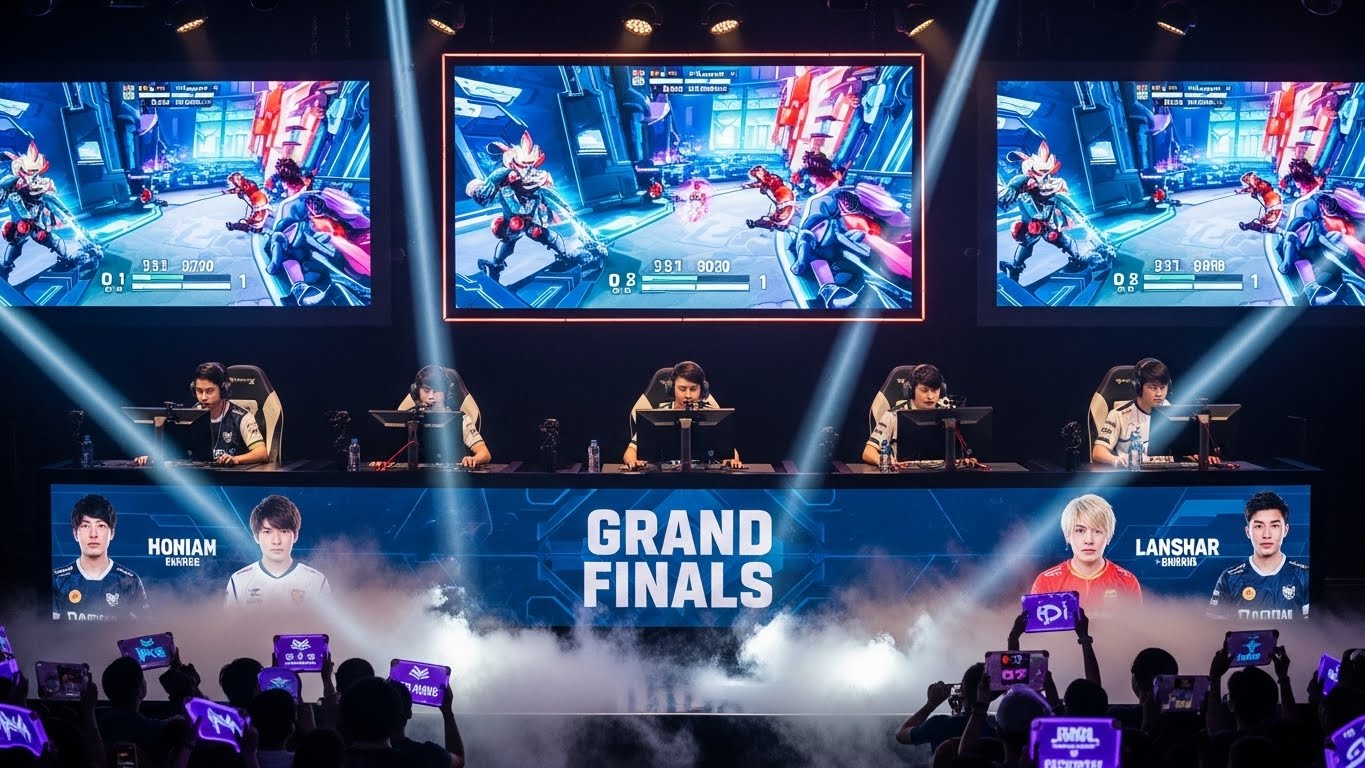
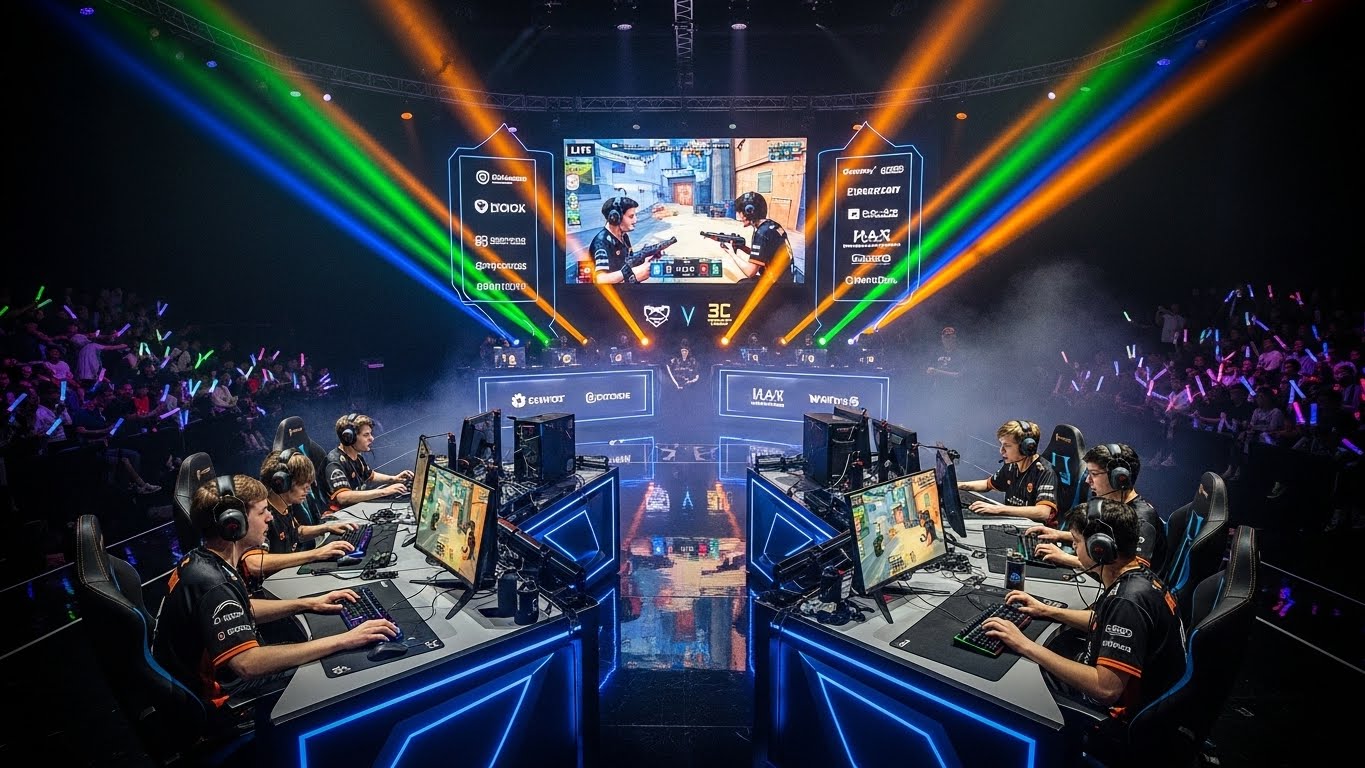
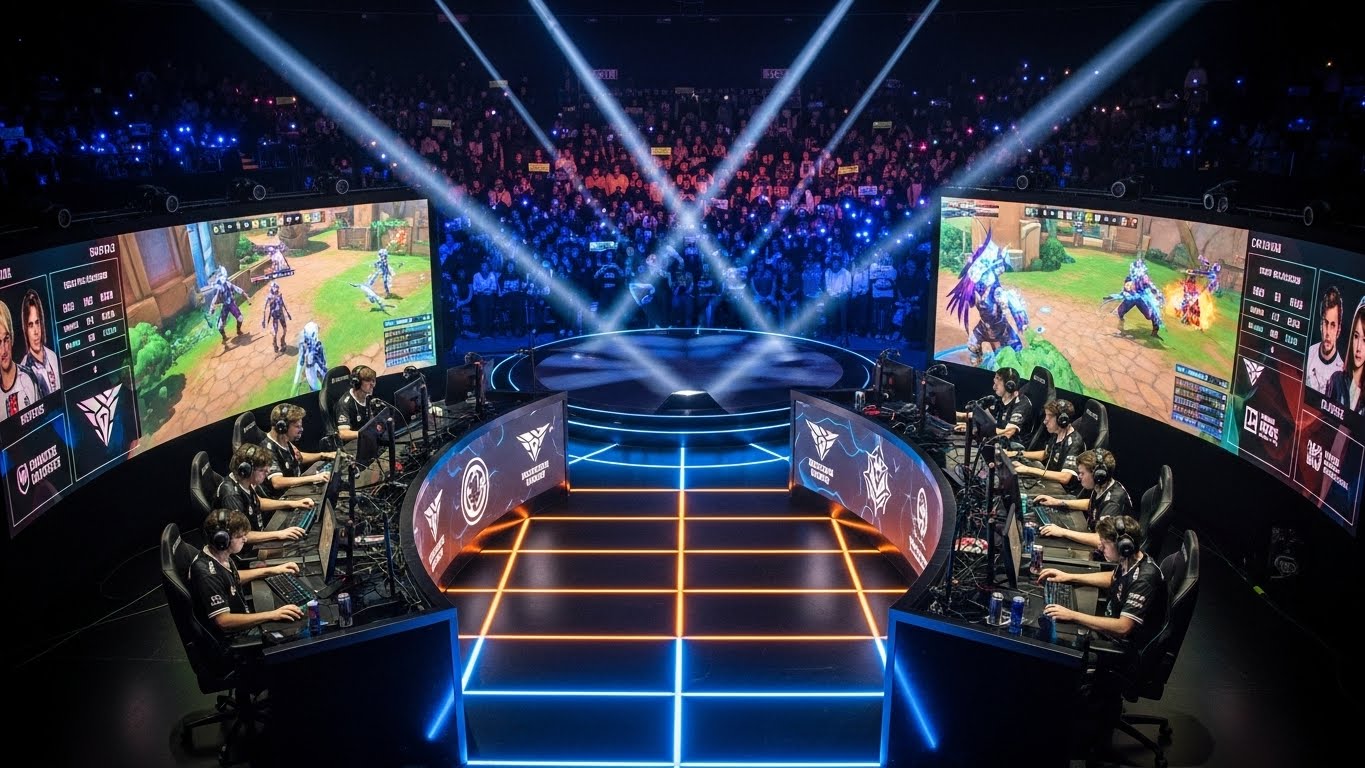
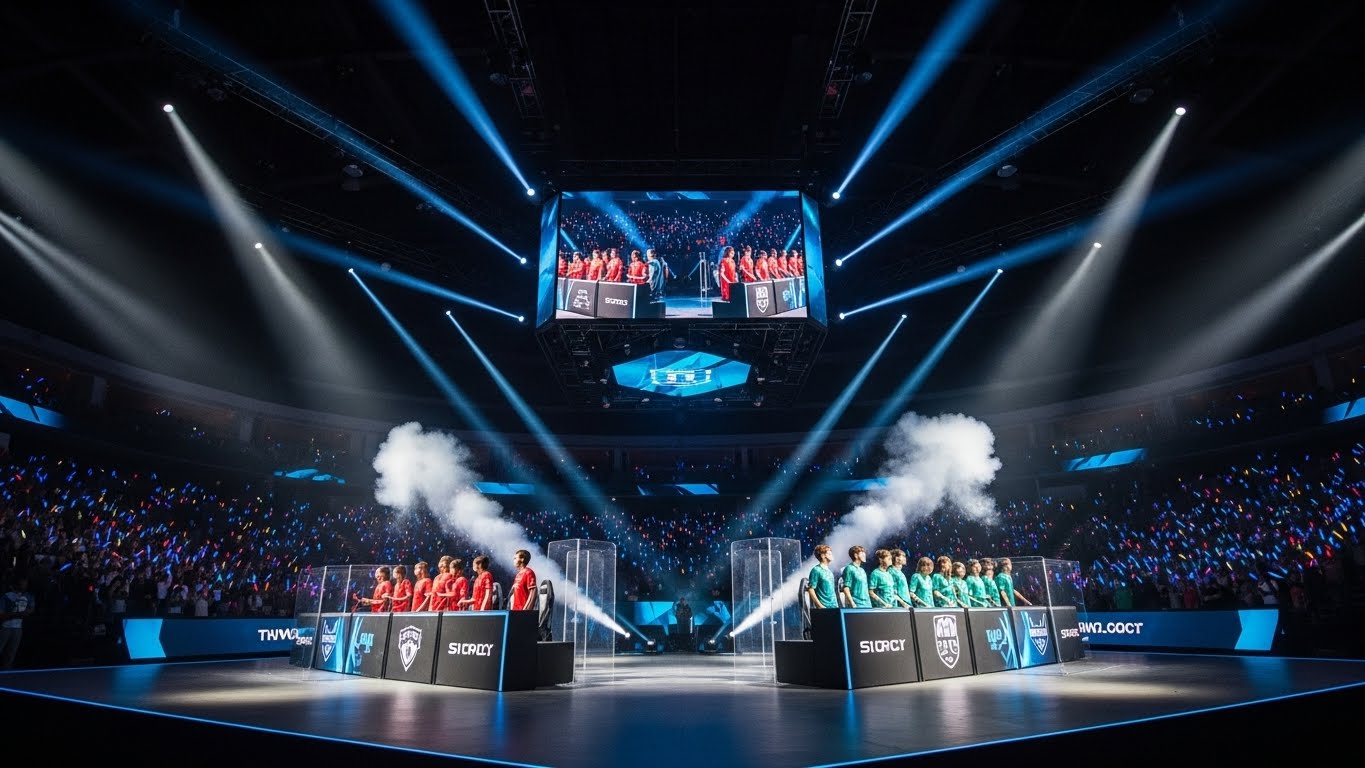
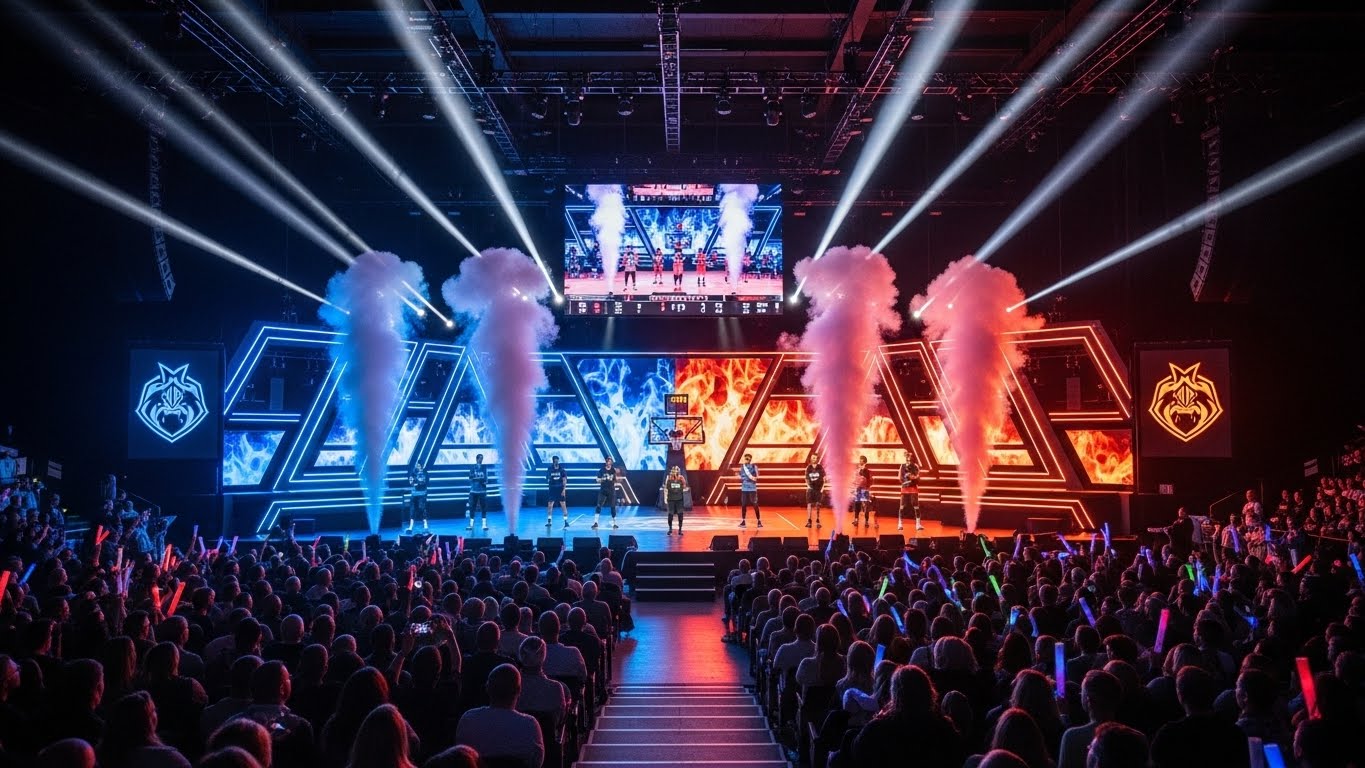
Esports tournaments have evolved into massive international spectacles rivaling the grandeur of traditional sporting events. Venues like arenas and stadiums are filled with cheering fans waving team banners, while millions more tune in online to watch the live broadcasts. Events such as The International, League of Legends World Championship, and Overwatch League Finals draw global audiences that rival major sports championships.
These tournaments offer multi-million-dollar prize pools, funded through sponsorships, in-game purchases, and fan contributions. The competitive tension, storytelling, and emotional highs make esports viewing an exhilarating experience. Commentators, analysts, and production teams add professional polish, making each broadcast a cinematic event.
The Role of Streaming and Content Creation
Streaming platforms like Twitch and YouTube have become essential to esports culture. They provide a space for players to showcase their skills, interact with fans, and build personal brands. Streamers and content creators often bridge the gap between professional gaming and casual audiences, making esports more accessible and engaging.
The rise of influencers in gaming has also transformed marketing strategies. Brands now collaborate with streamers and esports personalities to reach younger audiences. This shift has created new career paths within the gaming ecosystem, from shoutcasters and analysts to video editors and social media managers.
The Economic Power of Esports
The esports economy has grown exponentially over the past decade. Revenue streams come from sponsorships, advertising, media rights, merchandise, and ticket sales. Major corporations invest heavily in esports, recognizing its potential to reach the highly coveted youth demographic.
According to industry analysts, esports revenue has surpassed the billion-dollar mark, with growth projections pointing even higher. Cities compete to host major tournaments, recognizing the economic benefits of tourism and global exposure. Universities have also joined in, offering esports scholarships and building competitive programs to attract talented students.
Esports and Education
Beyond competition and entertainment, esports has found a place in education. Schools and universities around the world are incorporating gaming into their curricula, emphasizing teamwork, problem-solving, and digital literacy. Esports clubs allow students to develop leadership and communication skills while engaging in something they are passionate about.
Collegiate esports leagues have emerged, giving students opportunities to compete at national and international levels. Scholarships and career development programs encourage young gamers to pursue professional paths both within and beyond gaming. This integration of esports into academia reflects its growing legitimacy as a valuable and multifaceted field.
Esports and Traditional Sports: A Comparison
While esports and traditional sports may seem worlds apart, they share remarkable similarities. Both require skill, strategy, teamwork, and mental toughness. Esports athletes, like traditional ones, undergo intensive training to master their craft. They face immense pressure, scrutiny, and competition.
However, esports has a unique advantage—it transcends physical limitations. Players from any background or location can compete as long as they have access to technology. Furthermore, esports does not face the same physical injuries as contact sports, though it does have its challenges, such as mental burnout and repetitive strain injuries.
Traditional sports organizations have recognized this potential. Many football clubs, basketball franchises, and racing teams have invested in esports divisions, merging physical and digital competition into a unified sports culture.
Challenges Facing the Esports Industry
Despite its growth, esports faces several challenges. One major issue is sustainability. While top-tier organizations thrive, many smaller teams struggle financially. The dependence on sponsorships and fluctuating viewership numbers creates instability.
Player burnout is another concern. The pressure to perform, long practice hours, and online harassment can take a toll on mental health. The industry is beginning to address these problems through better player support systems and mental health initiatives.
Additionally, maintaining fairness in competition is critical. Issues like cheating, hacking, and performance-enhancing software have sparked debates over regulation and integrity. Developers and tournament organizers must constantly adapt to ensure fair play.
Gender Diversity in Esports
Another important topic in esports is gender representation. Historically, the scene has been male-dominated, but more women are entering both casual and professional gaming spaces. Female players, commentators, and creators are making waves, breaking stereotypes, and advocating for inclusivity.
Organizations and events dedicated to promoting gender equality have emerged, providing platforms for women to showcase their talent and build communities. The growing visibility of female gamers inspires younger generations and reinforces the message that esports is for everyone.
The Future of Esports
The future of esports is filled with possibilities. As technology continues to evolve, so too will the ways we experience and participate in gaming. Virtual reality and augmented reality may introduce new dimensions of immersion. Blockchain and digital ownership could revolutionize player rewards and team economies.
The integration of AI in training and performance analysis will further enhance player development. Esports will continue to blur the boundaries between digital and physical reality, creating hybrid experiences where fans and players interact in new, creative ways.
Furthermore, with increased recognition from governments, educational institutions, and media networks, esports may one day be featured in global sporting events, possibly even the Olympics. The debate over its inclusion continues, but its global popularity suggests that it’s only a matter of time before esports achieves such recognition.
Esports and Cultural Impact
Esports is more than competition—it is a cultural movement. It represents the voice of a generation raised in the digital era, where creativity and connectivity define entertainment. Music, fashion, and even film are influenced by gaming culture. Collaborations between esports brands and mainstream artists highlight this merging of worlds.
Gamers have become role models, entrepreneurs, and innovators. Esports has built bridges across languages and borders, fostering a sense of global community. In a world often divided by differences, gaming provides a universal language of competition and fun.
Conclusion
Esports has come a long way from its origins in small university halls to becoming one of the most influential industries in the modern world. It embodies passion, innovation, and unity. Whether you are a player, a fan, or a casual observer, esports offers something for everyone—a world where skill meets technology, and entertainment meets excellence.
As the industry continues to grow, it carries with it the potential to shape future generations, redefine global entertainment, and challenge our traditional ideas of sport and competition. The story of esports is not just about games; it is about people, creativity, and the endless possibilities that emerge when technology and human ambition come together.
In this digital age, esports stands as a symbol of progress and imagination, a testament to how far gaming has come—and how much further it can go.