 joystickarena94
Introduction
Esports has emerged as one of the most transformative phenomena of the 21st century. What started as casual gaming among friends has evolved into a global spectacle, attracting millions of viewers, generating billions of dollars in revenue, and redefining the boundaries of professional competition. Once dismissed as a hobby for teenagers, esports now rivals traditional sports in both organization and influence. The rise of esports is a reflection of technological innovation, cultural shifts, and the power of digital communities to shape entertainment. In a world where screens dominate daily life, esports has become a universal language of skill, strategy, and spectacle.
The Early Days of Competitive Gaming
The origins of esports can be traced back to the 1970s when competitive gaming first made its mark. The earliest documented tournament took place at Stanford University in 1972, featuring the game Spacewar. The prize was simple, yet the event demonstrated the human instinct for competition through technology. Throughout the 1980s, arcade games like Pac-Man, Donkey Kong, and Street Fighter allowed players to compete locally, with leaderboards and high scores creating recognition and prestige. These humble beginnings laid the foundation for the structured competitions that would define professional esports in later decades.
The 1990s brought the era of home consoles and online multiplayer gaming. Games such as Doom, Quake, and Warcraft III introduced the possibility of competing with opponents across cities, countries, and eventually the world. This period also saw the emergence of early esports leagues and tournaments, such as the Cyberathlete Professional League and QuakeCon, which formalized competitive gaming into organized events.
The Impact of the Internet on Esports
The growth of broadband internet in the early 2000s revolutionized esports. Online connectivity allowed gamers from across the globe to compete against one another in real-time, fostering communities that transcended geographic boundaries. South Korea became a pioneer in esports infrastructure, with televised StarCraft tournaments attracting millions of viewers and establishing gaming as a national pastime. Western countries began hosting their own leagues, cultivating talent and expanding the global audience for competitive gaming.
The internet also enabled players to form communities, share strategies, and participate in online tournaments. This interconnected ecosystem laid the groundwork for esports as a professional and international phenomenon, turning competitive gaming into a career path and entertainment industry.
Streaming Platforms: Transforming Spectatorship
The advent of streaming platforms transformed esports from a niche hobby into a mainstream form of entertainment. Platforms like Twitch and YouTube Gaming allowed fans to watch live competitions, interact with players, and engage with global communities. Streaming not only increased accessibility but also created a culture of fan engagement, enabling players to develop followings and monetize their skills.
The impact of streaming was profound. Fans could follow their favorite players, watch tournaments live, and participate in conversations around the games. This interactivity created a sense of community, turning esports into more than a competition—it became a cultural movement. Players evolved into celebrities, and the esports audience grew exponentially, rivaling even traditional sports viewership in some regions.
Professionalization and Structure of Esports
With increasing audiences and financial investments, esports began to professionalize. Teams transformed into organizations with management structures, coaching staff, analysts, and dedicated training facilities. Players signed contracts with salaries, sponsorship deals, and performance incentives. The modern esports athlete trains rigorously, often practicing for ten or more hours a day, while also maintaining physical fitness and mental resilience.
Professional leagues, such as the League of Legends Championship Series, Dota 2 International, and Counter-Strike: Global Offensive Majors, introduced structured seasons, playoffs, and international competitions. These leagues mirror the organization of traditional sports, providing stability, visibility, and career longevity for players. The professionalization of esports has elevated the perception of competitive gaming, demonstrating discipline, strategy, and skill comparable to any traditional sport.
Major Esports Tournaments and Events
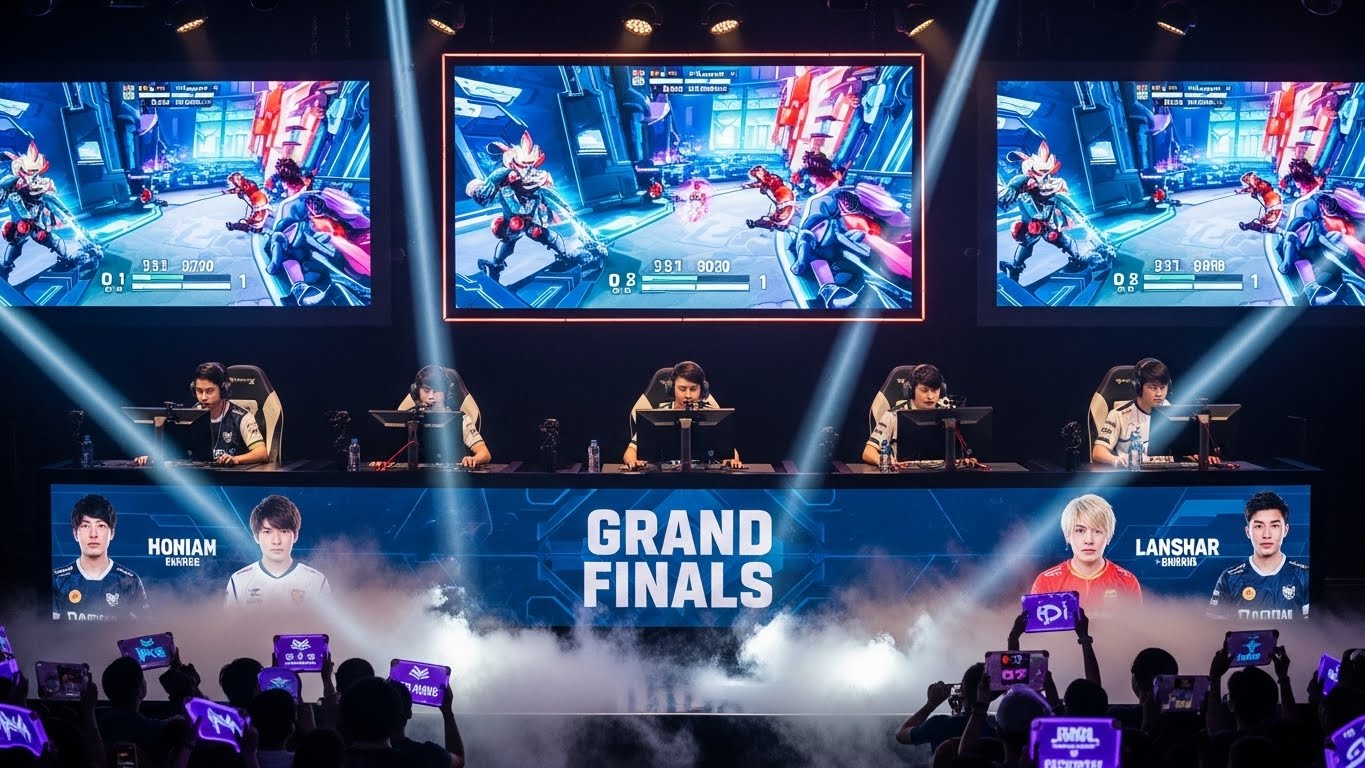
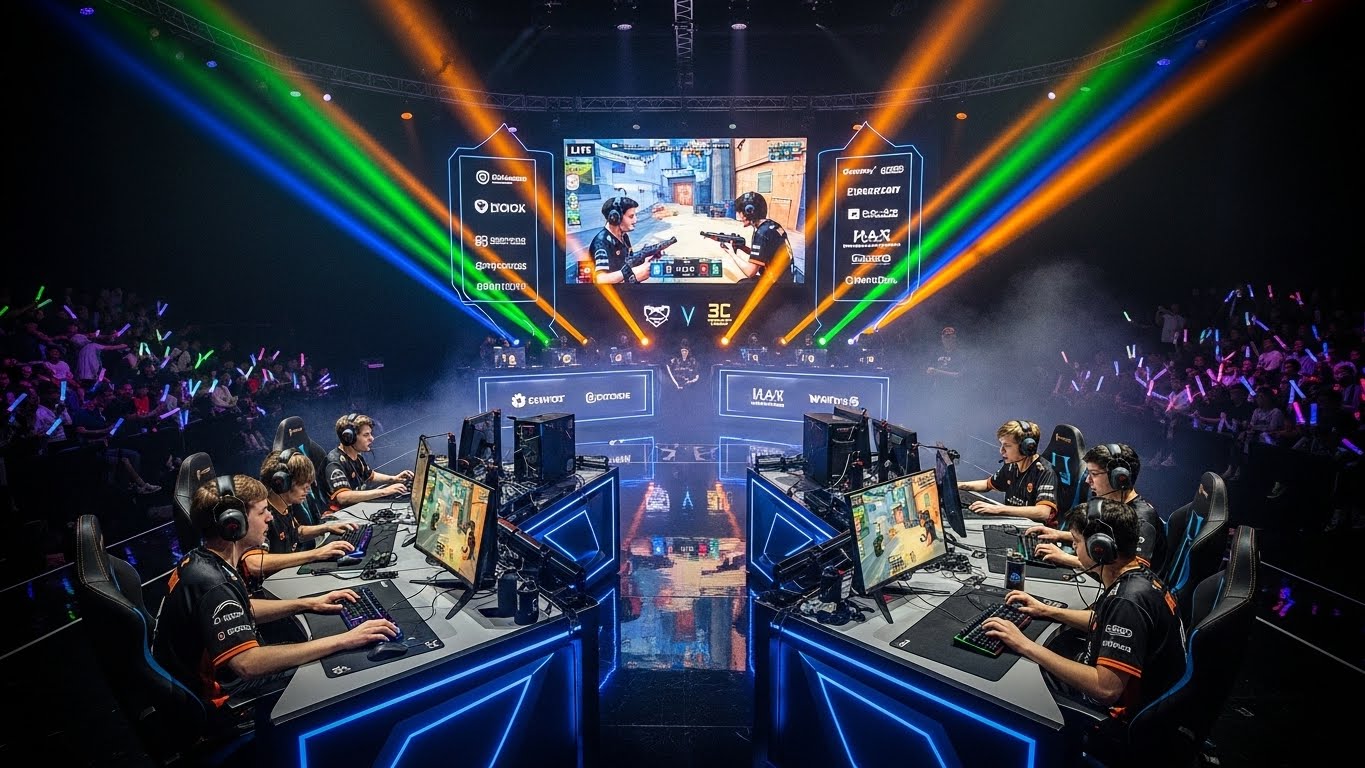
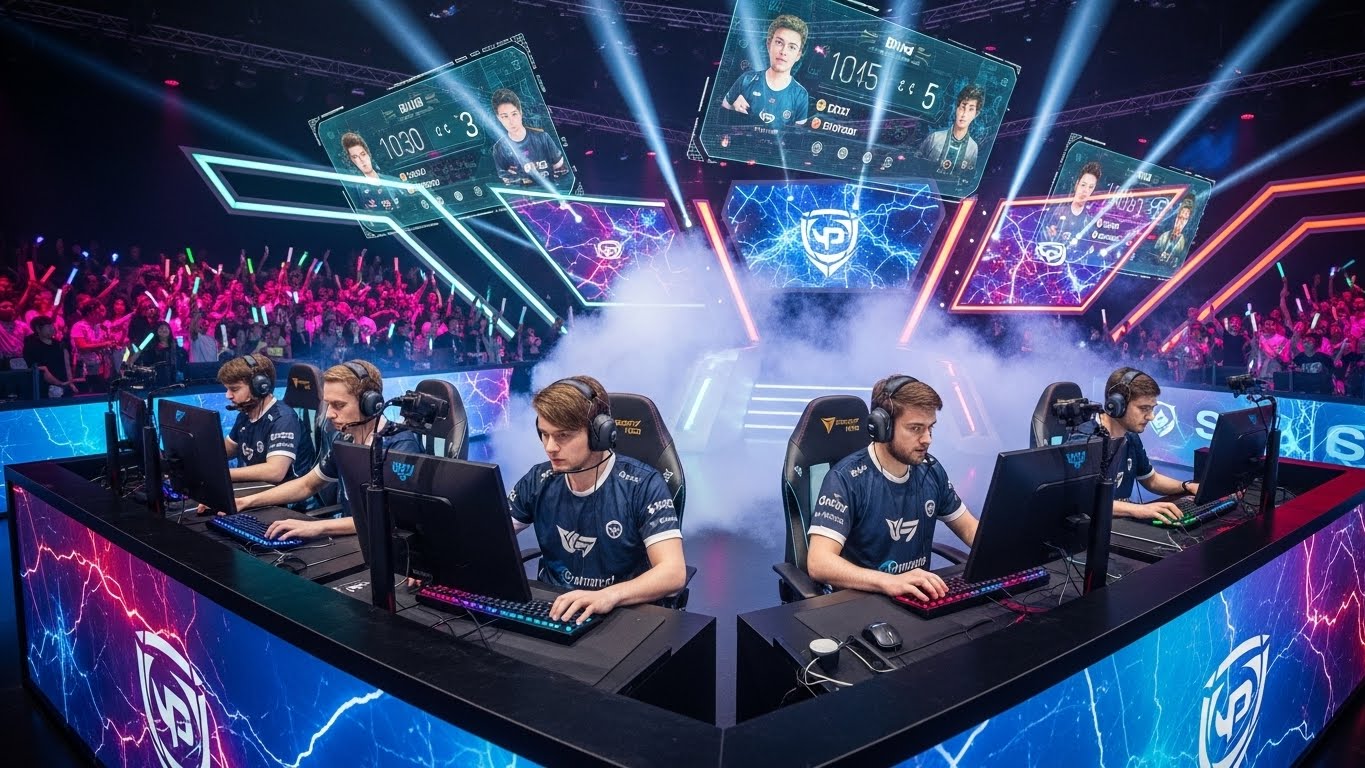
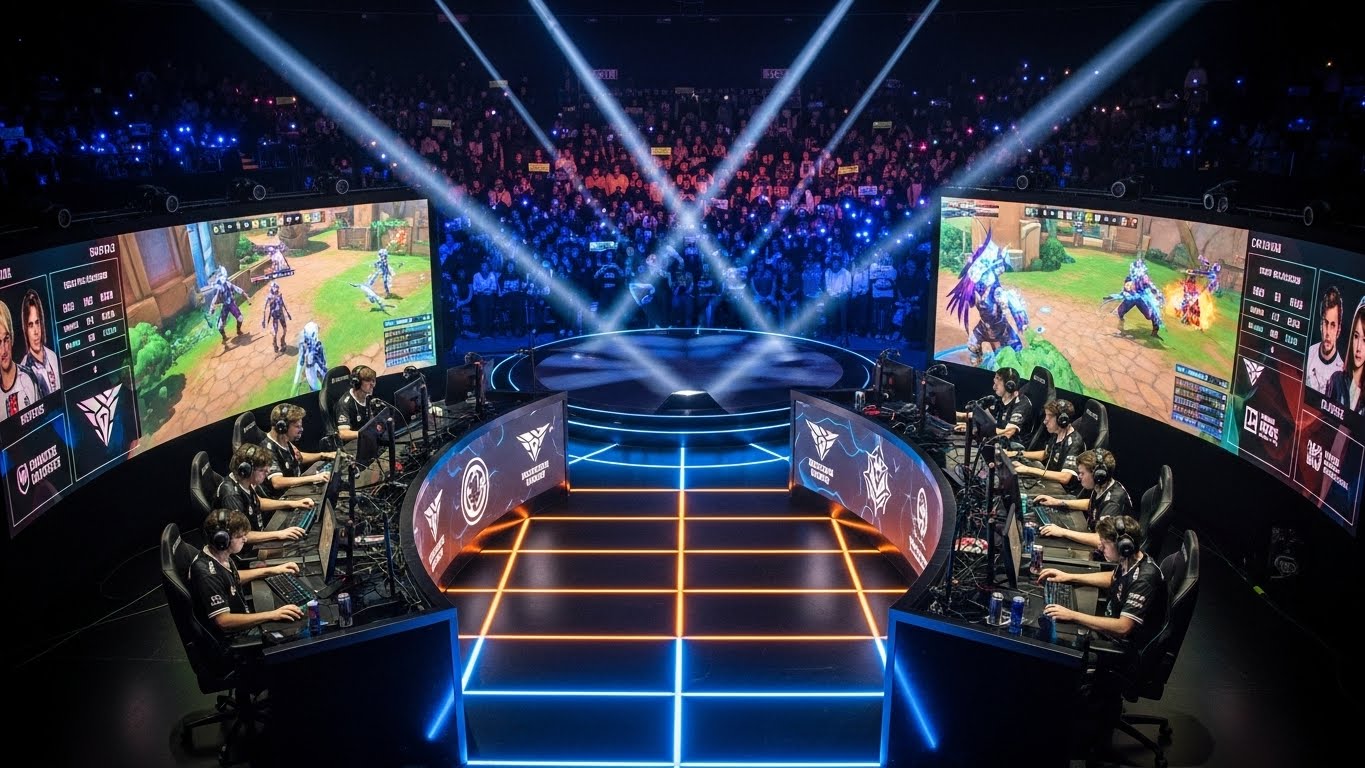
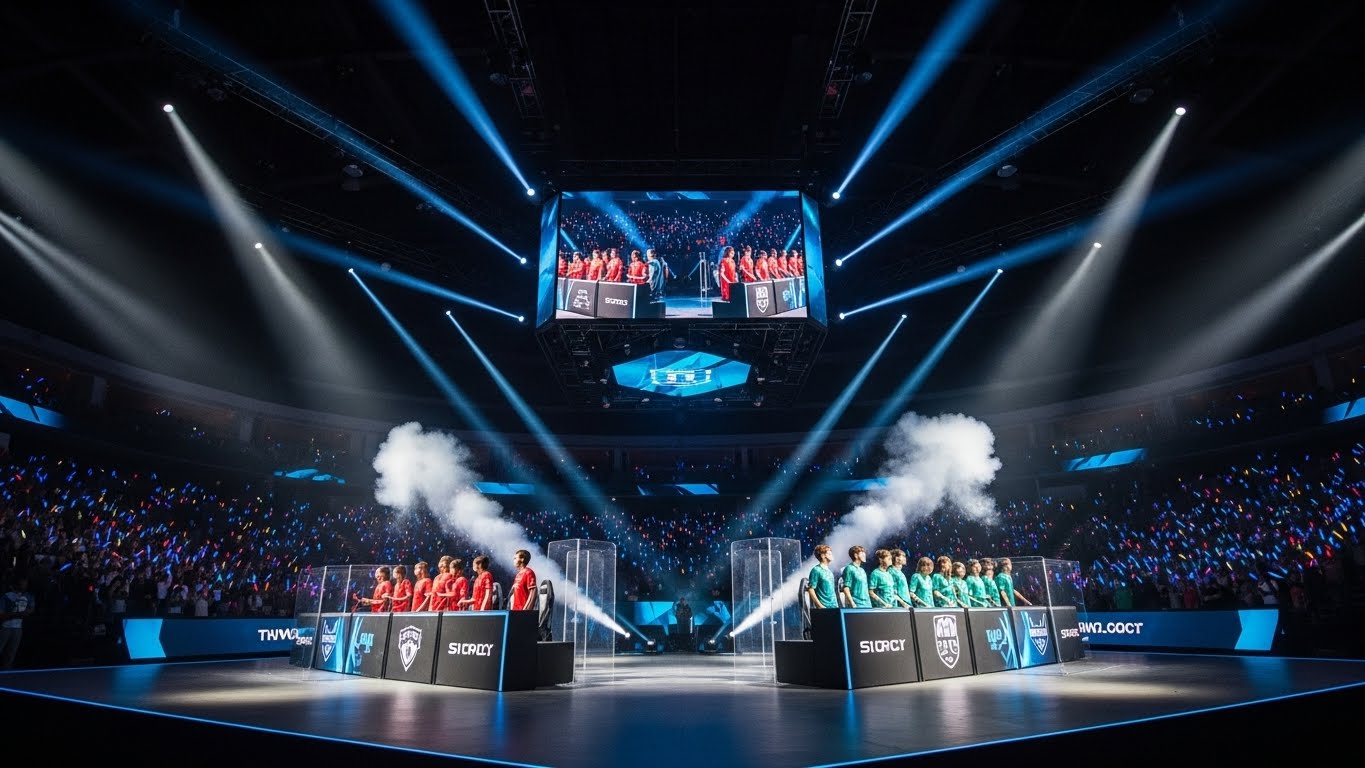
High-profile tournaments are the cornerstone of esports. The League of Legends World Championship, Dota 2 International, and Overwatch League Grand Finals attract millions of online viewers and fill large arenas with fans. These events offer substantial prize pools, often reaching tens of millions of dollars, highlighting the financial growth of the industry.
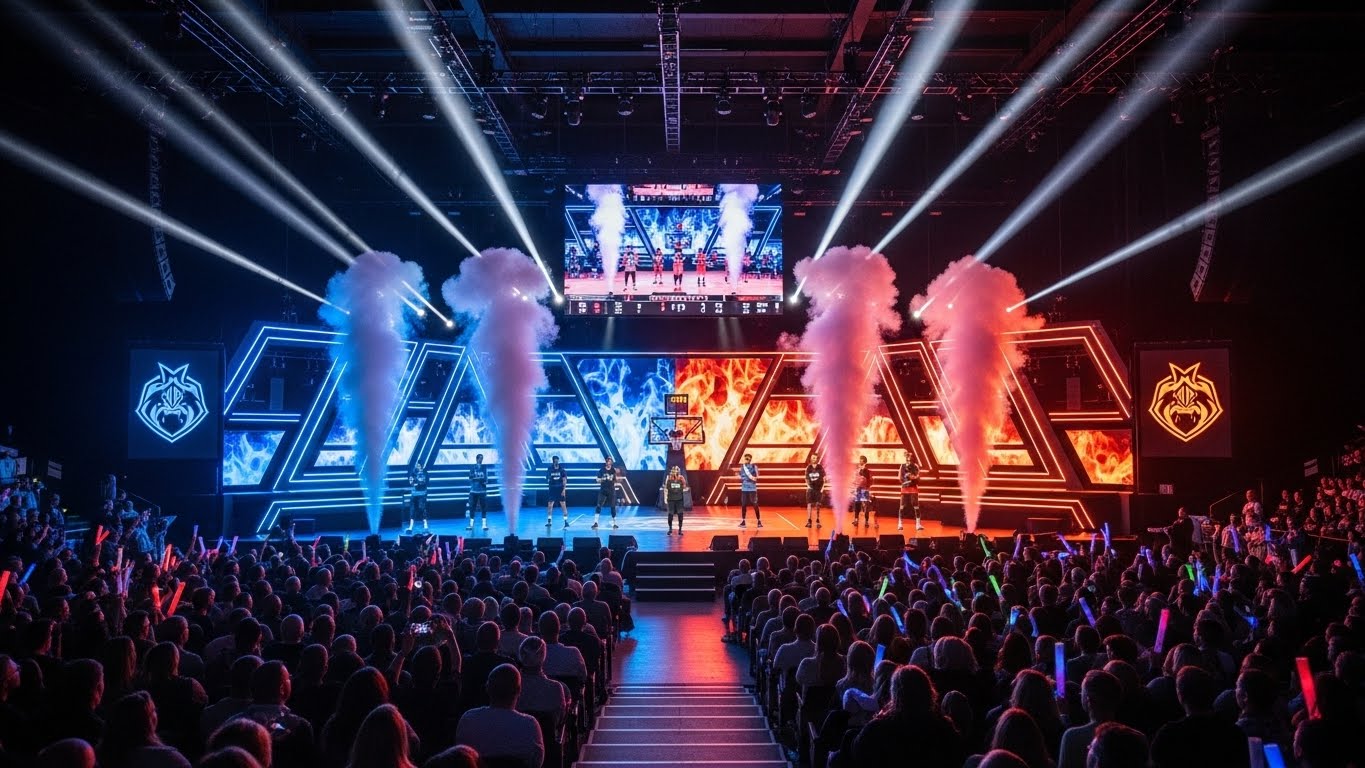
Tournaments are meticulously organized, combining intense competition with high production value. Opening ceremonies, elaborate stage designs, and live performances have turned esports events into multimedia spectacles. Fans from around the world tune in not just for the games but for the overall experience, creating a unique blend of sport, entertainment, and community engagement.
Economic Ecosystem of Esports
Esports has evolved into a multi-billion-dollar industry with diverse revenue streams. Sponsorships, advertising, media rights, merchandise, and tournament hosting form the financial backbone of the ecosystem. Major brands invest heavily in esports to connect with a young, tech-savvy demographic. Esports organizations generate revenue through branded content, merchandise, ticketed events, and digital media collaborations.
The industry also supports a range of careers beyond playing professionally. Content creators, analysts, commentators, event organizers, software developers, and marketing professionals all contribute to the esports ecosystem. This complex economic network demonstrates that esports is not only a form of entertainment but also a legitimate business sector with global reach.
Esports Athletes: Modern Competitors
Professional esports players are elite competitors who dedicate countless hours to mastering their craft. Success requires reflexes, strategic thinking, teamwork, and mental agility. Contrary to outdated stereotypes, professional players maintain rigorous routines that often include physical exercise, mental training, and disciplined practice schedules.
Despite the demanding nature of the profession, esports careers are often short, as peak performance is closely tied to reaction time and mental stamina. Retired players frequently transition into coaching, streaming, or content creation, continuing to influence the community while maintaining a connection to the industry. The dedication and professionalism of esports athletes have earned them respect comparable to traditional sports stars.
Esports in Education
Esports has gained recognition in educational institutions, with universities offering scholarships and structured programs. Students can study esports management, game design, content creation, and broadcasting, blending technology and business skills. Schools also use esports as a tool to develop critical thinking, teamwork, and communication skills among students.
The rise of educational esports programs provides students with career pathways in a rapidly growing industry. Beyond gameplay, students can explore opportunities in event organization, marketing, analytics, and software development, making esports a versatile platform for skill development and professional growth.
Cultural Influence and Mainstream Recognition
Esports has become a major cultural phenomenon, influencing music, fashion, media, and entertainment. Gaming celebrities collaborate with artists, brands release esports-themed merchandise, and gaming narratives inspire films and shows. This cultural integration elevates esports from a niche interest to a mainstream lifestyle.
The popularity of esports events extends beyond gamers. Spectacles such as the League of Legends World Championship are broadcast globally, attracting viewers from diverse backgrounds. This blend of entertainment, competition, and community has positioned esports as a cultural force with broad societal impact.
Technological Advancements Driving Esports
Technology is central to the growth and evolution of esports. Advanced hardware, high-speed internet, and sophisticated software ensure fair and immersive competitive experiences. Developers continuously refine gameplay mechanics, balance, and visuals to maintain competitive integrity and engagement.
Data analytics and artificial intelligence are now integral to player performance. Teams analyze statistics, optimize strategies, and evaluate opponents using advanced technological tools. Virtual reality, augmented reality, and cloud gaming are emerging technologies that promise to redefine competitive gaming experiences, further expanding the possibilities of esports.
Challenges Facing the Esports Industry
Despite rapid growth, esports faces several challenges. Player burnout and mental health issues are significant concerns due to intense training schedules and competitive pressure. Career longevity is limited, often leading to early retirement and transition into other roles.
Regulation and standardization are ongoing challenges. Unlike traditional sports, esports is decentralized, with varying rules, contract standards, and governance models. Diversity and inclusion are also critical issues, as female representation remains disproportionately low, and harassment persists in some communities. Addressing these challenges is essential to ensure sustainable growth, professionalism, and ethical practices within the industry.
Intersection with Traditional Sports
Esports is increasingly intersecting with traditional sports. Professional athletes invest in esports teams, while sports organizations launch gaming divisions to engage younger audiences. This integration highlights the recognition of esports as a legitimate form of competition that complements traditional athletic disciplines.
International recognition, including esports inclusion in events like the Asian Games, demonstrates the growing legitimacy of competitive gaming. Esports shares many characteristics with traditional sports, including strategic depth, skill development, teamwork, and a dedicated fanbase. This convergence points to a future where esports and conventional sports coexist and thrive together.
Impact on Youth and Society
Esports has a profound influence on younger generations. It teaches critical skills such as teamwork, communication, strategic planning, and adaptability. Online communities provide social spaces where players connect, collaborate, and learn from one another.
The industry challenges outdated perceptions of gaming as frivolous, emphasizing its educational and professional value. Schools and community programs utilize esports to foster problem-solving abilities, leadership skills, and technological literacy. By engaging youth in structured competition and collaboration, esports contributes positively to societal development and career preparation.
Future Trends in Esports
The future of esports promises continued innovation and expansion. Virtual reality, augmented reality, and cloud gaming will redefine competitive experiences, making them more immersive and interactive. Blockchain technology may enable secure digital asset ownership, transparent prize distribution, and efficient contract management.
Mobile esports is democratizing access, allowing players from regions with limited infrastructure to participate in global competitions. The integration of esports with entertainment, media, and education will further strengthen its cultural relevance. Sustainability, inclusivity, and technological advancement will shape the industry’s trajectory, making esports a central pillar of digital culture and modern competition.
Conclusion
Esports has transformed from a hobby into a global industry, cultural phenomenon, and professional pursuit. Players are modern athletes, organizations operate as sophisticated enterprises, and fans engage in communities that span continents. The rise of esports demonstrates that competition is not limited to physical arenas—skill, strategy, and teamwork can thrive in digital spaces.
By bridging technology, culture, and human achievement, esports is redefining the meaning of sport and entertainment. It inspires millions, provides professional pathways, and fosters global connectivity. The world of esports is a testament to the limitless potential of digital competition, and its influence will continue to shape society, technology, and culture for generations to come.
Esports is no longer just a game. It is a movement, a career, and a new frontier of human potential that continues to evolve beyond the screen.