 joystickarena94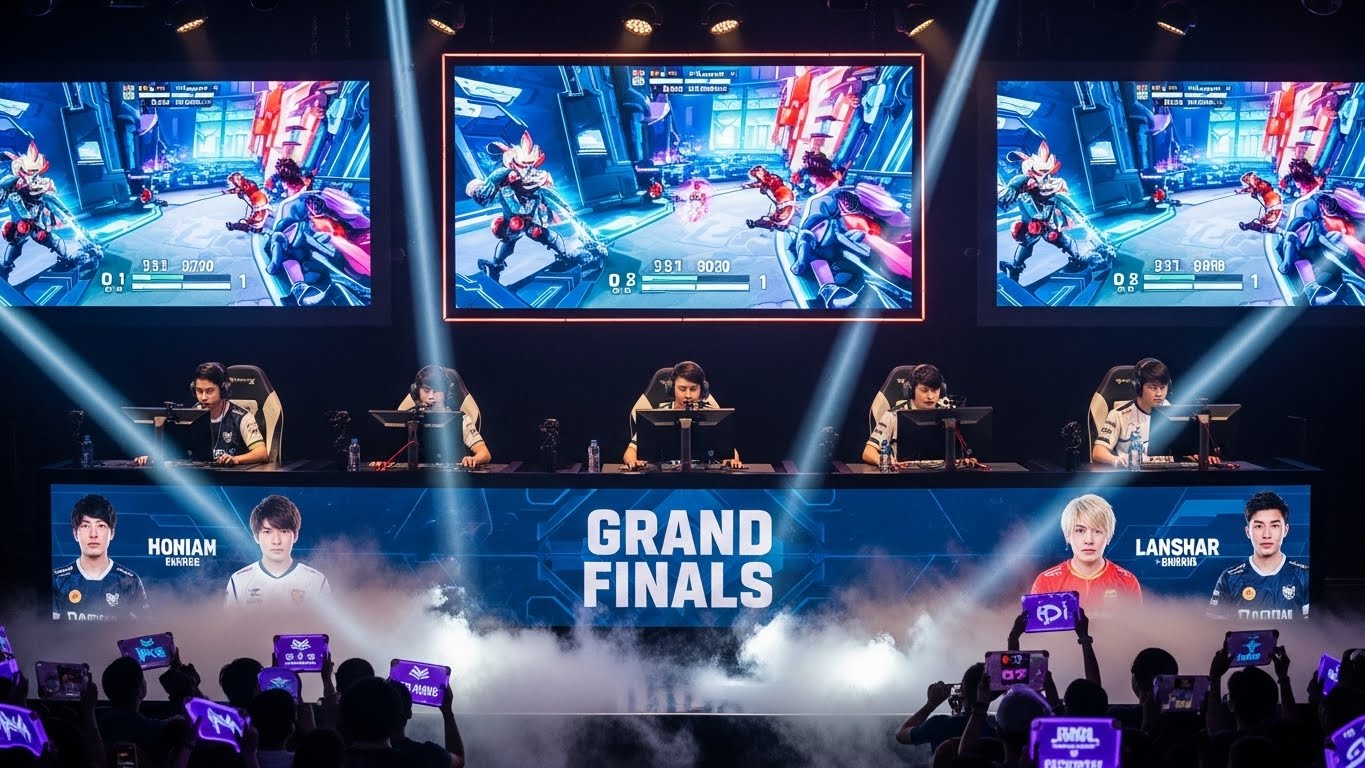
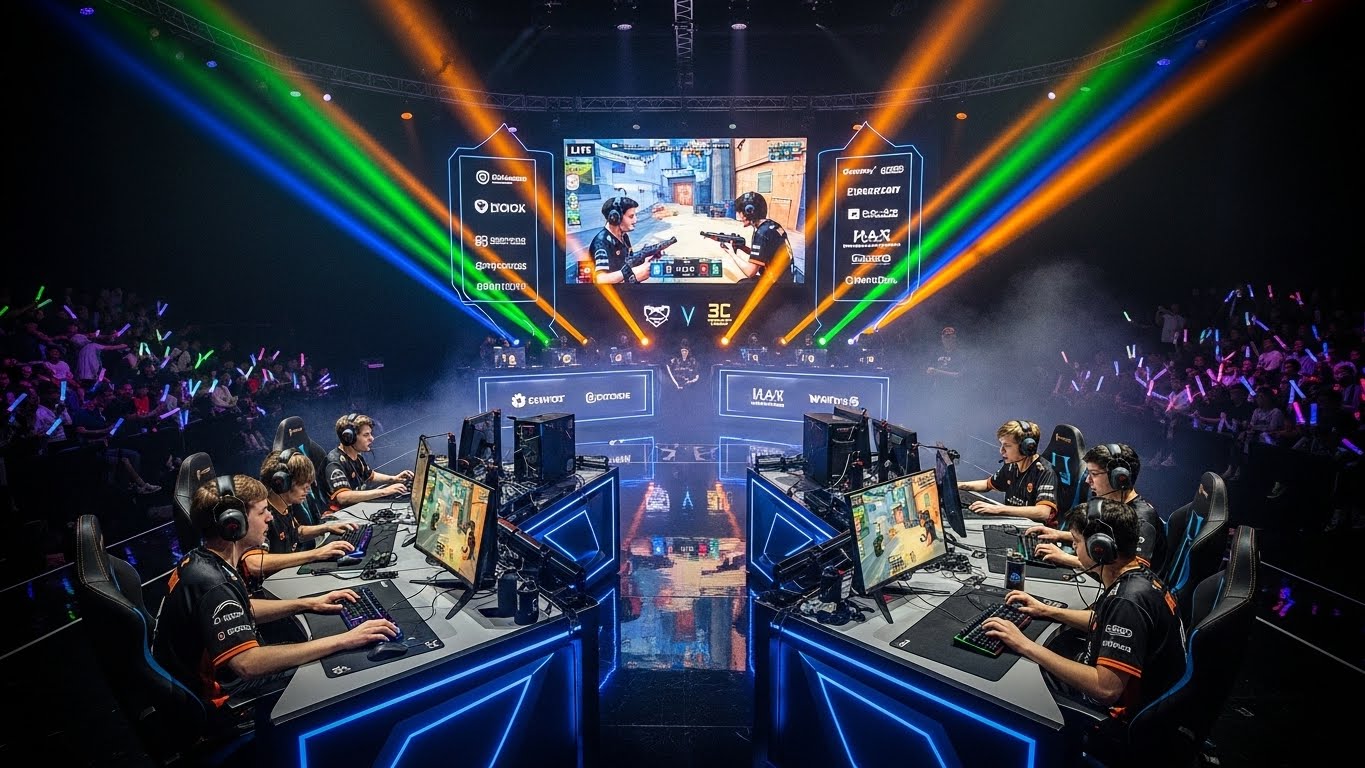
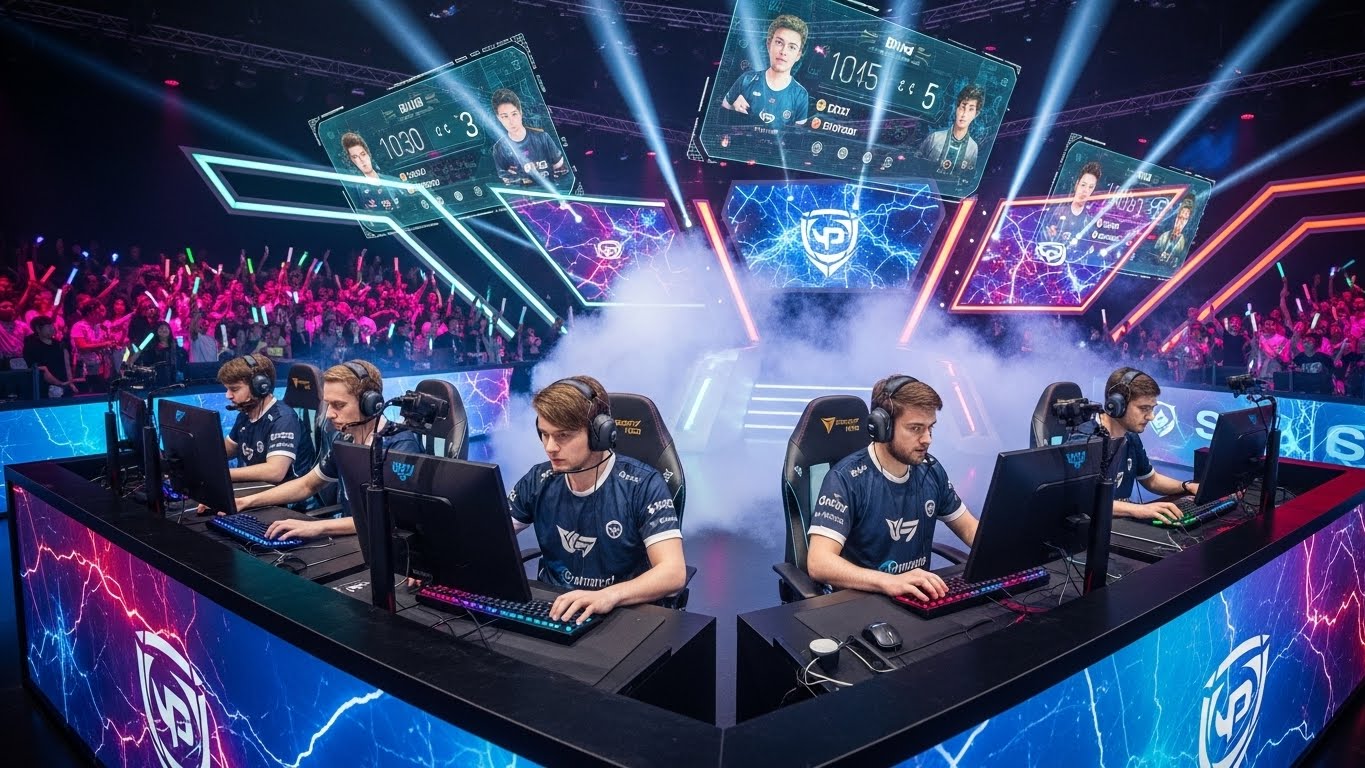
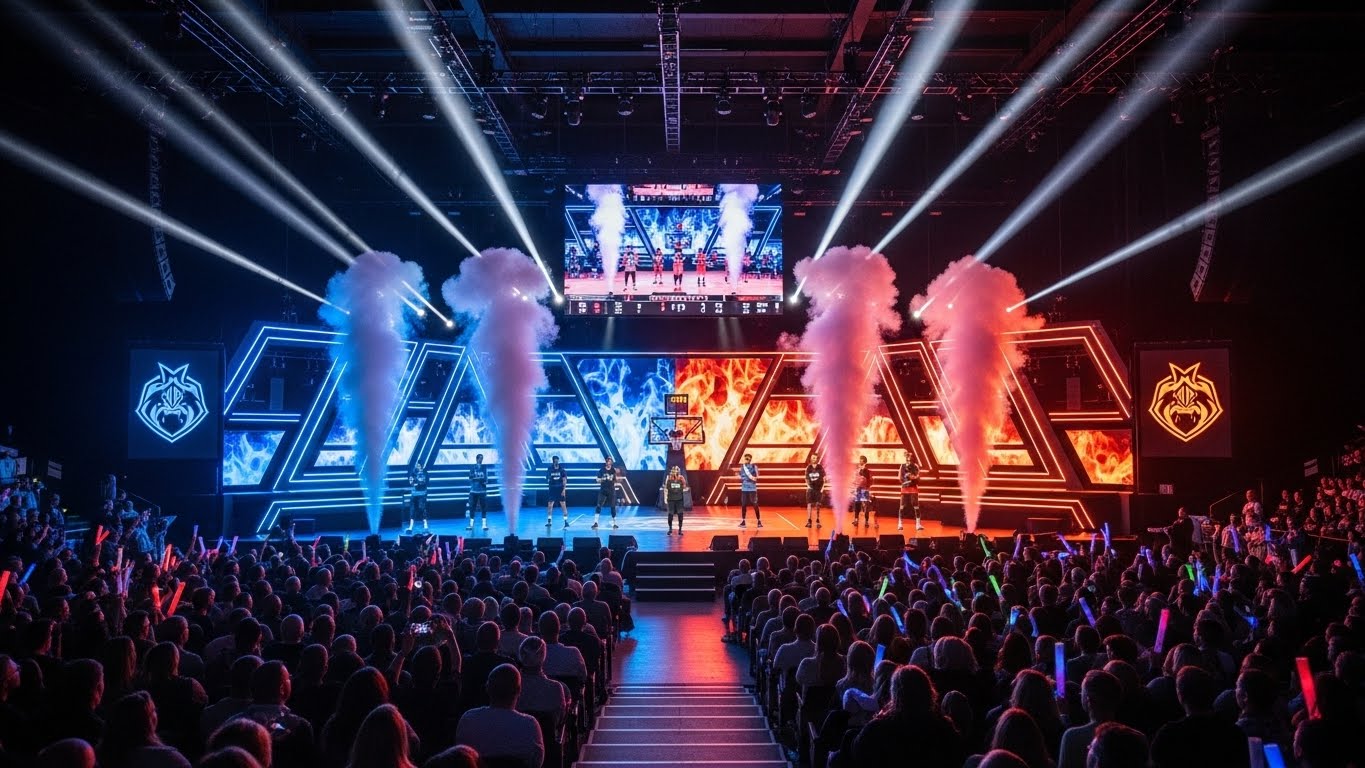
Esports, the world of competitive video gaming, has grown from a niche hobby into a global entertainment powerhouse. Once confined to arcades and local gaming communities, esports now attracts millions of viewers, offers substantial prize pools, and has even become a viable career path for professional players. Its rapid growth has transformed the gaming landscape, influencing technology, media, and youth culture while creating a new form of athleticism in the digital era. This blog post explores the rise, evolution, and impact of esports, shedding light on why it has become a defining aspect of modern entertainment.
The Origins of Competitive Gaming
Competitive gaming dates back to the 1970s and 1980s when arcade games like Space Invaders, Pac-Man, and Donkey Kong held local competitions. While these early tournaments were small-scale, they fostered communities around gaming and inspired players to compete for recognition and prizes. The 1990s saw the emergence of multiplayer PC games such as StarCraft, Quake, and Counter-Strike, which introduced structured tournaments and team-based competition, laying the foundation for modern esports.
The expansion of the internet in the late 1990s and early 2000s transformed competitive gaming. Online platforms allowed players from different regions to compete in real-time, creating a global community of gamers. This period marked the transition from casual gaming to organized competitions with leagues, rankings, and professional teams. The combination of technology and social interaction propelled esports into mainstream awareness.
The Explosion of Esports Titles and Genres
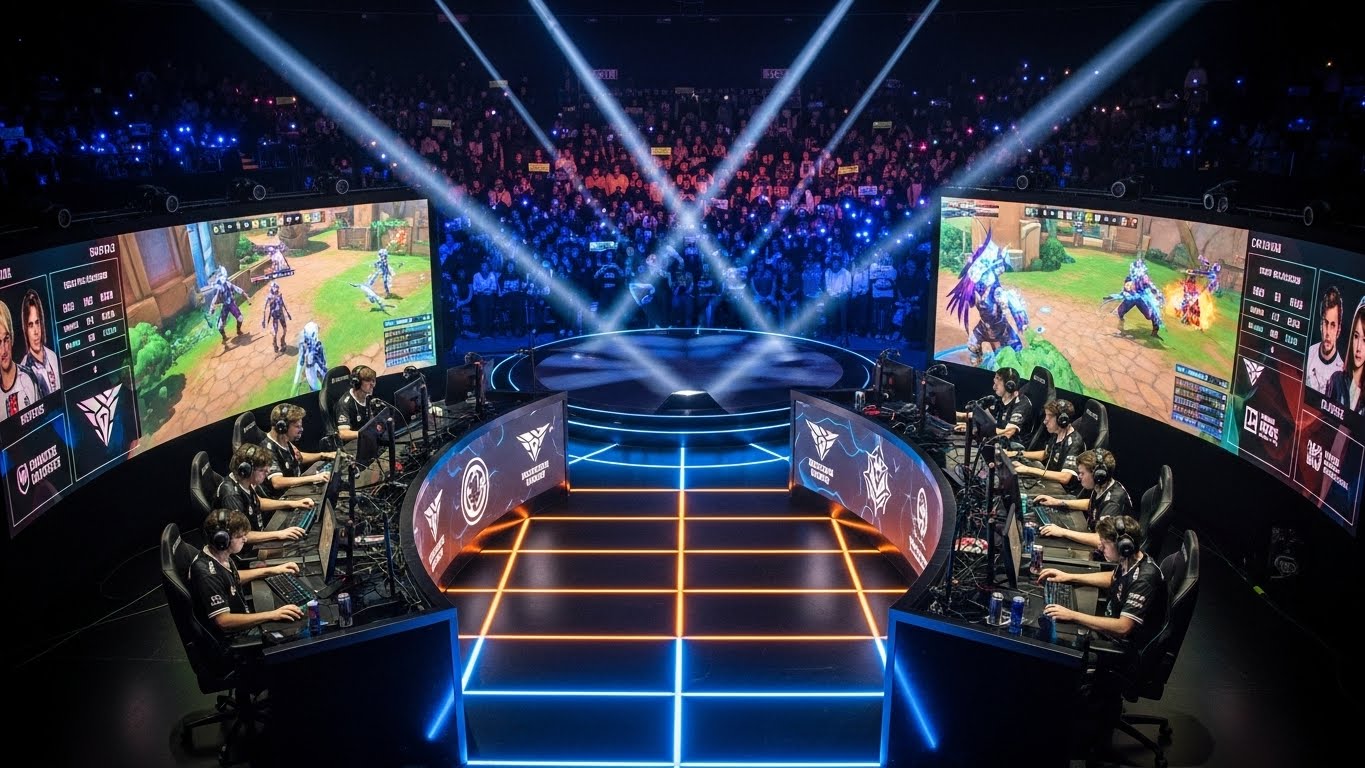
Esports today encompasses a wide variety of game genres, each with its own competitive scene. Multiplayer Online Battle Arena (MOBA) games such as League of Legends and Dota 2 dominate the global esports landscape. These games require teamwork, strategic thinking, and quick reflexes, attracting large audiences due to their complexity and entertainment value.
First-person shooters like Counter-Strike, Valorant, and Call of Duty emphasize precision, timing, and coordination. Battle royale games, including Fortnite and Apex Legends, introduce dynamic competition with large player bases and unpredictable gameplay, keeping audiences engaged with high-stakes action. Fighting games such as Street Fighter and Super Smash Bros. test individual skill and reflexes, while sports simulation games like FIFA and NBA 2K allow players to emulate real-world athletic experiences. Each genre cultivates dedicated fan communities, contributing to the overall growth of esports as a cultural and entertainment phenomenon.
Professionalization of Esports
The professionalization of esports has elevated gaming into a serious career path. Top players are no longer casual enthusiasts; they are professional athletes who dedicate hours each day to practice, strategy, and physical well-being. Professional esports organizations recruit talent, provide coaching, and offer contracts with salaries, sponsorships, and performance bonuses.
Major tournaments now feature prize pools in the millions, rivaling traditional sports events. To compete at the highest level, esports athletes follow strict routines that include physical fitness, mental training, and extensive study of game mechanics. Media responsibilities, fan engagement, and brand partnerships have become integral aspects of a professional gamer’s life. This formalization of the esports industry has not only improved competition quality but also legitimized gaming as a career choice worldwide.
Streaming Platforms and Esports Viewership
The rise of streaming platforms has been instrumental in the growth of esports. Services like Twitch and YouTube Gaming allow fans to watch live competitions, follow favorite players, and engage with the gaming community in real-time. Streaming has transformed spectatorship into an interactive experience, giving fans the opportunity to participate through chat, commentary, and virtual events.
Media coverage and sponsorships have further propelled esports into mainstream culture. Major tournaments are now broadcast globally, and brands from technology, apparel, and energy drink sectors actively invest in esports marketing. The accessibility of streaming platforms has created global communities, connecting players and fans across continents and making esports a shared cultural experience.
Impact on Youth Culture
Esports has significantly influenced youth culture, shaping how young people interact with technology, social networks, and entertainment. Many view esports as a potential career, offering opportunities for fame, recognition, and financial success. Gaming communities provide social engagement, friendship, and a sense of belonging for young audiences who may not find it elsewhere.
Competitive gaming also promotes skill development. Strategy, teamwork, communication, and time management are essential in esports and translate to valuable real-world abilities. While benefits are clear, challenges remain, including managing screen time, preventing addiction, and maintaining balance with academics and personal life. Supporting healthy gaming habits is essential for fostering positive engagement with esports among younger generations.
Economic Significance of Esports
Esports has become a major economic force, generating revenue through tournaments, sponsorships, merchandise, and streaming subscriptions. Investments from venture capital, technology companies, and traditional sports organizations continue to fuel industry growth. Beyond professional players and teams, the esports ecosystem supports careers in event management, game development, marketing, and content creation.
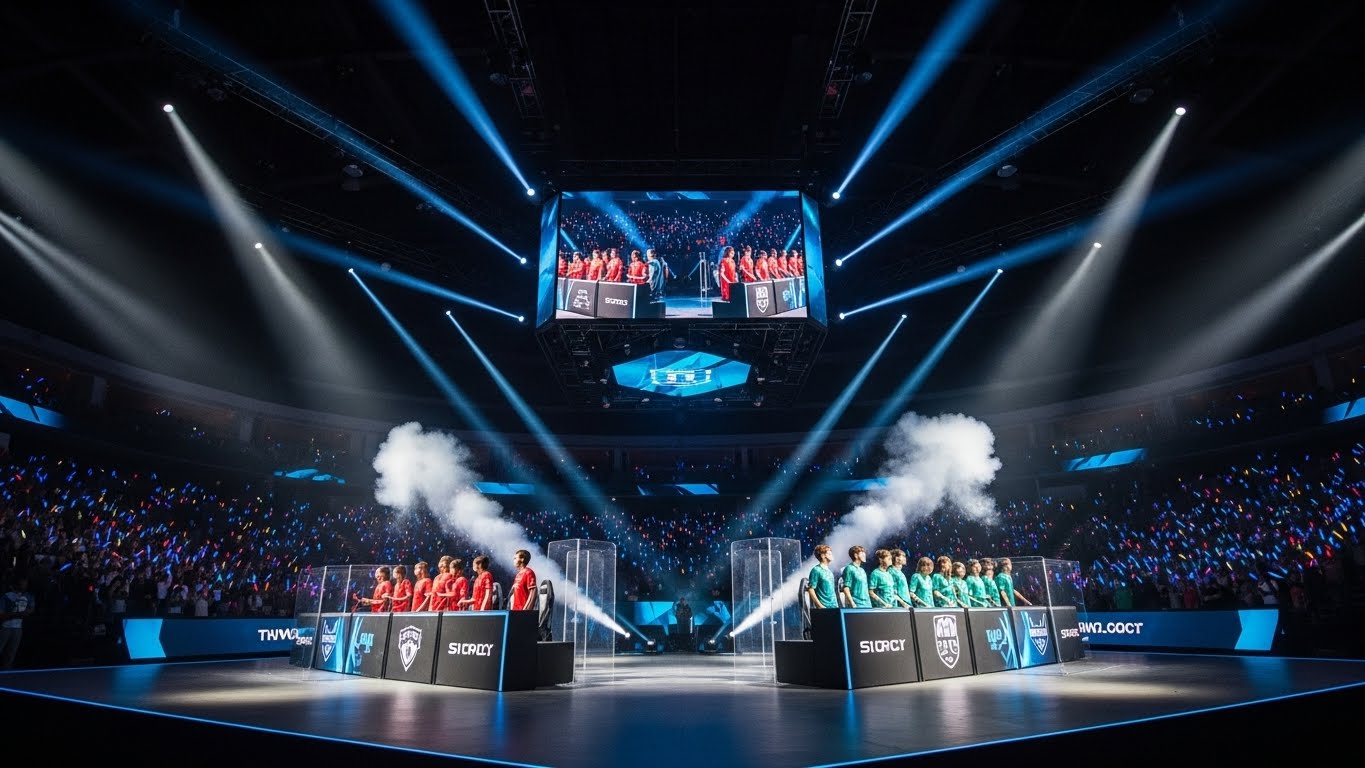
Cities hosting large tournaments experience economic boosts from tourism, hospitality, and media coverage. The financial ecosystem surrounding esports demonstrates its potential as a sustainable and influential sector within the entertainment industry. As global interest continues to rise, the economic significance of esports is likely to expand even further.
Esports as a Global Phenomenon
Esports has transcended geographic boundaries to become a worldwide phenomenon. Countries such as South Korea, China, the United States, and Brazil have developed thriving esports markets with passionate fan bases and professional leagues. International tournaments attract players and viewers from diverse backgrounds, fostering a shared global culture centered around gaming and competition.
Online connectivity ensures that players and fans can participate regardless of location, while streaming allows events to reach audiences across time zones. This global accessibility has helped esports gain recognition as a legitimate form of competition and entertainment comparable to traditional sports.
Challenges in the Esports Industry
Despite its rapid growth, esports faces challenges that require careful attention. Player burnout, mental health concerns, and intense pressure are common issues among professional gamers. Regulatory frameworks for esports remain inconsistent, creating challenges in player contracts, tournament rules, and ethical standards.
Diversity and inclusivity are ongoing concerns, as the industry has historically been dominated by male players. Initiatives promoting female and underrepresented participation are underway, but progress is gradual. Cheating, toxicity, and online harassment also threaten community integrity. Addressing these issues is critical for sustaining growth, improving legitimacy, and fostering positive environments for players and fans alike.
Technological Innovations Shaping Esports
Technology plays a central role in esports, driving both gameplay and spectator experiences. High-speed internet, advanced graphics, and powerful gaming hardware enable fast, immersive gameplay. Virtual reality and augmented reality technologies promise to create new competitive formats and viewer experiences.
Artificial intelligence is also influencing esports by analyzing player performance, generating strategic insights, and enhancing matchmaking systems. Cloud gaming has the potential to reduce hardware barriers, making competitive gaming more accessible. Continued technological innovation ensures that esports remains dynamic, engaging, and constantly evolving.
The Future of Esports
The future of esports is promising, with growth expected in both scale and cultural impact. Hybrid events combining online and live competitions may become more prevalent, while advancements in VR and AR could create fully immersive digital arenas. Education is also integrating esports, with universities offering scholarships and training programs that nurture talent and professional growth.
The potential for collaboration with traditional sports, such as esports-themed exhibitions and crossover tournaments, further expands opportunities for global recognition. As technology evolves, esports will continue to redefine entertainment, competition, and cultural interaction in ways that extend far beyond the gaming world.
Conclusion
Esports has emerged as a defining force in modern entertainment, transforming gaming into a global industry, professional career path, and cultural phenomenon. From its humble origins in arcades to the stadiums and streaming platforms of today, esports continues to grow in popularity, economic significance, and cultural influence.
Its impact on youth culture, professional sports, technology, and media demonstrates the far-reaching influence of competitive gaming. While challenges remain, including player well-being, diversity, and regulation, the future of esports is bright. With continued innovation, global connectivity, and community engagement, esports is not just a game—it is a revolution shaping the future of entertainment and human interaction in the digital era.