 joystickarena94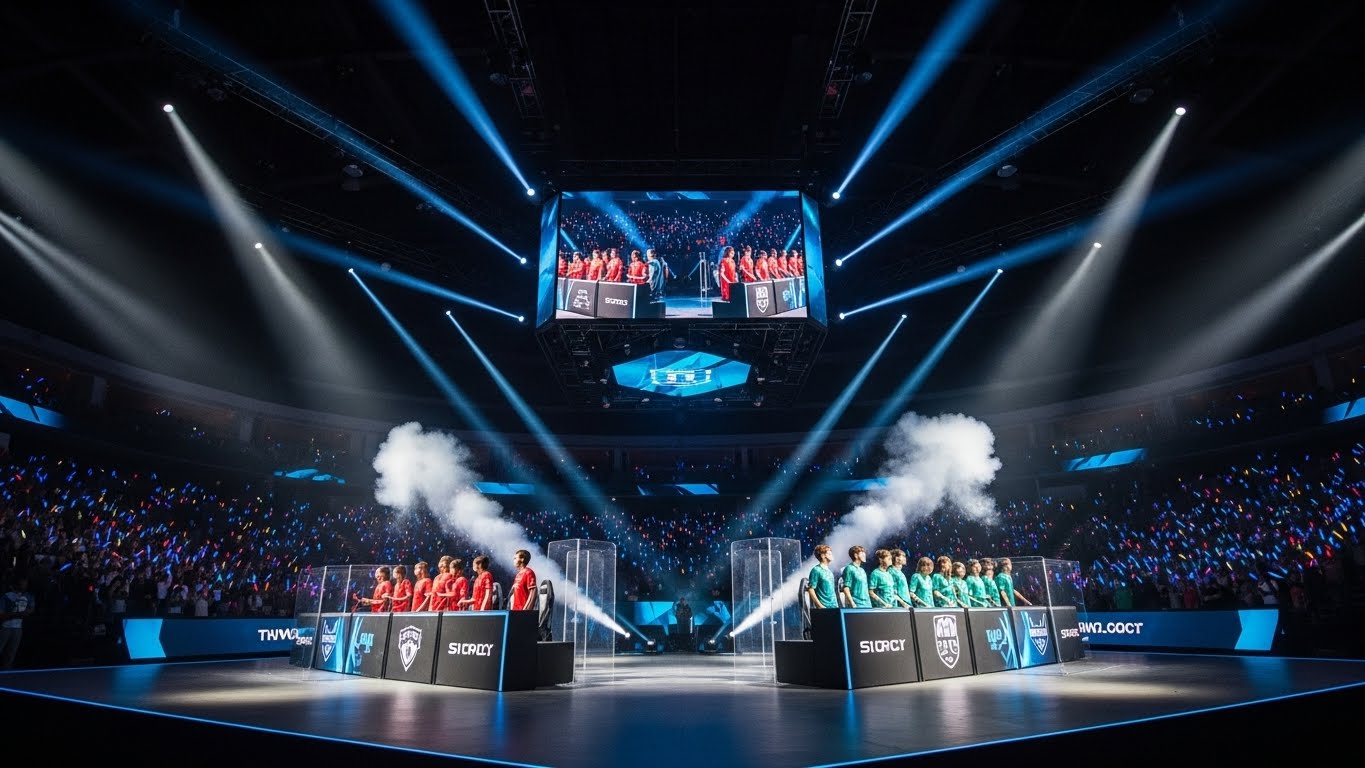
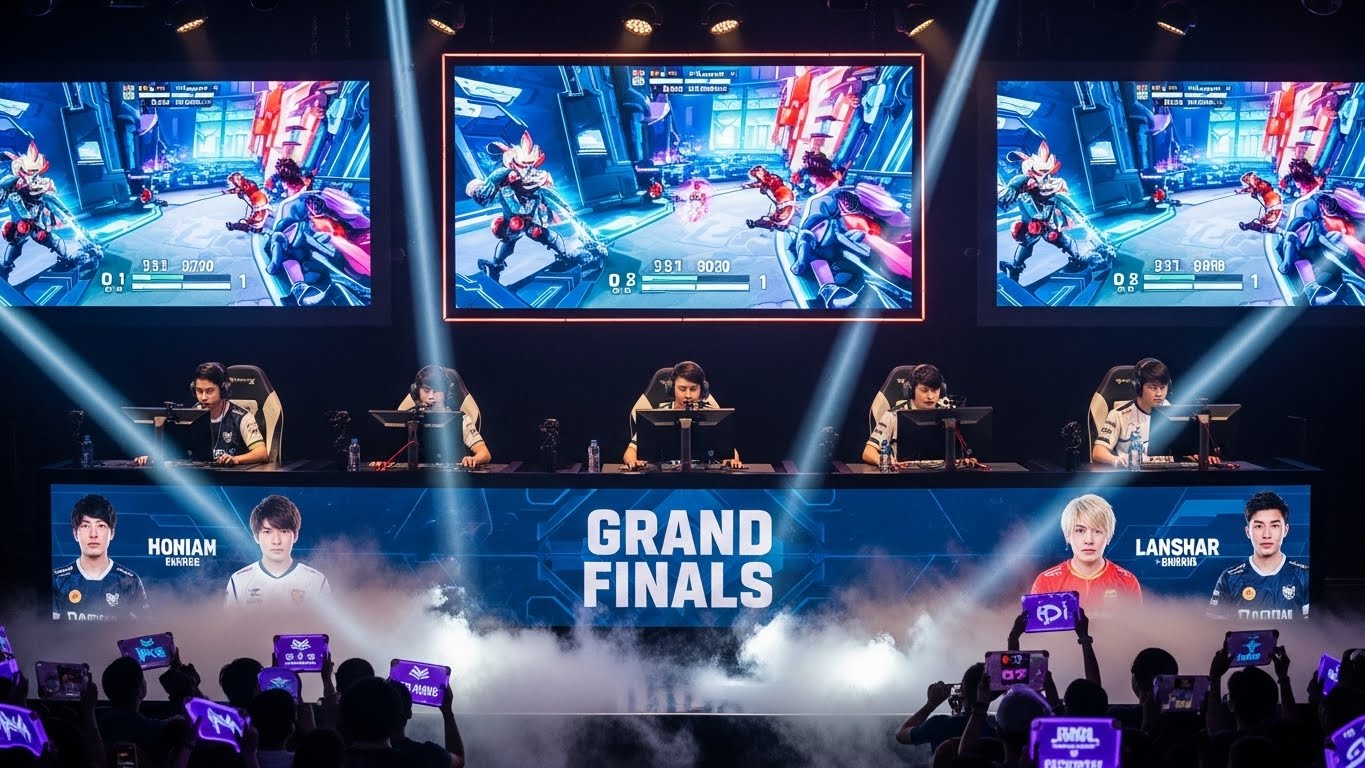
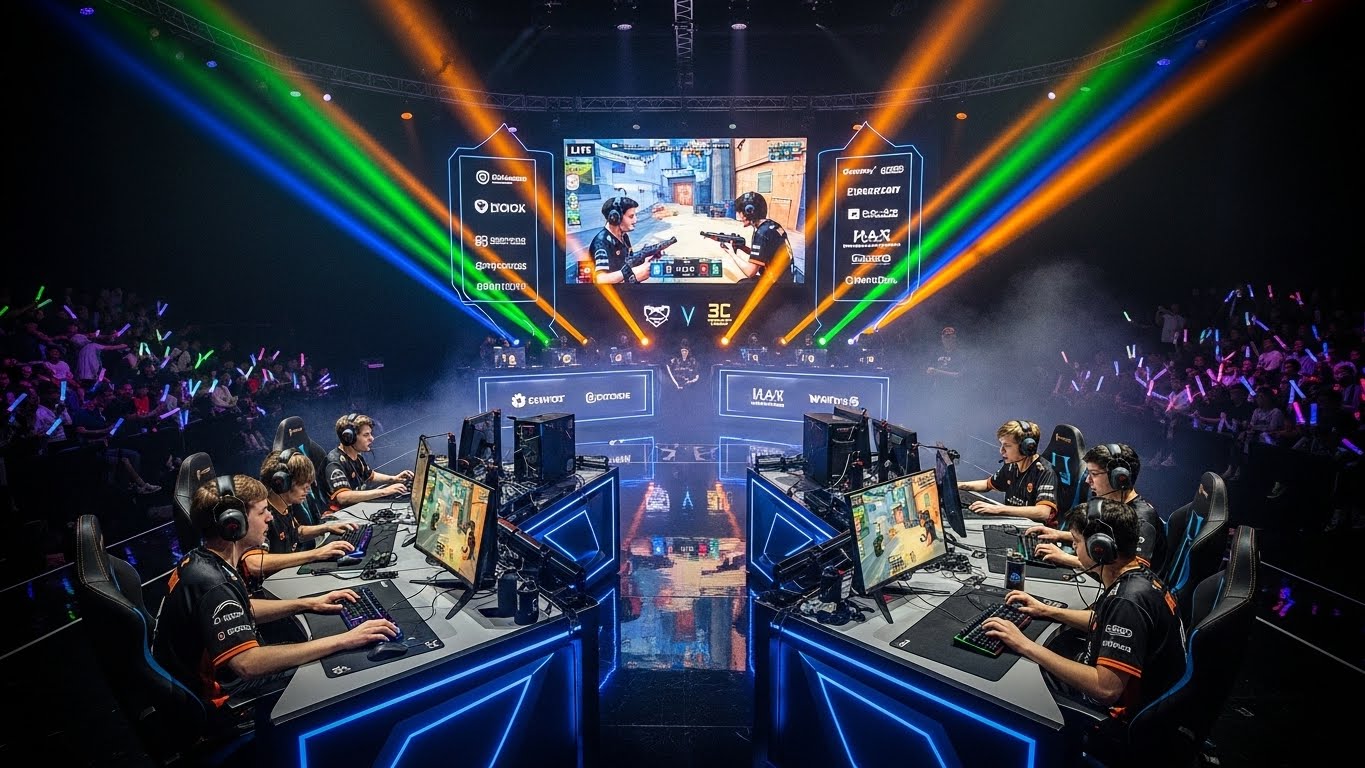
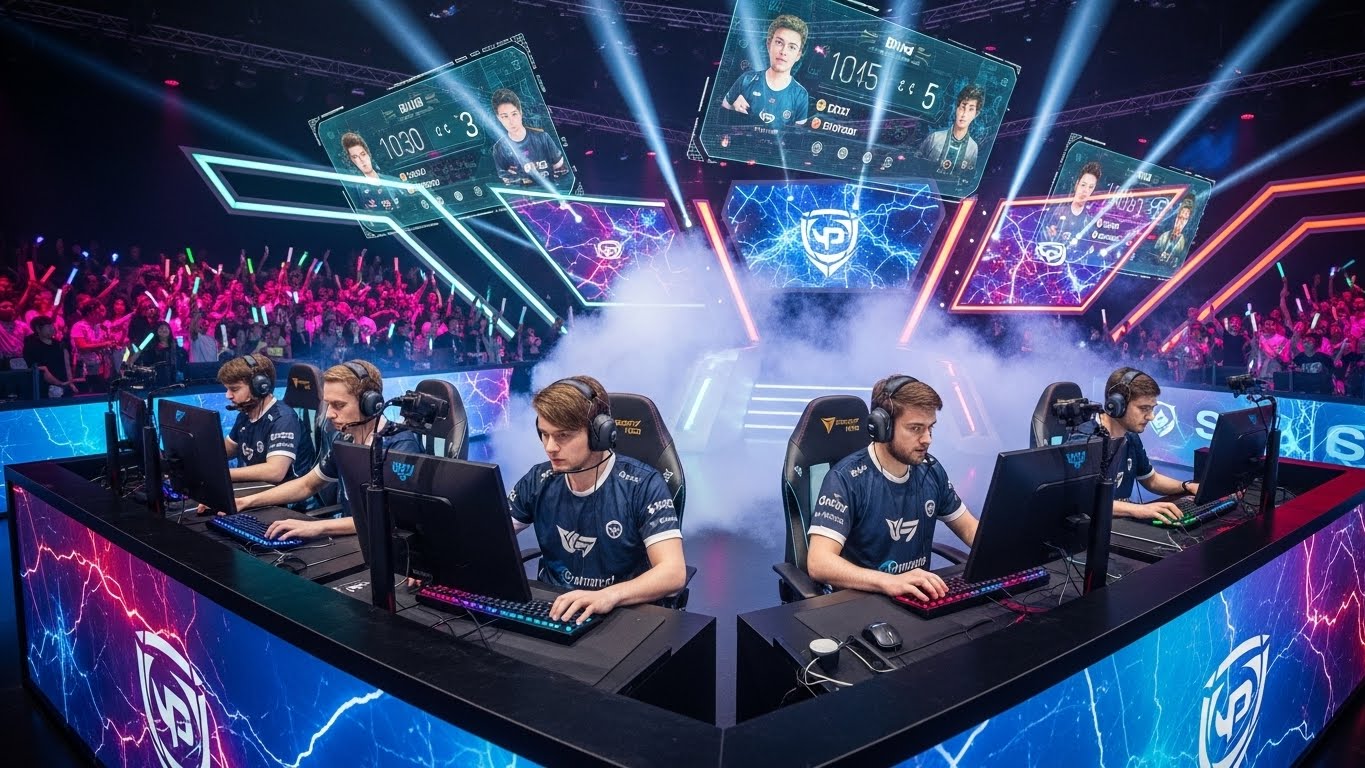
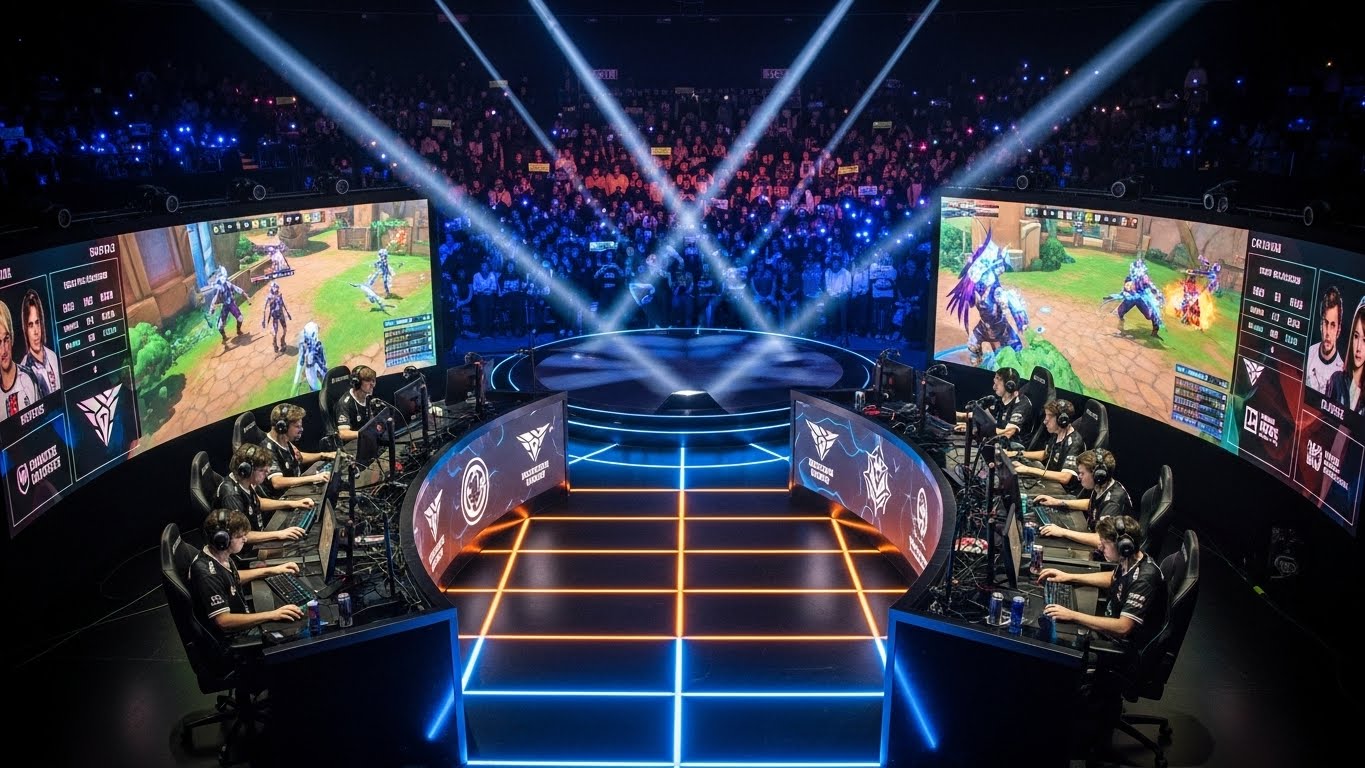
Esports, or competitive video gaming, has emerged as a transformative force in entertainment and culture. Once considered a niche hobby for dedicated gamers, it has evolved into a global phenomenon that rivals traditional sports in viewership, sponsorship, and influence. Today, millions of people watch esports tournaments, follow professional players, and participate in local competitions, demonstrating that esports is far more than just playing games—it is a career, a lifestyle, and a cultural movement.
The Origins and Evolution of Esports
The roots of esports trace back to the late 1970s and 1980s when arcade competitions and early computer games began attracting competitive players. Games like Space Invaders, Pac-Man, and Donkey Kong hosted local tournaments, offering cash prizes and recognition for top scorers. As technology advanced in the 1990s, networked and online gaming allowed players to compete across cities and even countries. Titles such as StarCraft, Warcraft, and Counter-Strike became the first widely recognized competitive games, creating the foundation for organized esports leagues.
The 2000s brought streaming platforms, which revolutionized esports by enabling players to broadcast gameplay to global audiences. This period marked the rise of professional teams, sponsorships, and large-scale tournaments. Today, esports encompasses multiple genres, including first-person shooters, real-time strategy games, multiplayer online battle arenas, fighting games, and sports simulations, appealing to a diverse and global audience.
The Economic Impact of Esports
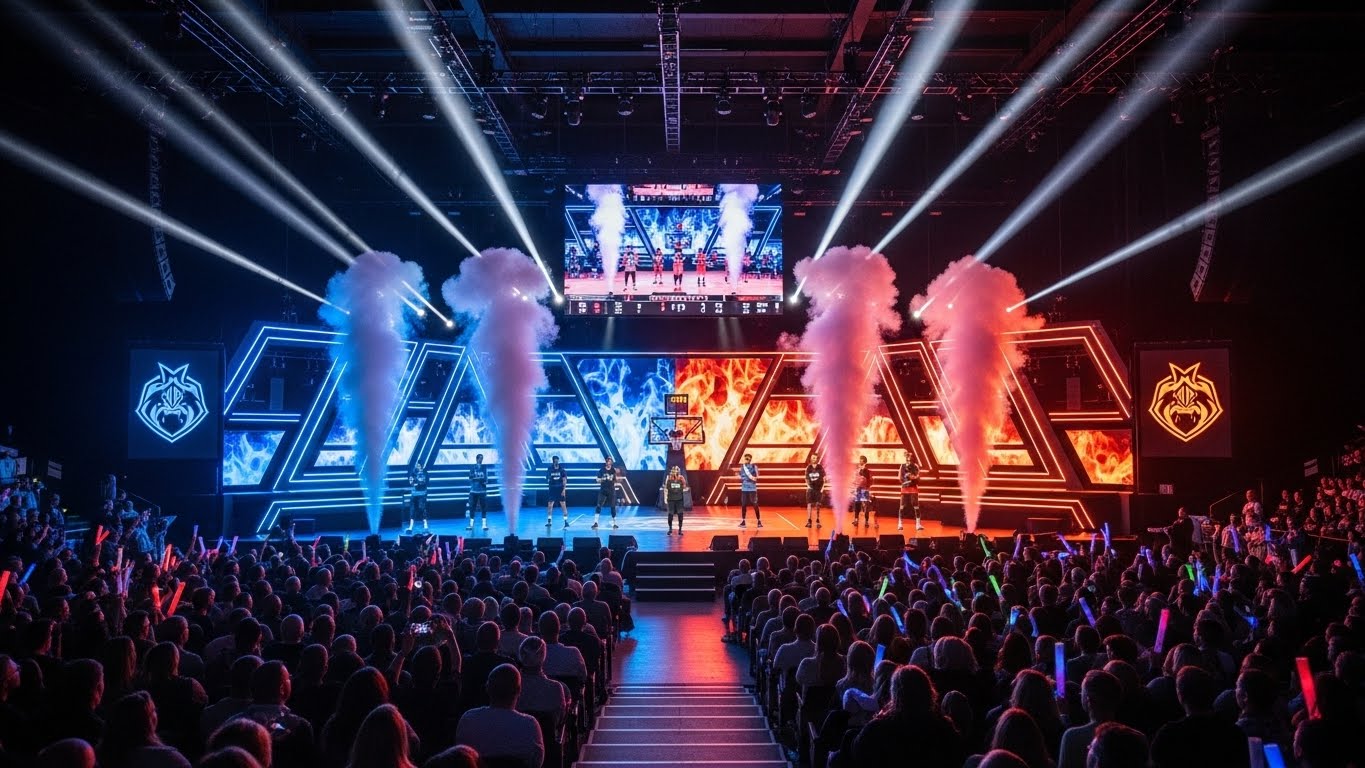
Esports has grown into a multi-billion-dollar industry, demonstrating its legitimacy and influence. Major tournaments attract millions of viewers online and in arenas, often generating revenue comparable to traditional sports events. Sponsorships from technology companies, gaming brands, and mainstream corporations fuel the growth of esports teams and tournaments. Additionally, advertising, merchandise, and media rights contribute significantly to the industry’s financial ecosystem.
Professional esports organizations operate like sports franchises, employing players, coaches, analysts, content creators, and marketing teams. Hosting major tournaments benefits local economies through tourism, hospitality, and media coverage. The financial growth of esports illustrates that competitive gaming is not only entertainment but also a robust and sustainable business sector.
Career Opportunities in Esports
Esports offers a variety of career opportunities beyond playing competitively. Professional players earn salaries, prize money, and revenue from streaming platforms. Roles such as coaching, content creation, tournament management, marketing, game development, and shoutcasting—live commentary and analysis of matches—are all viable career paths.
Becoming a professional esports player requires discipline and dedication. Many players adhere to structured training schedules that include mechanical practice, strategy sessions, and mental preparation. Physical fitness, nutrition, and psychological coaching are increasingly important as competition intensifies. These professional requirements demonstrate that esports demands a level of commitment similar to traditional athletics.
Technology and Its Role in Esports
Technology is the backbone of esports. High-performance computers, gaming consoles, and peripherals enable players to compete at the highest level. Fast and reliable internet connections ensure seamless multiplayer gameplay, while performance analytics allow teams to monitor and improve strategies. Emerging technologies like virtual reality, cloud gaming, and artificial intelligence are creating new opportunities for gameplay and fan engagement.
Streaming platforms have redefined how audiences consume esports. Fans can watch live tournaments, interact with players, and participate in online communities. Technology not only facilitates competition but also strengthens fan engagement, making esports accessible and interactive for a global audience.
Building Communities Through Esports
One of the most impactful aspects of esports is its ability to build communities. Players and fans connect across continents through online forums, streaming platforms, and social media groups. These digital spaces foster collaboration, discussion, and friendship, allowing enthusiasts to share strategies and celebrate achievements. Local esports clubs and leagues also provide opportunities for in-person interaction and skill development.
Esports promotes inclusivity by providing a platform for diverse players, regardless of gender, ability, or cultural background. Women, differently-abled gamers, and individuals from various socioeconomic backgrounds can participate competitively and socially. These communities not only enhance social interaction but also encourage mentorship, teamwork, and personal growth.
Cognitive and Mental Benefits of Esports
Competitive gaming offers several cognitive and mental benefits. Esports enhances hand-eye coordination, reaction time, strategic thinking, and multitasking. Team-based games develop communication, leadership, and decision-making skills under pressure. Players learn to analyze situations quickly, anticipate opponents’ moves, and adapt strategies in real time.
Esports also fosters mental resilience. The competitive environment teaches players to handle setbacks, maintain focus, and recover from mistakes. While moderation is essential to prevent negative effects from excessive screen time, structured esports participation can develop valuable skills applicable to academics, careers, and personal life.
Challenges and Ethical Considerations
Despite its growth, esports faces unique challenges. Mental health and burnout are significant issues for professional players due to long training hours, travel schedules, and competitive stress. Overexposure to screens can also impact physical and mental well-being. Balanced routines and wellness programs are essential to address these concerns.
Regulation and governance are other challenges. Unlike traditional sports with universally recognized governing bodies, esports lacks standardized rules, contracts, and enforcement mechanisms. Issues such as cheating, doping, and match-fixing remain ongoing concerns. Gender inequality and underrepresentation of women in professional esports and leadership positions are additional challenges that the industry continues to address.
Esports in Education
Educational institutions have increasingly embraced esports as a tool for learning and skill development. Schools and universities are establishing esports programs, clubs, and scholarships. Participation in esports helps students develop teamwork, strategic thinking, leadership, and digital literacy. These programs prepare students for careers in gaming, media, technology, and entrepreneurship.
Esports also provides opportunities for students who may not excel in traditional sports or social settings. Competitive gaming builds confidence, fosters collaboration, and enhances problem-solving skills. Educational esports demonstrates that gaming can be a constructive and enriching activity when approached responsibly.
Global Influence and Cultural Significance
Esports is a global phenomenon with players, teams, and fans spanning continents. Countries like South Korea, China, the United States, and several European nations have developed professional leagues and infrastructures that support elite competition. International tournaments bring together players from diverse backgrounds, promoting cultural exchange and mutual appreciation.
Esports has also influenced mainstream culture. Professional players are celebrated as celebrities, tournaments are broadcast globally, and gaming culture intersects with music, fashion, and entertainment. This cultural integration underscores esports’ growing significance and its ability to shape trends, values, and lifestyles worldwide.
The Future of Esports
The future of esports is full of potential and innovation. Virtual reality, augmented reality, and cloud gaming will transform how games are played and experienced. New game genres and competitive formats will expand the audience base, while partnerships with mainstream entertainment and traditional sports will enhance visibility and legitimacy.
Player welfare, inclusivity, and ethical standards will become increasingly important as the industry grows. Support systems for mental health, fair contracts, and equitable representation will ensure sustainable development. As technology continues to evolve and societal acceptance increases, esports is poised to remain a major force in entertainment, education, and cultural exchange.
Conclusion: Esports as a Global Movement
Esports has moved beyond being a niche hobby to become a global cultural and economic force. It creates career opportunities, fosters communities, develops cognitive and social skills, and challenges traditional ideas of competition. Esports demonstrates that dedication, teamwork, and strategy are not limited to physical sports—they can thrive in digital arenas as well.
More than just gaming, esports is about connection, personal growth, and innovation. It bridges continents, empowers diverse participants, and inspires creativity, resilience, and critical thinking. As the industry continues to evolve, esports will redefine what it means to compete, belong, and succeed in the modern world. The rise of esports proves that the digital age can create opportunities, experiences, and communities that are just as meaningful as those in the physical world.