 joystickarena94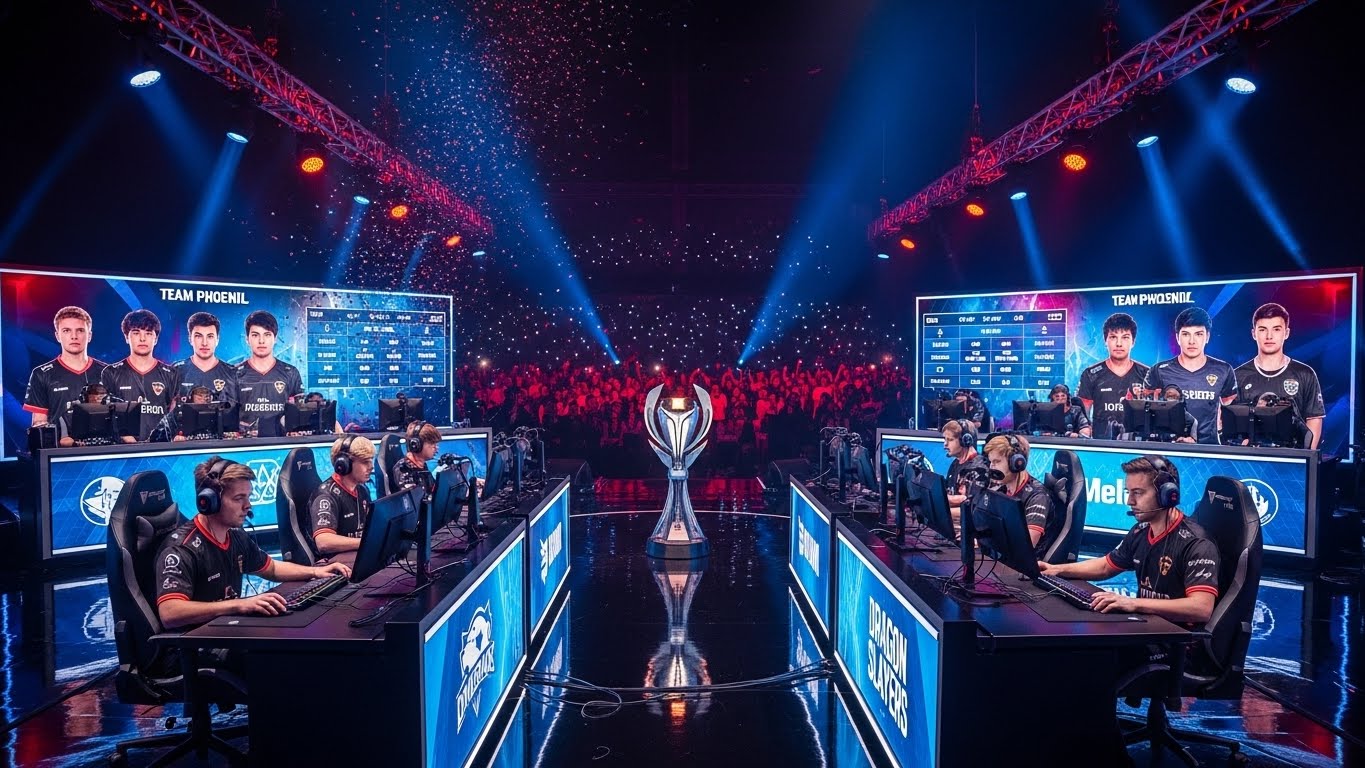
Introduction: The Rise of a Digital Sport
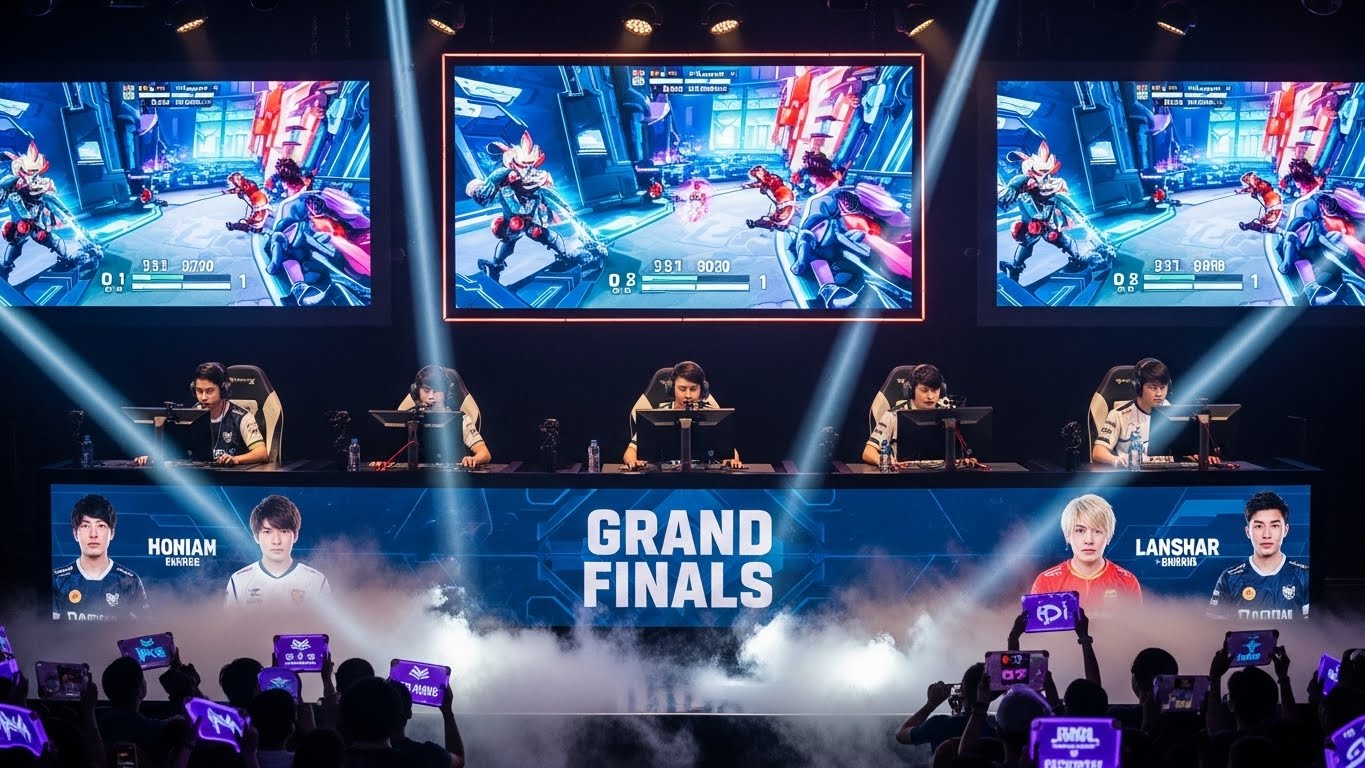
Esports has emerged as one of the most influential entertainment industries of the 21st century. Once regarded as a niche hobby for video game enthusiasts, esports now commands global audiences, attracts significant sponsorship deals, and even rivals traditional sports in viewership. The combination of technological advancement, online connectivity, and competitive spirit has transformed gaming into a professional arena where skill, strategy, and mental agility define success. Today, esports is not just about entertainment; it represents a cultural and economic phenomenon shaping how people compete, interact, and consume media.
The Origins of Competitive Gaming
Competitive gaming traces its roots back to the late 1970s and 1980s when arcade tournaments for games like Space Invaders and Pac-Man first appeared. While these early competitions were small and informal, they laid the foundation for the idea that video games could be played competitively.
The 1990s saw the rise of networked gaming, allowing players to compete beyond local arcades. Titles such as StarCraft, Counter-Strike, and Quake became the first widely recognized esports games. These games required a combination of strategy, precision, and teamwork, making them perfect for competitive play. The emergence of online forums and early gaming communities helped players connect, discuss strategies, and organize tournaments, establishing the early infrastructure for what would later become a global industry.
Professional Players: The Modern Athletes
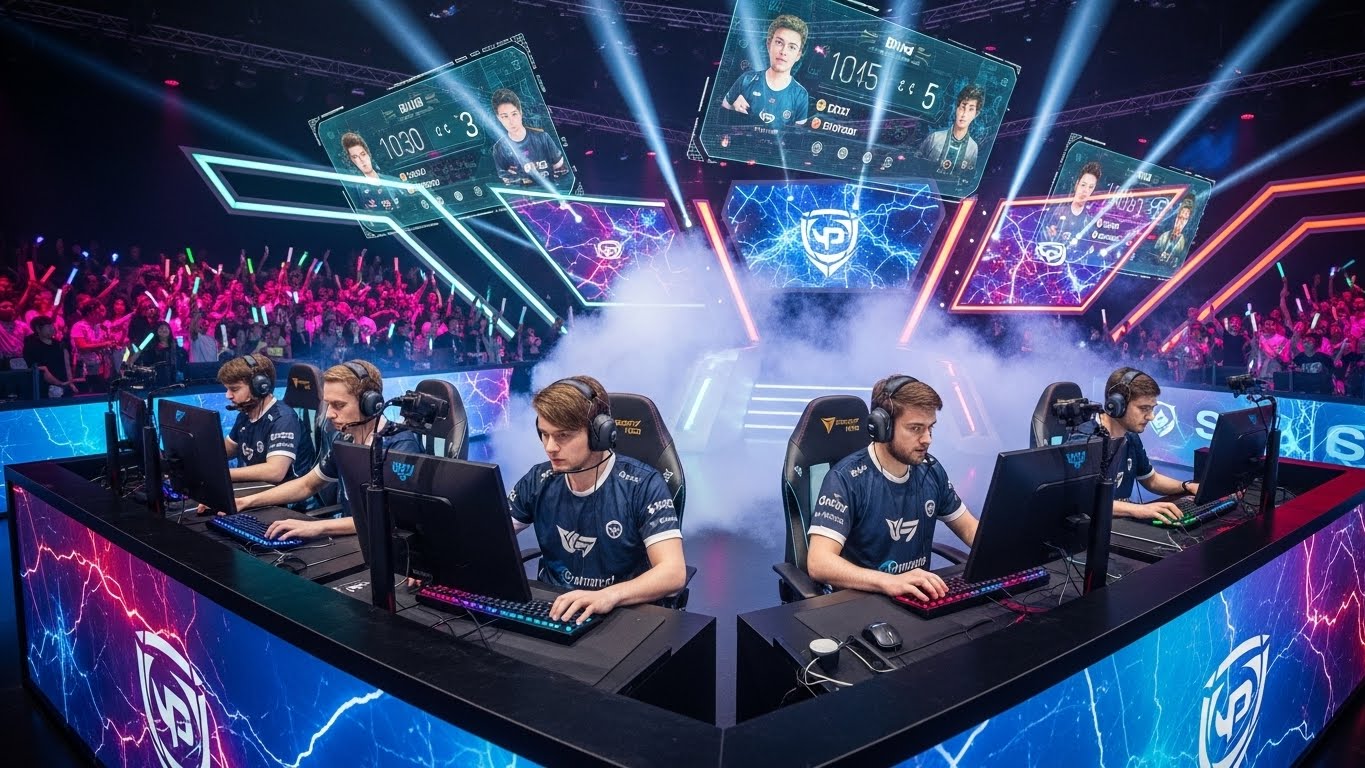
Esports professionals are no longer casual gamers; they are highly trained athletes in the digital realm. Professional players dedicate hours each day to perfecting their skills, analyzing gameplay footage, and refining strategies. Their training often mirrors traditional sports, including physical fitness routines, mental conditioning, and teamwork exercises.
Teams now employ coaches, analysts, and support staff to enhance performance. Nutritionists and mental health professionals are also increasingly involved, recognizing the physical and psychological demands of competitive gaming. The careers of esports athletes, though intense, can be rewarding, with prize money, endorsements, and global recognition. Their discipline and dedication have been key in legitimizing esports as a serious competitive pursuit.
The Role of Streaming in Esports Growth
One of the biggest drivers of esports’ rapid rise is live streaming. Platforms that allow gamers to broadcast their gameplay to audiences worldwide have transformed how fans interact with competitive gaming. Viewers can watch live matches, engage with players, and even learn strategies from top professionals.
Streaming has created opportunities for players to build personal brands and earn additional income through subscriptions, donations, and sponsorships. For fans, it offers accessibility and a sense of connection that traditional sports rarely provide. The interactive nature of streaming fosters a strong community and loyalty, further fueling esports’ growth.
Economic Impact: The Billion-Dollar Industry
Esports has evolved into a global economic powerhouse. Revenue streams include tournament prizes, team sponsorships, merchandise, media rights, and in-game purchases. Major corporations recognize esports’ marketing potential, reaching younger, highly engaged audiences who might not follow traditional sports.
Game developers also play a significant role in the industry’s economics. By creating competitive games, organizing leagues, and supporting tournaments, developers maintain a dynamic ecosystem that attracts both players and viewers. The industry’s growth has created careers beyond professional gaming, including roles in event management, content creation, marketing, and coaching, making esports an increasingly sustainable economic model.
Popular Esports Genres
Esports encompasses a variety of game genres, each attracting unique audiences and skill sets.
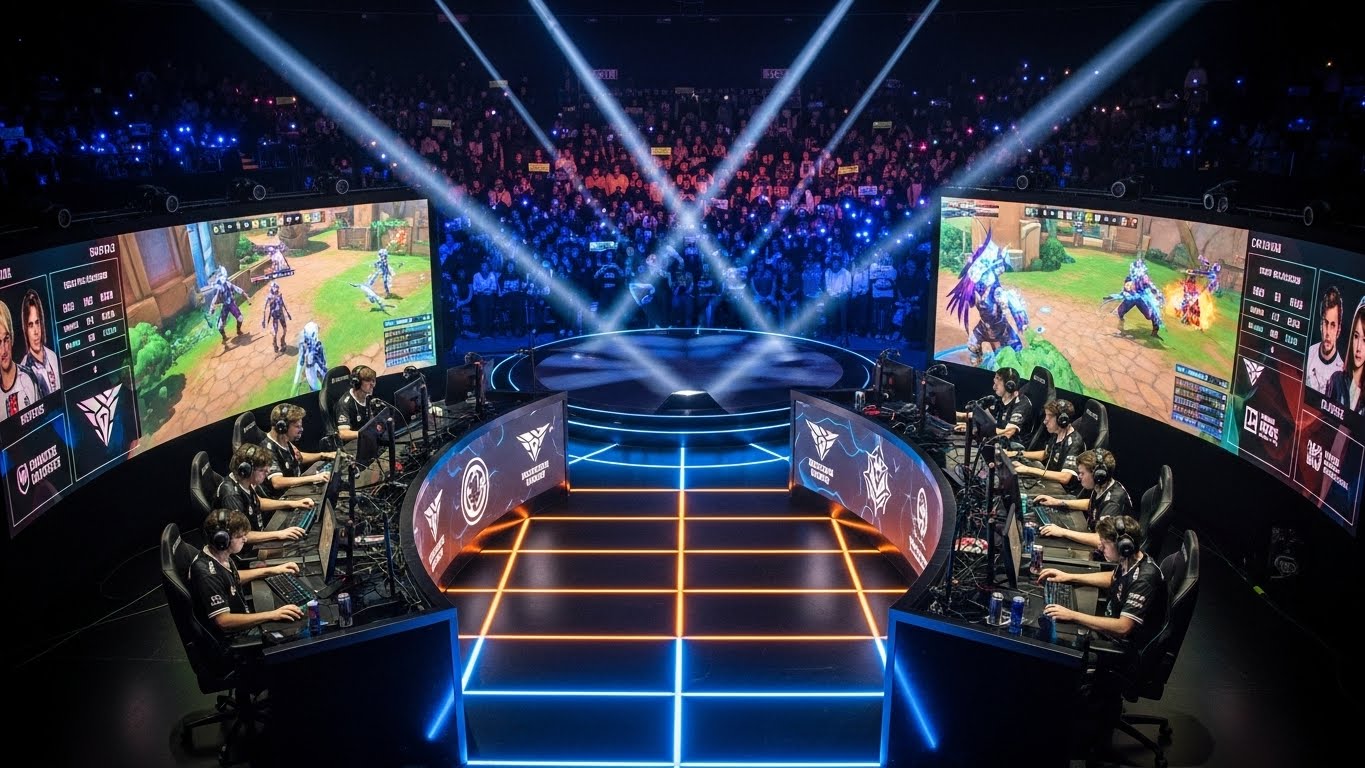
Multiplayer Online Battle Arenas (MOBAs): Games like League of Legends and Dota 2 require strategic thinking, teamwork, and precise execution. MOBAs dominate esports in terms of viewership due to their depth and competitive complexity.
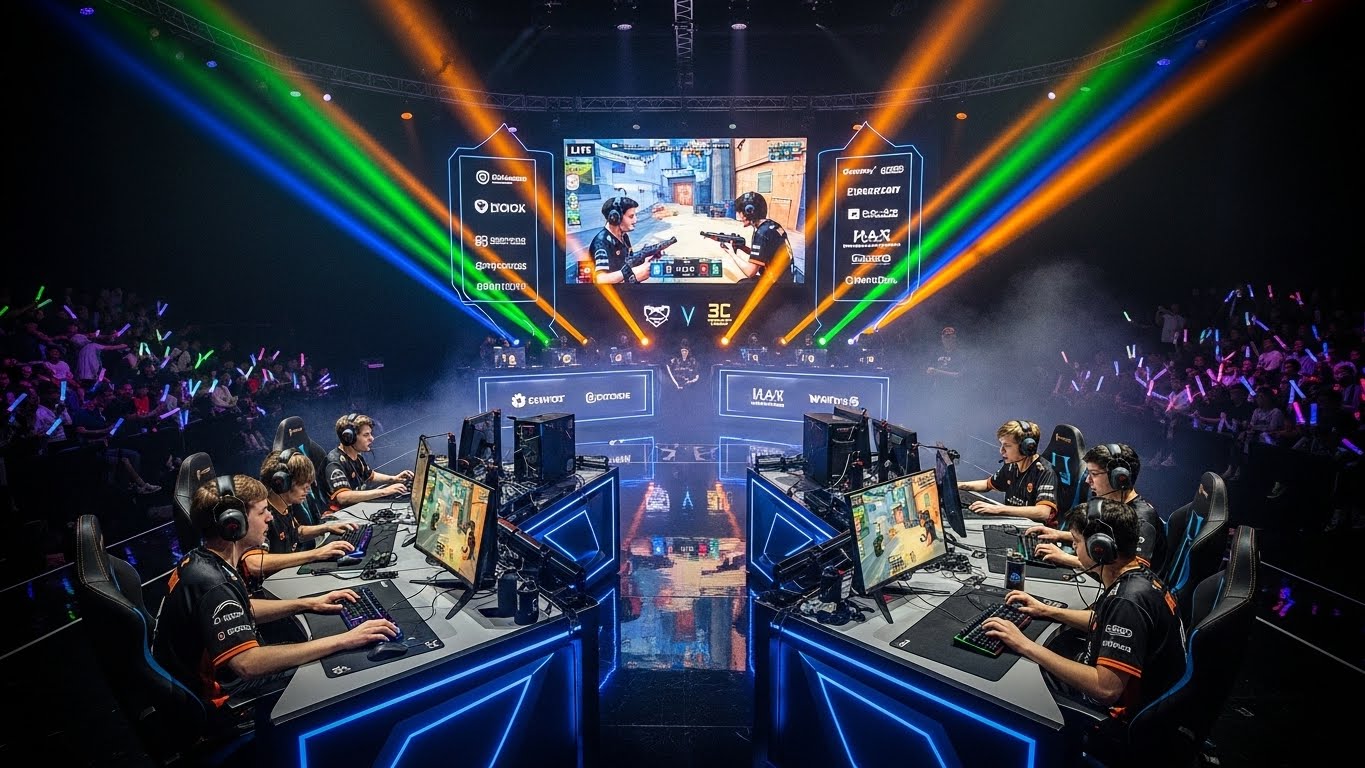
First-Person Shooters (FPS): Games such as Counter-Strike, Call of Duty, and Valorant emphasize reflexes, accuracy, and tactical coordination. They attract players and fans who thrive in high-pressure, fast-paced scenarios.
Battle Royale Games: Titles like Fortnite and Apex Legends feature unpredictable, last-player-standing competition. Their dynamic gameplay creates dramatic moments that are highly engaging for spectators.
Sports Simulations: Games like FIFA and NBA 2K allow fans to experience digital versions of their favorite sports. These titles bridge traditional sports fandom and gaming, offering competitive experiences familiar to real-world athletes.
Fighting Games: Games such as Street Fighter and Tekken focus on one-on-one combat and technical mastery. Fighting game communities often rely on grassroots events and tournaments to sustain competitive engagement.
The diversity of genres ensures that esports caters to a wide array of interests and skills, further expanding its global reach.
Community: The Heartbeat of Esports
Esports thrives because of its passionate and engaged communities. Fans interact through social media, online forums, and streaming platforms, creating spaces for discussion, celebration, and collaboration. Unlike traditional sports, esports fans can communicate directly with players and teams, deepening their connection to the game.
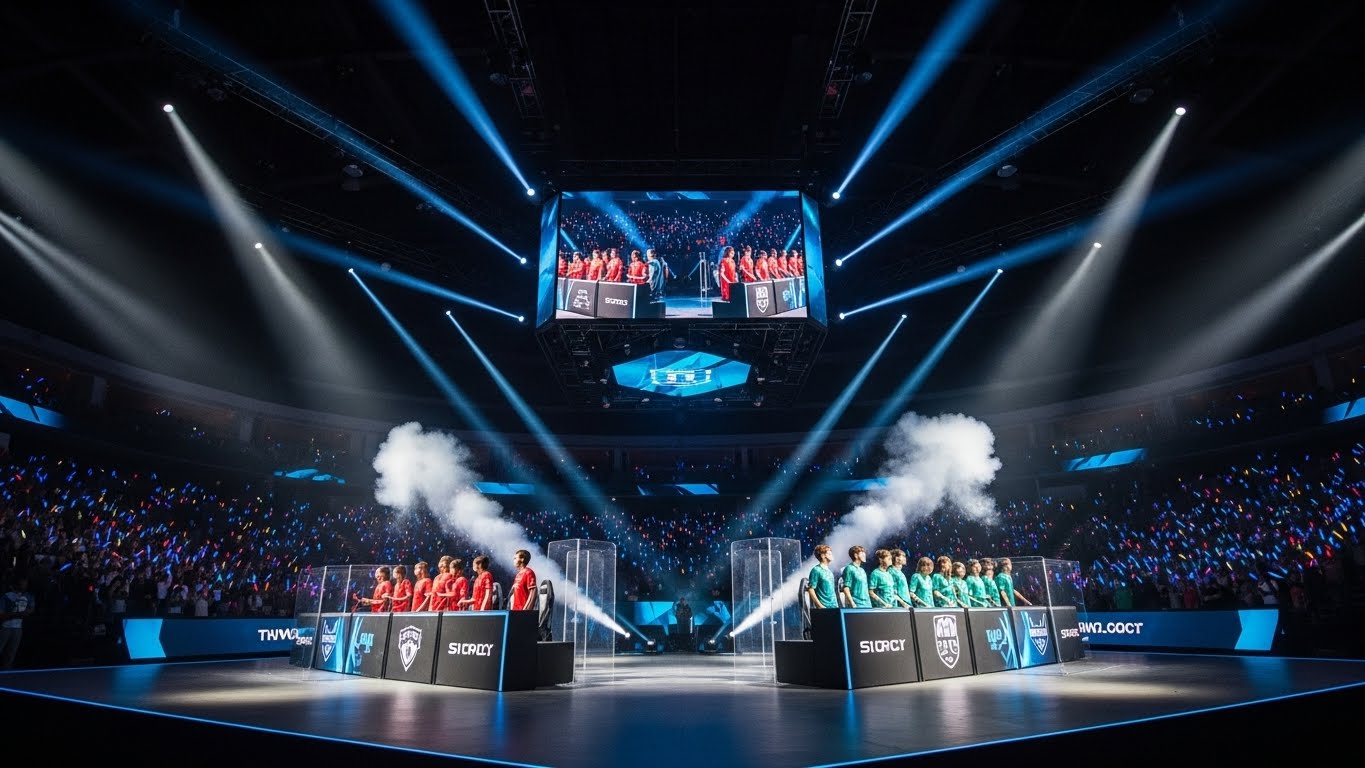
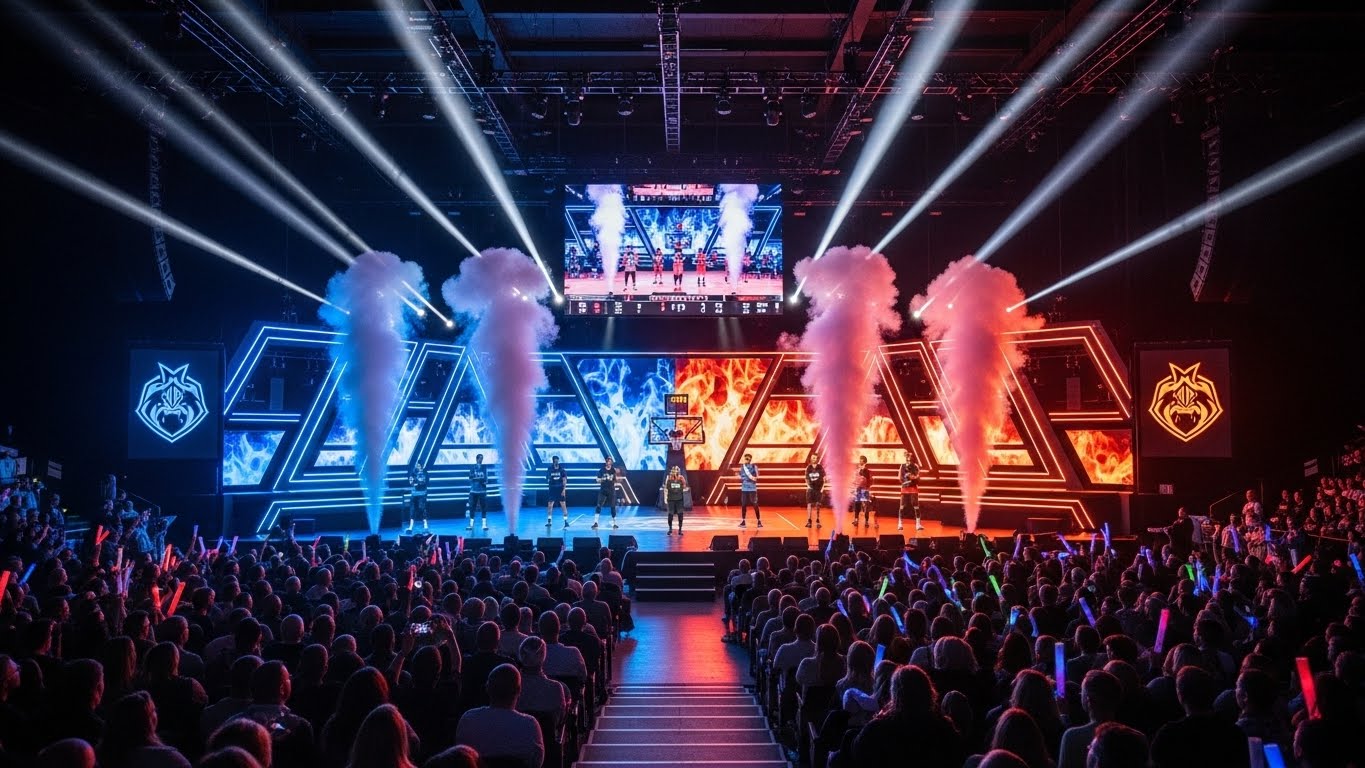
Live events are a central part of the fan experience. Spectators attend tournaments to experience the excitement of high-level competition firsthand, often participating in cosplay, fan chants, and other community-driven activities. The combination of digital accessibility and real-world engagement has cemented esports as both a social and competitive phenomenon.
Global Reach and Cultural Influence
Esports is a truly global phenomenon. Asia, particularly South Korea and China, has long been a hub for competitive gaming, with well-established leagues and enormous fan bases. North America and Europe also host major tournaments and produce globally recognized teams and players. Meanwhile, emerging regions like Latin America, the Middle East, and Africa are rapidly growing, supported by improving internet infrastructure and local esports initiatives.
International tournaments showcase diverse talent and foster cross-cultural connections. Teams and players from different continents compete on equal footing, highlighting esports’ universal appeal and its ability to bridge geographic and cultural divides.
The Future of Esports
The future of esports promises continued growth and innovation. Emerging technologies such as virtual reality, augmented reality, and cloud gaming will transform how games are played and viewed, creating immersive experiences for both players and spectators.
Education institutions are beginning to recognize esports as a legitimate pursuit. Scholarships, organized leagues, and academic programs provide young players with structured pathways into professional gaming, while also emphasizing skill development, teamwork, and leadership.
Beyond players, esports offers a wide array of career opportunities in coaching, analytics, event management, media production, and marketing. As the industry continues to expand, these roles will become increasingly important, creating a sustainable ecosystem for the next generation of esports professionals.
Conclusion: Esports as a Cultural and Competitive Force
Esports is more than just video games. It is a cultural movement, an economic force, and a new form of competition that combines skill, strategy, and entertainment in unprecedented ways. The dedication of professional players, the enthusiasm of global fan communities, and the support of developers and sponsors have transformed esports into a legitimate and thriving industry.
From humble beginnings in arcades to stadium-filling tournaments broadcast to millions worldwide, esports demonstrates how digital technology can redefine what it means to compete and connect. Its influence will continue to grow, shaping careers, communities, and entertainment for years to come. Esports represents a new era where passion, innovation, and talent converge on a global stage, proving that the digital arena is a place where champions are made, celebrated, and remembered.