 joystickarena94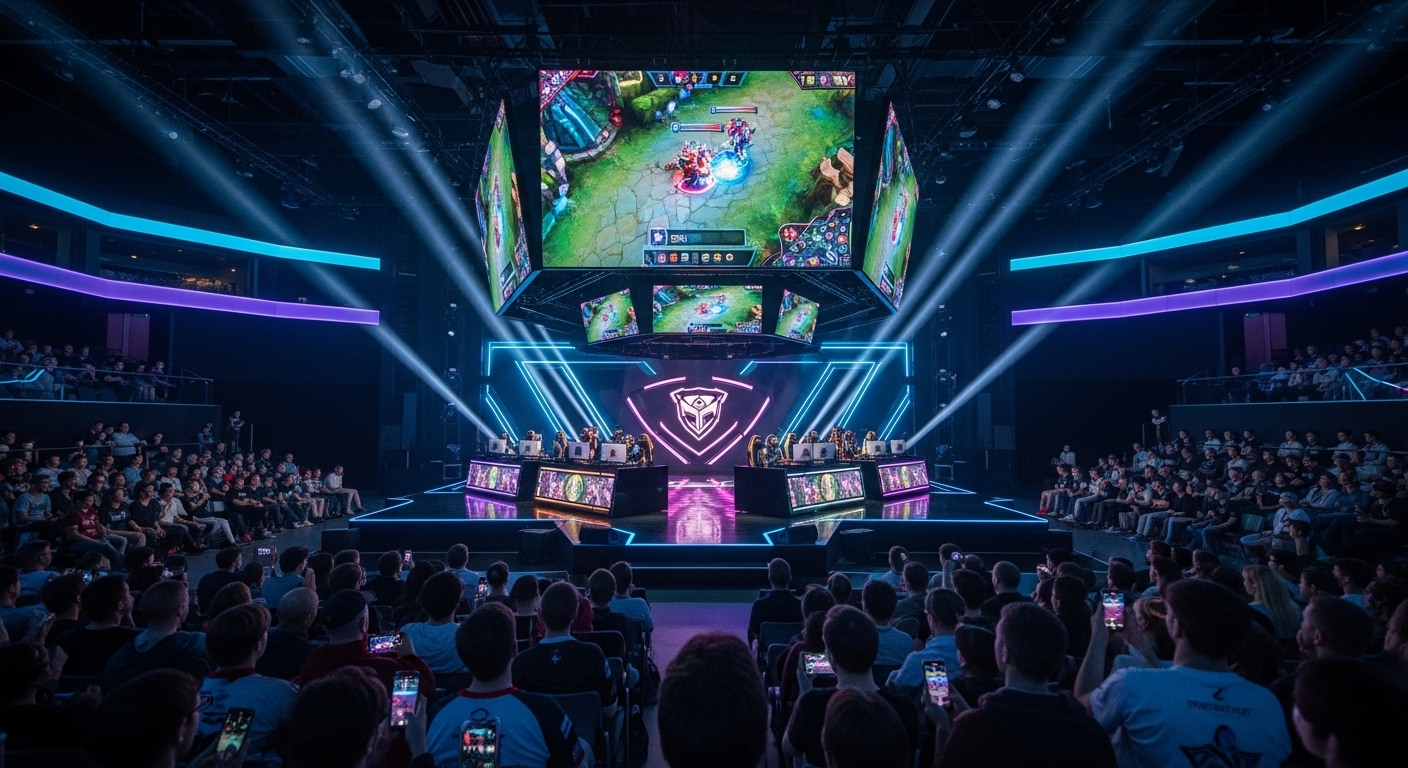
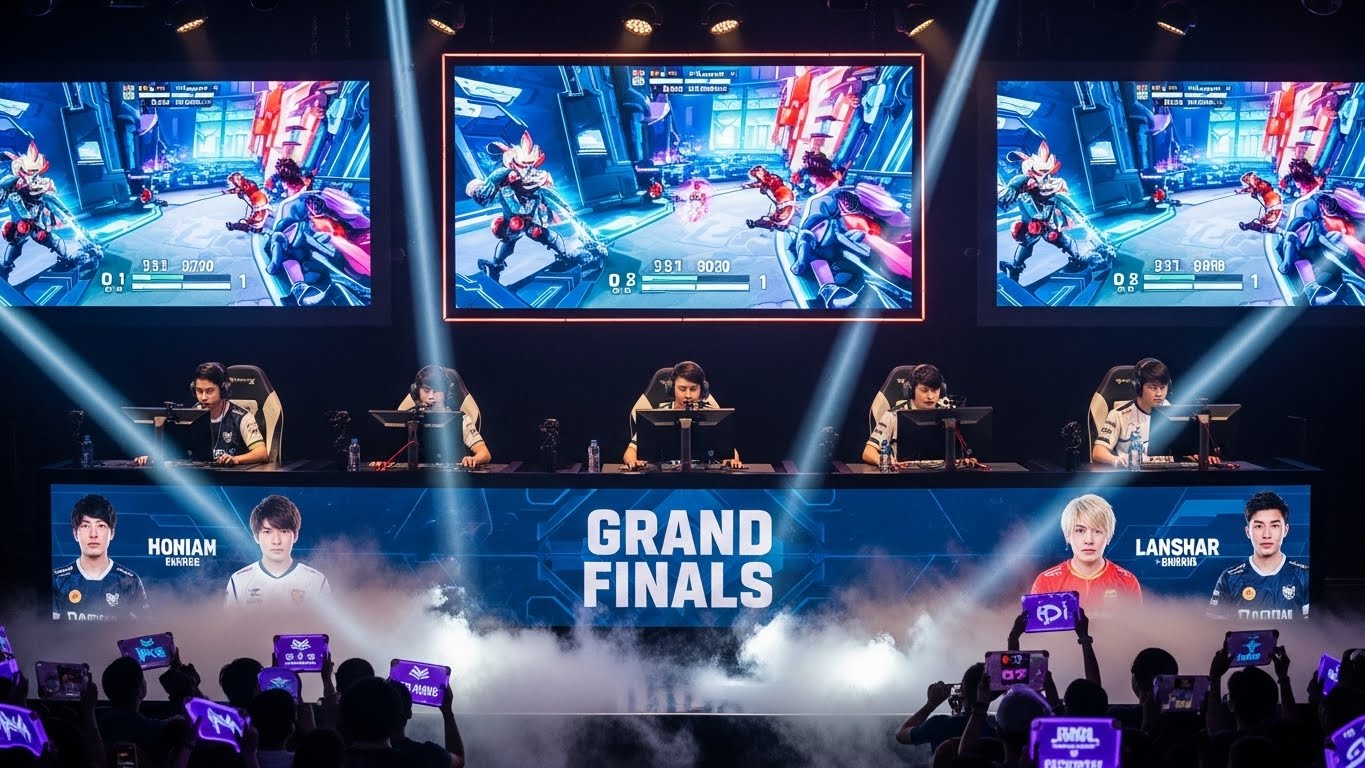
Esports, once considered a niche activity for a small group of passionate gamers, has now evolved into a global industry with millions of fans, professional players, and massive revenue streams. It’s no longer just about playing games—it’s about competing at the highest level, watching others do the same, and even making a career out of it. From casual competitions between friends to sold-out arenas and multi-million-dollar sponsorship deals, esports has transformed the way we think about gaming. In this blog post, we’ll take a deep dive into the rise of esports, exploring its origins, growth, and where it’s headed in the future.
The Early Days of Esports: Humble Beginnings
Esports has its roots in the very early days of video gaming. In the 1970s and 1980s, games like Space Invaders and Pac-Man began to introduce competitive elements, but it wasn’t until the 1990s that the concept of esports as we know it today started to take shape. The earliest documented tournaments were informal affairs, often hosted by gaming communities or as part of arcade events.
The first major esports tournament, known as Red Annihilation, took place in 1997 for the game Quake. It was a pivotal moment in the history of esports, offering a prize that set the tone for the future: a Ferrari. This event not only highlighted the potential for competitive gaming but also showed that people were willing to watch and follow these competitions on a grand scale. The tournament drew thousands of players and viewers, signaling that esports had potential beyond casual play.
As the internet grew in popularity, so did the opportunities for gamers to compete online. By the late 1990s and early 2000s, online gaming platforms like Blizzard’s Battle.net and Microsoft’s Xbox Live started connecting players from all over the world. This allowed for global tournaments to become more feasible and marked the beginning of a professional competitive gaming scene.
The Birth of Modern Esports: From South Korea to Global Competitions
While esports began to gain traction in the West, it was in South Korea where the industry truly flourished. The country became the birthplace of modern esports, and it’s no exaggeration to say that the Korean gaming scene laid the groundwork for what would eventually become a global phenomenon. Games like StarCraft became a national obsession in South Korea during the late 1990s and early 2000s, with entire television channels dedicated to broadcasting tournaments.
In 2000, the World Cyber Games (WCG) was established, providing the first major international esports platform. The WCG featured competitions in a variety of games and attracted players from around the globe. This event helped establish a model for how esports could operate on a global scale, with structured tournaments, national teams, and massive viewership.
At the same time, South Korea also developed a robust professional esports infrastructure. StarCraft players became household names, with games broadcast live on television, attracting thousands of fans. The rise of esports in South Korea demonstrated the potential for gaming to be a professional sport, paving the way for the rest of the world to follow suit.
The Global Expansion: The 2010s and Beyond
By the early 2010s, esports had become a global powerhouse. Titles like League of Legends, Dota 2, and Counter-Strike: Global Offensive started to dominate the competitive gaming scene. These games introduced new levels of strategy and complexity, with intricate team play, individual skill, and dynamic in-game mechanics that kept players and viewers coming back for more.
In 2013, League of Legends held its first World Championship, drawing 32 million viewers—more than the 2013 Super Bowl. This moment marked a significant turning point, as esports became a legitimate form of entertainment with a massive audience. It wasn’t just about the players; it was about the fans who watched from home, interacted with the game’s ecosystem, and followed their favorite teams and players across different tournaments.
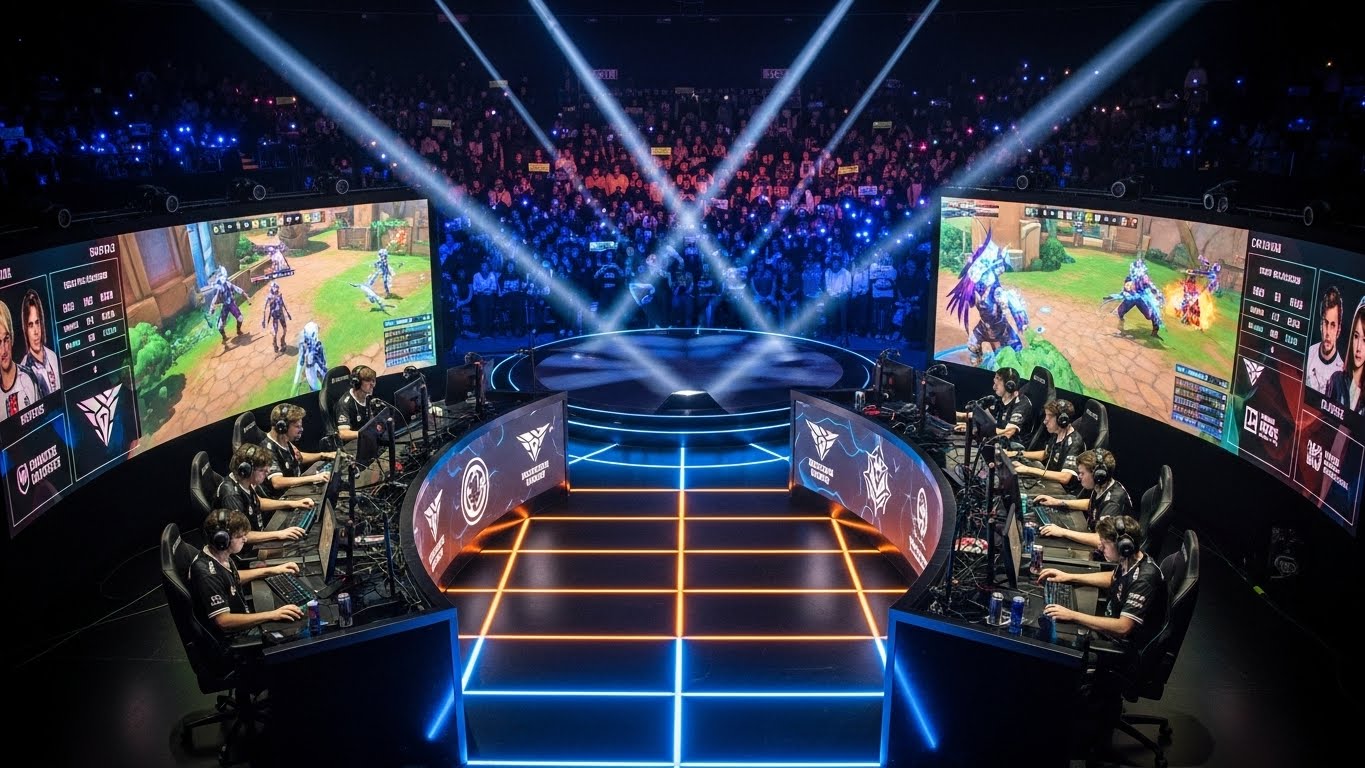
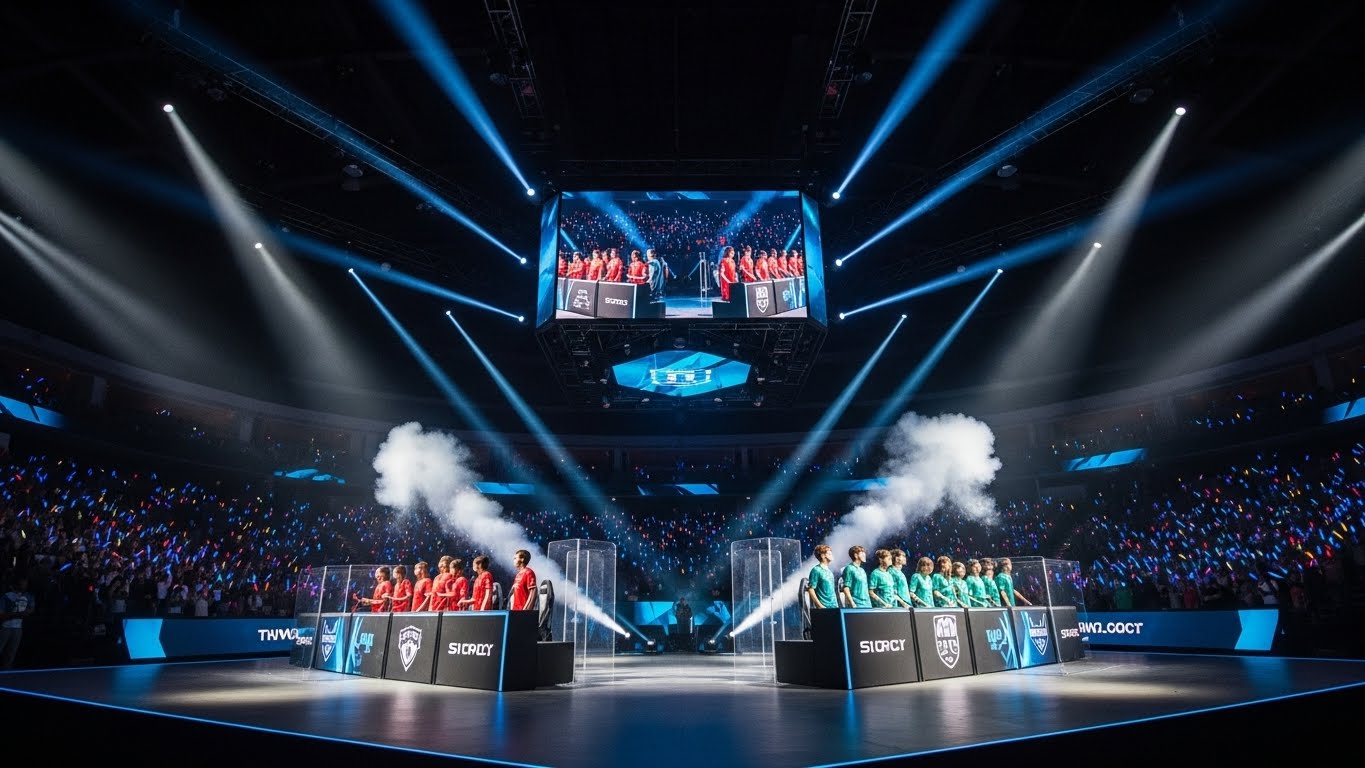
As esports grew, so did its infrastructure. Dedicated leagues and tournaments were established, with large-scale events like The International (the annual Dota 2 championship) and League of Legends’ World Championship becoming some of the most-watched events in the world. Prize pools grew from thousands to millions of dollars, with The International 2018 prize pool reaching a staggering $25 million.
Sponsorships began flooding in from major brands, including companies like Intel, Coca-Cola, Nike, and Red Bull. Esports organizations became professional entities with coaching staffs, analysts, and business operations similar to traditional sports teams. Major broadcasters and streaming platforms such as Twitch and YouTube Gaming also played a pivotal role in the growth of the industry, allowing millions of fans to watch esports competitions live from the comfort of their homes.
The Esports Ecosystem: Teams, Tournaments, and Viewership
The esports industry operates in a way similar to traditional sports, but with its unique flair. The ecosystem revolves around a few key elements: players, teams, tournaments, and fans.
Professional Esports Teams
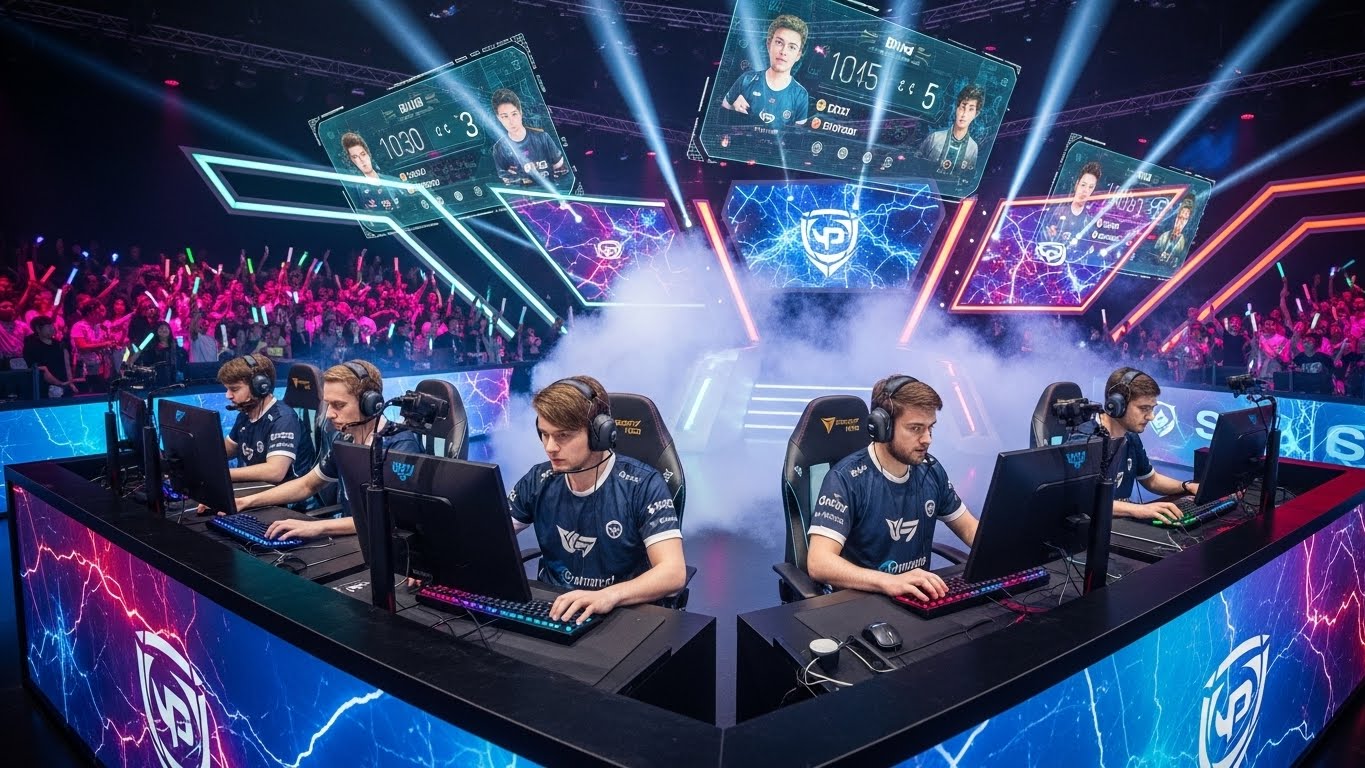
At the heart of esports are the professional teams. Just like in football or basketball, these teams recruit top players, train them, and enter them into various competitions. Teams like Cloud9, Fnatic, and Team Liquid have become household names in esports, competing in multiple games and tournaments across the globe.
Many professional players start their careers at a young age, honing their skills in a single game. The rise of esports academies and training programs has further professionalized the player pipeline. With salaries, sponsorships, and streaming income, players can earn substantial incomes, making esports a viable career option for many.
Tournaments and Leagues
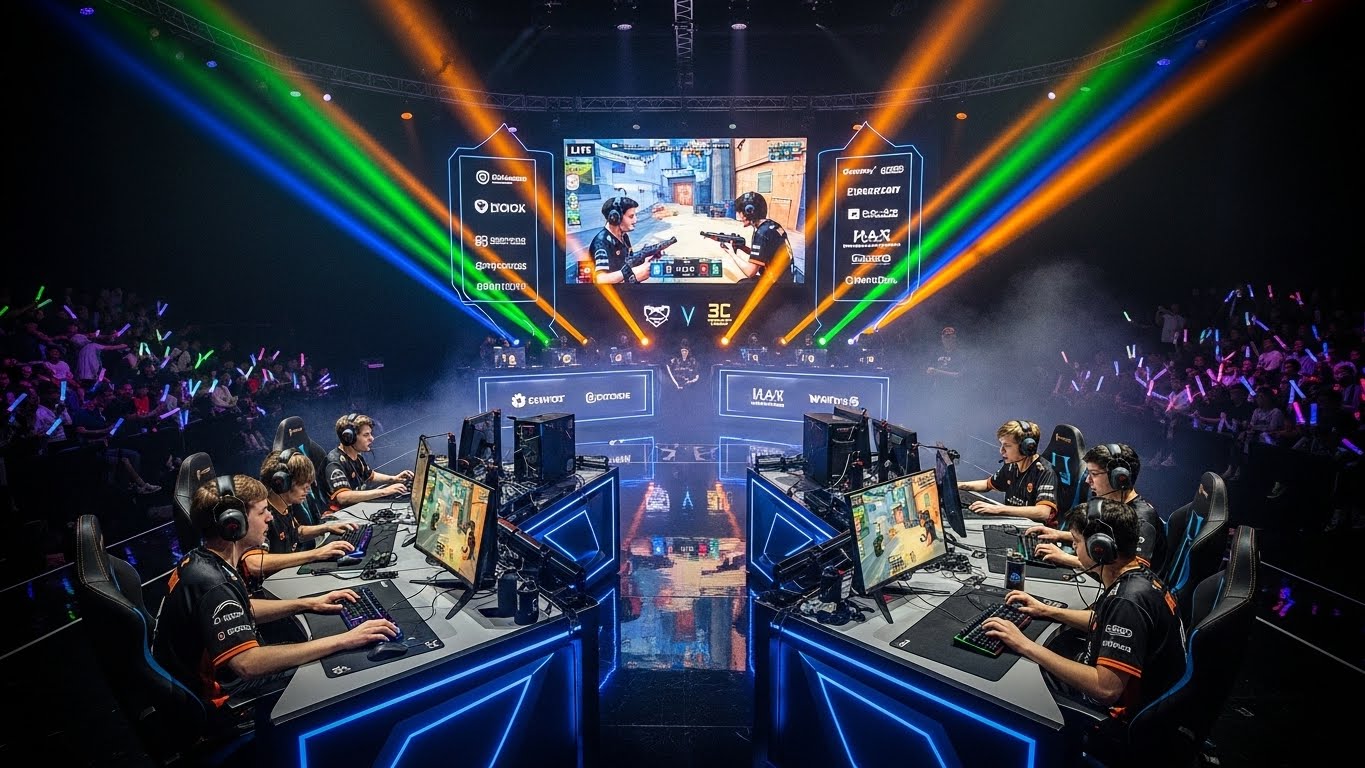
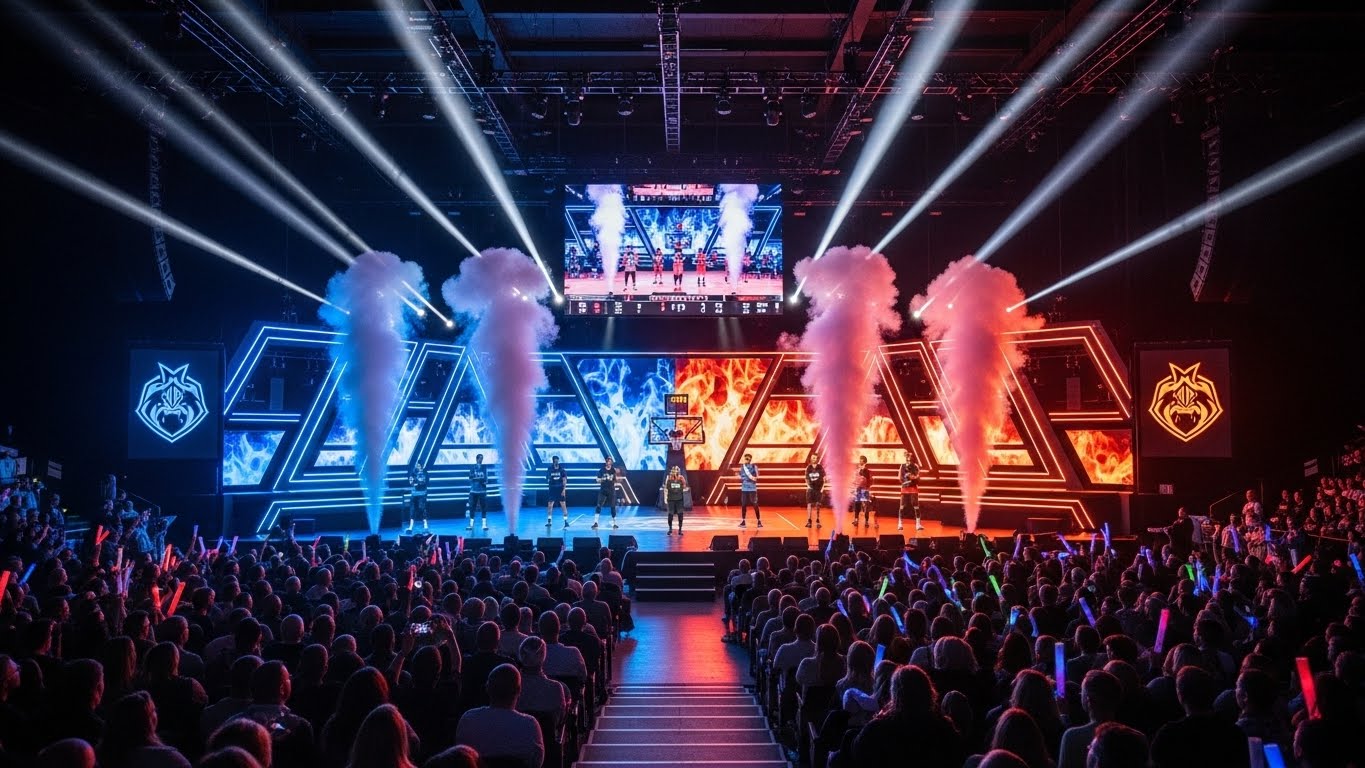
Esports tournaments come in various formats and sizes, ranging from smaller local events to massive international championships. Games like League of Legends, CS:GO, and Overwatch have established dedicated professional leagues, with regular seasons, playoffs, and finals. These leagues often feature multi-million dollar prize pools, and the stakes are high for teams competing for top honors.
In addition to these organized leagues, global tournaments like The International for Dota 2 and ESL One for Counter-Strike draw tens of thousands of spectators and offer even larger prize pools. The rise of streaming platforms like Twitch and YouTube has allowed fans to engage with these events in real time, providing a new kind of fan experience that includes live chats, interactive features, and post-match analysis.
The Power of Viewership
One of the driving forces behind the growth of esports is its massive global viewership. According to recent reports, the number of people who watch esports regularly has surpassed 500 million, and the industry is expected to grow even further. Fans watch not only to see the games being played but also to follow their favorite players, teams, and personalities.
Twitch is the primary platform for streaming esports competitions, and it’s home to a vibrant community of gamers, streamers, and fans. The interactive nature of the platform has allowed fans to engage directly with players and commentators, making the viewing experience more immersive than ever. Beyond Twitch, platforms like YouTube Gaming and Facebook Gaming have also carved out their own spaces in the esports ecosystem.
The Business Side of Esports: Revenue Streams and Sponsorships
The financial side of esports is as complex as its gameplay. Sponsorships, media rights, merchandise sales, and ticket sales contribute to the revenue of the esports industry. Sponsorships are particularly crucial, with brands like Coca-Cola, Intel, and even traditional sports organizations partnering with esports teams and events.
Esports events are broadcast on a variety of platforms, and media rights deals play a significant role in generating revenue. Companies like Twitch, YouTube, and traditional TV broadcasters have paid for the rights to stream popular tournaments and leagues. With millions of viewers tuning in from all around the world, these deals represent a significant income stream for event organizers and tournament hosts.
Additionally, esports organizations have capitalized on merchandising opportunities, selling team jerseys, memorabilia, and branded gear to their loyal fanbases. As esports continues to grow, the business side of the industry is becoming more sophisticated, with venture capitalists and investors pouring money into esports startups, esports teams, and esports media companies.
The Future of Esports: Virtual Reality and Mainstream Recognition
Looking ahead, the future of esports is filled with possibilities. Virtual reality (VR) and augmented reality (AR) could revolutionize the way esports competitions are played and viewed. VR gaming has already started to gain traction, and esports competitions built around VR could take gaming to new heights in terms of immersion and interactivity.
Moreover, the potential for esports to gain mainstream recognition continues to grow. As esports becomes more integrated into popular culture, we could see its inclusion in major events like the Olympics. The International Olympic Committee has already discussed the possibility of adding esports to the Olympic Games, a move that would bring esports into the global spotlight and further legitimize its place in the world of competitive sports.
Conclusion: Esports is Here to Stay
Esports has transformed from a fringe hobby to a global entertainment industry, and it shows no signs of slowing down. With millions of players, fans, and viewers around the world, the esports ecosystem has become a cultural force to be reckoned with. As the industry continues to evolve, there are exciting new developments on the horizon, from technological advancements like VR to further integration into mainstream sports.
Esports is more than just a game—it’s a community, a career path, and a global spectacle that brings people together from all walks of life. Whether you’re a player, a fan, or a spectator, one thing is certain: esports is here to stay, and its impact on the world of entertainment will continue to grow for years to come.