 joystickarena94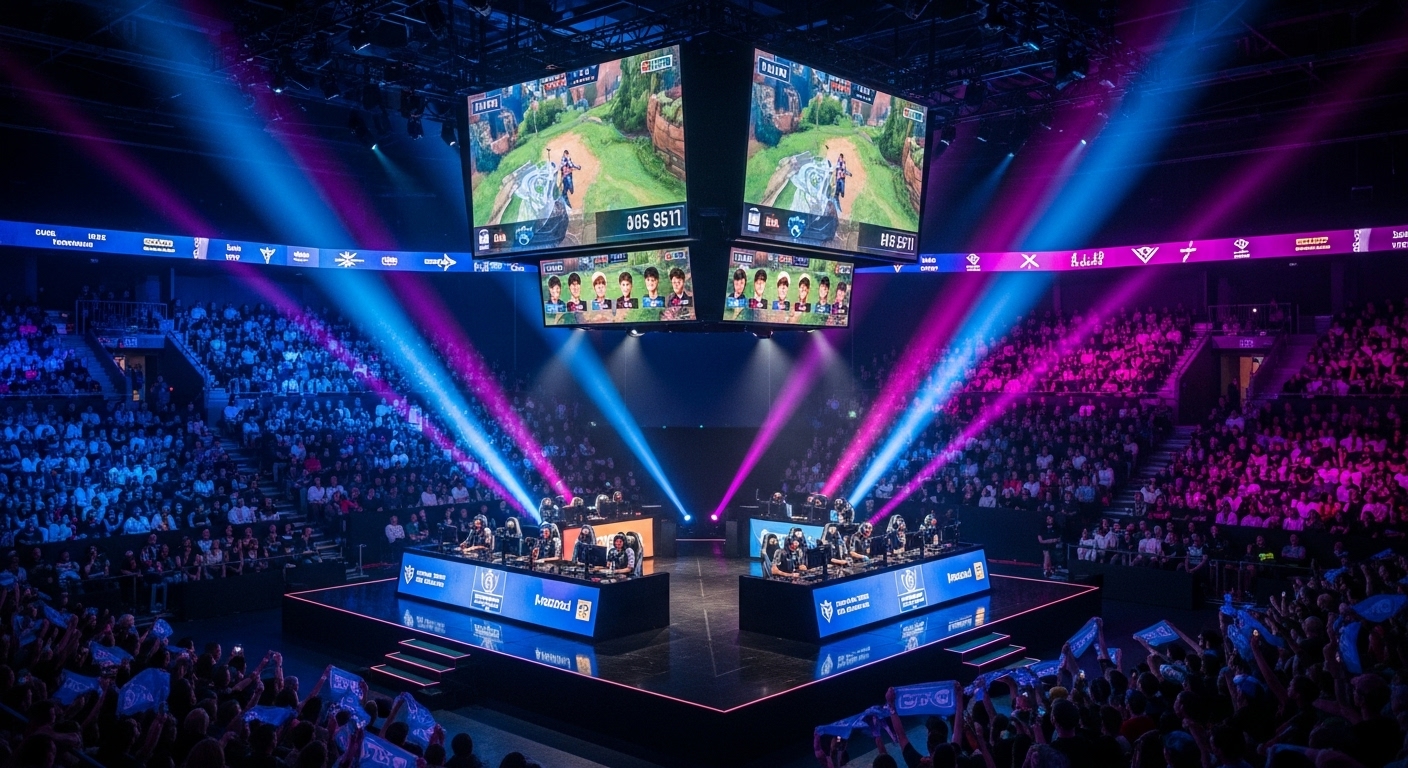
Introduction
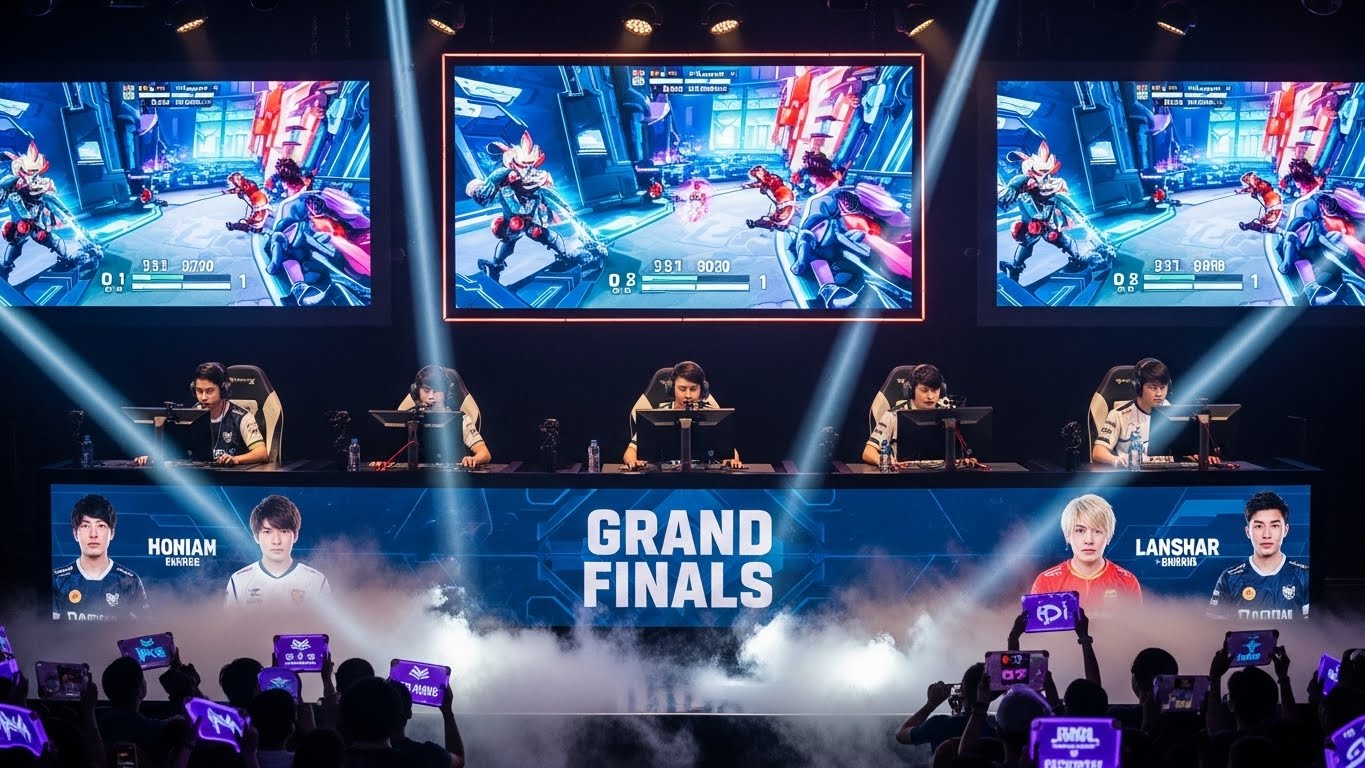
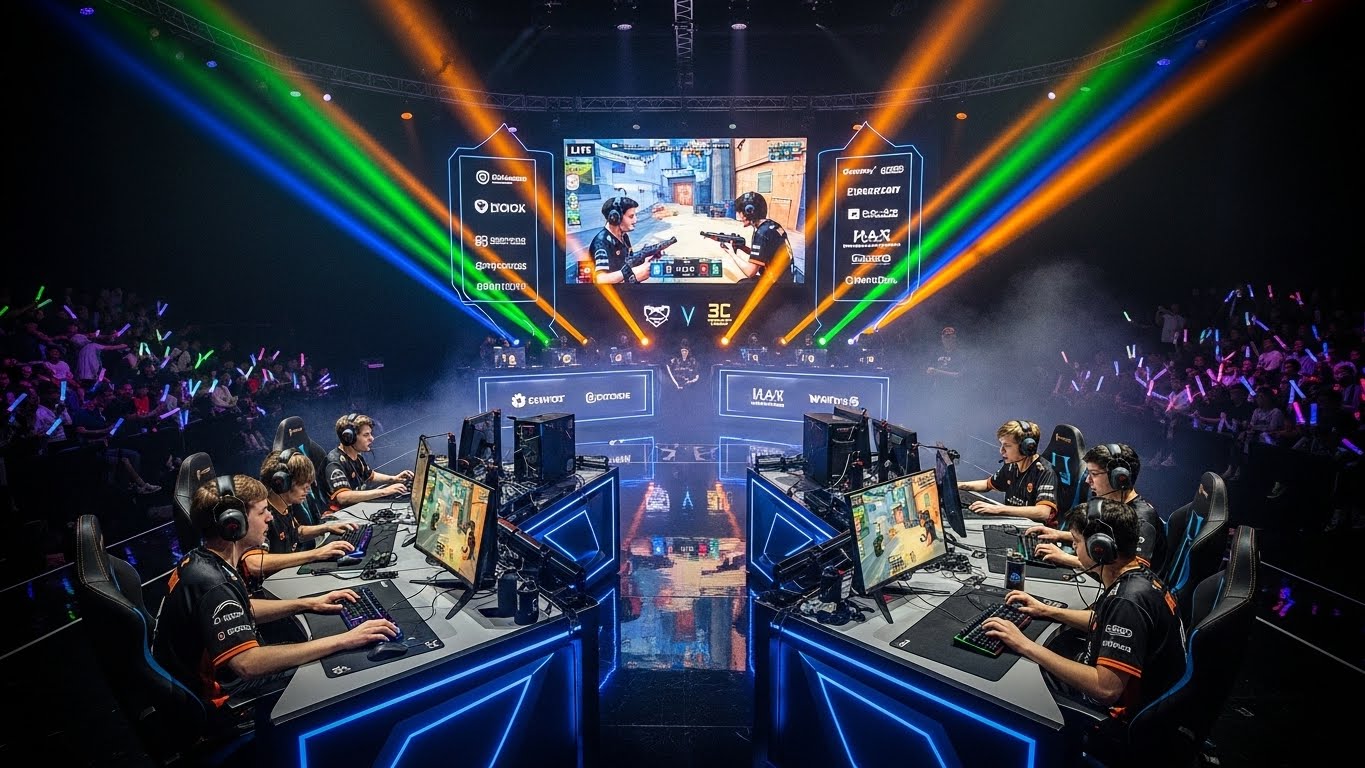
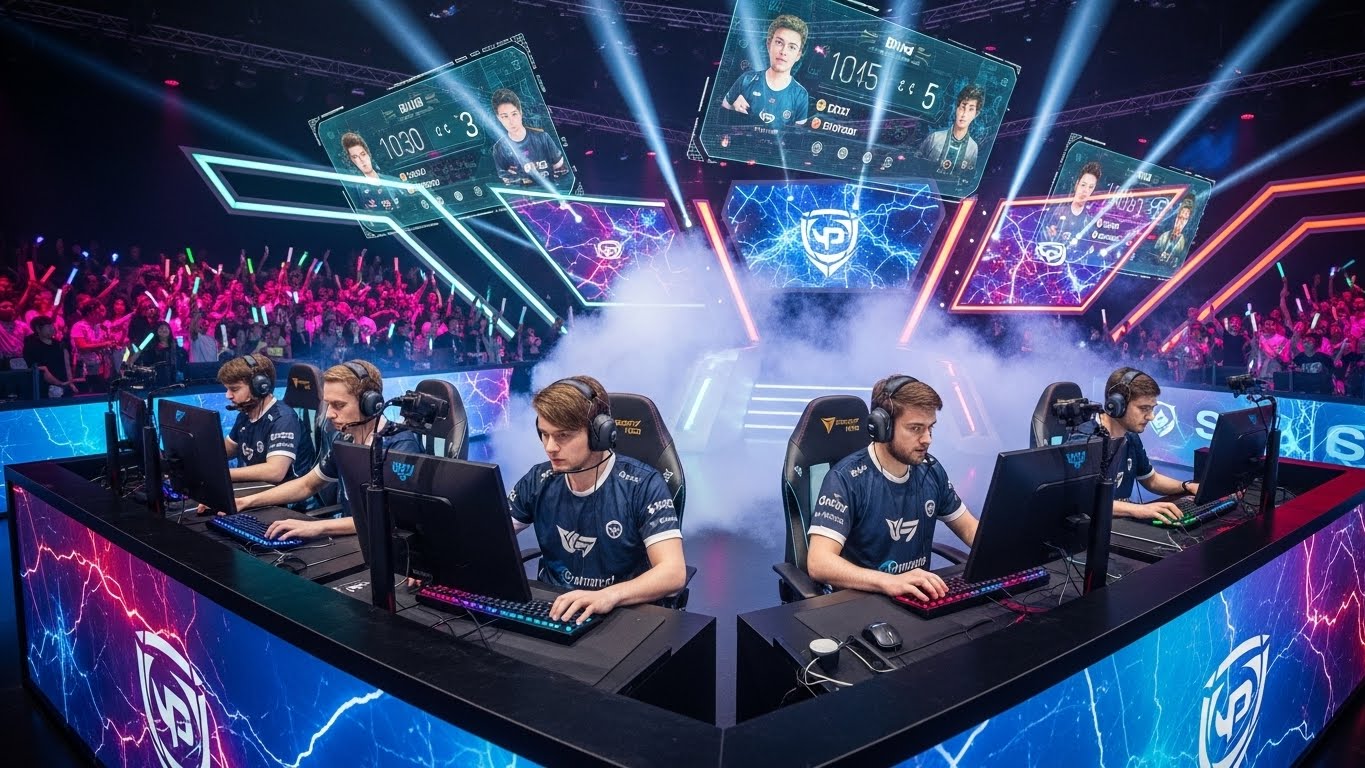
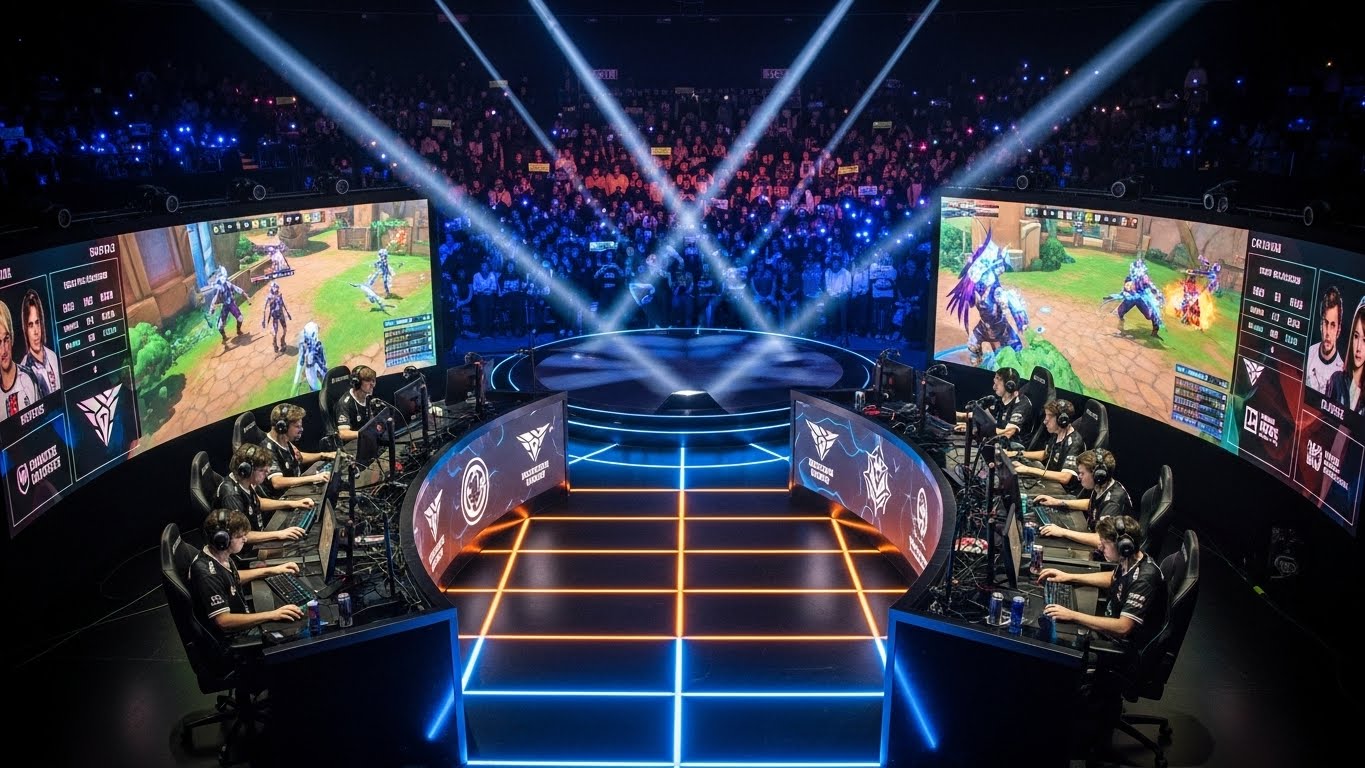
Esports, once a niche community of competitive gamers, has surged into a global entertainment industry, reshaping how we view sports, competition, and digital entertainment. What began as casual tournaments and local competitions has now grown into a multi-billion-dollar ecosystem, with professional players, large-scale tournaments, millions of fans, and sponsors from some of the world’s biggest companies. Today, esports isn’t just about playing games—it’s about spectacle, community, and a new form of digital athleticism.
This blog will explore how esports has evolved, the technology that supports it, the cultural shifts it has sparked, and what the future holds for this ever-growing global phenomenon.
The Birth of Competitive Gaming
The roots of esports can be traced back to the early days of video games. In the 1970s, arcade games such as Pong and Space Invaders brought gaming into the public consciousness. However, it wasn’t until the 1990s that competitive gaming began to take shape. With the advent of the internet and the personal computer, players could now connect and compete online, creating the foundation for competitive digital sports.
In the late 1990s, a few iconic games paved the way for competitive gaming to flourish. StarCraft became a major force in the esports scene, especially in South Korea, where the game’s strategic depth and high skill ceiling led to the formation of professional leagues and tournaments. This was followed by games like Quake and Counter-Strike, which introduced competitive multiplayer gaming and helped solidify esports as a legitimate form of entertainment.
Esports as a recognized industry began in the early 2000s, with tournaments such as the World Cyber Games and the Electronic Sports World Cup taking place internationally. These events began to offer prize money, and teams started forming professional rosters, leading to the rise of organizations dedicated to esports competitions.
The Rise of Streaming Platforms and Global Accessibility
One of the most significant factors in the rapid rise of esports has been the explosion of online streaming platforms. In the past, fans had to attend in-person events to watch esports competitions, which limited the audience. However, the introduction of platforms like Twitch and YouTube Gaming revolutionized esports by allowing fans to watch tournaments and live gameplay from the comfort of their homes.
Launched in 2011, Twitch quickly became the go-to platform for live-streaming gaming content. It allowed professional players, amateur gamers, and fans alike to connect and interact in real-time. The accessibility of these platforms made it possible for viewers from around the world to watch tournaments, follow their favorite teams, and engage with the gaming community.
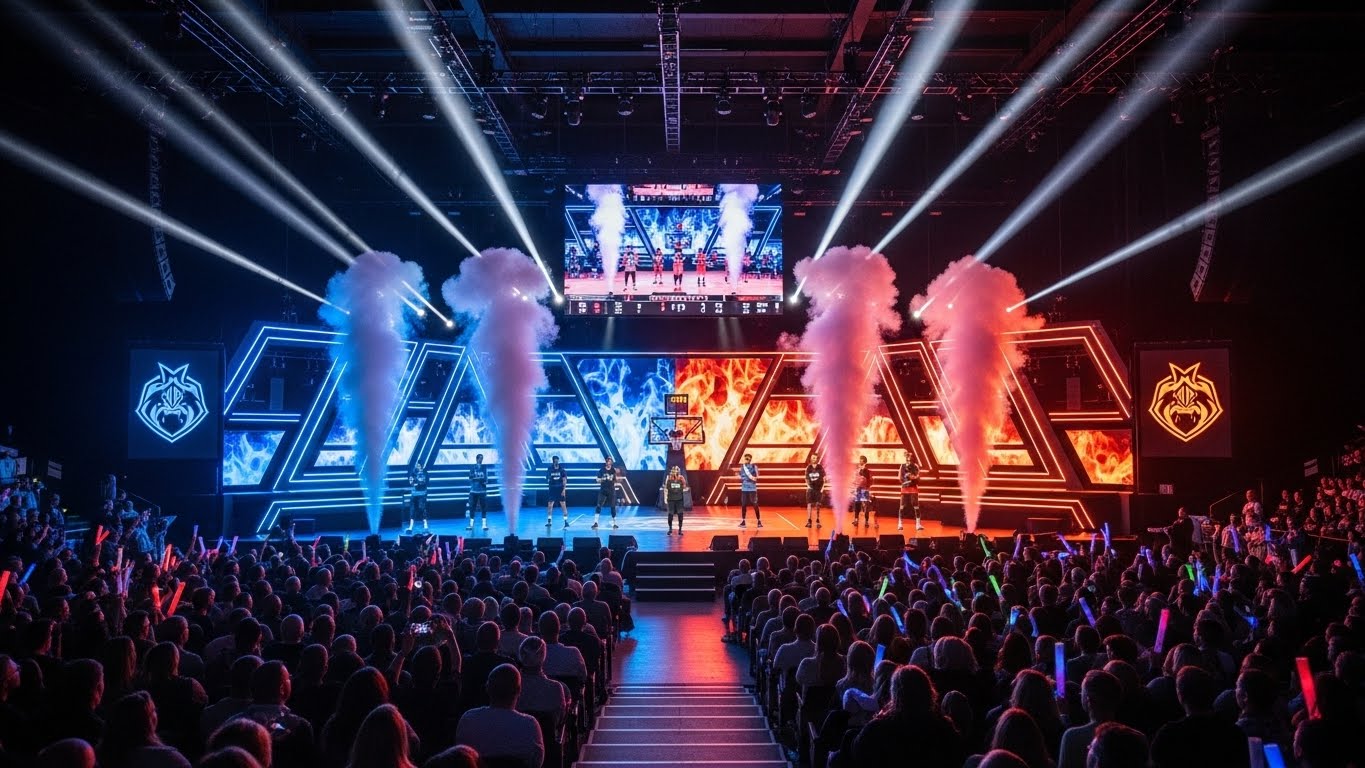
Esports events like the League of Legends World Championship or The International for Dota 2 now attract millions of viewers, and the ability to stream these events live has turned esports competitions into massive global spectacles. Streaming has given esports a much-needed spotlight, and the ease of access to these events has contributed to their rapid growth.
Esports Today: A Global Industry
In 2023, esports is no longer a small, underground community—it’s a professional and globally recognized industry. Esports players are now considered athletes, with specialized training regimens, coaches, analysts, and even mental health professionals to help them maintain peak performance. Teams like Cloud9, Team Liquid, and Fnatic have become household names within the gaming community, and these organizations recruit top-tier players, offer sponsorship deals, and compete in international tournaments.
The economics of esports are staggering. Prize pools for major tournaments often reach millions of dollars, and players can earn significant incomes through sponsorships, streaming, and tournament winnings. Companies such as Intel, Coca-Cola, Mercedes-Benz, and Nike have recognized the immense value of esports and now sponsor teams, events, and individual players. In many ways, esports now mirrors traditional sports in terms of the business structure and the professionalism involved.
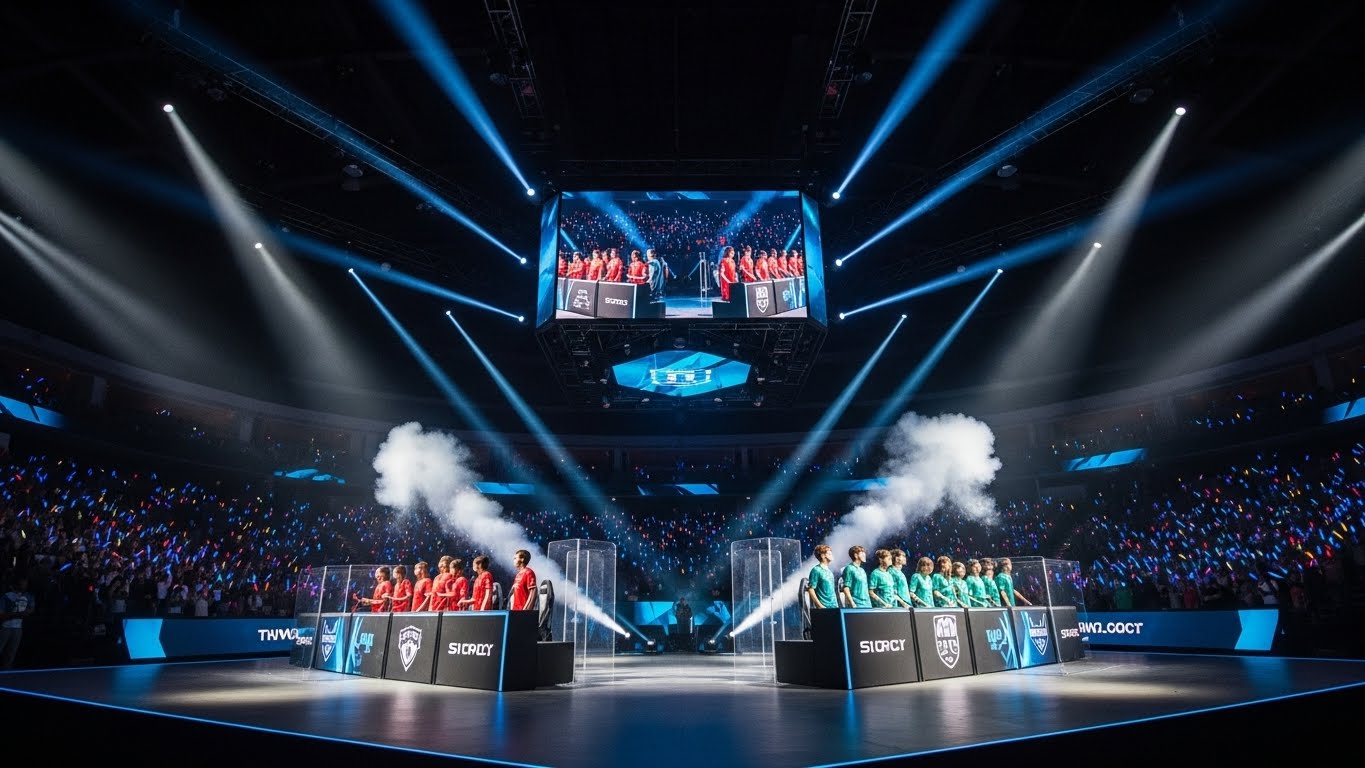
Esports has also carved out its own space in mainstream media. TV networks such as ESPN and Fox Sports air esports events, while digital platforms like Twitch and Facebook Gaming continue to serve as the primary medium for livestreaming tournaments and matches. Esports is increasingly regarded as an integral part of global entertainment, with dedicated esports arenas and stadiums, such as the Alliance Arena in China, hosting major events.
The Esports Ecosystem: Teams, Players, and Fans
At the heart of the esports ecosystem are the players, who train relentlessly to sharpen their skills, hone strategies, and improve their teamwork. Much like professional athletes in traditional sports, esports players dedicate hours every day to practicing, analyzing their gameplay, and maintaining their mental and physical health.
Behind every successful esports player is an entire organization, ranging from coaches and analysts to marketing teams and psychologists. These teams are equipped with state-of-the-art facilities that support their players in all aspects of their careers, from gameplay to personal well-being. Many esports organizations also have partnerships with tech companies, which help provide cutting-edge gaming gear and other resources necessary for success.
For fans, esports has created a new way to engage with their favorite games, teams, and players. Watching live tournaments, following social media accounts, and participating in online communities allow fans to feel directly connected to the action. The bond between players and fans has become more personal, with social media offering a platform for fans to interact with players, watch behind-the-scenes content, and even participate in fan-driven events. Esports has created a unique blend of competition and community, where fans are as much a part of the experience as the players themselves.
The Role of Sponsorships and Advertising in Esports
One of the key drivers of esports’ growth is sponsorship. Companies across various industries have realized the potential of esports to reach a younger, tech-savvy audience. Sponsorships have become a primary revenue source for esports teams and events, as brands look to engage with the esports demographic.
Gaming hardware companies like Razer and Corsair have long been involved in esports, providing players with high-performance gear. However, as esports has grown in prominence, so has the involvement of non-endemic brands. Major companies such as Red Bull, T-Mobile, Adidas, and BMW have entered the esports market, sponsoring everything from teams to individual players to events. These sponsorships help to fund tournaments, provide players with financial stability, and raise the profile of esports on a global scale.
Esports’ integration with advertising and marketing is not just limited to the companies that directly associate with gaming. Esports broadcasts feature traditional advertising, similar to sports, with commercials and branded content targeted at viewers. The ability to reach millions of viewers online makes esports an attractive advertising platform for brands looking to connect with an engaged, often hard-to-reach audience.
The Future of Esports: A Bright Horizon
Looking ahead, the future of esports is incredibly bright. As technology continues to evolve, so will the ways in which we experience esports. The integration of augmented reality (AR) and virtual reality (VR) could revolutionize how players compete and how fans engage with the action. Imagine a future where fans could attend a League of Legends match in a fully immersive virtual stadium or compete in a VR Fortnite battle royale.
Furthermore, the continued growth of mobile gaming is expected to expand the global reach of esports. In many parts of the world, mobile devices are the primary means of accessing the internet, and mobile games are beginning to carve out their own esports scenes. Tournaments for games like PUBG Mobile, Call of Duty: Mobile, and Free Fire are growing in popularity, especially in regions like Southeast Asia, where mobile gaming is dominant.
Esports is also likely to gain more institutional recognition. With esports already becoming a part of university programs and high schools, it’s not far-fetched to imagine esports being included in major global sporting events, such as the Olympics. This could open the door for even greater global exposure and funding for the esports industry.
Esports and Its Cultural Impact
Beyond the realm of competition, esports has had a profound cultural impact. It has provided a platform for gamers of all backgrounds to come together, transcend geographic and social boundaries, and share in the experience of competitive gaming. Esports also promotes a sense of inclusivity, with diverse players and teams representing different cultures, genders, and regions. The industry’s focus on teamwork, strategy, and skill has helped challenge the stereotypes that gaming is a solitary pursuit.
Esports has become a modern form of digital expression, with players, streamers, and fans shaping their own identities and communities online. This new form of sports entertainment has made gaming more socially accepted and has contributed to a greater appreciation of the artistry and complexity behind competitive gaming.
Conclusion
Esports has undoubtedly transformed from a niche pastime into a global phenomenon that continues to grow at an astonishing rate. The rise of professional players, global tournaments, dedicated fans, and major sponsors has firmly established esports as a dominant force in modern entertainment. What began as a small community of competitive players has become a dynamic, multifaceted industry with a significant impact on technology, culture, and society.
As esports continues to evolve and embrace new technologies and regions, the future promises even greater opportunities for players, fans, and investors alike. One thing is certain: esports is not just a passing trend; it is here to stay and will continue to redefine the way we view competition, entertainment, and digital interaction for years to come.