 joystickarena94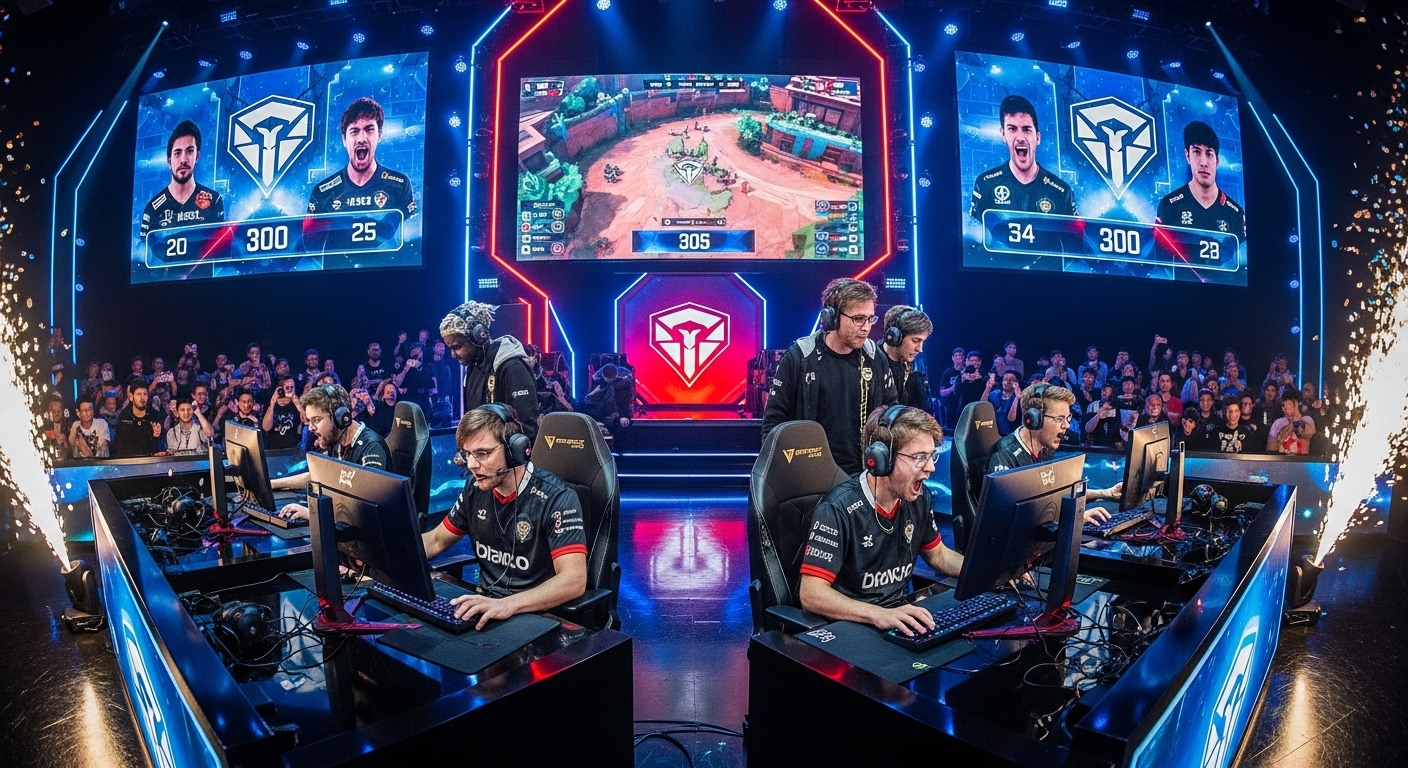
Esports has rapidly become one of the most popular forms of entertainment worldwide. What was once a niche activity for avid gamers has transformed into a multi-billion-dollar industry, with millions of viewers, players, and fans flocking to online streams, arenas, and tournaments. Competitive gaming now holds a significant place in global culture, influencing everything from media to advertising, fan engagement, and even education. This blog post explores the meteoric rise of esports, its impact on the world of competitive sports, and what the future may hold for this exciting and fast-growing sector.
What Exactly is Esports?
At its core, esports refers to organized, multiplayer video game competitions, especially between professional players, teams, or organizations. These events can take place online or in physical venues and often feature games that require significant skill, strategy, and coordination. Esports spans a variety of genres, including real-time strategy (RTS) games like StarCraft II, first-person shooters (FPS) like Counter-Strike: Global Offensive (CS:GO) and Overwatch, multiplayer online battle arenas (MOBAs) like League of Legends and Dota 2, and battle royale games like Fortnite.
Esports differs from casual gaming in its level of competitiveness. Professional esports players train for hours each day, perfecting their skills, studying their opponents, and refining their game strategies. These players are often part of teams, sponsored by major organizations, and compete in major tournaments for significant prize pools, recognition, and career opportunities.
The History of Esports: From Local Tournaments to Global Phenomenon
While competitive gaming can be traced back to the early days of arcade games and local LAN parties, the rise of esports as a formal industry began in the late 1990s and early 2000s. One of the first major esports events was the Red Annihilation tournament for Quake in 1997, which drew attention for its level of competition and prize money. However, it wasn’t until the early 2000s that esports started to gain real traction.
The introduction of games like Warcraft III, StarCraft, and Counter-Strike helped shape the early landscape of esports. These games were designed to encourage competitive play and feature multiplayer modes, creating an environment ripe for organized competitions. The Electronic Sports World Cup (ESWC), founded in 2003, was one of the first major global esports events, further establishing competitive gaming as a legitimate sport. In the same period, the World Cyber Games (WCG) was launched, and these international competitions began to attract large audiences both in person and online.
The true turning point for esports came with the advent of streaming services like Twitch, which allowed players and fans to engage with the competitive gaming scene in real-time. Twitch, founded in 2011, enabled gamers to broadcast their gameplay, allowing fans to watch their favorite players, teams, and tournaments from anywhere in the world. By the mid-2010s, esports had evolved into a fully-fledged, spectator-driven entertainment industry.
The Growth of Esports: From Online Streaming to Stadium Events
As the popularity of esports skyrocketed, the industry began to grow rapidly in terms of audience size, revenue, and prestige. The rise of games like League of Legends, Dota 2, and Fortnite helped to solidify esports as a global force. These games not only attracted millions of players but also garnered huge followings of viewers who watched competitive matches on platforms like Twitch and YouTube.
One of the key milestones in esports was the League of Legends World Championship, which first took place in 2011. Since then, the tournament has grown in size and stature, with millions of viewers tuning in to watch the best teams battle it out for the championship title. The 2018 League of Legends World Championship, for example, attracted an astounding 99.6 million unique viewers, rivaling the viewership numbers of traditional sports events like the Super Bowl.
Dota 2’s International tournament is another example of esports’ rapid growth. The prize pool for the International has reached over $40 million in some years, making it one of the most lucrative esports events in history. The massive prize pool is partially funded by the game’s community, with players purchasing in-game items that contribute to the total prize fund. This innovative funding model has set a new standard for how esports tournaments are supported financially.
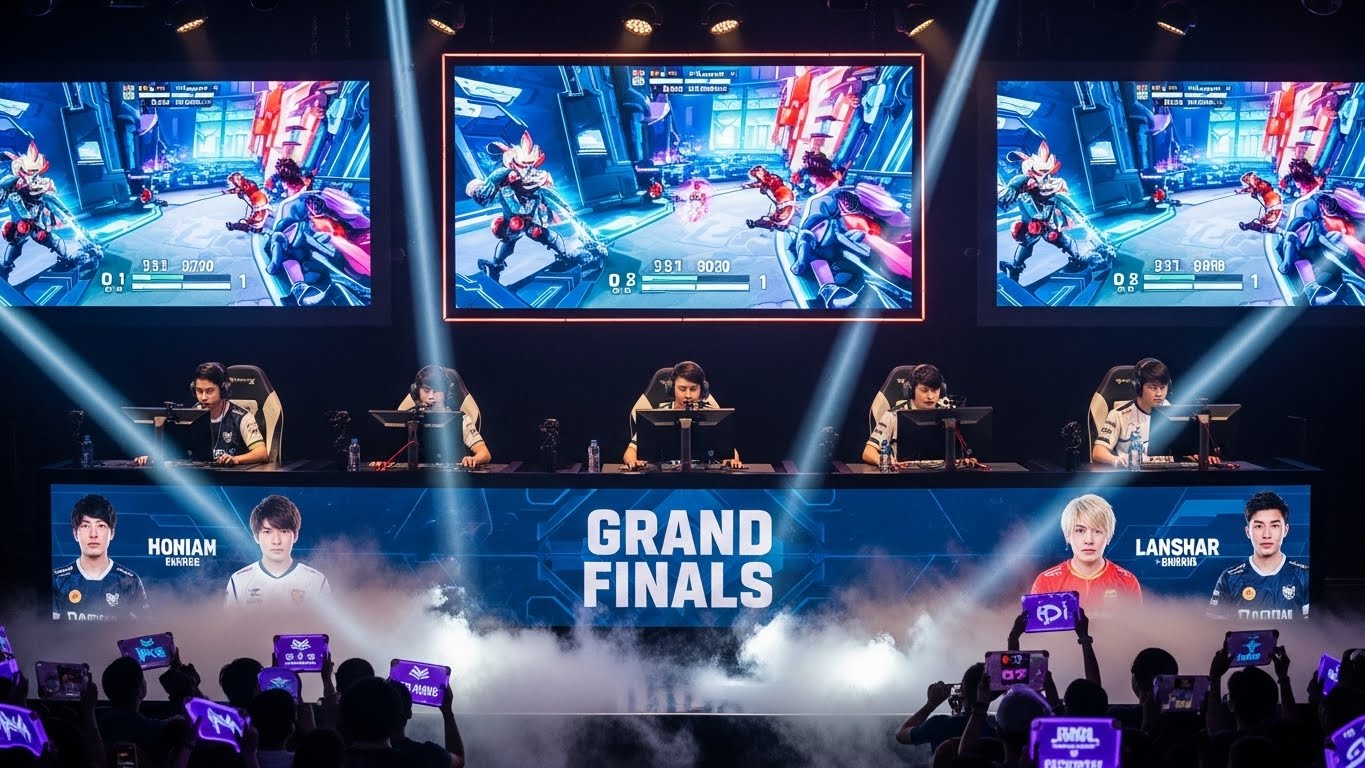
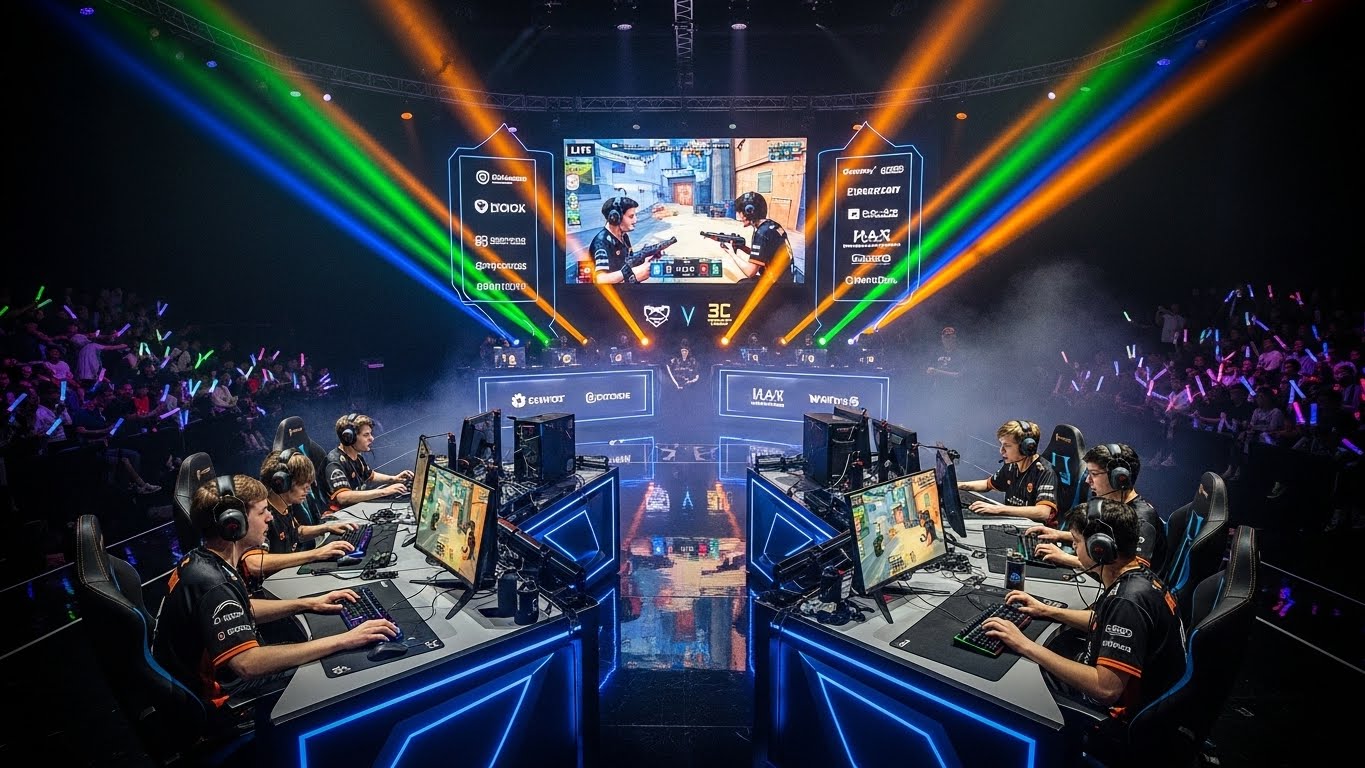
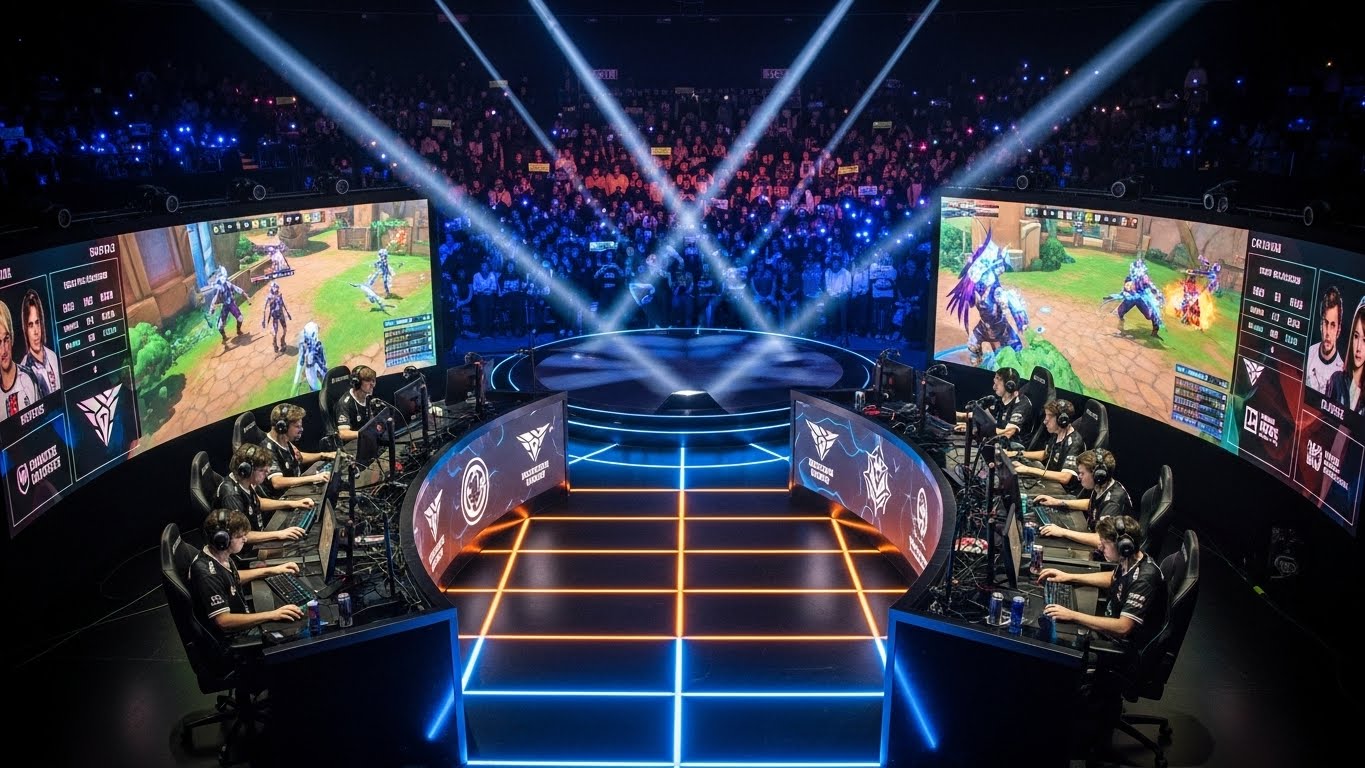
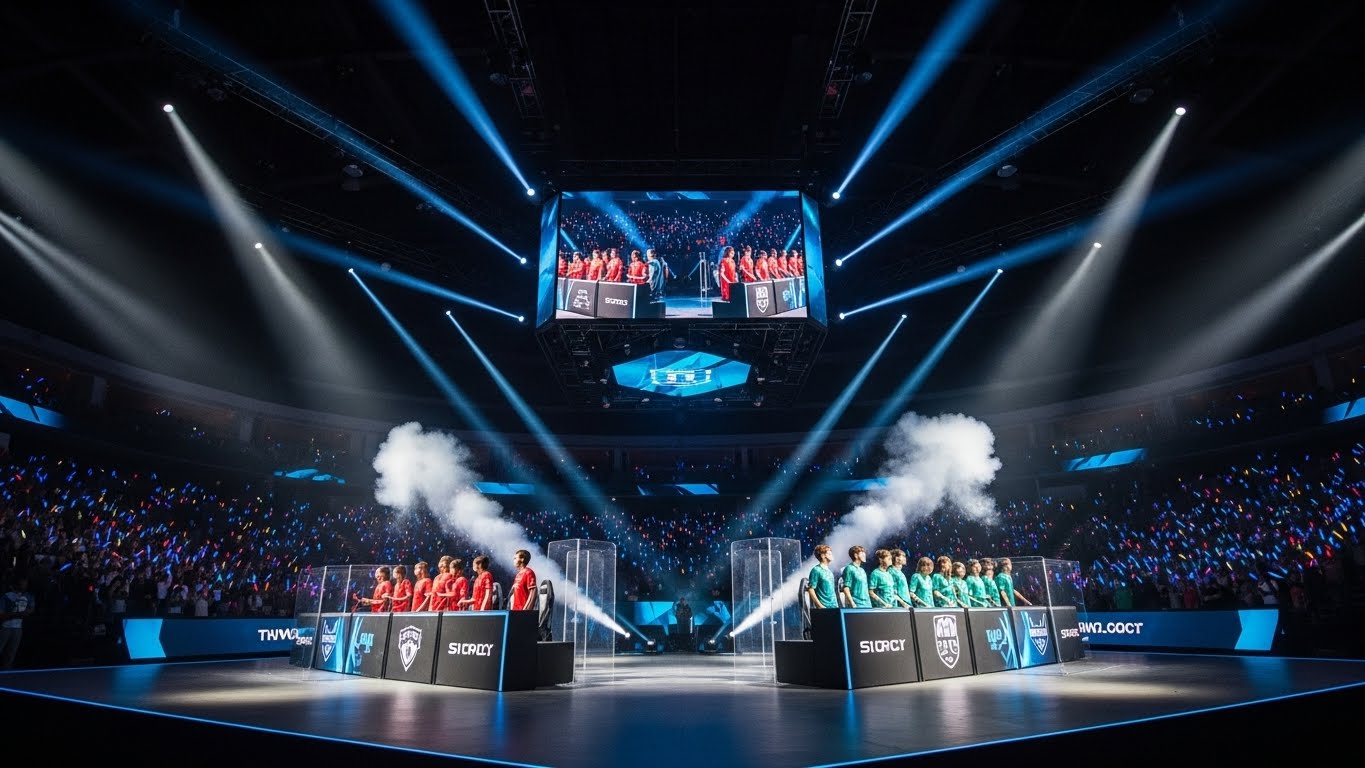
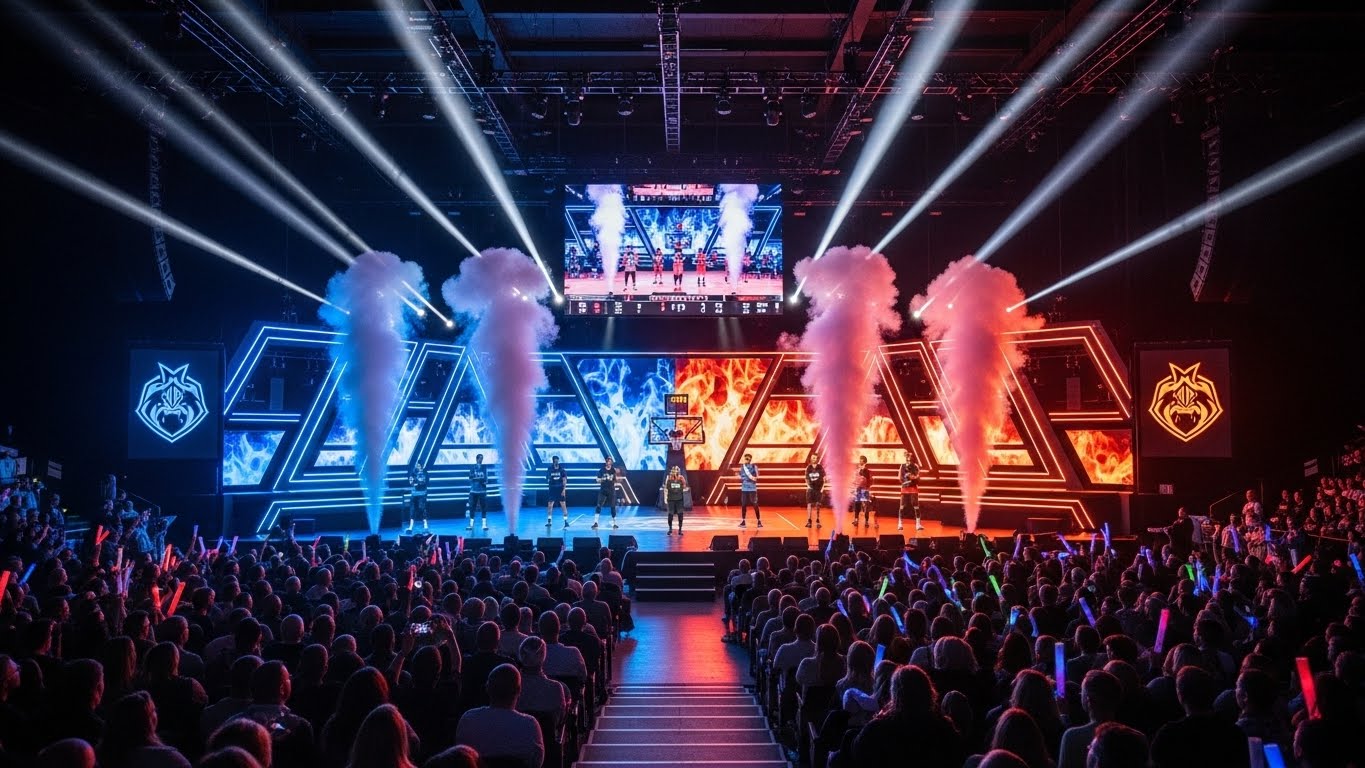
Esports is no longer confined to online streaming; it has also made a significant impact in the physical world. Major tournaments are now held in massive arenas, attracting live audiences. For instance, the League of Legends World Championship final has been held in iconic venues like the Beijing National Stadium and the Bird’s Nest in 2017, and the Mercedes-Benz Arena in 2019. These events have shown that esports can match traditional sports in terms of live audience engagement and event production.
The Professionalization of Esports: Teams, Sponsorships, and Careers
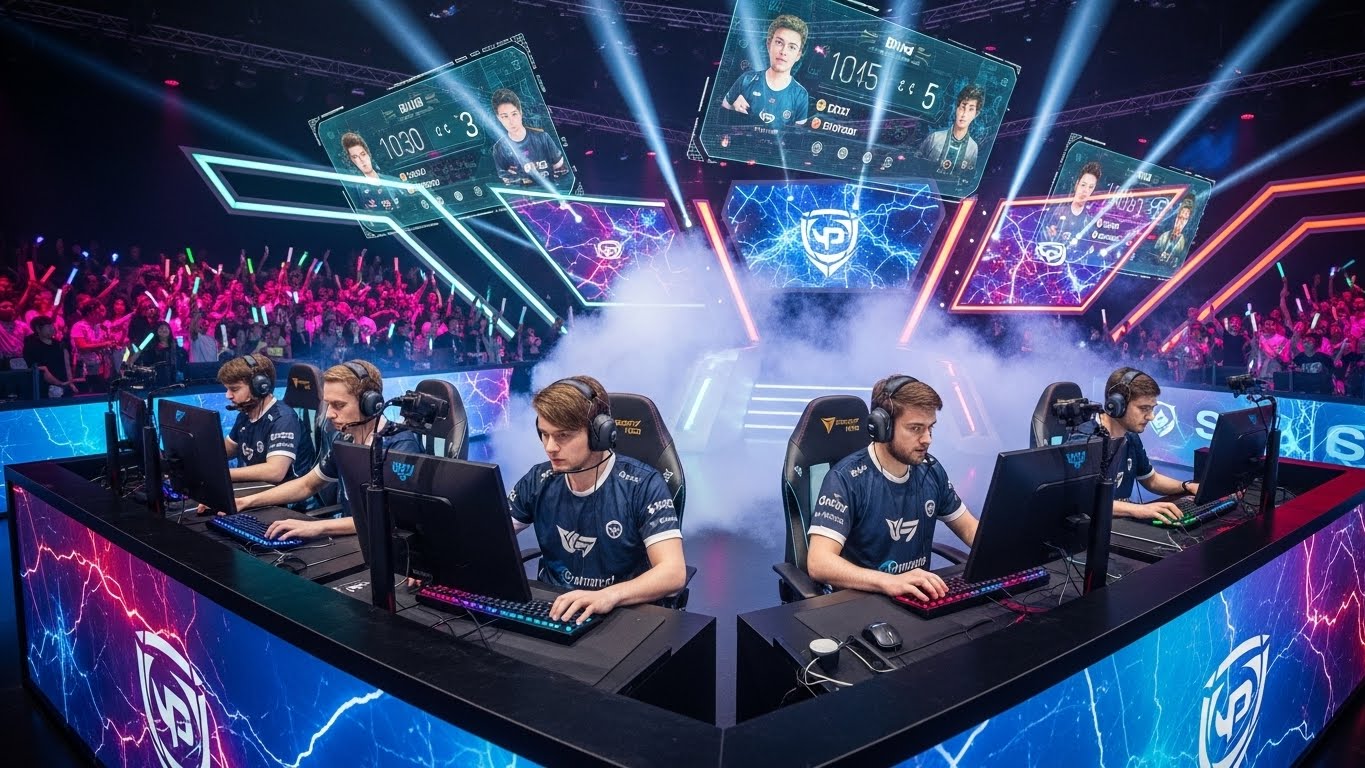
As esports grew in popularity, the industry began to take on a more professional structure. The establishment of professional teams and organizations has played a critical role in the industry’s development. Teams like Cloud9, Team Liquid, and Fnatic have become household names in esports, employing players who train, strategize, and compete in high-level tournaments.
Professional esports players are not only skilled in their respective games, but they also act as influencers and brand ambassadors for the organizations they represent. These players often have large social media followings, with some of the most popular figures in the esports world—such as Faker from League of Legends or s1mple from CS:GO—boasting millions of followers across platforms like Twitter, Instagram, and Twitch.
Sponsorships have become a crucial part of the esports ecosystem. Major brands like Intel, Red Bull, Coca-Cola, and Nike have invested heavily in esports, recognizing the industry’s ability to reach a young, tech-savvy audience. Esports organizations now rely on sponsorship deals to fund their operations, including player salaries, training facilities, and travel expenses for international tournaments. The influx of sponsorship money has helped to professionalize the industry, elevating esports players to the same level of recognition as traditional athletes.
In addition to sponsorships, esports has created numerous career opportunities for individuals outside of playing. From coaches and analysts to event organizers, broadcasters, and content creators, the growth of esports has led to the development of entire industries surrounding competitive gaming. Many colleges and universities now offer esports scholarships, and some even have their own esports teams, providing young players with opportunities to develop their skills while earning a degree.
Esports and Its Cultural Impact: Bridging the Gap Between Gaming and Mainstream Entertainment
Esports has had a profound cultural impact, transcending the gaming community to become an integral part of mainstream entertainment. One of the most notable effects of this is how it has changed the perception of gaming. Gaming, once viewed as a solitary, niche activity, is now seen as a legitimate form of entertainment on par with traditional sports. This shift has helped gaming reach a more diverse audience, with people from all walks of life—regardless of age, gender, or background—engaging with esports in some capacity.
The rise of esports has also contributed to the changing landscape of media consumption. Traditional sports networks like ESPN and TBS have broadcast esports events, helping to normalize gaming in the eyes of older generations who may not have grown up with video games. Additionally, the explosion of streaming platforms such as Twitch has created a new form of content consumption. Viewers can watch their favorite players or teams in real-time, interact with the community through chat, and even support their favorite streamers with donations and subscriptions.
Esports is also influencing the world of entertainment, with brands and celebrities investing in competitive gaming. Companies like Coca-Cola and Audi have partnered with esports organizations to reach younger audiences, while famous musicians and athletes are increasingly getting involved in esports. In 2021, Drake, the popular rapper, became part-owner of 100 Thieves, a major esports organization, reflecting the growing crossover between esports and mainstream pop culture.
The Future of Esports: Trends to Watch
As esports continues to evolve, several key trends are likely to shape its future.
- Increased Investment: With the esports industry now worth billions of dollars, investment from both traditional sports organizations and tech giants is expected to increase. This influx of funding will likely lead to more high-profile tournaments, better production value, and improved player support.
- Virtual and Augmented Reality (VR/AR): The development of VR and AR technologies presents a massive opportunity for esports to evolve. While VR gaming is still in its early stages, it has the potential to take competitive gaming to new heights by creating more immersive and interactive experiences.
- Mobile Esports: As mobile gaming continues to grow, mobile esports is poised to become an increasingly significant part of the landscape. Games like PUBG Mobile and Clash Royale have already gained a massive following in regions like Southeast Asia, and we can expect more mobile-first tournaments and leagues in the future.
- Increased Global Reach: Esports is becoming more international, with tournaments taking place across the globe. New regions, such as Latin America, Africa, and the Middle East, are emerging as key players in the esports ecosystem, bringing new talent, teams, and fans into the fold.
- Diversity and Inclusion: As esports becomes more mainstream, there will be increased emphasis on creating inclusive spaces for players of all backgrounds. Efforts to support women, underrepresented minorities, and the LGBTQ+ community in esports will continue to grow, helping to make the industry more diverse and welcoming.