 joystickarena94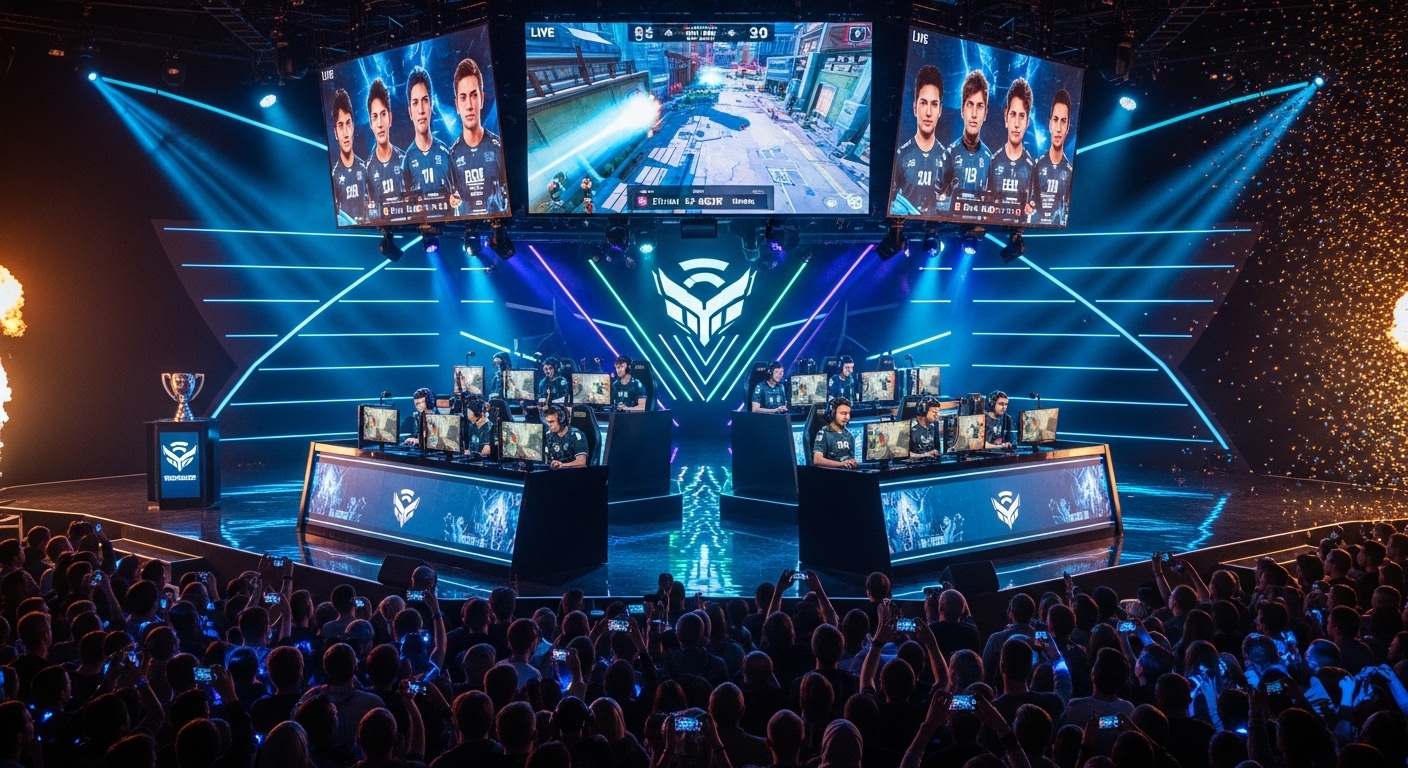
Esports, short for electronic sports, has evolved from a niche pastime into a global phenomenon that rivals traditional sports in terms of viewership, popularity, and professional opportunities. What was once considered a hobby for tech-savvy gamers has now become a multi-billion-dollar industry, attracting millions of fans, players, and sponsors from around the world. From competitive gaming tournaments to professional leagues, Esports has cemented itself as a cultural and economic powerhouse in the modern entertainment landscape.
The journey of Esports can be traced back to the 1970s and 1980s, when arcade competitions and early video game contests started gaining attention. Games like Pong and Space Invaders laid the foundation for competitive gaming, but it wasn’t until the 1990s, with the rise of personal computers and networked gaming, that Esports began to take a more organized form. Titles such as StarCraft and Quake fostered the first professional gaming communities, setting the stage for the large-scale tournaments we see today.
The Global Appeal of Esports
One of the most remarkable aspects of Esports is its universal appeal. Unlike traditional sports that often require physical infrastructure or geographic proximity, Esports is accessible anywhere there is a computer or gaming console with an internet connection. This accessibility has helped Esports transcend national boundaries and cultural barriers, creating a global community of players and fans.
Countries such as South Korea, China, the United States, and several European nations have become epicenters for competitive gaming, each contributing to the growth of Esports in unique ways. South Korea, for example, is renowned for its professional StarCraft scene, with televised matches and celebrity gamers becoming household names. In China, titles like League of Legends and Honor of Kings dominate the market, drawing millions of viewers to major tournaments. Meanwhile, in North America and Europe, games like Fortnite, Counter-Strike: Global Offensive, and Call of Duty have cultivated large fan bases, professional leagues, and sponsorship deals that rival mainstream sports franchises.
The Role of Technology in Esports Growth
Technology has played an indispensable role in the rise of Esports. High-speed internet, advanced gaming hardware, streaming platforms, and social media have all contributed to the growth of competitive gaming. Platforms such as Twitch, YouTube Gaming, and other streaming services have transformed how fans consume Esports content, allowing real-time interaction between players and audiences across the globe.
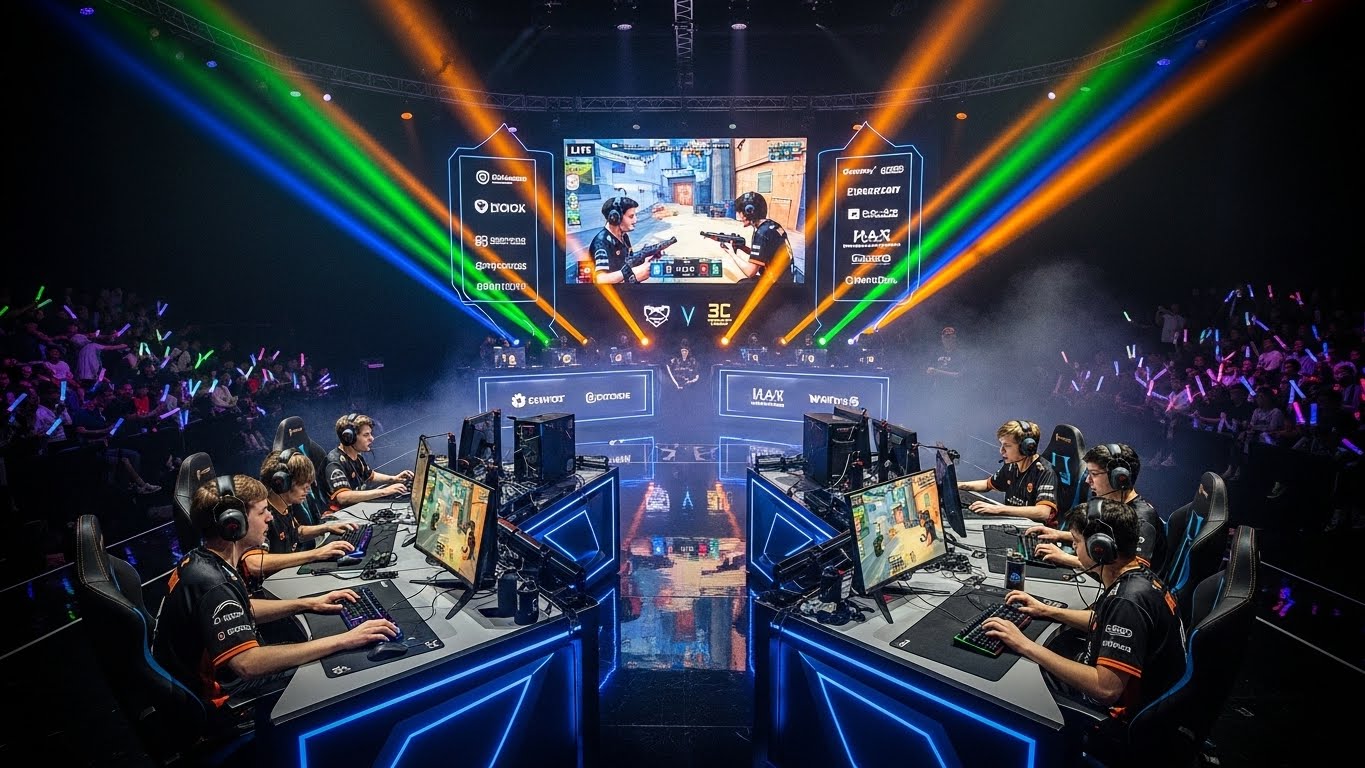
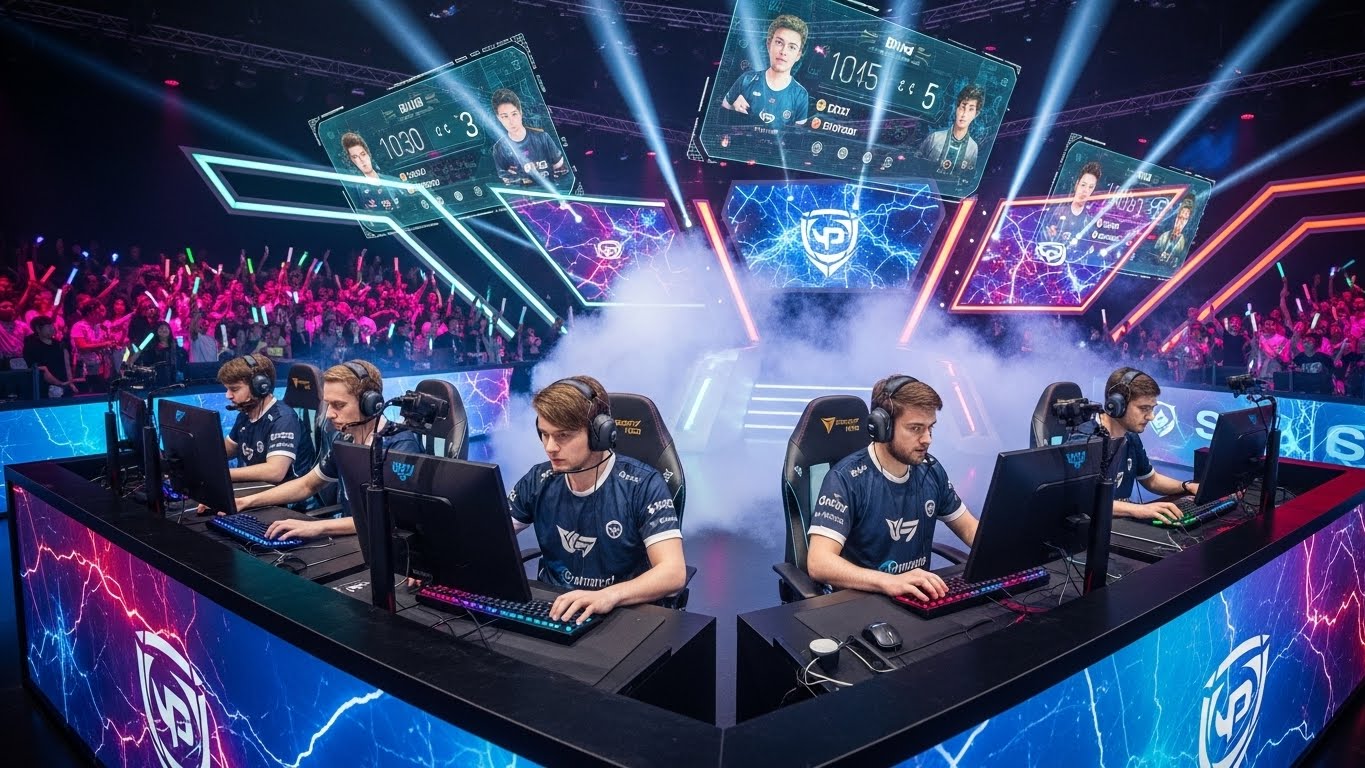
Moreover, technological innovations have enhanced the spectator experience, making games more engaging and accessible. Professional tournaments now feature sophisticated graphics, live commentary, player interviews, and in-game analytics, creating a dynamic and immersive experience for fans. Virtual reality and augmented reality are also beginning to influence Esports, opening up new possibilities for gameplay and audience participation in the coming years.
Popular Esports Games and Genres
Esports encompasses a wide variety of genres, each with its own competitive scene and fan base. Multiplayer online battle arenas (MOBAs) such as League of Legends and Dota 2 are among the most popular, emphasizing strategy, teamwork, and fast-paced gameplay. First-person shooters (FPS) like Counter-Strike: Global Offensive and Overwatch attract players who excel in precision, reflexes, and tactical decision-making. Battle royale games like Fortnite and PUBG focus on survival and adaptability, while fighting games such as Street Fighter and Tekken emphasize skillful one-on-one combat.
Sports simulation games, including FIFA and NBA 2K, replicate real-world sports in a virtual environment, allowing players to compete professionally without stepping onto a physical field. Racing games like Gran Turismo and iRacing provide yet another competitive platform, appealing to fans who enjoy the thrill of high-speed competition. The diversity of games within Esports ensures that there is something for every type of player and fan, contributing to the industry’s global appeal.
Professional Esports: From Hobby to Career
Esports has transformed from a casual hobby into a viable career path for talented players. Professional Esports players train rigorously, often dedicating eight to twelve hours a day to practice, strategy, and team coordination. Just like traditional athletes, they follow structured routines, undergo physical fitness training to maintain reflexes and mental sharpness, and study game mechanics and meta strategies to gain a competitive edge.
Esports teams now operate similarly to professional sports franchises, complete with coaches, analysts, nutritionists, and marketing personnel. These organizations not only focus on winning tournaments but also on building brand value, attracting sponsorships, and growing fan engagement. Salaries for top-tier Esports players can rival those of traditional athletes, and successful players may also earn significant income through streaming, merchandise sales, and endorsement deals.
Major Esports Tournaments and Leagues
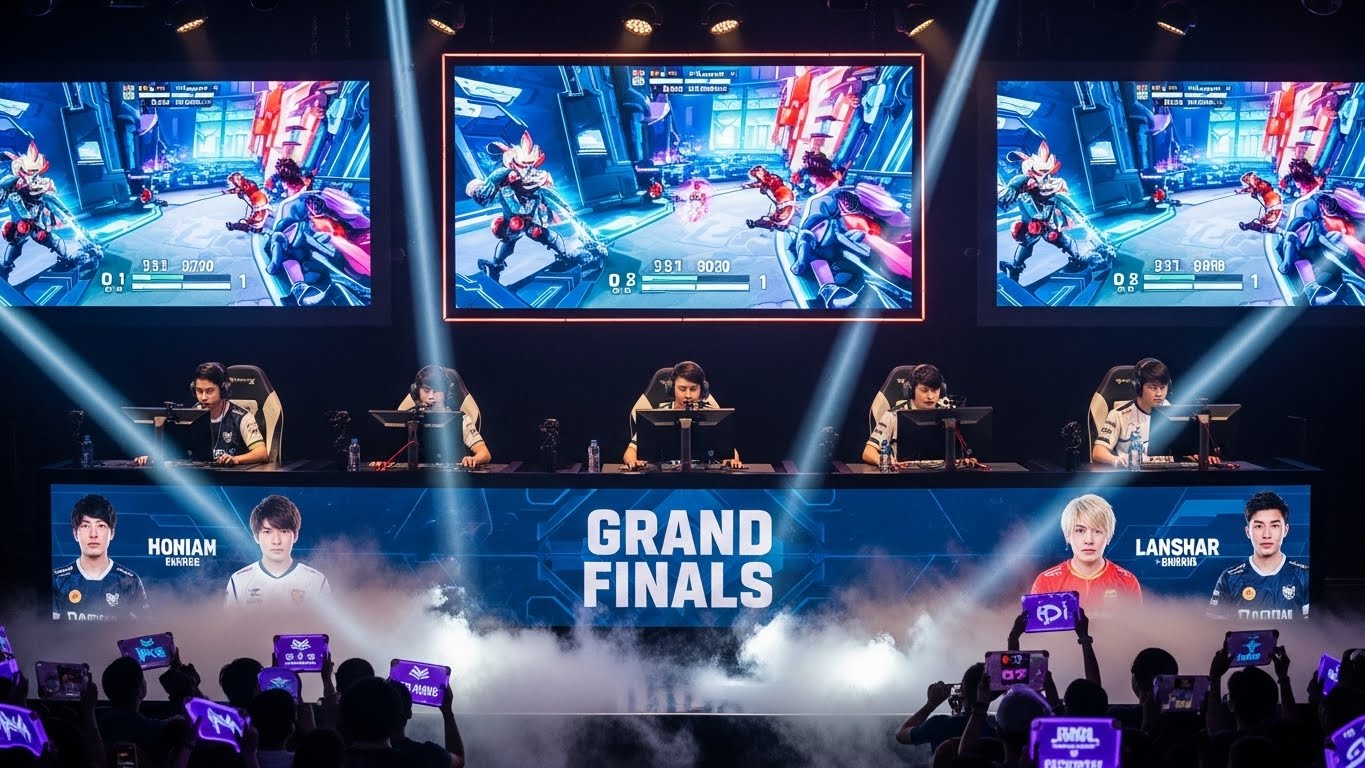
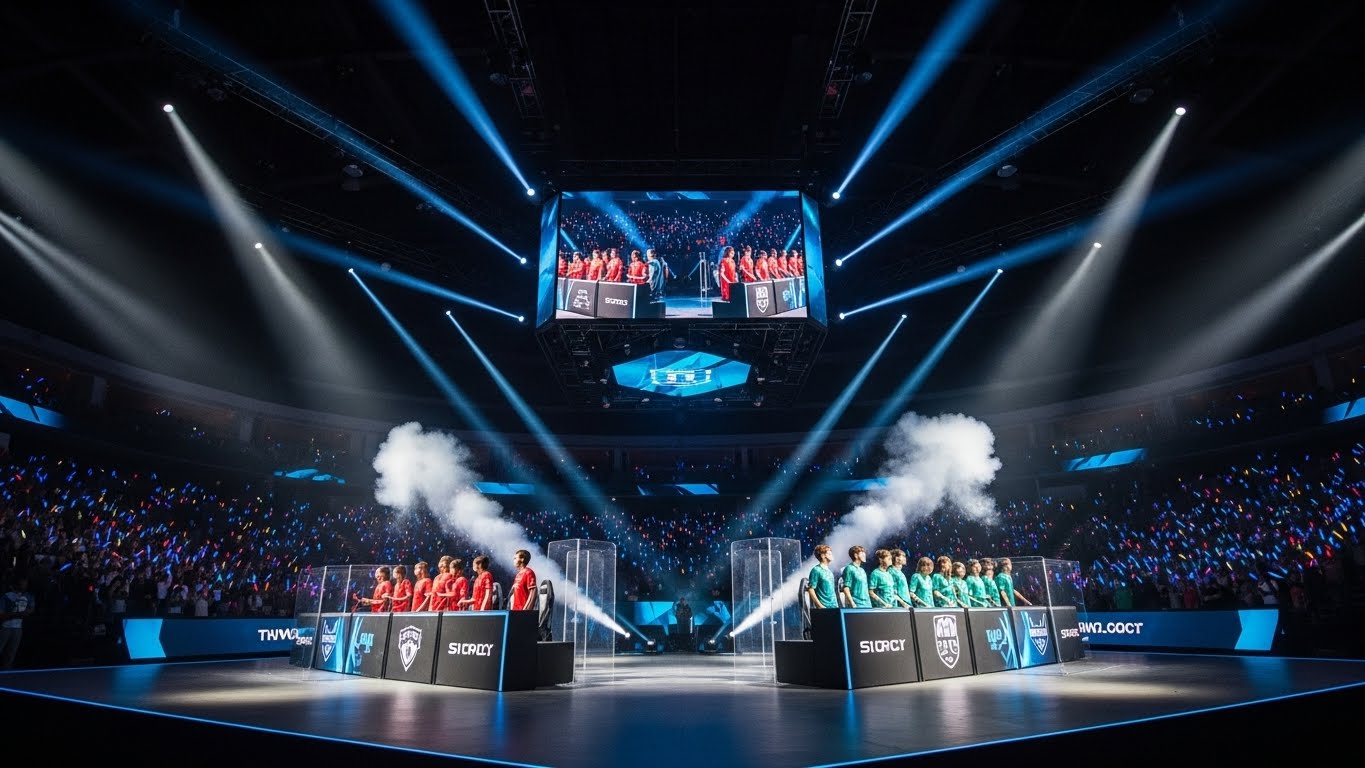
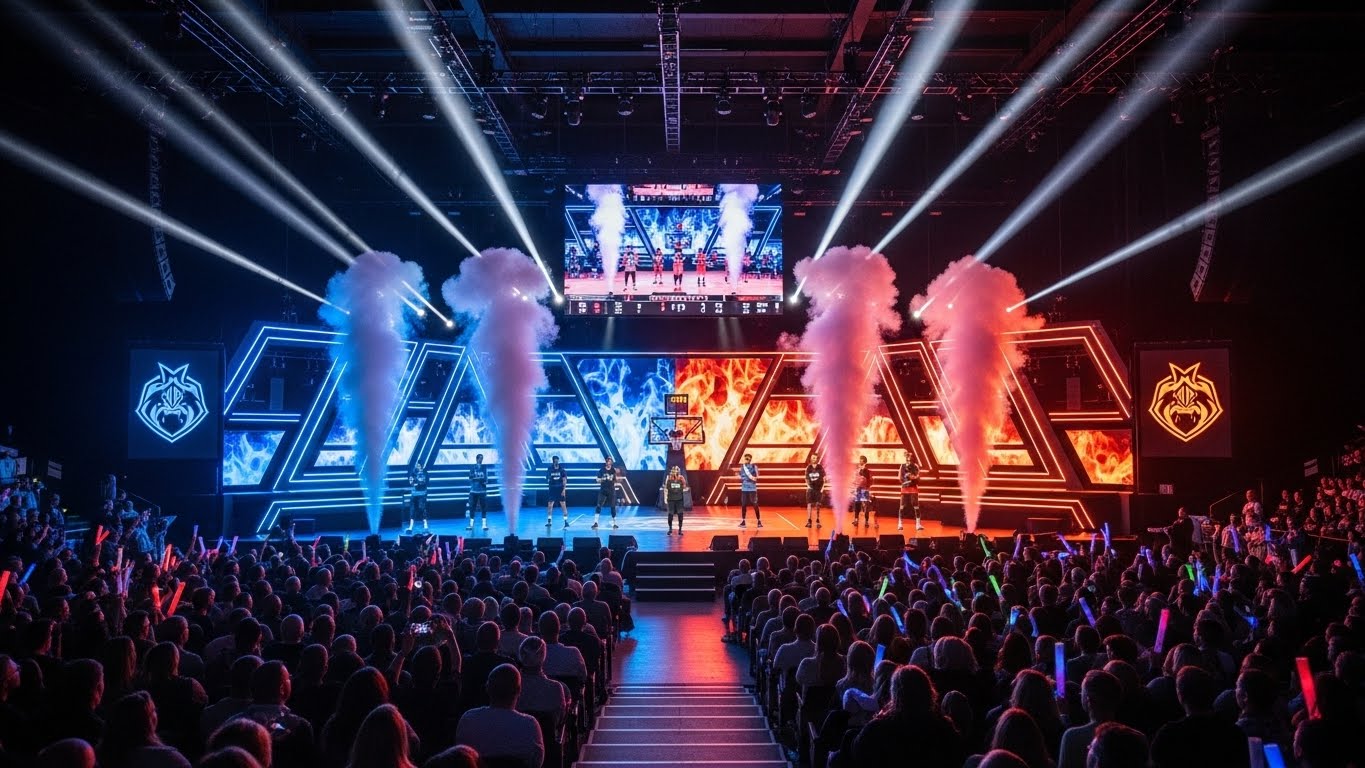
Tournaments and leagues are the lifeblood of Esports, providing competitive structure and global recognition for players and teams. Events like The International for Dota 2, the League of Legends World Championship, and the Fortnite World Cup have attracted massive audiences and record-breaking prize pools. The International, for instance, has consistently offered multi-million-dollar prize pools funded by community contributions, highlighting the dedication and enthusiasm of Esports fans.
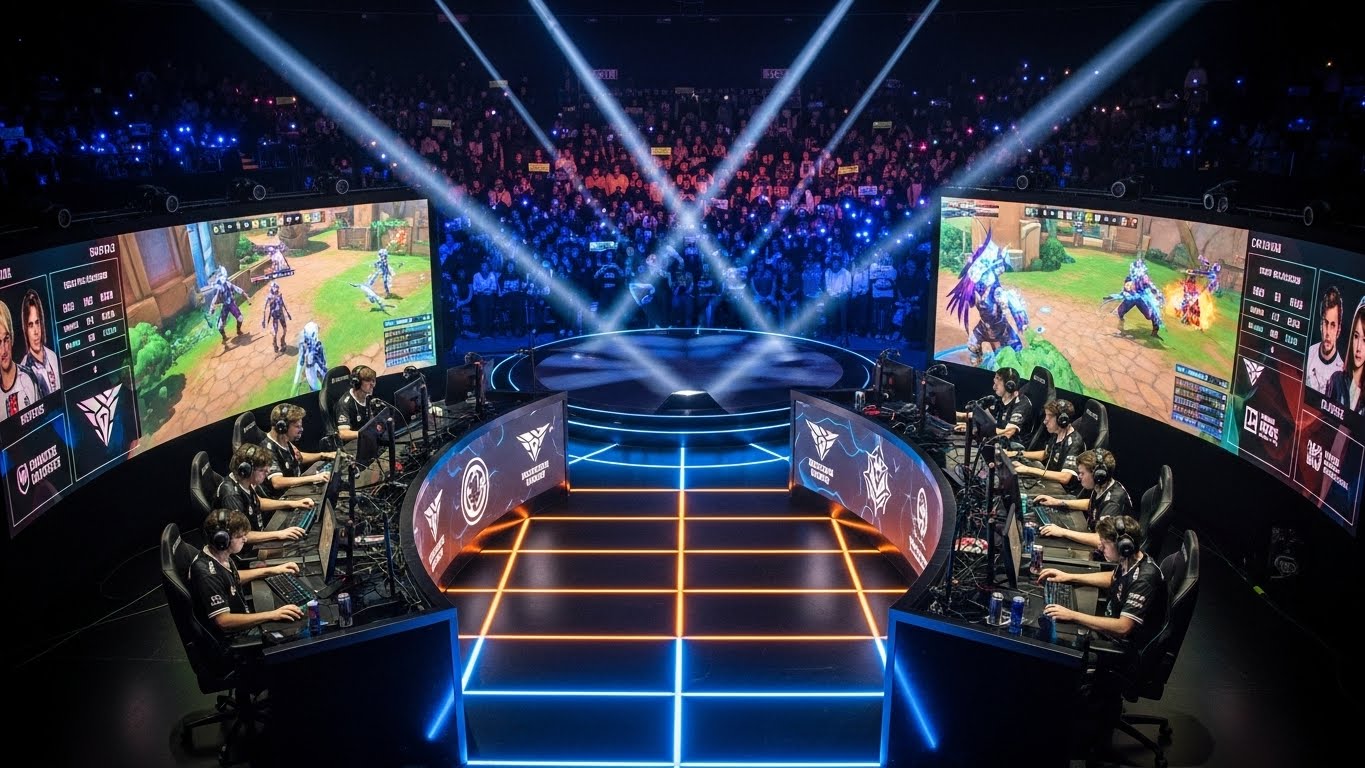
Professional leagues, such as the Overwatch League, Call of Duty League, and League of Legends Championship Series, have introduced seasonal competition formats, team franchises, and city-based representation, much like traditional sports leagues. These developments have elevated the professionalism of Esports, providing long-term career stability and fan engagement beyond single tournaments.
The Economic Impact of Esports
Esports is not just about gameplay; it has become a significant economic force. The industry generates billions of dollars annually through sponsorships, media rights, advertising, merchandise, and ticket sales. Major companies and brands, ranging from tech giants to consumer goods corporations, have recognized the marketing potential of Esports, sponsoring teams, tournaments, and individual players to reach a highly engaged and tech-savvy audience.
Esports also drives job creation beyond the player ecosystem. Analysts, event organizers, broadcasters, content creators, and marketing specialists all play crucial roles in sustaining and growing the industry. Gaming hardware manufacturers, software developers, and streaming platforms benefit from Esports’ popularity, further fueling technological innovation and market growth.
Esports and Cultural Influence
Esports has had a profound cultural impact, particularly among younger generations. Gaming has shifted from being perceived as a solitary pastime to a communal, competitive, and highly social activity. Esports personalities have become celebrities in their own right, influencing fashion, lifestyle, and entertainment trends. Content creation, streaming, and social media engagement have blurred the lines between gaming, entertainment, and sports, creating a new form of digital celebrity culture.
Furthermore, Esports has fostered inclusivity and global connectivity. Players from diverse backgrounds can compete on equal footing, and fans can participate in communities regardless of geography. Online platforms have created spaces for collaboration, discussion, and fan interaction, cultivating a sense of belonging and shared passion that transcends borders.
Challenges Facing the Esports Industry
Despite its rapid growth, Esports faces several challenges that could affect its long-term sustainability. Player burnout and mental health concerns are significant issues, as professional players often endure intense schedules, high-pressure environments, and constant scrutiny from fans and sponsors. Regulatory and legal challenges, including player contracts, intellectual property rights, and gambling-related concerns, require careful management to ensure the industry remains ethical and fair.
Additionally, accessibility and diversity remain ongoing challenges. While Esports is theoretically accessible to anyone with the right technology, socioeconomic disparities can limit opportunities for aspiring players. Efforts to create more inclusive environments and support underrepresented groups are crucial for the continued growth and cultural relevance of Esports.
The Future of Esports
Looking ahead, the future of Esports appears brighter than ever. Advancements in technology, including virtual reality, cloud gaming, and AI-driven analytics, promise to enhance gameplay, training, and viewer experiences. Esports is also likely to become increasingly integrated with traditional sports, entertainment, and education, creating hybrid experiences that appeal to broader audiences.
The continued professionalization of the industry, combined with growing investment from corporations, media companies, and governments, suggests that Esports will remain a dominant force in global entertainment. Emerging markets in Asia, Latin America, and the Middle East are also likely to contribute to the industry’s expansion, bringing new talent, fan bases, and economic opportunities.
Conclusion: Esports as a Global Phenomenon
Esports has come a long way from its humble beginnings as casual gaming competitions. Today, it is a multifaceted, global industry that combines technology, entertainment, sports, and culture in unique and innovative ways. With millions of players, billions of viewers, and an ever-growing professional ecosystem, Esports has proven that competitive gaming is more than just a trend—it is a transformative force shaping the future of entertainment.
From amateur players chasing their dreams to professional teams competing for multi-million-dollar prize pools, Esports continues to redefine the boundaries of competition, community, and culture. As the industry evolves, one thing is clear: the world of Esports is not just here to stay—it is poised to dominate the digital era of sports and entertainment for decades to come.