 joystickarena94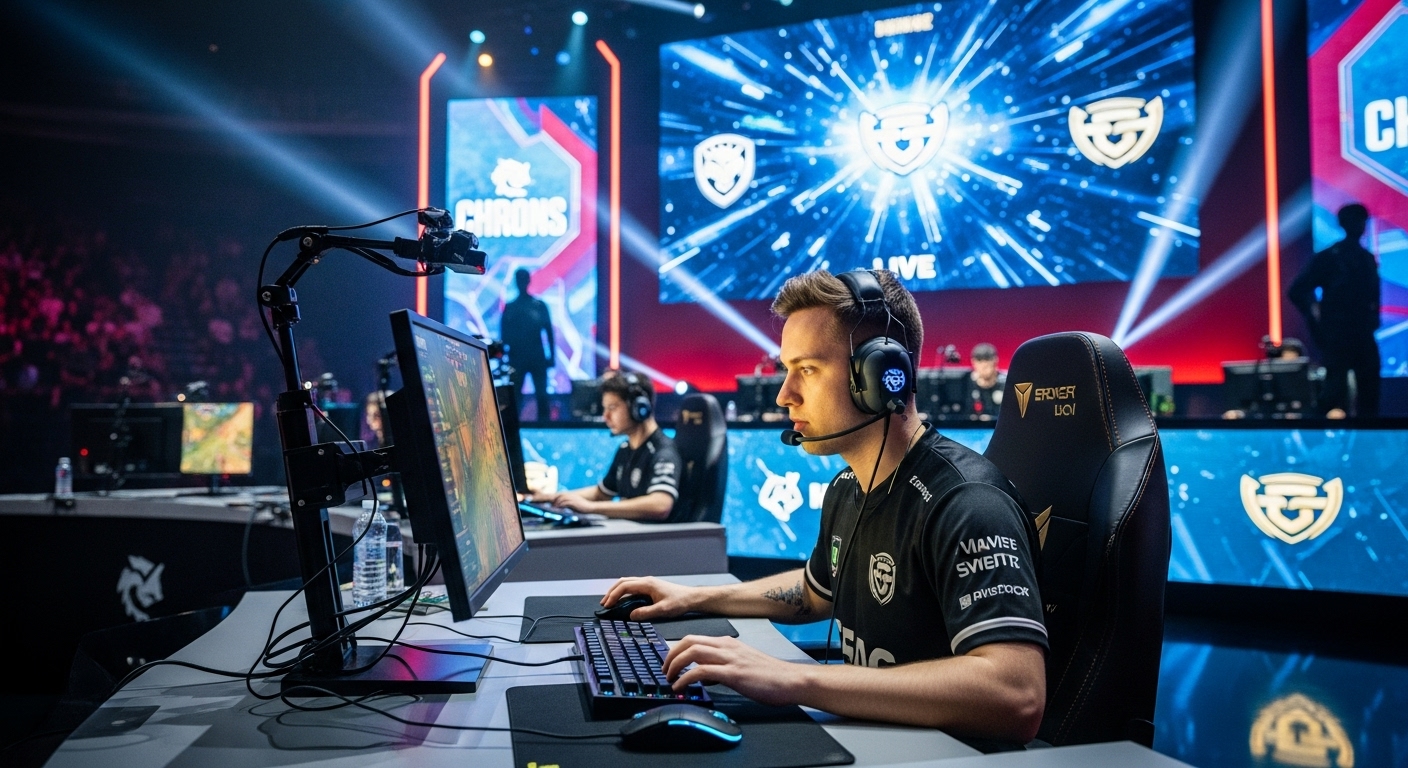
Esports, or electronic sports, has emerged as one of the most influential and rapidly growing industries in the world. Once dismissed as a niche pastime, competitive gaming has evolved into a professional ecosystem with international tournaments, dedicated fan bases, and significant economic impact. Esports combines skill, strategy, technology, and entertainment, transforming the way we perceive competition in the digital era. From local gaming communities to massive stadium events, esports is reshaping global culture and redefining what it means to be an athlete.
The Origins of Esports
Competitive gaming can trace its roots back to the 1970s and 1980s with arcade tournaments and early video game competitions. Titles like Pong, Space Invaders, and Pac-Man provided the first platforms for players to demonstrate skill and strategy in a public setting. These events were small and localized, but they laid the groundwork for organized competitive gaming.
The 1990s marked the emergence of multiplayer PC games, which allowed players to connect over local area networks and the internet. Games such as Quake, StarCraft, and Counter-Strike introduced competitive elements on a larger scale, with players competing not only within their cities but internationally. Early tournaments were modest in prize money and scope, yet they set the stage for the global esports phenomenon we see today.
Professionalization and the Rise of Esports Leagues
The 2000s witnessed the professionalization of esports. Teams began forming official organizations with managers, coaches, and analysts, turning competitive gaming into a career rather than a hobby. Professional players started dedicating their lives to rigorous training schedules, strategy development, and competitive matches.
Esports leagues emerged, offering structured competition and substantial prize pools. Games like League of Legends, Dota 2, and Counter-Strike: Global Offensive became central to professional esports, each fostering its own ecosystem of tournaments, teams, and fan bases. With sponsorships from global brands and media coverage expanding, esports became a legitimate industry, attracting both talent and investment.
Global Appeal and Fan Engagement
One of the most remarkable aspects of esports is its global reach. Unlike traditional sports, it is not limited by geography or physical infrastructure. Players from around the world can compete online, while millions of fans watch matches live via streaming platforms. Esports tournaments have evolved from small LAN events into spectacles with audiences rivaling major traditional sports.
Fan engagement is a core element of esports. Platforms like Twitch, YouTube Gaming, and other streaming services allow viewers to watch matches in real time, interact with players, and participate in fan communities. Esports fans are highly dedicated, engaging with social media, merchandise, and live events. This level of interaction has made esports not only a competitive field but also a thriving cultural phenomenon.
Key Esports Titles Shaping the Industry
Different game genres have contributed to the growth of esports. Multiplayer online battle arenas (MOBAs) like League of Legends and Dota 2 emphasize strategic planning, teamwork, and long-term coordination. First-person shooters (FPS) such as Counter-Strike: Global Offensive and Call of Duty focus on precision, reflexes, and tactical execution. Battle royale games like Fortnite combine survival strategy with fast-paced action, attracting a younger and more diverse audience.
Each game title has influenced the esports ecosystem differently. MOBAs foster long competitive seasons and in-depth strategic play, while FPS games emphasize fast-paced skill and teamwork. Battle royale games create massive audience engagement through dynamic gameplay and accessible formats. The diversity of esports titles ensures broad appeal and continued growth across demographics.
The Impact of Streaming on Esports
Streaming platforms have transformed esports into a spectator sport. Viewers can watch live matches with commentary, analysis, and fan interaction, creating a dynamic experience that goes beyond traditional sports broadcasts. Streaming allows fans to connect with players, learn strategies, and participate in online communities, making esports highly interactive.
Streaming also provides revenue opportunities for players and organizations. Subscriptions, donations, sponsorships, and advertising generate significant income, while players can develop personal brands and content channels. This integration of entertainment, competition, and fan interaction has been key to the exponential growth of esports worldwide.
Esports as a Career Path
Esports offers diverse career opportunities both on and off the screen. Professional players train rigorously, often for eight to twelve hours a day, focusing on skill refinement, strategic development, and teamwork. Like traditional athletes, they require discipline, focus, and mental resilience.
Beyond competing, careers in esports include coaching, team management, event organization, broadcasting, content creation, and marketing. Universities and institutions have recognized esports’ potential, offering scholarships and academic programs related to game design, management, and esports analytics. This professional ecosystem ensures sustainable career options within the industry.
Training and Preparation for Competitive Success
Professional esports requires intensive preparation. Players undergo extensive practice schedules, including tactical drills, coordination exercises, and reaction time improvement. Coaches and analysts review gameplay footage, devise strategies, and study opponents to optimize performance.
Physical fitness and mental health are also crucial. Maintaining focus, stamina, and stress management is essential during long tournaments. Nutrition, exercise, and mental conditioning have become integral components of esports training programs, reflecting the athletic rigor necessary to compete at the highest levels.
Major Tournaments and Live Events
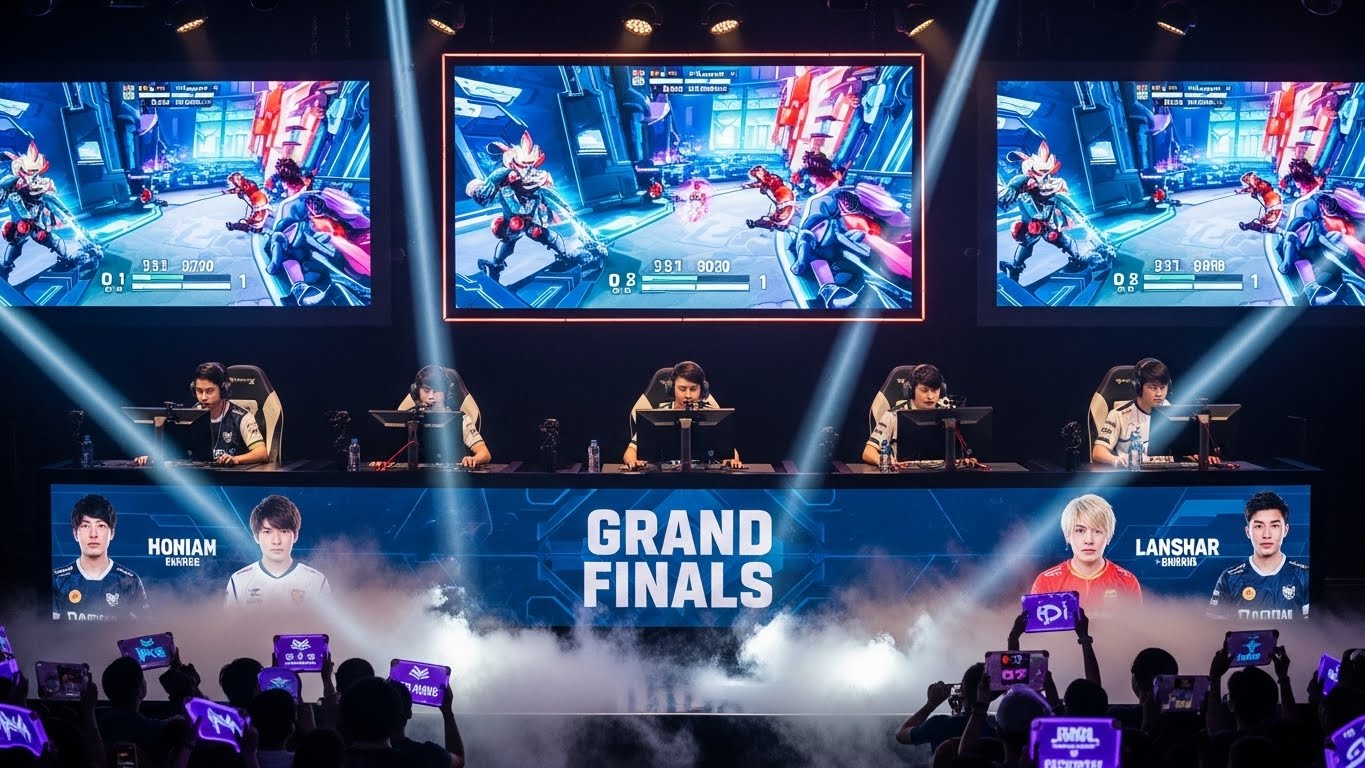
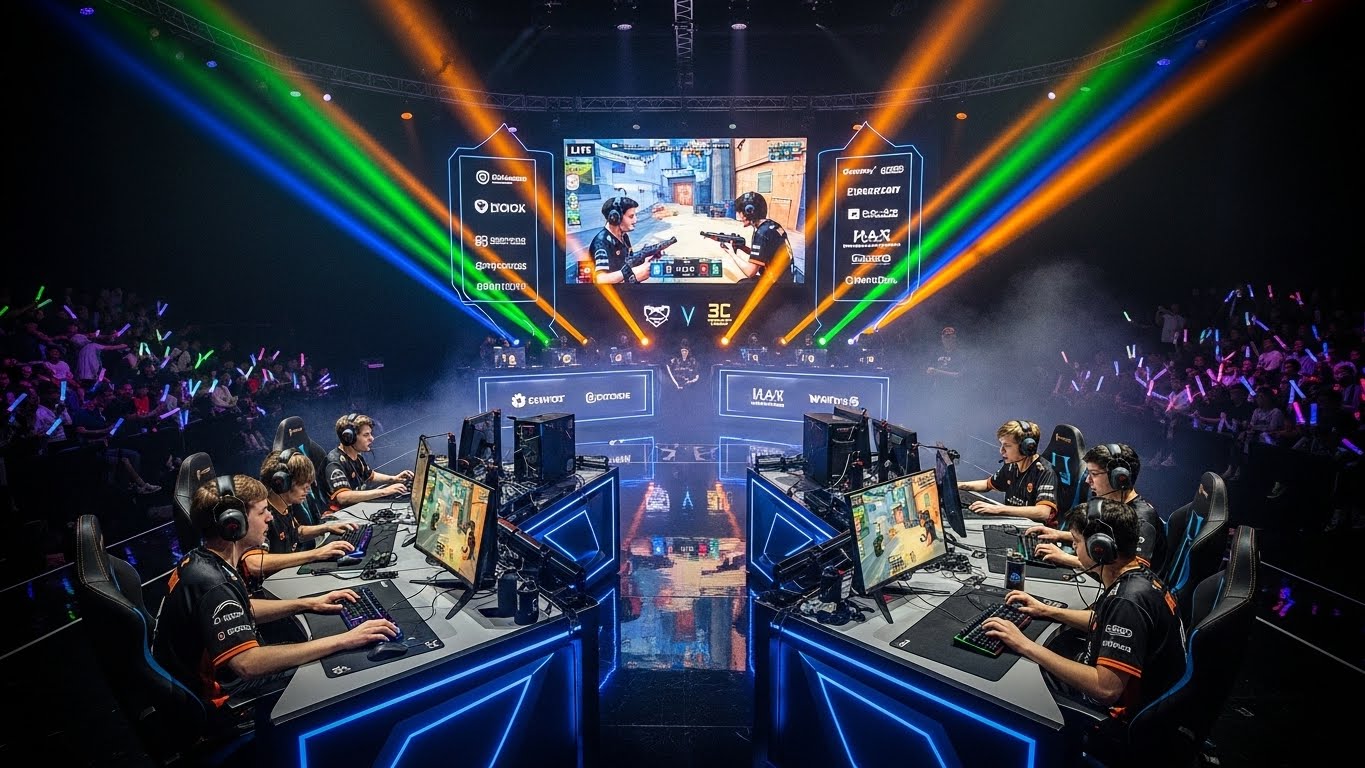
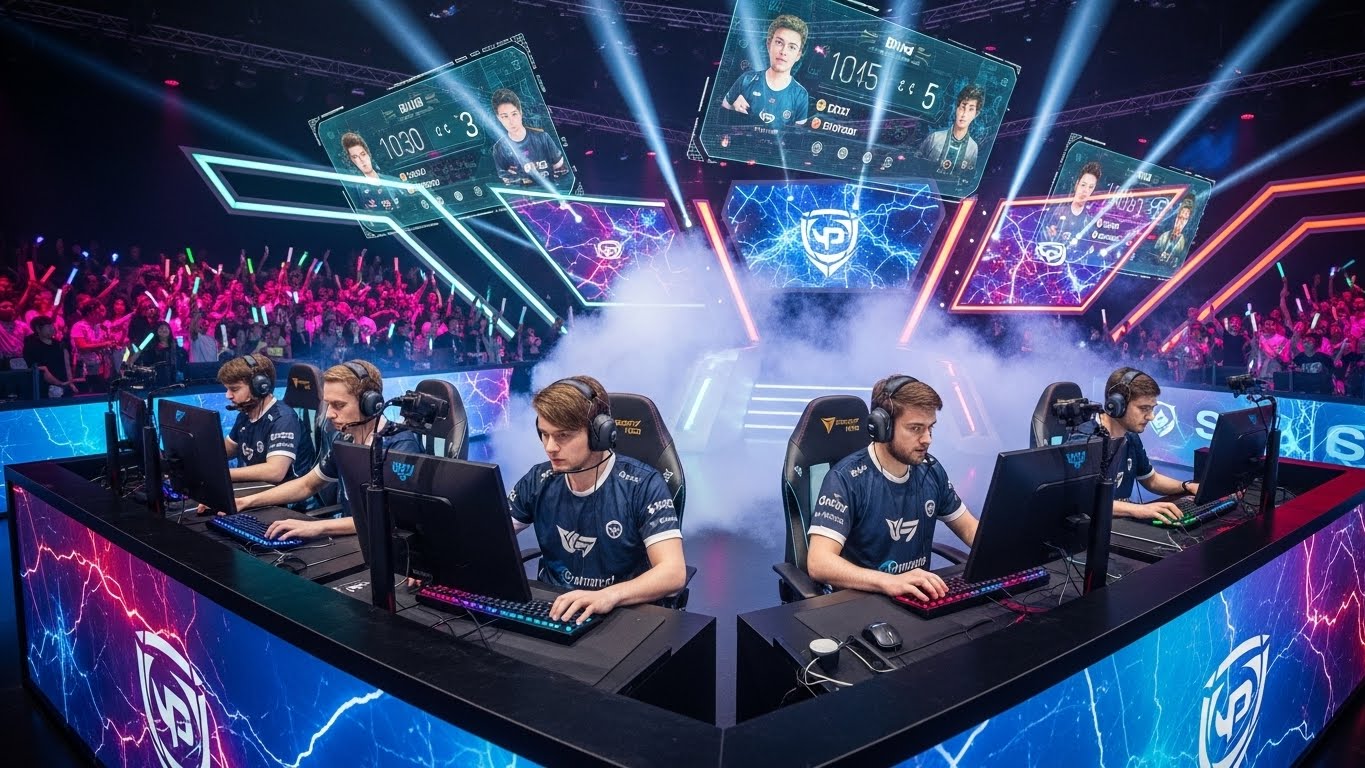
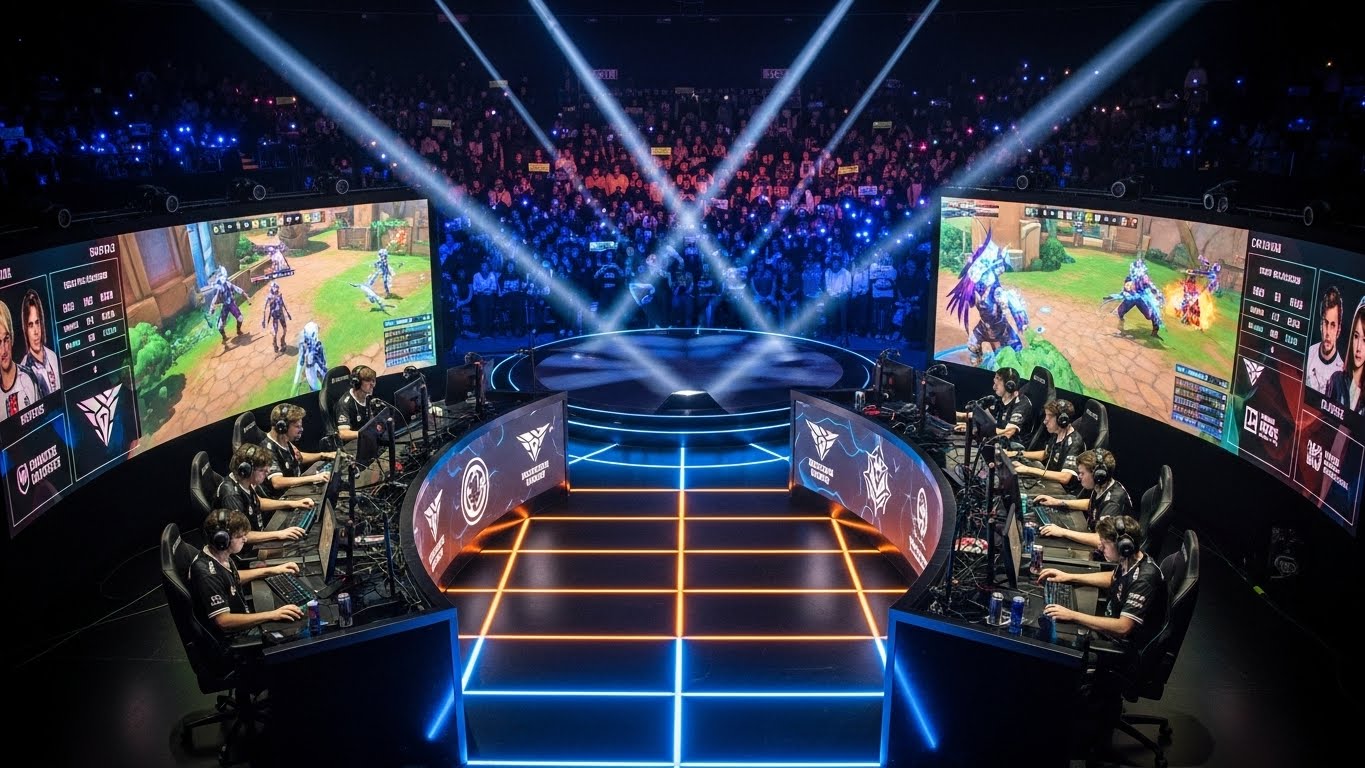
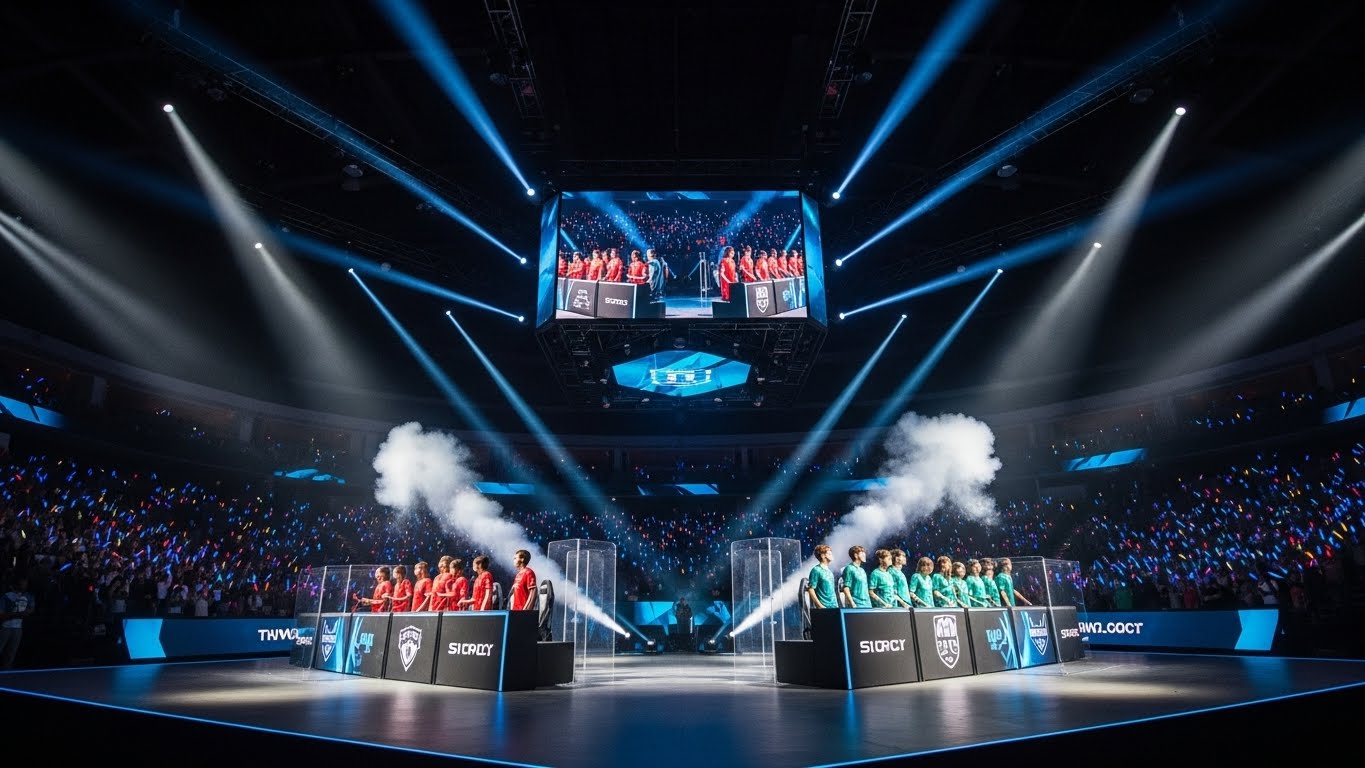
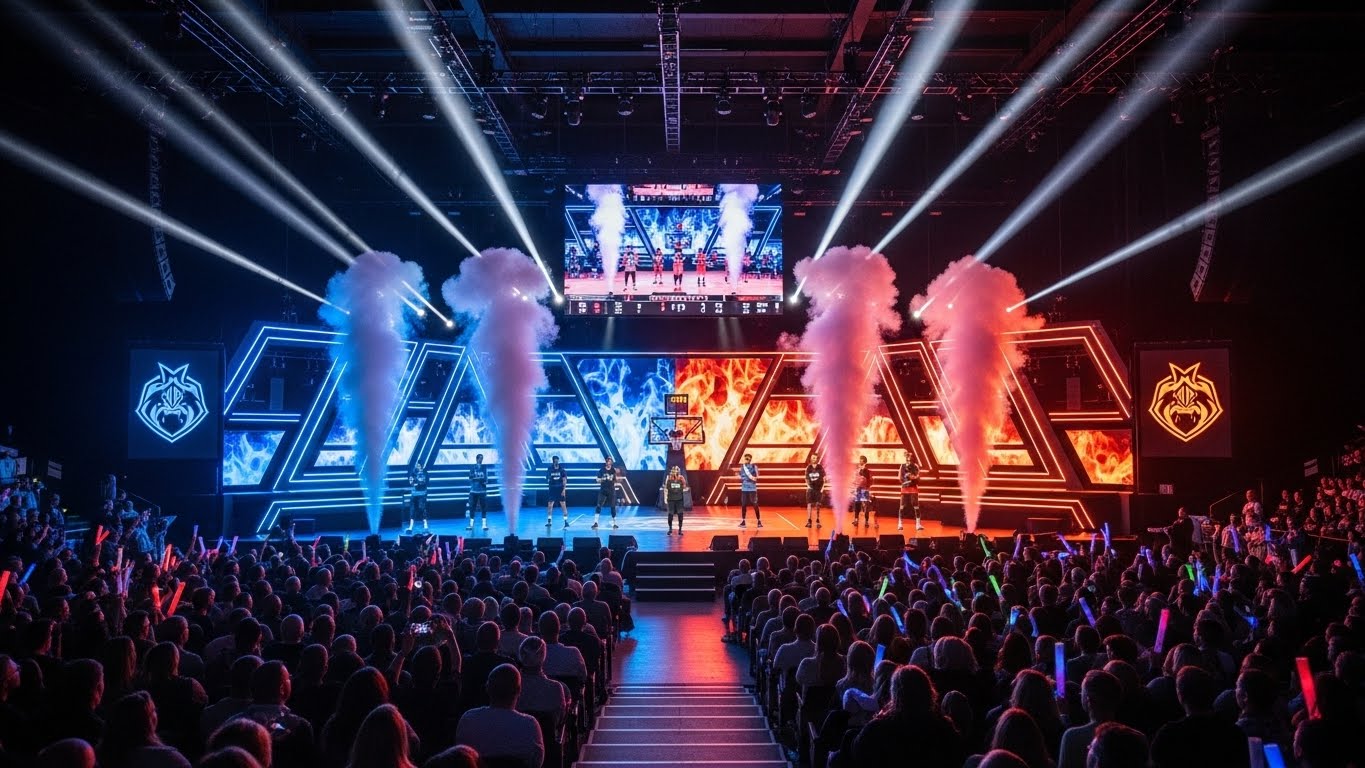
Esports tournaments have become grand spectacles, comparable to traditional sports events. Major competitions like The International, League of Legends World Championship, and Fortnite World Cup draw massive audiences both in-person and online. Prize pools often reach millions of dollars, reflecting the high stakes and competitive intensity of the industry.
These events are designed for fan engagement and entertainment. Professional production, live commentary, interactive experiences, and large-scale venues make esports tournaments immersive and exciting. They celebrate skill, strategy, and teamwork while providing entertainment to millions worldwide.
Economic Impact of Esports
Esports has become a multi-billion-dollar industry, generating revenue from tournament winnings, sponsorships, merchandise, advertising, and media rights. Cities worldwide are investing in esports infrastructure and hosting events to capitalize on tourism and media attention.
The industry also creates employment beyond players, including roles in marketing, analytics, broadcasting, event management, and game development. Traditional sports organizations, global brands, and investors are increasingly entering the esports space, demonstrating its economic significance and long-term potential.
Cultural Significance and Community Impact
Esports has redefined cultural perceptions of gaming. It demonstrates that gaming requires skill, strategy, and teamwork, challenging outdated stereotypes. Esports fosters global communities, connecting players and fans across languages, regions, and generations.
The culture of esports extends beyond competition. Fan art, cosplay, live streams, and online communities form a shared identity for millions of participants. Esports is inclusive, allowing individuals of different backgrounds and abilities to compete at a professional level. Its cultural influence extends into entertainment, social interaction, and even fashion.
Challenges Facing Esports
Despite its growth, esports faces challenges. Mental health concerns, burnout, and performance pressure are prevalent among professional players. Cybersecurity threats, cheating, and online harassment can disrupt competitive integrity.
Career longevity is also a concern, as players often peak at a young age and may face limited options for transition. Rapid changes in technology and game popularity require adaptability. Addressing these challenges is crucial for the sustainability and integrity of the esports industry.
Technology Driving Esports
Technology is at the core of esports. High-performance gaming computers, consoles, peripherals, and reliable internet connectivity are essential for competitive play. Advanced software ensures fair matchmaking, accurate scoring, and real-time communication.
Emerging technologies like virtual reality, augmented reality, and artificial intelligence are shaping esports’ future. VR competitions, AI-driven coaching, and analytics tools enhance training, strategy, and viewer engagement. Technology enables esports to be both accessible and immersive, bridging gaps between players and audiences globally.
Esports in Education
Esports has gained recognition in educational settings. Schools and universities now offer scholarships, competitive programs, and courses in esports management, broadcasting, and game design. Students can develop critical skills such as strategy, teamwork, digital literacy, and leadership, preparing them for careers in esports or technology-related industries.
Educational initiatives make esports more inclusive and professional, encouraging students to pursue competitive gaming as a viable career path. By integrating esports into education, institutions recognize its value as a skill-building and career-oriented activity.
The Future of Esports
The future of esports promises continued growth and innovation. Advancements in technology will increase immersion, strategy, and audience interactivity. Virtual reality tournaments, AI-assisted training tools, and enhanced streaming experiences will redefine the esports experience.
Esports may gain broader recognition in mainstream media and even international sporting events. The industry is poised to continue expanding, offering opportunities for players, teams, creators, and fans while influencing culture, technology, and entertainment globally.
Conclusion: Esports as a Transformative Industry
Esports has transformed gaming into a global competitive and cultural phenomenon. It has created career opportunities, fostered international communities, and challenged traditional ideas of sports and entertainment. Through professionalization, technological innovation, and fan engagement, esports has secured its place as a legitimate and influential industry.
The rise of esports illustrates how digital innovation can redefine competition, culture, and entertainment. It demonstrates that skill, strategy, and teamwork transcend physical boundaries, and that the future of competition is as digital as it is physical. Esports is not just a hobby or a game—it is a transformative force shaping the modern world.