 joystickarena94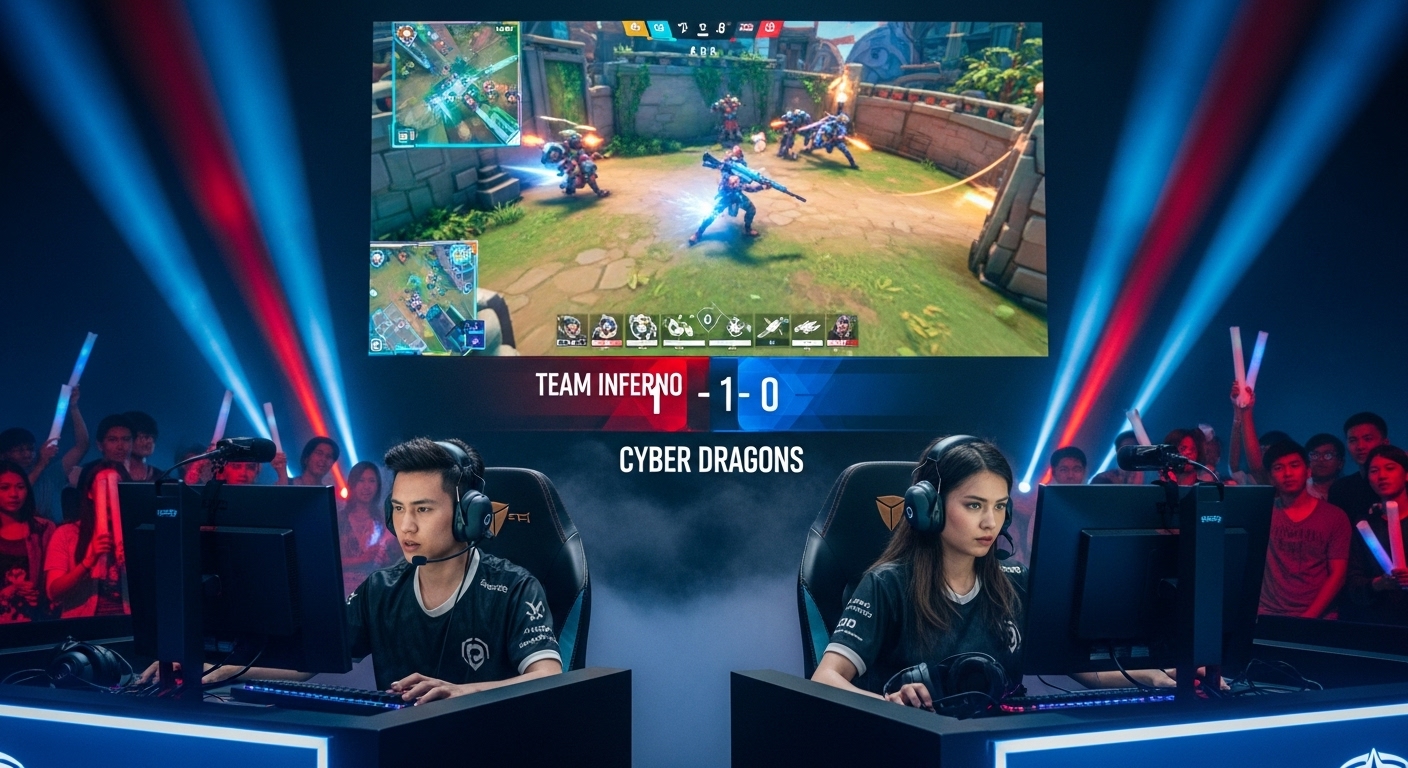
eSports, once a niche hobby for gamers, has evolved into a worldwide phenomenon, captivating millions of fans and becoming a multi-billion-dollar industry. The world of competitive gaming is now a powerhouse, with professional players, global tournaments, and a massive online community. In this blog post, we’ll explore the rise of eSports, its impact on the entertainment world, and why it’s now recognized as a legitimate sport.
What Is eSports?
At its core, eSports (short for electronic sports) refers to organized, multiplayer video game competitions, particularly between professional players, individually or as teams. Unlike casual gaming, eSports involves highly competitive gameplay with a focus on skill, strategy, and mental acuity. Players compete in various games, ranging from first-person shooters like Counter-Strike: Global Offensive, to strategy games like League of Legends, to battle royale games like Fortnite.
While the concept of competitive gaming is not new, it’s only in the past decade that eSports has gained serious recognition and mainstream popularity. Large tournaments, streaming platforms, and sponsorships have helped push the industry into the global spotlight, with professional players earning substantial salaries and fans tuning in from all corners of the world.
The Early Days of eSports
The roots of eSports can be traced back to the late 1990s when multiplayer games like Quake and StarCraft began to be played in competitive formats. These early competitions were small, often held in local LAN (local area network) parties or online tournaments. As the internet became faster and more accessible, the competitive gaming scene began to grow.
South Korea played a key role in the development of eSports. In the late 1990s, StarCraft became a national pastime, and the first professional leagues were born. The Korean government even recognized competitive gaming as a legitimate form of sport, with national TV stations broadcasting tournaments. By the mid-2000s, eSports had reached a level of popularity that couldn’t be ignored, with more countries and gaming communities following suit.
The Explosion of eSports: From Local Tournaments to Global Phenomenon
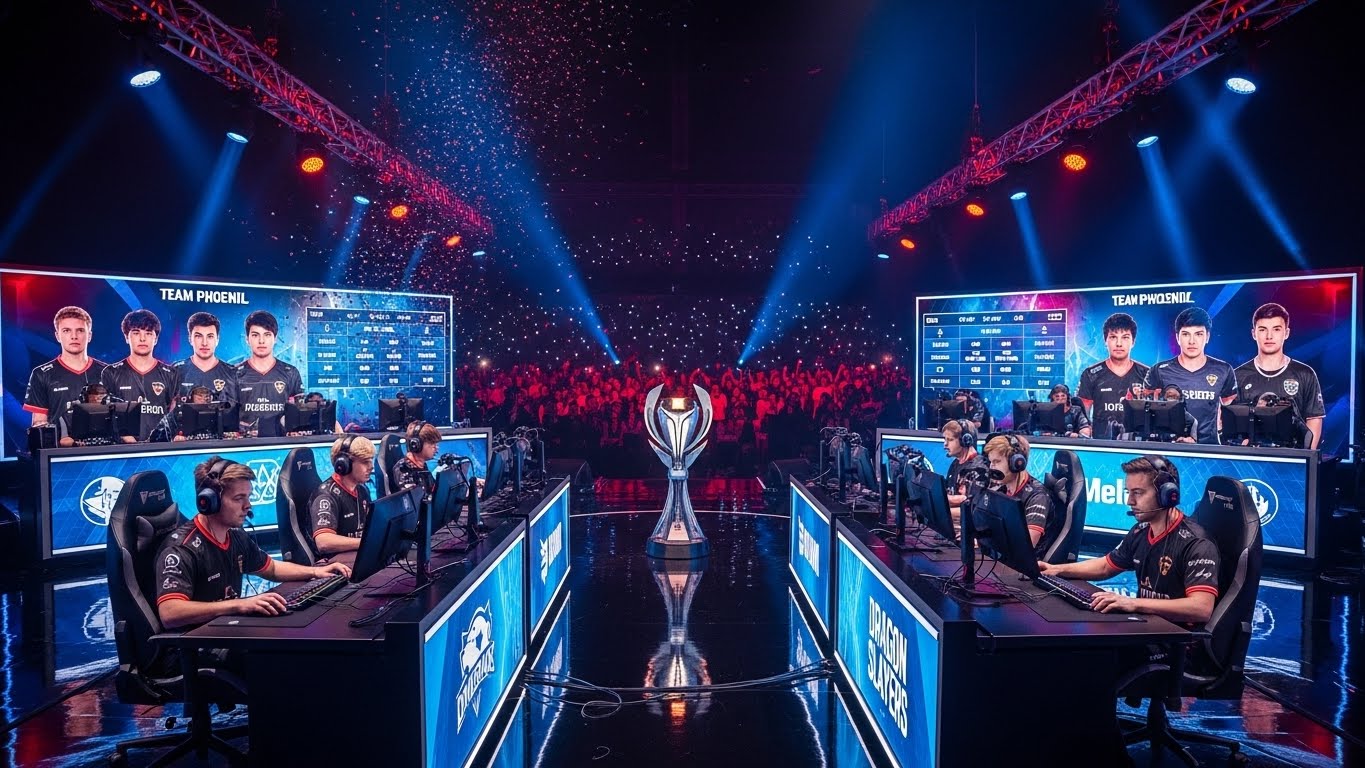
Fast forward to today, and eSports has evolved into a major global industry. High-profile tournaments now offer prize pools that rival those of traditional sports. For instance, The International, the premier tournament for Dota 2, has seen prize pools exceeding $40 million, funded in part by the game’s community. These massive payouts have turned professional gamers into celebrities, and eSports teams into lucrative organizations.
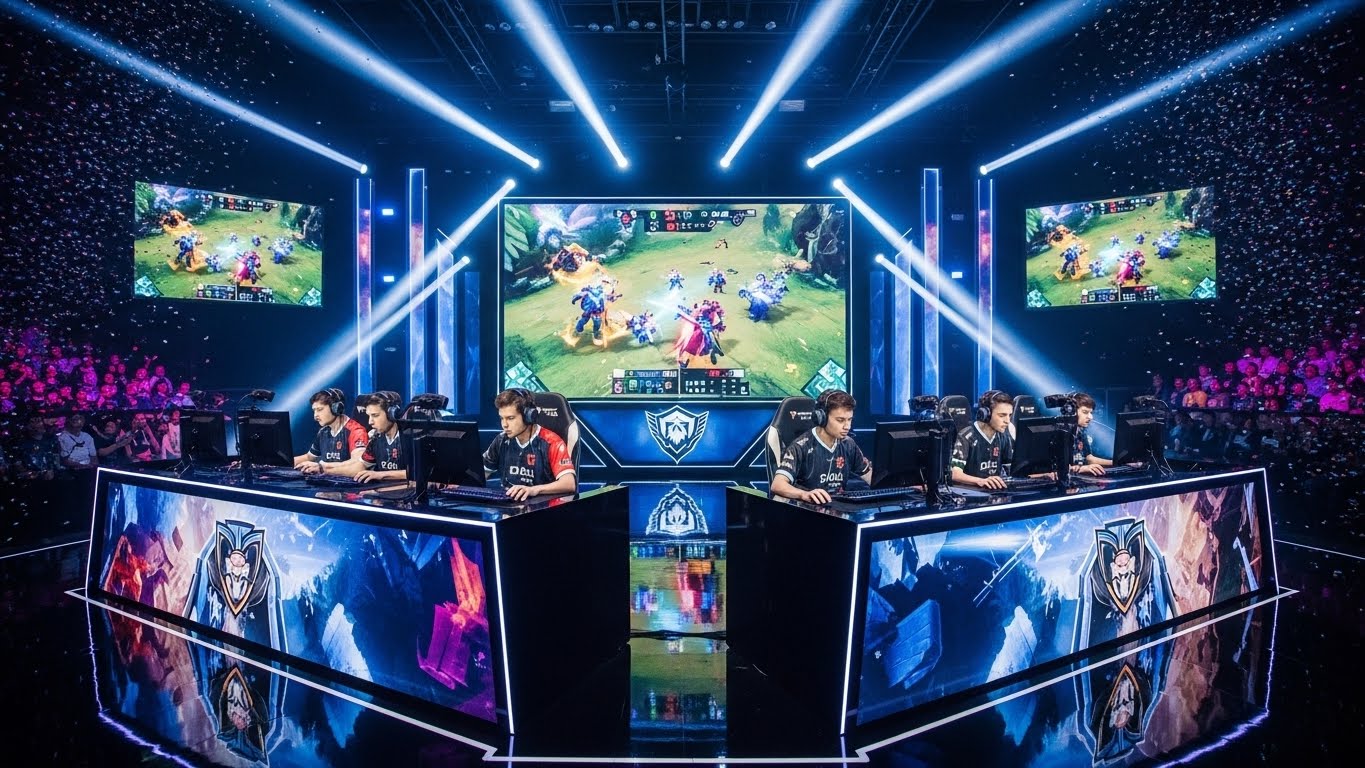
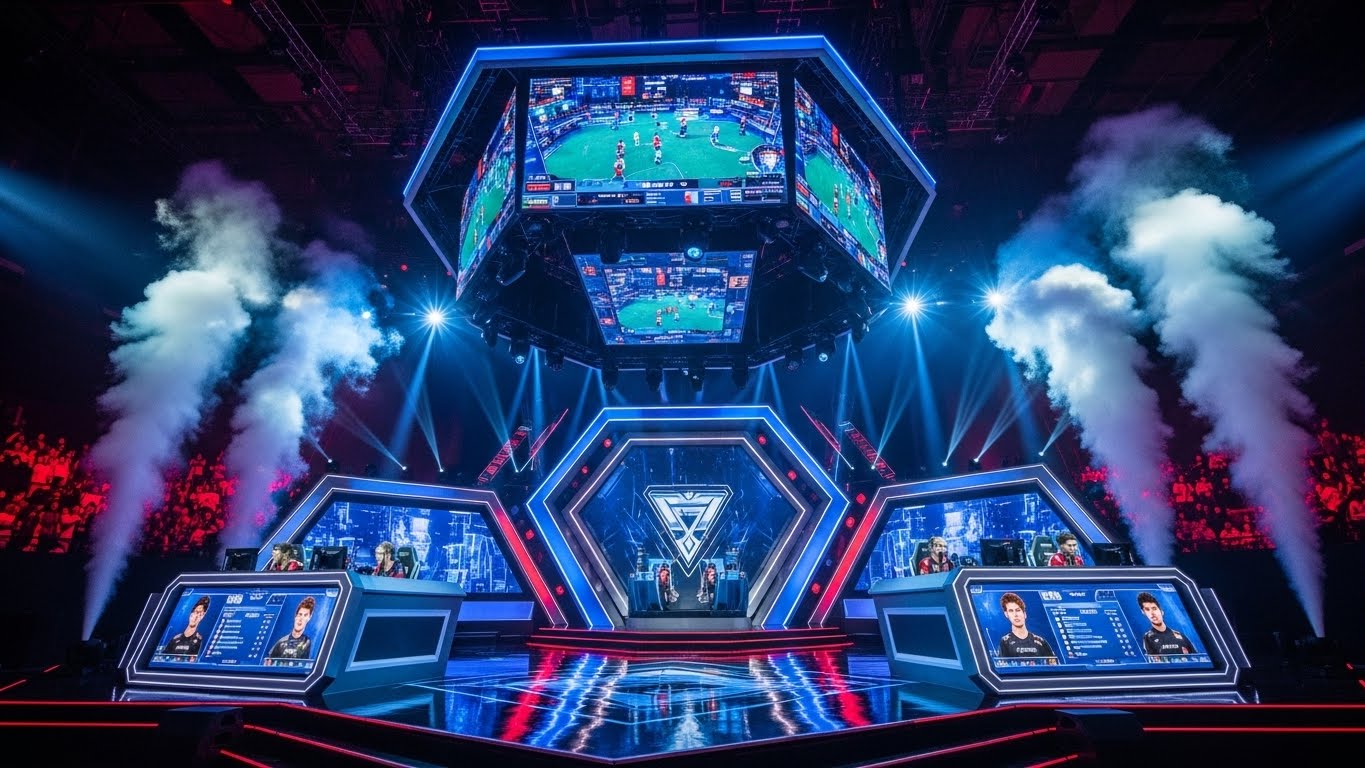
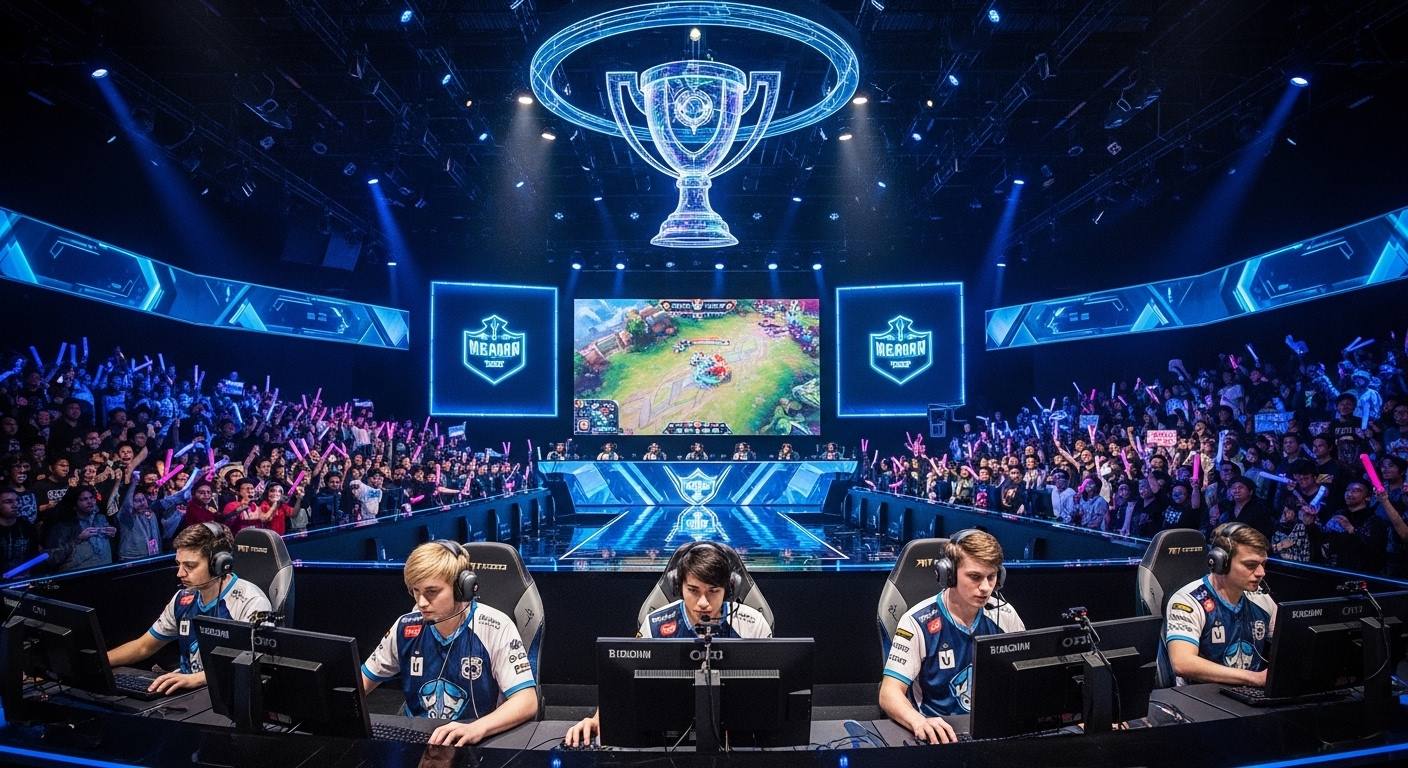
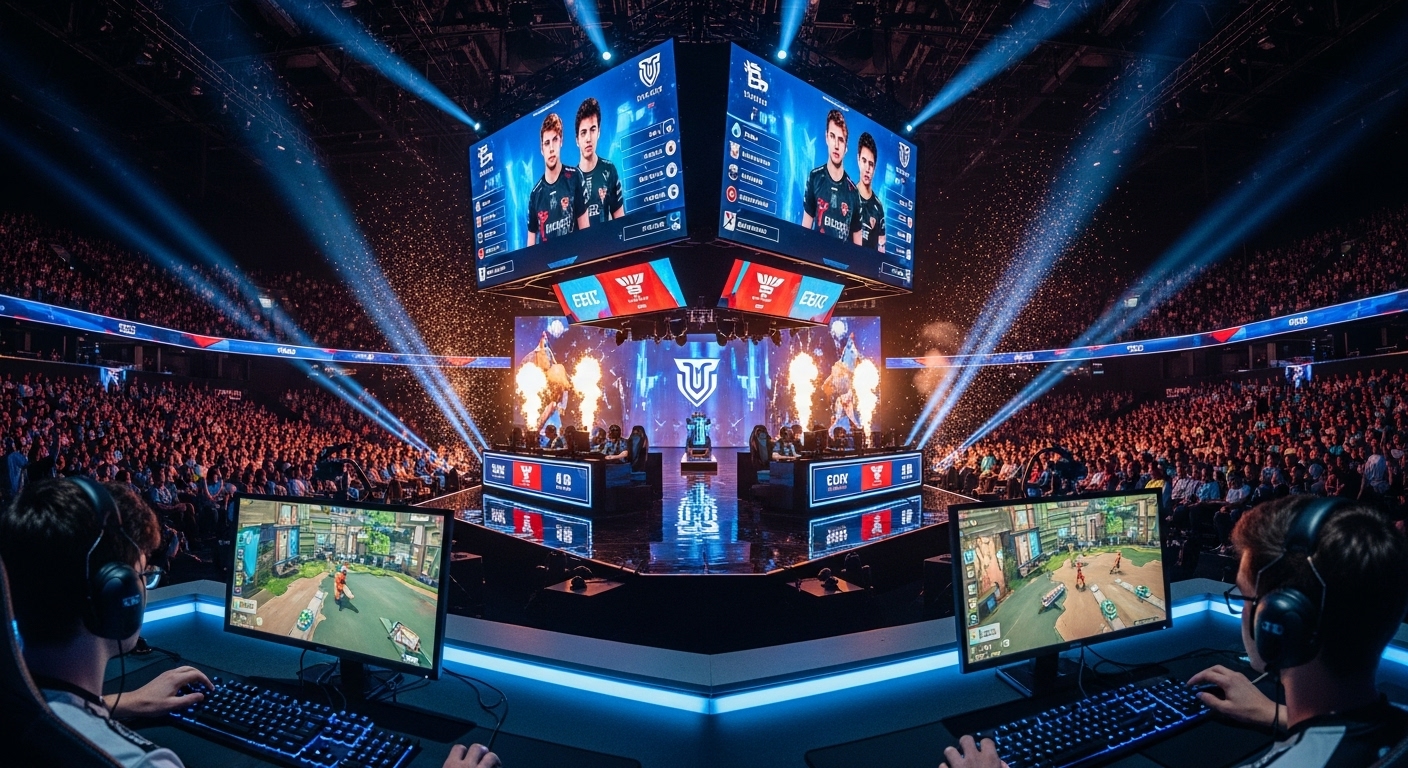
Major eSports events are no longer limited to small local venues. Tournaments are hosted in massive stadiums, drawing tens of thousands of spectators who watch their favorite teams battle it out in person, while millions more tune in via online streams. The League of Legends World Championship, for example, has sold out major arenas like the Staples Center in Los Angeles and the Seoul World Cup Stadium in South Korea.
Thanks to platforms like Twitch, YouTube Gaming, and Facebook Gaming, anyone with an internet connection can watch live-streamed eSports tournaments. This accessibility has helped eSports reach a global audience, making it one of the fastest-growing entertainment sectors in the world.
Professional eSports: The Rise of the Athlete Gamer
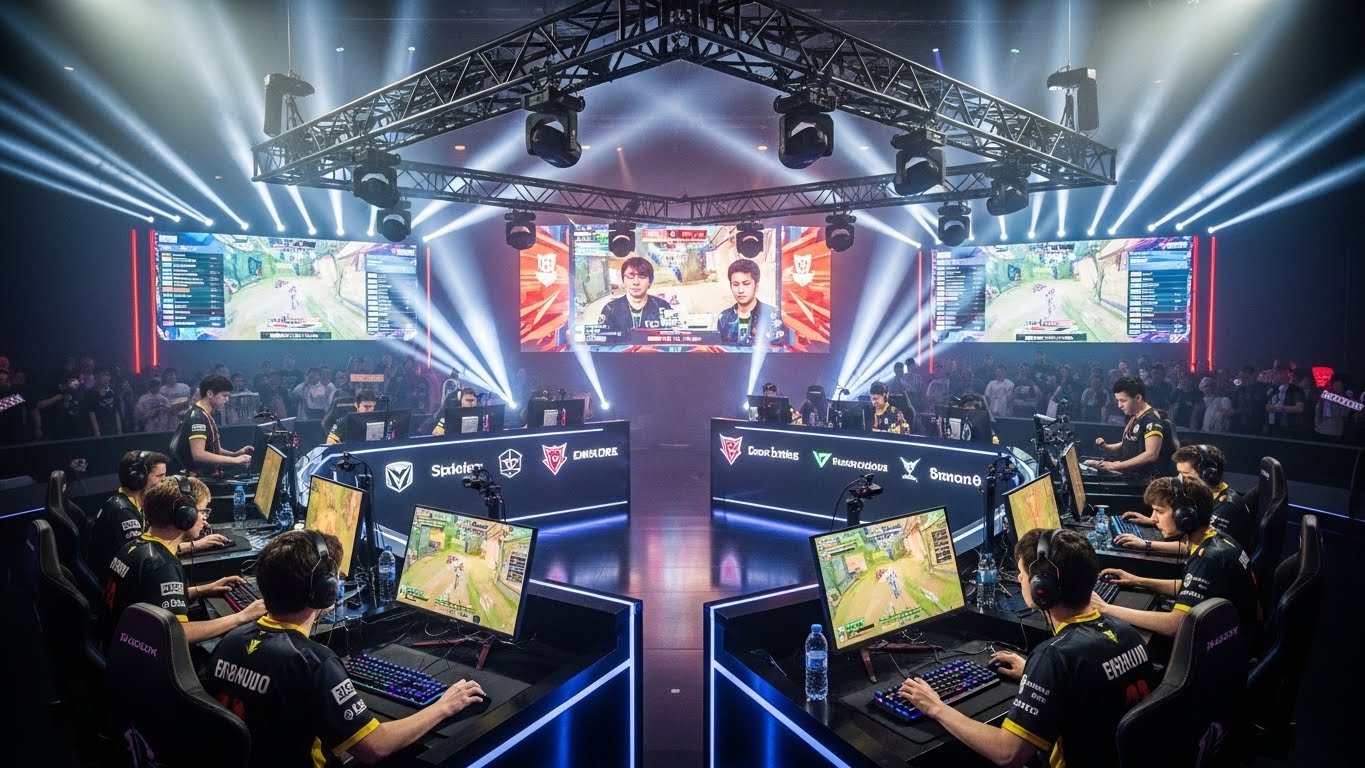
What sets eSports apart from traditional gaming is its professionalization. Competitive gamers, or eSports athletes, are now recognized as professional sports players, often receiving sponsorships, salaries, and even signing endorsement deals with major brands. Professional eSports teams operate similarly to traditional sports teams, with coaches, analysts, and managers guiding players to victory.
Players train rigorously, often practicing for hours every day to perfect their gameplay, just like athletes in any traditional sport. They focus on improving their reaction times, learning new strategies, and building teamwork with their teammates. Many players also rely on sports psychologists to help them manage stress, enhance focus, and maintain a healthy mindset in the high-pressure world of competitive gaming.
Unlike traditional sports, eSports doesn’t require a physical field or court. A computer, console, and a stable internet connection are all a player needs to compete. This has made eSports an incredibly inclusive activity, as it removes many of the physical and logistical barriers to entry. Players from all walks of life, and from every corner of the globe, can participate in eSports competitions.
The Role of Streaming and Online Communities in eSports
Streaming platforms have played a crucial role in eSports’ meteoric rise. Websites like Twitch have allowed gamers to broadcast their gameplay in real-time to a massive audience. Streamers can earn revenue through advertisements, subscriptions, and donations from their viewers, making streaming a full-time job for many. It’s not uncommon for professional eSports players to build large followings on streaming platforms, where they engage with fans, share insights, and even host live gaming events.
In addition to streaming, online communities and social media have become an integral part of the eSports culture. Fans follow players and teams on platforms like Twitter, Instagram, and Reddit, and they engage in lively discussions about tournaments, strategies, and game updates. These online communities not only help build hype around upcoming events but also create a sense of connection among fans who share a passion for gaming.
The Business of eSports: Sponsorships, Merchandise, and Media
As eSports continues to grow, so too does its economic impact. Sponsors are increasingly investing in eSports teams and tournaments, seeing the value in reaching the vast, young, and tech-savvy audience that eSports attracts. Companies like Coca-Cola, Intel, Nike, and Red Bull have all partnered with eSports organizations, helping fund tournaments and providing players with the equipment and resources they need to compete at the highest level.
In addition to sponsorships, eSports teams also generate revenue through merchandise sales, broadcasting rights, and ticket sales for live events. Large-scale eSports tournaments can generate millions in revenue through media rights alone, with television networks and streaming services purchasing the rights to broadcast tournaments to global audiences. This financial backing helps further professionalize the industry and ensures its long-term growth.
The Future of eSports: A Multi-Billion Dollar Industry
The future of eSports looks incredibly promising. Industry projections show that eSports will continue to grow, with the global market expected to surpass $1.5 billion in the next few years. As eSports continues to gain mainstream recognition, it may even be included in the Olympics or other prestigious global sporting events, cementing its status as a legitimate sport.
The rise of new technologies, like virtual reality (VR) and augmented reality (AR), will also likely revolutionize the way eSports is played and watched. These advancements could create even more immersive experiences for players and viewers alike, pushing the boundaries of what competitive gaming can be.
Furthermore, as eSports becomes more mainstream, we’ll likely see more investment in grassroots leagues, youth development programs, and educational initiatives that help young gamers build careers in the industry. Universities and colleges are already offering eSports scholarships and academic programs, providing aspiring players and professionals with the tools they need to succeed both in and out of the gaming arena.
Conclusion: eSports—A Global Movement
eSports is no longer just a hobby or a subculture; it has evolved into a global movement. With its mix of thrilling competition, immense skill, and global fanbase, eSports is reshaping the entertainment and sports industries. As the world continues to embrace the digital revolution, it’s clear that competitive gaming is here to stay. Whether you’re a gamer, a fan, or simply an observer, eSports offers something for everyone—and the best part is, it’s only getting bigger.