 joystickarena94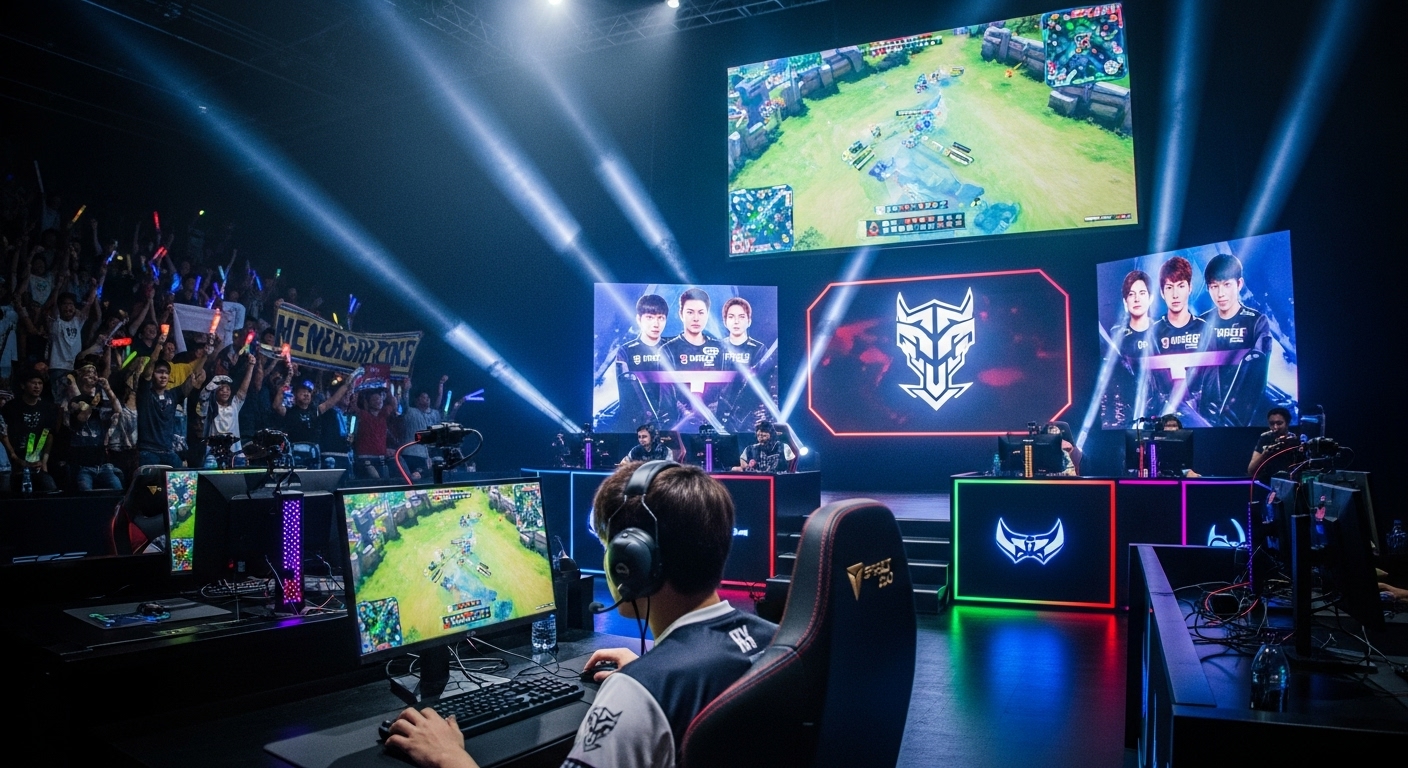
Esports, short for electronic sports, has grown from a niche hobby into a global phenomenon. What began as casual competitive gaming in small communities and local arcades has evolved into a multi-billion-dollar industry with professional players, international tournaments, sponsorship deals, and dedicated fan bases. Esports has transformed entertainment, redefining how people experience competition, social interaction, and digital engagement.
The rise of esports is a testament to how technology, culture, and innovation can converge to create entirely new forms of entertainment. It combines skill, strategy, teamwork, and mental agility, placing it alongside traditional sports in terms of competition and audience engagement.
Early Beginnings of Competitive Gaming
Competitive gaming has roots that stretch back several decades. In the late 1970s and early 1980s, arcade games like Space Invaders and Pac-Man encouraged local competitions where players competed for high scores. While informal, these events planted the seeds for structured competitive gaming.
The 1990s marked a turning point with the rise of PC gaming. Titles like Doom, Quake, and Warcraft introduced multiplayer gameplay and online connectivity, creating communities of competitive players. LAN parties and early tournaments allowed players to demonstrate their skills and develop strategies.
One notable early event was the Red Annihilation Quake tournament in 1997. It highlighted the potential for competitive gaming to attract large audiences and demonstrated that digital skill could be a legitimate form of competition. This era set the foundation for organized leagues, structured competitions, and professional recognition.
The Impact of Online Multiplayer Games
The 2000s brought the explosion of online multiplayer gaming, which fueled esports’ global growth. Games such as Counter-Strike, StarCraft, and World of Warcraft allowed players from across the globe to connect, compete, and form teams. Multiplayer games introduced ranking systems, leaderboards, and ladders that mirrored traditional sports, creating measurable progress and recognition for players.
Team-based games became especially popular in this era. Players formed guilds, clans, and professional teams, fostering camaraderie, communication, and strategy. Online tournaments enabled global competition, breaking down geographic barriers and allowing players from diverse backgrounds to compete on the same stage.
High-speed internet, improved network infrastructure, and reduced latency were critical for competitive play. As connectivity improved, esports evolved from casual competition to structured leagues and international tournaments, marking the transition from hobby to professional industry.
Formation of Professional Esports Leagues
The professionalization of esports began with the creation of organized leagues and tournaments. Organizations such as the Cyberathlete Professional League and the World Cyber Games offered structured formats for competition, standardized rules, and prize pools, legitimizing esports as a serious pursuit.
Games such as League of Legends, Dota 2, and Overwatch became staples of professional esports due to their competitive depth and spectator-friendly gameplay. These titles attracted sponsors and advertisers, recognizing the revenue potential and audience engagement of professional gaming.
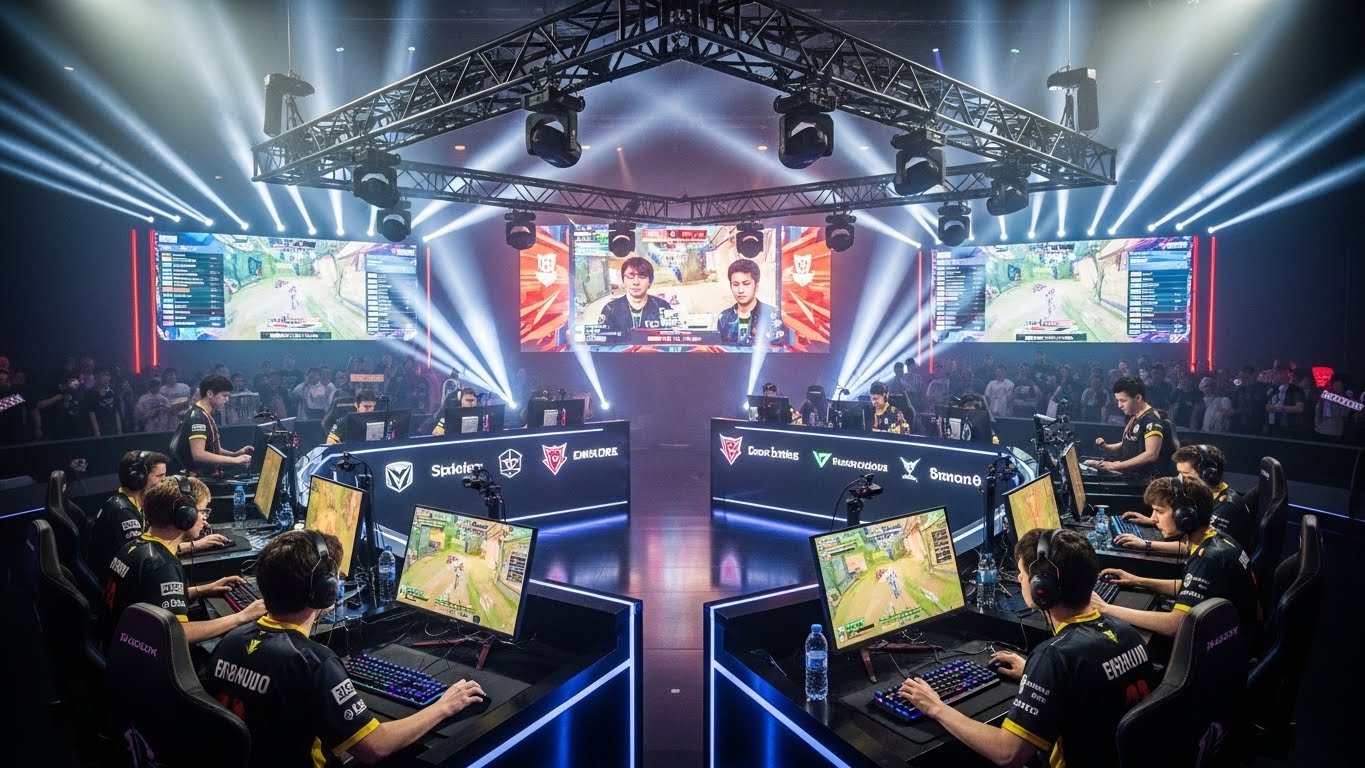
Esports leagues also introduced regional competitions, qualifiers, and global finals, mirroring traditional sports structures. This framework helped professionalize teams, coaches, analysts, and support staff, creating a full-fledged ecosystem that supported careers and sustainable growth.
Streaming and the Esports Revolution
The emergence of streaming platforms like Twitch, YouTube Gaming, and Facebook Gaming transformed esports. Players could now broadcast live gameplay to millions of viewers worldwide, turning competitive gaming into a spectator sport. Streaming allowed fans to watch matches, analyze strategies, and interact with players in real time.
Streaming also introduced new revenue opportunities for players and organizations. Subscriptions, donations, sponsorships, and advertising provided income streams that supported professional careers. Amateur players could build audiences, gain recognition, and eventually enter professional leagues, democratizing access to competitive gaming.
The combination of live streaming and social interaction has made esports not only a competition but also a form of entertainment. Fans can follow players’ journeys, engage in community discussions, and celebrate victories, creating an immersive cultural experience.
The Global Reach of Esports
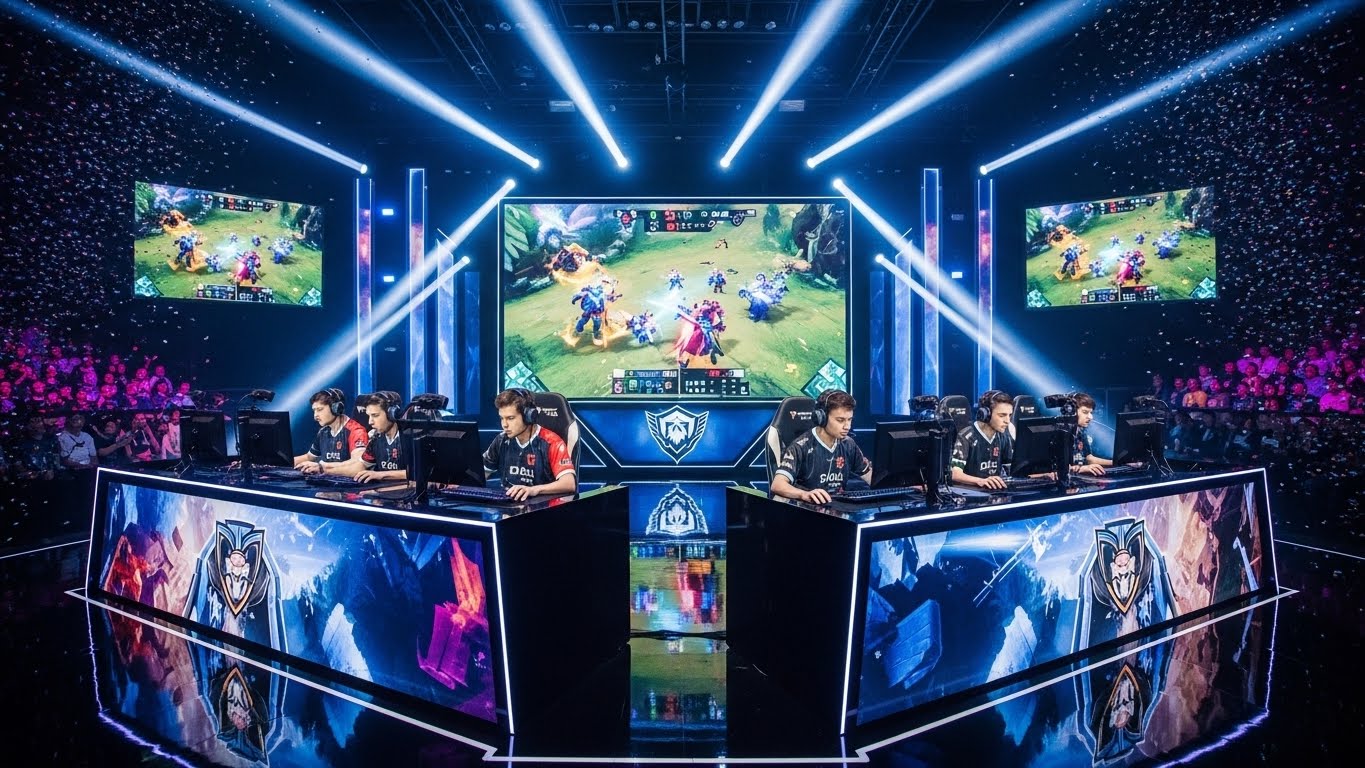
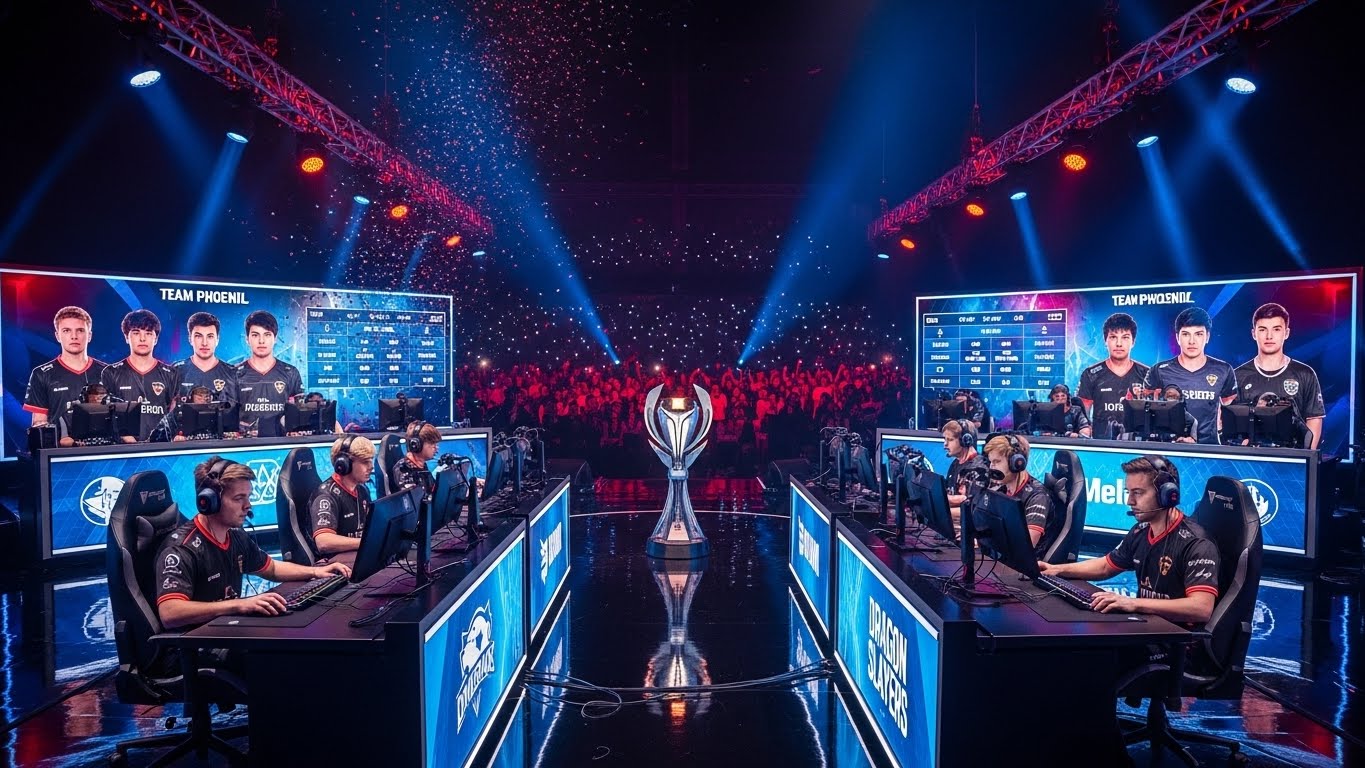
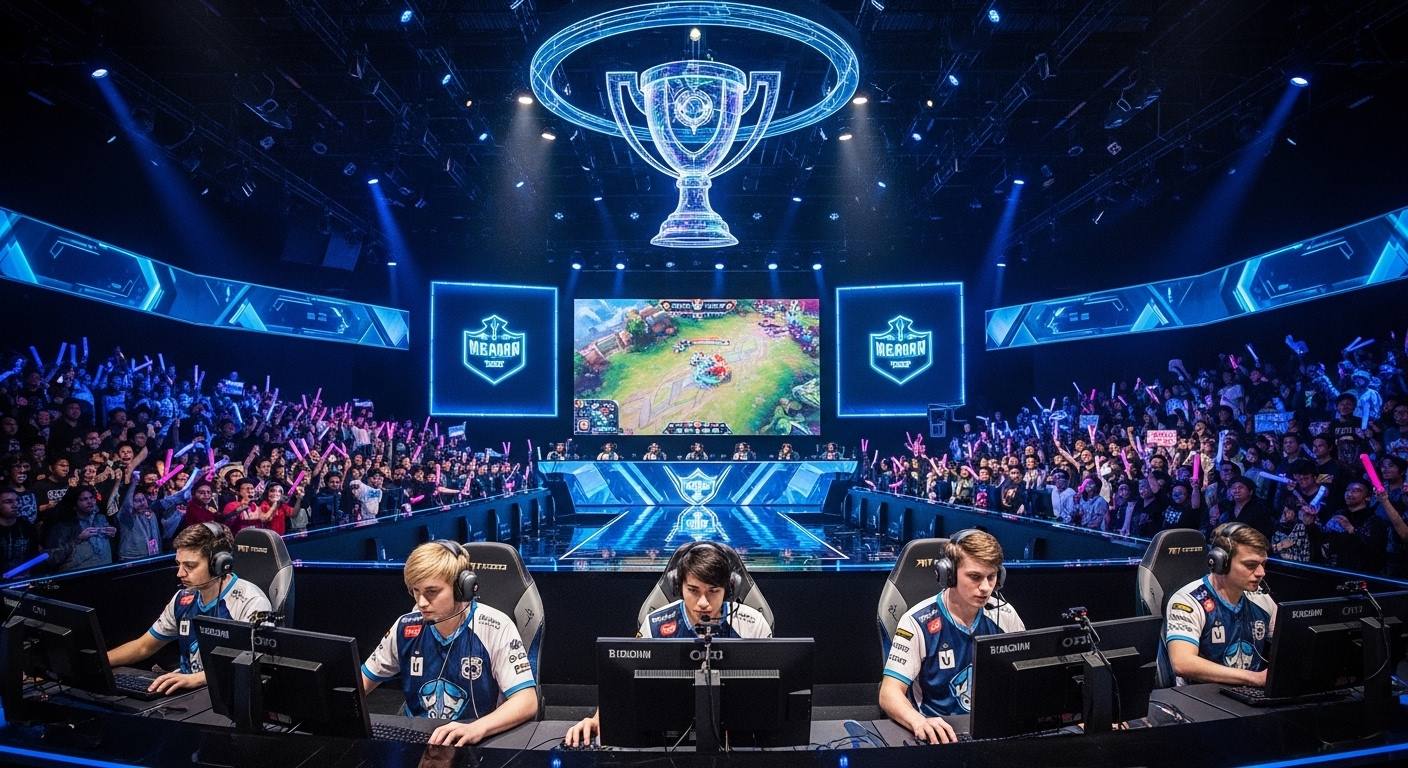
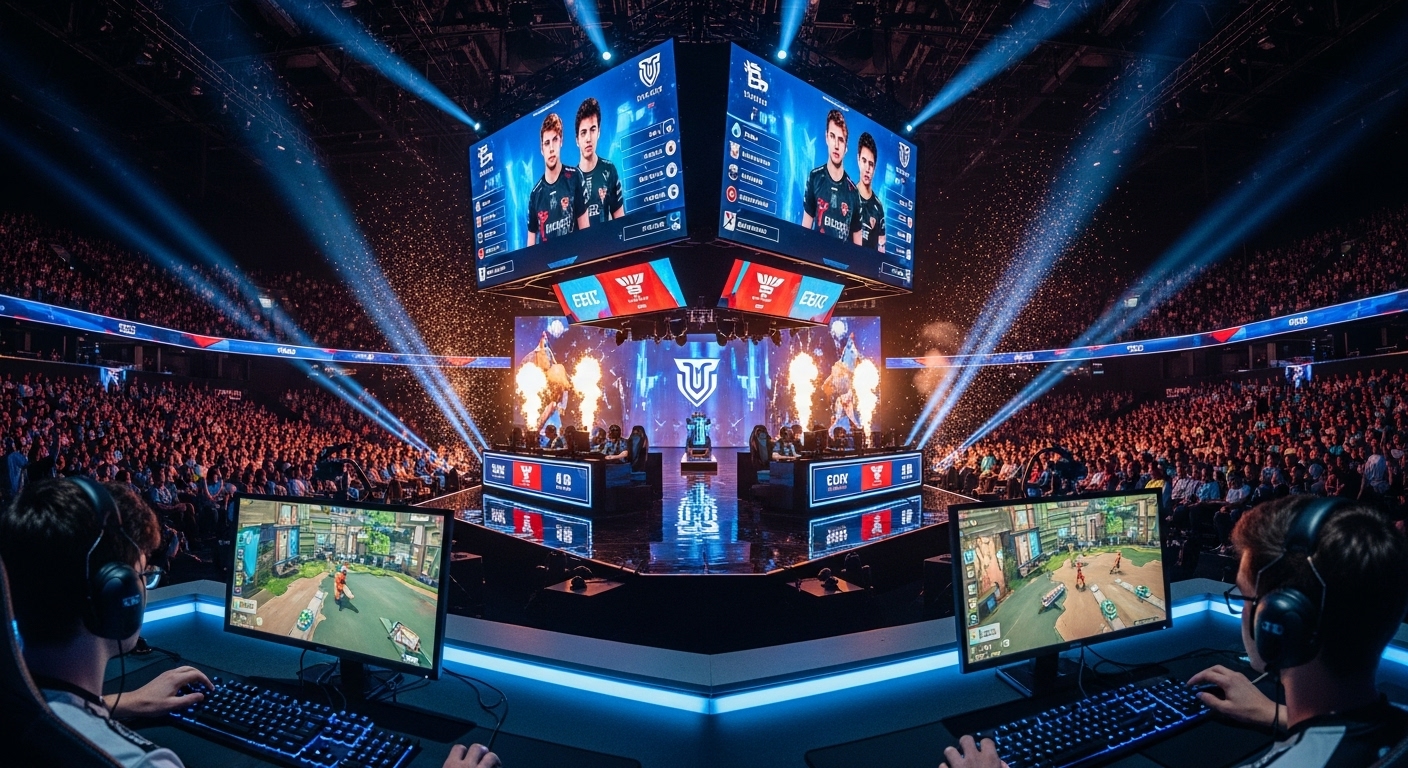
Esports has achieved global recognition, with tournaments attracting millions of viewers and offering multi-million-dollar prize pools. Events such as The International for Dota 2 and the League of Legends World Championship have become cultural landmarks, rivaling traditional sporting events in viewership and excitement.
Countries around the world have embraced esports, establishing training facilities, professional teams, and educational programs. South Korea, China, and the United States have become hubs for competitive gaming, attracting talent, infrastructure investment, and media coverage.
Esports has also impacted mainstream culture. Professional players are featured in documentaries, television shows, and advertising campaigns. Major brands invest in sponsorship deals, recognizing the opportunity to reach engaged audiences. The integration of esports into popular culture has solidified its legitimacy and broad appeal.
Training and Professionalism in Esports
Professional esports players undergo rigorous training similar to traditional athletes. Teams implement structured schedules that include daily practice, strategy planning, mental conditioning, and physical fitness routines. Coaches, analysts, and psychologists support players to optimize performance and maintain well-being.
Competitive esports requires more than technical skill. Communication, teamwork, decision-making, and strategic thinking are critical. Players must adapt to evolving game metas, anticipate opponents’ strategies, and perform under pressure.
Professionalism also extends beyond gameplay. Players manage media appearances, fan interactions, sponsorship obligations, and brand management while maintaining focus on their training. The dedication required underscores that esports is a serious and demanding career.
Economics of the Esports Industry
The esports industry is a multi-billion-dollar market driven by sponsorships, media rights, merchandise, ticket sales, and digital content. Brands from technology, consumer goods, and entertainment sectors invest heavily, recognizing the marketing potential of engaged audiences.
Esports organizations operate like sports franchises, signing players to contracts, managing teams, and pursuing sponsorships. Some organizations span multiple games, diversifying revenue streams and brand recognition.
Content creation and streaming are integral to the esports economy. Players monetize live streams, build personal brands, and interact with fans, creating a sustainable ecosystem that benefits both players and audiences.
The financial growth of esports highlights how digital entertainment can transform industries, create jobs, and drive innovation in technology, media, and marketing.
Technology Driving Esports
Technology is central to every aspect of esports. High-performance gaming PCs, consoles, and peripherals provide the precision and speed required for competitive play. Advances in graphics, refresh rates, and latency reduction enhance gameplay quality and performance.
Software tools, including anti-cheat systems, match analytics, and strategy simulators, ensure fairness and help players improve. Online platforms manage matchmaking, rankings, and tournaments, streamlining competitive structures.
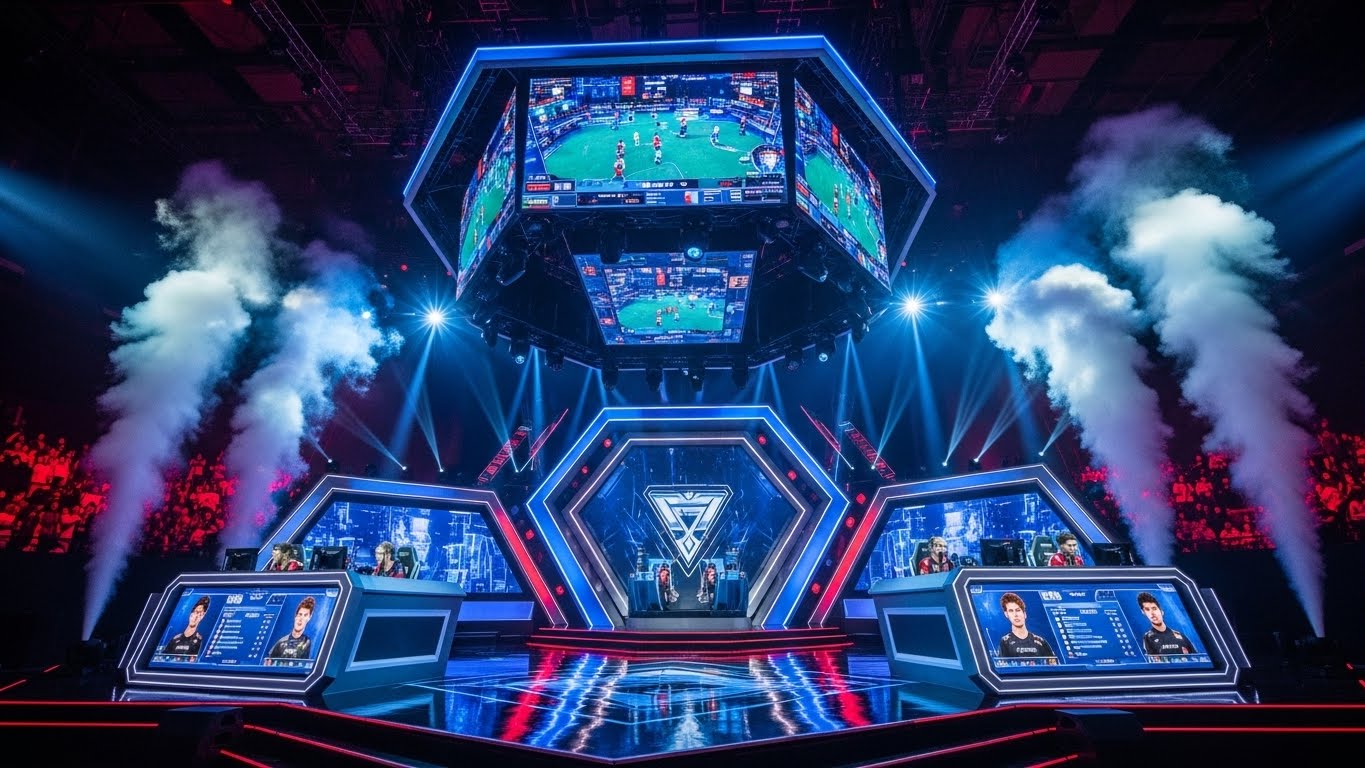
Streaming technology allows fans to watch live matches with real-time statistics, commentary, and interactive features. The combination of advanced hardware, software, and connectivity makes esports accessible, entertaining, and professionally viable for global audiences.
Esports and Cultural Impact
Esports has become a cultural phenomenon, influencing entertainment, media, and social interaction. Fans identify with teams, players, and games, creating communities with shared passions and values.
Live tournaments, online watch parties, and fan conventions foster social engagement. Merchandise, fan art, and social media interactions further extend esports’ cultural reach. Players become role models and influencers, shaping trends in gaming, technology, and popular culture.
Esports challenges traditional notions of athleticism, emphasizing mental agility, strategy, and teamwork. It demonstrates that skill and competition exist beyond physical performance, broadening the definition of sport in contemporary society.
Challenges Facing Esports
Despite its rapid growth, esports faces several challenges. Player burnout is a major issue due to long hours, high pressure, and public scrutiny. Teams must prioritize mental health, physical fitness, and work-life balance to sustain long-term performance.
Regulation is another concern. The global nature of esports complicates taxation, labor rights, and competition governance. Standardized rules, licensing, and oversight are increasingly necessary to ensure fairness, integrity, and player protection.
Monetization and market competition also present challenges. While revenue is high, organizations must continuously innovate to maintain audiences and attract sponsorships. Balancing profitability with player welfare and ethical practices is critical for sustainable growth.
The Future of Esports
The future of esports is bright, driven by technological innovation and global expansion. Virtual reality and augmented reality may redefine competitive experiences, creating immersive digital arenas. Artificial intelligence will enhance player training, strategy analysis, and audience engagement.
Esports is also likely to expand into new regions, including Africa, South America, and the Middle East, creating opportunities for global talent development. Educational programs, professional certifications, and scholarship initiatives will formalize career pathways for aspiring players.
Integration with mainstream sports and entertainment is expected to increase. Collaborations with traditional leagues, celebrity involvement, and cross-platform media will raise visibility and legitimacy. Esports will continue to shape culture, entertainment, and digital interaction in ways that extend far beyond gameplay.
Conclusion
Esports has evolved from casual competitions in local communities to a global industry with professional leagues, international tournaments, and millions of fans worldwide. It combines skill, strategy, teamwork, and technology to create an unparalleled digital sporting experience.
Streaming platforms, professional leagues, and technological advancements have expanded accessibility and engagement, allowing players and audiences to connect globally. The cultural impact of esports continues to grow, influencing entertainment, media, and social interaction.
Challenges remain, including player welfare, regulation, and market sustainability, but the industry’s growth trajectory is clear. Esports is not just gaming — it is a cultural, professional, and technological phenomenon that continues to redefine the world of competition and entertainment.
As technology, innovation, and global engagement advance, esports will remain a driving force in digital culture, inspiring players, fans, and communities worldwide.