 joystickarena94
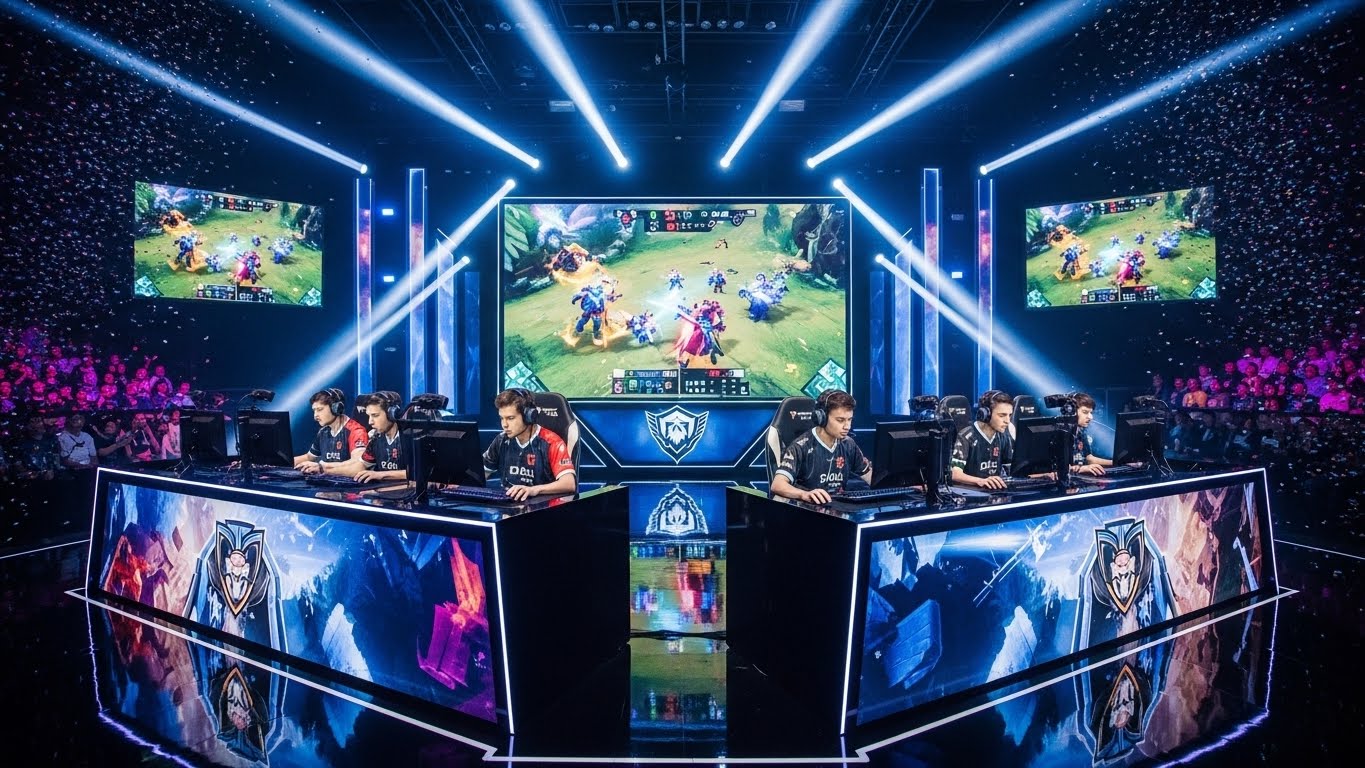
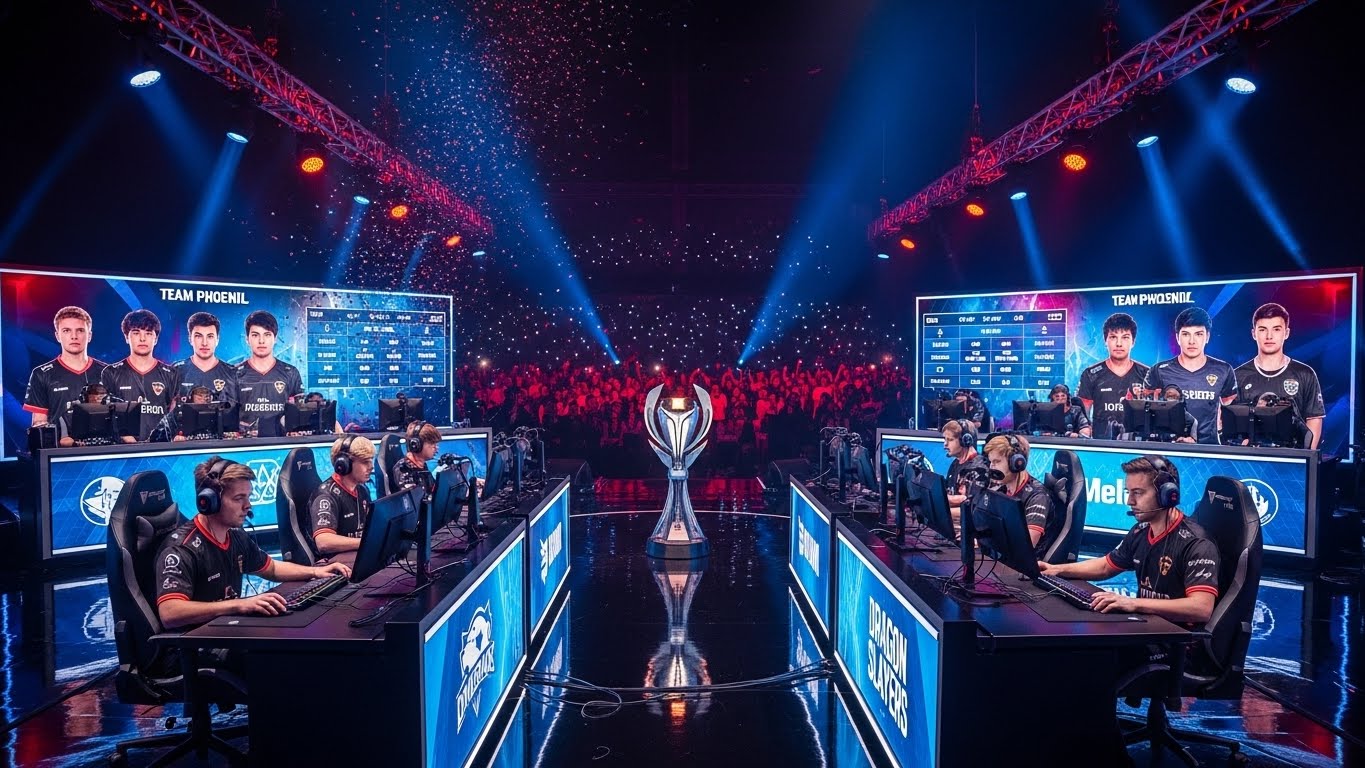
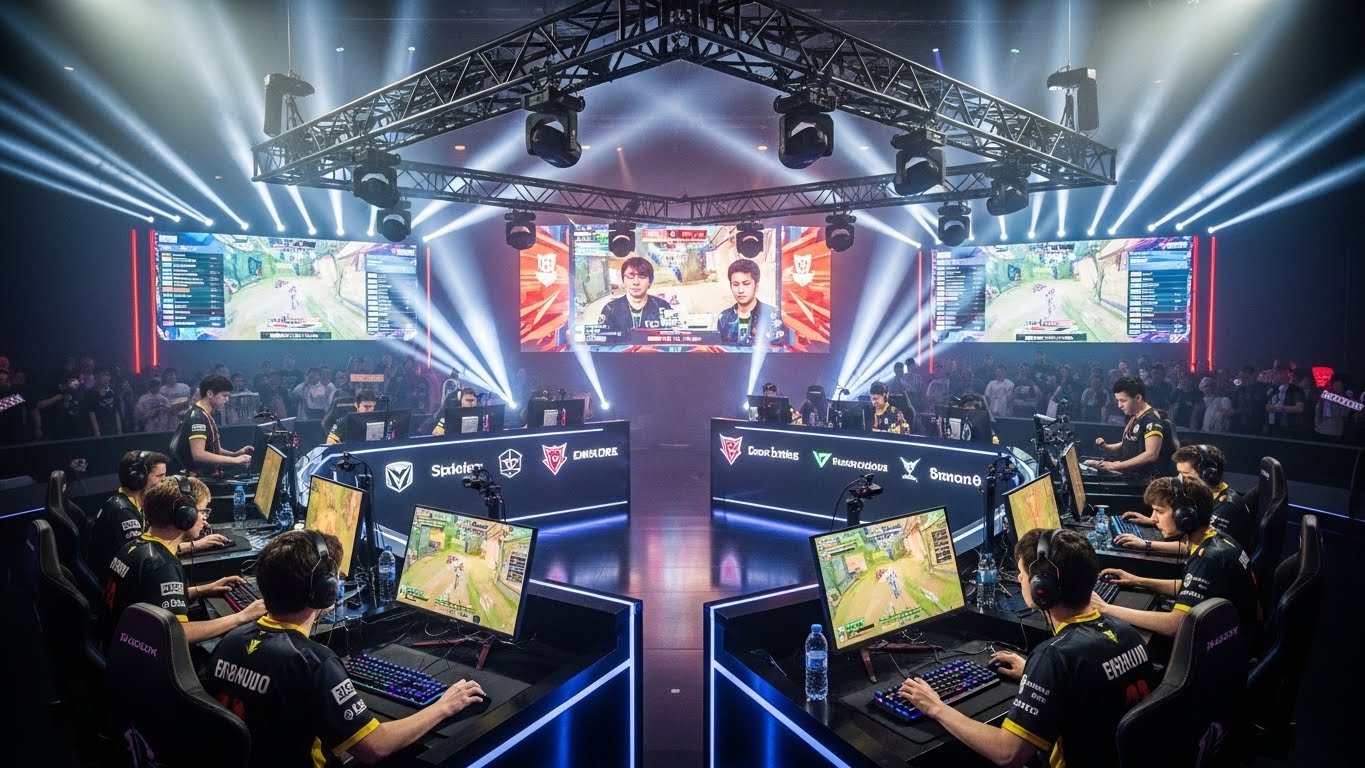
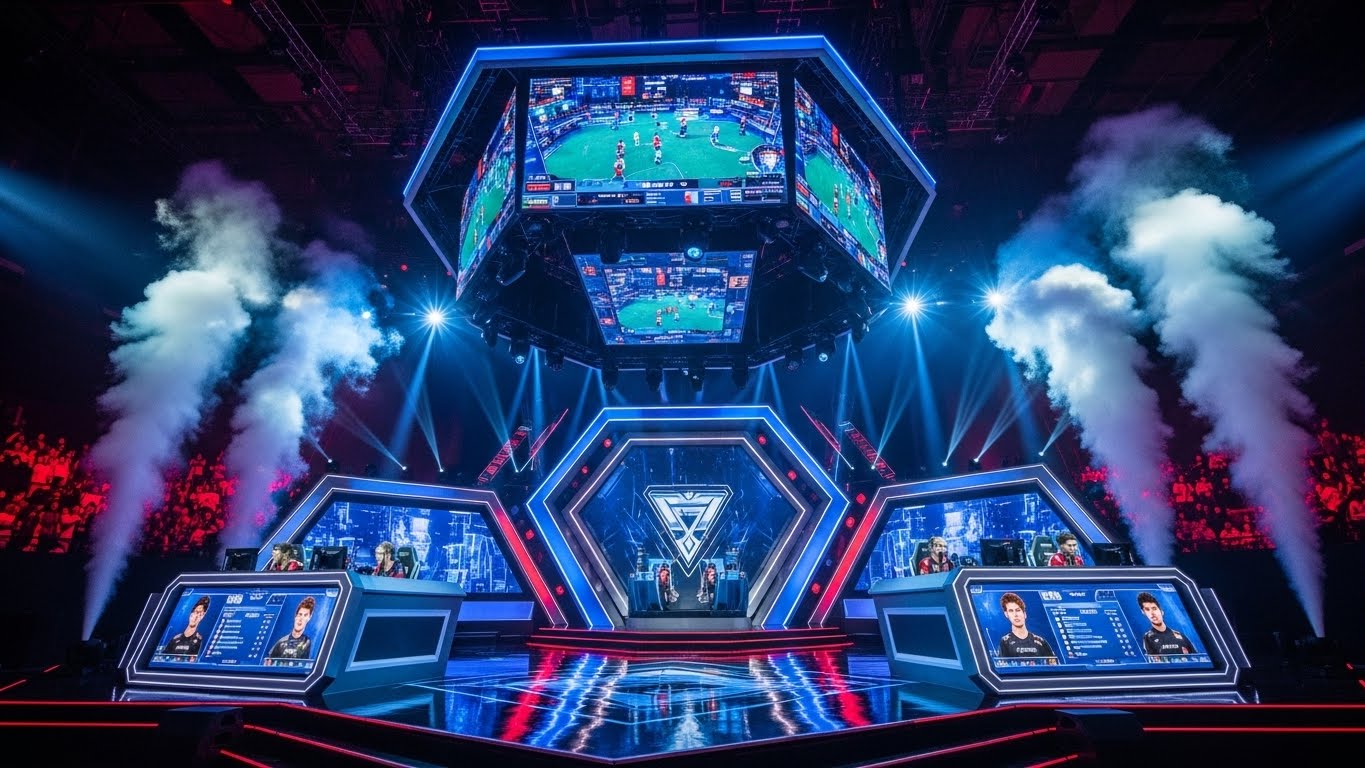
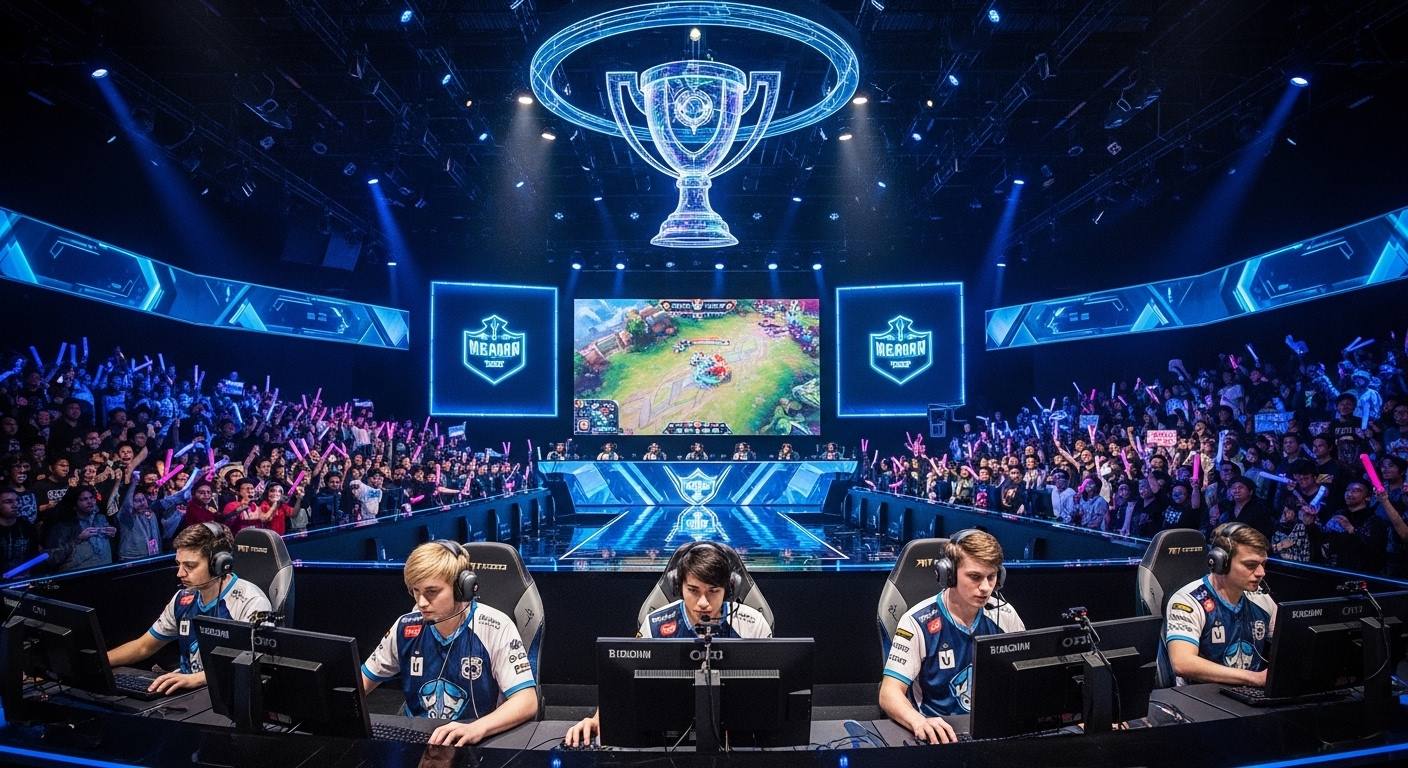
Esports, short for electronic sports, is a form of competition using video games, where players compete individually or in teams in organized tournaments, often broadcasted to a global audience. In the last two decades, the world of esports has evolved at an astonishing pace, transforming from a niche hobby to a multi-billion-dollar industry. But how did we get here? What is the secret behind the meteoric rise of esports, and where is it headed? In this article, we will take a deep dive into the history, evolution, and future of esports, as well as the impact it has had on gaming culture and the world of sports.
The Early Days: From Arcade Machines to Local Tournaments
Esports has its roots in the early days of video games. The first recognizable form of competitive gaming started in the 1970s when the world’s first video game tournament took place in 1972 at Stanford University. The game in question was Spacewar, a relatively simple but revolutionary title for its time. However, it was still a small-scale affair, not yet in the public eye as the mass entertainment form it would later become.
The 1980s saw the advent of the arcade gaming era. Arcade machines were scattered across the globe, with titles like Pac-Man, Donkey Kong, and Street Fighter dominating the scene. Although these games didn’t yet feature competitive tournaments in the way we think of today, they laid the groundwork for what would follow. Gamers started gathering at local arcades to challenge one another, creating a kind of informal esports environment.
As the 1990s rolled around, the rise of personal computers and the internet gave a significant push to esports. With the launch of games like Quake, StarCraft, and Warcraft, multiplayer gaming began to take center stage. The global network of interconnected PCs provided the ability for players to compete across long distances, creating the foundation for modern-day esports tournaments.
The Birth of Modern Esports: 2000s to Early 2010s
In the early 2000s, esports began to take its first steps toward becoming the global phenomenon we know today. One of the key events in this journey was the rise of competitive gaming leagues, notably in South Korea. In 2000, the first official esports league, the Korea Pro Gaming League (K-PGL), was established, and it quickly became the epicenter of professional gaming. StarCraft: Brood War, a real-time strategy game developed by Blizzard Entertainment, was the primary title played in these tournaments, and its popularity skyrocketed.
The Korean esports scene became so influential that by the mid-2000s, StarCraft tournaments were being broadcast live on television. Networks such as MBCGame and OGN (OnGameNet) provided coverage for these events, and players were beginning to be treated like professional athletes, complete with sponsorships, fame, and large audiences.
Around the same time, esports began to expand to the West. Tournaments like the World Cyber Games (WCG) and Electronic Sports World Cup (ESWC) started gaining traction internationally. These events allowed players from all over the world to come together to compete in various games, marking the first true sign of global esports competition. While the West was still behind Korea in terms of esports development, things were slowly changing.
The development of games such as Counter-Strike, Warcraft III, and World of Warcraft also pushed esports to the next level, and these titles provided a platform for players to showcase their skills in front of global audiences. By the late 2000s, organizations such as ESL (Electronic Sports League) and MLG (Major League Gaming) were established, organizing large-scale tournaments and further legitimizing competitive gaming as a profession.
The Explosion of Esports: Mid 2010s to Present Day
The mid-2010s marked the turning point for esports, as it exploded in popularity, attracting millions of viewers and substantial investments from mainstream companies. Several factors contributed to this surge.
1. The Rise of Streaming Platforms
One of the most significant developments in the esports landscape was the rise of streaming platforms, particularly Twitch. Launched in 2011, Twitch allowed players to broadcast their gameplay live to an audience, which led to an explosion of interest in esports content. Viewers were able to watch their favorite players and teams in real-time, providing an unprecedented level of engagement. By 2014, Amazon acquired Twitch for nearly $1 billion, signaling the enormous value of live-streamed esports content.
Streaming platforms not only allowed for better viewing of esports events but also created a direct connection between players and their fanbases. Players could stream their practice sessions, communicate with fans, and build loyal communities, which further fueled the growth of esports. Other platforms like YouTube Gaming and Facebook Gaming also entered the scene, helping to solidify esports as a mainstream form of entertainment.
2. Massive Investment and Sponsorship
As esports gained more traction, major companies began to take notice. Brands like Coca-Cola, Intel, Red Bull, and Nike started sponsoring esports teams and events, providing significant funding for the industry. These partnerships enabled esports organizations to offer larger prize pools and professionalize the competitive gaming scene.
Moreover, traditional sports teams and owners began investing in esports. In 2014, the NBA’s Sacramento Kings became one of the first professional sports teams to invest in an esports franchise. Over time, many other teams from football, basketball, and even soccer followed suit, establishing their own esports teams. This signaled that esports was no longer a niche market but a rapidly growing, mainstream industry.
3. Massive Prize Pools and Global Tournaments
The prize pools for esports tournaments have grown exponentially in recent years. In 2018, The International, the championship event for the game Dota 2, set a record prize pool of over $25 million. The introduction of crowdfunding through in-game purchases, such as battle passes, allowed fans to contribute directly to the prize pool, making it even larger. This level of investment drew attention from mainstream media and helped elevate esports to the global stage.
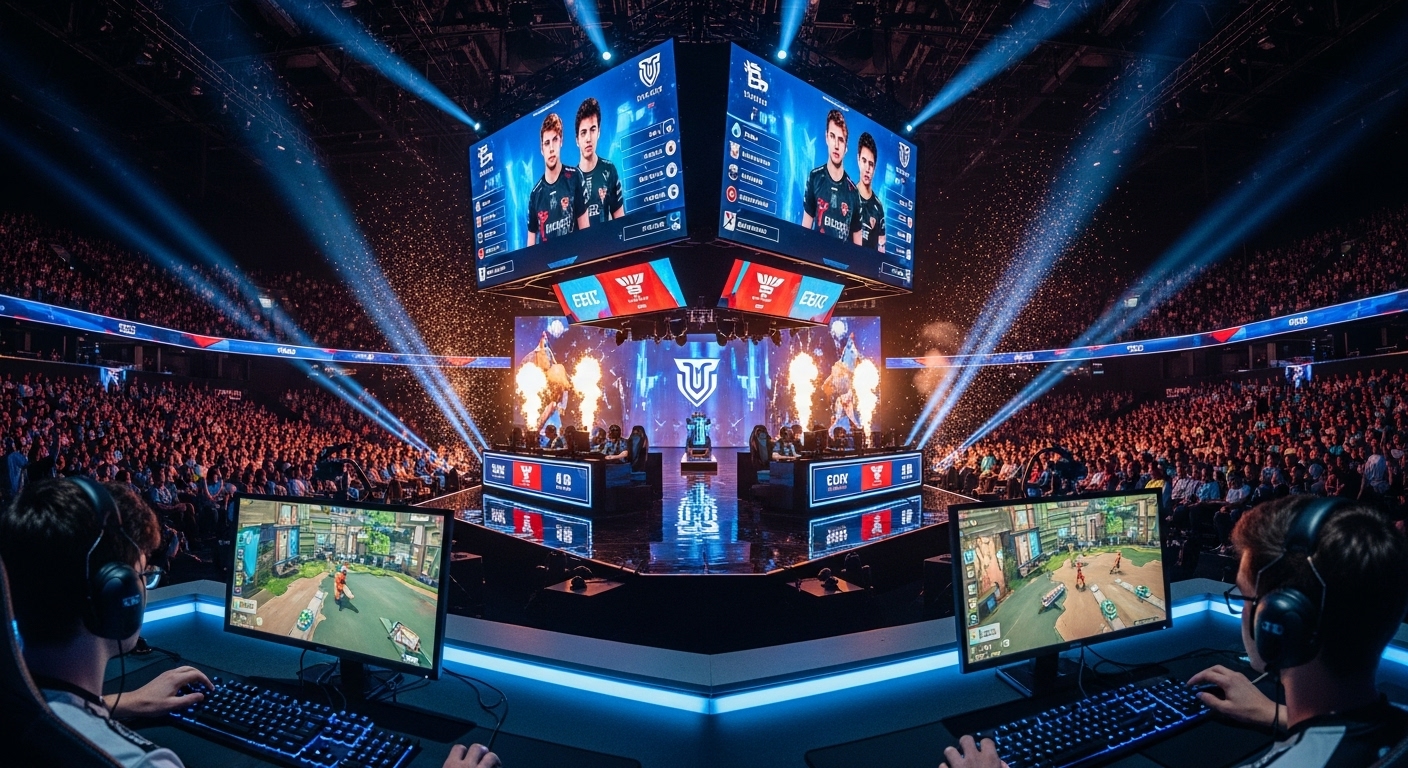
Esports organizations also began organizing large-scale tournaments with worldwide participation. Titles like League of Legends, Counter-Strike: Global Offensive, and Overwatch now boast annual world championships that attract millions of viewers. These tournaments are often broadcasted on major sports networks and streamed on multiple platforms, further increasing the visibility of esports.
4. The Role of Esports in Mainstream Culture
Esports has become an integral part of modern gaming culture, influencing everything from fashion to music. Many top-tier esports players are now celebrities, with large social media followings, endorsement deals, and even clothing lines. Fortnite, for example, not only became a massive esport but also had a significant impact on popular culture, with crossovers into movies, music, and fashion.
Moreover, esports has become a major social activity for millions of fans around the world. People no longer just watch esports—they interact with players and other fans on social media, attend live events, and even participate in amateur leagues themselves. The rise of platforms like Discord has allowed for easier communication among fans and players, creating global communities centered around esports games.
The Impact of Esports on Traditional Sports
Esports’ rise has had a profound effect on traditional sports. For one, it has attracted a younger, tech-savvy demographic that might otherwise have been disengaged from traditional forms of entertainment. Major sports leagues like the NBA, NFL, and Premier League have recognized this trend and have embraced esports in a variety of ways.
In 2017, the NBA launched its own esports league, the NBA 2K League, where players compete in the NBA 2K basketball video game. The success of the NBA 2K League inspired other traditional sports leagues, such as the Formula 1 Esports Series, and several soccer leagues in Europe, to launch their own esports initiatives.
Esports also poses a unique challenge to traditional sports media, as the younger generation increasingly gravitates toward streaming platforms instead of traditional television. This has led to a shift in how sports are consumed, with many fans opting to watch esports events over conventional sporting broadcasts.
The Future of Esports: What’s Next?
As esports continues to grow, the future looks promising. Here are a few key trends to watch for in the coming years:
1. The Integration of Virtual Reality (VR) and Augmented Reality (AR)
While esports has already come a long way with its reliance on traditional gaming platforms, the integration of VR and AR could be the next step in its evolution. Games like Beat Saber and VRChat have already demonstrated the potential of immersive virtual experiences. In the future, esports could become a fully immersive experience, with players and spectators interacting in real-time within virtual environments.
2. More International Recognition
As esports continues to spread across the globe, expect to see an increasing number of countries and governments officially recognizing esports as a legitimate sport. This could lead to more formalized structures for esports leagues, government-backed sponsorships, and even inclusion in major sporting events like the Olympics. In fact, discussions are already underway regarding the potential inclusion of esports in the Olympic Games.
3. Continued Investment in Grassroots Esports
While the big tournaments and professional leagues garner much of the attention, grassroots esports is just as important to the longevity of the industry. As more schools and universities embrace esports, the foundation for future champions is being built. Many institutions have already established competitive teams for games like League of Legends and Rocket League, and esports scholarships are becoming increasingly common.
4. Expansion Beyond Gaming
Esports is already making strides in expanding its influence beyond traditional gaming. Esports fitness is a growing trend, with players adopting professional fitness regimens to improve their gaming performance. Esports organizations are also beginning to explore ways to integrate esports into other forms of entertainment, including TV shows, movies, and even music festivals.
Conclusion
Esports has come a long way from its humble beginnings in arcade halls and university campuses. Today, it is a global industry with millions of fans, professional players, and massive tournaments that rival traditional sports in terms of viewership and prestige. With continued growth, innovation, and investment, esports is poised to become a permanent fixture in the entertainment landscape. Whether you’re a casual viewer or a hardcore fan, one thing is certain: the future of esports is incredibly bright.