 joystickarena94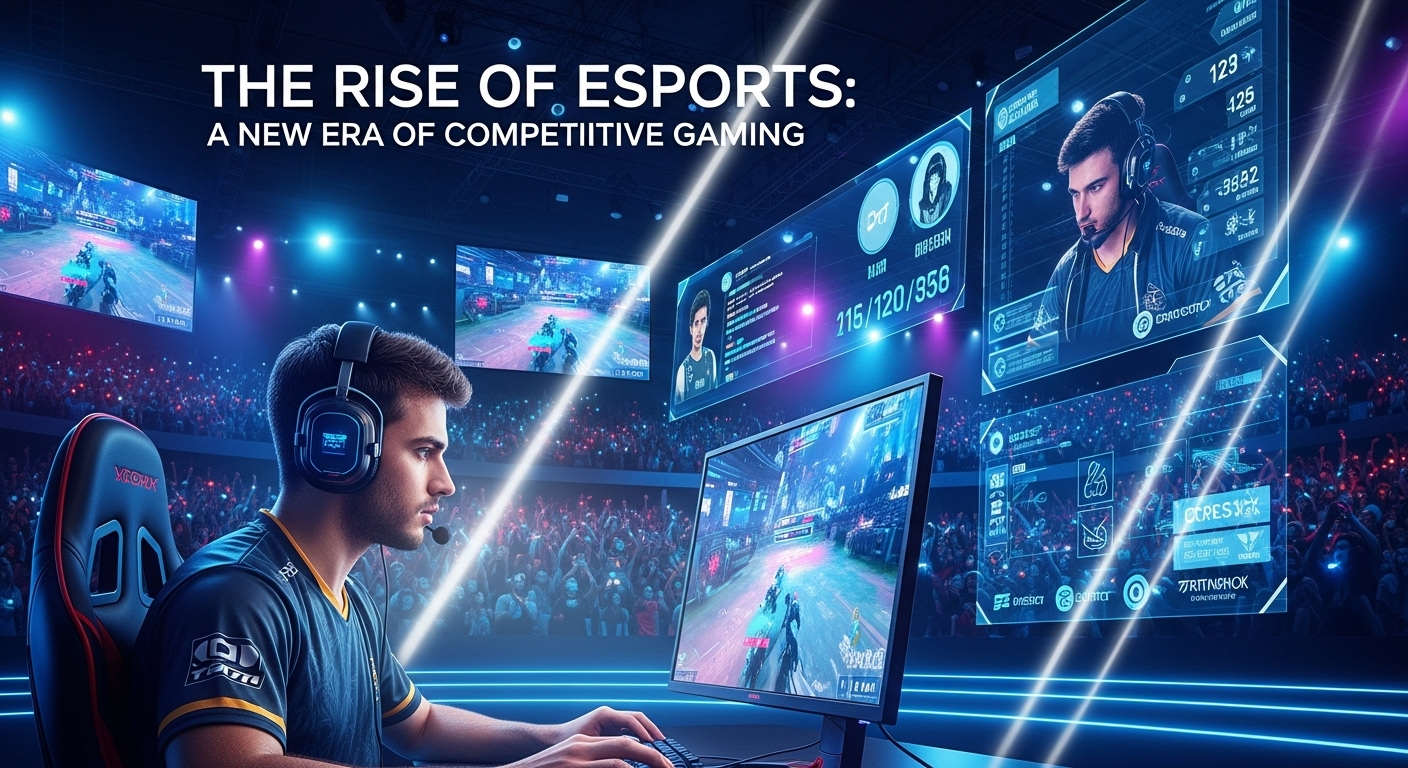
Introduction to Esports
In the twenty-first century, a new form of competition has emerged that transcends physical boundaries and merges technology, strategy, and entertainment. This phenomenon is known as esports, short for electronic sports. Esports is the world of organized, competitive video gaming where individuals and teams compete in various titles, showcasing skill, coordination, and intellect in virtual arenas. What once began as small, friendly gaming contests has transformed into a global industry worth billions, attracting sponsors, media attention, and millions of passionate fans. The growth of esports is not just a story about gaming; it is a cultural shift redefining what it means to be an athlete and how people engage with entertainment in the digital age.
The Early Beginnings of Esports
The concept of competitive gaming can be traced back to the early 1970s when video games were still in their infancy. The first recognized gaming competition took place at Stanford University in 1972, featuring the game Spacewar. Though the prize was a simple year’s subscription to a magazine, this event planted the seed for what would later become an international sensation. During the 1980s, the popularity of arcade games such as Pac-Man, Donkey Kong, and Space Invaders sparked the first major gaming tournaments. Magazines and local gaming centers began hosting competitions, and the idea of achieving a high score became a badge of honor among players.
The rise of the internet in the 1990s changed the trajectory of gaming forever. Titles such as Quake, StarCraft, and Counter-Strike introduced multiplayer experiences where players could challenge opponents from around the world. South Korea, in particular, became a pioneering hub for esports, turning games like StarCraft into national phenomena. The government and corporations invested in gaming infrastructure, creating professional leagues, televised matches, and training programs. This period marked the formal birth of esports as an organized sport rather than a casual hobby.
The Rise of Global Esports
The 2000s and early 2010s witnessed the exponential growth of esports on a global scale. Improved internet connections, advanced gaming hardware, and online streaming platforms contributed to a worldwide boom. Competitive games such as League of Legends, Dota 2, and Counter-Strike: Global Offensive became household names among gamers. International tournaments offered prize pools worth millions of dollars, transforming talented players into celebrities.
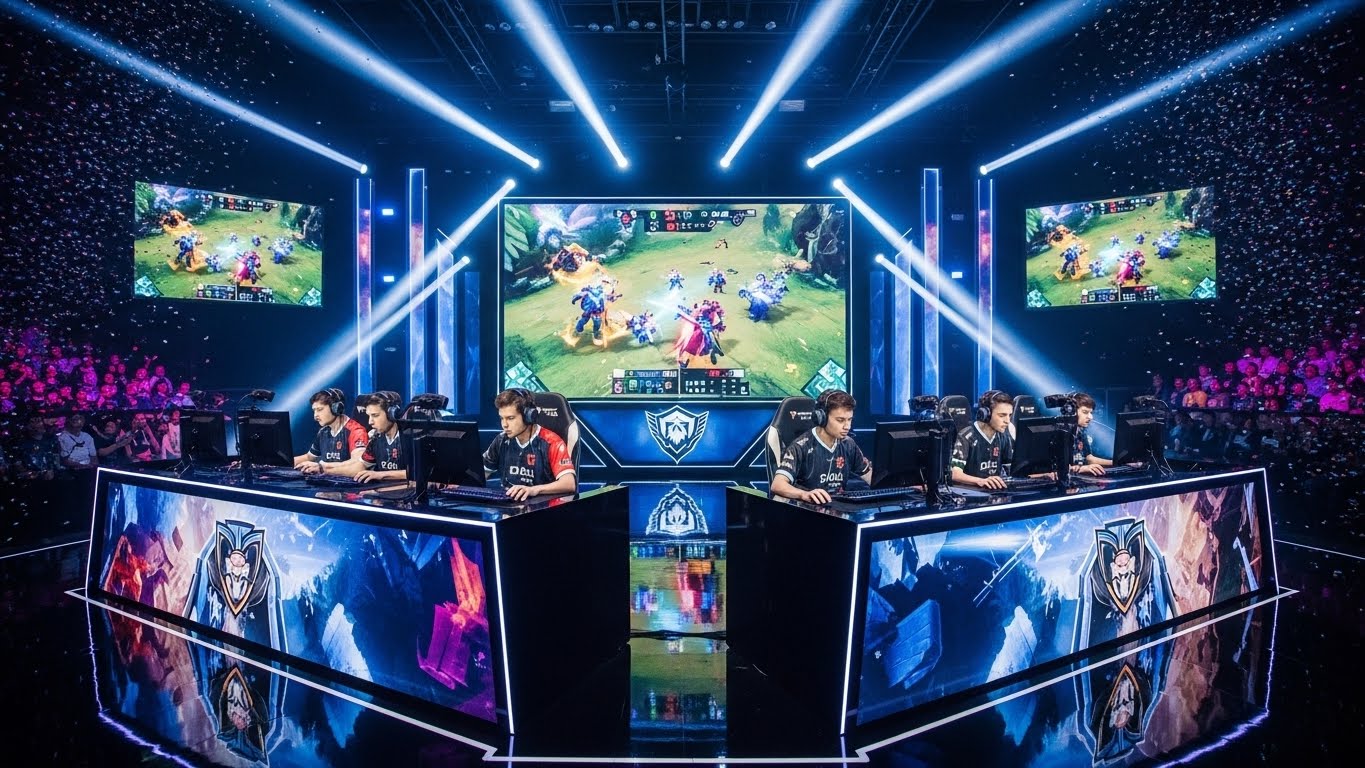
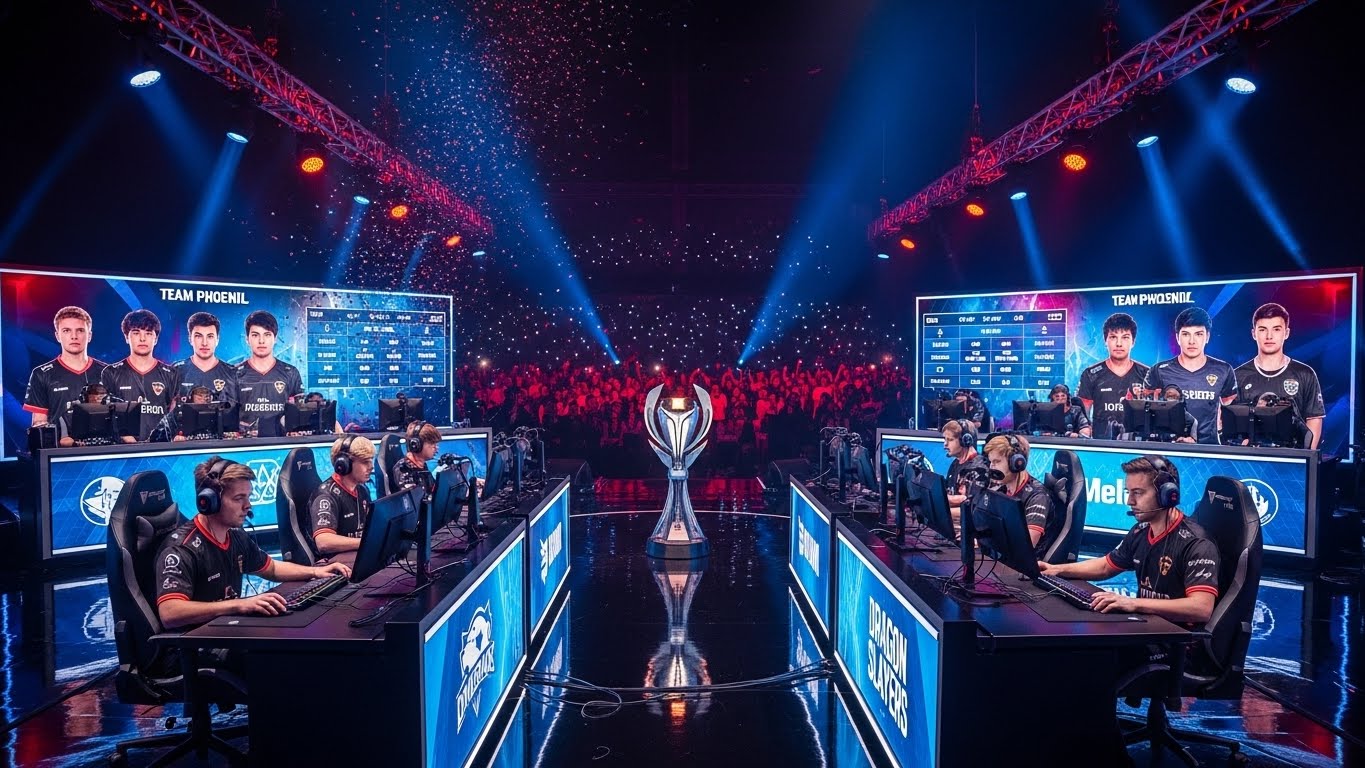
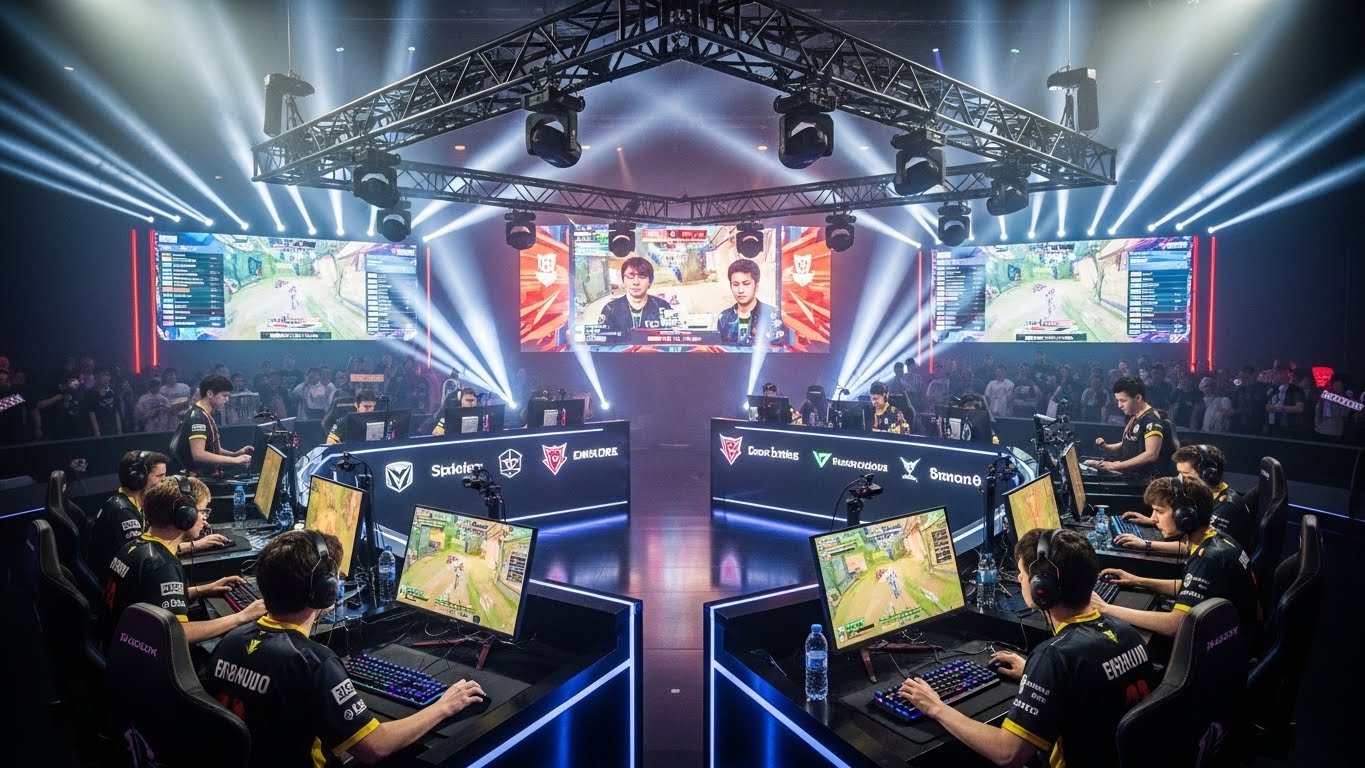
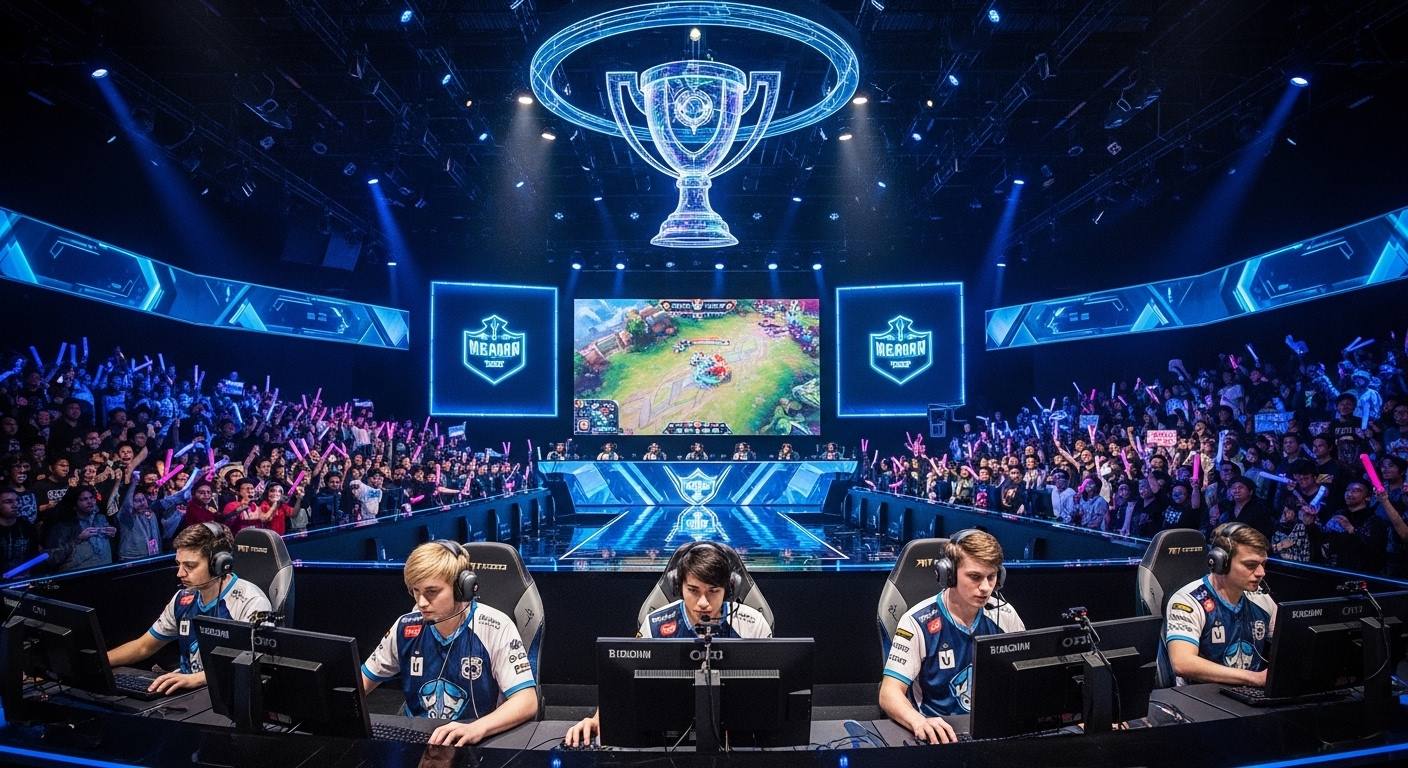
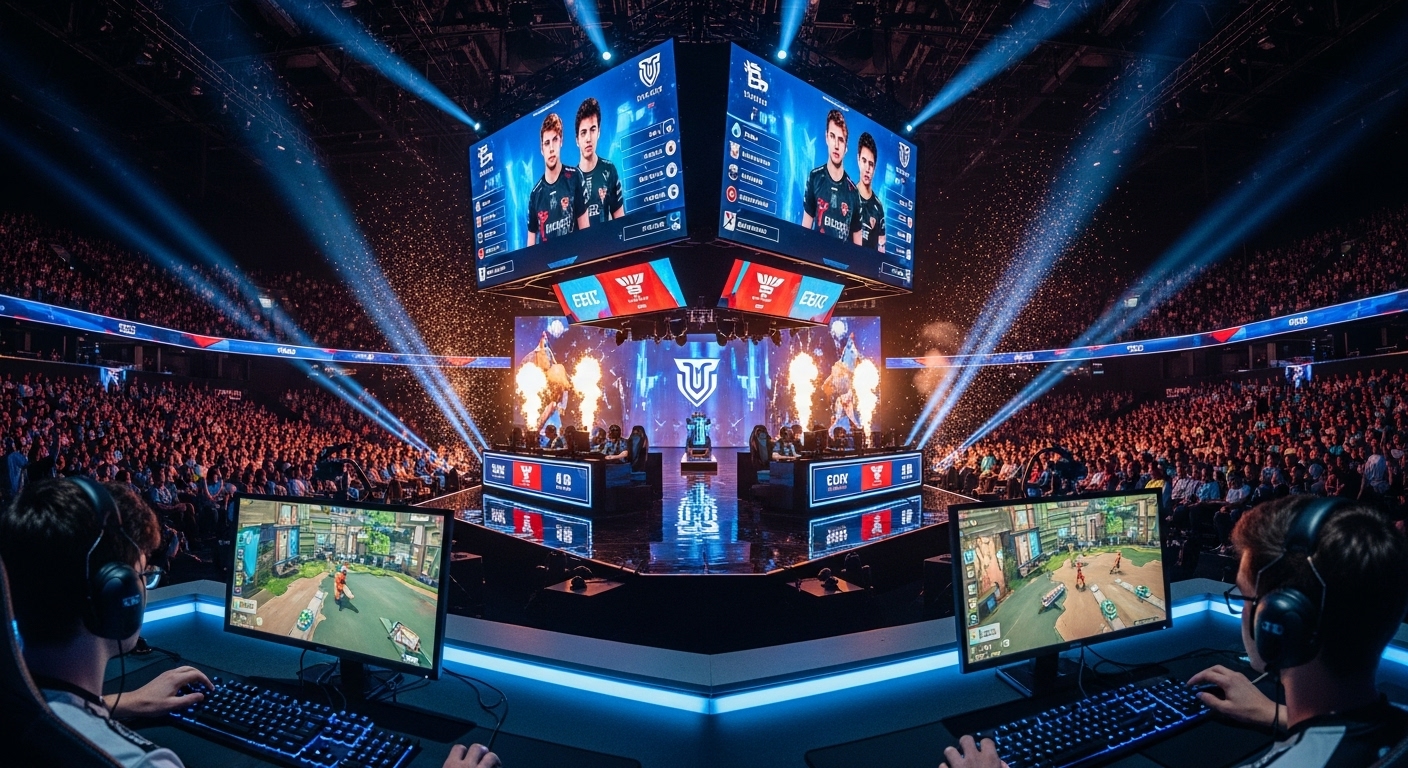
Major events like The International for Dota 2 and the League of Legends World Championship began filling stadiums, rivaling traditional sports in viewership numbers. The spectacle of thousands of fans cheering for teams on massive screens created an atmosphere similar to football or basketball games. Countries like China, the United States, and Sweden became powerhouses in various esports titles, and universities even began offering scholarships for esports athletes.
The involvement of major brands and investors brought legitimacy to esports. Companies from diverse industries began sponsoring teams, events, and players, seeing esports as a direct connection to a young, tech-savvy audience. Esports was no longer a niche hobby but a mainstream entertainment force that influenced music, fashion, and even education.
Popular Esports Titles and Genres
One of the fascinating aspects of esports is its diversity. Unlike traditional sports that have fixed formats, esports encompasses a wide variety of games, each with its own mechanics, strategies, and fan bases. The most popular genres include multiplayer online battle arenas (MOBAs), first-person shooters (FPS), battle royales, and sports simulations.
League of Legends and Dota 2 dominate the MOBA genre. These games require exceptional teamwork, real-time decision-making, and deep strategic understanding. Players must coordinate their characters’ abilities and plan objectives to outplay their opponents. The skill ceiling is incredibly high, and matches are often filled with intense moments that keep fans on the edge of their seats.
In the FPS category, games like Counter-Strike: Global Offensive, Valorant, and Call of Duty have defined competitive gaming for years. Precision aiming, quick reflexes, and teamwork are crucial for success. These games are particularly popular because they mirror traditional sports’ competitive spirit but with the added layer of tactical and technological complexity.
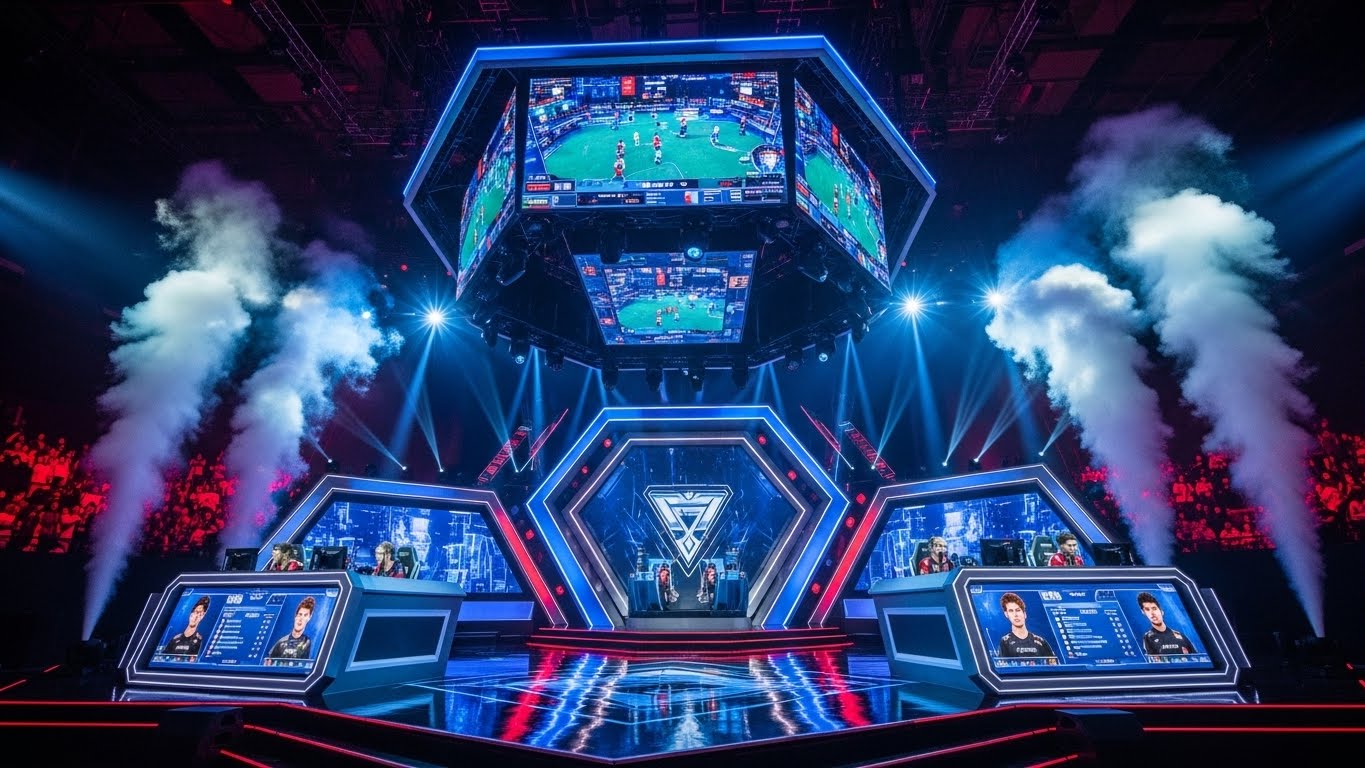
The battle royale genre, popularized by games like Fortnite and Apex Legends, has also carved a strong niche in esports. These games feature large-scale survival matches where players compete to be the last one standing, combining individual skill with creative strategy. Meanwhile, sports simulation games such as FIFA, NBA 2K, and Rocket League provide a bridge between traditional sports fans and gamers, attracting diverse audiences worldwide.
The Professional Esports Athlete
Esports professionals are not casual gamers but highly trained individuals who dedicate years to mastering their craft. Much like traditional athletes, they follow rigorous training routines, analyze gameplay footage, and maintain physical and mental discipline. Professional players practice for several hours daily, refining their reflexes, communication, and coordination.
The mental strain of esports can be immense. Players must make split-second decisions while maintaining composure under pressure. Reaction times, strategic adaptability, and consistent focus are key factors that separate elite players from the rest. Teams often hire coaches, analysts, and sports psychologists to enhance performance and team dynamics.
Contrary to outdated stereotypes, professional gamers are not isolated individuals but part of structured organizations. They live in team houses or training facilities equipped with nutritionists, fitness trainers, and media staff. The dedication and professionalism within esports mirror that of traditional sports leagues, and many organizations operate like professional football or basketball teams.
The Role of Streaming and Media in Esports Growth
Streaming platforms have played a critical role in the rise of esports. Services such as Twitch, YouTube Gaming, and other regional platforms have democratized access to gaming content. Unlike traditional sports, where broadcasting requires expensive television deals, esports thrives on digital platforms accessible to anyone with an internet connection.
Live streaming has transformed how fans engage with their favorite players and teams. Viewers can watch matches, learn strategies, and interact in real time with commentators and communities. Streamers themselves have become influencers, promoting games, products, and events while building loyal fan bases.
Major esports tournaments are now broadcasted to millions of viewers worldwide, often surpassing traditional sports in online engagement. This media exposure has not only popularized competitive gaming but also opened career opportunities in commentary, event production, marketing, and content creation. Esports media is now a vast ecosystem that extends beyond competition, contributing to entertainment, education, and even charity.
Esports and Education
As esports continues to grow, its influence has extended into education. Many schools, colleges, and universities have recognized the value of esports as both a competitive and academic field. Esports programs teach students teamwork, communication, strategic thinking, and digital literacy.
Several universities around the world offer scholarships to talented players, integrating esports into campus life. These programs encourage students to balance academics with competitive gaming, developing skills applicable in various career paths such as game design, marketing, and event management. Furthermore, esports has inspired courses focused on the business, psychology, and media aspects of gaming, preparing a new generation for careers in the ever-expanding digital entertainment industry.
The Business and Economics of Esports
Esports has evolved into a multibillion-dollar industry with multiple revenue streams. Sponsorships, advertising, ticket sales, merchandise, streaming rights, and in-game purchases all contribute to its economy. Major companies from technology, energy drinks, automotive, and fashion industries invest heavily in esports due to its appeal to younger audiences.
Esports organizations operate much like professional sports franchises. They recruit talent, negotiate contracts, manage branding, and engage in strategic partnerships. Tournament organizers generate revenue through event hosting and broadcasting deals, while game developers benefit from sustained engagement with their titles.
The financial potential of esports is enormous, especially as it continues to integrate with emerging technologies such as virtual reality, augmented reality, and blockchain. As audiences grow and cross-platform accessibility improves, esports is likely to become one of the dominant forms of global entertainment.
The Social Impact of Esports
Beyond business and entertainment, esports has had a profound cultural and social impact. It has created communities that transcend nationality, language, and background. Gamers from different parts of the world unite through shared interests, forming friendships and rivalries that define online culture.
Esports promotes inclusion and diversity by providing opportunities to individuals regardless of physical ability or geographical location. Many players who may not excel in traditional sports find recognition and success in the digital arena. The esports community is also pushing for gender diversity, with more women entering the scene as players, commentators, and organizers.
Moreover, esports has played a role in bridging generational gaps. Parents and children can now bond over shared gaming interests, and schools use esports as a platform to engage students in technology-driven learning. Its influence extends to art, music, and even fashion, making it a vital part of modern youth culture.
Challenges Facing the Esports Industry
Despite its immense success, esports faces several challenges. Player burnout is a significant issue due to intense practice schedules and the short career spans of professional gamers. Maintaining mental health and a sustainable work-life balance is increasingly emphasized within the industry.
Cheating, match-fixing, and unethical behavior also pose threats to esports integrity. Organizations are working to establish strict regulations and fair play policies to ensure transparency and professionalism. Additionally, issues like copyright disputes, streaming rights, and regional restrictions can complicate the industry’s growth.
Another challenge lies in recognition. While esports has gained legitimacy, some traditional institutions still question whether competitive gaming should be considered a “real sport.” The debate continues, but as esports integrates more structure, athleticism, and global appeal, its legitimacy becomes harder to deny.
The Future of Esports
The future of esports looks brighter than ever. Technological advancements are paving the way for immersive gaming experiences through virtual reality and augmented reality. These innovations will blur the lines between physical and digital competition, opening new possibilities for spectatorship and participation.
Artificial intelligence is also expected to revolutionize esports training. AI-driven analytics can help teams study opponents, improve strategies, and refine skills. Additionally, as 5G and cloud gaming technologies become widespread, accessibility will expand to even more players worldwide.
Esports will likely continue merging with mainstream entertainment. Collaborations between gaming, film, and music industries will create hybrid experiences that attract even larger audiences. Furthermore, as countries invest in esports infrastructure, global tournaments will become as prestigious and influential as traditional sporting events like the Olympics or the World Cup.
Conclusion
Esports has evolved from humble beginnings in college basements and arcades to become one of the most dynamic and influential industries in the world. It represents the convergence of technology, creativity, and human ambition. What makes esports truly remarkable is its inclusivity, accessibility, and potential for endless innovation.
The digital athletes of today are shaping the entertainment of tomorrow. Esports is no longer just about playing games; it is about community, opportunity, and the future of competition itself. As technology advances and cultural attitudes continue to shift, esports will undoubtedly remain a defining force in global entertainment, inspiring millions to see that skill, strategy, and passion know no boundaries in the digital arena.