 joystickarena94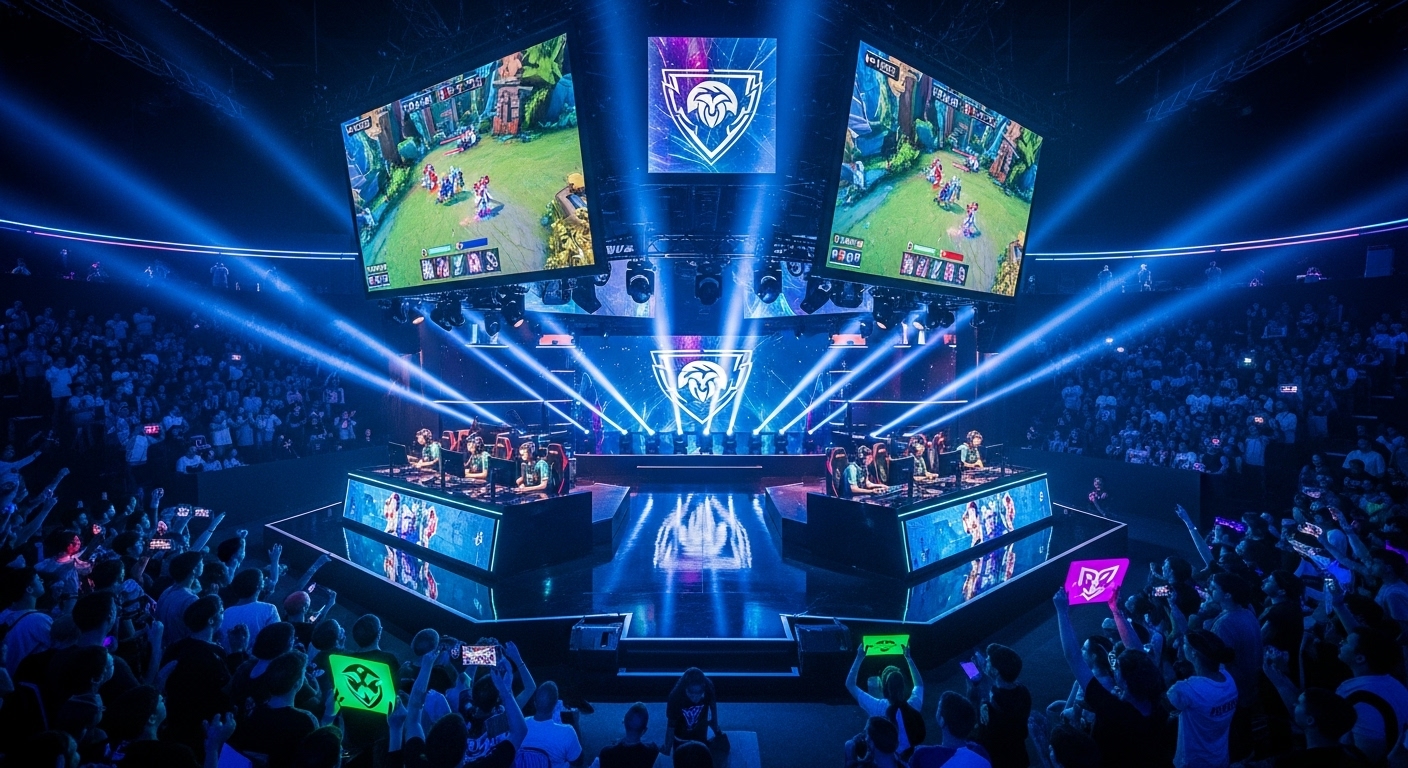
In the modern world, few cultural shifts have been as dramatic as the rise of esports. What began as a small gathering of passionate gamers has grown into a global industry worth billions, captivating millions of fans across continents. Esports—short for electronic sports—has redefined what competition means in the digital age. It combines skill, teamwork, and strategy in the virtual arena, while also influencing education, technology, entertainment, and even traditional sports.
This article explores the fascinating journey of esports, from its humble beginnings to its powerful position in the modern entertainment landscape. We will dive deep into its evolution, the factors behind its explosive growth, the challenges it faces, and what the future may hold for this digital revolution.
The Humble Beginnings of Esports
The concept of competitive gaming is far older than many realize. Long before streaming platforms and massive arenas, competitive video gaming began as local tournaments held in arcades, college basements, and small gaming cafés.
In the early 1970s, when the gaming industry was still in its infancy, video games like Spacewar! and Pong were played for fun and bragging rights. The first known esports event took place in 1972 at Stanford University, where students competed in Spacewar! for a year’s subscription to a magazine. It was a small prize, but it marked the beginning of a cultural shift.
As technology advanced through the 1980s, video games became more accessible, and competitive gaming slowly gained recognition. Games like Pac-Man, Donkey Kong, and Tetris fostered competitive spirit among players, and high-score leaderboards became an early form of esports competition. The 1990s, however, marked a turning point. The rise of personal computers, improved graphics, and the spread of the internet transformed gaming from a casual pastime into a serious hobby.
With the advent of titles like Quake, Counter-Strike, StarCraft, and Warcraft III, the concept of organized multiplayer competitions took shape. LAN (Local Area Network) parties became common, allowing players to face each other directly. The competitive scene was growing quietly, but steadily.
The Explosion of the 2000s: Esports Goes Global
The early 2000s marked the true beginning of esports as a global industry. High-speed internet and online gaming platforms allowed players to compete from anywhere in the world. Suddenly, geography was no longer a limitation.
South Korea emerged as the undisputed pioneer of professional esports during this period. The country embraced gaming culture deeply, investing heavily in infrastructure, broadband connectivity, and youth programs centered around gaming. Games like StarCraft: Brood War became national obsessions, and players achieved celebrity status. Television channels began broadcasting matches, and packed stadiums cheered for professional gamers.
This wave of enthusiasm spread across Asia, Europe, and North America. Organizations such as Major League Gaming (MLG) and the Electronic Sports World Cup (ESWC) began hosting large-scale tournaments, offering cash prizes and sponsorship deals. For the first time, gamers could see a career path in esports.
As streaming services like Twitch and YouTube Gaming emerged, esports found a new home. Instead of relying on traditional television networks, players and organizers could directly reach millions of viewers online. This direct access revolutionized the relationship between players and fans, making esports one of the most community-driven forms of entertainment in history.
The Rise of Major Esports Titles
The success of esports owes much to the games that defined its landscape. Certain titles have become pillars of the competitive gaming world, shaping entire generations of players and fans.
Games like Counter-Strike: Global Offensive, Dota 2, League of Legends, and Overwatch became the backbone of global esports. Each title brought something unique to the table. Counter-Strike emphasized teamwork and precision; Dota 2 introduced deep strategy and complex mechanics; League of Legends brought a more accessible and global appeal; and Overwatch combined fast-paced action with a vibrant, character-driven world.
Other genres also contributed to the diversity of esports. Fighting games like Street Fighter and Super Smash Bros., sports simulations such as FIFA and NBA 2K, and battle royale titles like Fortnite expanded esports’ reach even further. This variety helped make esports a global phenomenon that appealed to different cultures and audiences.
What sets esports apart is that its players are not just competitors—they are entertainers. Streamers and professional players often develop strong fanbases, engaging directly with audiences through social media, live chats, and interactive streams. This interactivity is something traditional sports can rarely replicate.
The Professionalization of Esports
As viewership and sponsorships grew, esports transitioned from informal competitions to professionally organized leagues and teams. Players signed contracts, trained in dedicated gaming houses, and followed strict schedules similar to athletes in traditional sports.
Organizations such as Team Liquid, Cloud9, Fnatic, and T1 became household names, each fielding teams across multiple games. The creation of franchised leagues like the Overwatch League and the League of Legends Championship Series brought stability and legitimacy to the industry. These leagues introduced standardized rules, revenue sharing, and global branding opportunities.
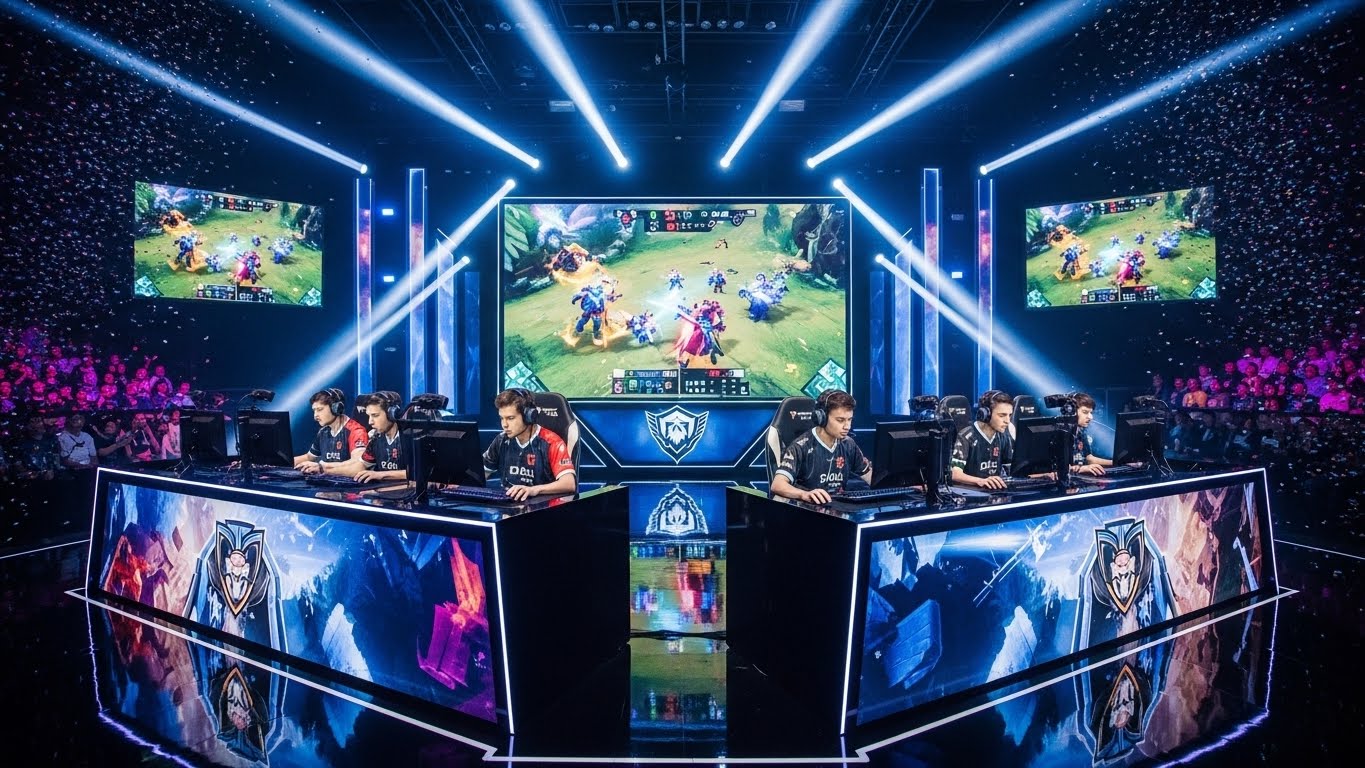
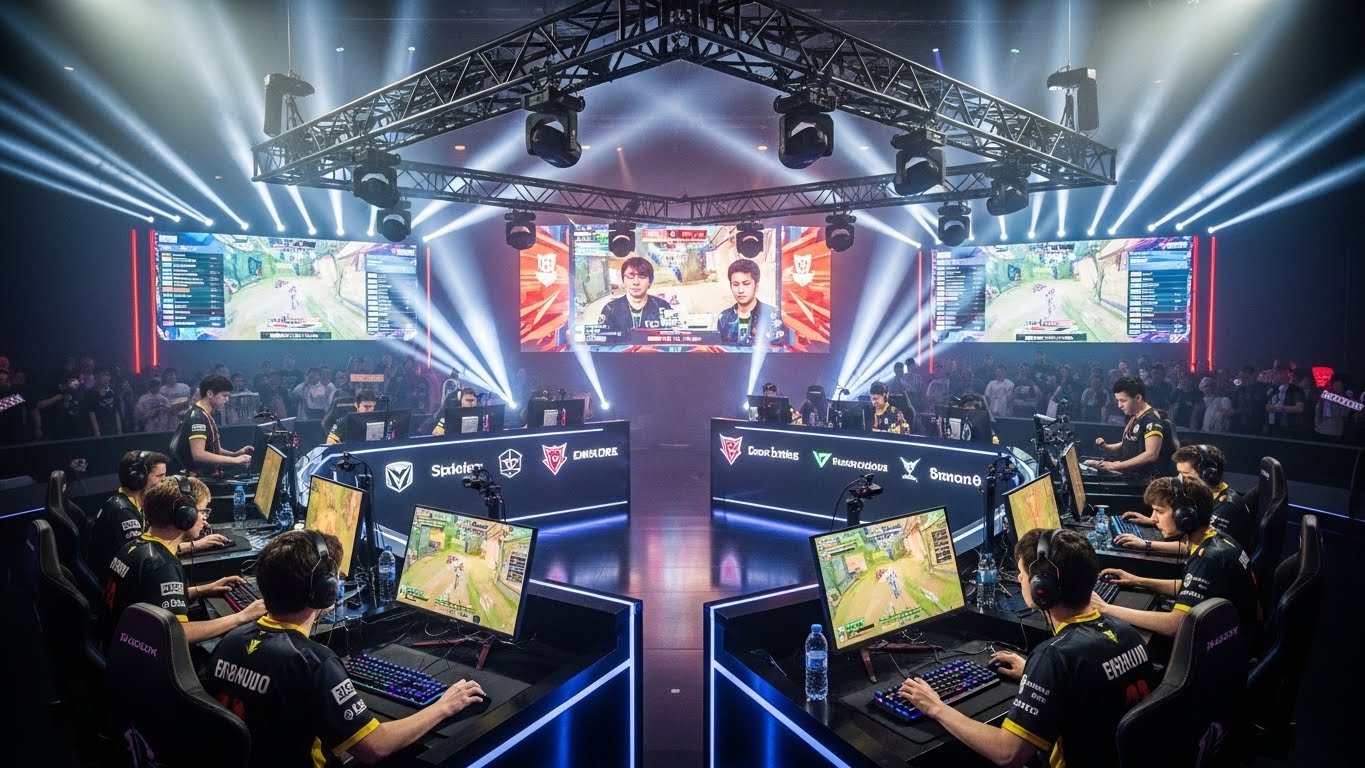
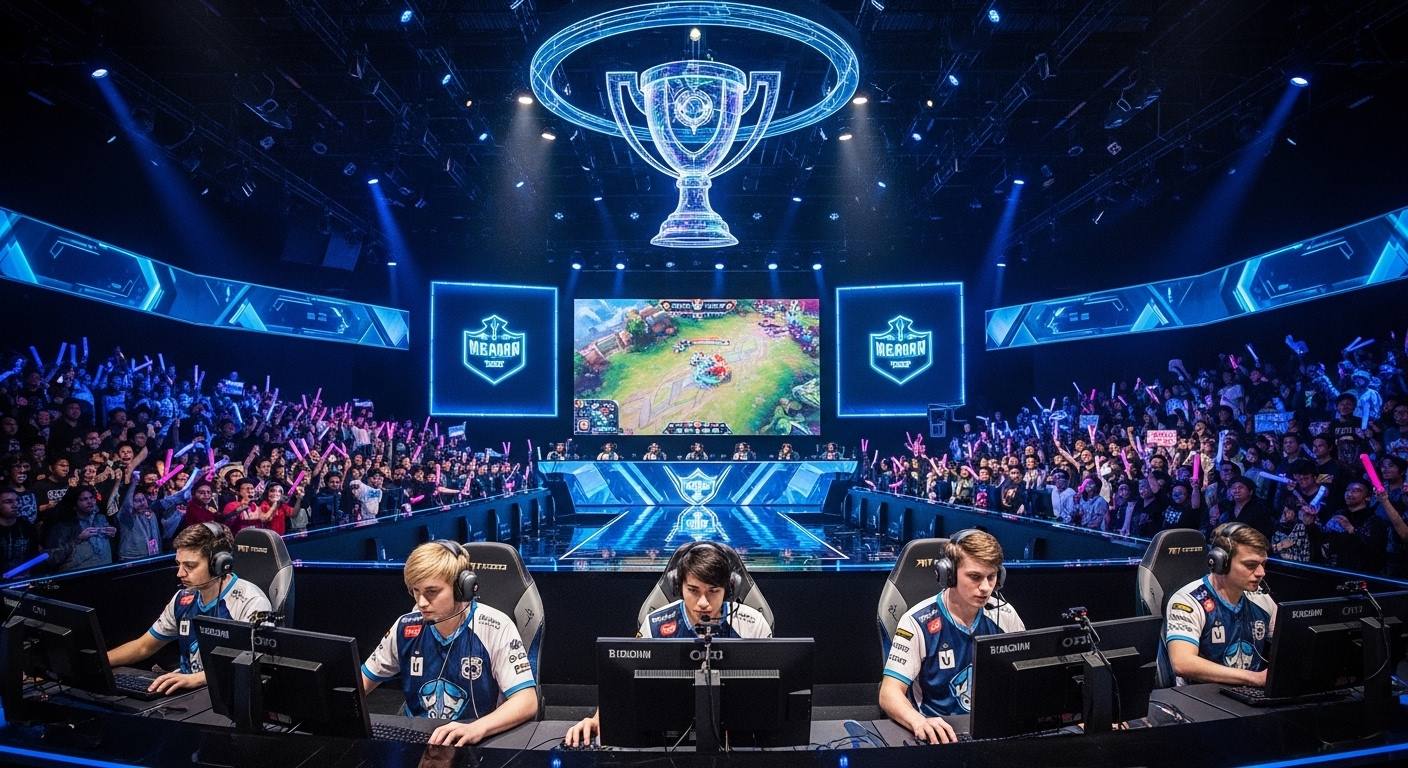
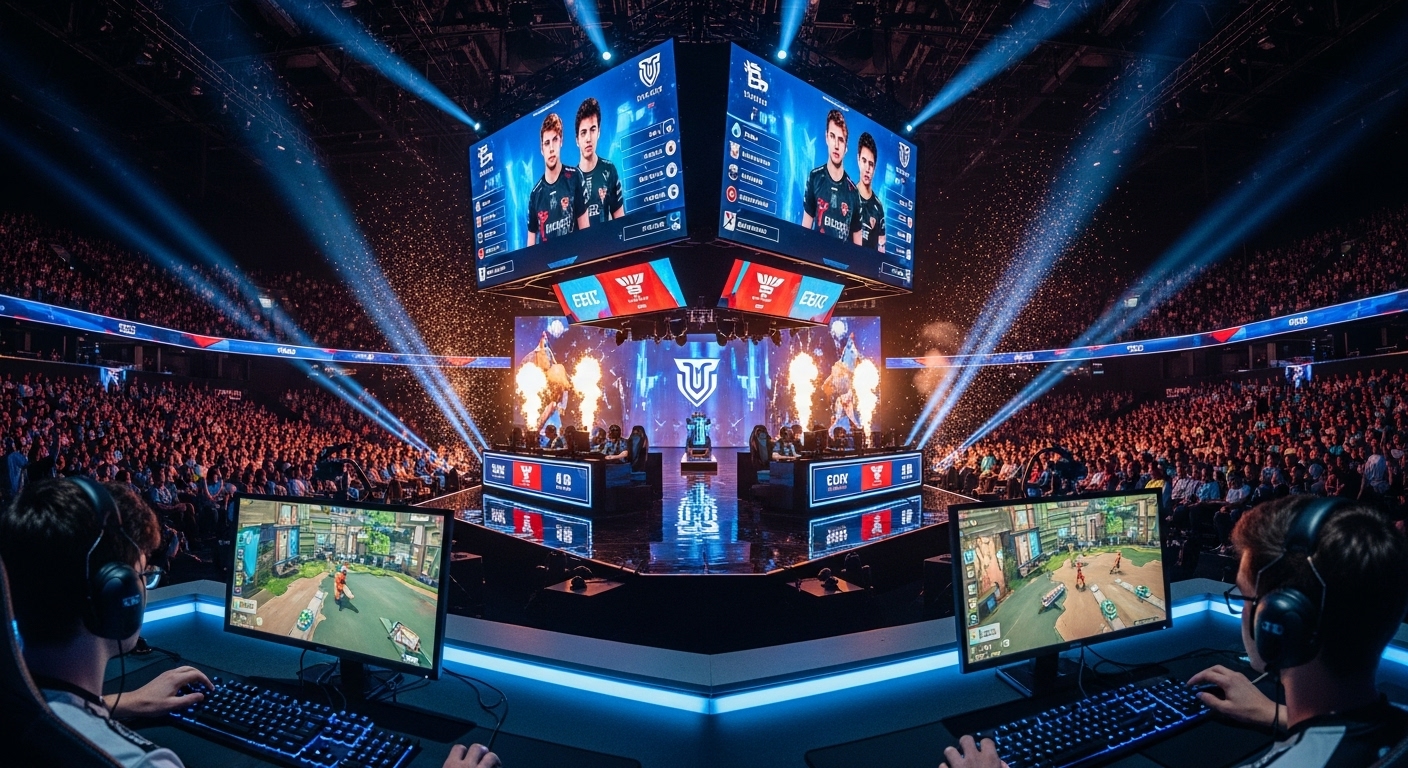
Behind the scenes, a complex ecosystem emerged. Coaches, analysts, nutritionists, and psychologists began working with teams to enhance performance. Sponsors from diverse industries—including energy drinks, tech companies, and even luxury brands—invested millions. Esports arenas began popping up in major cities, hosting massive live events that rivaled traditional sports matches in spectacle.
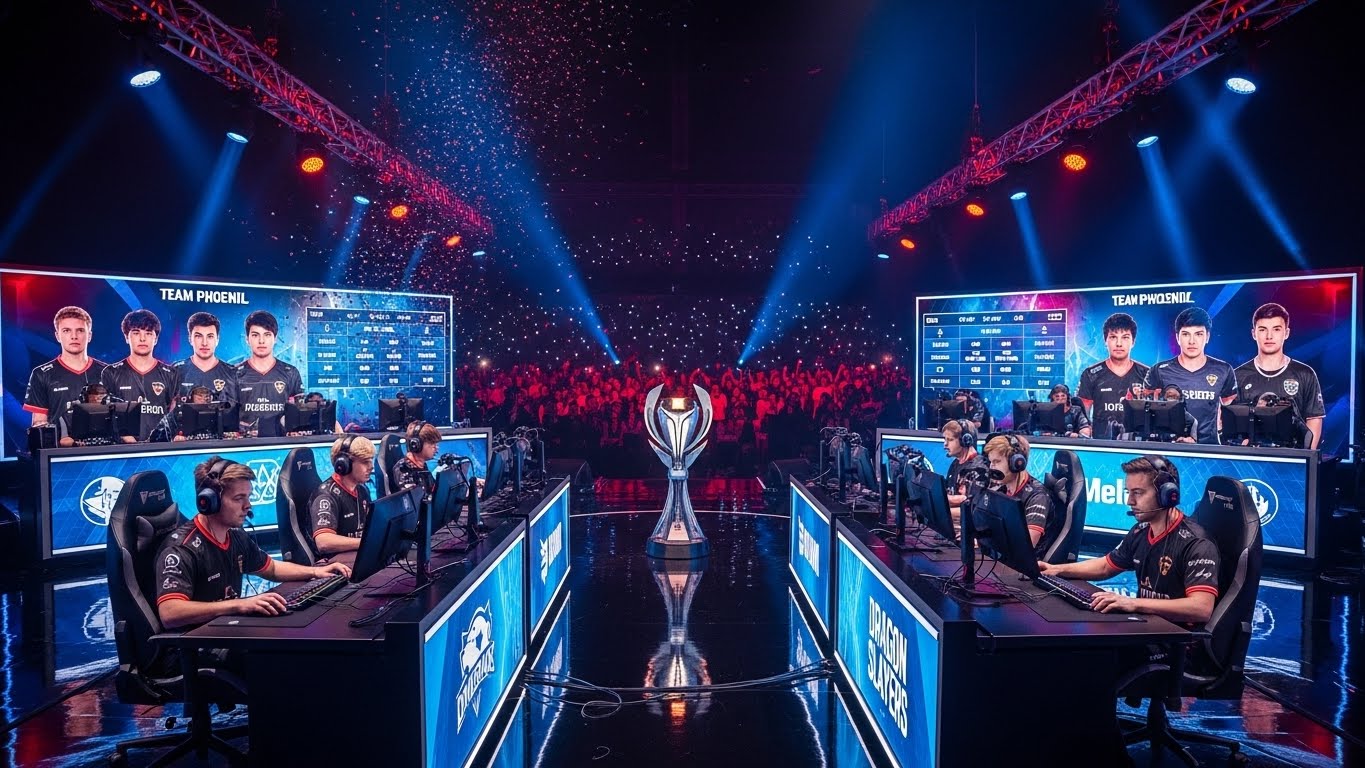
The prize pools grew exponentially. Valve’s The International, the annual Dota 2 championship, set records with multimillion-dollar rewards funded largely by the community. This financial success highlighted esports’ potential as both a competitive pursuit and a business venture.
Esports as a Cultural Movement
Esports is no longer just a form of entertainment—it has become a cultural movement that reflects modern society’s relationship with technology and community. It blurs the lines between gaming, media, and lifestyle.
Young people today grow up watching esports heroes the way earlier generations admired athletes or musicians. Professional players inspire fans with their skill, discipline, and creativity. Esports jerseys, merchandise, and collaborations with major fashion brands have turned gaming culture into a mainstream style statement.
Education systems have also taken notice. Many universities now offer esports scholarships, dedicated programs, and research opportunities. Schools recognize that esports encourages teamwork, strategic thinking, and problem-solving—skills that are valuable beyond the gaming screen.
Socially, esports has helped connect people across borders. Online communities foster friendships that transcend geography, language, and culture. Esports events bring fans together both virtually and in person, creating shared experiences that rival traditional sports fandoms.
The Role of Technology in Esports Growth
Technology is the foundation upon which esports thrives. Advances in hardware, software, and connectivity have continually shaped how games are played, viewed, and experienced.
High-performance gaming PCs, low-latency monitors, and precision peripherals have elevated the competitive standard. Cloud gaming and cross-platform play have made esports more inclusive. The rise of 5G networks and improved streaming quality have allowed fans to watch matches in real-time with minimal lag, no matter where they are in the world.
Virtual reality (VR) and augmented reality (AR) technologies are beginning to open new possibilities for immersive esports experiences. Meanwhile, artificial intelligence is being used to analyze gameplay, improve strategies, and even detect cheating.
The synergy between gaming and technology companies has fueled innovation. Esports acts as a testing ground for new tech developments, pushing boundaries in graphics, networking, and human-computer interaction.
Challenges Facing the Esports Industry
Despite its rapid success, esports faces several challenges that must be addressed to ensure sustainable growth.
One major issue is player burnout. The competitive schedule is demanding, and many professional gamers face intense pressure to perform. With long hours of training, limited physical activity, and the mental stress of competition, players often experience fatigue and health issues. Teams and organizations are now focusing more on player welfare, introducing rest periods, psychological support, and fitness programs.
Another challenge is maintaining integrity. Esports, like any competitive industry, has struggled with cheating, match-fixing, and doping controversies. Because esports exists in the digital realm, it faces unique vulnerabilities such as software manipulation or unauthorized modifications. Organizations continue to strengthen their anti-cheat systems and regulatory frameworks to preserve fair play.
Financial sustainability also remains a concern for some esports organizations. While top-tier teams thrive on sponsorships and media deals, smaller teams often struggle to survive due to high costs and fluctuating revenue streams.
Additionally, gender disparity is a topic that esports is beginning to address. While gaming is universally accessible, the professional scene has historically been dominated by men. Efforts are now being made to create more inclusive spaces, support female players, and promote diversity at all levels of the industry.
Esports and Traditional Sports: The Great Convergence
At one point, traditional sports and esports seemed worlds apart. But as time goes on, the two industries are finding common ground and even merging in fascinating ways.
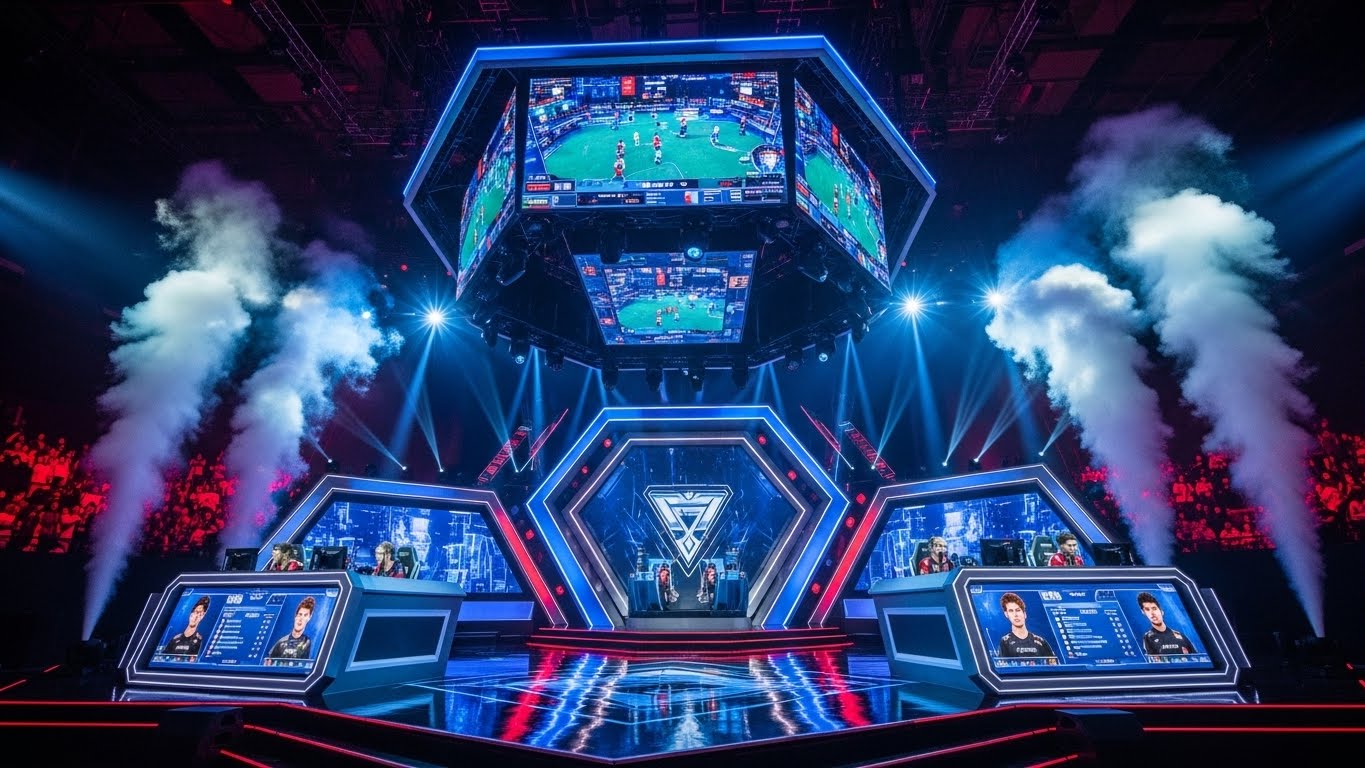
Many traditional sports organizations have entered the esports space, investing in teams or launching their own esports divisions. Football clubs like Manchester City, Paris Saint-Germain, and FC Barcelona have professional gaming teams competing in FIFA and other titles. The NBA has its own esports league, the NBA 2K League, featuring official franchises representing real-world basketball teams.
This convergence demonstrates mutual respect and opportunity. Traditional sports see esports as a way to engage younger audiences who consume entertainment digitally, while esports benefits from the infrastructure, professionalism, and sponsorship expertise of established sports organizations.
The similarities between athletes and esports players are striking. Both require precision, coordination, and intense mental focus. Both rely on strategy, teamwork, and discipline. And both evoke passionate fan loyalty.
The Business of Esports
The business side of esports has become as sophisticated as its gameplay. With revenues surpassing the billion-dollar mark, esports has become an ecosystem involving sponsors, advertisers, developers, and media partners.
Sponsorship and advertising form the backbone of the industry’s revenue. Major corporations view esports as an ideal platform to reach the digital generation. Brands that once focused exclusively on sports or entertainment now target gamers as a key demographic.
Broadcasting rights and streaming platforms also play a crucial role. Major tournaments attract millions of viewers, making esports one of the most-watched forms of entertainment globally. Media companies compete for rights to stream high-profile matches, further driving growth and exposure.
Merchandising, ticket sales, and digital content have become additional revenue streams. Some tournaments sell out stadiums within minutes, proving the strong demand for live experiences even in a digital-first industry.
The Future of Esports
The future of esports is boundless. With continuous technological advancement, evolving game design, and increasing mainstream recognition, the industry shows no signs of slowing down.
We are entering an era where virtual and physical worlds blend seamlessly. Augmented reality arenas, holographic projections, and AI-assisted training tools are just a glimpse of what’s to come. Esports could eventually be included in international multi-sport events such as the Olympics, a discussion that continues to gain traction.
The rise of mobile gaming is also reshaping esports accessibility. Mobile titles like PUBG Mobile, Mobile Legends, and Free Fire have opened competitive opportunities to players who might not have access to high-end PCs or consoles. This inclusivity is driving esports growth in developing regions.
Furthermore, esports’ integration into education and career development suggests that it will become a lasting cultural pillar. The values it teaches—discipline, teamwork, adaptability—will continue to resonate beyond gaming.
Conclusion: The Legacy of Esports
Esports is more than competition; it is a reflection of modern creativity, technology, and global connection. It stands at the crossroads of entertainment, business, and culture, reshaping how society views both gaming and sports.
From basement tournaments in the 1970s to sold-out arenas and worldwide streaming audiences, the story of esports is one of passion and perseverance. It has proven that digital skills and mental agility deserve the same recognition as physical prowess.
As esports continues to evolve, its impact will only deepen. It will inspire new generations of players, creators, and innovators. It will continue to bridge cultures, transcend boundaries, and redefine what it means to play—and to win—in the twenty-first century.
The rise of esports is not a passing trend. It is a testament to how human connection can thrive in digital spaces, how technology can elevate imagination, and how competition can unite rather than divide. In every click, every match, and every victory, esports captures the spirit of a world that plays together, grows together, and dreams together.