 joystickarena94
Introduction to Esports
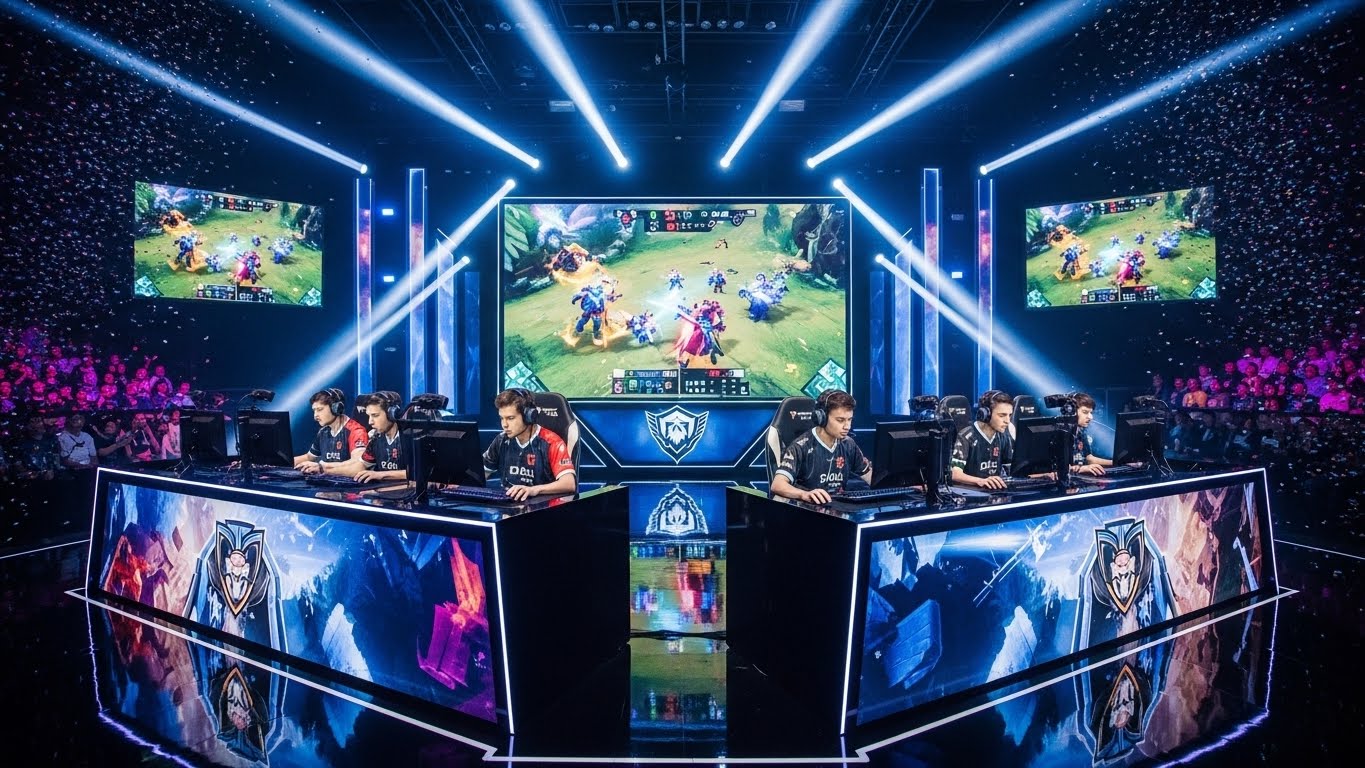
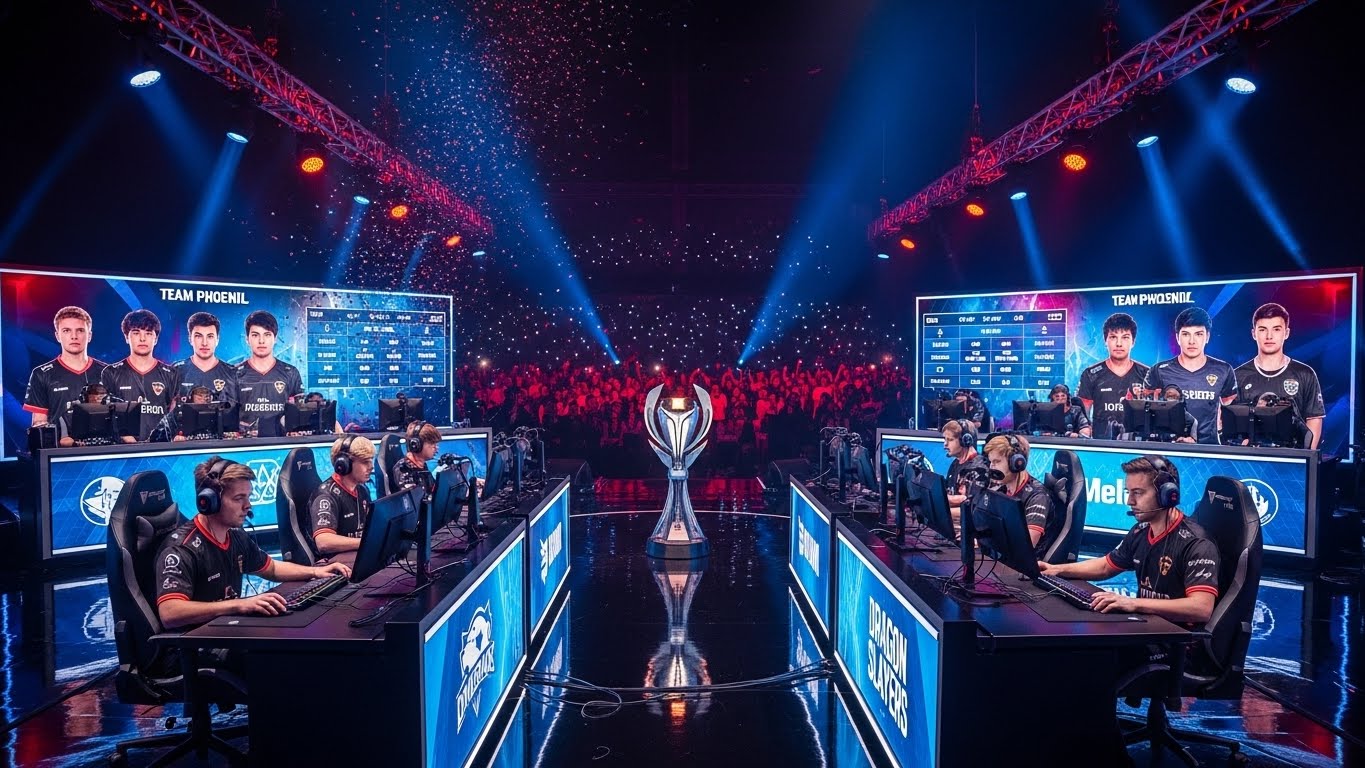
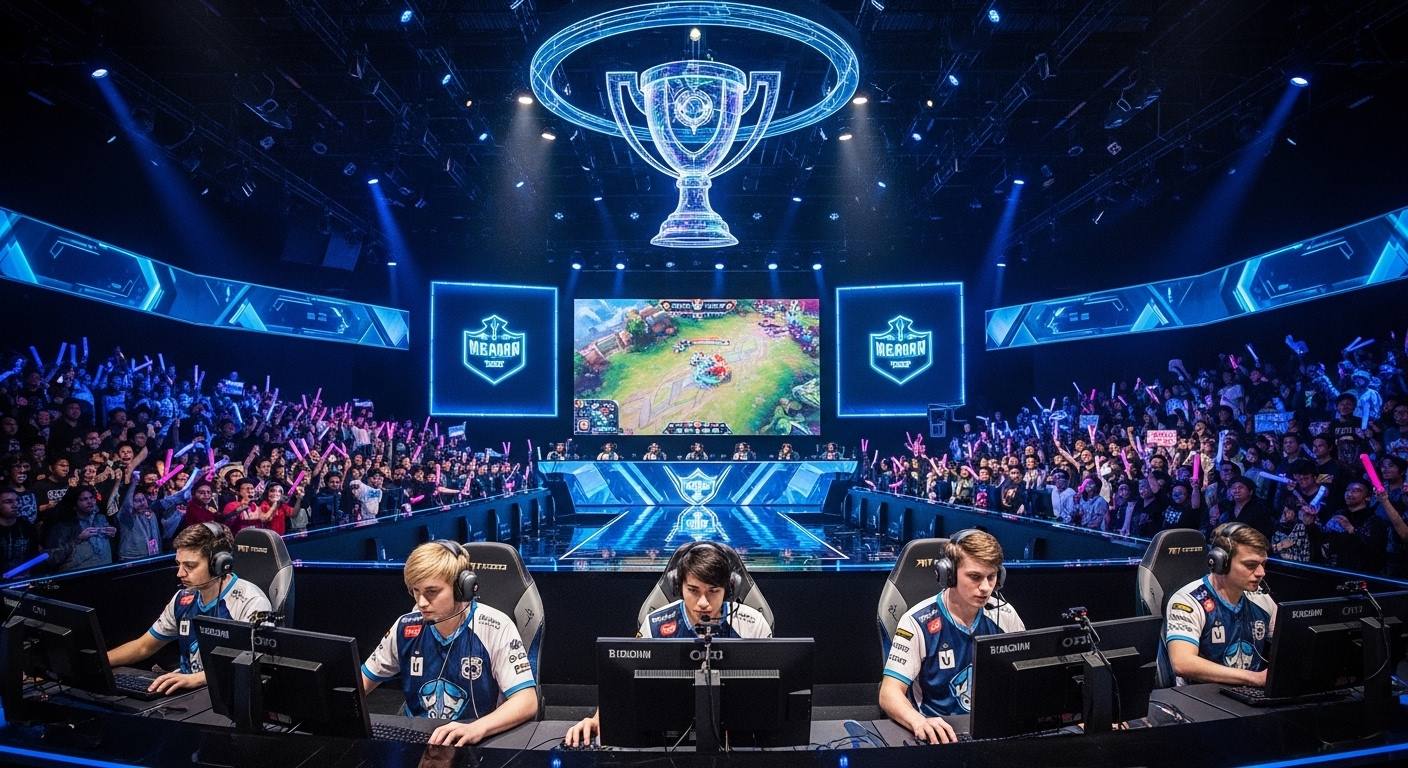
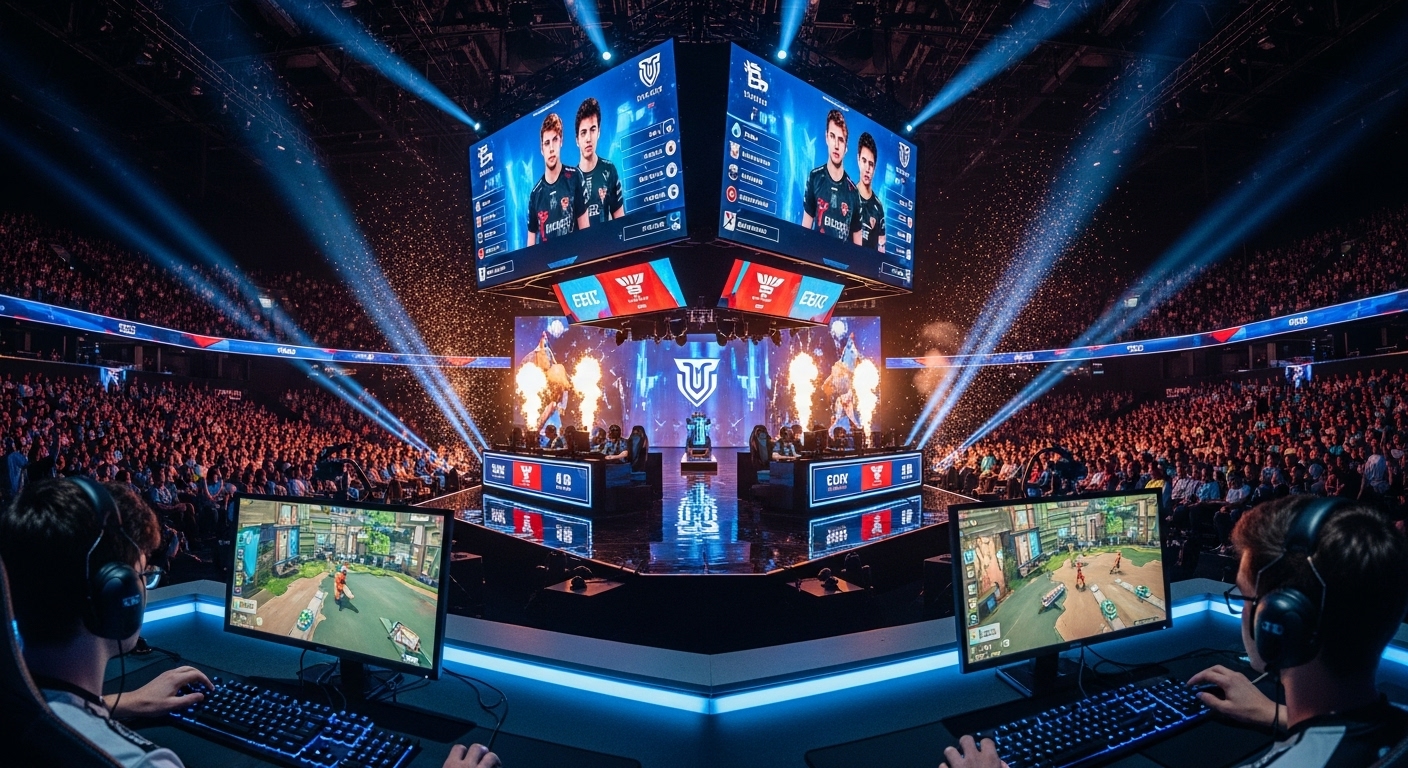
Esports, short for electronic sports, refers to organized video game competitions where players or teams compete for prizes, recognition, and glory. Over the past two decades, esports has transformed from small local tournaments in arcades and internet cafés to massive global events filling stadiums and watched by millions online. What was once considered a hobby has now evolved into a professional and highly lucrative industry. Esports has broken barriers, connecting people across continents, cultures, and languages through the universal language of gaming.
The rise of esports is one of the most remarkable phenomena in modern entertainment. It combines the excitement of traditional sports with the innovation of technology, creating a unique blend of competition, creativity, and community. Today, esports is not just about playing video games; it represents a cultural revolution, a new form of sportsmanship, and a gateway to the digital future.
The Early Days of Competitive Gaming
Before esports became a mainstream sensation, competitive gaming had humble beginnings. In the 1970s and 1980s, video games like Space Invaders, Pac-Man, and Donkey Kong began to captivate players around the world. The first known video game competition took place in 1972 at Stanford University, where students competed in Spacewar. This event, though small, set the stage for what would later become a billion-dollar industry.
The 1990s marked a major turning point with the rise of personal computers and home consoles. Games like Street Fighter II, Quake, and StarCraft gave birth to early competitive scenes. LAN (Local Area Network) parties became popular, where players connected their computers to compete directly with one another. South Korea, in particular, embraced gaming culture early on, establishing dedicated television channels to broadcast professional matches of games like StarCraft. These broadcasts attracted millions of viewers and turned players into celebrities, paving the way for the global esports phenomenon.
The Growth of Professional Esports
As internet connectivity improved in the early 2000s, online multiplayer games became more accessible and competitive gaming grew rapidly. Titles like Counter-Strike, Dota, and Warcraft III developed strong communities that organized tournaments and professional leagues. The introduction of streaming platforms such as Twitch and YouTube Gaming revolutionized the industry, allowing players to broadcast their gameplay to massive audiences. This democratized access to esports, as anyone could watch professional matches live from anywhere in the world.
By the 2010s, esports had entered the mainstream. Major tournaments such as The International (Dota 2), League of Legends World Championship, and the Fortnite World Cup offered prize pools in the millions. Corporate sponsorships, brand deals, and media rights began pouring into the scene. Companies like Intel, Coca-Cola, and Nike saw the potential of reaching a young, tech-savvy audience through esports.
Professional players became icons, representing teams that operated much like traditional sports franchises. Coaches, analysts, and sports psychologists joined organizations to support players’ performance. Training regimens became structured and intense, often mirroring those of athletes in physical sports.
Popular Esports Titles That Defined an Era
Several games have played a defining role in shaping the esports landscape.
League of Legends (LoL) – Developed by Riot Games, LoL is one of the most influential esports titles. Its annual World Championship attracts millions of viewers, and the game’s ecosystem supports regional leagues around the world.
Dota 2 – Known for its complex gameplay and massive prize pools, Dota 2’s The International tournament is legendary in the esports world. The community-driven crowdfunding model for the tournament’s prize pool has set records in gaming history.
Counter-Strike: Global Offensive (CS:GO) – A tactical first-person shooter, CS:GO has remained a cornerstone of esports for over a decade. Its balance between skill, teamwork, and strategy makes it a fan favorite.
Fortnite – Epic Games’ Fortnite redefined the boundaries of esports by combining casual entertainment with competitive gaming. The Fortnite World Cup showcased how a battle royale game could host massive global competitions.
Valorant, Overwatch, and Call of Duty – These games continue to contribute to the ever-evolving esports scene, blending fast-paced action with team-based strategies that captivate audiences.
The Business of Esports
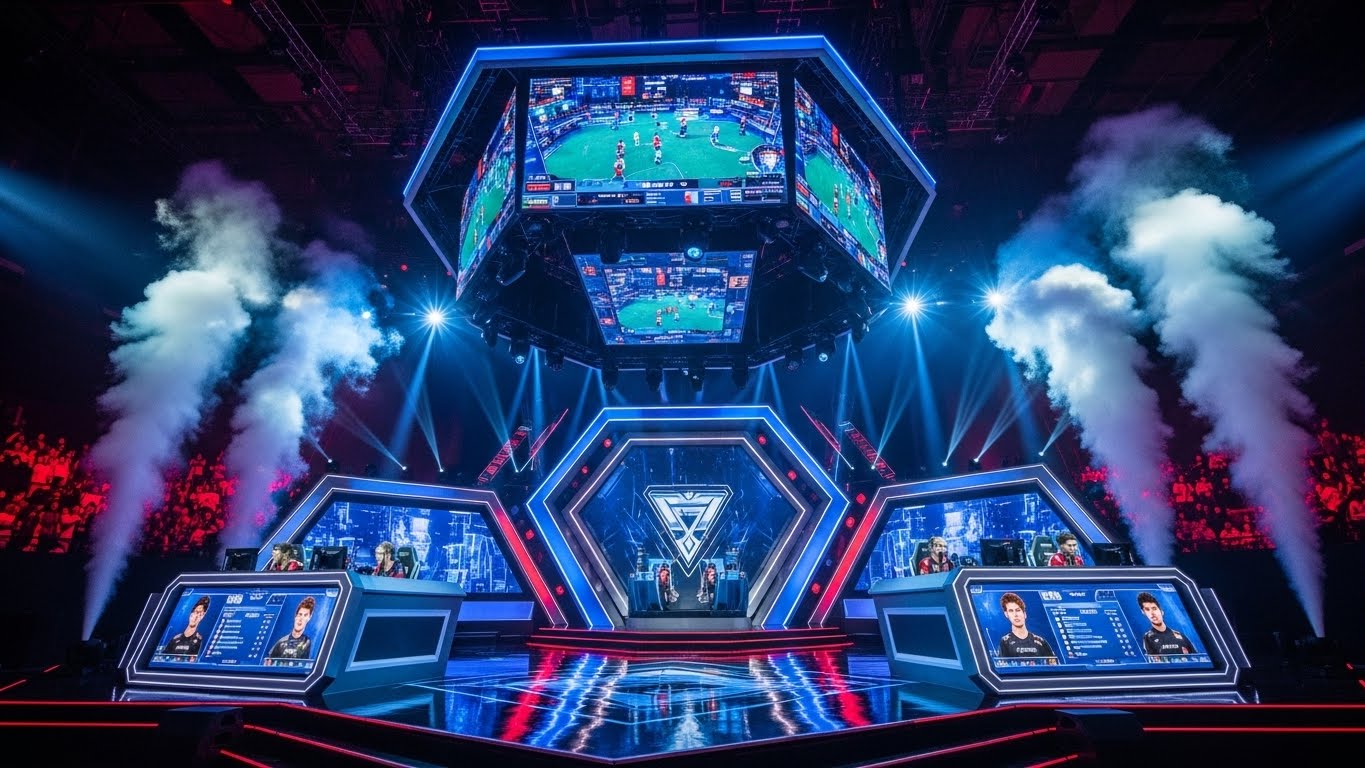
The esports industry is not just about gaming; it’s a thriving business ecosystem involving sponsorships, merchandising, media rights, and live events. Global esports revenues have surpassed the billion-dollar mark, with consistent growth year after year.
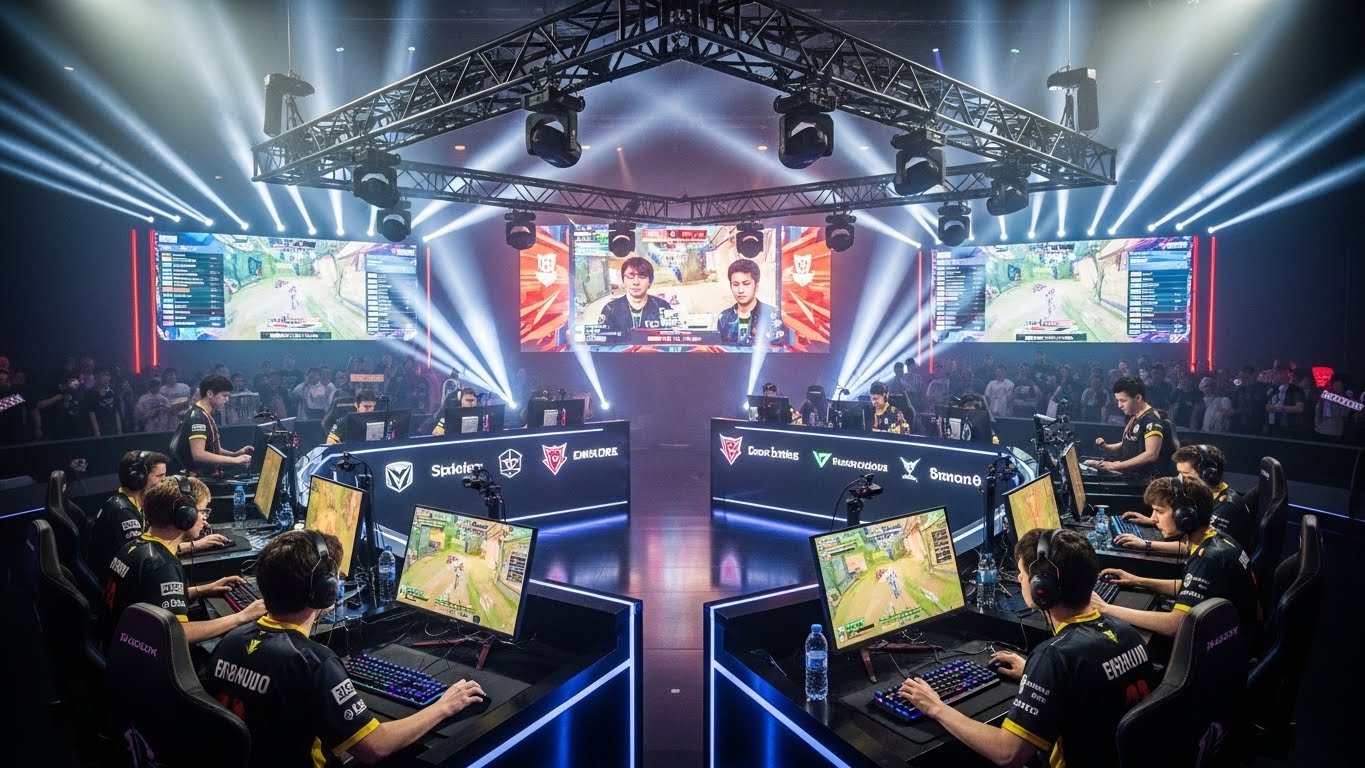
Teams operate much like sports clubs, complete with branding, marketing, and fan engagement strategies. Major esports organizations such as Team Liquid, Fnatic, and Cloud9 have diversified revenue streams through merchandise, streaming, and partnerships. Event organizers like ESL and DreamHack have turned tournaments into global spectacles, hosting events in massive arenas and drawing millions of online viewers.
Broadcasting rights have also become a major source of income. Streaming services compete to secure exclusive rights to broadcast premier events. The rise of mobile gaming has further expanded the market, particularly in regions like Asia and South America, where titles such as PUBG Mobile and Mobile Legends have become dominant forces.
The Role of Technology in Esports
Technology is the backbone of esports. High-performance gaming PCs, fast internet connections, and powerful graphics engines have enabled seamless gameplay and streaming experiences. Cloud gaming and virtual reality are emerging technologies that promise to further enhance the esports experience in the coming years.
Streaming platforms and social media have democratized access, allowing players to build personal brands and engage directly with their fans. Artificial intelligence is being used for player analytics, performance tracking, and even anti-cheating systems. Meanwhile, 5G networks are enabling smoother mobile gaming experiences, breaking geographical barriers.
Esports as a Career Path
In the past, becoming a professional gamer was seen as an unrealistic dream. Today, esports has become a legitimate career choice for many. Professional players earn salaries, sponsorships, and tournament winnings. Beyond playing, numerous roles exist in the industry, including coaching, event management, broadcasting, game development, and marketing.
Educational institutions have also recognized the potential of esports. Universities across the world are offering esports scholarships and programs that teach gaming management, production, and strategy. This institutional recognition highlights esports as an essential part of modern culture and the digital economy.
The Psychology and Strategy Behind Esports
Esports is not merely about fast reflexes; it demands deep strategic thinking, teamwork, and mental resilience. Professional players spend countless hours studying their opponents, refining tactics, and practicing under pressure. The mental fortitude required to perform at the highest level is comparable to that of athletes in traditional sports.
Sports psychologists are increasingly becoming part of esports organizations, helping players deal with stress, burnout, and performance anxiety. Team dynamics and communication play crucial roles in determining success. In a competitive match, a single decision or mistake can change the outcome, so maintaining focus and emotional control is vital.
Esports Communities and Culture
At the heart of esports lies its community. Fans, streamers, content creators, and casual players together form a vibrant and passionate culture. Esports events are celebrated like festivals, bringing together people from all walks of life. Online forums, social media groups, and fan art contribute to the sense of belonging within the gaming ecosystem.
The culture of esports also extends beyond competition. It has inspired fashion, music, and entertainment. Collaborations between game developers and artists have led to virtual concerts and in-game events that blur the lines between digital and real-world experiences.
The Global Reach of Esports
Esports transcends geographical boundaries. From Asia to Europe, North America to Africa, the industry has a truly global presence. South Korea remains one of the pioneers, with its players often dominating international tournaments. China, too, has emerged as a powerhouse, both in terms of audience size and financial investment.
In Western countries, esports has gained recognition as a legitimate form of competition. Many European nations and the United States now host official esports leagues and tournaments. In developing regions, esports offers new economic opportunities, empowering young individuals to pursue careers in gaming, streaming, and content creation.
Challenges Facing Esports
Despite its rapid growth, the esports industry faces several challenges. Player burnout, match-fixing, and lack of standardized regulations are major concerns. The fast-paced nature of gaming means that popular titles can fade quickly, affecting the stability of careers and organizations.
Another challenge is inclusivity. While esports is open to all, gender representation remains limited, with women often facing harassment and underrepresentation in professional circuits. However, initiatives and women’s leagues are emerging to address this imbalance.
Health concerns also play a role, as players spend long hours in front of screens, leading to physical strain and mental fatigue. Maintaining a healthy lifestyle and balanced training regimen has become a key focus for professional teams.
Esports and Traditional Sports: A Comparison
Esports and traditional sports share many similarities, including competition, teamwork, and fan engagement. Both require dedication, training, and discipline. The main difference lies in the medium—while traditional sports rely on physical ability, esports focuses on mental agility and precision.
Interestingly, traditional sports organizations have begun investing in esports. Football clubs like Manchester City, Paris Saint-Germain, and Barcelona have launched their own esports divisions, recognizing the potential to connect with younger audiences. The Olympics has also explored including esports-related events, further legitimizing gaming as a sport.
The Future of Esports
The future of esports looks brighter than ever. With advancements in technology, virtual reality, and artificial intelligence, the boundaries of gaming continue to expand. Metaverse concepts and immersive virtual arenas may soon redefine how tournaments are experienced, both by players and spectators.
Esports will likely continue to integrate with education, health, and business sectors. The growth of mobile and cloud gaming will make competitive play more accessible to people worldwide. As the industry matures, better regulations and player welfare systems will ensure sustainability and fairness.
Moreover, esports has the potential to become a bridge between cultures. Its global reach and digital nature make it an ideal platform for promoting unity, creativity, and innovation. The next generation of players, fans, and developers will shape an industry that represents not just competition, but collaboration and community.
Conclusion
Esports is more than just a modern trend; it is a reflection of how technology, entertainment, and human ambition converge in the digital age. From its modest beginnings in university halls to packed arenas filled with cheering fans, esports has redefined what it means to compete and connect.
As the industry continues to grow, it will play an increasingly important role in shaping the future of sports, media, and culture. Esports symbolizes the limitless potential of human creativity when combined with technology. It is a world where anyone, regardless of background, can rise to greatness through skill, dedication, and passion.
In the end, esports is not merely about winning games—it is about pushing boundaries, building communities, and celebrating the spirit of competition that unites us all.