 joystickarena94
Introduction
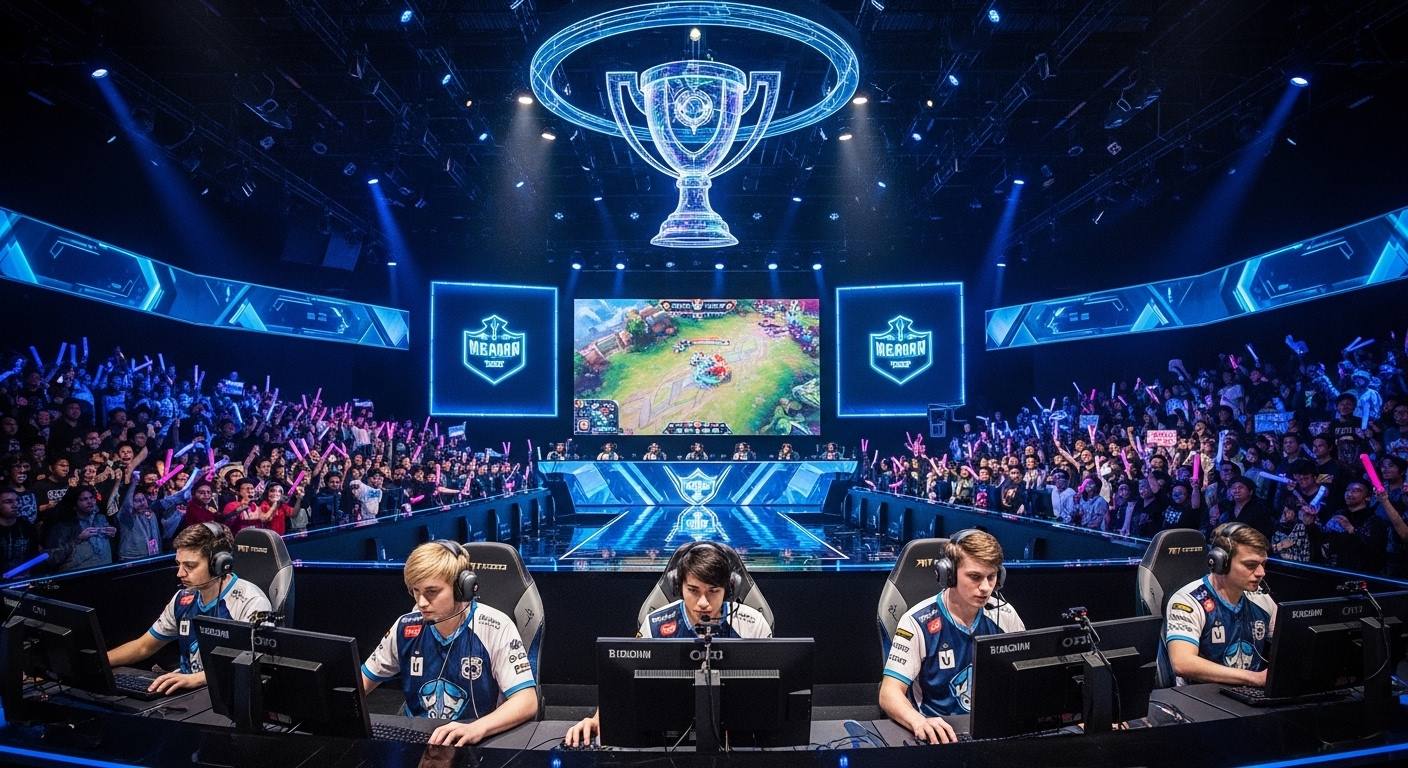
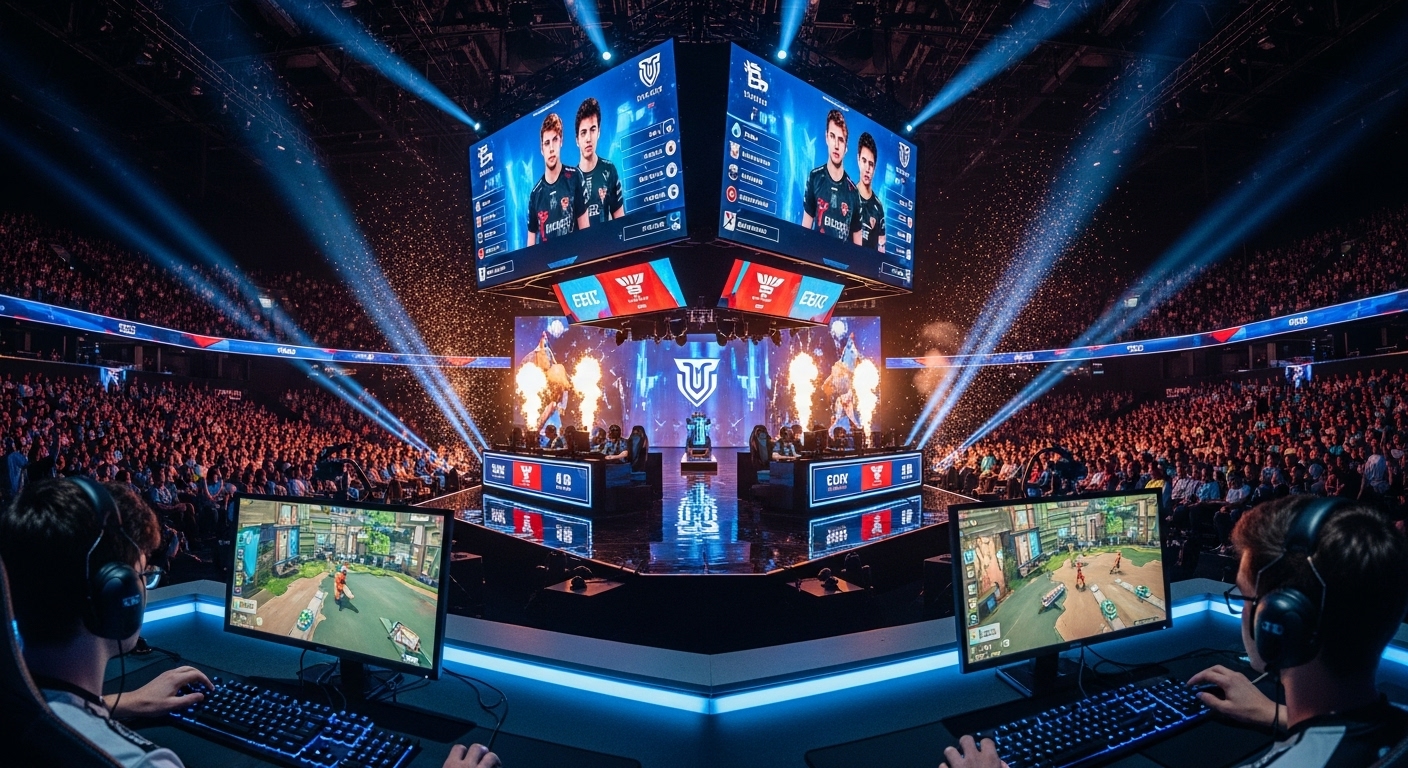
Esports has rapidly evolved from a niche hobby into a global entertainment powerhouse. What was once confined to PC and console gaming has now expanded to include smartphones and tablets, thanks to advancements in technology and the rise of mobile internet accessibility. One of the most transformative developments driving this expansion is mobile streaming. The ability to stream and watch esports events directly from mobile devices has dramatically changed how people consume competitive gaming.
From Asia to South America, millions of fans now tune in to live esports matches through their phones. Whether it’s watching Mobile Legends tournaments during a commute or catching a PUBG Mobile championship from a café, mobile streaming has made esports more accessible than ever before. It has redefined audience demographics, broadened market reach, and opened new opportunities for sponsors, platforms, and players alike.
In this blog, we’ll explore how mobile streaming has reshaped the esports landscape, the factors behind its success, and how it continues to expand and diversify the global audience for competitive gaming.
The Rise of Mobile Esports
The rise of mobile gaming set the stage for mobile streaming’s explosion. Smartphones have become powerful enough to run high-quality games with competitive features and multiplayer functionality. Titles such as Mobile Legends: Bang Bang, PUBG Mobile, Free Fire, and Call of Duty: Mobile have become cultural phenomena, attracting both casual players and professional teams.
Mobile gaming differs from traditional esports in one key way: accessibility. Not everyone owns a gaming PC or console, but nearly everyone owns a smartphone. This simple fact dramatically increases the potential player base, particularly in regions where gaming hardware is expensive or difficult to access.
As competitive mobile games gained popularity, the need to watch, share, and broadcast those games naturally followed. Fans wanted to see how top players performed, and players wanted to showcase their skills to a global audience. That’s where mobile streaming stepped in, bridging the gap between gaming and spectatorship.
What Is Mobile Streaming?
Mobile streaming refers to broadcasting or watching live video content through a mobile device, usually via dedicated apps like Twitch, YouTube, TikTok Live, or regional platforms such as Nimo TV and Bigo Live. In esports, it allows fans to follow live tournaments, team scrimmages, and influencer gameplay without needing a computer.
For professional players and streamers, mobile streaming also serves as a creative outlet and income source. They can broadcast gameplay directly from their devices using mobile streaming apps that integrate chat, alerts, and monetization tools. For fans, mobile streaming makes esports more immediate, personal, and accessible.
The technology behind mobile streaming has improved significantly in recent years. High-speed mobile networks, lower data costs, and better compression algorithms ensure smooth, high-quality broadcasts even in regions with limited connectivity. This combination has democratized esports consumption, opening the doors to audiences that were previously unreachable.
Accessibility: Breaking Barriers to Entry
Perhaps the most profound way mobile streaming has expanded esports audiences is through accessibility. Unlike traditional esports broadcasts that required powerful computers, stable broadband, or large screens, mobile streaming brings everything into the palm of your hand.
A fan in Indonesia, India, or Brazil can watch an international tournament on a budget smartphone just as easily as a viewer in North America or Europe. This equalizing effect has helped esports transcend socioeconomic and geographic boundaries.
Mobile streaming also eliminates the need for specialized knowledge or equipment. All it takes is downloading an app and tapping “Watch Live.” The simplicity of access encourages casual fans to participate, gradually converting them into long-term followers of esports content.
Furthermore, mobile streaming allows people to consume esports anytime and anywhere. Whether on public transportation, at school, or during work breaks, viewers can stay connected to the action. This mobility keeps engagement levels high and builds habits around consistent viewership—something that traditional broadcasting struggled to achieve.
Regional Growth: Mobile Streaming in Emerging Markets
The growth of esports in emerging markets has been nothing short of phenomenal, and mobile streaming has been at the heart of it. In regions like Southeast Asia, South Asia, Latin America, and Africa, smartphones are often the primary gateway to the internet. This makes mobile streaming the natural medium for consuming gaming content.
Southeast Asia
Countries like Indonesia, the Philippines, and Malaysia have witnessed a massive surge in mobile esports, largely due to the popularity of games like Mobile Legends: Bang Bang. Tournaments are streamed across local platforms, with millions tuning in from their phones. The accessibility of mobile data and affordable devices has made competitive gaming a mainstream entertainment option.
South Asia
In India, the explosion of PUBG Mobile (now BGMI) brought esports to millions who had never previously engaged with competitive gaming. Mobile streaming platforms allowed fans to follow their favorite teams and influencers, fostering a passionate community that transcends language and region.
Latin America and the Middle East
Latin American countries, particularly Brazil and Mexico, have embraced Free Fire and Call of Duty: Mobile. Similarly, the Middle East’s young population and increasing internet connectivity have made mobile streaming a popular pastime. These regions are now key players in the global esports market, largely because mobile streaming has made it possible for everyone to participate as both players and viewers.
Social Media Integration and Influencer Culture
Another major reason mobile streaming expands esports audiences is its deep integration with social media platforms. Apps like YouTube, TikTok, and Facebook have become vital tools for promoting esports content and engaging fans. Many players and streamers use their mobile devices to create short clips, highlights, and live sessions that reach millions of users daily.
Influencers play a huge role in this ecosystem. Mobile gaming creators with massive followings act as ambassadors for esports, introducing competitive gaming to audiences who might otherwise never watch it. Because mobile streaming is fast, informal, and accessible, it allows these influencers to interact with their fans in real time, fostering a strong sense of community.
This social interaction is one of the most powerful drivers of esports growth. Fans don’t just watch matches—they participate in them through chats, comments, and reactions. Mobile streaming transforms esports from a spectator activity into a shared social experience.
Technology: The Backbone of Mobile Streaming Growth
Mobile streaming’s success depends on several technological advancements that have made it smoother, faster, and more engaging.
High-Speed Internet
The rollout of 4G and now 5G networks has dramatically improved streaming quality and reliability. Low-latency connections make it possible to watch esports in real time without buffering or lag. In regions where fixed broadband infrastructure is lacking, mobile internet serves as a lifeline for esports consumption.
Optimized Platforms
Streaming platforms have also optimized their apps for mobile use. Features like adaptive bitrates, battery-saving modes, and customizable chat interfaces enhance the user experience. These optimizations make it easier for users to enjoy long viewing sessions without draining their devices.
Cloud Infrastructure
Cloud-based technologies allow mobile platforms to handle massive traffic spikes during major esports tournaments. They ensure that millions of users can tune in simultaneously without interruptions, providing a seamless experience across the globe.
Compression and Data Efficiency
In emerging markets, where data costs can be a concern, improved video compression techniques have made mobile streaming more affordable. Viewers can now watch high-definition streams without consuming excessive data, ensuring that esports remains inclusive and accessible.
Expanding Demographics and Audience Diversity
Traditionally, esports audiences were dominated by young, tech-savvy males. Mobile streaming has changed that demographic dramatically. Because smartphones are universally used, esports viewership now includes a much broader range of people—different genders, age groups, and socioeconomic backgrounds.
Women, in particular, have found new opportunities to engage with esports through mobile platforms. Female gamers and streamers have gained prominence in titles like Mobile Legends and Free Fire, attracting diverse audiences and reshaping the community’s culture.
Older generations, too, are joining the scene. Parents who once viewed gaming as a distraction now tune in to watch their children compete or follow their favorite teams. This widening of demographics contributes to the mainstream acceptance of esports as a legitimate form of entertainment.
Monetization and Business Opportunities
Mobile streaming has opened new monetization channels for platforms, sponsors, and creators.
For streaming platforms, ad revenues and in-app purchases have become major income sources. Mobile viewers are more likely to engage with in-app promotions, subscribe to channels, or purchase digital gifts for their favorite streamers.
For brands, mobile streaming offers direct access to a young, active, and engaged audience. Companies across industries—from tech to fashion—have begun sponsoring esports events, influencers, and teams to capitalize on this visibility.
For players and streamers, mobile streaming creates income opportunities through donations, sponsorships, and affiliate marketing. Many successful esports influencers have built full-time careers broadcasting from their phones, proving that mobile streaming can be both accessible and profitable.
The Role of Platforms in Mobile Esports Expansion
Different streaming platforms have taken unique approaches to mobile esports.
YouTube and Twitch remain global leaders, offering mobile apps that make it easy to stream or watch on the go. However, in regions like Southeast Asia and the Middle East, specialized platforms such as Nimo TV, Nonolive, and Bigo Live have captured significant market share by focusing on local content and community building.
TikTok has also entered the esports space, using short-form content and live streams to reach massive audiences. This approach is particularly effective with younger viewers, who prefer quick, engaging snippets of gameplay or highlights.
These platforms compete not only for viewership but also for partnerships with game developers, tournament organizers, and advertisers. Their investments in mobile streaming infrastructure demonstrate how central this technology has become to the future of esports.
Cultural Impact: Esports as Everyday Entertainment
Mobile streaming has turned esports into a daily habit for millions of people. What was once an event-based experience—watching a major tournament once a month—has become part of everyday entertainment. Fans can now tune in to quick matches, casual streams, or short highlight clips anytime.
This shift mirrors the rise of mobile video consumption in general. Just as short-form videos revolutionized entertainment on social media, mobile streaming has transformed how esports content is produced and consumed. The result is a more consistent and engaged audience that follows the scene year-round.
Mobile streaming has also fostered cultural exchanges between regions. Fans in one part of the world can easily watch tournaments from another, breaking down geographic barriers and helping esports evolve into a truly global culture.
Challenges and Limitations
Despite its success, mobile streaming is not without challenges.
Quality and Consistency
While 5G and improved compression have helped, streaming quality can still vary based on location and device performance. Buffering or disconnections can frustrate viewers and limit the professional image of esports broadcasts.
Monetization Inequality
Smaller streamers often struggle to compete with established influencers or organizations. Platforms must balance their algorithms to promote new talent and maintain diversity in content.
Oversaturation
As mobile streaming becomes easier, the number of content creators grows exponentially. This can lead to oversaturation, making it harder for audiences to discover quality content. Platforms need effective recommendation systems to maintain viewer engagement.
Copyright and Licensing Issues
Because mobile streaming is easy and decentralized, copyright violations and unauthorized broadcasts are common. Game publishers and tournament organizers must work closely with platforms to protect their intellectual property.
The Future of Mobile Streaming in Esports
The future of mobile streaming looks exceptionally bright. As smartphone technology continues to advance, we can expect even better video quality, smoother interactions, and more immersive features such as augmented reality overlays and real-time statistics.
Integration between mobile gaming and streaming platforms will become more seamless, allowing players to go live with a single tap. Artificial intelligence will help personalize recommendations, while cloud gaming may eliminate hardware limitations entirely.
In addition, as esports continues to grow in global recognition, mobile streaming will play a vital role in expanding its cultural influence. Tournaments will become more localized yet globally accessible, and fans will continue to enjoy unprecedented levels of interactivity.
Conclusion
Mobile streaming has done more than just make esports more accessible—it has completely transformed how audiences engage with competitive gaming. By breaking down technological, economic, and geographic barriers, it has opened the door for millions of new fans around the world.
From emerging markets to established gaming hubs, mobile streaming has democratized esports, allowing anyone with a smartphone to watch, interact, and even participate in the global gaming community. It has expanded demographics, deepened fan engagement, and created new economic opportunities across the industry.
As technology evolves and streaming platforms innovate, mobile streaming will continue to shape the future of esports. It stands as a powerful reminder that accessibility and connectivity are the true engines driving global entertainment. The rise of mobile streaming marks not just an expansion of esports audiences—but a redefinition of how the world experiences the thrill of competitive gaming.