 joystickarena94
Esports, short for electronic sports, has transformed from a niche hobby into a global entertainment powerhouse. What once began as casual competitions in arcades and local gaming centers has evolved into an organized industry featuring professional players, global tournaments, lucrative sponsorships, and millions of fans. Competitive gaming now commands the attention of mainstream media, sports organizations, and investors alike. Its rise reflects not only technological innovation but also a cultural shift in how people consume entertainment and engage in competition.
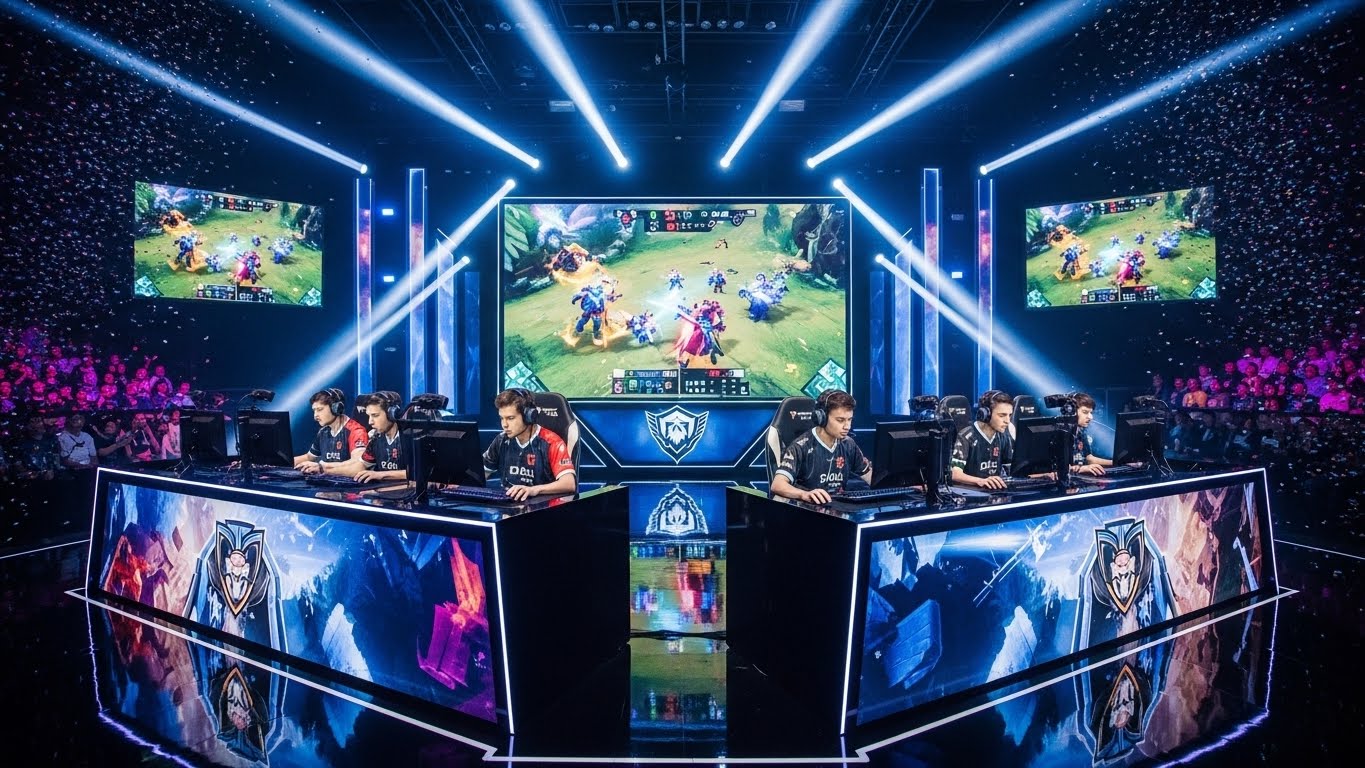
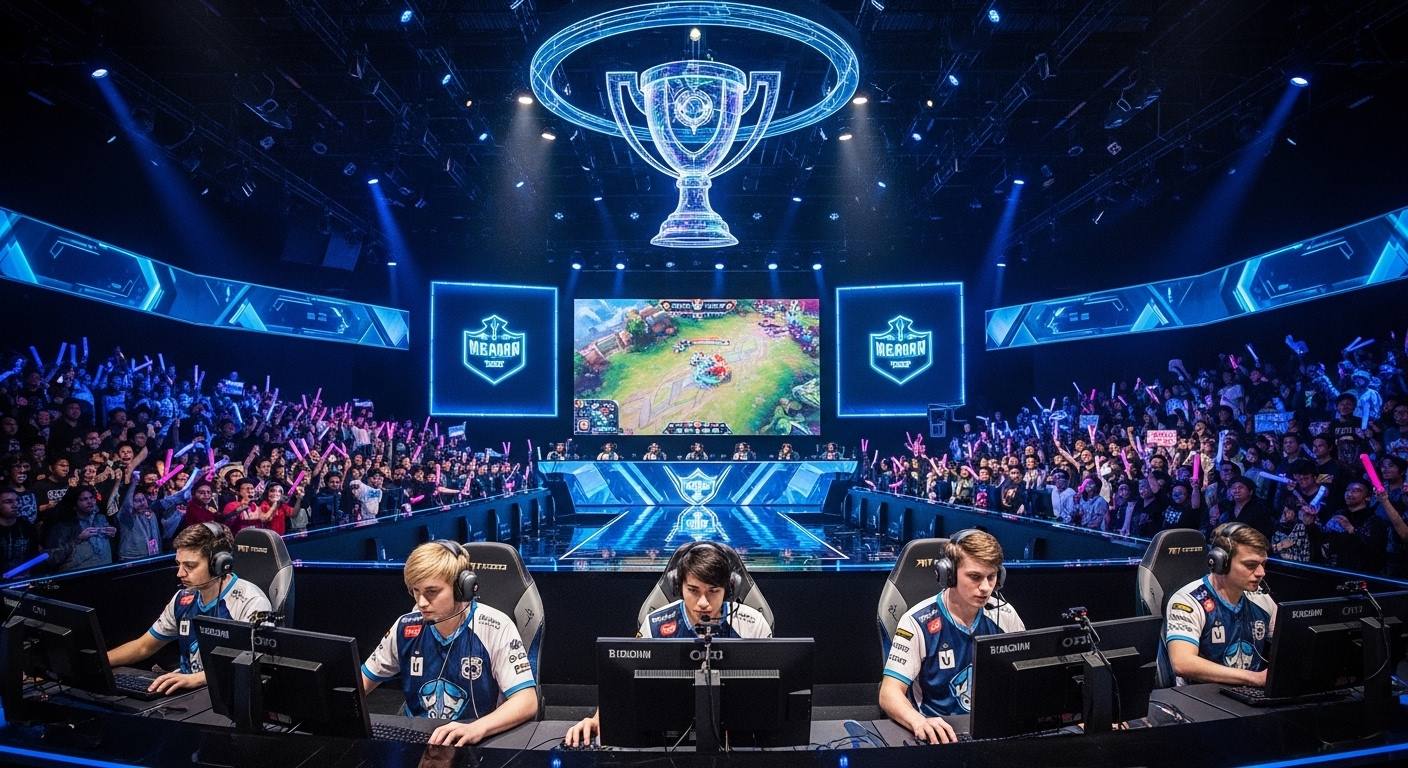
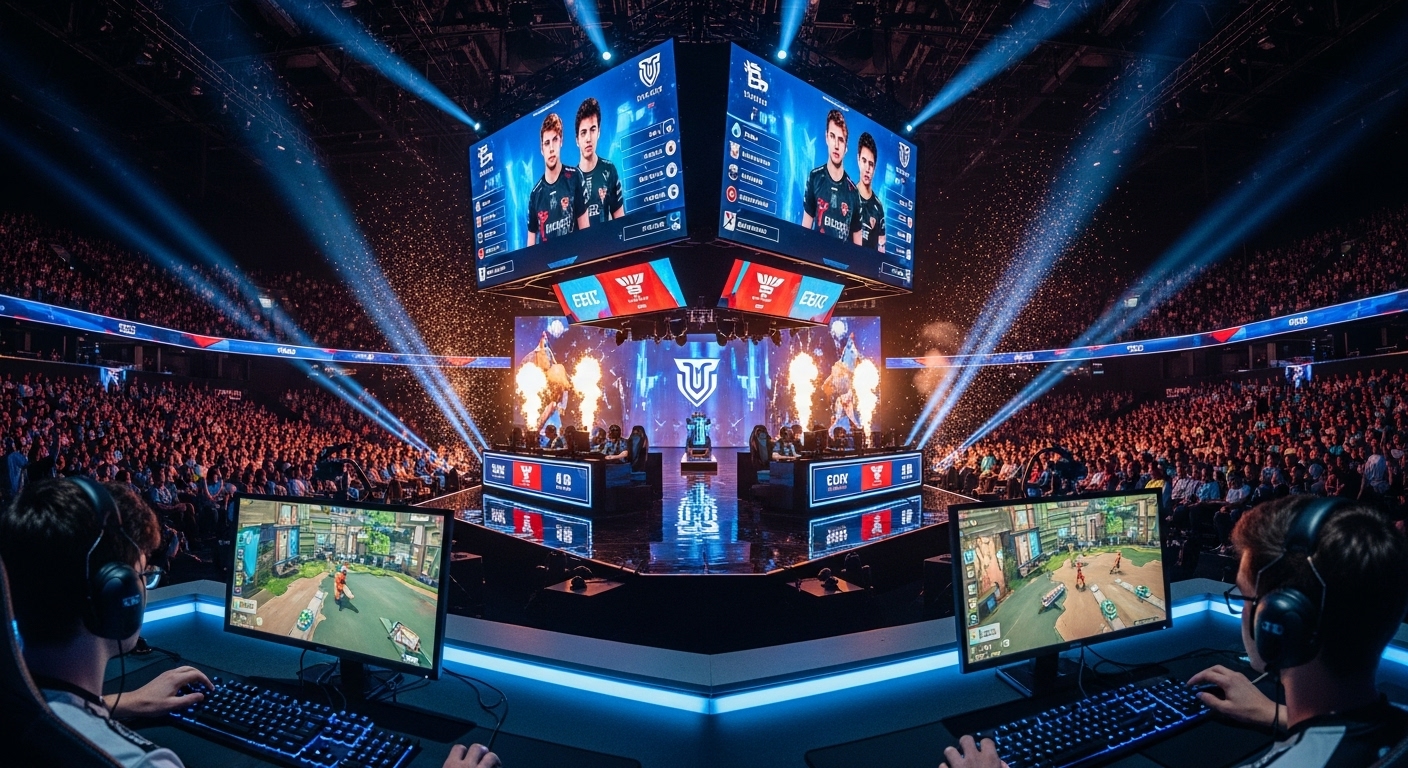
Unlike traditional video gaming, esports emphasizes competition, teamwork, strategy, and performance. Players train extensively to improve reaction times, decision-making, and coordination. Tournaments are meticulously organized, prize pools reach into the millions, and live broadcasts draw audiences rivaling those of professional sports. The influence of esports extends beyond gaming, shaping youth culture, media consumption habits, and even the business of entertainment.
This blog explores the origins, evolution, and cultural impact of esports, examining the games, tournaments, professional players, streaming platforms, and business ecosystem that have shaped this global phenomenon.
The Origins of Competitive Gaming
The story of esports begins in the 1970s and 1980s, when arcade games like Pong, Space Invaders, and Pac-Man introduced competitive play through high scores. Arcades became hubs of social interaction, where players showcased their skills, challenged friends, and competed for recognition. Early competitions emphasized individual skill and set the foundation for organized esports.
One of the earliest landmark events was the 1980 Space Invaders tournament, sponsored by Atari, which drew thousands of participants nationwide. This event demonstrated the potential of video games as a competitive activity and signaled public interest in structured competition. As personal computers and home consoles became widespread in the 1980s, competitive gaming expanded beyond arcades, enabling new formats and larger audiences.
The Rise of PC Gaming and LAN Parties
The 1990s marked a significant shift in esports with the rise of personal computers as gaming platforms. Games like Doom, Quake, and StarCraft introduced multiplayer modes, allowing players to compete in real-time over networks. Local Area Network (LAN) parties became a central social activity, bringing together gamers to compete, strategize, and build communities.
StarCraft, released in 1998, was particularly influential. In South Korea, the game became a national phenomenon, leading to televised leagues, professional teams, and formalized training programs. Players dedicated extensive hours to practice, earning salaries and sponsorships comparable to traditional athletes. South Korea’s model demonstrated that competitive gaming could be a viable professional career, inspiring other countries to invest in esports infrastructure.
The Formation of Esports Leagues
The 2000s saw the emergence of structured leagues and organized tournaments. Games such as Counter-Strike, Warcraft III, and later League of Legends became the cornerstone of competitive gaming. Professional organizations formed to manage teams, organize events, and secure sponsorships, creating a professional ecosystem similar to traditional sports.
Online communities and streaming platforms allowed fans to watch matches, interact with players, and engage with strategies in real time. This interactivity transformed esports into a participatory experience, fostering a sense of community and deepening fan engagement. Major tournaments, including the Electronic Sports World Cup and the World Cyber Games, helped standardize competitive rules, increase prize pools, and attract international attention.
Popular Esports Genres and Titles
Esports encompasses a wide variety of game genres, each with unique competitive elements. Multiplayer Online Battle Arena (MOBA) games, such as League of Legends and Dota 2, emphasize strategy, teamwork, and long-term planning. First-Person Shooters (FPS) like Counter-Strike: Global Offensive and Call of Duty focus on reflexes, precision, and tactical coordination.
Real-Time Strategy (RTS) games such as StarCraft challenge players to manage resources, execute strategies, and adapt under pressure. Fighting games, racing simulators, and battle royale titles like Fortnite contribute to esports diversity, each cultivating dedicated fan bases and professional circuits. The variety of esports genres ensures that competitive gaming appeals to a broad audience with varying tastes and skills.
Global Expansion and Cultural Significance
Esports has expanded into a global phenomenon, with thriving communities in North America, Europe, South Korea, China, and Southeast Asia. Each region contributes uniquely to the industry. South Korea leads in professional infrastructure and televised leagues. China has heavily invested in arenas, tournaments, and esports development programs. North America and Europe focus on franchised leagues, media partnerships, and mainstream recognition.
International tournaments bring players from across the globe together, creating shared experiences and cross-cultural connections. Global accessibility allows fans to follow live competitions, engage in interactive communities, and celebrate victories in real time. Esports has become a unifying force, connecting people across borders through shared passion for competitive gaming.
The Role of Streaming Platforms
Streaming platforms have revolutionized esports by providing direct access to competitions and personalities. Platforms like Twitch, YouTube Gaming, and regional services allow fans to watch live matches, interact with chat communities, and learn strategies from professional players. Streaming enhances fan engagement and transforms spectators into active participants.
Content creators also benefit from streaming by building personal brands, sharing tutorials, and creating additional content around gameplay. Social media amplifies this effect, circulating highlights, memes, and interviews across communities. The combination of live streaming and social engagement has established esports as an interactive, culturally influential medium.
Professional Players and Team Dynamics
Professional esports players are elite athletes, dedicating hours to practice, strategy development, and mental conditioning. Many teams employ coaches, analysts, and psychologists to optimize performance and prevent burnout.
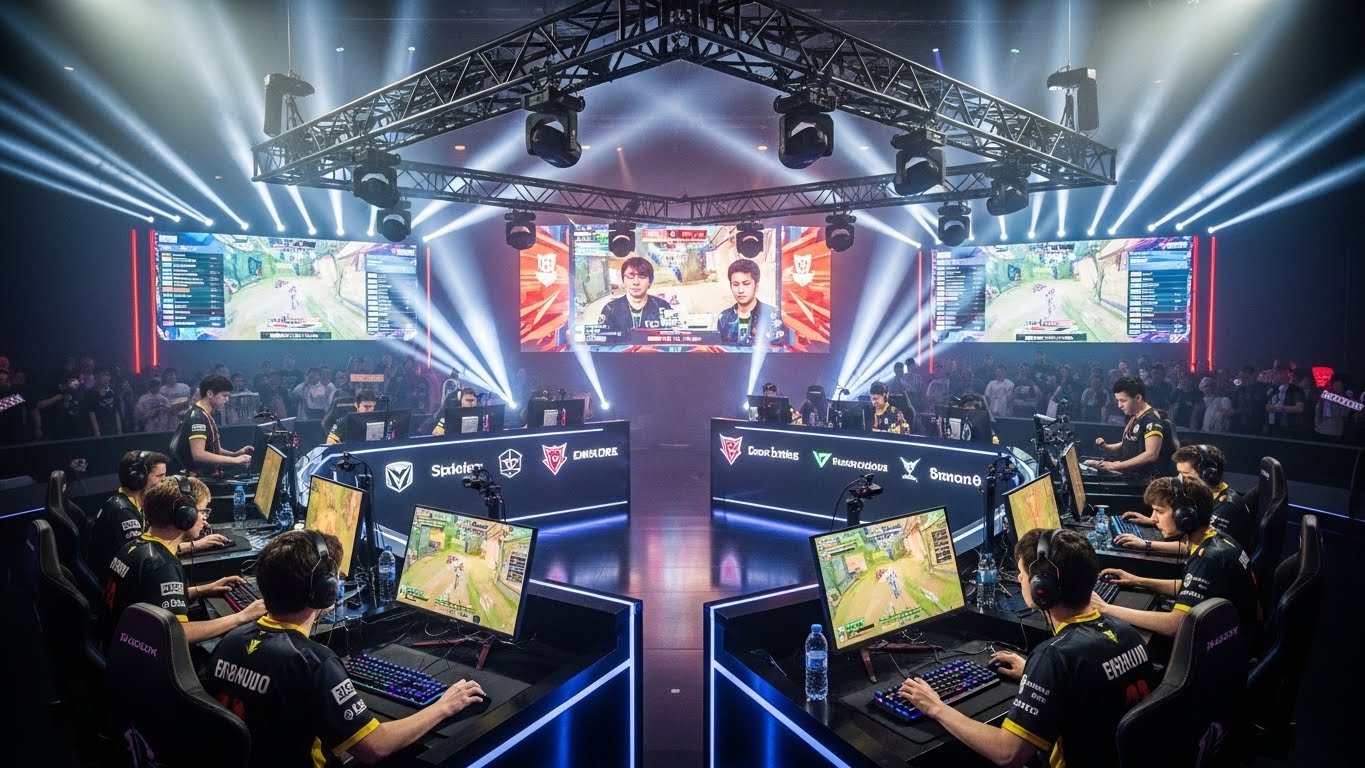
Team dynamics are critical to success. Players must communicate effectively, coordinate strategies, and maintain composure under pressure. Leadership, adaptability, and trust are essential for professional teams to perform at the highest levels. These collaborative elements elevate esports from individual skill to sophisticated team performance, comparable to traditional sports in complexity and intensity.
Esports Tournaments and Competitive Structures
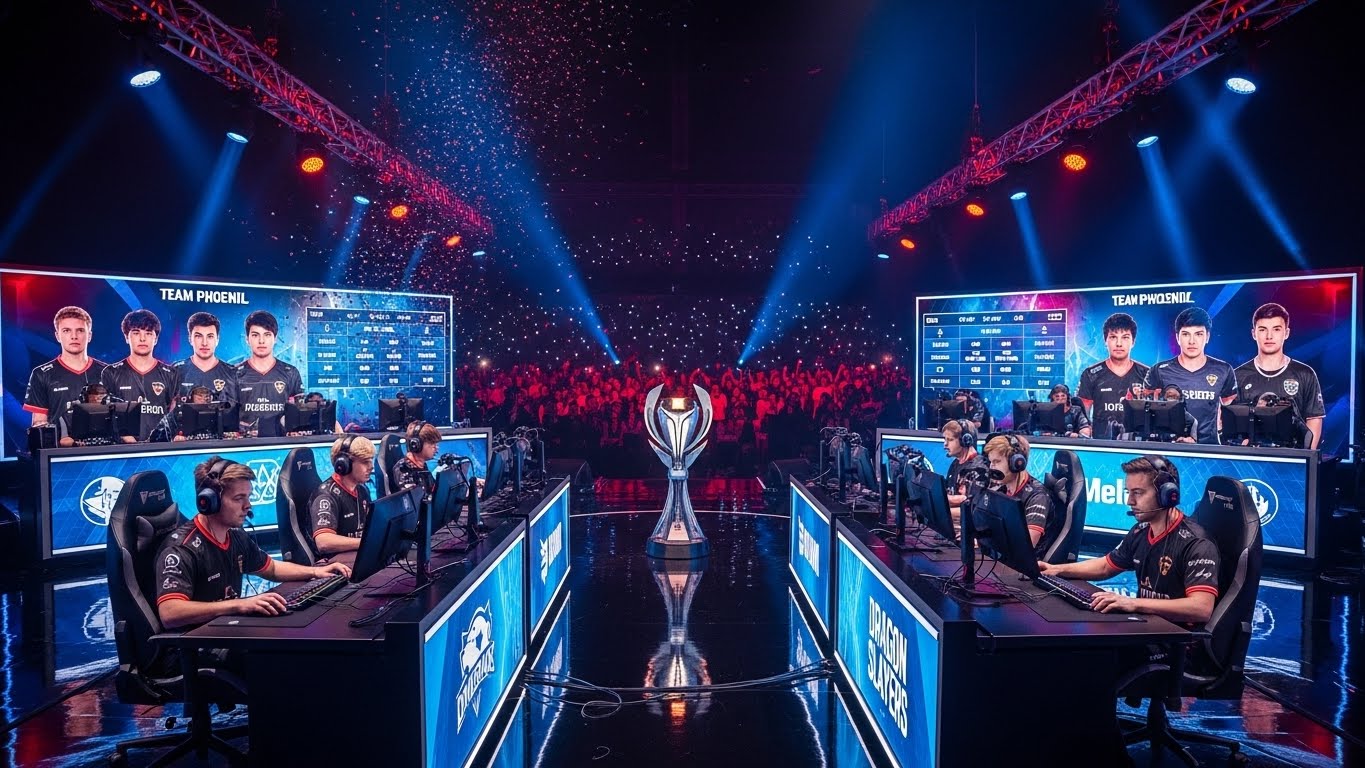
Esports tournaments range from local competitions to global championships with multi-million-dollar prize pools. High-profile events such as The International for Dota 2, the League of Legends World Championship, and the Overwatch League exemplify the professional level of competition.
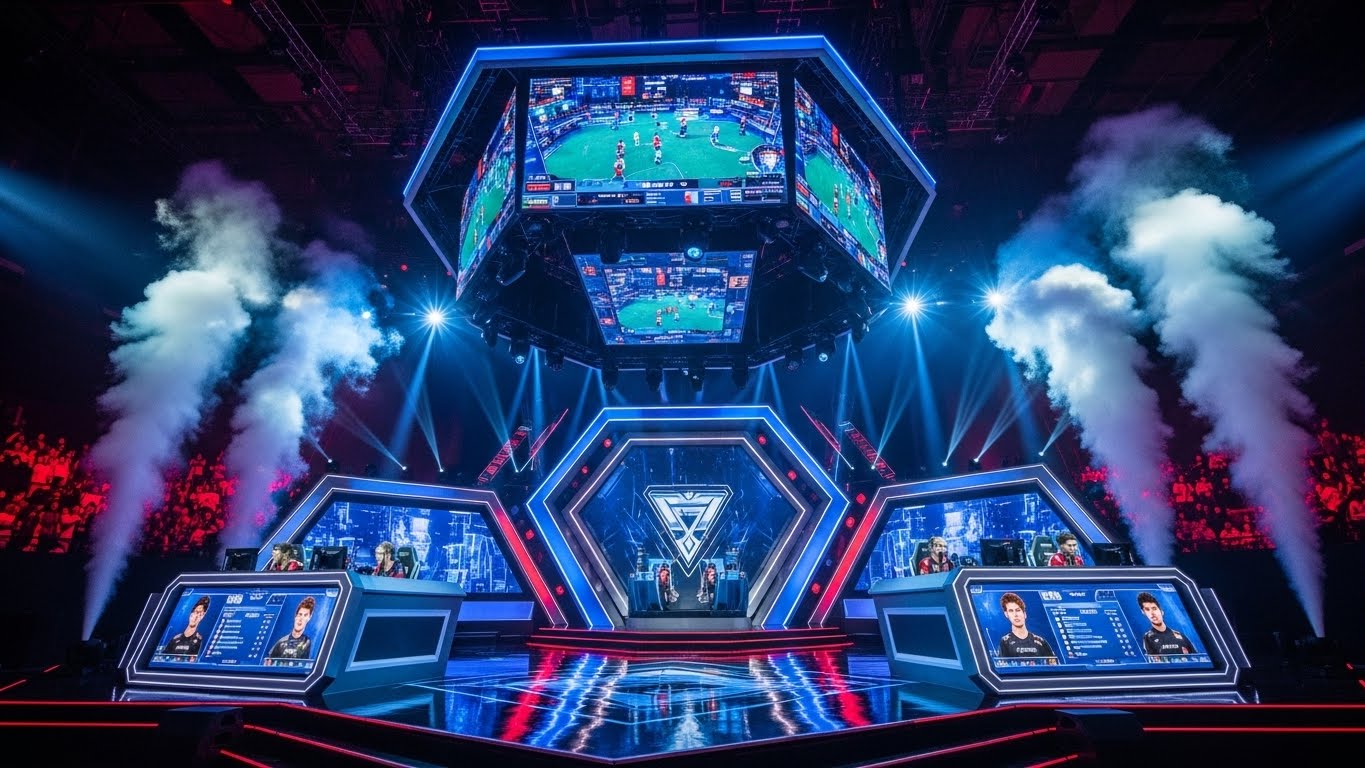
Tournaments employ structured formats, including group stages, double-elimination brackets, and best-of-series matches. These structures ensure fair competition while testing skill, strategy, and adaptability. Tournament production has also become highly sophisticated, with professional casting, live commentary, interactive graphics, and spectator-friendly experiences enhancing engagement.
The Business of Esports
Esports is a multi-billion-dollar industry attracting investors, sponsors, and mainstream brands. Revenue streams include tournament prize pools, advertising, media rights, merchandise, and team sponsorships. Companies recognize the value of esports audiences, which are young, engaged, and digitally connected.
Professional teams operate similarly to traditional sports franchises. Players sign contracts, receive salaries, and earn performance bonuses. Investments in infrastructure, marketing, and talent development sustain growth and create long-term viability for the industry. Esports has become a legitimate business with global reach and significant economic impact.
Cultural and Social Impact
Esports has influenced culture by creating new forms of celebrity, narratives, and community engagement. Fans celebrate victories, analyze gameplay, and participate in online forums. Cosplay, fan art, and live events contribute to a vibrant culture surrounding esports.
Competitive gaming challenges traditional stereotypes about gamers, emphasizing strategy, discipline, and teamwork. Professional players inspire younger generations to pursue careers in gaming, streaming, and game development. Esports fosters social connections, encourages creative expression, and promotes cross-cultural interaction, reinforcing its significance beyond entertainment.
Challenges Facing Esports
Despite its growth, esports faces challenges. Player burnout is a serious issue due to long training hours, travel, and high-pressure competition. Mental health support, career longevity planning, and work-life balance are critical concerns for teams and organizations.
Integrity is also a challenge, with cheating, match-fixing, and unfair gameplay threatening public trust. Strict regulations, monitoring, and oversight are necessary to maintain credibility. Additionally, disparities in access to high-speed internet and gaming equipment create barriers, limiting participation in certain regions.
The Future of Esports
The future of esports is promising, driven by technological innovation, global accessibility, and growing mainstream recognition. Virtual reality, augmented reality, and cloud gaming will redefine competitive experiences, creating immersive and interactive tournaments.
Esports is likely to integrate further with traditional sports, media, and entertainment industries. Investment in infrastructure, coaching, and player development will continue to support professional growth. Cultural influence will expand, solidifying esports as a major driver of entertainment, community, and youth culture worldwide.
Conclusion
Esports has evolved from a niche hobby into a global cultural and economic force. Professional players, international tournaments, streaming platforms, and passionate fans have transformed competitive gaming into a legitimate industry with far-reaching impact.
The growth of esports reflects broader changes in technology, media consumption, and culture. It emphasizes skill, strategy, teamwork, and dedication, proving that competitive gaming is more than a pastime—it is a professional and socially significant pursuit.
As esports continues to expand, it will shape entertainment, foster global communities, and inspire new generations of players and fans. Esports is no longer just a game; it is a worldwide stage where talent, passion, and innovation converge to create experiences that captivate audiences around the globe.