 joystickarena94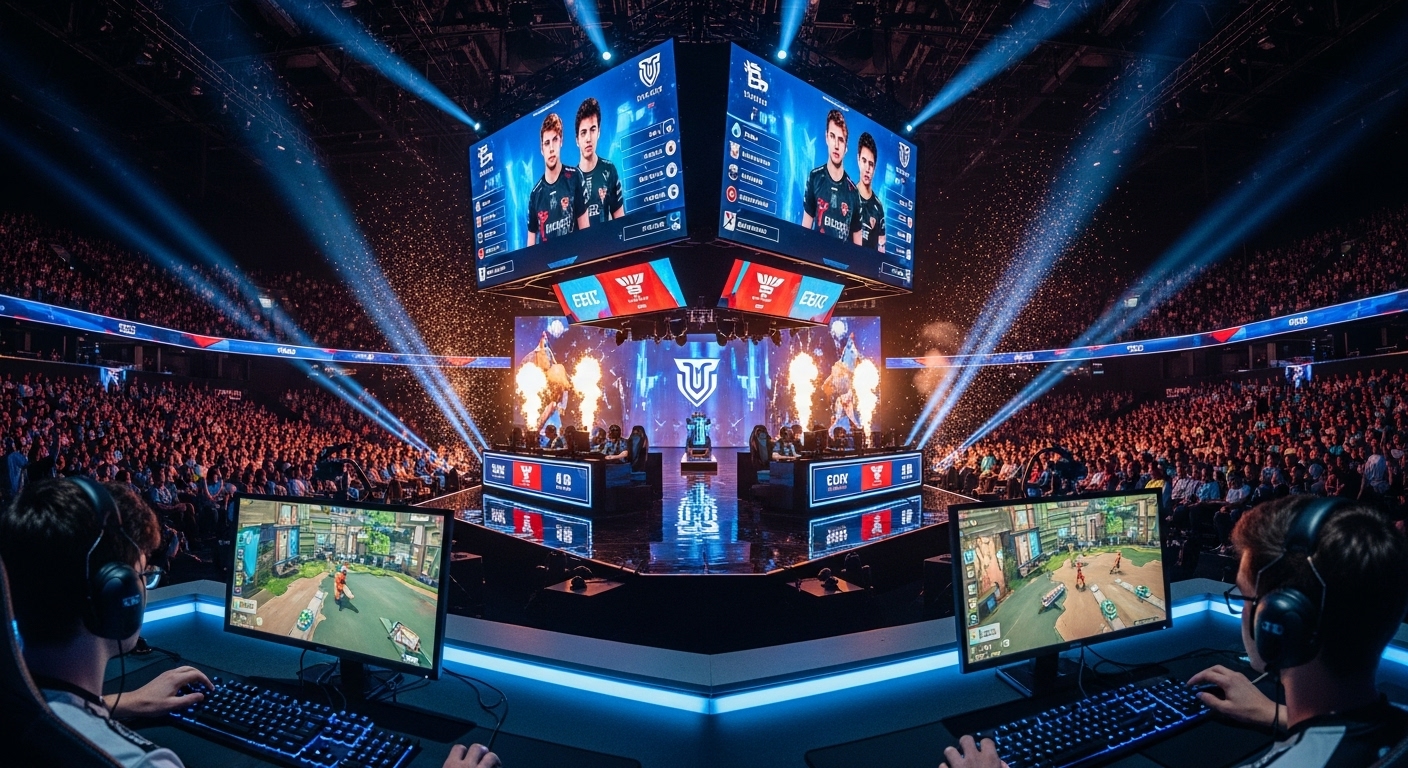
Introduction: The Rise of Esports
In recent years, esports has emerged as one of the most significant cultural and economic phenomena in the world of digital entertainment. What once began as casual video gaming has grown into a global industry that attracts millions of players, fans, and investors. Esports, short for electronic sports, involves competitive video gaming where individuals or teams face off in organized tournaments and leagues. With professional players, coaches, analysts, and commentators, esports mirrors traditional sports in structure and professionalism. Beyond the games themselves, esports is reshaping entertainment, education, social interaction, and even the global economy.
Understanding Esports: Competitive Gaming Redefined
Esports is not merely playing video games casually; it is competitive gaming at a professional level. Players dedicate hours daily to honing skills, studying opponents, and strategizing for tournaments. Popular titles such as League of Legends, Dota 2, Counter-Strike, Valorant, and Fortnite have transformed into professional leagues with substantial prize pools, international competitions, and dedicated fanbases.
Success in esports demands mental agility, rapid decision-making, teamwork, and precision. Professional players approach gaming with discipline and strategic thinking comparable to elite athletes. In this way, esports transcends the perception of gaming as entertainment and is now recognized as a serious competitive pursuit.
The Life of an Esports Athlete
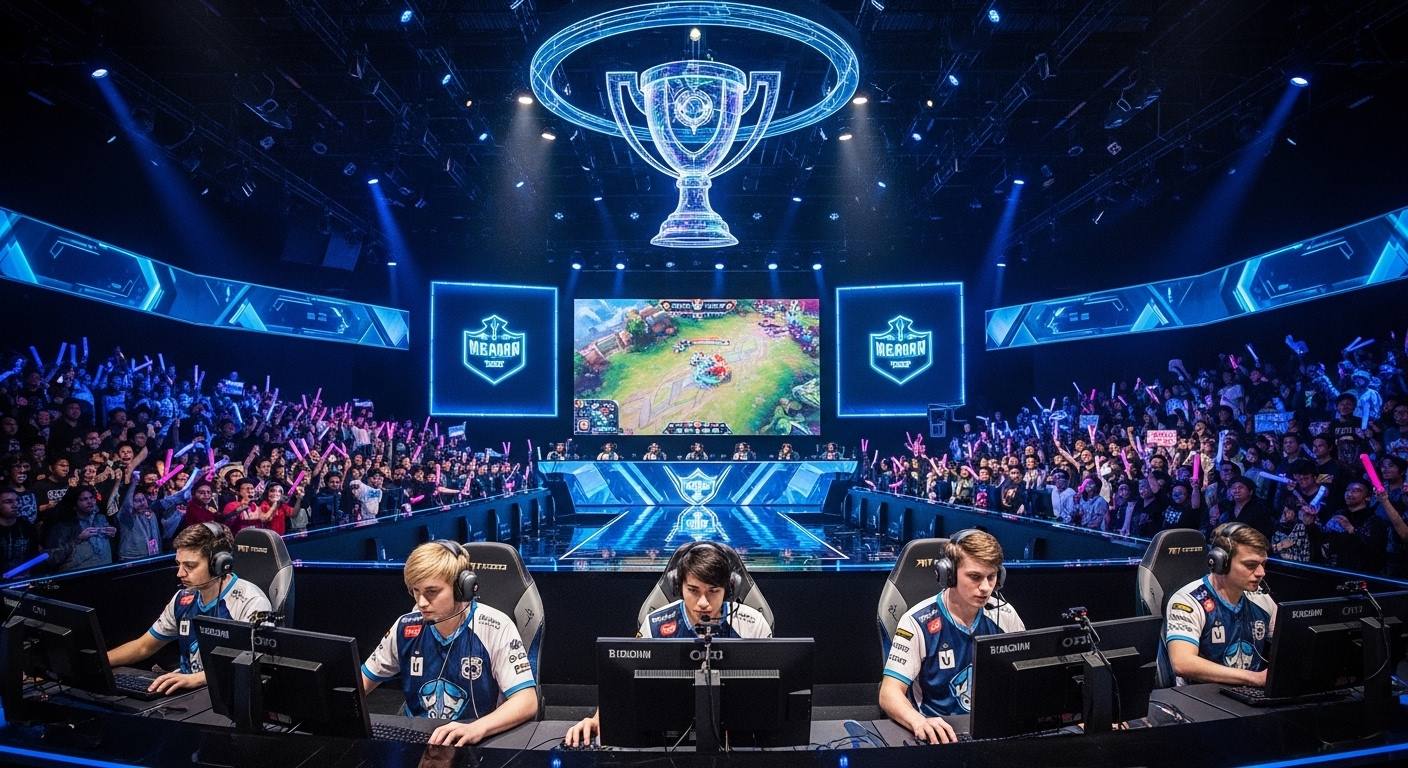
Becoming a professional esports player requires dedication similar to traditional athletes. Daily routines often include hours of gameplay practice, strategy sessions, team coordination, physical fitness exercises, and reviewing gameplay footage. Physical health plays an essential role, as stamina, reflexes, and focus are critical during high-stakes matches.
Mental resilience is equally vital. Players must handle stress, maintain focus under pressure, and adapt quickly to unexpected game developments. Professional esports teams often employ coaches and mental health professionals to ensure that players perform at their best while avoiding burnout. This combination of skill, discipline, and mental toughness highlights the rigor of esports as a profession.
Teamwork and Communication in Esports
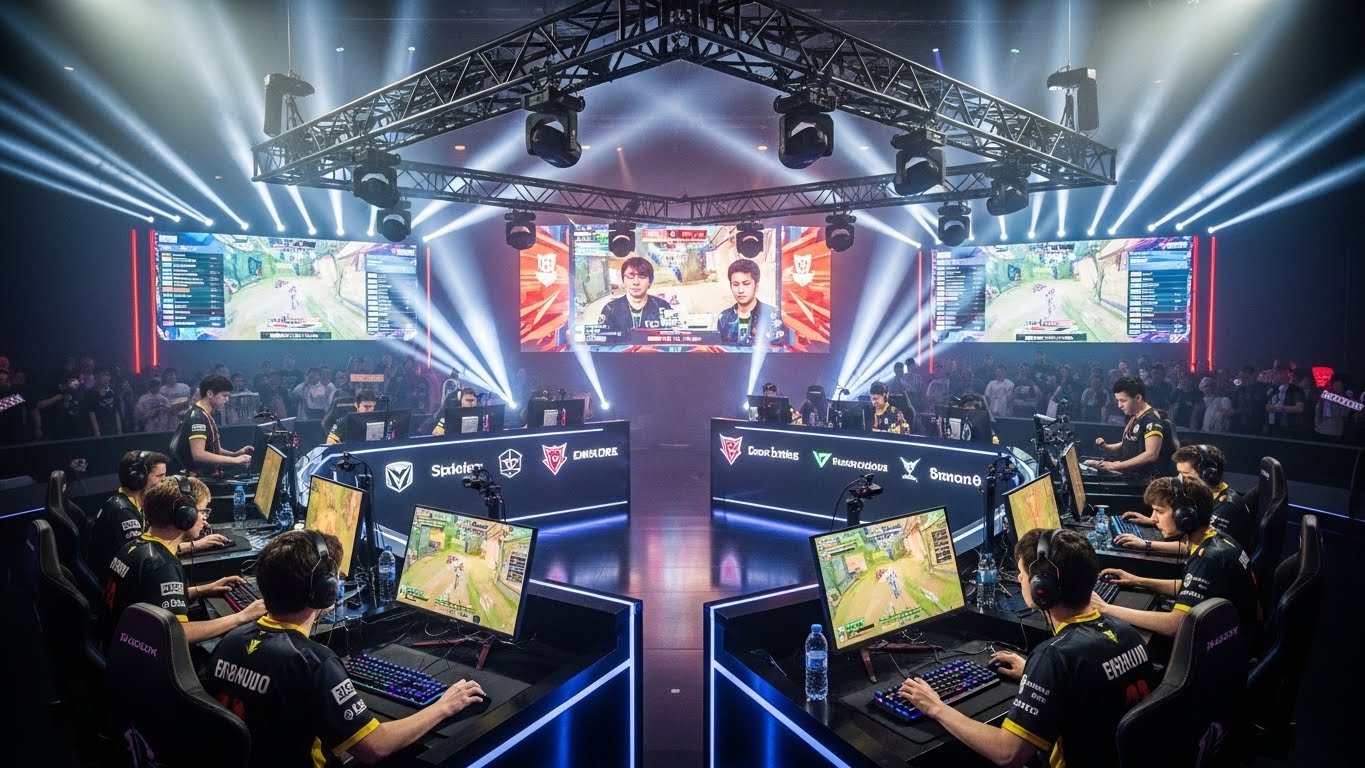
Many esports titles are team-based, requiring players to collaborate, strategize, and communicate effectively. Team members must understand each other’s strengths and weaknesses, anticipate opponents’ moves, and make split-second decisions under pressure. Success depends not just on individual skill but on collective coordination and trust.
Participation in team esports cultivates critical life skills, including leadership, collaboration, conflict resolution, and decision-making. Players develop the ability to work efficiently in high-pressure environments, a skill set applicable to professional and social contexts beyond gaming.
Esports as a Social Phenomenon
Esports has transformed social interaction in the digital age. Online platforms allow players and fans from around the world to connect, share experiences, and build communities. Fans engage through live streams, online discussions, and social media, forming bonds that transcend geography and culture.
Competitive gaming also fosters a sense of identity and belonging. Supporters rally behind favorite teams and players, celebrate victories, and discuss strategies, creating communal experiences that mirror traditional sports fandom. Esports communities encourage inclusivity and collaboration, making competitive gaming a global social phenomenon.
Educational Opportunities in Esports
Esports offers more than entertainment; it provides educational and skill-building opportunities. Strategic thinking, rapid decision-making, teamwork, communication, and time management are critical skills developed through competitive gaming. Recognizing this, many schools and universities now offer esports programs, scholarships, and courses focused on gaming careers.
Participation in esports helps students develop problem-solving abilities, leadership, and adaptability. Players learn to analyze complex scenarios, plan strategies, and respond dynamically to challenges. These experiences cultivate skills that are highly transferable to technology, business, and creative industries, demonstrating that esports contributes to personal and professional development.
Economic Impact of Esports
Esports has become a multi-billion-dollar industry, influencing both local and global economies. Professional tournaments attract millions of viewers, generating revenue through sponsorships, advertising, merchandise, and broadcasting. High-profile events such as the League of Legends World Championship and The International for Dota 2 offer multi-million-dollar prize pools, highlighting the scale and professionalism of the industry.
Beyond professional tournaments, esports stimulates economic activity through gaming cafes, training facilities, equipment sales, and event organization. Cities that host international competitions experience increased tourism, benefiting hotels, restaurants, and local businesses. This economic impact emphasizes the significance of esports beyond entertainment alone.
Technology and Innovation in Esports
Technology lies at the heart of esports. High-performance gaming systems, peripherals, streaming platforms, and analytical tools enable players to compete at the highest levels and fans to engage globally. Innovations in virtual reality, augmented reality, and artificial intelligence are beginning to enhance gameplay and audience experiences.
Analytics allow teams to track performance, develop strategies, and optimize efficiency. Digital streaming platforms enable fans worldwide to watch live matches, participate in events, and interact with players. Technology ensures that esports continues to evolve, offering new experiences for both players and audiences.
Entertainment Value and Fan Engagement
Esports has revolutionized digital entertainment. Millions of fans watch live matches, follow players’ journeys, and engage in interactive communities. The narratives of rivalry, teamwork, and strategy provide compelling stories that rival traditional sports.
Streaming and social media amplify fan engagement, allowing audiences to interact directly with players, comment on gameplay, and participate in discussions. The immersive and participatory nature of esports distinguishes it from other forms of entertainment, creating a dynamic and culturally significant phenomenon.
Challenges in Esports: Mental Health and Sustainability
Despite its many benefits, esports presents unique challenges. Intense competition, long practice hours, and public scrutiny can lead to stress, burnout, and fatigue. Increasingly, esports organizations recognize the importance of mental health, providing counseling, rest periods, and wellness programs to support players.
Balancing competitive gaming with education, work, and social life is crucial. Players who prioritize physical fitness, mental relaxation, and healthy routines are more likely to maintain long-term success and well-being. Addressing these challenges is essential for sustaining the growth and professionalism of esports.
Cultural Influence of Esports
Esports is reshaping global culture. It has normalized competitive gaming as a mainstream activity and inspired a generation of content creators and influencers. Professional players and streamers have become cultural icons, impacting fashion, entertainment, and online communities.
Esports promotes inclusivity, as success depends on skill, strategy, and teamwork rather than age, gender, or physical ability. This meritocratic nature challenges stereotypes and fosters a culture where talent and dedication are the primary measures of achievement.
Major Esports Events and Their Global Impact
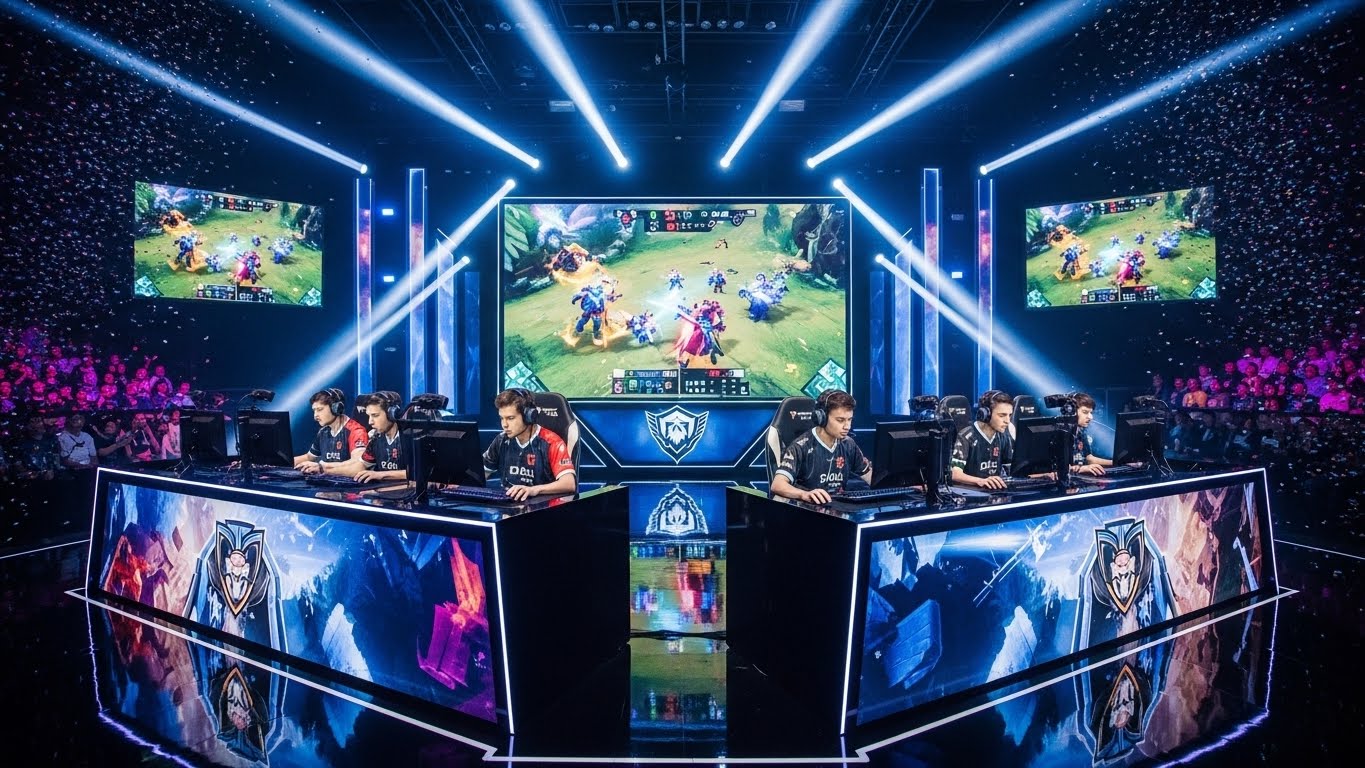
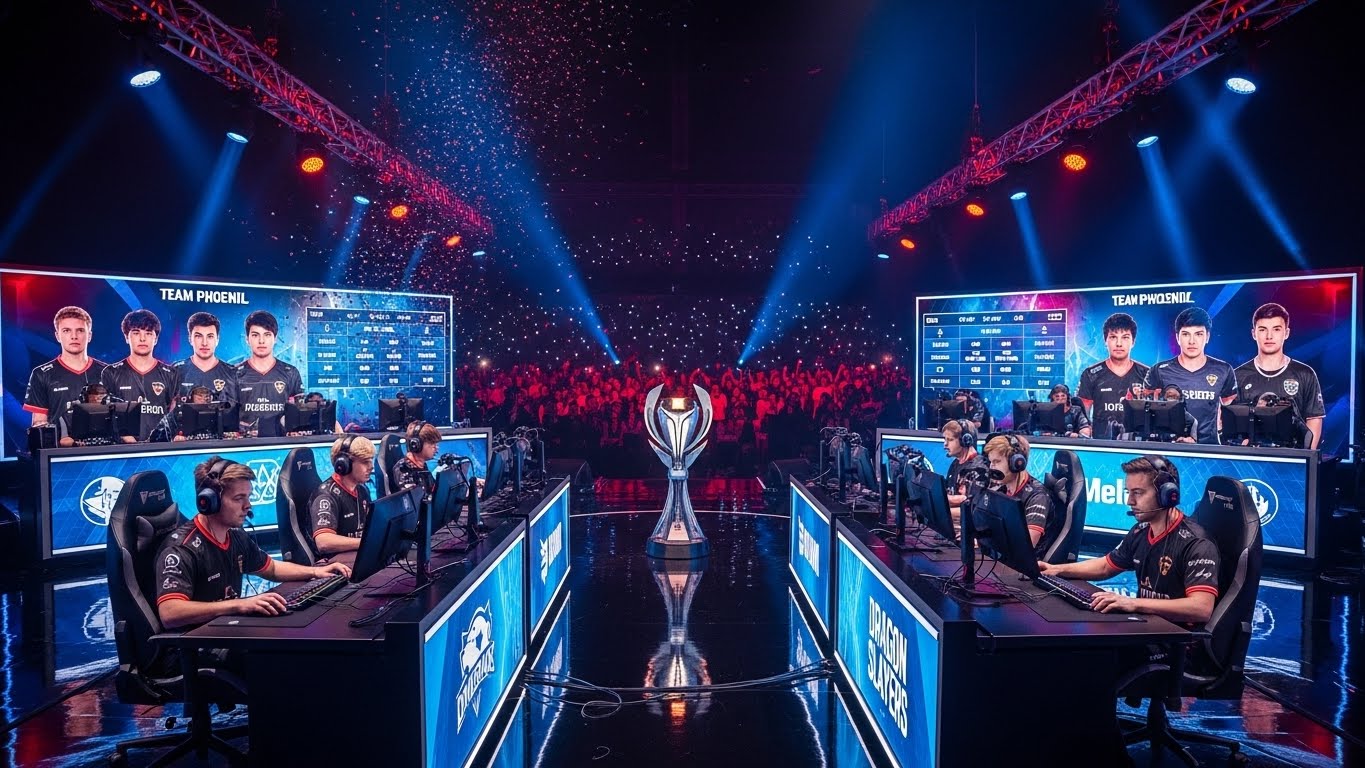
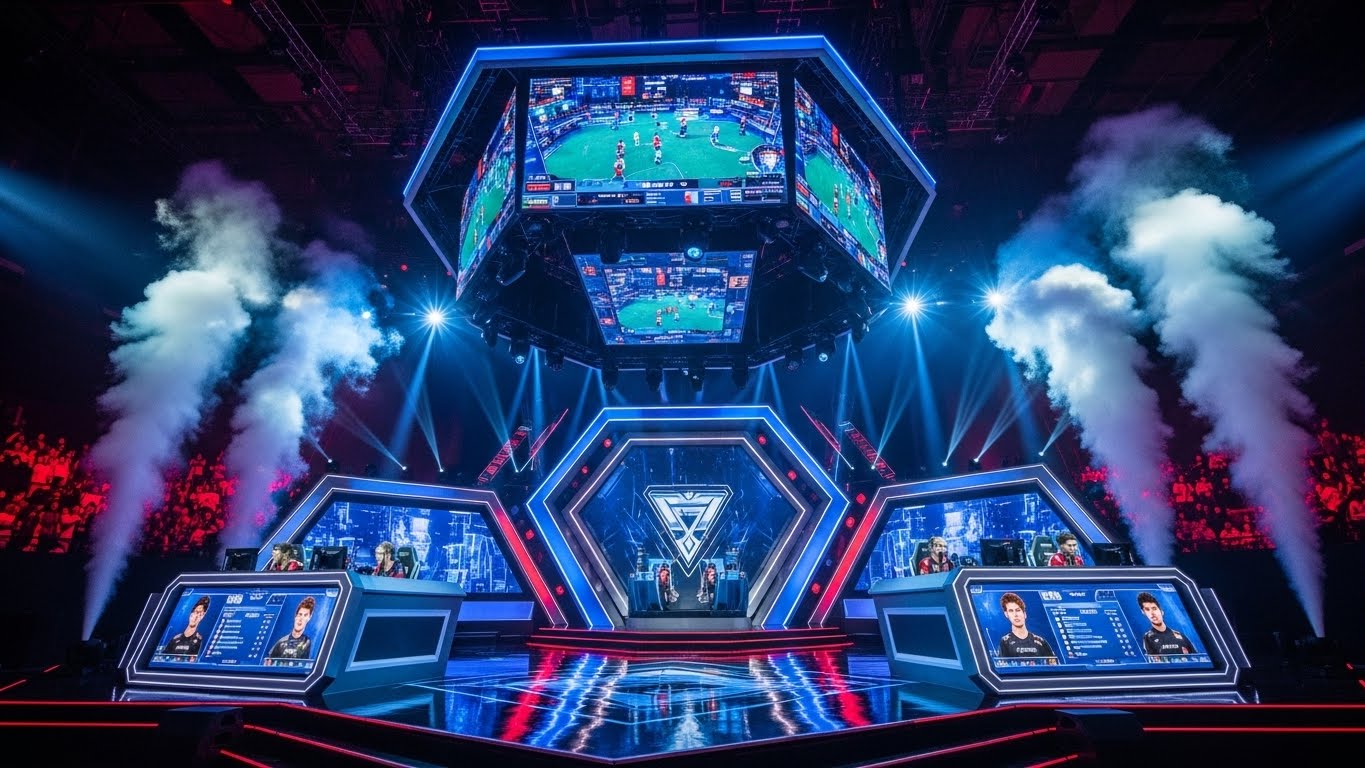
Tournaments are the pinnacle of esports. Events like the Fortnite World Cup, Overwatch League Finals, and Call of Duty League draw millions of spectators and offer substantial prize money. These competitions are not only showcases of skill but also celebrations of digital culture, bringing together fans, players, and media from around the world.
Major esports events create shared experiences similar to traditional sports. Fans participate in live broadcasts, cheer for favorite teams, and engage in online communities. These events solidify esports as a legitimate competitive arena and highlight its cultural significance.
The Future of Esports
The future of esports is bright and transformative. Technological advancements such as virtual reality, cloud gaming, and artificial intelligence will enhance both player performance and viewer engagement. Investment in esports from corporations, educational institutions, and media companies continues to expand, creating new opportunities for players, content creators, and entrepreneurs.
Esports is poised to become even more mainstream, bridging digital and traditional entertainment. The industry will continue to redefine competition, social interaction, and global culture for years to come.
Conclusion: Esports as a Cultural and Competitive Force
Esports is more than just video gaming; it is a global cultural and competitive movement. It challenges traditional ideas of sports, fosters personal and professional development, and builds worldwide communities. Esports teaches strategy, teamwork, resilience, and adaptability while offering opportunities for education, economic growth, and social engagement.
Whether as a player, fan, or professional, involvement in esports provides lessons in discipline, collaboration, and perseverance. The rise of esports demonstrates the power of digital platforms to unite people, celebrate talent, and redefine competition. In the modern era, esports is not merely a game—it is a reflection of human ambition, creativity, and cultural evolution.