 joystickarena94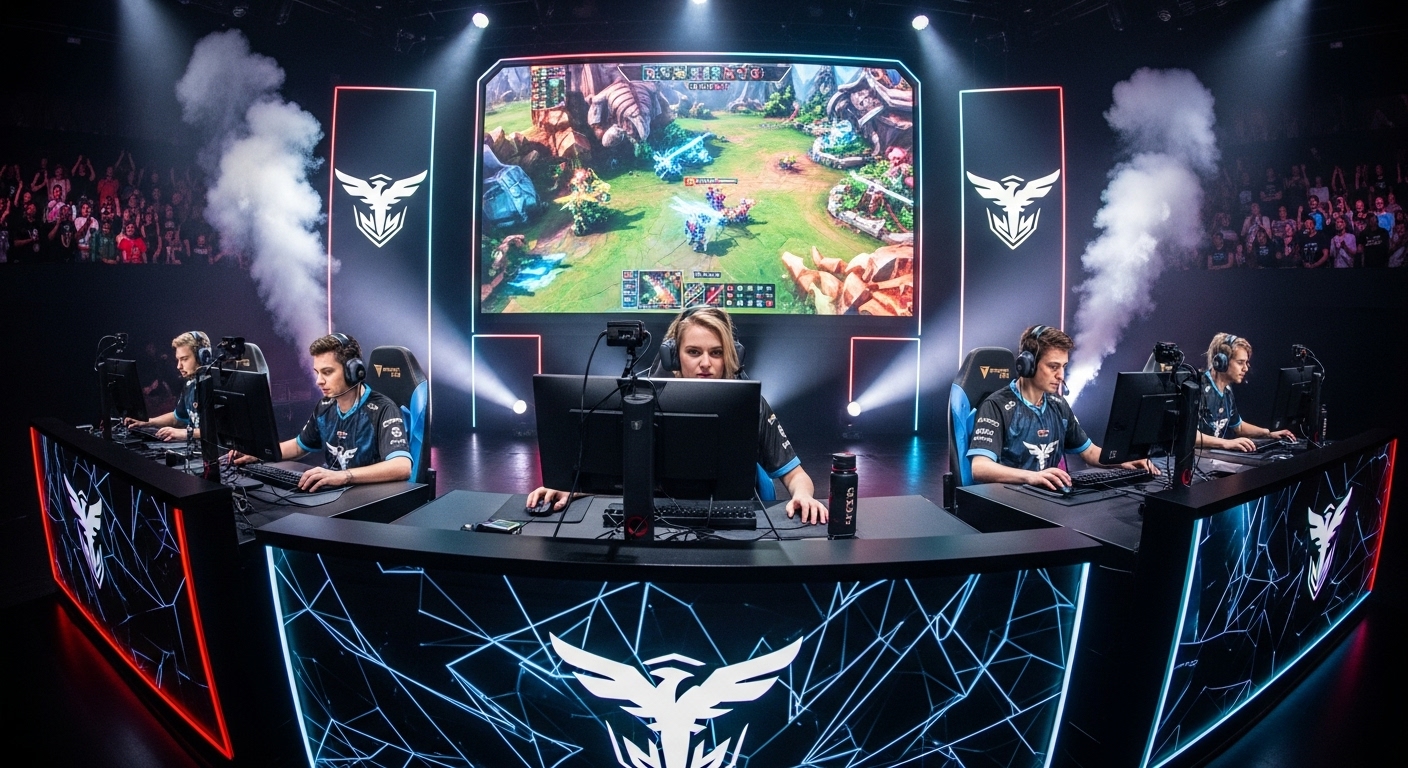
Introduction: The Rise of a Digital Empire
In the 21st century, the landscape of sports has evolved in ways that no one could have predicted. Traditional sports like football, basketball, and tennis still dominate the global scene, but there is a new challenger for the title of “most popular sport.” Enter eSports – a global phenomenon that has taken the world by storm. With millions of viewers, highly paid professional players, and a rapidly growing market, eSports is proving that competitive gaming is not just a hobby but a full-fledged industry. What started as a niche interest for gamers has transformed into a massive global industry, blending entertainment, technology, and business into something completely new. In this blog post, we will explore the rise of eSports, its cultural impact, and the future it holds in the world of entertainment and competition.
The Origins of eSports: From Arcade to Arena
The history of eSports is not as long as that of traditional sports, but its origins can be traced back to the early days of video games. The first competitive gaming events began in the 1970s, when arcade games like Pong and Space Invaders became popular. These early competitions were modest affairs, with players competing for high scores and bragging rights. However, the foundation for what would eventually become eSports was laid during this period, with gaming enthusiasts gathering to test their skills against one another.
The real transformation of competitive gaming began in the late 1990s and early 2000s. The advent of the internet and multiplayer online games opened up new possibilities for global competition. Games like StarCraft, Warcraft III, and Quake were some of the first to host large-scale tournaments, with players from around the world participating in competitions that were broadcast online. These early tournaments were still relatively small, but they showcased the potential for a professional eSports scene.
The launch of StarCraft in 1998 played a pivotal role in establishing eSports as a serious competition. The game’s popularity in South Korea, where it became a national pastime, laid the groundwork for the country’s dominance in the global eSports scene. Over time, eSports tournaments in South Korea became more organized, with dedicated television networks and sponsorships, making it the first country to fully embrace eSports as a legitimate sport.
The Explosion of eSports: From a Niche Interest to Mainstream Entertainment
The turn of the millennium marked the beginning of eSports’ rapid rise to prominence. While it had always been a popular pastime in certain regions, the 2010s saw the first signs of global acceptance and massive growth. The introduction of live streaming platforms like Twitch in 2011 played a key role in this shift. Twitch allowed gamers to stream their gameplay to millions of viewers worldwide, providing an interactive and engaging experience for fans. This move made competitive gaming more accessible to audiences who had previously been limited to watching tournaments on TV or through text-based commentary.
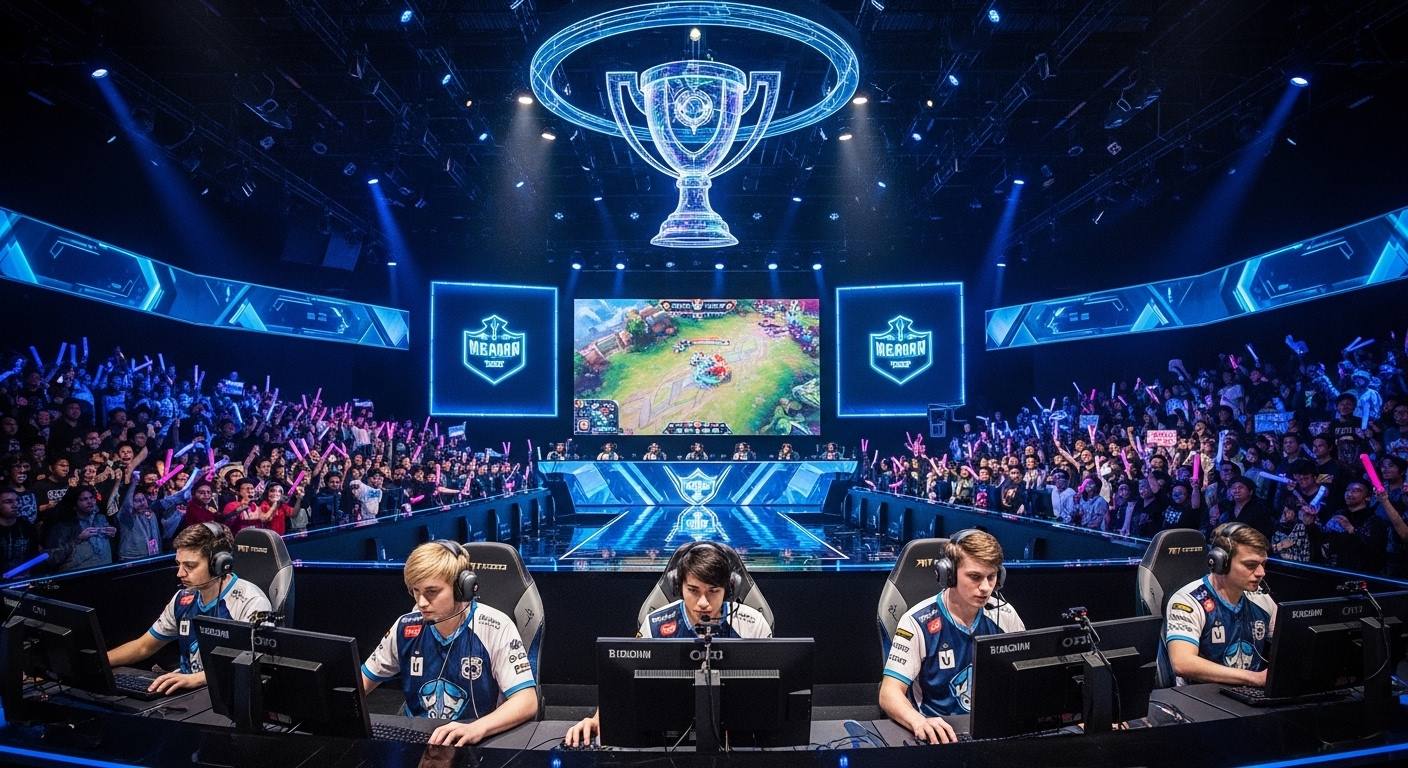
The early 2010s also saw the development of massive eSports events, like The International (Dota 2), League of Legends World Championships, and the Overwatch League. These events featured multimillion-dollar prize pools, attracting the attention of not just players, but huge corporate sponsors. It was now clear that eSports had become a major global spectacle. The 2014 League of Legends World Championship, for example, attracted over 27 million viewers for the final match, rivaling the viewership of traditional sports events like the Super Bowl.
eSports organizations, teams, and individual players began to gain recognition and sponsorships from major brands like Coca-Cola, Intel, and Mercedes-Benz. The professionalization of the scene was further solidified by the establishment of eSports leagues and tournaments with structured seasons, ranking systems, and team rosters, much like the NBA or NFL.
The Structure of eSports: From Casual Gamers to Professional Athletes
One of the most fascinating aspects of eSports is the way it has evolved into a professional career path for many gamers. While the idea of being a professional athlete is commonplace in traditional sports, professional gaming has become an increasingly viable career option for skilled players. This transformation has led to the establishment of dedicated eSports teams and organizations, which operate similarly to traditional sports teams.
Just like a football team or a basketball squad, eSports teams recruit top players from around the world and provide them with everything they need to succeed. These teams hire coaches, analysts, and managers to optimize player performance, manage logistics, and handle sponsorship deals. Professional players, often in their teens or early twenties, undergo rigorous training schedules, practicing for hours a day, studying gameplay, and refining strategies to stay ahead of the competition.
In addition to prize money from tournaments, professional eSports players earn substantial income from sponsorships, streaming, and social media. Top players can make millions of dollars a year through streaming platforms like Twitch, where they build massive followings and gain lucrative deals with gaming-related brands.
The lifestyle of a professional eSports player mirrors that of traditional athletes. They travel the world to compete in high-stakes tournaments, represent their teams at promotional events, and often deal with the pressures of fame. While eSports players may not require the same physical conditioning as traditional athletes, the mental and strategic demands are just as intense. This has led to a recognition of eSports as a legitimate form of professional competition, with many viewing the players as digital athletes.
The eSports Audience: Fans, Engagement, and the Power of Streaming
One of the defining factors of eSports’ growth has been its ability to create an engaged and loyal fan base. Unlike traditional sports, which often require physical attendance at stadiums, eSports allows fans from across the globe to connect with their favorite teams and players through live streams and social media. Platforms like Twitch, YouTube Gaming, and Facebook Gaming have revolutionized the way fans experience eSports, providing real-time access to tournaments, commentary, and player interactions.
The live-streaming model has created a more intimate relationship between players and their audiences. Fans can interact with streamers in real time, ask questions, and cheer for their favorite teams. This direct communication has helped foster a sense of community that has made eSports more than just a form of entertainment – it’s become a culture.
The scale of eSports’ audience is impressive. Major tournaments now draw millions of viewers, with some events rivaling the viewership numbers of traditional sporting events. For example, the League of Legends World Championship has garnered over 100 million unique viewers, and The International for Dota 2 has become one of the most-watched events in the world, attracting more viewers than some major sporting events.
eSports also appeals to a young demographic. The average age of eSports viewers tends to skew younger than that of traditional sports fans, with many viewers in their teens and twenties. This has made eSports a powerful tool for reaching a tech-savvy, digital-native audience that brands are eager to target.
The Business of eSports: Sponsorships, Media Rights, and the Global Economy
The economic impact of eSports is impossible to ignore. The industry has quickly evolved into a multi-billion-dollar business, with revenue streams coming from sponsorships, media rights, ticket sales, merchandise, and more. Major tech companies like Intel and Nvidia sponsor eSports events and teams, while consumer brands like Coca-Cola and Red Bull invest heavily in the scene to reach younger, tech-oriented consumers.
The growing value of media rights has also been a major factor in the business side of eSports. Just like in traditional sports, eSports organizations are selling broadcasting rights to major media companies, allowing tournaments to be aired on TV or live-streamed on popular platforms. The sale of media rights has generated significant revenue, with companies like ESPN and TBS broadcasting major eSports events.
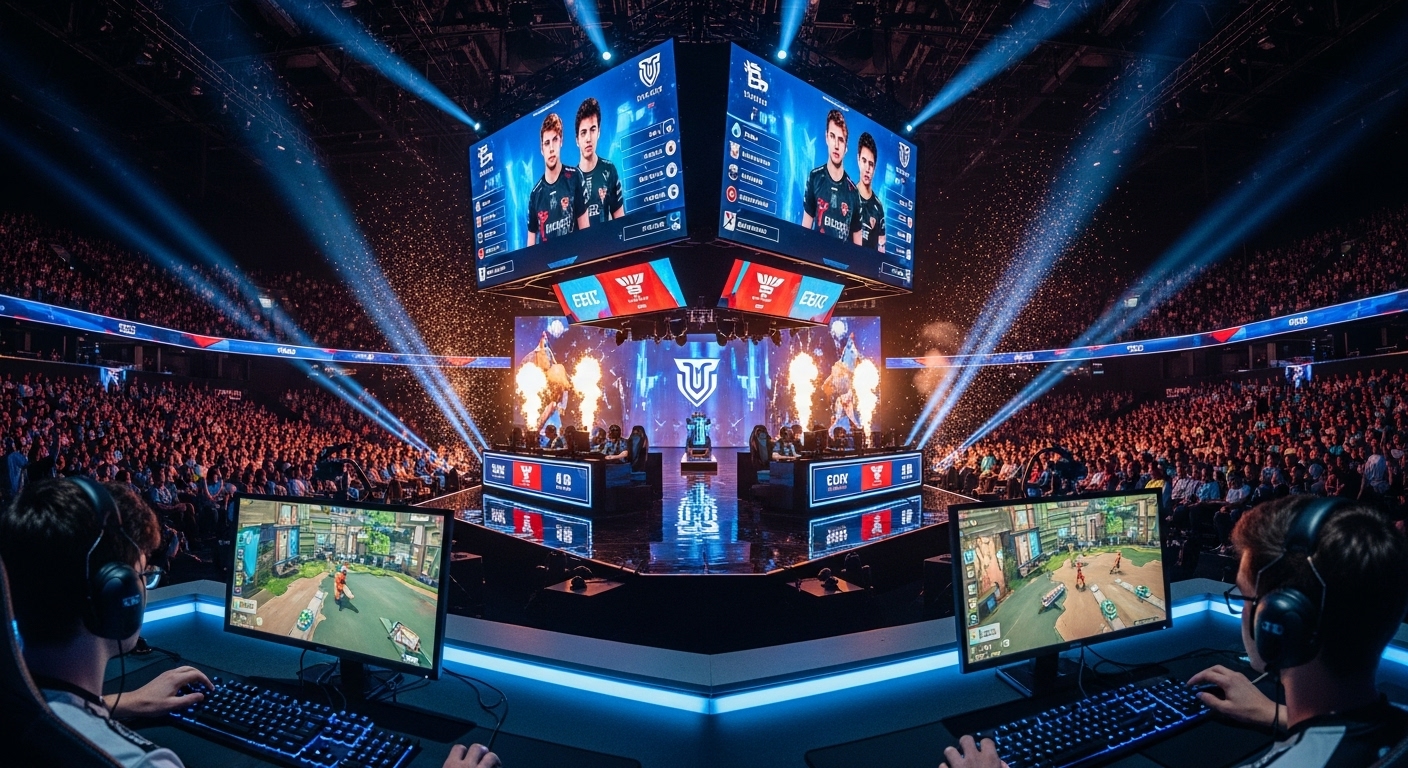
Ticket sales for live events have also become a major source of income. Some eSports tournaments take place in massive arenas, attracting thousands of fans who want to experience the excitement firsthand. These events are often accompanied by fan festivals, concerts, and other activities, making them more than just a competition – they are full-scale entertainment experiences.
In addition, the growing popularity of eSports has led to an influx of investment from venture capitalists and private equity firms, further fueling the industry’s expansion. This investment has led to the creation of professional eSports leagues, multi-million-dollar prize pools, and infrastructure development, ensuring that eSports will remain a key player in the global entertainment ecosystem.
The Cultural Impact of eSports: Bridging the Gap Between Gaming and Mainstream Entertainment
The rise of eSports has had a significant cultural impact, especially in terms of how video games are viewed in society. Gaming, once considered a solitary hobby, has become a community-driven, mainstream form of entertainment. The success of eSports has helped elevate gaming as a legitimate form of sports, with players and teams gaining recognition similar to that of traditional athletes.
eSports has also helped break down cultural and gender barriers. While gaming has traditionally been male-dominated, female players, teams, and streamers have gained more visibility and recognition in recent years. This push for inclusivity has helped make eSports a more welcoming space for players of all genders and backgrounds.
Furthermore, eSports has expanded the definition of what it means to be an athlete. While physical endurance is not as critical in gaming as it is in traditional sports, mental acuity, strategic thinking, and reflexes are just as important. This has led to a growing recognition of eSports players as athletes in their own right, requiring skill, dedication, and teamwork to succeed.