 joystickarena94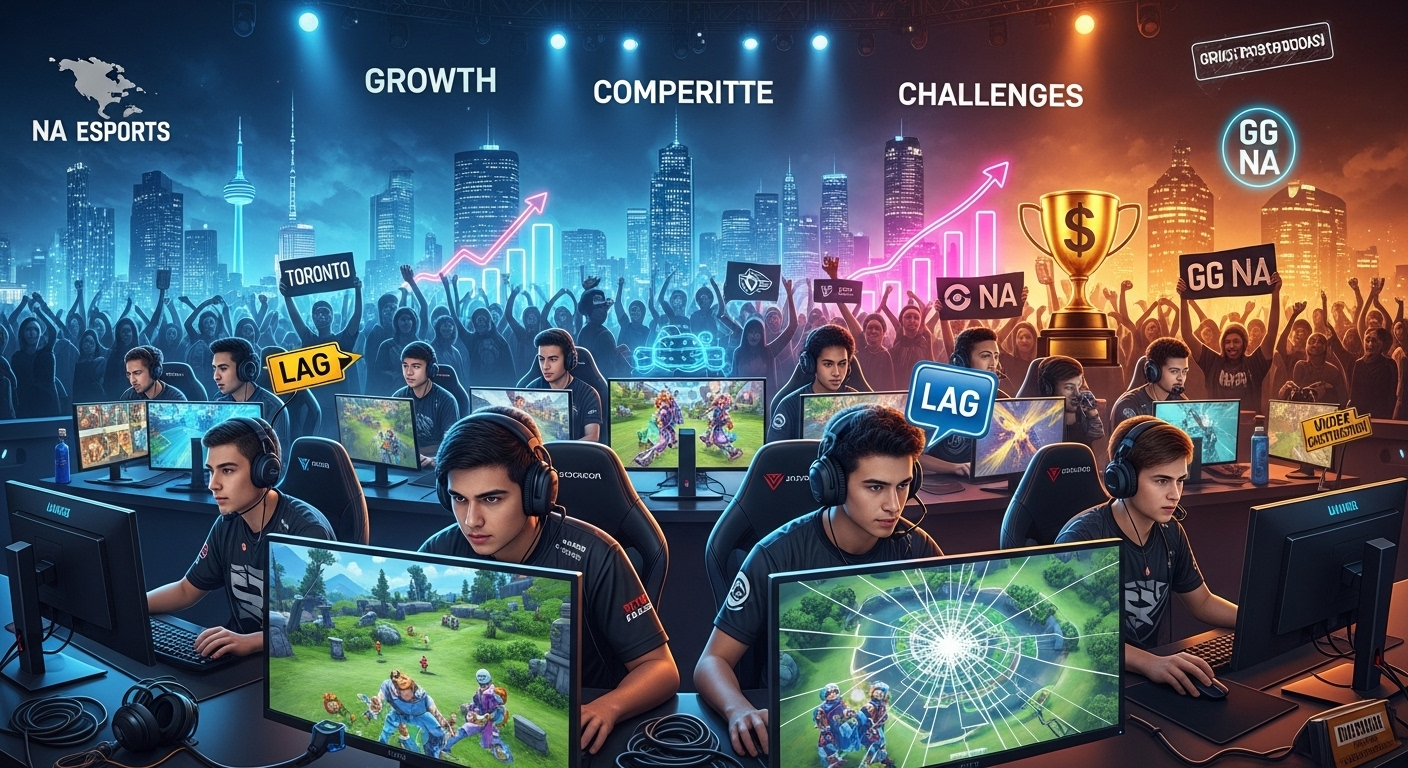
Esports in North America feels, at once, like a mature industry and an adolescent one. It has grown from garage teams and LAN parties into multi-million-dollar franchises, arena sell-outs, and broadcast deals with major media companies — and yet it still bumps its head on structural problems: player welfare, fragmented governance, gambling-related integrity threats, and an ecosystem that sometimes prioritizes spectacle over sustainability. This deep-dive picks apart where North American esports has come from, what’s driving its growth now, the practical challenges it faces, and clear, realistic steps the scene can take next.
1. How big is North American esports — quickly?
The global esports market has been growing rapidly, and North America is one of the major engines of that growth. Recent industry summaries project strong year-over-year revenue gains for the esports sector and rising global viewership crossing into the hundreds of millions. These trends are reflected in sponsorship growth, increasing event attendance at arena-sized shows, and more mainstream commercial interest from brands and traditional sports operators. SQ Magazine+1
(Those figures are part of a shifting landscape, so any single dollar figure should be treated as a snapshot — but the direction is clear: growth in revenue, marketing spend, and live/streaming audiences.)
2. The engine of growth: what’s actually driving expansion in North America?
2.1 Arena events and the return of stadium-level tournaments
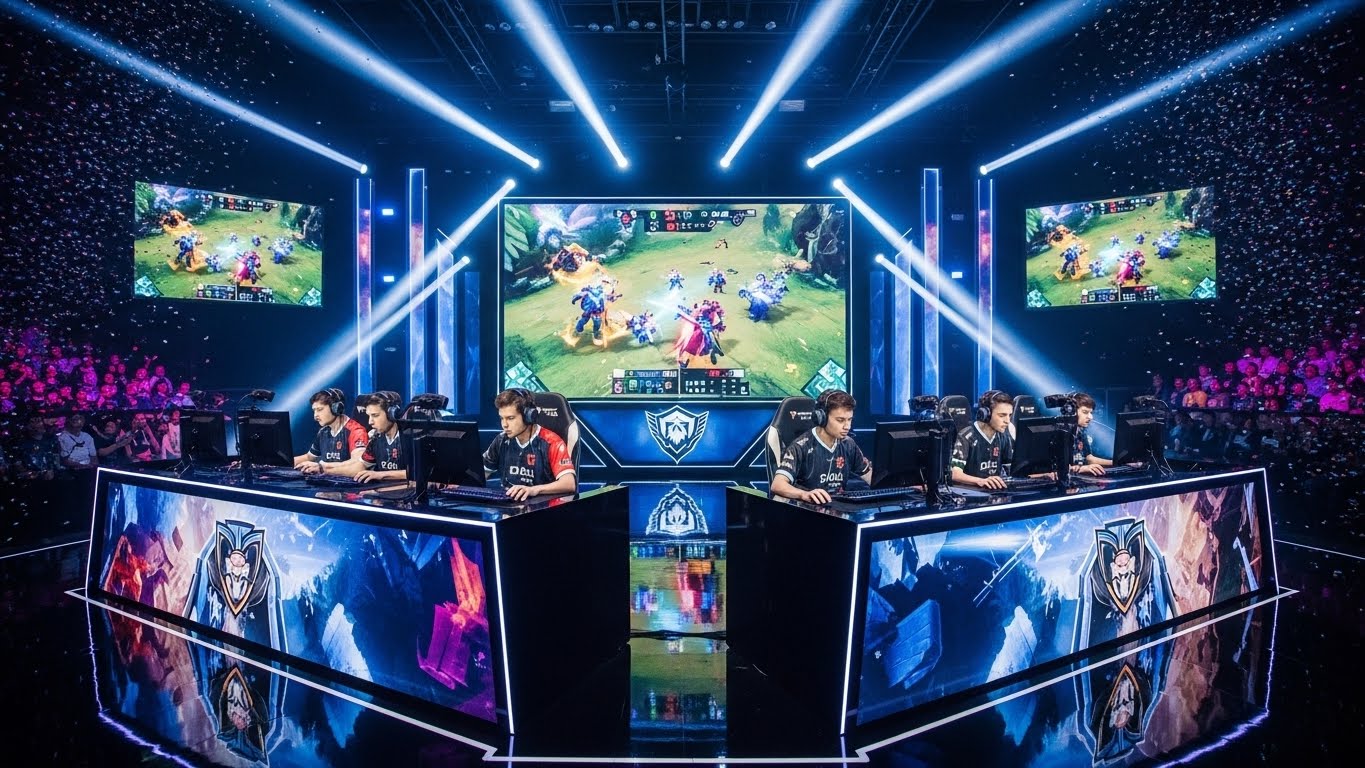
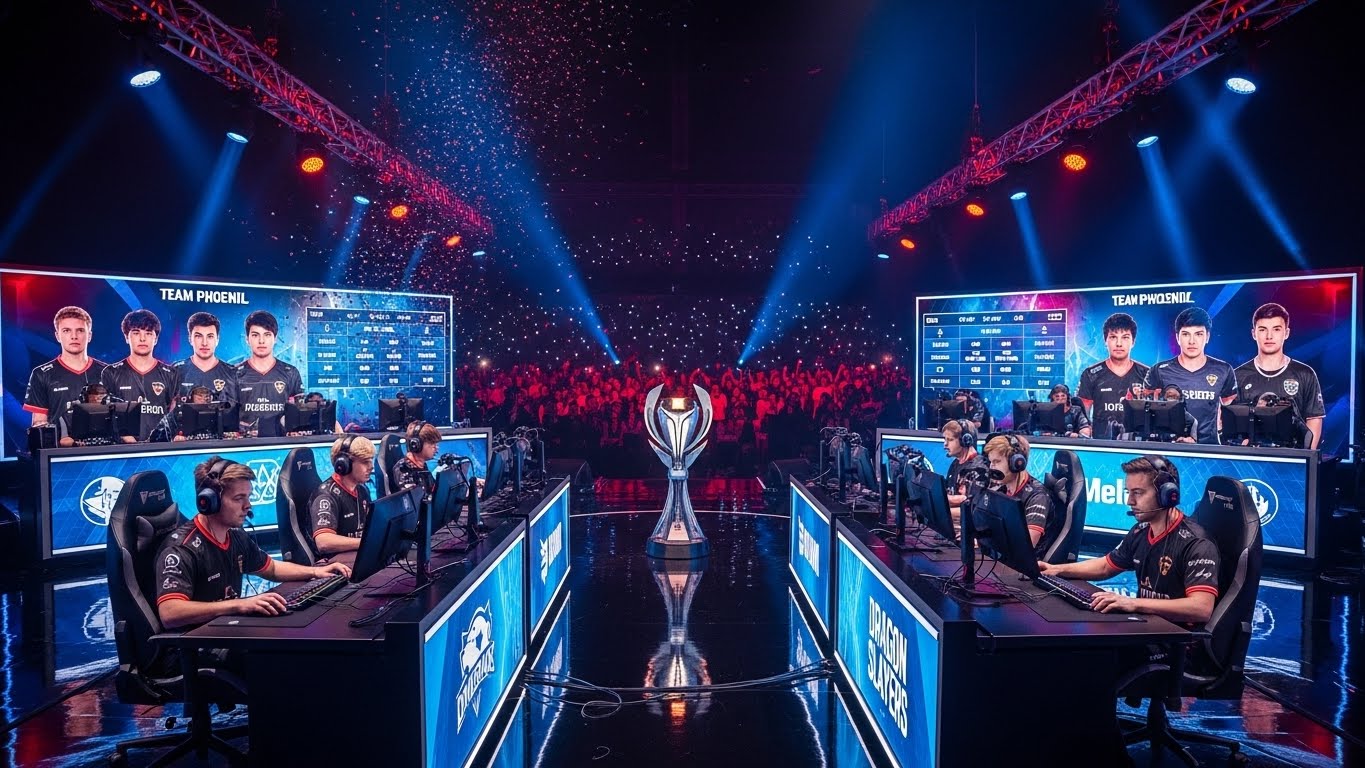
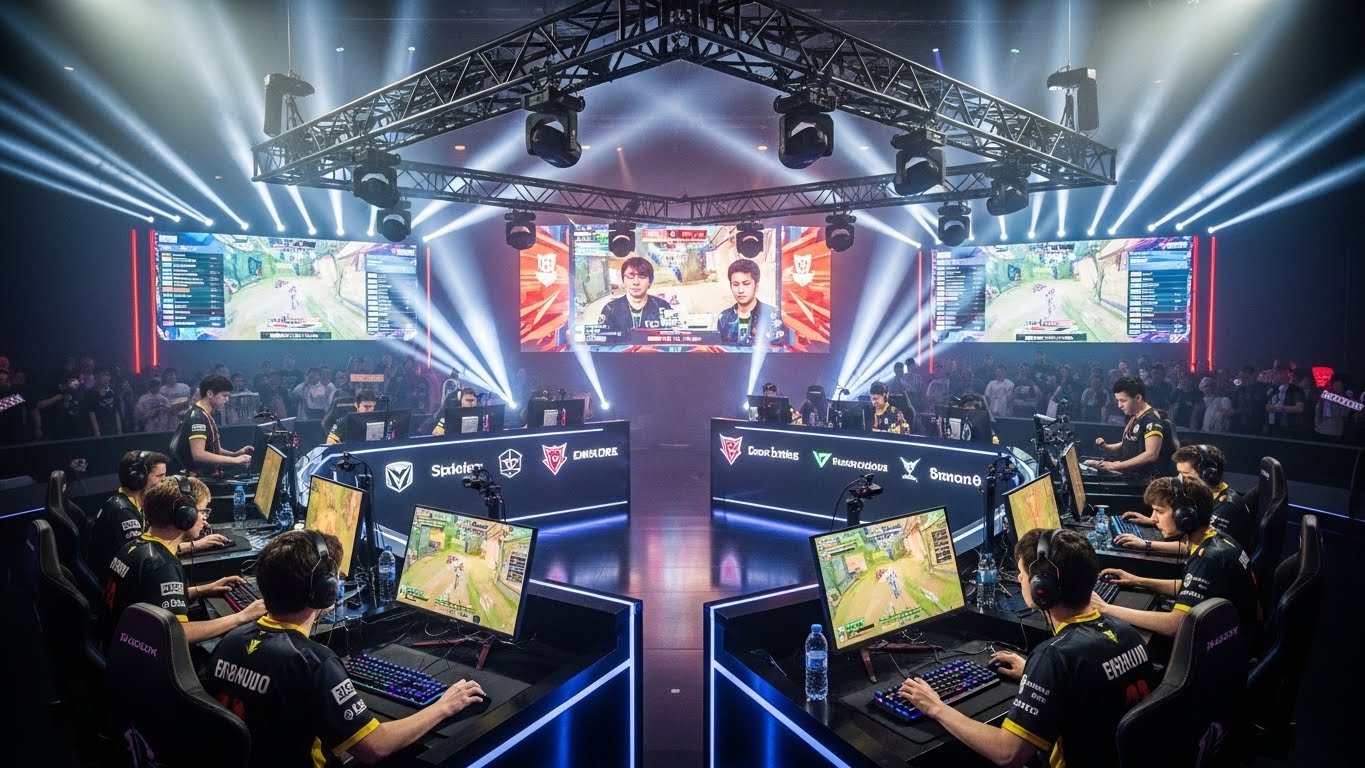
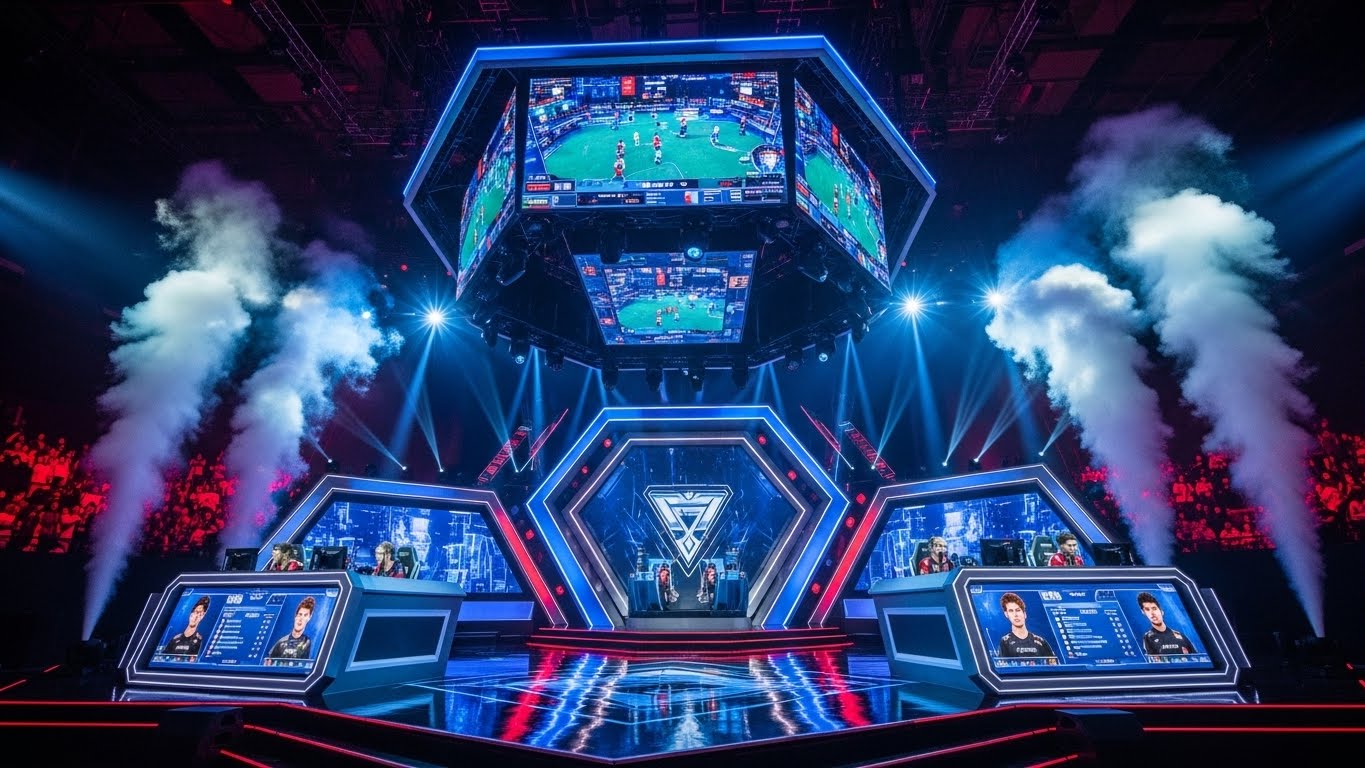
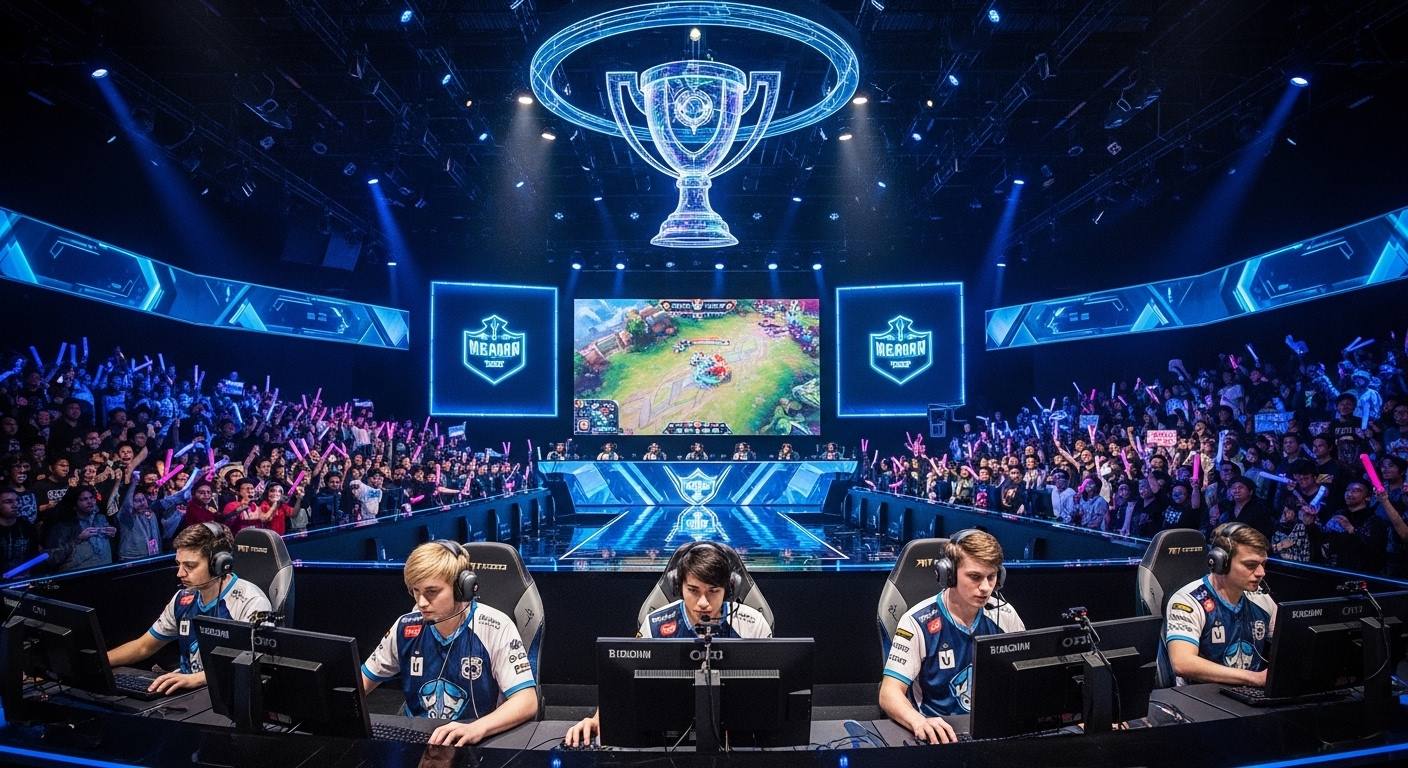
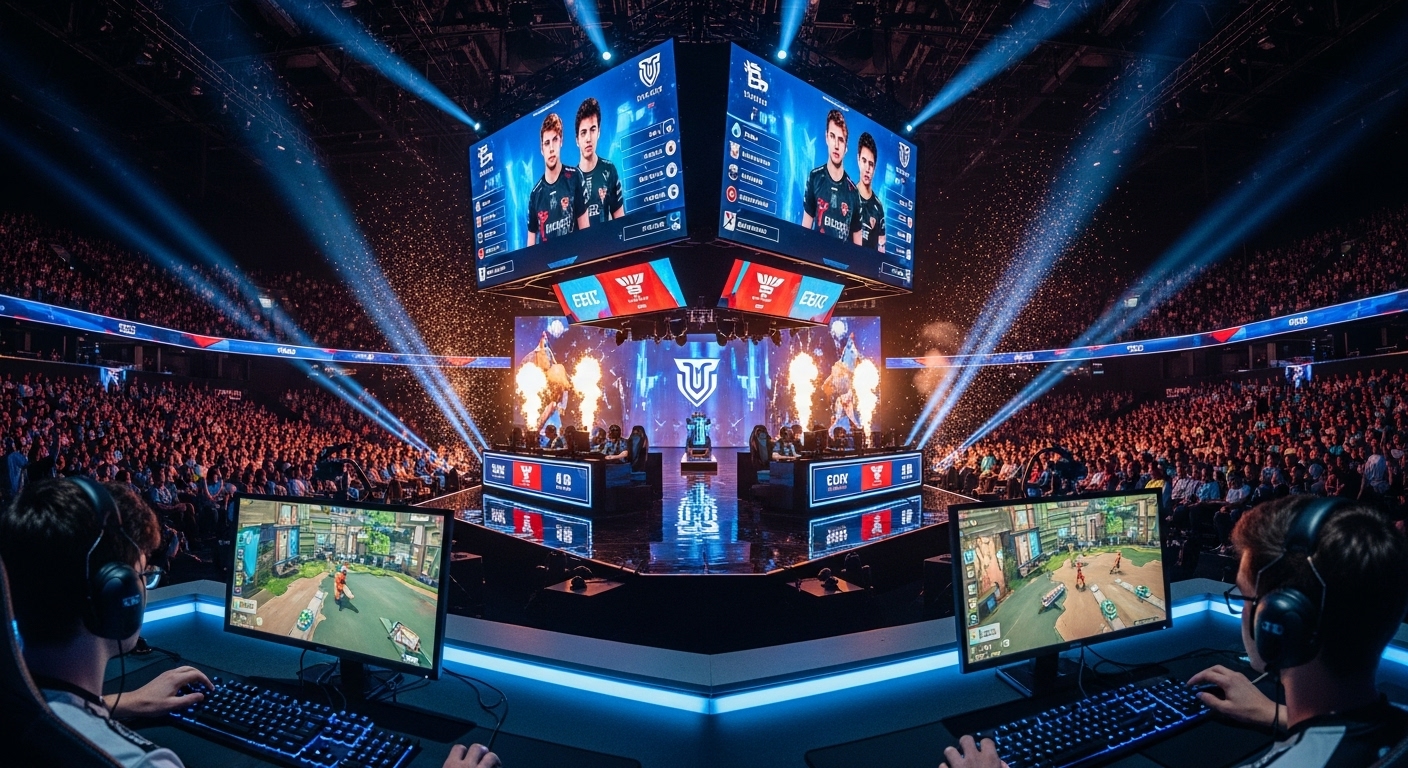
One of the most visible signs of esports’ maturation in North America is the move toward arena and stadium events that draw tens of thousands of fans and bring mainstream press attention. Events like the BLAST.tv Austin Major — which sold out and was staged in a major arena with high in-person attendance and global streaming reach — show that big, spectacle-driven tournaments can anchor local ecosystems and drive economic impact for host cities. Statesman
Why this matters: arena events prove a product-market fit for live esports, making it easier to attract sponsors, tourism dollars, and cross-industry partnerships (venues, hospitality, local government). They also create aspirational moments for fans and players that reinforce the sport’s cultural relevance.
2.2 Investment and team valuation
Top North American organizations (and multinational ones with North American divisions) have attracted huge private investment, diversified revenue streams (merch, media rights, sponsorships, content), and valuation narratives that make headlines. When big teams win international events and sign high-profile deals, it signals that capital believes in long-term growth. High-value franchises also help professionalize operations, from coaching staff to sports science and content production. Pley+1
2.3 Streaming platforms & creator economies
Twitch, the YouTube ecosystem, and other streaming platforms continue to be the backbone of fandom and discovery. Streamers and talent create daily content that keeps audiences engaged between major events, and those audiences are being monetized through subscriptions, ads, and brand deals — a fundamental engine for both fan growth and direct revenue. Platforms also help smaller tournaments and grassroots leagues find audiences they never could in a pre-streaming era.
2.4 College programs, grassroots, and talent supply
Colleges and universities in North America are increasingly offering esports scholarships, teams, and facilities. This creates a pathway for talent development and helps funnel new, media-savvy fans into the ecosystem. Grassroots events, amateur leagues, and LAN cafés remain important talent incubators, and they’re becoming more connected to the pro pipeline than they were a decade ago.
3. What’s working well (and why it matters)
3.1 Commercialization without losing fandom
North America has demonstrated that esports can be commercialized — sponsorships, media deals, and brand activations — while retaining core fan engagement. When executed well, sponsorships feel native (in-game overlays, co-branded content, player wellness programs) and audiences accept them as part of the ecosystem.
3.2 Cross-pollination with traditional sports
Venue operators, sports franchises, and city event planners are partnering with esports organizers. That brings knowledge transfer (ticketing, hospitality logistics, broadcast expertise) and helps esports punch above its weight when pitching for arena dates or sponsorship budgets. The BLAST.tv Austin Major is an example where traditional venue infrastructure and local sport-business networks amplified an esports event into a city-level spectacle. Statesman
3.3 Strong intellectual property (game) stewardship
Many big esports ecosystems in North America are still anchored by developers that invest in competitive ecosystems (league structure, developer-run tournaments, broadcast assets). That vertical integration — when well-managed — delivers clarity for stakeholders: schedules, patch policies, and official tournament pathways.
4. The big challenges (and why they’re urgent)
Growth is real, but the scene has frictions — structural and human — that threaten long-term sustainability.
4.1 Player welfare and burnout
Competitive gaming careers are often short and intense. Research shows clear patterns of burnout and mental-health strain among professional players, driven by early specialization, long hours, public scrutiny, and the pressure of constant performance. Without systematic support (sports psychologists, regulated schedules, guaranteed minimums for rest), the human cost of growth will continue to bite organizations and the health of the scene. Frontiers
Practical impact: teams lose talent early, insurance and medical costs rise, and negative stories about player mental health can sour sponsor relationships if they’re mishandled.
4.2 Fragmented governance and inconsistent rules
Esports lacks a single, global governing body with consistent rules for transfers, contracts, doping, betting, and match integrity. Different developers, tournament operators, and regional bodies set varying standards — which creates confusion and exploitable gaps. The absence of unified governance makes enforcement inconsistent and damages public trust when controversies emerge.
4.3 Integrity threats: gambling, match-fixing, and shady betting activity
The growth of betting markets around esports has brought new money — and new risks. Investigations and public reports demonstrate real instances where suspicious betting patterns led to investigations, bans, and reputational damage. Integrity bodies and leagues have intervened, but the problem is organizationally complex because it crosses borders, platforms, and informal communities. esic.gg
Consequences: tainted results, legal liabilities, and reduced sponsor confidence.
4.4 Revenue concentration and sustainability
A few big tournaments, a handful of games, and major sponsors can dominate the revenue picture. When those tournaments switch formats, change owners, or contract their commitments, entire income streams evaporate for teams and mid-tier organizers. This concentration risk means the ecosystem can be volatile for everyone except the topmost tier.
4.5 Talent pathways and labor rights
Many players (and supporting staff) operate under short-term or precarious contracts without strong labor protections. The industry is still figuring out standard contract lengths, buyout structures, minimum wage levels, and retirement/transition support. Compared to many traditional sports, esports lacks norms and legal clarity here.
4.6 Cheating, DDoS, and online attack vectors
As major tournaments move online or hybrid, the technical attack surface grows. DoS attacks, software cheats, and hardware tampering are ongoing threats that require investment in secure infrastructure and fair-play mechanisms.
5. Case studies from recent North American moments
The BLAST.tv Austin Major: arenas as accelerants
The BLAST.tv Major in Austin showed how a high-profile, well-produced event can create massive local economic impact, solid ticket sales, and strong global streaming numbers — the kind of event that persuades cities and venues to court esports more seriously. It’s an example of how festivals combined with tournament sport can produce outsized returns. Statesman
Team Liquid and international success
Teams based in or heavily active in North America have had significant successes at global events, bringing prestige and revenue back to their organizations and proving that North American rosters and operations can compete on the biggest stages. Wins at major events validate talent development, coaching frameworks, and the overall investment thesis for sponsors and owners. Reuters+1
ESIC and integrity enforcement
Investigations into suspicious betting and match-fixing highlight how governance and integrity bodies are necessary — and how enforcement is happening in real time. These probes show that the ecosystem is taking integrity seriously, but they also show gaps where more preventive measures and cross-jurisdictional cooperation are needed. esic.gg
6. What the industry (and stakeholders) should prioritize now
If North American esports wants to turn its current growth into a durable, ethical, and prosperous ecosystem, stakeholders should coordinate around a few high-leverage moves:
6.1 Standardize basic labor protections and player welfare
Create baseline contract standards (minimums for salary and benefits), mandated rest periods, and universal access to sports psychologists and medical services. Teams, leagues, and devs should co-fund a player welfare pool that supports mental health, career-transition training, and emergency situations.
Why: protecting athletes increases longevity, stabilizes team rosters, and reduces churn — which makes the product more investable and reputable.
6.2 Build stronger integrity infrastructure
Expand partnerships between tournament operators, betting platforms, and integrity bodies to detect suspicious patterns in real time. Improve whistleblower protections and standardize sanctions for match-fixing. Transparency frameworks for match incidents (investigations and outcomes) will also restore public trust faster than opaque processes.
Why: integrity is the currency that underpins sponsorship and betting revenues. Without it, the whole commercial model is fragile.
6.3 Diversify revenue and support the mid-tier
Leagues and franchise owners should invest in growing mid-tier tournaments, regional circuits, and content programs that provide more stable money flows for smaller organizations. Grants, revenue-sharing, and broadcast windows for mid-tier events would reduce the boom/bust cycle felt by many teams.
Why: a healthy pyramid requires more than just a big apex tournament — it needs a resilient middle.
6.4 Encourage developer accountability and open calendars
Game developers should commit to long-term calendars, patch stability windows for competitive play, and official tournament pathways. This reduces chaos for teams who otherwise must chase multiple, overlapping circuits and unpredictable game updates.
Why: predictable competitive environments let teams plan budgets and training, and they give broadcasters and sponsors stability.
6.5 Invest in infrastructure and anti-cheat tech
Riot, Valve, and other big devs, plus third-party tech firms, must continue to professionalize anti-cheat systems and invest in resilient network infrastructure for online play.
Why: protecting the competitive integrity of matches is both a technical challenge and a brand issue.
7. The role of cities, venues, and the hospitality industry
Cities are realizing that esports can be economic development: hotel stays, restaurant revenue, tourism, and press attention. Arena events (like the Austin Major) show that a well-run tournament can be an economic boon — which opens municipal interest and potential public-private partnerships.
Practical idea: destination cities should create esports playbooks (venue partnerships, visa assistance for international teams, promotional packages) to lower friction for tournament hosts and attract repeat events.
8. Fans — the most important resource
Ultimately, fans decide whether an ecosystem thrives. To keep fans engaged, organizers must:
- Honor the fandom by protecting competitive integrity.
- Keep content flowing between majors: docuseries, behind-the-scenes, coach breakdowns.
- Make live events accessible and affordable with tiered ticketing and fan activations.
- Respect community creators and streamers; they’re the grassroots feeders of fandom.
9. What success looks like in 5 years
If North American esports executes the priorities above, success looks like:
- A diversified calendar with marquee arena events and thriving regional circuits.
- Stronger player career paths with post-career support and reasonable contract standards.
- A transparent integrity regime — fast investigations, meaningful sanctions, and cross-border cooperation.
- Steady growth in sponsorship and media rights revenue — not wild volatility.
- More cities competing to host events and more sustainable local ecosystems (colleges, venues, sponsors).
10. Checklist for different stakeholders
For teams/owners
- Adopt player welfare policies.
- Budget for long-term player development and mental health support.
- Diversify income (merch, content, fan experiences).
For leagues and devs
- Publish clear competitive calendars and patch windows.
- Invest in integrity tech and cross-platform monitoring.
- Create revenue-sharing mechanisms for ecosystem health.
For players
- Demand clear contracts and welfare guarantees.
- Invest in personal brand and education for post-competitive life.
For sponsors/brands
- Look for integrity, audience authenticity, and long-term partnership potential.
- Support mid-tier content and grassroots programs — brand goodwill compounds.
For city planners and venues
- Build esports-ready playbooks and hospitality packages.
- Consider long-term sponsorships to become recurring hosts, not one-off venues.
11. Final take: hopeful realism
North American esports has demonstrated it can deliver spectacle, attract investment, and produce world-class teams. Yet growth alone won’t buy long-term stability. The next chapter depends on systems — legal, medical, technical, and cultural — that protect the athletes, preserve competitive integrity, and spread revenue more widely across the ecosystem.
The good news: the tools exist. Integrity bodies, research on player welfare, mature venue operators, and experienced commercial partners are all present in the market. The task now is coordination: aligning incentives so that arena shows and streaming peaks don’t exist in isolation, but as parts of a resilient, ethical, and fan-first industry.